
What to Wear on a Business Class Flight
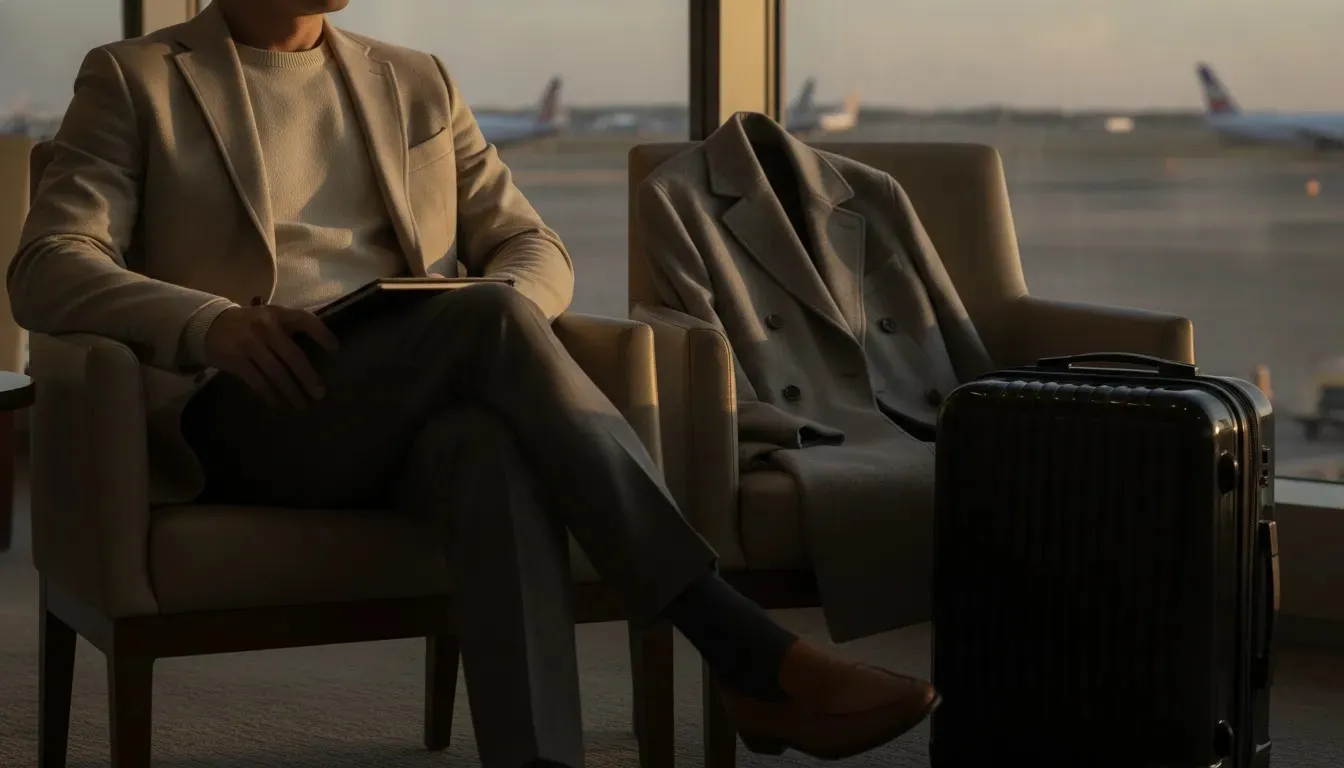
Business class rarely comes with a printed dress code, yet clothing still matters. It shapes how comfortable you feel in the lounge, how polished you look during boarding, and how easily you settle into a long-haul cabin built for rest, dining, and work.
The answer is not formalwear. It is also not gym attire disguised as travel style. Instead, the strongest wardrobe sits in the middle: refined, comfortable, breathable, and composed enough for premium spaces. If you have been wondering what to wear on business class flight routes, especially overnight or international sectors, dress for the full journey rather than only the seat. That includes the terminal, the lounge, the cabin, arrival, and any meeting or hotel check-in that may follow. A clear understanding of what is business class also helps, because the setting itself influences what feels appropriate.
Why What to Wear on Business Class Flight Plans Still Matters
Business class feels more relaxed than many first-time premium travelers expect. However, it is not socially neutral. You move through quieter, more polished spaces, and your clothing affects comfort, confidence, and practicality.
Lounge seating, cabin temperature shifts, long boarding windows, and lie-flat bedding all reward thoughtful choices. As a result, the question of what to wear on business class flight routes is about function as much as style.
That does not mean anyone is judging hemlines or jacket labels. It means certain outfits simply work better in premium travel environments. Clothes that wrinkle badly, bind at the waist, slide awkwardly in a seat, or look overly casual under lounge lighting often feel like mistakes by the middle of the trip.
There is also the arrival factor. Many business class passengers land and continue directly to a meeting, a private transfer, a dinner reservation, or a luxury hotel. Therefore, dressing with that next setting in mind often leads to better decisions than dressing only for takeoff.
Business Class Dress Code: Polished Rather Than Formal
The phrase business class dress code can be misleading because most airlines do not publish strict clothing rules for premium cabins. In practice, expectations come more from common sense, lounge culture, and route context than from formal enforcement.
A useful standard is smart casual with an emphasis on comfort. You do not need a suit unless your trip itself requires one. You do want clothing that looks intentional, fits properly, and stays presentable after hours in transit.
For most travelers, that means structured knitwear, soft tailoring, refined separates, and shoes you can walk in gracefully. If you are still deciding what to wear on business class flight days, this is the safest foundation.
This is also where the broader premium experience matters. Many travelers focus on the seat, but the rhythm of the trip includes check-in, security priority lanes, lounges, boarding, dining, and in some cases even arrival services. Those elements are part of the business class amenities that make premium travel feel more composed, and your outfit should support that flow rather than work against it.
Dress norms may tighten slightly on certain flagship international routes, especially when the cabin carries a high proportion of corporate travelers. They may soften on leisure-heavy overnight sectors. Ultimately, polished restraint works almost everywhere.
What to Wear on Business Class Flight Lounge and Boarding Stages
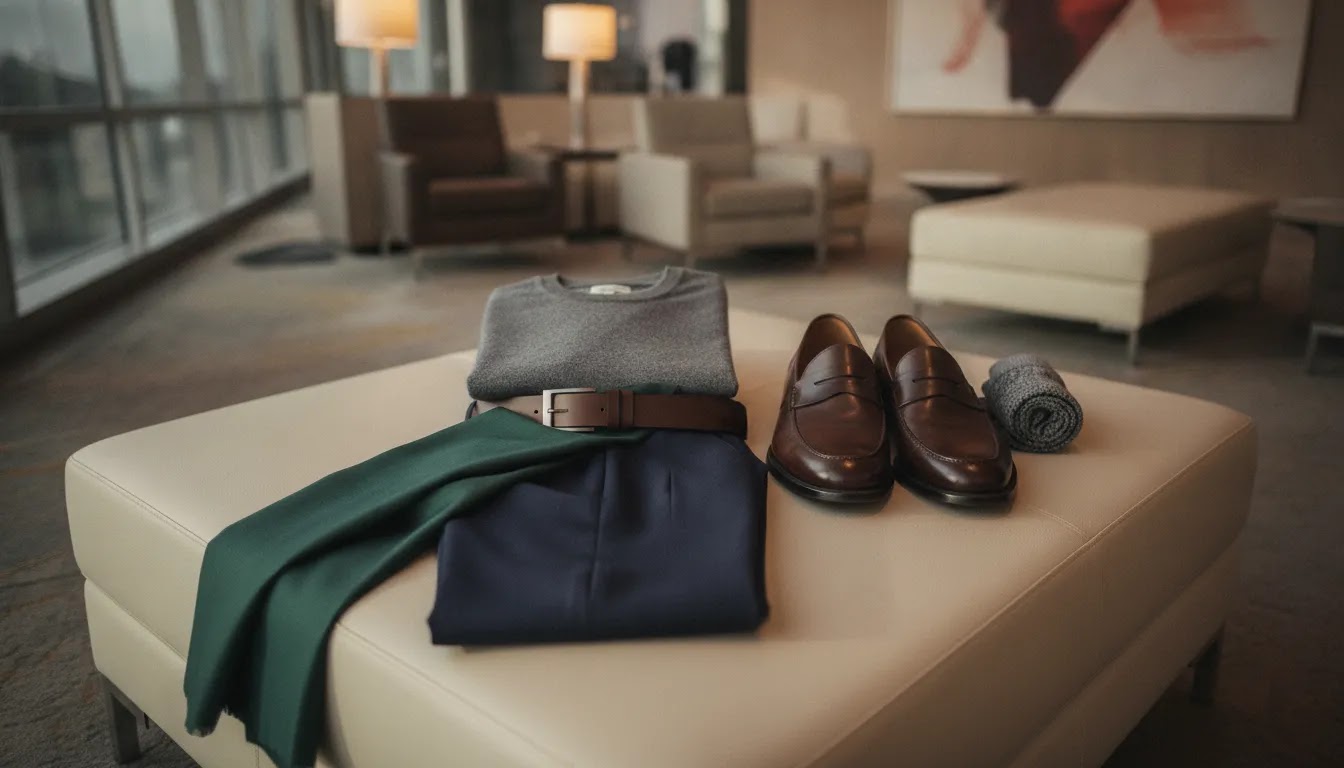
The premium flow begins well before you reach your seat. In practice, clothing is often judged less by the cabin itself and more by the spaces around it. That usually means the lounge, the gate area, and the boarding process.
An outfit that feels acceptable once the bed is made up may feel too casual while you are having a quiet meal in the lounge or waiting in a priority boarding lane. Therefore, presentability matters alongside comfort.
A soft trouser and knit top can work beautifully, but they usually look stronger with a proper outer layer, polished footwear, and a silhouette that still reads as daywear. A cardigan with shape, an unstructured jacket, or a refined wrap often helps the outfit hold together across the terminal.
Footwear should also support the full sequence of the trip. Shoes that slip off easily are useful onboard. However, they should still feel appropriate in a premium hospitality setting.
Clothing that feels overly sleep-oriented before boarding tends to be the weak point. Matching lounge sets, jersey separates, and knit co-ords may work very well if they are tailored enough to look intentional. By contrast, slouchy joggers, bedroom-style pajama sets, and anything that resembles hotel sleepwear usually look misplaced in shared premium spaces, even if no formal rule is posted.
Some lounges may also carry an informal expectation of greater polish than the aircraft itself. This is not always written into policy, and enforcement may vary by carrier, route, and location. Still, the atmosphere in premium lounges often rewards restraint and refinement. If you are uncertain, dress for the lounge first, then for the lie-flat seat. For more context, this guide to business class lounge access helps explain how these spaces work.
The Best Outfit Formula for What to Wear on Business Class Flight Days
If you want one reliable answer to what to wear on business class flight itineraries, build around three priorities: comfort, shape, and fabric quality.
Start with a refined base layer for what to wear on business class flight comfort
A breathable T-shirt, elevated long-sleeve knit, silk-blend top, or fine-gauge sweater works well. It sits comfortably for long periods and layers easily. Avoid anything too clingy, too sheer, or heavily embellished. Airplanes magnify discomfort.
Add a structured top layer
An unlined blazer, soft jacket, elegant cardigan, or polished overshirt gives your outfit visual shape and helps with shifting cabin temperatures. This is often the piece that separates merely comfortable from truly composed.
Choose trousers that travel well
Tailored drawstring trousers, stretch wool pants, relaxed crepe trousers, premium ponte pants, or well-cut dark jeans on appropriate routes can all work. The key is ease at the waist and knee, with enough structure to hold form after hours of sitting.
Wear shoes that are easy to remove and rewear
Loafers, clean leather sneakers, soft ankle boots, and elegant flats are usually strong choices. You may remove your shoes during the flight. Still, you want footwear that looks refined during boarding and feels stable while crossing terminals.
Keep the palette controlled
Neutrals travel beautifully. Navy, charcoal, cream, black, taupe, olive, and soft white generally hide creasing better and combine more easily with scarves, wraps, and outer layers. They also help you look put together after a delayed departure or late arrival.
| Travel element | What the article recommends | Why it helps |
|---|---|---|
| Base layer | Breathable T-shirt, elevated long-sleeve knit, silk-blend top, or fine-gauge sweater | Layers easily and stays comfortable for long periods |
| Top layer | Unlined blazer, soft jacket, elegant cardigan, or polished overshirt | Adds shape and helps with shifting cabin temperatures |
| Trousers | Tailored drawstring trousers, stretch wool pants, relaxed crepe trousers, premium ponte pants, or well-cut dark jeans on appropriate routes | Balances ease at the waist with structure after hours of sitting |
| Shoes | Loafers, clean leather sneakers, soft ankle boots, or elegant flats | Easy to remove onboard while still looking refined during boarding |
| Color palette | Navy, charcoal, cream, black, taupe, olive, and soft white | Hides creasing and keeps the outfit cohesive |
Fabric, Fit, and Cabin Practicalities That Matter Over 10 Plus Hours
Once a flight moves into the ten hour range and beyond, visual polish alone is not enough. Fabric behavior becomes part of the experience. Breathability, wrinkle resistance, stretch recovery, and softness against the skin all matter more after several hours seated, reclining, and sleeping in the same clothes.
Well-chosen travel fabrics usually retain shape without feeling rigid. Fine merino, quality ponte, modal blends, stretch crepe, and softer wool blends often perform well because they move with the body and recover after extended sitting.
Fabrics that crease heavily at the hip, knee, or waist can leave you looking more tired than you feel. Pieces with too much metal hardware, thick seams, stiff waistbands, or decorative elements at the back may also become uncomfortable once the seat is fully flat.
Cabin temperature is another practical concern. Even excellent business class cabins may feel warm during boarding and cooler after takeoff or while sleeping. Layering is usually more effective than relying on one substantial garment.
A breathable base, a light mid-layer, and one polished top layer tend to give you the most control. This also helps if your departure city, connection point, and arrival destination differ dramatically in climate.
Shoes and trouser hems deserve similar attention. Many travelers remove shoes during long sectors, so socks should be presentable and trousers should still sit neatly if you are walking to the lavatory in-flight. If a shoe is difficult to put back on once your feet have been enclosed for hours, it may not be the right travel choice.
The most successful business class outfits are usually the ones that continue to feel balanced after dining, sleeping, and waking, not only during boarding. If you are also comparing cabin setups, this guide to business class seats can help you match clothing choices to the onboard experience.
What to Wear on Business Class Flight Overnight Routes
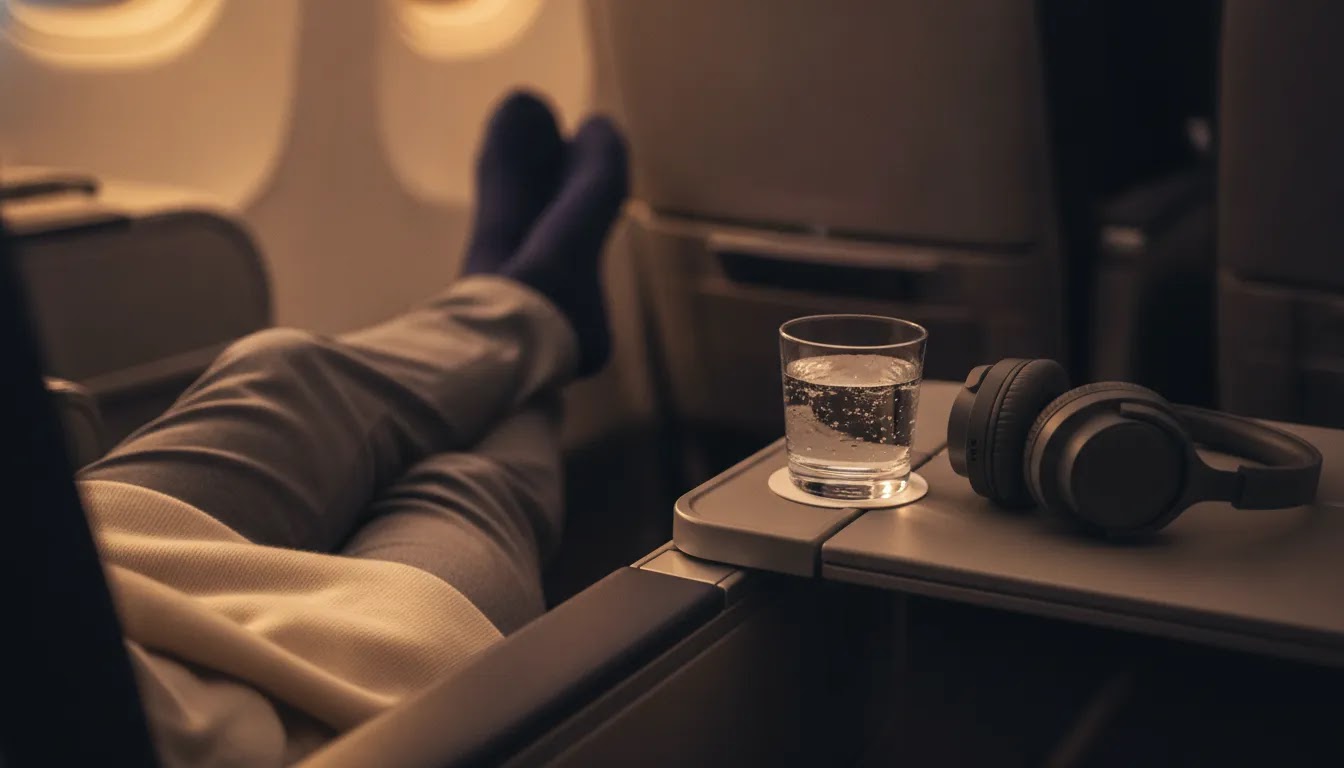
An overnight flight travel business class outfit should do two things at once: support real rest and preserve enough structure for a refined arrival. This balance matters more on long-haul sectors where you will recline fully, sleep for several hours, and wake up shortly before landing.
Soft fabrics become especially important here. Cashmere blends, jersey with recovery, fine merino, modal, and premium cotton often perform well. Stiff denim, restrictive waistbands, and heavy hardware tend to become uncomfortable once the seat is in bed mode.
For women
A strong formula is relaxed tailored trousers, a smooth knit top, a soft cardigan or wrap, and elegant flats or minimalist sneakers. A matching knit set can work beautifully if the fabric has enough substance to read as intentional rather than loungewear.
For men
Consider drawstring wool-blend trousers or travel chinos, a quality crewneck or polo knit, and a soft blazer or overshirt. Clean leather sneakers or loafers finish the look without making the outfit feel rigid.
If the airline offers sleepwear
Some premium carriers provide pajamas on selected long-haul routes, but many business class cabins do not. If sleepwear is provided, your boarding outfit can lean slightly more arrival-ready since you may change once onboard. If it is not provided, your own clothing needs to function as both daywear and sleep-adjacent attire.
Clients planning complex long-haul itineraries often ask for guidance on details like this because the right cabin varies by route, airline, and aircraft. An agency such as Flight Experts, which handles Business Class Flight Booking and complex itinerary planning, can often help align the flight itself with how you prefer to rest, work, and arrive.
Should You Change Into Pajamas or Stay in Your Travel Outfit?
This is one of the most practical business class questions, particularly on overnight international flights. The answer depends on the route, the airline, and how well your original outfit transitions from lounge wear to sleep.
If the carrier provides pajamas or sleepwear on your specific service, changing after the first meal or once the cabin settles may make rest noticeably easier. On many business class routes, though, no sleepwear is offered. In that case, the wiser approach is to board in an outfit that already feels comfortable enough for several hours of sleep.
If you prefer not to sleep in your arrival clothing, bringing your own discreet change layer can work well. A refined knit set, soft separate top, or lightweight travel trouser may be more practical than full sleepwear if you need to freshen up quickly before landing.
The goal is not to recreate a bedroom routine in the cabin. Instead, it is to improve comfort while remaining considerate in a shared premium environment.
Changing is usually best done quietly and efficiently in the lavatory once service has eased, rather than immediately after boarding. Keep your original outfit folded neatly so it is easy to change back into before breakfast or descent. That final reset often makes the difference between arriving merely rested and arriving polished.
Travelers who prefer to land ready for a hotel lobby, immigration queue, or car transfer often find that one thoughtful clothing change, rather than a complete wardrobe shift, is enough.
What to Avoid, Even Without a Posted Rule
Knowing what not to wear is often more helpful than any idealized outfit formula. Few airlines will deny boarding over mildly casual clothing, yet certain choices almost always underperform in business class.
- Visible sleepwear or pajama-style sets worn from the terminal, unless they are exceptionally tailored and read as daywear
- Gym clothing, compression tights as outerwear, or athletic shorts
- Very tight waistbands, stiff fabrics, and garments that dig in when seated
- Overly revealing pieces that may feel awkward in lounges or during cabin service
- Flip-flops or unstable footwear, especially on long international itineraries
- Heavy jewelry or accessories that become uncomfortable during rest
Fragrance deserves caution as well. Aircraft cabins are enclosed environments, and a restrained approach is more considerate than a signature scent applied too generously before boarding. For general air travel rules and security guidance, travelers can also review the official TSA travel tips.
How to Adapt What to Wear on Business Class Flight Routes by Season and Purpose
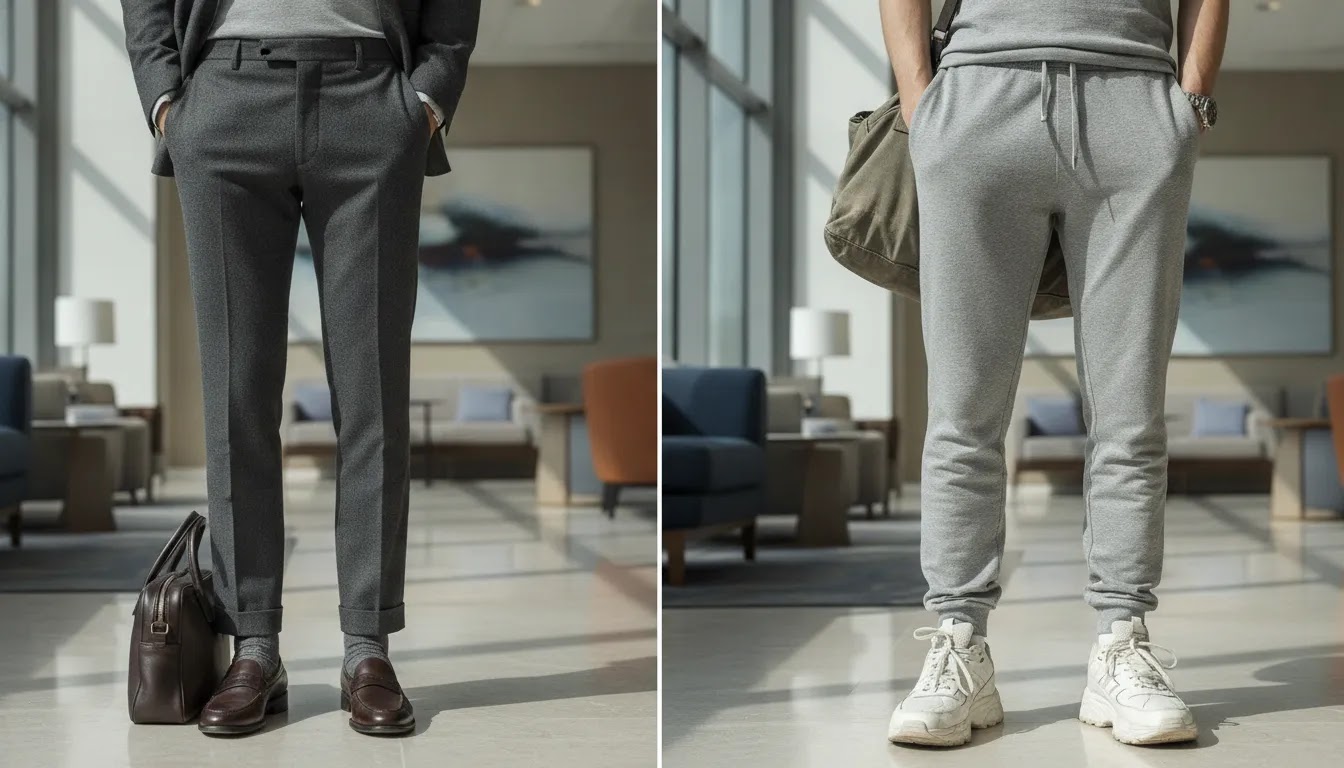
What to wear on business class flight journeys from New York to London is not identical to what works on a leisure route to the Maldives or a daytime sector to Los Angeles. The underlying principle stays the same, but the styling can shift.
Business-focused international routes
Lean a bit sharper. A blazer, polished knit, and tailored trousers or a refined dress layered with a jacket may feel appropriate. You are likely to see more structured dressing in the lounge and at boarding.
Leisure-heavy long-haul routes
You can soften the look while keeping it elevated. Matching knit separates, fluid trousers, premium sneakers, and luxurious wraps often feel right. The aim is relaxed elegance, not formality.
Cold-weather departures
Layer carefully. Airports, lounges, and cabins can all vary in temperature. A light coat, wrap, or cashmere layer is easier to manage than one bulky piece that becomes inconvenient once onboard.
Warm-weather departures
Natural fibers help. Linen blends can work well if blended with fabrics that resist heavy wrinkling. Breathable dresses, relaxed trousers, and soft shirts in polished cuts are preferable to anything too bare for chilly cabins.
Travelers who want these details coordinated with connection times, aircraft type, and premium airport flow often benefit from advisor input early in the planning process. Flight Experts approaches premium travel as a concierge relationship, not a self-service transaction, which tends to suit travelers who care about how the journey feels at every stage.
If you are comparing broader premium planning resources, the Premium Cabin Experience & Amenities section is a useful starting point, while Premium Flight Booking & Tips offers further guidance on choosing the right premium itinerary. You may also want to review this full guide to business class international flight planning.
The Small Details That Finish the Look Well
The best business class outfits are rarely dramatic. They succeed because every small element has been considered.
Carry a wrap or large scarf
This may serve as warmth in a cool cabin, modesty in a bright lounge, or light cushioning at your seat. It is one of the most practical luxury travel accessories you can pack.
Use a proper travel tote or structured personal item
A premium cabin outfit loses coherence quickly when paired with an overstuffed bag that spills cables, paperwork, and cosmetics at the gate. Choose a bag with internal organization and easy access to passport, charger, and skincare.
Bring fresh socks
If you plan to remove your shoes in flight, clean, high-quality socks are a small courtesy to yourself and to the cabin environment. On overnight sectors, they also make it easier to settle into sleep mode.
Keep one change point in mind
If you are traveling directly to an event or meeting, decide in advance whether you will arrive in your full outfit or make one quick adjustment in the lounge before landing. A change of shirt, fresh top, or different shoes may be all you need.
Thoughtful preparation often matters as much as the fare itself. For travelers arranging multi-stop premium journeys, Flight Experts also offers Complex Itinerary Planning, which can be valuable when flights, ground timing, and arrival context all need to align smoothly. In addition, the IATA travel regulations guide is a useful reference for broader international travel requirements.
Frequently Asked Questions
Is there an official business class dress code on most airlines?
Usually, no. Most airlines do not publish a formal business class dress code for passengers. What exists instead is an understood norm: clothing should be neat, comfortable, and appropriate for premium shared spaces such as lounges and boarding areas.
You generally do not need business attire unless your itinerary requires it after landing. Smart casual is the safest guide. If an airline or lounge has a specific rule, it may focus more on items like bare feet, offensive graphics, or very revealing clothing than on formal tailoring.
What is the safest outfit choice if I am flying business class for the first time?
A soft, polished travel uniform usually works best. Choose tailored trousers or refined knit pants, a comfortable top in a quality fabric, a layer such as a blazer or cardigan, and easy, elegant shoes.
This combination suits the lounge, the cabin, and arrival better than either formal businesswear or obvious athleisure. It also gives you flexibility if the cabin runs cool or your plans change after landing. First-time premium travelers tend to feel most at ease when their outfit looks intentional without appearing overdressed.
What should I wear on an overnight flight in business class if I want to sleep?
Prioritize breathable fabrics, ease at the waist, and soft layers. You want clothing that allows you to recline fully, turn comfortably, and rest without seams or hardware pressing into you.
Knit trousers, stretch wool blends, fine cotton, merino, and cashmere blends often work well. Keep your look structured enough for the airport, then soften it through fabric choice rather than through overtly casual styling. If the airline offers onboard sleepwear, you may have more freedom to dress for arrival instead of sleep during boarding.
Do people change into pajamas in business class?
Yes, some do, particularly on long-haul overnight routes where the airline provides sleepwear or where the traveler has brought a discreet change layer. Others remain in a well-chosen travel outfit for the entire flight. Both approaches are acceptable.
The deciding factor is usually whether your original clothing is comfortable enough for real sleep and whether you want to arrive already dressed for the next part of your journey. If you do change, it is best handled neatly, with your arrival outfit organized in advance for an easy change back before landing.
What should I wear on a very long business class flight if the cabin gets cold?
Plan around layers rather than one heavy piece. A breathable base layer, a soft mid-layer such as fine merino or a quality knit, and a polished outer layer usually give you the most control as cabin temperatures shift.
A large scarf or wrap can also help during the sleeping portion of the flight. Fabrics should feel comfortable against the skin over many hours and should not become bulky once you recline. This approach tends to work better than dressing lightly and relying entirely on onboard bedding, which may vary by airline and route.
Can I wear leggings in business class if they are styled well?
Possibly, but the answer depends on how refined they look and how the rest of the outfit is built. Dense, premium knit leggings under a long structured layer may work on some routes, particularly if they read more like tailored slim pants than athletic wear.
Leggings that resemble gym clothing, have visible performance detailing, or are worn without adequate coverage usually feel too casual for lounges and boarding areas. In most cases, ponte pants or elevated knit trousers create a stronger balance between comfort and polish.
What should I avoid wearing in an airport lounge before a business class flight?
Avoid anything that feels too sleep-oriented, too athletic, or too revealing for a shared premium hospitality space. Slouchy joggers, obvious pajama sets, performance gym wear, and unstable footwear often look out of place even if no written rule exists.
Lounges may carry a more refined social tone than the aircraft itself, so clothing that appears acceptable at the gate can feel less successful there. An outfit that is comfortable but still clearly daywear is usually the safest choice.
Can I wear sneakers in business class?
Yes, if they are clean, understated, and in good condition. Minimal leather sneakers or refined travel sneakers are widely acceptable in business class, especially on international leisure routes and long airport days.
What tends to look out of place is heavily worn athletic footwear, bright performance shoes, or anything that reads as gym gear. Shoes should work with the rest of your outfit and still feel appropriate in a premium lounge. Comfort matters, but so does overall balance and finish.
Are jeans acceptable in business class?
They can be, though not all jeans perform equally well in a premium cabin. Dark, well-fitted jeans with some flexibility may work on shorter flights or more relaxed routes.
Rigid denim, distressed finishes, and tight waistbands usually become uncomfortable on long-haul sectors, especially overnight. If your main concern is comfort and polish over many hours, tailored trousers or elevated knit pants are often the stronger choice. The best question is not whether jeans are allowed, but whether they will still feel and look good halfway through the journey.
Should I change clothes on board during a long business class flight?
That depends on the route, the carrier, and your personal habits. Some travelers prefer to remain in one well-chosen outfit throughout the flight, especially if it is soft enough for rest. Others like to change into airline-provided sleepwear or a lighter layer after the meal service.
If you plan to change, do it neatly and keep your arrival clothing organized so it is easy to refresh before landing. The right approach is the one that lets you sleep well and arrive composed rather than disheveled.
Should I dress more formally for a business class international flight than for a domestic one?
Often, yes, though only slightly. International business class usually involves longer lounge time, a more elaborate service flow, and a greater chance that you will go directly into appointments, transfers, or hotel arrivals at the other end.
That tends to reward a more polished outfit, even if it is still rooted in comfort. Domestic premium flights may allow more flexibility because the travel day is shorter and the cabin service is simpler. A useful adjustment is to elevate fabric and fit rather than to default to formal office wear.
What accessories are worth bringing to improve comfort without looking casual?
A large scarf or wrap, quality socks, a discreet eye mask, and a compact pouch for essentials can make a real difference. These items support comfort without changing the tone of your outfit.
If you wear jewelry, keep it light and practical. A watch, small earrings, or one simple bracelet is often enough. For bags, choose a structured tote or travel case with internal organization. The most effective accessories are functional, elegant, and easy to manage in security lines, lounges, and the cabin itself.
Do lounges ever enforce stricter clothing expectations than the cabin?
They sometimes do, particularly in premium or privately managed spaces. Even when enforcement is gentle, lounges often feel more refined than the general terminal, so clothing that seems acceptable at the gate may feel less appropriate inside.
This is one reason polished smart casual remains such a reliable standard. You do not need to dress theatrically, but you should avoid anything that looks too sleep-oriented, too athletic, or too revealing. A lounge is still a shared hospitality environment, not only a waiting room.
How should I dress if I am going straight from the plane to a meeting or hotel check-in?
Dress for arrival first, then adjust for comfort through fabric and layering. A wrinkle-resistant top layer, refined trousers or dress, and shoes that remain comfortable after hours in transit usually serve you well.
Keep a few refresh items in your personal bag, such as a toothbrush, grooming essentials, and possibly a change of shirt or blouse. If you expect an especially tight turnaround, a travel advisor can help you select routings and cabin products that reduce fatigue and preserve your presentation on arrival.
Key Takeaways
- Business class usually calls for polished smart casual, not formalwear and not activewear.
- The best outfit balances comfort, shape, and breathable fabrics that still look composed after hours in transit.
- For overnight routes, softer fabrics and forgiving waistlines matter more than trend-driven styling.
- Lounge culture and arrival plans often shape the right outfit more than any posted airline rule.
- A well-planned premium journey feels better when your clothing supports the full travel flow, from check-in to arrival.
Conclusion
The strongest answer to what to wear on business class flight itineraries is rarely complicated. Dress with restraint, choose fabrics that support long hours in motion, and keep the overall impression polished enough for the most refined part of the journey.
You do not need to look ceremonial. You do need to feel at ease in a premium environment that may include a lounge, an overnight bed, a morning arrival, and plans immediately afterward.
That is why experienced travelers often rely on a repeatable formula rather than guessing before every departure. A structured layer, a comfortable trouser, a breathable top, and elegant shoes will usually carry you well.
If your trip involves long-haul premium cabins, mixed destinations, or a schedule where timing and comfort matter as much as the fare itself, speaking with a luxury travel specialist can be worthwhile. The team at Flight Experts helps travelers evaluate premium cabin options with the same attention to detail that seasoned clients expect throughout the journey.



