
Why Is Business Class So Expensive?
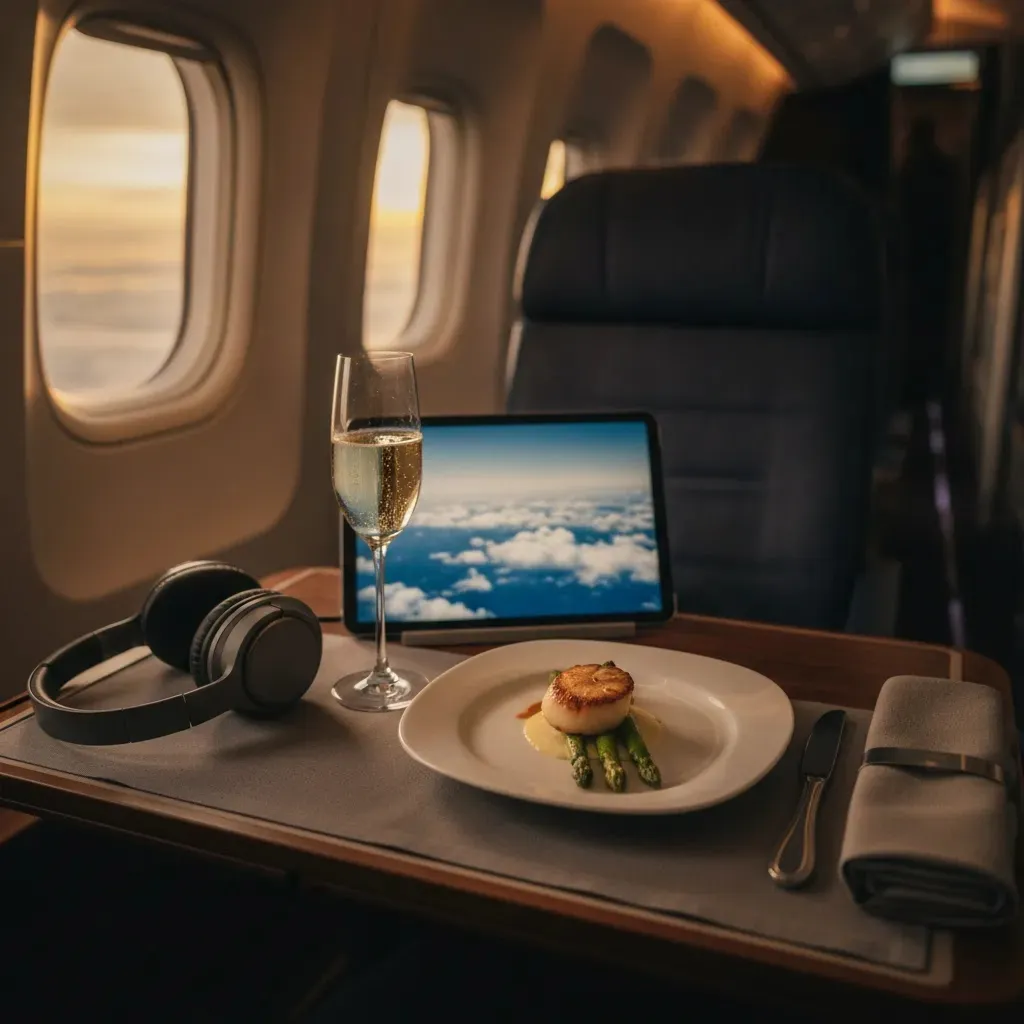
That reaction makes sense. However, airlines do not price Business Class around a wider seat alone. They price it around space, aircraft economics, labor, airport services, schedule demand, and the revenue they must earn from a small section of the plane.
This is why the question, what is business class, matters before you judge the fare itself. Airlines build the product differently. They sell it differently. They expect it to serve a different role, especially on long-haul routes where sleep, privacy, flexibility, and timing can materially affect trip value.
As a result, understanding the cost structure helps separate sticker shock from airline logic. It also helps you judge whether a fare is simply high or truly aligned with what the route and cabin aim to deliver.
Why is business class so expensive at its core?
The shortest answer to why is business class so expensive is simple: airlines sell far more than transportation. They sell personal space, a better sleep environment, a priority airport journey, and ticket terms that often offer more flexibility than lower cabins.
That still does not explain the full gap. The deeper issue is revenue burden. A long-haul flight has major fixed costs whether the cabin is all Economy or partly premium. Fuel, crew, maintenance, airport fees, catering logistics, and aircraft ownership stay in place. Therefore, airlines recover a meaningful share of those costs from the front of the aircraft, where fewer seats use much more floor space.
If you are also comparing practical value, it helps to read this alongside is it worth it. Cost and value are related. Still, they are not the same question.
Why is business class so expensive in aircraft economics?
One Business Class seat replaces multiple economy seats
The most important cost driver is cabin density. On many long-haul aircraft, one lie-flat Business Class seat may use the floor area of several main cabin seats. That footprint includes bed length, aisle access, shell design, storage, and privacy structures.
As a result, the airline gives up the chance to sell several smaller fares in the same space. Why is business class so expensive in this case? It must compensate for that lost density. A premium cabin does not sit on top of the aircraft. It takes space that could have earned other revenue.
Premium seat hardware costs far more than many travelers assume
Modern premium seats are engineering products, not padded recliners. Airlines may invest heavily in certification, in-seat power systems, screens, control units, partitions, direct-aisle layouts, and bespoke finishes. In addition, these seats weigh more, and extra weight affects fuel burn over time.
Cabin refreshes are costly as well. If an airline installs a more advanced suite product, it may remove aircraft from service for a period. It may also absorb refurbishment costs and accept fewer seats after reconfiguration. Those choices shape premium pricing for years, not weeks.
Why are business class tickets so expensive beyond the seat?
Service is labor-intensive
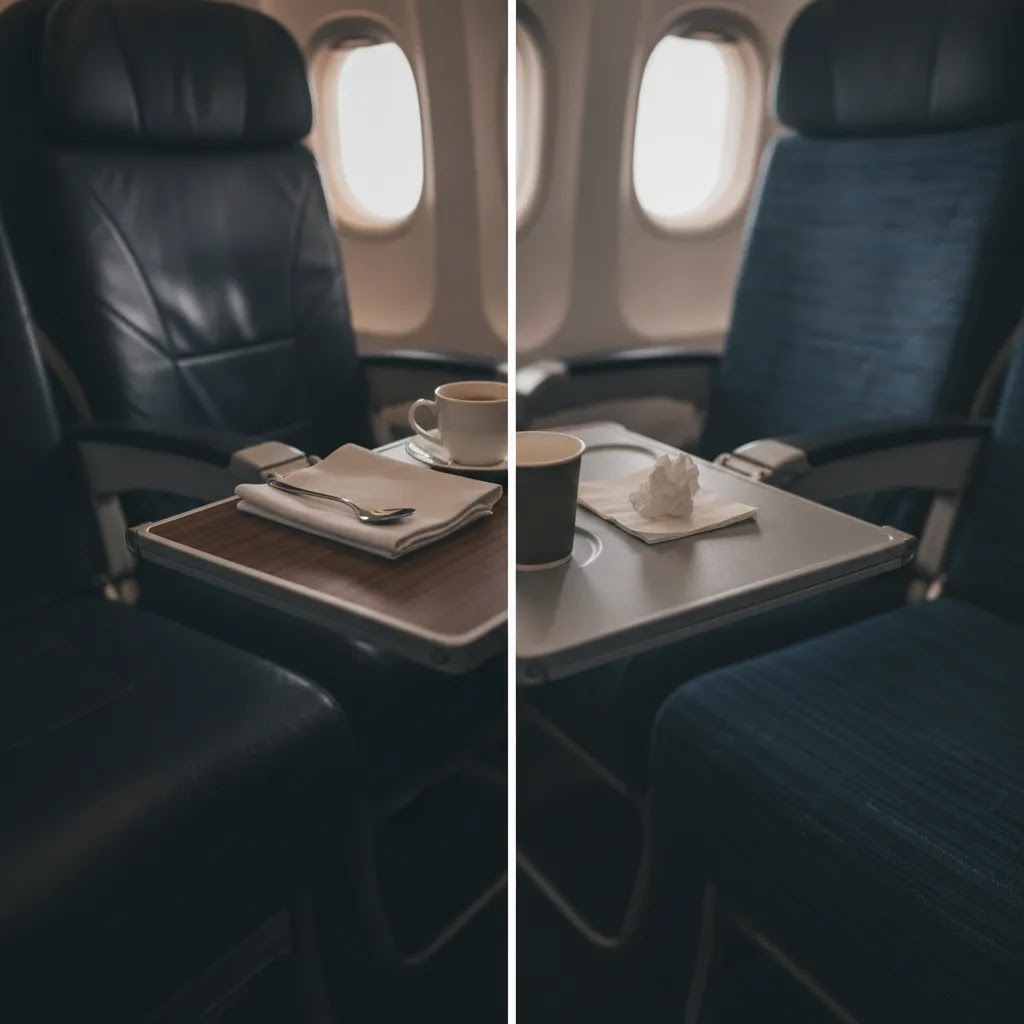
Premium service requires more attention per passenger. Crew members spend more time with each traveler in Business Class than in the main cabin. Expectations are also higher from boarding through landing. For example, meal sequencing, beverage service, bedding setup, problem resolution, and schedule-sensitive care all require labor, training, and consistency.
The ground experience has a real cost
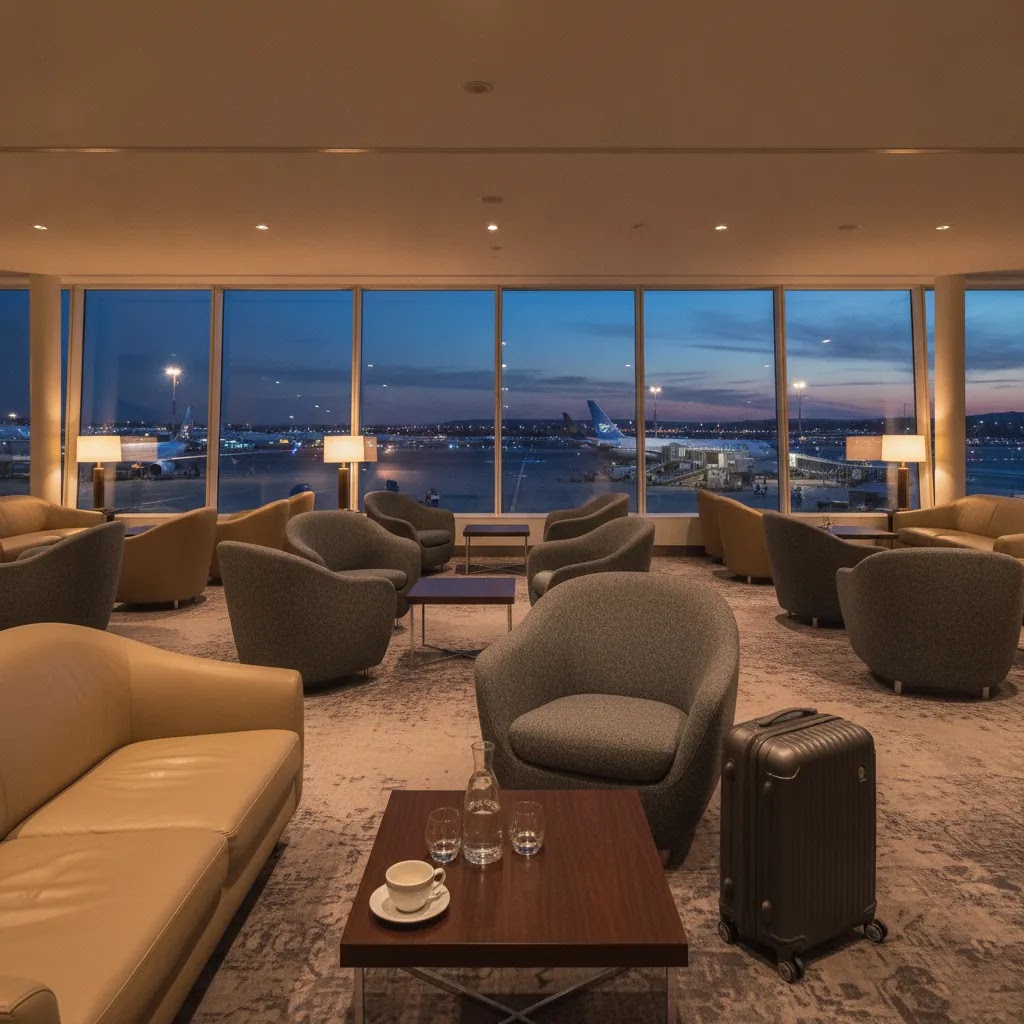
Many travelers focus on the seat and overlook the airport infrastructure behind it. Dedicated check-in areas, priority baggage handling, premium security lanes where available, lounges, contracted lounge partnerships, and transfer support all add cost. Even when the airline does not run its own lounge at an airport, it may still pay a third-party provider for access.
That is one reason premium travel planning often benefits from expert review. An agency like Flight Experts, which handles Business Class Flight Booking, can help clarify where the fare buys meaningful airport benefits and where the product is more seat-led than service-led.
Why are business class tickets so expensive when service looks similar?
One answer is fare construction. Premium tickets may include more favorable change conditions, stronger reaccommodation priority during irregular operations, and access to corporate booking demand that places a premium on timing rather than leisure value.
Airlines know many premium travelers are not buying comfort alone. They are buying control, protection, and time.
Why is business class so expensive when perks vary by carrier?
Many travelers overlook one key point: two Business Class fares that look similar can represent very different end-to-end journeys. The difference is not only the seat or the wine list. It is often the ground handling, lounge quality, and operational support around the flight.
Those elements cost the airline money. More importantly, they shape whether Business Class feels like a complete premium experience or mainly a better place to sit.
Premium ground services are real, but not universal
On select airlines and routes, premium travel may include chauffeur-style transfers or dedicated arrival services, subject to availability and local operating constraints. These benefits are not consistent across carriers, airports, or fare brands. In some cases, they apply only to certain premium cabins, only when the airline is the operating carrier, or only when the itinerary starts in specific markets.
Even when a benefit exists, geography or ticketing rules may limit it. That is why a premium fare can feel dramatically different depending on where you begin the trip. One airline may provide an exceptionally controlled curb-to-gate experience in its home hub. Meanwhile, the same ticket at an outstation may feel much closer to a standard airport flow with priority labeling.
Lounge access depends on the carrier, the lounge network, and the itinerary
Travelers often discuss lounge access as if it were one predictable perk. In reality, the experience may vary based on whether the airline operates its own lounge at that airport or relies on a partner arrangement. An owned lounge usually reflects the airline’s brand and service standards more consistently.
A partner lounge may still be comfortable. However, it can also be crowded, smaller, or less aligned with premium expectations, particularly at peak departure banks.
Access rules can differ by operating carrier and itinerary structure. A traveler on a premium ticket may have access in one direction but not the other. Or access could depend on whether the long-haul segment is in Business Class instead of a shorter connection. Policies can change, and airports may apply them differently. Therefore, experienced review matters for travelers who care about the full journey, not only the seat.
Some premium fares are seat-led, while others focus on end-to-end handling
Premium pricing can center on the hard product, the soft product, or the ground ecosystem. On certain routes, airlines compete mainly on the seat. Privacy, bed length, and direct aisle access do most of the work. On others, the premium proposition is the complete handling experience, including a strong lounge network, refined dining pacing, and better service recovery when disruptions occur.
In practice, these differences can affect perceived value without changing the headline fare logic. The airline still pays for space and staffing. Yet the way it allocates investment across ground and onboard touchpoints determines whether your day of travel feels effortless or simply improved.
Why is business class so expensive on some routes and dates?
Airlines price premium seats according to demand, not sentiment
Business Class is not priced by adding up amenities and applying a tidy margin. Airlines use revenue management systems that evaluate route demand, seasonality, booking windows, day-of-week patterns, competitive schedules, and corporate traffic behavior. If a route routinely attracts executives, legal teams, consultants, or high-value leisure travelers, the premium cabin may command a much stronger fare.
That is why how much business class cost can have very different answers depending on the city pair, travel dates, and booking conditions. The same cabin may be priced one way on a Tuesday departure in shoulder season and very differently around a major conference, school holiday, or financial quarter-end.
Airlines protect late-booking premium demand
Premium cabins often serve travelers who need to fly on short notice and are less flexible on timing. Airlines know that some of the highest-yield demand arrives later in the booking cycle. For that reason, they may keep Business Class fares elevated instead of filling the cabin too early at softer levels.
This can feel irrational from the outside, but airlines use it deliberately. They are not trying to make every seat attractive to every traveler. They are trying to maximize total route revenue.
Schedule quality can command a premium of its own
Two Business Class products may look similar on paper, yet the nonstop flight with a desirable departure time may price far above a one-stop alternative. For many premium travelers, avoiding a poor connection or preserving a full business day has measurable value. Airlines understand that convenience itself is a premium product.
Why is first class so expensive beyond Business Class?
If you have ever asked why are first class tickets so expensive, the logic is similar but more extreme. First Class usually offers fewer seats, more personalized service, more exclusive ground handling, and, on some carriers, a brand halo that goes beyond transportation economics.
On certain carriers, First Class exists partly as a statement product. The cabin may use a remarkable amount of space per passenger. It may also rely on especially elaborate soft product elements and lounge or chauffeur components that cost a great deal to provide consistently. The scarcity of the cabin itself also supports the price.
Why is first class so expensive compared with Business Class? Airlines charge not only for added comfort, but also for rarity, privacy, and product positioning. For travelers considering that step up, the answer is highly personal. Flight Experts also offers First Class Flight Booking for travelers who want expert guidance on where the premium over Business Class may be justified and where it may not.
Why is business class so expensive even above First Class sometimes?
Seeing Business Class priced above First Class can feel backward, but it is not necessarily a mistake. Airlines do not always arrange cabin pricing in a neat hierarchy. They manage cabins as separate inventory pools, each with its own demand profile, fare rules, and revenue targets.
Yield management and cabin size can invert the usual pricing ladder
Business Class is often the larger premium cabin, and it tends to carry the bulk of premium demand. If Business Class sells strongly, airlines may restrict lower Business Class fare buckets, which can push the remaining options higher. First Class, by contrast, can be a very small cabin with more variable demand.
In certain scenarios, airlines may open more accessible First Class inventory to stimulate bookings, particularly if the carrier wants the cabin to appear healthy on a flagship route.
Inventory controls and fare restrictions also matter. A Business Class fare with broader change conditions or different add-ons can price above a more restricted First Class fare, even if the name on the ticket suggests the opposite. In that case, the airline responds to booking behavior and revenue forecasting, not to a traveler’s expectation of a fixed hierarchy.
“First Class” does not describe a consistent product across airlines and aircraft
On some airlines, First Class is a true suite-level experience with highly distinctive service and ground handling. On others, “First” may look more like a strong Business seat, or it may appear only on certain aircraft with older cabin architecture. Labels can persist even when products evolve, and aircraft swaps can change the actual seat offered on a given day.
Because the product is not uniform, the pricing logic is not uniform either. A robust Business Class suite on one aircraft may be the airline’s main premium product. Meanwhile, the First Class cabin, if present, may not carry the same strategic weight on that route.
How to interpret an inverted price in practical terms
When you see Business priced above First, check what the airline is actually selling: the aircraft type, the seat configuration, and the fare conditions that govern changes and cancellations. It is also wise to review the route itself, including whether the flight is a flagship service or simply one frequency among many.
In most cases, the explanation lies in inventory controls and product consistency, not in a hidden difference in distance or flight time.
Why are flights to Asia so expensive in business class?
Why are flights to Asia so expensive in premium cabins? Distance explains part of it, but not the whole story. Many Asia routes are ultra-long-haul or close to it. That increases fuel exposure, crew planning complexity, catering logistics, and aircraft utilization constraints. An aircraft tied up on a very long mission completes fewer rotations than one flying shorter sectors.
Demand patterns also matter. Major gateways in East and Southeast Asia often support a mix of business travel, premium leisure demand, family travel with date restrictions, and strong seasonal flows. Those overlapping demand pools can support firm pricing in the front cabin, especially on nonstop services.
Product expectations are another factor. Some Asia-focused premium routes feature highly regarded seats, polished service cultures, and competitive lounge ecosystems. When the market expects a high-caliber experience, airlines invest accordingly and price accordingly.
Why is business class so expensive to Asia beyond distance?
The reality is that Asia pricing pressure often has route-specific drivers that are easy to miss if you focus only on miles flown. Capacity and network design can influence premium fares as much as the onboard product, particularly for travelers who prioritize nonstops, preferred departure times, and high-quality connection points.
Nonstop capacity and frequency limitations can keep premium fares firm
Many U.S. gateways have limited nonstop options to certain Asian cities, and some routes operate with fewer frequencies than comparable transatlantic markets. When nonstops are scarce, premium inventory is scarce as well. Ultra-long-haul missions also require aircraft and crew resources for longer blocks of time, which can reduce the airline’s flexibility across the broader network.
That reduced flexibility can translate into tighter premium seat availability and firmer pricing, even when overall demand feels steady rather than explosive.
One-stop routings can price very differently from nonstops
A one-stop itinerary can be priced lower or higher for reasons that have little to do with seat quality. Competitive dynamics matter, as airlines price to win connecting traffic through their hubs. Connection airport quality matters as well. A smooth premium connection with a strong lounge network, reliable minimum connection times, and well-timed banks can be more attractive than a technically shorter journey with a poor layover experience.
For discerning travelers, schedule desirability is often the deciding factor. A connection that protects sleep, reduces long layovers, and offers a calm lounge environment may command a premium relative to another one-stop option, even if both are marketed as Business Class.
Regional demand patterns vary between commercial centers and leisure-heavy markets
Premium demand into major commercial hubs can be resilient year-round, driven by corporate travel cycles, project work, and family obligations that do not always align neatly with tourism peaks. Leisure-heavy markets can show sharper seasonality, but premium cabins may still price firmly if capacity is limited or if a route draws a consistent base of high-value travelers.
In practical terms, that is why you can sometimes see strong Business Class fares outside the dates you would expect to be “peak.” The fare may be supported by limited nonstop supply, a preferred schedule, or a demand base that is less sensitive to traditional travel seasons.
How to interpret why business class is so expensive
Not every expensive fare is equally compelling
A high Business Class fare does not automatically mean a superior experience. Some routes justify pricing because of schedule strength or limited competition rather than a truly exceptional onboard product. Others may deliver an excellent hard product but only modest ground privileges.
This is where informed comparison matters. You should evaluate the fare against aircraft type, seat design, timing, connection quality, airport experience, and ticket flexibility, not just the cabin label.
Complex itineraries change the economics
Multi-city and open-jaw itineraries can produce premium pricing that looks unusual at first glance. Airlines manage married segments, alliance relationships, and inventory controls across multiple flights. As a result, a well-structured itinerary may price very differently from several separately ticketed sectors.
For travelers planning complex premium journeys, services such as Complex Itinerary Planning can be especially useful because fare logic across multiple long-haul segments is rarely intuitive.
Expert guidance can protect against false comparisons
An experienced advisor does not change airline cost structures, but they can help you judge whether a quoted fare aligns with the route, product, and travel objective. Flight Experts positions its service as concierge-style support rather than a self-service platform. That distinction matters when premium cabin choices involve tradeoffs around timing, aircraft, and comfort priorities.
Frequently Asked Questions
Why is business class so expensive compared with economy?
Business Class takes up substantially more aircraft space per passenger and usually includes a far richer service model. Airlines are not simply charging for a larger seat. They price in lower cabin density, premium seat hardware, higher service labor, lounge access arrangements, priority airport handling, and the revenue expectations tied to travelers who value flexibility and time.
On many long-haul routes, premium cabins also help support the economics of the aircraft as a whole. Therefore, each seat must generate much more revenue than a main cabin seat.
Why are business class tickets so expensive even months in advance?
Airlines often hold premium inventory for travelers who book later and pay for schedule certainty. Corporate and urgent travel demand may arrive close to departure, and those passengers can be extremely valuable to the airline. As a result, carriers do not always reduce Business Class fares early simply to fill seats.
They use revenue management models that weigh route demand, seasonality, and booking behavior. A high fare far in advance may reflect expected demand strength, not a pricing error or a temporary spike.
How expensive are business class tickets, generally speaking?
There is no single reliable figure because route length, season, airline, aircraft type, and flexibility rules all affect premium pricing. Verified service data from Flight Experts shows Business Class bookings commonly span a broad range, often from about $2,000 to $8,000 or more depending on the route and carrier.
That should be treated as directional rather than universal. A domestic premium seat, a transatlantic lie-flat product, and an ultra-long-haul Asia itinerary operate in very different pricing environments.
Why is first class so expensive if business class is already luxurious?
First Class usually pushes scarcity, space, and service even further. There are typically far fewer seats, more elaborate soft product elements, and in some cases highly exclusive ground experiences. Airlines may also use First Class as a prestige product that strengthens their overall brand image.
That prestige effect supports higher pricing beyond the practical difference in seat comfort alone. For some travelers the upgrade is meaningful, especially on flagship routes. For others, a top-tier Business Class product may offer the more rational balance of comfort and value.
Why are first class tickets so expensive on some airlines but not others?
The label does not always describe the same thing. One airline’s First Class may be an exceptionally private suite with extensive ground privileges, while another may offer a more conventional premium seat with fewer distinctive touches. Network strategy also matters.
Some airlines maintain First Class only on selected routes where there is enough demand from high-net-worth leisure travelers, executives, or diplomatic traffic. Where the product is rare and heavily marketed, fares may rise sharply because the cabin is both limited and symbolically important.
Why are flights to Asia so expensive in business class?
Many Asia flights are long enough to intensify nearly every cost category, including fuel exposure, aircraft time, crew logistics, and premium catering coordination. Demand can also be unusually resilient, especially on nonstop services between major commercial centers.
In addition, several Asia-bound routes feature highly competitive premium products, which encourages airlines to invest in better seats and service. That combination of long distance, strong demand, and elevated product expectations can keep Business Class pricing firm even when travelers expect more variation.
Do expensive business class fares always mean a better onboard experience?
No. A higher fare may reflect route demand, a superior schedule, limited competition, or stricter inventory controls rather than a better cabin. You may see two similarly priced tickets where one offers a modern suite and the other offers an older angled or less private seat.
You may also find that airport benefits differ significantly by airline and departure point. This is why premium travelers should compare the full journey, including aircraft type, timing, lounge arrangements, and flexibility, rather than relying on fare level as a quality signal.
Why do nonstop business class flights cost so much more than connecting options?
Nonstop flights save time, reduce disruption risk, and eliminate the fatigue of connections, especially on demanding long-haul routes. For travelers with fixed schedules or high expectations around comfort, that convenience has real value. Airlines understand this and often price nonstop premium service accordingly.
A connection may lower the fare because it is less desirable for a large share of premium travelers, even if the onboard seat is similar on one or both segments. The difference is often about schedule quality and market power, not only cabin design.
Can airline lounges and airport services really affect the ticket price that much?
They contribute more than many travelers realize. Lounge operations involve real estate, staffing, catering, cleaning, maintenance, and partner access fees. Premium check-in areas, priority baggage systems, and service recovery support also add cost.
These elements may not explain the entire fare gap on their own, but they are part of the premium ecosystem that airlines finance through front-cabin revenue. For travelers who make frequent long-haul journeys, those services may have meaningful practical value even if they are less visible than the seat itself.
Is there a smart way to judge whether a premium fare is fair?
Yes. Start by comparing the actual seat, not just the cabin name. Then review route length, departure timing, connection quality, airport experience, and ticket flexibility. Ask whether the itinerary solves a genuine travel need such as overnight rest, privacy, or same-day productivity on arrival.
A fair premium fare is not necessarily a low one. It is one that aligns with the route, the product, and your priorities. For bespoke trips, a luxury travel specialist may help interpret those tradeoffs more clearly than a booking screen alone.
Why is business class so expensive now?
In most cases, the feeling that Business Class is “so expensive now” comes from a combination of firm premium demand and disciplined inventory controls rather than a sudden change in what the seat costs to manufacture. Airlines tend to protect premium pricing when corporate travel, high-value leisure demand, and schedule-driven trips are strong, especially on nonstops with desirable timings.
Capacity and aircraft utilization can also play a role on long-haul networks. When fewer premium seats are available on the routes and dates travelers prefer, prices can remain elevated even when the broader travel market feels mixed.
Is it worth going business class?
It can be, but it depends on what you need the flight to accomplish. Business Class is most compelling when sleep, privacy, and arriving functional matter, such as overnight long-haul flights, tight schedules on arrival, or travel where recovery time is limited.
It can also be valuable when the ground experience and service recovery capabilities are strong, which may reduce friction on complex travel days. If your trip is shorter, daytime, or highly flexible, the premium may feel less justified. The more precise you are about your priorities, the easier it is to judge value.
What is the cheapest way to buy a business class ticket?
There is no single method that is reliably “cheapest,” and premium fare behavior varies by route, season, and inventory. In practice, the most effective approach is to be flexible where you can, such as adjusting departure days, considering alternative gateways, or evaluating a high-quality one-stop routing when the nonstop is priced at a substantial premium.
It can also help to review fare conditions carefully, since a lower headline number can come with restrictions that reduce practical value. For travelers booking premium cabins regularly, a professional advisor can often identify which routings and fare structures align best with the trip objective.
Why avoid seat 11A on a plane?
Seat “11A” has a reputation because on certain aircraft types and cabin layouts, a specific window seat number may be missing a window, misaligned with the window, or positioned near a structural element. On other aircraft, 11A could be an excellent choice. The seat number alone does not tell you enough.
The practical step is to check the aircraft type and the seat map for your exact flight, since airlines can change equipment and layouts over time. This matters in premium cabins as well, where a single seat can differ meaningfully in privacy, footwell space, or proximity to lavatories and galleys.
Key Takeaways
- Business Class pricing reflects aircraft space, reduced seat density, premium hardware, labor, and airport infrastructure, not just a larger seat.
- Airlines use revenue management to price premium cabins according to demand patterns, schedule quality, and late-booking behavior.
- First Class is usually even more expensive because it adds rarity, privacy, and brand positioning on top of premium comfort.
- Asia routes may carry especially firm premium fares due to distance, operational complexity, and sustained demand on major long-haul sectors.
- A high fare should be judged against the actual product, flexibility, and overall journey quality, not the cabin label alone.
Conclusion
Business Class can look disproportionately expensive until you view it through the airline’s cost structure. The seat is only one part of the equation. Airlines price square footage, engineering, crew attention, premium airport treatment, schedule demand, and the commercial reality that a small number of seats must carry a large share of revenue.
That is why the gap between cabins can appear dramatic even when the destination is the same. For you as a traveler, the more useful question may not be whether the fare is high in absolute terms, but whether it suits the route, aircraft, and purpose of your trip.
That is where experienced guidance becomes valuable. If you are planning a premium journey and want a clearer view of which fares genuinely align with your priorities, you may wish to speak with the Flight Experts team to discuss your itinerary and travel preferences.



