
How Much Does Business Class Cost? Price Guide
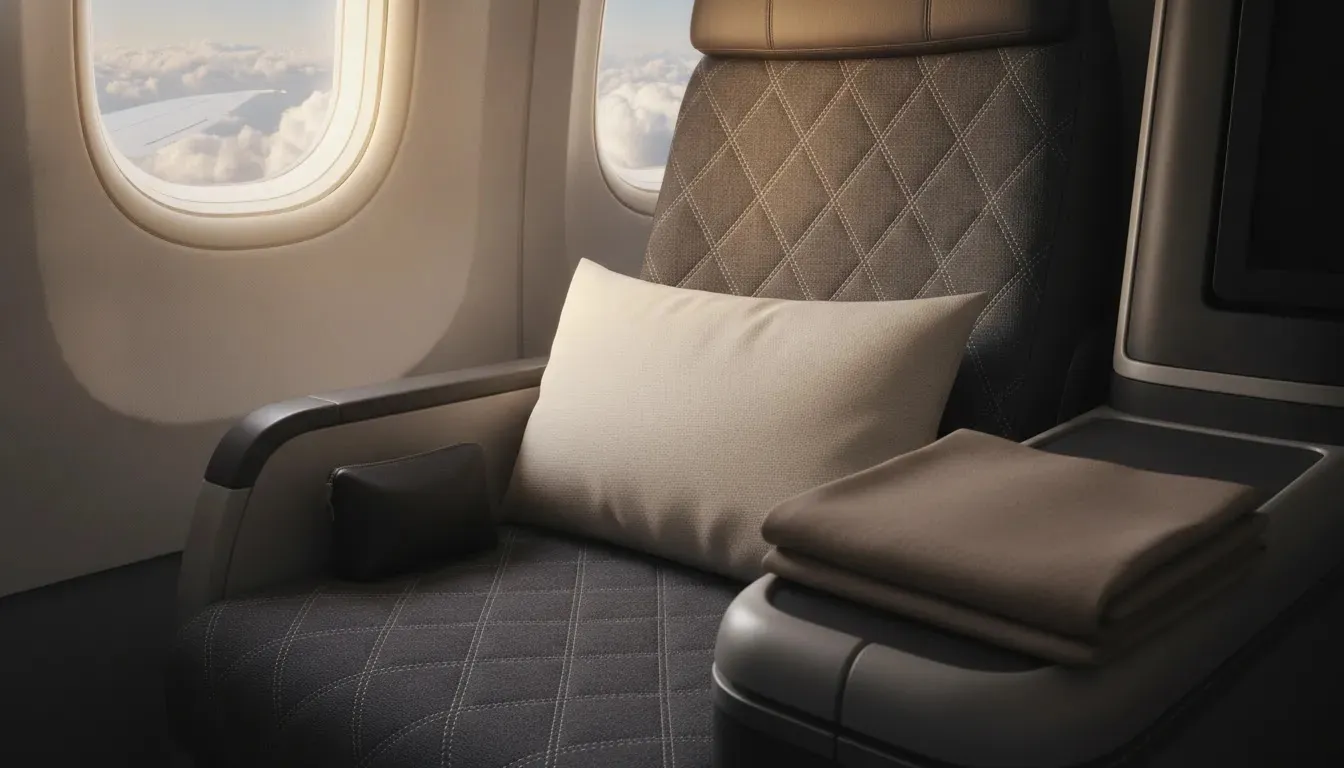
That broad range is the real story. How much does business class cost on a given trip depends less on the label on the ticket and more on route type, airline, season, aircraft, and fare structure. For travelers spending meaningfully on comfort, privacy, and time efficiency, a rough average is rarely enough. This guide shows where pricing usually lands by route, carrier profile, and travel period.
As a result, you can judge whether a published fare is reasonable. You can also see when working with a specialist may help identify stronger premium options.
How Much Does Business Class Cost at a Glance
Flight Experts’ current business class booking service covers major premium routes including the US to Europe, Asia, the Middle East, Australia, and domestic US travel. Across those markets, published and privately sourced fares typically fall within a broad working range of $2,000 to $8,000+, depending on the itinerary and carrier. The agency books business class on major airlines including Qatar Airways, Emirates, Singapore Airlines, Lufthansa, British Airways, ANA, JAL, Delta One, United Polaris, and American Airlines Flagship.
| Route or Tier | Typical Price Range | What That Usually Reflects |
|---|---|---|
| Domestic US business or premium domestic | $2,000 to $3,500 | Shorter flying time, fewer true lie-flat products, route demand matters heavily |
| US to Europe | $2,500 to $5,500 | Strong competition on major gateways, overnight schedules, seasonal swings |
| US to Asia | $4,000 to $8,000+ | Long stage lengths, premium Asian carriers, higher demand for nonstop service |
| US to Middle East | $4,500 to $8,000+ | Long-haul service, one-stop Gulf carrier options, premium ground experience |
| US to Australia | $5,000 to $8,000+ | Very long flying time, limited nonstop capacity, strong seasonal pressure |
If you are comparing fares, it helps to read this alongside our parent guide, which explains broader booking patterns. Travelers actively reviewing current premium options may also want to see cheap business class availability in a more route-led format.
How to Judge Whether a Business Class Fare Is Reasonable
A reasonable business class fare is rarely defined by one average number. Instead, you need to judge it against the route, season, aircraft, schedule quality, and airline profile. A nonstop on a leading carrier during a peak departure window may sit at the upper end of a route’s usual range and still be justifiable.
However, a lower fare may look attractive at first glance. It may prove less compelling if it includes a dated seat, an inconvenient connection, or weaker fare conditions.
In most cases, acceptable pricing sits within the typical route bands outlined above. It should also reflect a balanced mix of cabin quality and itinerary practicality. Strong pricing often appears when a respected carrier, a good aircraft, and sensible timing come together near the lower or middle part of the route range.
Meanwhile, high-side pricing can still be reasonable. That is especially true if the ticket is highly flexible, the trip falls in peak season, or the itinerary is one of the few quality nonstop options on the market.
This matters most on long-haul and premium-heavy routes. On those trips, the gap between an adequate product and an excellent one can be substantial. For travelers deciding whether a fare is merely expensive or genuinely well positioned, specialist guidance often adds value by putting the fare in context.
What Drives How Much Business Class Costs
Route length and market competition
A six to eight hour transatlantic crossing is priced differently from a fourteen to sixteen hour transpacific itinerary. Distance matters. However, competition matters just as much. New York to London may have intense airline competition, while certain Asia or Australia city pairs have fewer premium alternatives. As a result, fares can stay elevated.
Aircraft and cabin product
Not all business class seats are equal. A fully enclosed suite-style product or a newer direct-aisle-access cabin may command a higher fare than an older angled or staggered layout, even within the same airline family. Travelers paying for sleep quality on an overnight flight often value that hardware difference enough to justify it.
Airline positioning
Premium-focused carriers often price differently from network airlines that compete more aggressively on certain city pairs. Qatar Airways, Singapore Airlines, ANA, and JAL may sit at a higher level on some routes because the cabin, dining, and service consistency are central to the proposition. By comparison, airlines with large transatlantic networks may publish more tactical pricing on selected departures.
Fare rules and flexibility
Two business class seats on the same aircraft may carry very different prices because of change rules, cancellation terms, advance purchase requirements, and minimum stay conditions. In practice, travelers booking corporate travel or milestone journeys often discover that flexibility carries a meaningful premium. If flexible rules matter to you, see are business class tickets refundable for a closer look at fare conditions.
Season and departure day
Summer Europe travel, major holiday periods, school breaks, and last-minute departures can all push fares upward. Tuesday and Wednesday departures may price more favorably than high-demand weekend patterns, though that is never universal.
How Much Does Business Class Cost by Route Type

The most useful answer to how much does business class cost is route-specific, not theoretical. Flight Experts offers Business Class Flights to Europe and Business Class Flights to Asia for exactly this reason. The fare logic for each region differs considerably.
How much does business class cost on domestic US routes
Domestic premium cabin pricing may start around $2,000 on high-demand transcontinental itineraries and move higher when lie-flat products, corporate-heavy timing, or last-minute travel is involved. The term business class in the US can also blur with domestic first class, so the actual value depends on whether you are buying a recliner seat or a true long-haul style suite.
How much does business class cost for US to Europe
This is often the most accessible long-haul business class market for premium travelers. Typical fares often fall between $2,500 and $5,500, though holiday periods, premium gateways, and highly flexible tickets can exceed that. East Coast departures usually price lower than West Coast departures because the flying time is shorter and competition is stronger.
On the other hand, one-stop itineraries may undercut nonstops. The trade-off is additional airport time. For travelers comparing cabins in more detail, our business class international flight guide adds more context.
How much does business class cost for US to Asia
Expect a substantial step up in price. A realistic working range is often $4,000 to $8,000+, especially for nonstop flights or highly regarded Asian carriers. West Coast departures may reduce the gap somewhat, while East Coast departures often involve much longer journey times or more complex routings. Importantly, this is one of the clearest markets where product quality affects what travelers are willing to pay.
How much does business class cost for US to Middle East
Pricing commonly begins in the mid-$4,000 range and can move well beyond $8,000 on peak departures or premium carriers. Gulf airlines often deliver a polished end-to-end experience, including lounge quality and premium ground handling, so the fare can reflect more than the seat itself. Routing through a hub may offer stronger value than a more limited nonstop option where available.
How much does business class cost for US to Australia
This is typically among the costliest mainstream business class markets. Fares often begin around $5,000 and can rise quickly above $8,000. Limited nonstop capacity, very long block times, and pronounced school holiday demand all contribute. For travelers who need genuine rest before arrival, this is also a route where paying for the right carrier and aircraft can be entirely rational.
Business Class Flight Cost by Airline Profile
Airline name alone does not determine cost, but brand positioning often gives a useful clue.
Global network carriers
Airlines such as British Airways, Lufthansa, United Polaris, Delta One, and American Airlines Flagship can present a wide pricing spread. Their business class fares may be competitive on hub-heavy routes where they operate multiple frequencies. The value question often turns on aircraft type, lounge access, and whether the schedule suits your trip better than a nominally lower fare elsewhere.
Premium Asian carriers
Singapore Airlines, ANA, and JAL often command stronger pricing on long-haul Asia itineraries because travelers recognize the consistency of the cabin product, catering, and service delivery. Published fares may be higher. However, many clients find the difference easier to justify on overnight or ultra-long-haul journeys where comfort has a measurable effect on arrival quality.
Gulf carriers
Emirates and Qatar Airways often sit in a premium band, especially on itineraries to the Middle East, Africa, and parts of Asia. Their fares can be attractive relative to the onboard and airport experience, though journey time may increase if you are connecting through a Gulf hub rather than flying nonstop.
How Season Changes How Much Business Class Costs
Seasonality is one of the least appreciated pricing variables because premium travelers often focus first on route and carrier. In practice, season can alter a business class fare by thousands of dollars.
High season
Summer travel to Europe, year-end holiday periods, and major school vacation windows usually produce the highest pricing. Premium cabins fill with a mix of leisure travelers, families, and executives trying to protect time. As a result, the strongest products and most convenient nonstops tend to rise first.
Shoulder season
Late spring and early fall often offer the best balance of weather, schedule availability, and premium cabin pricing. For many Europe itineraries, this is where business class begins to look materially more rational versus peak summer fares.
Low season
Certain winter windows outside holiday peaks may offer noticeably softer pricing, especially on transatlantic routes. Travelers who have schedule flexibility and can depart midweek may find the most attractive premium patterns here. If that is your focus, our piece on cheap business class flights explains how timing influences availability without reducing the experience to a price-only exercise.
What Travelers Often Forget to Budget For
- Fare differences tied to more flexible cancellation or change conditions.
- Higher pricing for preferred nonstop departures versus connecting itineraries.
- Departure from a secondary city, which may require a positioning segment.
- Seasonal jumps around holidays, major events, and school breaks.
- Mixed-cabin itineraries, where one long-haul segment may price attractively but short sectors alter the total value picture.
- Airport chauffeur or premium ground arrangements, which may be included only on select carriers or fares.
What Published Fares May or May Not Include

Headline fare comparisons can be misleading, especially in premium cabins. One business class ticket may include stronger change terms, more reliable lounge access across the full itinerary, or premium ground elements on select carriers that another fare at a similar level does not provide. On some airlines, chauffeur service may be attached only to certain routes, fare types, or departure points, and these details are always subject to change.
The structure of the itinerary also affects real value. Mixed-cabin pricing can create the impression of a stronger fare even if one important segment falls below the premium standard you expected. Married segment pricing may tie one attractive long-haul fare to a less desirable connection pattern.
Similarly, a different ticket at a similar price may offer better through-ticket protection or a more efficient transfer. Two business class fares that look nearly identical on the surface may deliver very different experiences once connection quality, airport handling, and schedule resilience are taken into account. For baseline information on premium cabin services, the IATA passenger standards and U.S. Department of Transportation air traveler guidance can help clarify broader travel expectations and consumer protections.
When Is It Worth Paying More?
Paying more for business class tends to make sense when the flight is overnight, the traveler needs to work immediately on arrival, or the route is long enough that a superior seat materially changes the outcome of the trip. A lower fare is not always the stronger value if it means an older cabin, awkward connection, or poor sleep before a major meeting or milestone event.
It may also be worth paying more for a more suitable airport experience. Lounge quality, check-in efficiency, and schedule protection are often decisive for frequent travelers. Ultimately, the strongest premium itineraries are not simply the least expensive ones. They are the ones that align comfort, timing, and reliability with the purpose of the journey. If you are weighing the trade-off, our guide on is business class worth it explores the value side in more detail.
How Business Class Compares With First Class on Price and Experience
Some travelers searching how much does business class cost are also deciding whether business class is the right premium cabin at all, or whether first class warrants the extra spend. In most markets, business class is priced below first class, but the gap varies widely by airline, route, and whether a true international first class cabin is even offered. On many long-haul routes today, business class is the highest cabin available, which changes the comparison entirely.
Where international first class does exist, the premium may reflect more than a wider seat. It can include a smaller cabin, greater privacy, more individualized dining, superior ground handling, and in some cases access to first class lounges or private terminal facilities. Yet business class may be the more rational premium choice on routes where the business cabin is already highly refined.
For example, if the airline offers direct aisle access, strong bedding, polished lounge access, and a schedule that suits the trip well, business class may be enough. For many experienced travelers, the decision is less about a simple price difference and more about whether the first class uplift materially improves the journey in a way they will actually use. Travelers comparing cabins side by side may also want to review how much does first class cost.
Strengths and Considerations
Strengths
- Business class offers a meaningful step up in privacy, rest, and onboard space, especially on long-haul routes.
- Price ranges become easier to judge once you compare by route type, airline profile, and season rather than relying on a single average.
- Flight Experts covers major premium markets across Europe, Asia, the Middle East, Australia, and domestic US travel.
- The service includes a personal travel consultant, seat selection support, meal preference handling, check-in assistance, price drop monitoring, and cabin upgrade alerts.
Considerations
- Business class is not a uniform product. A higher fare does not automatically guarantee the best hard product on every aircraft.
- Published prices can move quickly, particularly in peak periods or on business-heavy routes.
- The broad $2,000 to $8,000+ range is useful, but exact pricing still depends on the full itinerary, fare conditions, and carrier availability.
Who This Experience Is For

This pricing guide is most useful for travelers who are already committed to flying well and want to judge whether a fare is sensible before booking. That includes executives protecting productivity on arrival, couples planning a major anniversary or honeymoon, and families taking a long-haul trip where rest and consistency matter.
It is also well suited to travelers who value having one experienced point of contact rather than comparing premium cabins across multiple sites with no context around fare rules, routing quality, or schedule trade-offs.
How to Begin Planning With a Specialist
Flight Experts offers a business class booking service built around personal guidance rather than self-service search. The process is straightforward: submit a request, an expert is assigned at no charge, and tailored options are typically presented within about 30 minutes. From there, the service can include seat selection, meal preferences, check-in assistance, price drop monitoring, and upgrade alerts.
For discerning travelers, the value is not simply access to a ticket. It is the judgment applied to route selection, airline fit, and fare structure. Mike Chirilenco leads Flight Experts with a concierge-style approach designed for clients who prefer a dedicated professional relationship.
To begin, reach out through flight-experts.com and discuss your preferred dates, destination, cabin expectations, and service priorities with a luxury travel specialist. If you want added context before booking, our business class travel agency guide explains how specialist support can shape value.
Frequently Asked Questions
What is the average business class flight cost for international travel?
A practical average answer to how much does business class cost for international travel often falls within the broader $2,000 to $8,000+ range, but averages can mislead. A transatlantic fare may sit far below a comparable ticket to Asia or Australia. Route length, season, airline, and flexibility rules all affect the number more than the cabin label alone.
Why are business class tickets so expensive?
Business class fares reflect more than extra legroom. Airlines allocate significantly more cabin space per passenger, include premium dining and ground services, and price these seats for travelers who value sleep, privacy, schedule convenience, and flexibility. On long-haul aircraft, a lie-flat seat occupies far more real estate than a main cabin seat.
How much does business class cost for flights to Europe?
For many US to Europe itineraries, business class commonly prices around $2,500 to $5,500, though premium dates and flexible fare types may exceed that. East Coast departures often compare more favorably than West Coast routings. Nonstop service, summer demand, and aircraft quality all influence where your fare lands within that range.
How much is a business class flight to Asia usually?
Flights from the US to Asia often begin around $4,000 and may rise beyond $8,000, especially for nonstop service, holiday travel, or highly regarded carriers. Because the journey is much longer, many travelers place greater value on the exact seat design, bedding, lounge access, and onboard service style than they would on shorter routes.
Do business class prices change by season?
Yes. Season can move a premium fare dramatically. Summer Europe itineraries, major holidays, and school breaks often bring the highest business class pricing. Shoulder periods may offer a more attractive balance of experience and value. Midweek departures can sometimes price better, though availability and route demand still matter.
Can a travel specialist help with business class pricing?
Yes, particularly when you are comparing several airlines, mixed routings, or premium products that look similar online but differ in practice. A specialist can assess whether a fare is aligned with the route, season, and cabin quality, then help with seat selection, fare rules, and overall itinerary fit rather than treating the ticket as a commodity.
Is it worth paying for business class?
It often is on overnight, long-haul, or schedule-sensitive trips where rest, privacy, and arrival condition matter. The value tends to be clearest when the seat is fully lie-flat, the timing is demanding, or the traveler needs to perform immediately on arrival. On shorter routes or on aircraft with a less impressive cabin, the answer may depend more heavily on the exact fare and the alternatives available.
Which one is cheaper, first class or business class?
Business class is typically cheaper than first class, but that comparison is less universal than many travelers assume. Many airlines no longer offer a true international first class cabin on a wide range of routes, while others price first class at a substantial premium above business class. Where business class is already a high-end suite-style product, it may represent the more balanced premium option.
What is the cost of a business class ticket?
The cost of a business class ticket commonly starts around $2,000 on shorter or lower-demand premium routes and may extend beyond $8,000 on long-haul international travel. A more precise answer to how much does business class cost depends on the city pair, season, airline, flexibility rules, and whether the itinerary is nonstop or connecting.
How much does a business class flight usually cost?
Usually, business class falls within a broad range of about $2,000 to $8,000+, with transatlantic travel often lower than Asia, the Middle East, or Australia. That range is useful as a starting point, but the actual quality of the aircraft, fare terms, and routing often determine whether the number represents fair value.
Key Takeaways
- Business class usually starts around $2,000 and can exceed $8,000, especially on long-haul international routes.
- The most accurate pricing lens is route type, airline profile, and season, not a single overall average.
- US to Europe often prices lower than Asia, the Middle East, or Australia because market dynamics differ.
- Cabin product, flexibility, and schedule convenience often explain why two business class fares vary so sharply.
- Flight Experts provides personalized business class booking support for travelers who want expert judgment and premium itinerary management.
Conclusion
The right question is not only how much does business class cost, but what that fare is actually buying on your specific route. A $3,000 transatlantic ticket and a $7,000 transpacific itinerary may both be reasonable, or both may be poor fits, depending on aircraft, season, timing, and fare conditions.
That is why premium travelers tend to make better decisions when they evaluate business class in context rather than in isolation. If you are planning a long-haul journey and want clear guidance on which fare levels are justified, speak with a luxury travel specialist at Flight Experts. Mike Chirilenco and his team can help you review the options with the discretion, precision, and personal oversight that premium travel deserves.



