
Business Class Tickets to Japan: Best Fares & Routes
Overview
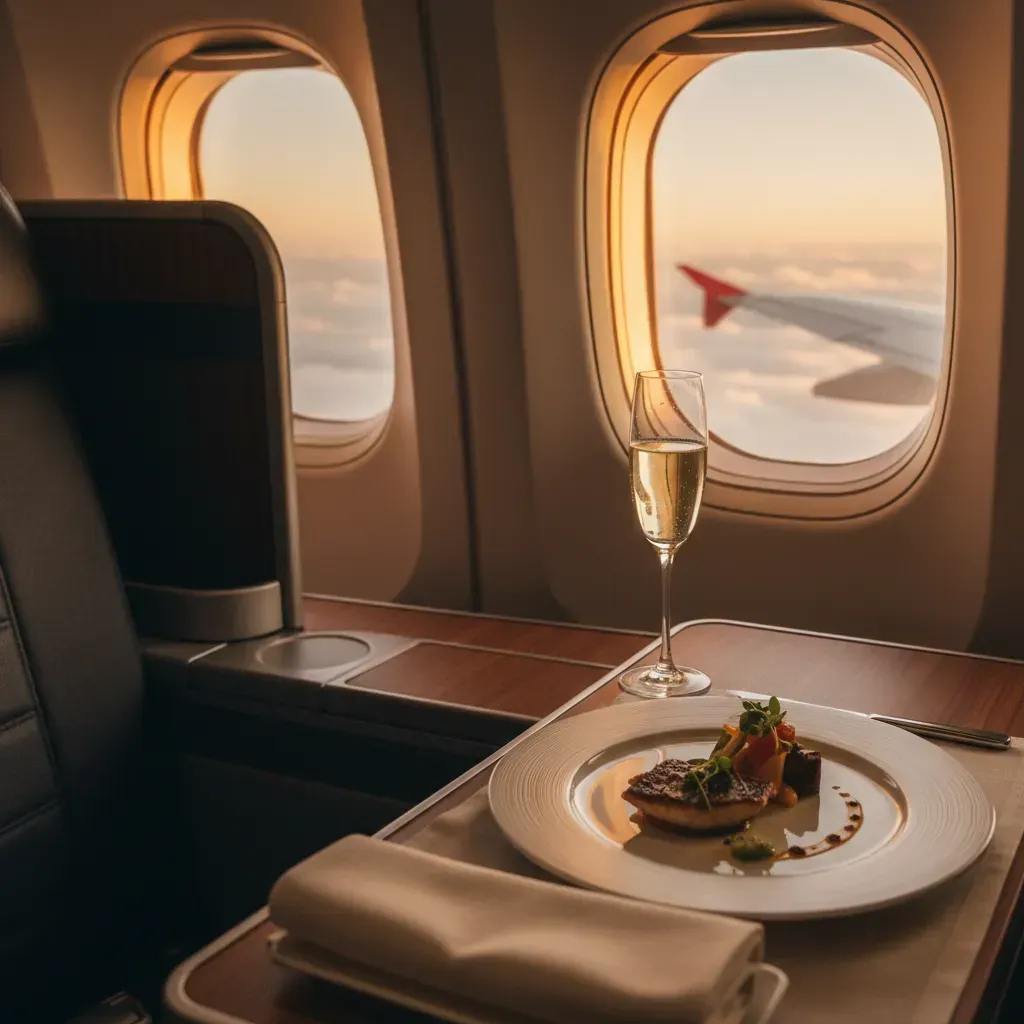
Japan is one of the most rewarding long-haul Business Class destinations from the United States, especially for travelers who value rest, punctuality, and a refined arrival experience. Routes to Tokyo typically offer the best range of nonstops, while Osaka itineraries may involve fewer frequencies or a connection depending on departure city and airline. In most cases, the strongest Business Class options combine direct aisle access, a fully lie-flat bed, polished dining, efficient lounge access, and dependable schedules.
Flight Experts currently offers Business Class Flight Booking for routes including the US to Asia, with a personal travel consultant, seat selection support, meal preference coordination, check-in assistance, price drop monitoring, and cabin upgrade alerts. Verified service data shows a typical price context of $2,000 to $8,000+, depending on route and airline, and options may be presented within about 30 minutes after inquiry.
The practical challenge is that not every Business Class ticket to Japan delivers the same experience. Some fares may look attractive at first glance but involve older cabins, inconvenient connection windows, or airport transfers that reduce the value of the premium investment. If your priority is a curated itinerary rather than a generic booking flow, a specialist can usually identify better-balanced options than a self-service search alone. Readers comparing wider regional patterns may also find value in reviewing cheap business class to Asia in the sense of relative fare positioning across major Asian gateways.
Business Class to Japan Pricing and Seasonality (What Typically Moves the Fare)
Premium travelers often ask what Business Class fares to Japan “should” cost. Pricing is highly dynamic, shaped by demand cycles and inventory management rather than a single predictable range. The most helpful approach is to understand what typically moves the fare, then plan your 2026 travel around the variables you can control: timing, flexibility, and routing.
Seasonality is usually the first driver. Spring travel, particularly around cherry blossom season, often compresses availability into fewer attractive departure dates and flight times. Summer can behave similarly, especially for family travel windows and major departure gateways with strong nonstop demand. Year-end holidays, including late December and early January, tend to tighten premium cabin space quickly because the travel dates are non-negotiable for many travelers. Shoulder periods may present more flexibility, not because the experience is lesser, but because demand is less concentrated on the same handful of peak days and flights.
Departure gateway also matters. Nonstops from the most in-demand coastal cities may price and sell differently than itineraries that route you through another hub first. A nonstop at an ideal departure time is often competing for the same limited premium seats across a large pool of travelers, while a one-stop option may have more variability in inventory and schedule. Nonstop versus one-stop routing is not only a comfort decision, it can influence fare behavior simply because the underlying seat availability is managed differently across the itinerary.
Advance purchase window is the other major variable. Many travelers assume the best Business Class fares appear either very early or very late. In most cases, premium pricing tends to be most favorable when you are neither booking at the last minute nor committing so early that schedules and aircraft assignments are still likely to shift. For 2026 planning, flexibility with dates, departure airports, and even arrival city in Japan can meaningfully expand the set of strong options you can choose from, particularly for high-demand periods when the best cabins sell first.
Regarding “tracking prices” for premium cabins: it is most useful when tied to real decision points, not passive alerts. Flight Experts price drop monitoring is designed to support the itinerary you actually want, meaning the same route logic, cabin, and travel dates that fit your schedule. In practice, a recheck is typically triggered by a meaningful fare movement on the same itinerary, a change in published fare rules, or a schedule update that opens a better connection or aircraft type. Rebooking may be possible in some circumstances, but constraints can apply, including fare rule limitations, inventory changes, airline-issued ticket conditions, and the fact that a cabin that looks available today may not remain available when a reissue is requested. This is where an advisor’s judgment becomes valuable, because it keeps the conversation focused on outcome: protecting the quality of the itinerary while remaining attentive to legitimate opportunities that appear over time.
What Defines a Strong Business Class Option to Japan
The best Business Class flight to Japan is not only about the seat. It is about how well the entire itinerary supports your schedule, comfort, and arrival condition. On transpacific routes, airlines such as ANA, JAL, Singapore Airlines, Qatar Airways, Emirates, and major US carriers may all appear in search results, but the experience can differ substantially by aircraft, route, and connection point.
For most travelers, the core cabin benchmark is a true lie-flat seat with direct aisle access. Reverse herringbone and modern suite-style Business Class products generally perform well on Japan routes because they offer privacy without sacrificing accessibility. Storage design matters more than many travelers expect, especially on overnight sectors where you may want quick access to devices, sleep essentials, and documents.
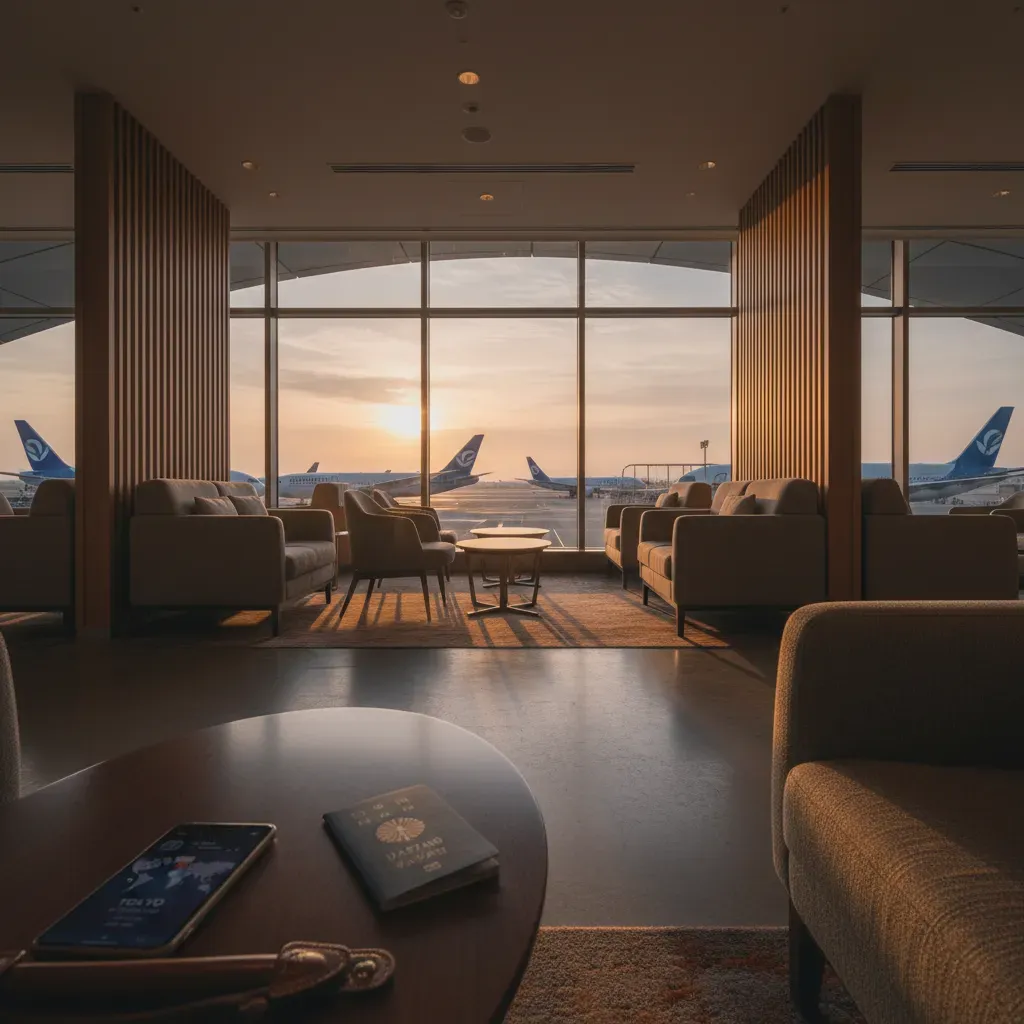
Ground experience is also important. Priority check-in, expedited security in some airports, and quality lounge access may significantly improve the departure experience, particularly on evening departures to Tokyo. Depending on airline and airport, lounge standards may range from merely functional to genuinely premium, with à la carte dining, shower suites, and quiet work areas. Travelers with demanding schedules should weigh this carefully.
Schedule design is another decisive factor. A seemingly attractive fare may lose value if it creates a very long layover or arrives at a time that complicates onward transfers into central Tokyo or domestic connections within Japan. In many cases, a well-timed nonstop or a single efficient connection through a high-performing hub is preferable to the lowest visible premium fare. Travelers evaluating broader fare patterns across carriers may also wish to review cheap business class flights as a comparative planning reference, while those preparing to secure an itinerary can explore how to book business class with fewer avoidable compromises.
Choosing Your Japan Arrival Airport (HND vs NRT vs KIX) and Transfer Practicalities
Many travelers focus on the airline and the seat, then treat the arrival airport as a technical detail. In Japan, however, your choice of arrival airport can influence the entire first day, including how you transfer, when you reach the hotel, and how rested you feel when you start a full itinerary.
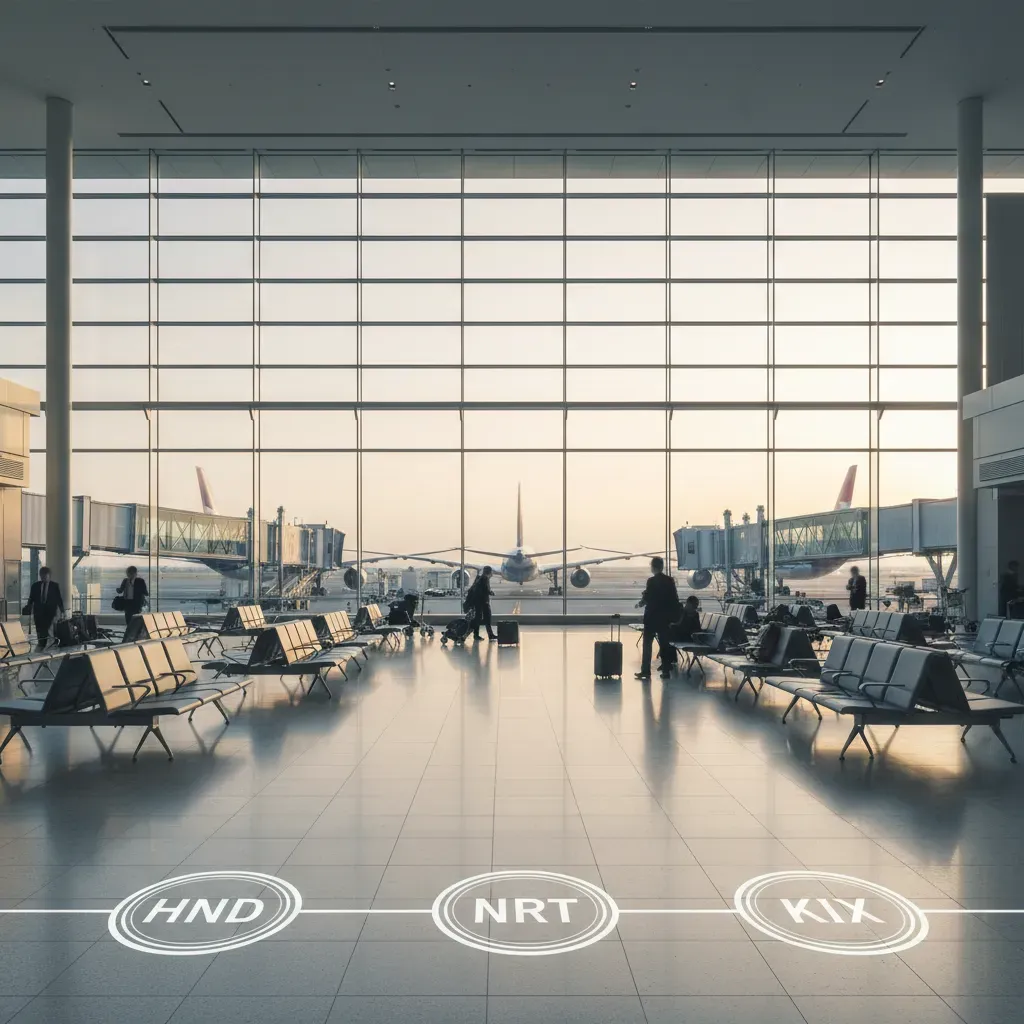
For Tokyo, Haneda (HND) and Narita (NRT) can both work well, but they typically serve different priorities. Haneda is often favored for access to central Tokyo because it is generally closer, which can reduce transfer time after a long overnight flight. Depending on the airline, schedule, and your final Tokyo neighborhood, it may also simplify your arrival rhythm, meaning less time in transit and a smoother transition to a first meeting, a reservation, or an early evening plan. Narita frequently supports a wide range of long-haul arrivals and may be paired with particular routes, aircraft, or alliance patterns. In some cases, the best Business Class seat or departure time may come with a Narita arrival, and that can still be an excellent outcome if the ground transfer is planned correctly.
Osaka Kansai (KIX) is often underused by travelers whose real goal is Kyoto, Nara, or a Kansai-forward itinerary. If you plan to spend most of your time in Kyoto or nearby, arriving into KIX may reduce ground transfer friction and keep your first day calmer. It can also be a strong option for open-jaw itineraries, such as arriving into Tokyo and departing from Osaka, or the reverse, when you want to avoid backtracking across the country at the end of the trip. Availability and routing can vary by departure city and season, and not every gateway will offer an equally elegant premium itinerary into Kansai.
Operational details matter here. Late-night arrivals can affect how quickly you clear formalities, retrieve baggage, and reach the city. In most cases, Business Class can make the airport experience more comfortable, but it does not eliminate variables such as arrival bank congestion, staffing, or weather-related delays. If you are arranging a car service, you will want to account for a realistic pickup window rather than assuming an immediate exit from the terminal. If you are planning to connect onward by rail, pay close attention to how your arrival time aligns with last departures, especially if you are landing late and aiming to reach Kyoto the same night. For many premium travelers, a well-chosen first-night hotel near the correct arrival point can be the most refined choice, since it protects the quality of the trip rather than forcing an overly ambitious transfer after a long flight.
Pros and Cons
Strengths
- Japan is served by a strong mix of premium carriers and alliance options, which typically creates meaningful choice in cabin style, schedule, and routing.
- Many Business Class routes to Tokyo feature modern lie-flat products that may materially improve sleep quality and arrival readiness on long transpacific flights.
- Premium airport treatment, including priority services and lounge access, can make a notable difference on complex or late-evening departures.
- Tokyo often works well as both a final destination and a gateway for onward domestic travel within Japan.
- Working with a specialist may help identify superior aircraft types, more elegant connection patterns, and stronger overall value than fare-first search tools usually surface.
Considerations
- Not all Business Class fares to Japan include the same seat quality, lounge standard, or aircraft generation, even within the same airline.
- Preferred nonstop routes and highly regarded cabins may have limited availability during peak cherry blossom, summer, and holiday travel periods.
- Some lower published premium fares may involve inconvenient departures, long layovers, or mixed-quality segments that reduce the overall experience.
- Airport experience can vary significantly depending on departure city, hub, and alliance lounge access.
Who This Suits Best
Business Class tickets to Japan are especially well suited to travelers who view the journey as part of the experience rather than an inconvenience to be endured. That often includes executives traveling on tight schedules, couples planning a milestone trip to Tokyo or Kyoto, and families seeking a smoother long-haul departure with less fatigue on arrival. It may also suit travelers combining Japan with other Asian destinations, where timing and connection design become more important than a simple point-to-point search. If your goal is a polished itinerary with the right seat, departure time, and airport experience, this is usually where expert booking support becomes most valuable.
Flight Experts Recommendation
For travelers seriously considering a premium journey to Japan, Flight Experts is best used as a strategic booking partner rather than a simple ticketing service. The verified Business Class Flight Booking offering covers US to Asia routes and includes a personal consultant, seat selection, meal preferences, check-in assistance, and price monitoring, with options often returned within about 30 minutes. That is particularly useful on Japan itineraries, where an excellent result may depend on aircraft selection, connection logic, and airport experience as much as fare level.
Flight Experts is led by Mike Chirilenco and positioned around personalized, expert-led luxury travel planning rather than an automated booking path. If you are comparing cabins, departure cities, or timing for Tokyo business class flights, speak with a luxury travel specialist before committing. Contact Mike to begin planning your trip, request a personalized consultation, or visit Business Class Flights to Asia to explore the broader premium route category.
How to Choose the Right Business Class Ticket to Japan
Selecting the right Business Class fare to Japan usually comes down to five criteria.
1. Aircraft and Seat Design
Always confirm the aircraft and cabin layout. A modern seat with direct aisle access will typically outperform an older angled or less private configuration, even if the fare difference appears modest. On overnight services to Tokyo, this may be the single most important factor.
2. Nonstop Versus Connection Quality
Nonstop is often preferable, but not always mandatory. A carefully timed connection through a premium hub may still offer strong value if it gives you a superior seat, better lounge access, or a more suitable arrival time. The wrong connection, however, can diminish the entire experience.
3. Departure and Arrival Timing
Consider how the schedule aligns with your body clock and hotel plans. A late-evening departure with a morning or afternoon arrival may work well for travelers who want to maximize sleep and transition smoothly into Tokyo. For others, especially those connecting onward, midday arrival could be more practical.
4. Airport Experience
For premium travelers, the airport should support the journey rather than add stress. Check whether your airline and departure airport provide a lounge experience worthy of the fare, and whether premium check-in or fast-track services are available. You may find more planning value in reviewing Premium Flight Booking & Tips before confirming a high-value itinerary.
5. Booking Support and Post-Booking Service
A Business Class fare is only part of the equation. Disruption handling, seat optimization, and coordination of preferences may matter just as much once you have booked. Flight Experts also offers Complex Itinerary Planning for multi-city, open-jaw, and alliance-based premium itineraries, which may be particularly relevant if Japan is one stop on a wider Asia journey. For travelers who want a broader commercial overview of route and cabin considerations, the category page for book business class decisions can serve as a useful next step.
Airline and Cabin Product Variability on Japan Routes (How to Verify What You Are Actually Booking)
One of the most common reasons premium travelers feel disappointed after booking is simple: the cabin they expected is not the cabin they boarded. Even within a single airline, Business Class can vary materially by aircraft type, sub-fleet, and route. Two flights with the same flight number pattern and similar departure times can still deliver a very different seat, privacy level, and overall sense of refinement.
Aircraft assignment is the primary variable, and it is not always obvious at booking. Listings may show a generic Business Class label that does not communicate whether you are getting a newer suite-style product, a reverse herringbone layout, or an older configuration that is still lie-flat but far less private. In most cases, discerning travelers should verify the seat model and layout before ticketing, then choose flights accordingly. This is particularly important on overnight sectors where sleep quality is the goal, and where minor layout differences can influence comfort.
There are a few product tells that typically matter on Japan routes. Direct aisle access is usually the baseline standard for a strong modern cabin, especially for travelers who prefer privacy and do not want to step over a neighbor. Paired center seats can be excellent for couples when the divider design supports conversation, but they can feel exposed if the layout is older or the seat shell is less protective. Select aircraft offer suite-style doors in Business Class, and while these can improve privacy, availability can be inconsistent across routes and seasons, and product details are always subject to change. Soft product can also vary, including bedding quality, meal pacing, and the overall cadence of service. In some cases, carriers deploy their most consistent service on flagship routes, while other frequencies may feel more utilitarian even within the same cabin category.
A specialist’s role is to reduce ambiguity. Flight Experts validates the operating carrier and aircraft to the extent possible at the time of booking, then aligns seat strategy with your priorities, whether that is maximum privacy, the quietest part of the cabin, or a pairing that works for two travelers. This also helps reduce the risk of unintentionally selecting an older configuration that appears comparable in a standard listing. Aircraft swaps can occur, particularly with seasonal scheduling and operational changes, so the goal is not to promise permanence. It is to book with eyes open, choose the strongest available configuration at the time of ticketing, and maintain informed monitoring when schedules or equipment are updated.
Frequently Asked Questions
How much is a Business Class ticket price to Japan?
Verified Flight Experts product data places Business Class Flight Booking in a general range of $2,000 to $8,000+, depending on route and airline. Japan itineraries may fall within or above that context based on season, departure city, cabin availability, and whether you are flying nonstop or via a premium connecting hub.
How expensive is business class to Japan?
Business Class to Japan can be a significant investment, and it is typically influenced by seasonality, departure gateway, nonstop demand, and how far in advance you book. Verified Flight Experts service data places Business Class Flight Booking in a general context of $2,000 to $8,000+ depending on route and airline, and Japan itineraries may price within or above that range based on demand periods such as cherry blossom season and year-end holidays.
What is the cheapest month to fly to Japan?
For premium cabins, month-to-month patterns are not always consistent because Business Class inventory is managed dynamically and can shift based on demand, events, and capacity. In most cases, shoulder periods outside peak spring blooms, mid-summer travel, and late-December holidays may offer more flexibility and a wider spread of fares. If you are planning 2026 travel, the most reliable strategy is often to prioritize flexible dates and consider alternate departure gateways or a well-designed one-stop routing when the strongest nonstops are constrained.
Are nonstop Tokyo Business Class flights always the best choice?
Not always. Nonstops are often preferable for convenience and rest, but a one-stop itinerary may be stronger if it offers a markedly better seat, more favorable schedule, or better ground experience. The best option usually depends on your departure city, preferred airline, and how much you value total journey time versus cabin quality.
Which airlines are commonly considered for Business Class to Japan?
Flight Experts’ verified Business Class service includes major carriers such as Emirates, Qatar, Singapore, Lufthansa, British Airways, ANA, JAL, Delta One, United Polaris, and American Airlines Flagship. Availability to Japan may vary by route and season, and not every airline will offer the same cabin product on every flight.
What is the safest airline to fly to Japan?
Major international airlines serving Japan typically operate under rigorous safety oversight, and Japan’s aviation environment is generally regarded as highly regulated. The more practical safety-related considerations for premium travelers are operational reliability, well-managed connections, and sufficient buffer for onward transfers, since irregular operations can create avoidable stress. If safety and risk management are priorities for your trip, a specialist can help select an itinerary with strong operational logic, sensible connection times, and reputable operating carriers for each segment.
Is Tokyo usually the best entry point for Japan?
In many cases, yes. Tokyo typically offers the broadest selection of premium long-haul flights and may make itinerary planning easier, particularly for first-time visitors or travelers combining business and leisure. That said, Osaka may be more efficient for Kansai-based stays, and the right arrival city depends on your overall route and schedule.
What matters most on a long-haul Business Class flight to Japan?
The most important factors are usually seat design, schedule, and connection quality. A fully lie-flat bed with direct aisle access is highly desirable on transpacific services. Lounge quality, meal service, and post-booking support also matter, but they are usually secondary to getting the core cabin and timing right.
Can Flight Experts help if I need more than a round-trip to Tokyo?
Yes. Verified product data shows Flight Experts offers Complex Itinerary Planning for multi-destination, open-jaw, and round-the-world style routing in Business or First Class. That may be especially valuable if you plan to combine Tokyo with Kyoto access, another Asian city, or a different return gateway.
How quickly can Flight Experts present options?
For Business Class Flight Booking, verified service data states that options are usually presented within about 30 minutes after you submit a request and an expert is assigned. Complex or highly customized itineraries may take longer, depending on routing, season, and cabin availability.
Why use a specialist instead of booking online myself?
Self-service tools may show fares, but they often do not make aircraft quality, cabin differences, or connection trade-offs especially clear. A specialist can assess the itinerary as a whole, including seat selection, schedule logic, and service preferences. On a high-value Japan trip, that guidance may reduce compromise and improve the overall experience.
Is Business Class to Japan suitable for family or celebratory travel?
Often, yes. Families, anniversary travelers, and honeymoon couples may find that the added comfort, priority services, and calmer airport experience materially improve the journey. The value is not only the seat itself, but also arriving with more energy for a significant trip that may include carefully timed reservations and private arrangements.
Key Takeaways
- Business Class tickets to Japan should be evaluated on seat quality, aircraft, schedule, and airport experience, not fare alone.
- Verified Flight Experts Business Class booking support covers US to Asia routes and includes personalized consultant service and post-booking assistance.
- Tokyo usually offers the strongest range of premium options, but the right arrival city depends on your broader itinerary.
- Well-chosen connections may outperform weaker nonstops if they improve cabin quality or schedule flow.
- For discerning travelers, specialist guidance may produce a more refined and dependable outcome than a self-service booking path.
Conclusion
Business Class to Japan is one of the most worthwhile premium air investments for travelers who care about rest, service quality, and arriving ready to enjoy a demanding or meaningful itinerary. The strongest option is rarely defined by fare alone. It is the combination of aircraft, seat, timing, airport experience, and the judgment behind the booking. Flight Experts approaches that decision with a concierge mindset, helping clients weigh the real trade-offs that affect comfort and value. If you are ready to secure business class tickets to Japan, speak with a Flight Experts travel specialist or contact Mike Chirilenco for a personalized consultation and a curated recommendation tailored to your route, schedule, and travel priorities.



