
How to Book Business Class Flights for Less in 2026

Why Booking Strategy Matters
Business Class is not a uniform product. Depending on the airline, route, aircraft type, and fare family, your experience may range from a very good lie-flat seat to a truly polished premium journey with lounge access, refined dining, priority services, and stronger schedule convenience. That is why the best way to book business class is usually not to select the first fare that appears on a public search page.
Flight Experts offers Business Class Flight Booking for routes including the US to Europe, US to Asia, the Middle East, Australia, and domestic US travel. Current tool data shows a general pricing context of $2,000 to $8,000+ depending on route and airline, with support that includes a personal travel consultant, seat selection, meal preferences, check-in assistance, price drop monitoring, and cabin upgrade alerts. In many cases, that level of oversight is what separates a merely acceptable booking from a well-constructed premium itinerary.
If you are evaluating options within the broader Premium Flight Booking & Tips category, the central principle is simple: a strong Business Class booking balances fare quality, comfort, timing, and after-booking support. That is especially important for overnight transatlantic flights, long-haul Asia itineraries, and complex connections where a poor choice may affect your rest, meetings, or onward plans.
What Makes a Strong Business Class Booking
The best Business Class bookings tend to share several characteristics. First, the itinerary is built around the actual cabin product, not just the marketing label. A nonstop flight on an airline with consistent lie-flat seats may be more appropriate than a lower fare with an inferior angled seat or an awkward connection. Aircraft and route matter, particularly on transatlantic and transpacific services where schedules and sleeping time have a direct effect on arrival quality.
Second, timing remains one of the most important variables. Travelers who want the best time to book are usually trying to avoid the least favorable combination of inventory and urgency. Published premium fares may fluctuate by season, day of week, route competition, and booking window. They may also vary significantly between carriers operating similar city pairs.
Third, specialist support adds value before and after purchase. Flight Experts states that Business Class options are usually presented within 30 minutes, and the service includes help with seat selection and meal preferences. Those details matter. A well-positioned seat on a 1-2-1 configuration, lounge access clarity during a long connection, or guidance on change conditions may be just as important as the fare itself.
Fourth, the strongest booking approach considers the full premium journey. On some airlines, Business Class may include excellent alliance lounge access, dedicated check-in, and smoother disruption handling. On others, the onboard seat is strong but the ground experience is less distinctive. If you are also reviewing broader premium flight deals, it helps to compare not only the headline fare but also schedule logic, cabin reputation, and whether the fare class aligns with your travel priorities.
Finally, if your trip involves multiple stops or open-jaw routing, a specialist may identify better structuring options than booking each segment separately. That becomes even more relevant on premium itineraries where misaligned connection times or mixed cabin segments can undermine the overall experience.
How to Identify the Best Business Class Product on Your Route

Many experienced travelers have learned that the words “Business Class” on an itinerary do not guarantee the same seat, privacy level, or onboard flow from one flight to the next. Two flights marketed under the same cabin name may deliver very different outcomes depending on the operating aircraft, the cabin layout, and how consistently the airline deploys its newest products on your specific city pair.
The first step is confirming the operating aircraft and cabin configuration as close to ticketing as possible. A true lie-flat seat is the baseline expectation on most long-haul premium routes, but the layout matters just as much. A 1-2-1 layout typically provides direct aisle access for every passenger and tends to feel calmer and more private than denser configurations. Some fleets still include older arrangements where privacy is reduced, footwells are tighter, or the bed angle and sleeping ergonomics are less favorable. The difference may be decisive on an overnight segment where you are traveling to perform, attend events, or arrive ready for a full day.
Route-by-route variation within the same airline is often underestimated. An airline may operate a flagship product on one long-haul market while using an older seat on another, even when the flight number pattern looks similar. Equipment swaps can also occur for operational reasons, and while premium cabins are often prioritized, there is no universal guarantee that the planned aircraft will remain the operating aircraft. In most cases, a well-built booking strategy acknowledges that reality and focuses on selecting flights with stronger product reliability, as well as sensible alternatives if a schedule or aircraft change occurs.
When choosing between “good” and “excellent,” priorities should be anchored to how you travel.
- Sleep-first overnights: prioritize a proven lie-flat bed, a quieter cabin zone, and a seat that minimizes footwell restriction. A slightly less convenient departure time can be worthwhile if it improves rest quality.
- Couples: paired seating can matter more than absolute privacy. Some configurations allow closer dining and conversation, while others are designed for solitude. The right choice depends on whether you want togetherness or separation.
- Executives and privacy-focused travelers: consider seats with stronger sightline privacy, lower cabin traffic, and a layout that supports uninterrupted work or rest. Connection timing can also matter, since tight transfers can undo the benefit of a premium cabin.
The advisor’s role is often to sanity-check the trade-offs you might not see in a fare display. The “best” Business Class on your route is usually the one that balances seat quality, schedule logic, and operational resilience for the way you intend to use the flight. This is also where seat selection guidance becomes meaningful, because the same cabin can feel very different depending on whether you are near a galley, a lavatory, or a high-traffic aisle.
Pros and Cons
Strengths
- Business Class bookings arranged through a specialist may offer a better match between fare, route, and actual cabin quality.
- Flight Experts provides a personal consultant, which is valuable for discerning travelers who want one point of contact rather than fragmented platform support.
- Support features such as seat selection, meal preferences, check-in assistance, and price drop monitoring can improve the travel experience well beyond the initial booking.
- Coverage spans major international premium routes, including Europe, Asia, the Middle East, Australia, and domestic US services.
- Options are usually presented within 30 minutes, which may suit travelers making time-sensitive premium travel decisions.
- Access to consolidator-based pricing structures may produce stronger value than many public fare displays, subject to route and availability.
Considerations
- Business Class prices still vary significantly by airline, season, and route, so there is rarely a single formula that works for every itinerary.
- The lowest premium fare is not always the best premium choice if the aircraft, schedule, or fare rules are weaker.
- Some travelers strongly prefer booking directly with an airline, even though that approach may provide less itinerary comparison or advisory support.
- For highly complex trips, the research and decision process may take longer than a simple nonstop booking.
Who This Approach Suits
This booking approach is best suited to travelers who care about the quality of the full premium journey, not just the cabin label on a ticket. That may include executives flying overnight before important meetings, couples planning milestone travel, families coordinating long-haul comfort, or experienced travelers who know that seat type and schedule can matter as much as fare.
It is particularly suitable if you value guidance on airline selection, want a consultant to narrow the options, or are trying to buy business class tickets without spending hours comparing imperfect public search results. Travelers considering routes to Europe or Asia may also benefit from reviewing curated categories such as Business Class Flights to Europe to better understand route-specific options.
Flight Experts Recommendation

For most discerning travelers, the smartest way to book business class flights is to treat the purchase as a premium planning decision rather than a simple online transaction. Flight Experts is particularly well positioned for that role because the service combines consultant-led itinerary review with practical booking support. According to current product data, Business Class Flight Booking includes exclusive consolidator opportunities, seat selection, meal preference handling, check-in assistance, price drop monitoring, and cabin upgrade alerts, with a 5.0 Trustpilot rating based on 79 reviews.
If your itinerary is straightforward, the team may help you identify a stronger fare or more suitable airline product. If your trip is more layered, their Complex Itinerary Planning service may be the better fit for multi-city or open-jaw travel in Business Class or First Class. To begin planning, speak with a Flight Experts travel specialist or contact Mike Chirilenco through flight-experts.com for a tailored recommendation based on your route, timing, and cabin preferences.
How to Choose the Right Booking Approach
A refined business class booking strategy usually comes down to five criteria.
1. Cabin consistency
Not every Business Class seat is equal. On some routes, an airline may operate a flagship suite-style product. On others, it may use an older layout or vary by aircraft. Ask whether the fare you are considering corresponds to the product you actually want. A specialist can often help you avoid bookings that look strong on paper but are weaker in reality.
2. Timing and seasonality
Fare quality may depend on booking window, destination season, and route competition. Travelers exploring cheap business class flights often discover that timing matters as much as destination choice. Shoulder-season departures, midweek travel, and flexibility of a day or two may open better premium options, though results always depend on live inventory.
3. Fare rules and flexibility
The most attractive premium fare is not always ideal if changes are restrictive or support is limited. For business travel, milestone trips, or family travel with multiple moving parts, flexibility may justify a different fare structure. Be sure you understand cancellation terms, change conditions, and whether support is available if schedules move.
4. Ground experience
Business Class should be evaluated beyond the seat itself. Lounge standards, priority check-in, alliance consistency, and connection handling may have a noticeable impact on the experience. This matters especially on long-haul itineraries with layovers, where a strong lounge and smoother transfer process could materially improve the journey.
5. Advisor support versus self-service
If you already know the exact flight, aircraft, and fare basis you want, self-booking may feel sufficient. In most premium travel scenarios, however, the value of an advisor lies in filtering options, flagging trade-offs, and helping you book with greater confidence. Travelers researching discount business class should be especially careful not to judge an itinerary on headline price alone. The superior choice may be the one that better aligns with comfort, schedule, fare conditions, and post-booking support.
Airline, Alliance, and Connection Strategy for Premium Itineraries
A premium itinerary is not only a seat in the air. It is also the quality of the ground experience, the predictability of transfers, and the level of support you are likely to receive when something changes. Airline and alliance alignment can influence that entire chain, particularly on journeys that involve more than one carrier.
In many cases, staying within one alliance or within closely aligned partner airlines can improve the consistency of lounge access, baggage handling, and through-checking. It may also matter during irregular operations, when re-accommodation options can be broader and more coordinated if the itinerary is on a single ticket and within a network that has established rerouting pathways. Disruption handling is not a theoretical concern on premium travel, because the opportunity cost of a missed meeting, lost first night, or broken connection can be significant.
Connection planning deserves the same level of scrutiny. Major hubs vary widely in transfer friction, even for Business Class passengers. Some airports offer efficient premium corridors, airside transfers, and excellent lounges that make a longer layover feel intentional. Others involve bus gates, long walks, additional security steps, or terminals that are not well connected. For discerning travelers, a longer connection can sometimes be the better experience if it reduces stress and provides access to a strong lounge, a quiet place to work, or a more predictable boarding process.
How the itinerary is ticketed and constructed matters. Mixed-cabin segments can be unavoidable on certain routes, but they should be evaluated carefully because a single weaker segment can change the tone of the journey. Multi-ticket bookings can also introduce operational risk. If flights are on separate tickets, protection during a delay may be more limited, and baggage through-checking may not be available in some cases. Consolidating onto a single ticket, when possible, can be materially important for protection, re-accommodation, and simplicity, especially when traveling internationally with onward connections.
A specialist typically reviews these variables before ticketing: which carrier is operating each segment, whether the itinerary is on one ticket, how connections behave at the specific airports involved, and what the realistic alternatives are if a flight time changes. That is the difference between an itinerary that looks efficient on paper and one that performs well in real travel conditions.
Understanding Business Class Fare Types and What They Actually Include
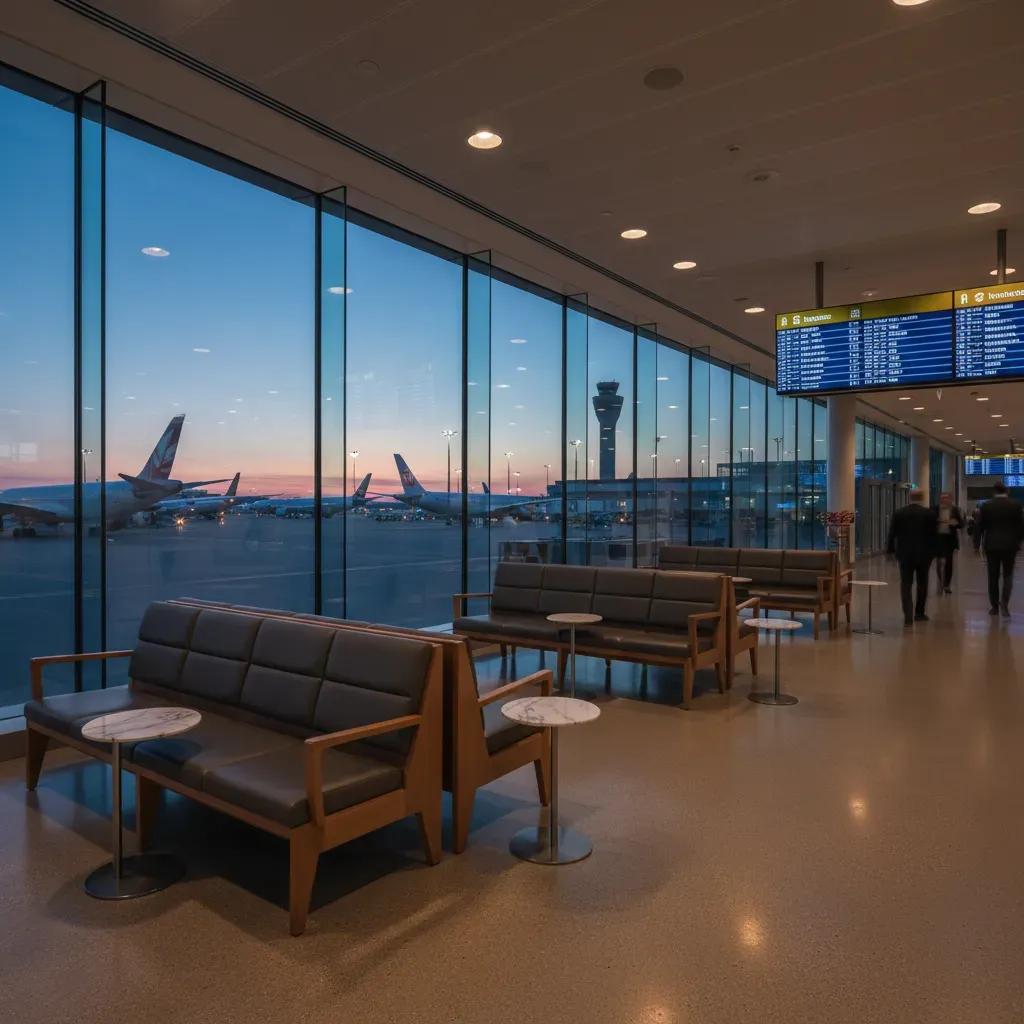
Business Class often includes multiple fare families, and the differences are not always obvious at first glance. Two Business Class fares on the same flight can vary meaningfully in flexibility, seat selection eligibility, change and cancellation conditions, and how the airline prioritizes the booking during schedule changes. The details depend on the airline and the fare basis, and they can change over time, so it is wise to confirm the current rules rather than relying on assumptions from past trips.
For discerning travelers, the most important question is not whether a fare is “Business Class,” but what it permits you to do if plans shift. Some fare types may allow changes with fewer restrictions, while others may be more limited even though the onboard seat and catering appear identical. The right choice depends on your tolerance for uncertainty, the importance of specific travel dates, and whether the trip includes non-refundable elements on the ground.
Inclusions can also be misunderstood. Lounge access is common in long-haul Business Class, but access rules can vary during connections, particularly when an itinerary spans multiple carriers or includes domestic feeder segments. Priority services such as premium check-in and boarding are typical, but the exact experience may differ by airport and operating airline. On certain carriers and routes, premium transfers or chauffeur-style services may be offered for specific fare types or cabin products, but they are not universal and are frequently assumed rather than confirmed. If an inclusion matters to you, it should be validated against the fare rules and operating carrier policies for your itinerary.
A refined booking process usually confirms the following before ticketing:
- The fare basis and the airline’s current change and cancellation conditions for that specific fare family
- The operating carrier for each segment, including any codeshare situations where the marketing airline differs from the operator
- Seat assignment eligibility and timing, since some fares may restrict advance selection or charge for preferred seating
- Baggage allowances across the full itinerary, especially on multi-carrier journeys
- Lounge rules for departures and connections, since eligibility can depend on operating airline, routing, and local lounge access policies
- How schedule changes are typically handled, including whether your booking channel provides active support if timing shifts or flights are retimed
For premium travel, these details are not administrative. They shape how confident you can be about the experience you are purchasing, and how well protected you are if the airline adjusts the schedule or if your plans evolve. This is one of the most practical reasons discerning travelers value specialist oversight, because fare rules are where many seemingly similar options become meaningfully different.
Frequently Asked Questions
What is the best way to book business class flights in 2026?
In most cases, the best approach is to compare route-specific options with expert input rather than relying only on broad search tools. Cabin quality, aircraft type, timing, and fare rules all affect value. A specialist may help you identify stronger Business Class options that better match your schedule and comfort expectations.
How far in advance should I book Business Class?
That may vary by route, season, and airline. Long-haul premium cabins for peak periods often benefit from earlier planning, especially if you want specific flight times or aircraft. If your dates are flexible, there may also be favorable windows later in the cycle. Monitoring the best time to book can help refine the decision.
Should I book directly with the airline or use a specialist?
Booking directly may suit travelers with a simple, fixed itinerary and strong familiarity with the airline product. A specialist is often more useful if you want comparative guidance, support with preferences, help evaluating fare conditions, or a more curated approach to premium travel planning.
Can a travel specialist help with seat selection?
Yes, depending on the fare and airline systems involved. Flight Experts lists seat selection as part of its Business Class Flight Booking service. That can be especially valuable on long-haul aircraft where cabin layout varies and certain seats may be noticeably better for privacy, sleep quality, or traveling as a couple.
Are all Business Class fares fully flexible?
No. Flexibility depends on the fare family and the airline’s current rules. Some premium fares may allow changes with fewer restrictions, while others are more limited. Before purchase, it is wise to review cancellation conditions, change fees if any apply, and what happens if the airline adjusts the schedule.
Is Business Class worth it for overnight flights?
For many travelers, yes. Overnight flights are often where lie-flat seating, lounge access, priority services, and better onboard rest have the greatest practical value. The answer still depends on route length, aircraft, and your arrival plans. A short daytime flight may not justify the same premium as a long overnight crossing.
What if I need a multi-city Business Class itinerary?
Multi-city trips often benefit from specialist review because separate tickets can create unnecessary complexity or weaker protection during disruptions. Flight Experts offers Complex Itinerary Planning for multi-destination, open-jaw, and round-the-world style journeys. That may be especially useful when combining alliance carriers or mixed premium cabins.
Can Flight Experts assist with First Class instead of Business Class?
Yes. Current service data shows a dedicated First Class Flight Booking offering for major premium long-haul routes, including white-glove service and lounge coordination support. If your trip calls for a more elevated cabin than Business Class, it may be worth comparing both options with a consultant.
How quickly can I receive options from Flight Experts?
According to current product information, Flight Experts usually presents options within 30 minutes for Business Class and First Class inquiries, though timing may vary by itinerary complexity. That response time may be particularly helpful if you are balancing multiple premium travel priorities and want expert guidance promptly.
What is the cheapest way to buy a business class ticket?
For most discerning travelers, the better focus is the most efficient way to buy a Business Class ticket that matches your route and expectations, since “lowest” can be attached to weaker aircraft, inconvenient timings, or restrictive fare rules. In most cases, value improves when you combine timing discipline with route-specific product selection and a clear understanding of fare families. A specialist may also identify consolidator opportunities or fare structures that are not always visible in public browsing, subject to route and availability.
Who offers the best business class flights?
There is rarely a single best airline for every route, because product quality can vary by aircraft type, configuration, and how consistently a carrier deploys its newest cabins. The most reliable approach is to judge “best” by the factors that shape your own experience: seat comfort and privacy, overnight sleep quality, onboard service style, lounge standards at the airports you will actually use, and operational reliability on your specific routing. A travel specialist can help you compare these elements route by route, rather than relying on general rankings.
How to get the cheapest business class tickets?
In most cases, the travelers who secure the strongest Business Class value use a disciplined process: flexible timing where possible, careful attention to operating aircraft and connections, and a willingness to choose the fare type that aligns with their need for flexibility. It is also important to confirm what is included, since assumptions about lounge access, seat selection, and change conditions can lead to unpleasant surprises. If you prefer not to manage these details yourself, a specialist can present a short list of appropriate options and explain the trade-offs before you commit.
How much does an average business class ticket cost?
An “average” is difficult to apply in premium travel because Business Class pricing varies widely by distance, season, demand patterns, and the specific airline product on the route. Even within the same market, fares can change materially depending on booking window and fare family. Flight Experts references a general context of $2,000 to $8,000+ depending on route and airline, but your most relevant benchmark should be what delivers the right seat, schedule, and fare conditions for your trip.
Key Takeaways
- To book business class flights well, focus on cabin quality, route logic, fare rules, and service support, not just the initial fare display.
- Timing matters, but aircraft type, schedule, and post-booking assistance may be just as important for premium travelers.
- Flight Experts offers consultant-led Business Class booking with seat selection, check-in assistance, and price monitoring.
- Multi-city and long-haul premium itineraries typically benefit most from expert review.
- A refined booking strategy is designed to protect comfort, time, and travel quality across the entire journey.
Conclusion
For discerning travelers, the question is rarely just how to buy business class tickets. It is how to secure the right premium experience with confidence, clarity, and as little friction as possible. The strongest results usually come from thoughtful timing, airline and aircraft awareness, and expert review of the details that shape the journey before departure and after ticketing. Flight Experts brings that advisory role to the process with personalized consultant support, premium route coverage, and services designed around high-value travel decisions. If you are planning a Business Class itinerary in 2026, contact Mike Chirilenco or speak with a Flight Experts travel specialist to discuss your preferences and receive a tailored recommendation.



