
Business Class International Flights: Complete Guide
What International Business Class Really Offers
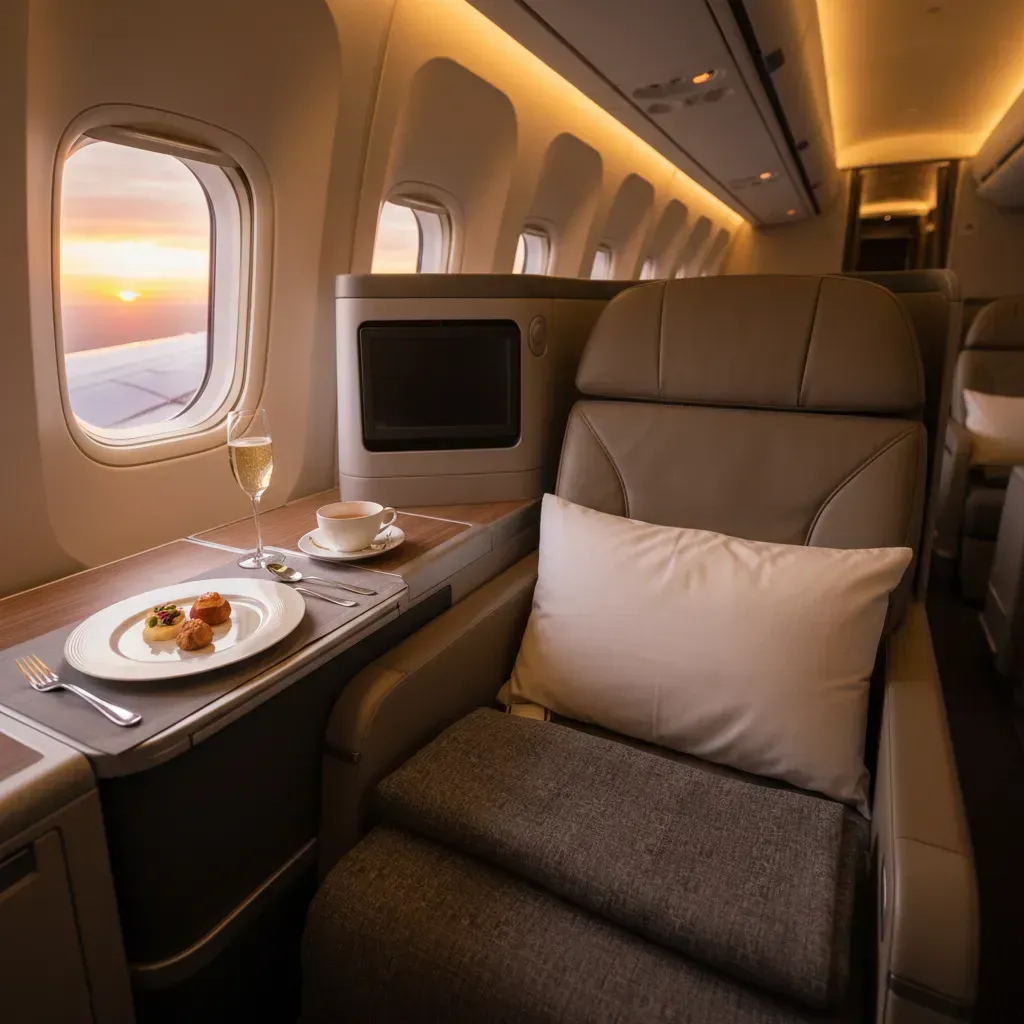
International business class has evolved far beyond a premium seat and enhanced meal service. On the strongest long-haul products, you may expect direct aisle access, lie-flat comfort, priority airport handling, lounge access, upgraded dining, and a quieter cabin environment designed for rest or focused work. Even so, the label alone does not guarantee the same experience across airlines or routes.
A transatlantic daytime service on one carrier may feel very different from a transpacific overnight journey on another. Aircraft such as the Boeing 777, 787 Dreamliner, Airbus A350, and A330 families may each feature very different seat layouts depending on the airline. Some cabins offer doors and highly private suites, while others still use older staggered or angled configurations that may feel less refined.
This is why understanding what is business class in practical terms matters before booking. At Flight Experts, Business Class Flight Booking support is built around these distinctions. The service covers major international and domestic carriers, includes personal travel consultant guidance, seat selection support, meal preference coordination, check-in assistance, price monitoring context, and upgrade alert support. Current pricing guidance from Flight Experts places many business class international itineraries in the $2,000 to $8,000+ range, varying by route and airline.
Key Features That Matter Most
The most valuable international business class flights combine a strong onboard product with thoughtful logistics before and after departure. For discerning travelers, the cabin should be judged as a complete travel experience rather than a seat alone.
Seat design remains the first priority. On overnight routes, a fully lie-flat bed with direct aisle access is typically essential. A beautiful soft product cannot fully compensate for a cabin where you must step over another passenger or where sleeping posture feels compromised on a 10 to 14 hour sector.
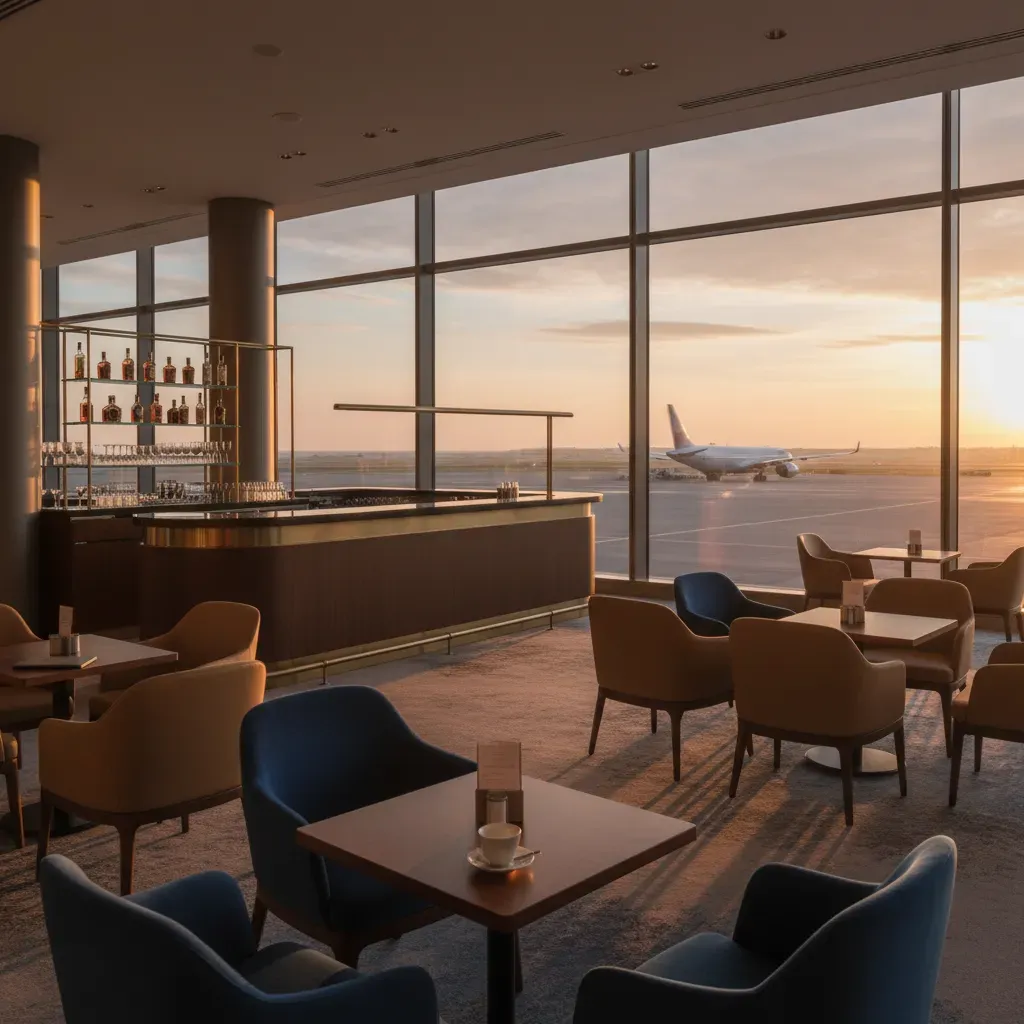
Ground experience is the second differentiator. Priority check-in, fast-track security where available, and lounge access may substantially improve the rhythm of departure. Premium lounges vary considerably. Some offer restaurant-style dining, shower suites, and private work areas. Others are more functional than luxurious.
Routing quality often matters more than travelers first realize. A lower-friction itinerary with a well-timed connection, sensible minimum layover risk, and strong hub facilities may be preferable to a theoretically attractive fare on a weaker routing. This becomes especially important for business class long haul flights involving multiple segments.
Service consistency is another important measure. Leading international business class carriers are not only polished in the air, but reliable in how they handle irregular operations, premium check-in, baggage priority, and alliance benefits. Flight Experts works across major carriers including Emirates, Qatar, Singapore, Lufthansa, British Airways, ANA, JAL, Delta One, United Polaris, and American Airlines Flagship, helping match airline strengths to route realities.
Consultative booking support can also be decisive. Flight Experts’ Business Class Flight Booking service is designed to present tailored options, usually within 30 minutes after a request is submitted, which may be especially valuable when you are balancing schedule, aircraft type, seat map, and personal preferences. Travelers who want broader context may also review cheap business class tips, not as a mass-market exercise, but as a way to better understand timing and booking variables.
Understanding Ground Services and What Is Actually Included
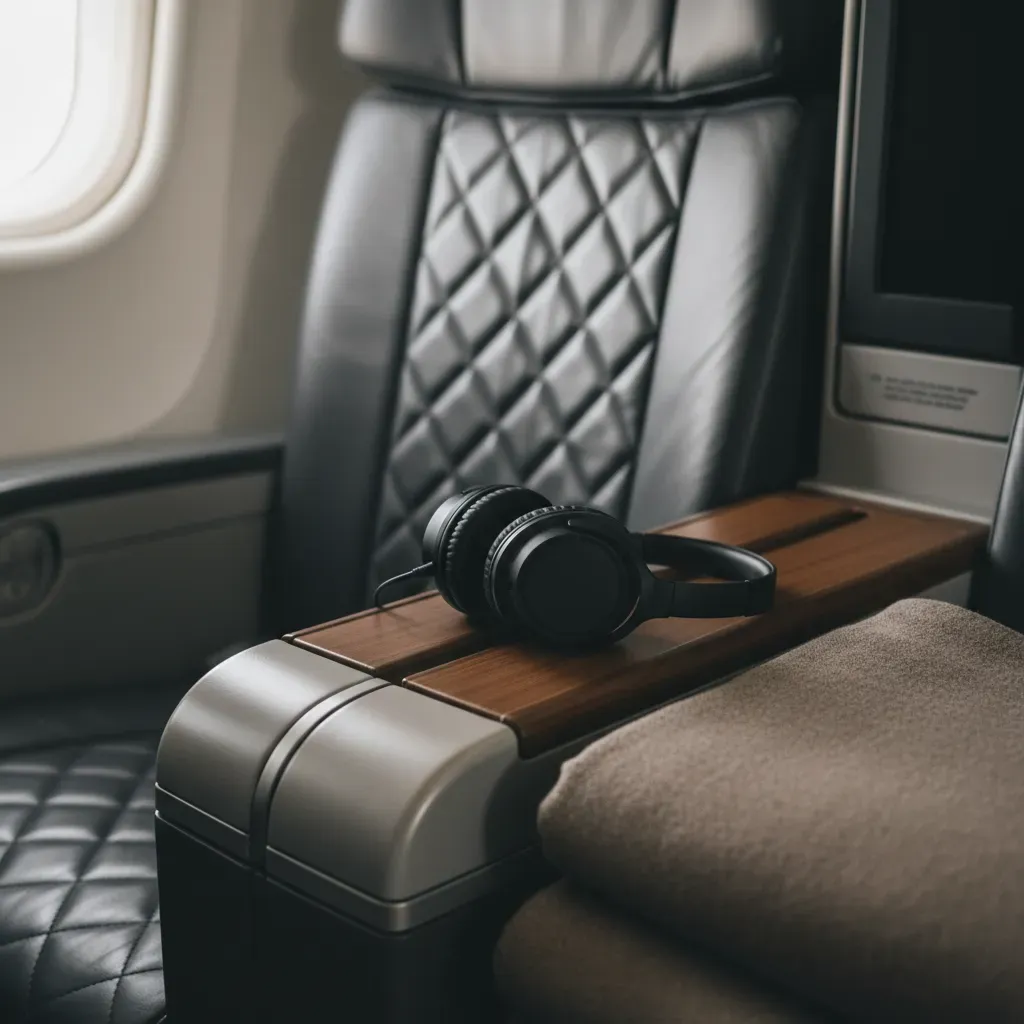
“Business class” often reads as a consistent promise, yet the ground experience can vary as much as the seat itself. In most cases, international business class includes priority check-in, a business class lane for baggage drop, priority boarding, lounge access, and a higher baggage allowance. Beyond those core elements, benefits such as chauffeur transfers, arrivals services, private terminal access, or dedicated premium security channels are carrier and market-specific, and they should be confirmed in advance for the exact route and operating airline.
Lounge access is where expectations most often need refinement. Access rules may depend on whether you are flying the long-haul segment in business class, whether a short connecting sector is operated by a partner, and whether your itinerary is ticketed as a single journey. Guest policies vary widely, and even when access is included, the lounge you actually use may be a partner facility rather than the airline’s flagship lounge, depending on the airport and terminal. Arrival lounges also exist only in select markets, so a traveler planning a shower and a change of clothes before a meeting should verify that this option is available and that arrival access is permitted for their ticket.
How “priority” works in real airport conditions is another area that deserves attention. Fast-track security may be offered in some airports and not others, and it can be affected by time of day, staffing, and local procedures. Boarding priority can also vary by station operations, with some airports enforcing boarding groups tightly while others run a more fluid process. A well-planned business class itinerary takes these realities into account, particularly when a smooth start to the trip matters as much as the time spent in the air.
Pros and Cons
Strengths
- Lie-flat seating on many international routes may significantly improve rest, particularly on overnight flights to Europe, Asia, the Middle East, and Australia.
- Priority airport services, lounge access, and faster boarding typically create a more controlled and less stressful departure experience.
- For executives and frequent travelers, international business class may preserve productivity with better privacy, power access, workspace, and in-flight dining flexibility.
- For milestone leisure travel, the cabin often sets the tone for the entire journey, making honeymoons, anniversaries, and celebratory itineraries feel more polished from the outset.
- On many routes, a professionally selected business class itinerary may provide better value than travelers expect once aircraft quality, connection risk, and cabin comfort are properly compared.
- Flight Experts adds personalized consultant support, seat selection assistance, check-in guidance, and route evaluation that self-service booking tools often do not provide.
Considerations
- The quality gap between airlines, aircraft, and even subfleets can be substantial, so booking by fare class name alone may lead to disappointment.
- Some international business class cabins still use older layouts or weaker lounge networks, depending on route and operating carrier.
- Availability on the most desirable routes and schedules may narrow quickly during peak seasons, holidays, and major business travel periods.
- Pricing varies widely by origin, season, and booking window, so the same route may not present the same value at all times.
Onboard Comfort Details That Shape the Real Experience
Two seats can both be lie-flat and still deliver very different sleep quality. For many premium travelers, the difference comes from the tangible “soft product” details that are easy to overlook during booking. Bedding quality, pillow options, and whether the airline provides a mattress pad or turndown-style setup can influence how restorative a long-haul flight feels. Amenity kits also vary in usefulness and sophistication, and loungewear or pajamas may be offered on some carriers and routes, typically on longer overnight sectors, but not consistently across every aircraft or market. These elements are always subject to change by route, aircraft, and supplier decisions, so they are best verified close to departure.
On the productivity front, Wi-Fi expectations should be set carefully. Many long-haul business class cabins offer onboard connectivity, yet reliability can differ based on aircraft type, coverage zones, and even weather or satellite handoffs over certain regions. Messaging may work well while streaming and large attachments can be less dependable on some systems. If connectivity is essential for work, it is often wise to plan for intermittent performance and to treat the connection as helpful rather than guaranteed.
Dining cadence is another factor that directly affects rest, especially on overnight sectors. Some airlines offer an express option designed to help you sleep sooner, while others emphasize a longer, multi-course service that can delay rest if you are departing late. Travelers who care about maximizing sleep often benefit from choosing a flight timing and service style aligned with their body clock. In many cases, a specialist can also help coordinate meal preferences in advance, and can advise on practical, respectful ways to request service pacing once onboard, recognizing that crew discretion and operational conditions may influence what is possible.
Who Business Class International Flights Suit Best
International business class is especially well suited to travelers who view long-haul air travel as part of the overall experience rather than a hurdle to endure. It typically fits frequent business travelers who need to arrive prepared, couples planning a special trip who want the journey to feel elevated from departure, and families investing in comfort on demanding overseas itineraries.
It may also be the right choice if your schedule is unforgiving. An overnight eastbound flight before a meeting, a multi-stop international journey, or a premium vacation with carefully timed reservations leaves little margin for avoidable travel fatigue. In these cases, a professionally curated business class itinerary can protect both comfort and time.
Flight Experts Recommendation
For travelers actively considering business class international routes, Flight Experts is most valuable when the decision involves more than simply choosing the lowest published fare. The firm’s Business Class Flight Booking service covers major long-haul markets from the U.S. to Europe, Asia, the Middle East, Australia, and domestic premium routes, with support that may include consultant-led option review, seat selection, meal preferences, check-in assistance, and ongoing itinerary context.
Flight Experts also supports more complex premium travel needs through Premium Flight Booking & Tips guidance and personalized planning. If your journey includes stopovers, mixed carriers, or multiple destinations, the firm’s Complex Itinerary Planning service may be particularly relevant. To begin planning your itinerary, contact Mike Chirilenco or speak with a Flight Experts travel specialist. You may also review route-specific considerations such as cheap business class options in context, then request a tailored recommendation based on your schedule, comfort preferences, and cabin expectations.
How to Choose the Right International Business Class Flight
Selecting the right international business class flight requires a more refined approach than comparing departure time and headline price alone. In most cases, the best choice comes from balancing five criteria.
1. Aircraft and seat configuration
Start with the exact aircraft and cabin layout. Not all Boeing 777s or Airbus A350s are configured equally, and airlines may operate multiple seat generations on the same route. Direct aisle access is usually the first threshold for premium long-haul comfort.
2. Route timing and sleep quality
An overnight eastbound flight may place a premium on bed comfort and cabin privacy. A daytime westbound flight may favor workspace, dining cadence, and lounge quality before departure. The right product depends on how you plan to use the cabin.
3. Hub and connection experience
A well-run connection through a premium hub can be entirely reasonable. A short connection in a crowded airport with inconsistent premium services may be far less appealing. This is one of the most overlooked factors in business class flights international travelers book on their own.
4. Airline soft product and service culture
Fine bedding, thoughtful dining, attentive cabin crews, and a strong lounge network may elevate a journey meaningfully. Travelers with dietary preferences, privacy expectations, or sensitivity to service style should weigh this carefully. Exploring the broader Premium Cabin Experience & Amenities category may help frame these distinctions.
5. Booking support and after-booking service
This is often where premium travelers feel the clearest difference between independent booking and specialist assistance. If flights change, seats need adjustment, or a complex routing requires re-evaluation, a dedicated advisor can be more valuable than any search filter. For travelers ready to move forward, Flight Experts’ Business Class Flight Booking process is straightforward: submit a request, receive an assigned expert at no charge, review options usually within 30 minutes, and confirm the itinerary that best aligns with your needs.
Readers researching best practices may also compare this article with broader guidance on how to book business class flights so that route, cabin, and service expectations remain aligned from the outset.
Connection Timing, Minimum Connection Times, and the “45-Minute Rule” Reality Check

Many experienced travelers refer to a “45-minute rule” as a personal shorthand for connection planning, meaning they prefer not to schedule connections shorter than roughly 45 minutes. While that instinct can be reasonable in certain domestic contexts, it is not a universal standard for international business class itineraries. Minimum connection times are set by airports and carriers, and they can vary sharply by terminal layout, whether you must change terminals, and whether your transit requires additional security screening, passport control, or immigration procedures.
An efficient premium hub with well-designed airside transfers can make a shorter connection workable in some cases, while a larger, congested airport with a terminal change and a second security checkpoint can make even a longer connection feel tight. For discerning travelers, the goal is not only to make the flight, but to protect composure, preserve lounge time when it matters, and reduce the chance that a rushed connection compromises the premium experience.
Many business class travelers benefit from choosing connection buffers that reflect the trip’s priorities. If you are flying overnight and sleep is the objective, a longer buffer may allow you to reset, hydrate, and avoid the stress that can undermine rest on the onward sector. If you are connecting for a meeting, protecting schedule reliability may matter more than shaving minutes off total travel time. This is also where same-ticket protection and rebooking support can become decisive during irregular operations. Separate tickets, weak interline cooperation, or limited re-accommodation options can turn a manageable delay into a far more disruptive situation. Connection strategy is often one of the highest-value areas for expert planning, because it requires understanding both the published rules and how airports and airlines typically perform in real conditions.
Frequently Asked Questions
What is included in most international business class fares?
In most cases, international business class includes a premium seat, enhanced dining, lounge access, priority check-in, priority boarding, and increased baggage allowance. Exact inclusions may vary by airline and route. Chauffeur transfers, premium ground transport, and private terminal services are available only on select carriers and markets, so these should always be confirmed in advance.
Are all business class international flights lie-flat?
No. Many long-haul routes now feature lie-flat business class, but not every aircraft or regional segment does. Some older products may still offer angled seating or less private layouts. This is especially important on connecting itineraries, where one sector may be substantially stronger than another despite the same cabin label appearing throughout the booking path.
Which routes benefit most from business class?
Overnight transatlantic flights, long transpacific sectors, U.S. to Middle East routes, and multi-segment overseas itineraries typically benefit most. These journeys place greater demands on sleep quality, productivity, and airport efficiency. The longer and more schedule-sensitive the trip, the more meaningful the business class advantage may become.
How far in advance should I book business class international flights?
That depends on season, route, and flexibility. Peak holiday periods and highly desirable nonstop services may require earlier planning, especially for travelers with specific seat preferences or strict departure windows. In many cases, booking earlier provides more aircraft and seat-map choice, though optimal timing may vary based on market conditions.
Is nonstop always better than connecting in business class?
Not always. A nonstop is often preferable for convenience, but a well-timed connection through a premium hub may offer a better aircraft, stronger lounge, or more comfortable overall journey. The right answer depends on your schedule, tolerance for transit, and whether the connecting experience improves or weakens the premium value of the trip.
Can a travel specialist help with seats and special requests?
Yes, and this is often one of the most practical benefits of using a specialist. Flight Experts’ Business Class Flight Booking service includes seat selection support, meal preference coordination, and check-in assistance. For travelers with privacy preferences, mobility considerations, or specific cabin priorities, these details may meaningfully shape the travel experience.
What if I have a multi-city international itinerary?
Multi-city travel often benefits from expert planning because fare construction, airline partnerships, and stopover logic can become complex quickly. Flight Experts offers Complex Itinerary Planning for multi-destination, open-jaw, and round-the-world travel, which may help align cabin quality, routing efficiency, and alliance compatibility across a more demanding itinerary.
How do I evaluate value in international business class without focusing only on fare?
Value should usually be assessed through the full journey: aircraft quality, seat privacy, sleep potential, lounge standards, connection quality, schedule fit, and after-booking support. A lower headline number may not represent the strongest option if it introduces weaker cabins, inconvenient timing, or higher disruption risk across an important trip.
Is business class the right choice for milestone leisure travel?
For many travelers, yes. Honeymoons, anniversary trips, and significant family journeys often justify a more considered cabin choice because the flight becomes part of the celebration. Business class may offer a calmer beginning, better rest on arrival, and a more polished airport experience, all of which can shape the tone of the overall itinerary.
What does business class get you on an international flight?
In most cases, international business class provides a lie-flat or near lie-flat seat on long-haul routes, upgraded dining and beverage service, improved privacy, and a quieter cabin environment. On the ground, it typically includes priority check-in, priority boarding, lounge access, and an increased baggage allowance. Benefits such as chauffeur service, private terminal access, fast-track security, and arrivals services may be offered only in select markets and are always subject to operating carrier rules, airport facilities, and the specific ticketed itinerary.
What is the 45 minute rule for flight connections, and does it apply to international business class itineraries?
The “45-minute rule” is an informal planning habit some travelers use to avoid overly short connections. It is not an official international standard, and it may not reflect the true requirements of a specific airport, terminal, or transit process. International connections can involve security re-screening, terminal changes, or immigration steps depending on routing. Minimum connection times and operational realities should guide the decision, and many premium travelers choose longer buffers when they want to protect rest, reduce stress, and maintain schedule reliability.
Do airlines clean seats between flights, and what can I realistically expect in business class?
Most airlines perform a turnaround clean between flights, which typically includes trash removal and general tidying, with deeper cleaning occurring on a different schedule. In practice, the level of cabin refresh can vary based on time on the ground, station procedures, and irregular operations. In business class, you can typically expect a cleaner, more orderly environment than in more densely seated cabins, but it is still reasonable to anticipate variability. If cleanliness is a priority, selecting airlines and routes with strong operational consistency, and avoiding very tight turnarounds when possible, may improve the odds of a better cabin-ready experience.
How much is the average international business class ticket?
There is no single average that applies across routes, seasons, and airlines. Pricing is highly variable based on origin city, demand patterns, booking window, and aircraft. Flight Experts’ current general guidance places many business class international itineraries in the $2,000 to $8,000+ range, subject to route and airline, with premium peak periods and top-tier products sometimes pricing higher.
Key Takeaways
- Business class international flights vary widely by aircraft, route, and airline, so the cabin name alone is not enough.
- The strongest premium choices balance lie-flat comfort, routing quality, airport experience, and service consistency.
- Flight Experts provides consultant-led Business Class Flight Booking support across major long-haul markets, with personalized assistance and options usually presented within 30 minutes.
- Complex, high-value trips often benefit from expert guidance on seat selection, connection strategy, and after-booking support.
- For discerning travelers, the best international business class decision is typically the one that protects time, comfort, and overall trip quality.
Conclusion
Choosing the right business class international flight requires more discernment than many booking platforms can reasonably provide. Cabin quality may differ sharply between airlines, aircraft, and routes, and the most satisfying option is not always the most obvious one on a search screen. If you are investing in a premium long-haul journey, the details deserve expert attention. Flight Experts offers a personalized, advisor-led approach for travelers who want comfort, efficiency, and thoughtful itinerary design rather than guesswork. To begin planning your next trip, contact Mike Chirilenco or speak with a Flight Experts travel specialist. You can share your preferred route, timing, and cabin priorities and receive a tailored recommendation built around the way you actually travel.



