
Business Class Flights to Hawaii: Best Airlines
Overview
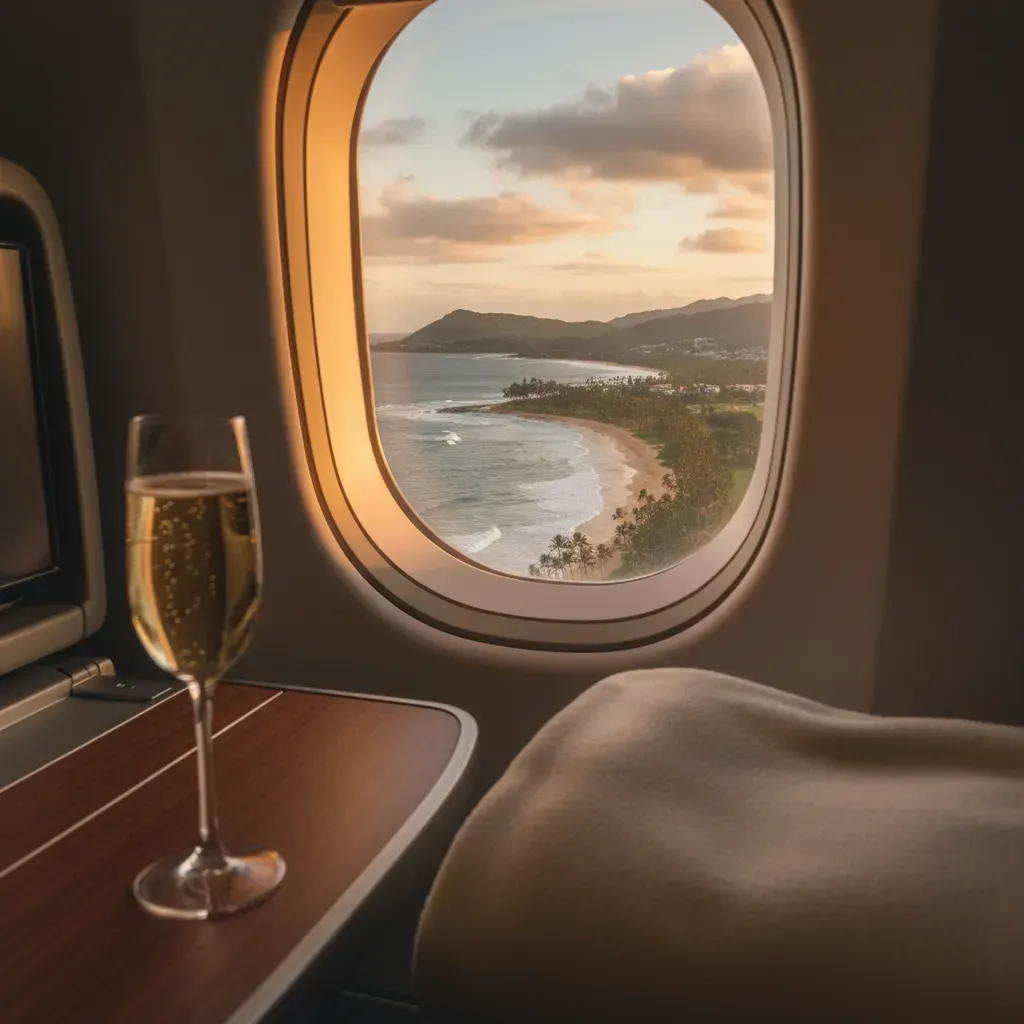
Hawaii occupies an unusual position in premium aviation. It is a leisure destination with strong emotional appeal, yet many routes are domestic or near-domestic in structure, which means the quality of Business Class may vary more widely than travelers expect. On some routes, you may find true lie-flat seats comparable to respected transcontinental products. On others, the premium cabin could feel closer to an upgraded domestic experience than a long-haul Business Class journey.
That distinction is especially important if you are departing from the East Coast, Midwest, or connecting through major West Coast gateways. A nonstop from Los Angeles or San Francisco may be perfectly comfortable in a recliner-style premium cabin for some travelers. For others, particularly couples beginning a milestone trip or clients who want uninterrupted rest, a lie-flat itinerary with carefully timed connections may be the better choice.
Flight Experts offers Business Class Flight Booking for major premium carriers, with a personal travel consultant, seat selection support, meal preference handling, check-in assistance, and guidance that may help simplify premium itinerary planning. For more route planning insights, readers can also explore Premium Flight Booking & Tips.
Business Class vs First Class to Hawaii: What “Premium” Really Means on These Routes
Hawaii often sits in the gray area between domestic premium travel and long-haul expectations. Airlines may label the forward cabin as “First” on many mainland to Hawaii flights, even when the service pattern and seat are closer to a traditional domestic First Class experience. On other routes, particularly those operated by larger aircraft, you may see the product sold as Business Class or presented as a long-haul style cabin with lie-flat seating. The name on the ticket can be less informative than the physical seat and the onboard flow.
The premium experience can change significantly based on a few practical elements that matter to discerning travelers. A true lie-flat seat typically changes the entire journey, especially if you are traveling overnight, arriving early, or heading straight into a planned activity. Privacy also varies widely, from open recliner seating to layouts that provide more personal space and separation. In most cases, bedding quality and the structure of meal service also become noticeably more important as flight time increases, particularly on routes that require rest rather than simply comfort.
The decision often becomes simple once you frame it around how you want to arrive. If you are flying a daytime West Coast nonstop and your plans begin later in the evening, a high-quality recliner style premium seat may be more than sufficient, especially for travelers who prioritize simplicity and a smooth airport experience. If you are departing from the East Coast, connecting from the Midwest, or taking a red-eye where sleep affects the first day of a milestone trip, securing a lie-flat style seat can become the priority. For Hawaii routes, the “premium” label is only the starting point. The best result usually comes from verifying the actual product, then matching it to your timing, your recovery needs, and the tone you want for the trip.
Best Airlines for Business Class Flights to Hawaii
1. Hawaiian Airlines
Hawaiian Airlines remains the most destination-aligned option for many Hawaii travelers because the experience often begins with a stronger sense of place. Service style, onboard hospitality, and the carrier’s focus on the islands can create a more immersive arrival. On select widebody routes, the airline may offer a lie-flat experience that feels far more suitable for overnight or longer mainland sectors than a domestic recliner product.
Its main limitation is inconsistency by route and aircraft. Not every flight delivers the same premium standard, so discerning travelers should verify equipment carefully. If Hawaiian is on your shortlist, this detailed Hawaiian Airlines review may help clarify what to expect from the airline’s premium experience.
- Strong Hawaii-focused service identity
- Select routes may feature lie-flat seating
- Appeals to leisure travelers seeking a more destination-driven onboard atmosphere
- Often a compelling choice for nonstop convenience from West Coast gateways
2. United Airlines
United is often one of the more practical premium choices to Hawaii because of its network breadth and connection options from across the mainland. Travelers originating outside California may appreciate the carrier’s ability to build more streamlined itineraries through hubs such as San Francisco, Los Angeles, Denver, or Newark, depending on season and schedule.
The strongest United options are typically the flights using aircraft with true lie-flat seats, particularly when branded through its higher-end premium long-haul configuration. The challenge is that product quality may differ significantly by route. If comfort is your primary criterion, aircraft selection matters more than airline branding alone.
- Wide domestic network and practical connectivity
- Some Hawaii flights may offer lie-flat seating
- Well suited to travelers originating outside the West Coast
- Good fit for clients prioritizing schedule flexibility
3. American Airlines
American can be a strong contender for Hawaii when operated with widebody or premium transcontinental aircraft. At its best, the airline offers a refined hard product, especially for travelers who care most about seat comfort and personal space. This may be particularly appealing for travelers departing from major hubs such as Dallas-Fort Worth, Phoenix, or Los Angeles.
The airline’s premium consistency to Hawaii, however, is not uniform. Some flights may feel excellent from a seat perspective but less distinctive in service tone than Hawaii-focused carriers. For travelers who view the journey as part of the vacation, not merely transportation, that difference may matter.
- Competitive premium seating on select aircraft
- Useful hub access for travelers across the mainland
- Often attractive for travelers prioritizing seat over branding flair
- Can work well for family premium itineraries with connection options
4. Delta Air Lines
Delta is often valued by premium travelers for operational consistency, polished cabin presentation, and generally dependable airport experience. On routes where Delta One or a similarly elevated premium product is offered, the airline may appeal strongly to travelers who want a more business-oriented, understated style of comfort.
For Hawaii, Delta is often less about theatrical luxury and more about execution. Lounge strategy, connection quality, and aircraft assignment should be reviewed closely. For frequent premium travelers, that predictability may be a major advantage, especially on itineraries built around precise arrival times.
- Often polished and dependable premium experience
- Strong appeal for frequent business travelers
- Some routes may provide a superior seat product
- Good option for travelers who value operational reliability
5. Alaska Airlines
Alaska Airlines is not always the first carrier associated with luxury travel, yet it can be a very sensible premium option to Hawaii from West Coast origins. The airline is often attractive for travelers who value route convenience, efficient service, and a relaxed onboard atmosphere. It may not offer the same lie-flat depth as the strongest widebody competitors, but it can still be a highly comfortable choice for daytime service.
Alaska tends to suit travelers who are realistic about route length and know that not every Hawaii itinerary requires a full international-style Business Class seat. For shorter sectors, ease and reliability may outweigh the pursuit of a more elaborate hard product.
- Strong West Coast relevance for Hawaii travel
- Comfortable premium option for shorter mainland sectors
- Often efficient and straightforward airport-to-arrival experience
- Good for travelers who prioritize convenience over cabin theatrics
Aircraft and Seat Types to Watch on Hawaii Routes (Lie-Flat vs Recliner, and Why It Varies)
The “best” business class to Hawaii is often determined by the aircraft assigned to the route, not the airline logo on the boarding pass. Hawaii sits at a distance where carriers may operate a mix of aircraft types, and those choices can change by season, day of week, or operational needs. A route that features a widebody with lie-flat seating during one schedule period could shift to a different aircraft later, materially changing the premium cabin experience.
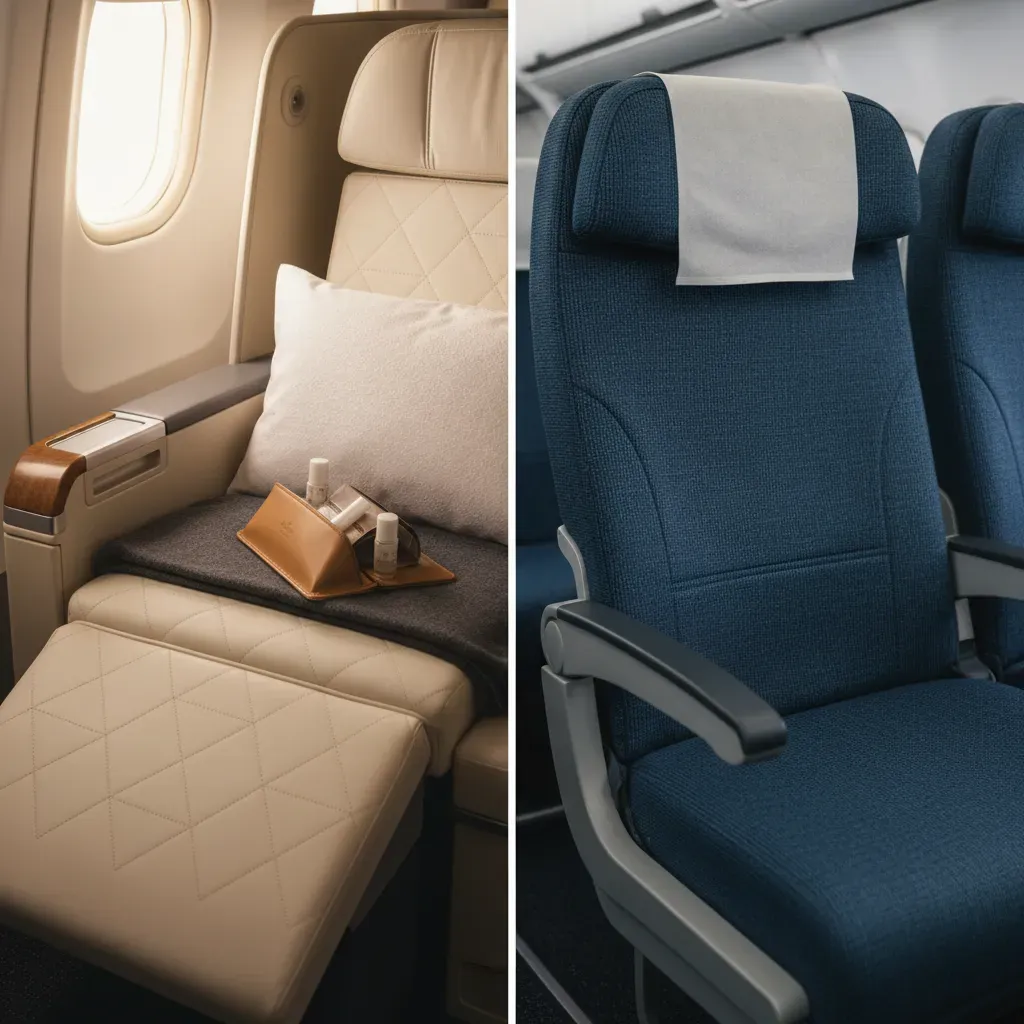
Widebody aircraft typically have the space to support more long-haul style premium seating, which may include lie-flat configurations. Narrowbody aircraft, which operate many Hawaii flights, more commonly feature recliner style premium seats that are comfortable, but rarely designed for true sleep. Since equipment swaps can occur, it is wise to treat aircraft type as a priority checkpoint during planning rather than an afterthought.
Verifying the hard product usually starts with aircraft assignment and the seat map. Seat map layout cues can be revealing, for example a 1-2-1 layout often indicates a more modern lie-flat style business class seat with direct aisle access for every passenger, while denser layouts such as 2-2 or 2-3-2 may suggest an older or more regional style product. Even then, airlines can change aircraft close to departure, so experienced premium travelers tend to remain flexible and confirm again as the travel date approaches.
Timing also affects comfort in ways many travelers underestimate. Westbound flights to Hawaii can feel shorter because you gain time, and many are scheduled during the day. Eastbound returns may depart in the afternoon or evening and arrive overnight or early morning on the mainland, which changes the value of a seat that truly supports rest. For some itineraries, a connection may be preferable if it secures a materially better premium seat or a schedule that protects your arrival. This is especially relevant when you have an inter-island continuation, an early hotel check-in plan, or a first-day experience that you do not want to approach fatigued.
Pros and Cons
Strengths
- Business Class flights to Hawaii may offer meaningful comfort gains, especially on overnight or longer mainland routes.
- On select aircraft, travelers may access lie-flat seating that substantially improves rest before arrival.
- Premium cabin booking can simplify the airport experience through priority services and, depending on airline and route, lounge access.
- For milestone travel, the elevated space, quieter cabin environment, and improved dining may set a more refined tone for the trip.
- Travelers departing from inland US cities may benefit from professionally curated connections that improve timing and aircraft quality.
Considerations
- Not every airline markets a Hawaii premium cabin that meets international Business Class expectations.
- Aircraft swaps, seasonal scheduling, and route adjustments may affect the actual seat and service delivered.
- Some nonstop options may be less comfortable than a connecting itinerary with a better premium aircraft.
- Lounge access policies may vary by airline, fare basis, and route classification.
Who Business Class to Hawaii Suits Best
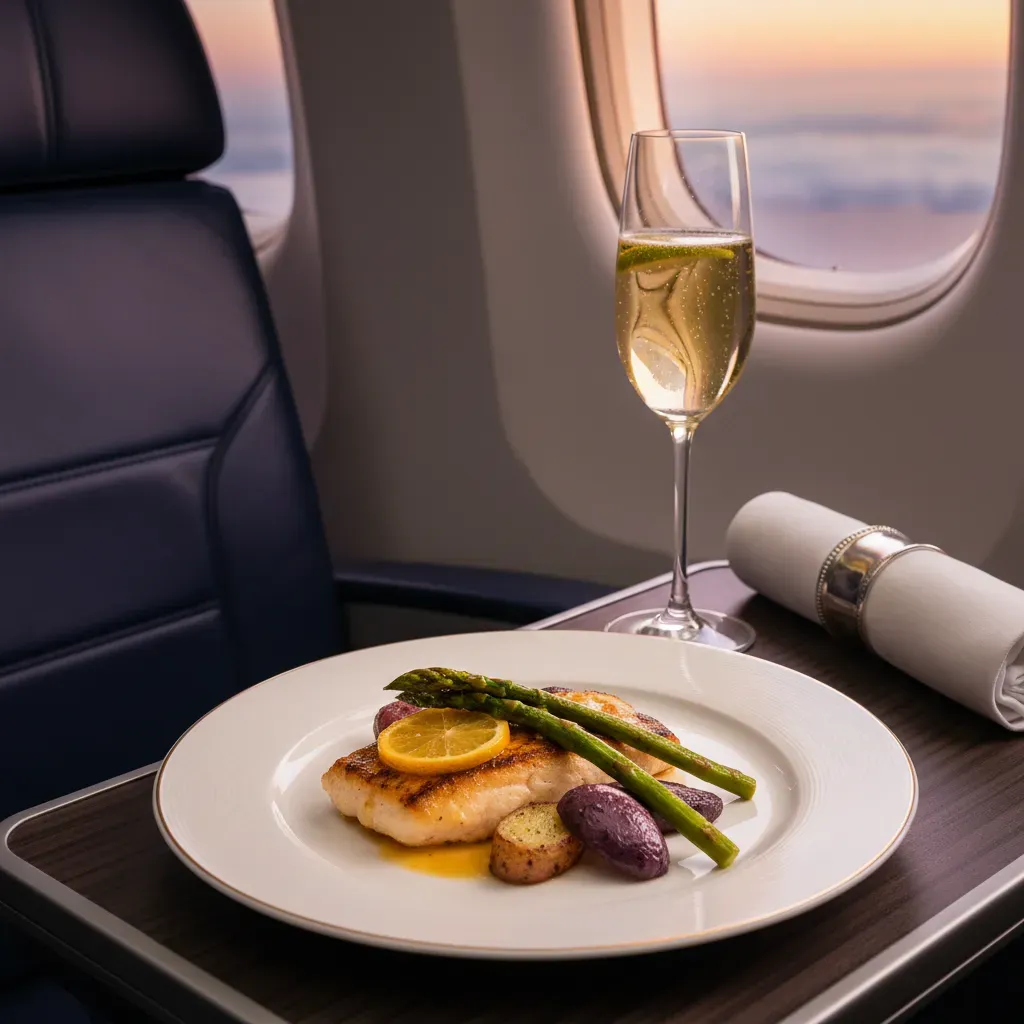
Business Class to Hawaii generally suits travelers who see the journey as part of the experience rather than a hurdle to endure. It is especially well matched to couples celebrating a honeymoon or anniversary, executives combining work and leisure, multigenerational families seeking a smoother long-haul domestic trip, and travelers departing from the East Coast or central US who want to arrive rested.
It may also suit clients who value privacy, attentive service, and carefully planned connections more than simple nonstop convenience. If your priority is sleeping well, protecting the first day of your itinerary, or creating a polished start to a high-value vacation, the right premium cabin can be well worth evaluating with care.
Flight Experts Recommendation
For Hawaii, the best airline is rarely the same for every traveler. The right answer usually depends on your departure city, whether you prefer nonstop service or superior aircraft via connection, and whether your priority is destination ambiance, lie-flat rest, or operational ease. That is where expert support becomes especially valuable.
Flight Experts provides Business Class Flight Booking across major carriers including Emirates, Qatar, Singapore, Lufthansa, British Airways, ANA, JAL, Delta One, United Polaris, and American Airlines Flagship, with service features such as a personal consultant, seat selection, check-in assistance, price monitoring, and cabin upgrade alerts. For complex routing or island combinations, Complex Itinerary Planning may also be relevant. If you are planning a premium Hawaii journey and want a tailored recommendation, connect with Mike Chirilenco and the Flight Experts team for personalized guidance shaped around your travel style.
How to Choose the Right Airline
1. Start with the aircraft, not just the airline. This is the single most important filter. A respected airline name does not automatically mean a superior Hawaii cabin. On some routes, you may find true lie-flat seating. On others, the premium product may be closer to domestic First Class. For travelers who want sleep, privacy, and a more polished premium experience, aircraft verification is essential.
2. Consider your departure city realistically. A traveler flying from Los Angeles to Honolulu has very different needs from a traveler leaving Boston, Chicago, or Atlanta. West Coast passengers may be comfortable prioritizing nonstop ease. Travelers from farther east may benefit from a one-stop itinerary if it provides a materially better cabin and arrival time.
3. Match the airline to the purpose of the trip. A honeymoon couple may prefer Hawaiian Airlines for atmosphere and destination alignment. A frequent corporate traveler may prefer Delta or United for schedule logic and network reach. A family may value hub flexibility and coordinated seating more than a highly stylized onboard identity.
4. Evaluate the ground experience. Premium travel begins before boarding. Dedicated check-in, security efficiency, lounge access, and terminal quality can all affect the day. Depending on route and fare, some airlines may offer a much stronger pre-flight experience than others. This is particularly relevant for longer connection windows.
5. Work with a specialist when the itinerary matters. Hawaii may seem straightforward, but premium booking decisions often involve aircraft changes, seasonal route differences, seat-map strategy, connection timing, and mixed-cabin trade-offs. Flight Experts can usually respond within 30 minutes for premium flight requests and may help identify stronger options than a broad search result would suggest. Readers planning routes beyond Hawaii can also browse Business & First Class from US Cities for related premium route insights.
Hawaii Route Strategy by Mainland Region (West Coast Nonstops vs One-Stop for Better Rest)
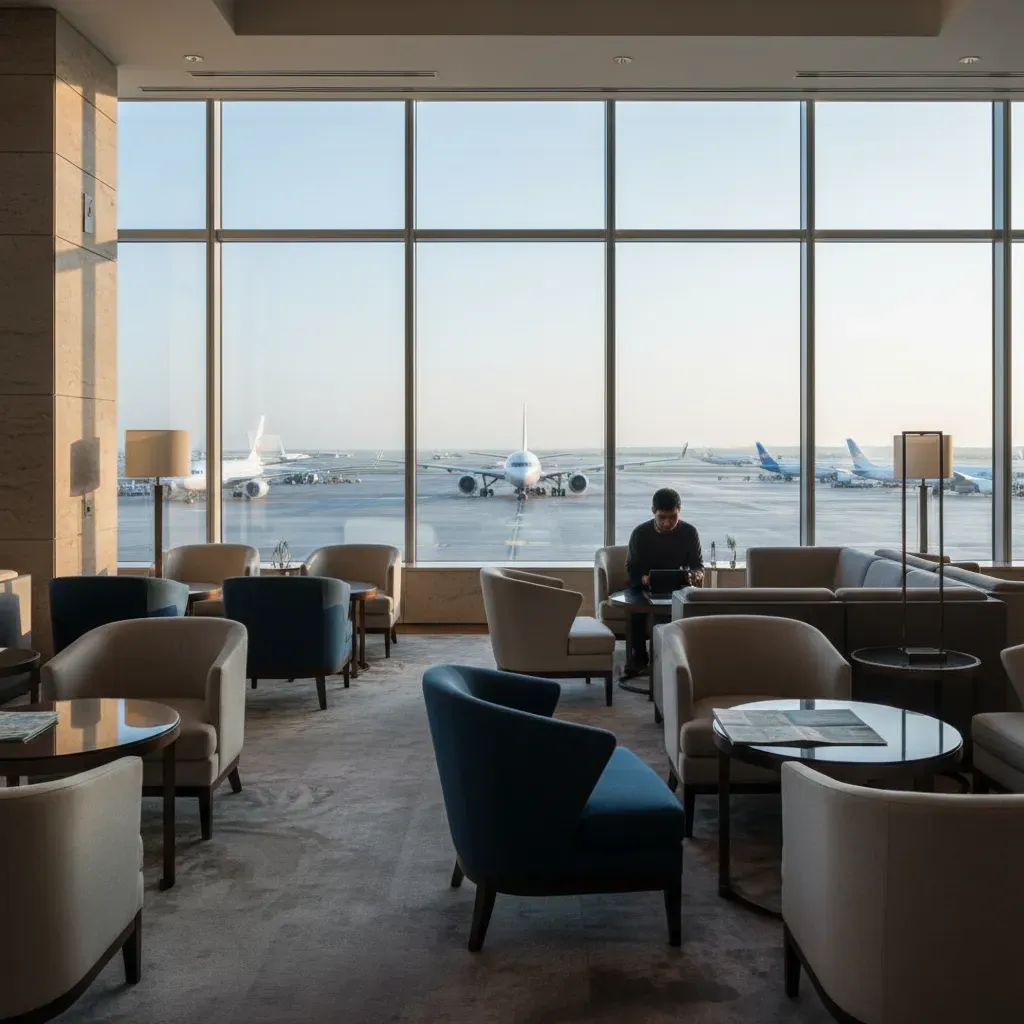
For discerning travelers, the “right” Hawaii itinerary is often less about distance and more about how the routing supports rest, timing, and a calm airport experience. Hawaii flights can be scheduled in ways that either protect the first day of your trip or quietly erode it. Thinking region by region helps clarify when a nonstop is the ideal answer and when a one-stop itinerary could deliver a better outcome.
West Coast origins (California, Pacific Northwest): In most cases, a nonstop is the most elegant choice because flight times are manageable and schedules often support a daytime crossing. If you are departing in the morning or early afternoon, a premium recliner seat may feel perfectly appropriate, particularly for travelers who value simplicity. The exception is when you have a red-eye or a tightly structured first day, such as a planned dinner reservation, an early activity, or a limited window on the island. In those cases, seeking a lie-flat equipped route or a timing that supports sleep may still be worthwhile, subject to availability.
Mountain states and Southwest: You may face a choice between an efficient one-stop through a West Coast gateway or a less frequent nonstop schedule. A connection can sometimes improve both aircraft quality and arrival time, especially if it places you on a more premium-configured segment to the islands. From a comfort perspective, many travelers prefer a connection that includes a lounge-friendly window rather than a rushed transfer that negates the value of premium travel.
Midwest origins: A one-stop itinerary is often the norm, and the goal becomes selecting the gateway and connection window with intention. If you are already connecting, you may be able to choose a routing that improves your longest segment, gives you time to reset in the lounge, and avoids arriving in Hawaii feeling as though you have been in transit all day. Overly tight connections tend to increase stress and reduce the benefit of premium cabin travel, particularly when the itinerary involves terminal changes or variable boarding times.
East Coast origins: These itineraries are long enough that rest becomes a priority, especially for milestone trips or travelers protecting a demanding schedule. In many cases, a thoughtfully planned one-stop through a West Coast gateway is preferable to a routing that looks efficient on paper but offers a less suitable seat for sleep or an arrival time that disrupts the first day. Eastbound returns can be particularly punishing when they arrive early, so planning the return timing, and the seat, deserves the same attention as the outbound.
For inter-island continuation, the most important consideration is not only the connection time but also how the schedule protects your arrival experience. A short hop to another island immediately after landing may be convenient, but it can also compress the day in a way that feels rushed. Many travelers prefer a plan that allows a reasonable buffer for baggage, a calm transition, and a measured start to the trip, particularly when traveling for a honeymoon or anniversary where the tone matters as much as the logistics.
Frequently Asked Questions
Is Business Class to Hawaii always lie-flat?
No. Business Class to Hawaii is not always lie-flat, and the answer typically depends on airline, route, and aircraft type. Some flights may offer a true bed-style seat, while others use a reclining domestic premium seat. Travelers who care deeply about sleep and privacy should confirm the exact aircraft before booking.
Which airline is best for a Hawaii honeymoon in Business Class?
For many couples, Hawaiian Airlines may feel especially appealing because the onboard atmosphere often aligns well with the destination. That said, another airline could be the better choice if it offers a superior seat, better departure time, or a more restful connection pattern. The ideal option usually depends on the full itinerary.
Are nonstop flights to Hawaii always the best premium option?
Not necessarily. A nonstop may be the most convenient choice, but it is not always the most comfortable or refined one. In some cases, a connecting itinerary could provide a much stronger premium seat, improved service flow, or a better arrival schedule. This matters most for travelers coming from farther east.
Do Business Class flights to Hawaii include lounge access?
Lounge access may be available, but policies vary by airline, route classification, fare type, and elite status. Some domestic Hawaii itineraries do not include the same lounge privileges travelers expect from international Business Class. It is wise to verify this before travel, especially if the airport experience is important to you.
What matters most when comparing business class flights to Hawaii?
The most important factors are usually aircraft type, seat design, route timing, connection quality, and consistency of premium service. Travelers should also consider baggage needs, airport experience, and whether the airline’s style suits the purpose of the trip. A refined onboard meal matters, but the seat usually matters more.
Is Hawaiian Airlines the best choice for every Hawaii route?
No. Hawaiian Airlines may be an excellent fit for many leisure travelers, but it is not automatically the best for every departure city or traveler profile. Another carrier may offer better timings, a more suitable seat, or stronger connection opportunities. The most suitable airline is usually highly itinerary-specific.
Can Flight Experts help with premium Hawaii itineraries beyond airfare?
Flight Experts specializes in premium flight booking and also offers support for more intricate routing through its multi-city planning service. If your Hawaii trip includes multiple islands, stopovers, or a broader Pacific itinerary, expert guidance may help structure the journey more elegantly and with fewer avoidable compromises.
What is the difference between domestic First Class and Business Class to Hawaii?
On Hawaii routes, the distinction may blur. Some airlines use the terms differently depending on aircraft and market. In practical terms, the real difference is usually seat design, privacy, and service level rather than the label alone. That is why experienced travelers focus on the actual cabin product, not only the fare name.
How far in advance should premium Hawaii flights be planned?
For peak seasons, holiday periods, and milestone trips, earlier planning is typically wise because the most desirable premium seats and flight times may become limited. Travelers with flexible dates may have more options, but those seeking specific aircraft or nonstop routes usually benefit from beginning the process well in advance.
What airlines have business class to Hawaii?
Several major US carriers offer a premium cabin to Hawaii that may be marketed as Business Class or First Class depending on the route and aircraft. Hawaiian Airlines, United, American, Delta, and Alaska all serve Hawaii with premium cabins on select routes. The key is confirming the actual seat type and aircraft assigned, since the onboard experience may vary significantly even within the same airline.
What is the most comfortable airline to fly to Hawaii?
Comfort is usually determined more by the specific aircraft and seat than by the airline name alone. A lie-flat seat on an appropriately configured aircraft will typically feel more restorative than a recliner style premium seat, especially on longer routes or overnight flights. For many travelers, the most comfortable option is the itinerary that combines the right seat with a sensible departure time, an unhurried connection if needed, and a strong ground experience.
What is not allowed to bring to Hawaii?
Hawaii has agricultural protections that may restrict certain plants, fresh produce, and other items that could introduce pests or disease. Rules can change, and enforcement may vary based on current guidance, so travelers should verify what is permitted before departure. It is wise to avoid packing fresh fruits, vegetables, and untreated plant materials unless you have confirmed they are allowed, especially if you want a smooth arrival process.
How much is it to fly 1st class to Hawaii?
Pricing can vary widely based on seasonality, departure city, routing, aircraft type, and how close to departure you book. The same airline can price premium cabins very differently depending on demand patterns and schedule. If you want a precise recommendation aligned to your dates and preferred cabin product, a specialist can help you compare options based on seat quality and timing, not only the headline fare.
Key Takeaways
- The best business class to Hawaii depends more on aircraft and route than airline branding alone.
- Hawaiian Airlines, United, American, Delta, and Alaska all have strengths, but they suit different traveler priorities.
- Lie-flat seating is available on some Hawaii flights, though not across every premium route.
- For milestone or long-distance travel, a connecting itinerary may sometimes outperform a less refined nonstop.
- Expert booking support may help align seat quality, schedule, and ground experience more effectively.
Conclusion
Business Class flights to Hawaii can range from simply comfortable to genuinely restorative, and that difference may shape your entire trip. The strongest choice depends on where you begin, how you prefer to travel, and whether your priority is island atmosphere, lie-flat rest, route efficiency, or premium consistency. A polished Hawaii journey deserves more than a quick search and a generic ranking. If you would like a tailored recommendation based on your departure city, travel dates, and cabin preferences, speak with Mike Chirilenco and the Flight Experts team. Their personalized approach to premium flight planning may help you select the airline and itinerary that best match the experience you want from the moment you leave home.



