
Hawaiian Airlines First Class Review
Hawaiian Airlines First Class at a Glance
Flight Experts rating: 3.5/5 for inter-island First Class, with a higher potential rating on routes operated by Airbus A330 aircraft with lie-flat seats.
Best for: Travelers who value a calm, Hawaii-centered service style, convenient island connections, and direct West Coast access to Honolulu.
Who may prefer another option: Travelers expecting suite-level privacy, a consistent lie-flat seat on every mainland route, or an extensive lounge network.
Price: Fares are dynamic and vary materially by route, travel date, aircraft, and demand. Hawaiian Airlines does not offer one fixed First Class price across its network.
The strongest reason to choose Hawaiian Airlines First Class is not lavish excess. It is the airline’s ability to make the journey feel connected to the destination before arrival. The most important caveat is aircraft variation. A330-operated West Coast flights can be meaningfully more comfortable than narrow-body or inter-island operations, so flight number and seat map deserve close attention.
| Journey type | Typical premium seating | Best suited to |
|---|---|---|
| Inter-island | Domestic-style recliner | Short flights, space, and a calmer cabin |
| West Coast Airbus A330 | 2-2-2 lie-flat bed | Couples and overnight mainland-bound journeys |
| Boeing 787 | Leihōkū Suites with direct aisle access | Travelers who value privacy and uninterrupted rest |
What Is Hawaiian Airlines First Class?
Hawaiian Airlines uses the First Class label primarily for its domestic premium cabin. The offering covers two very different travel settings: short flights within Hawaii and longer services between Hawaii and selected mainland gateways. The airline may market the latter as First Class domestically, even when the physical product more closely resembles international-style Business Class.
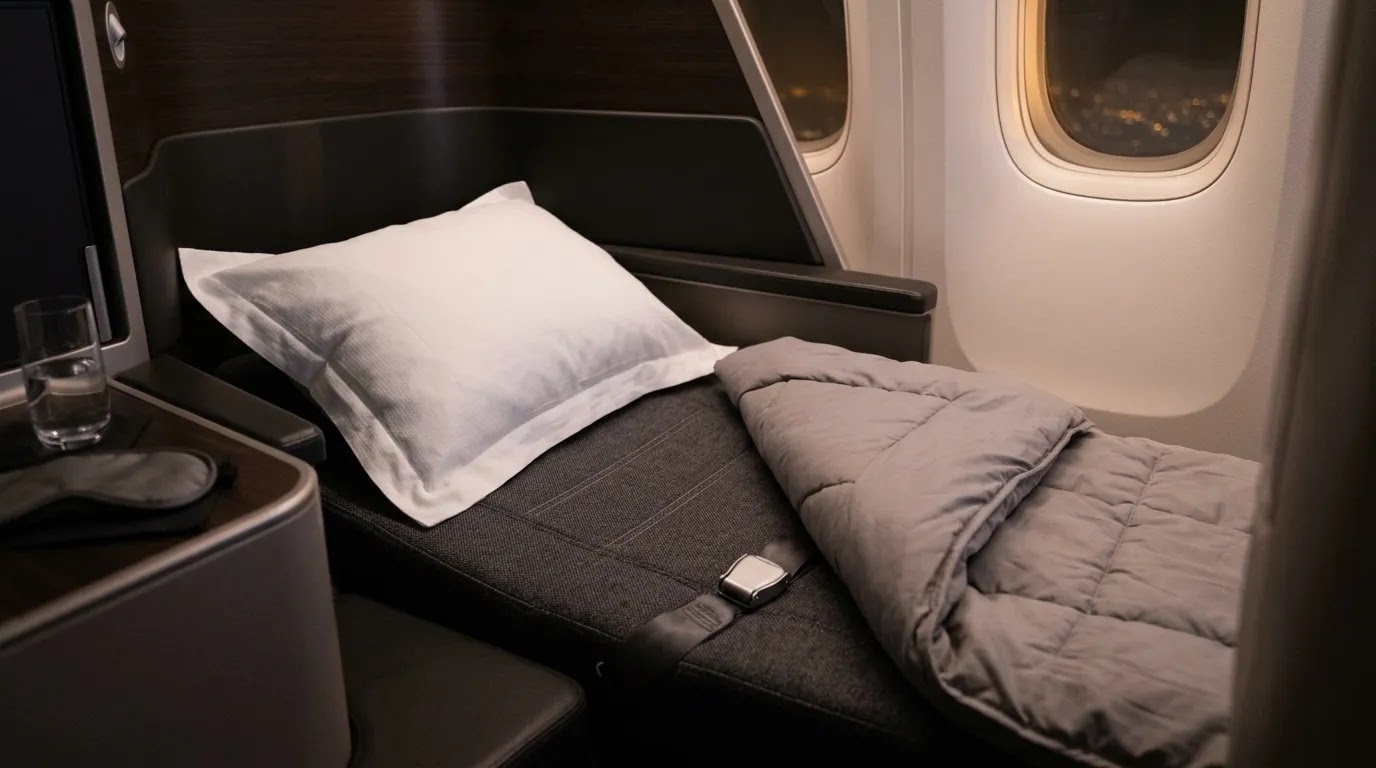
On many longer services, Hawaiian Airlines has historically used Airbus A330 aircraft with a 2-2-2 lie-flat configuration. These seats create a substantially more restful experience than a reclining domestic First Class chair. They are particularly useful for overnight eastbound journeys to the mainland. Yet they do not provide the individual doors, direct aisle access, or private suite architecture that some travelers associate with top-tier international First Class.
Travelers should judge the product against the trip it serves. A 35-minute flight from Honolulu to Kahului does not need a lie-flat bed to be useful. A five-to-six-hour West Coast sector, particularly one scheduled overnight, is where cabin hardware becomes central to the value proposition.
The Inter-Island First Class Experience
Hawaiian Airlines designs inter-island First Class for efficiency and comfort rather than ceremony. Flights between Honolulu, Maui, Kauai, and the Island of Hawaii are typically short. Boarding, seating, and a smooth arrival matter more than a large meal service or elaborate amenities.
In this setting, the front cabin can be especially appealing for families coordinating a multi-island holiday, travelers continuing after a long international arrival, or couples who would rather begin their vacation with extra personal space. Priority treatment may reduce friction at the airport. Benefits and airport arrangements can vary by station and ticket conditions.
The cabin itself generally offers a domestic-style recliner rather than a flat bed. On a short daylight flight, that is an appropriate trade-off. The advantage is less about sleeping and more about avoiding a crowded cabin while retaining a composed, unhurried rhythm between islands.
Travelers planning a special arrival experience should distinguish the flight from the overall itinerary. For a broader look at arranging a premium journey to the islands, read our guide to first class to Hawaii.
Narrow-Body First Class on Hawaiian Airlines 737 and Airbus A321 Aircraft
Narrow-body operations require different expectations from the A330 and Boeing 787 premium cabins. Airbus A321 aircraft typically provide a domestic First Class recliner for medium-length Hawaii services. It offers more personal space than the main cabin but no bed or suite-style privacy. Boeing 737 aircraft may also appear within the wider airline network and future operating plans, depending on route integration and scheduling. Travelers should assess their First Class configuration independently rather than assume it matches an A330 or 787 product.
On these aircraft, the First Class label does not by itself establish the quality of the journey. Seat width, pitch, recline, row location, and the presence of an adjacent companion can have greater practical importance. A flight of several hours in a well-positioned recliner may be entirely suitable for a daytime journey. However, it is not equivalent to a lie-flat seat for travelers arriving after an overnight sector or requiring meaningful sleep.
Party composition should guide the choice. Couples may prefer paired seating on a narrow-body aircraft for a short or daytime flight, while solo travelers may prioritize an aisle seat and a cabin with fewer rows. Travelers connecting from Europe, Asia, or the East Coast should usually place greater weight on the aircraft assigned to their longest sector. Review current seat maps and aircraft assignments before ticketing. Operational changes may affect both the layout and onboard service.
West Coast Routes and A330 Business Class
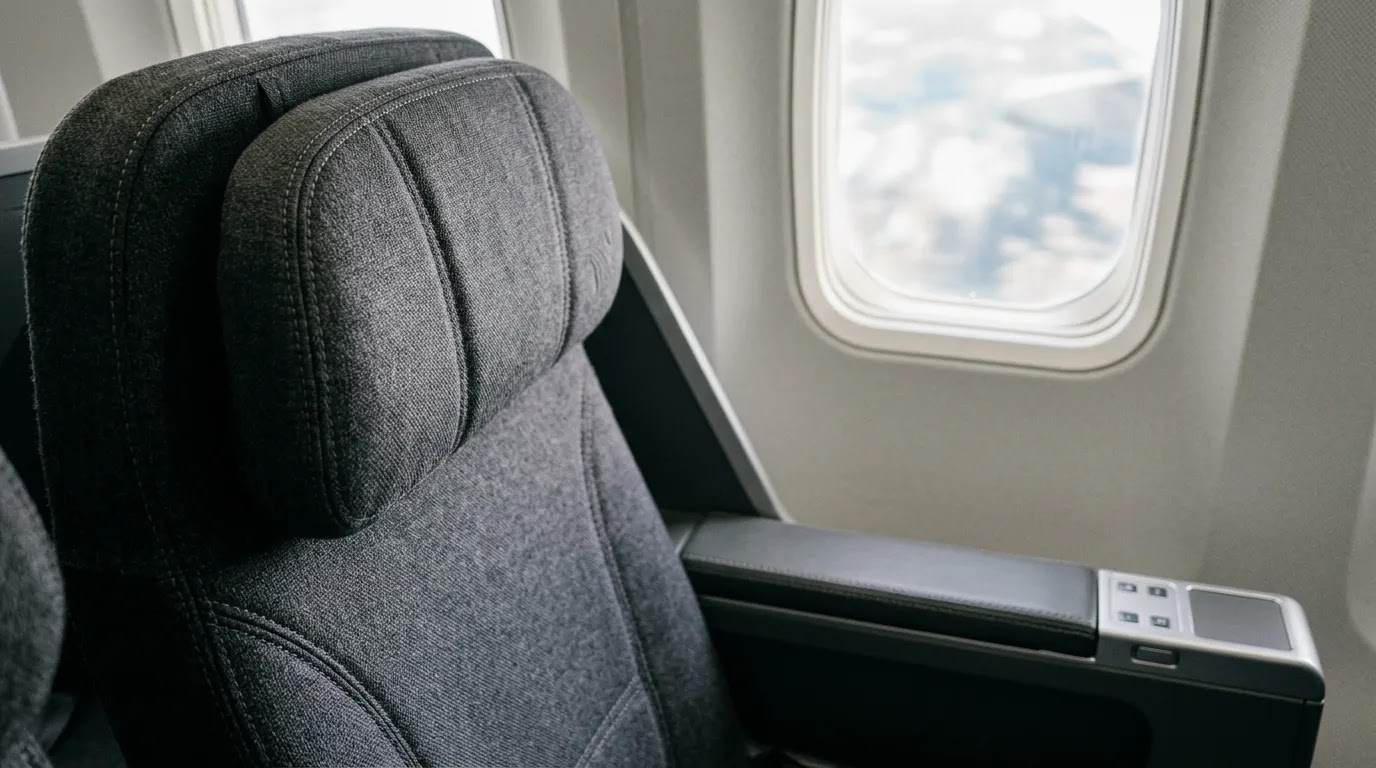
The phrase “Hawaiian Airlines A330 Business Class” commonly appears in traveler research because the A330 premium cabin is the airline’s most substantial traditional long-haul-style offering. On qualifying routes, the seat converts into a fully flat bed in a 2-2-2 layout. For a couple traveling together, the paired center seats can feel companionable and practical.
The same arrangement is less compelling for solo travelers. Window-seat passengers may need to step over the person beside them if that traveler reclines. Center seats can also place them close to an unfamiliar neighbor. Direct aisle access is not universal, which places the product behind newer 1-2-1 Business Class cabins in privacy and independent movement.
Still, the A330 can be a sensible choice for a mainland-to-Hawaii journey because it matches a relaxed onboard atmosphere with a bed that may allow meaningful rest. A daytime flight may make the seat less decisive. An overnight mainland-bound sector can justify prioritizing it. Aircraft substitutions remain possible, so review the reservation record and current seat map before ticketing.
Hawaiian Airlines First Class Seats
Seat expectations should begin with the route. Hawaiian Airlines First Class seats on inter-island aircraft typically use larger reclining seats at the front of the aircraft. They provide more width, recline, and personal space than the main cabin, but they suit brief flights.
The A330 lie-flat product is materially different. Its 2-2-2 cabin design suits two travelers who wish to share the journey, yet it does not offer the enclosed privacy now found on several international Business Class products. Select the seat with the timing of the trip in mind.
- Couples: Center pairs can support conversation, shared dining, and a more social flight experience.
- Solo travelers: A window seat may offer a quieter environment, though aisle access can be restricted by the adjacent passenger.
- Sleep-focused travelers: Choose the lie-flat A330 only after confirming the operating aircraft, particularly on overnight flights.
- Inter-island travelers: Prioritize convenient departure times over the expectation of a dramatically different seat.
Seat maps are useful but should not be treated as permanent evidence of the final aircraft. Operational changes may alter the layout, amenities, and meal service available on the day of travel.
Hawaiian Airlines Boeing 787 First Class and Leihōkū Suites
Hawaiian Airlines’ Boeing 787 introduces a more current premium product than either the short-haul inter-island recliner or the A330’s paired 2-2-2 lie-flat arrangement. The Leihōkū Suites center on individual space, with direct aisle access and greater separation between passengers. For a solo traveler, this is a meaningful advancement over the A330, where an adjacent passenger can affect movement during the flight.
The suite concept may be particularly attractive on mainland routes where privacy, uninterrupted rest, and a quieter personal environment matter. Couples should not assume that greater privacy makes the 787 automatically preferable, however. Some travelers value the sociable layout of the A330 center pair, while others will favor the independence of individual suites. The right choice depends on whether the flight is primarily for shared time, work, or sleep.
Fleet transition, route assignment, and operational requirements can affect Boeing 787 deployment. Cabin features, seating layouts, and the flights scheduled to receive the aircraft may change. Travelers seeking Leihōkū Suites should confirm the operating aircraft for the specific date of travel. They should also monitor the reservation before departure, particularly where a lie-flat seat and direct aisle access are central to the trip.
Service and the Hawaiian Airlines First Class Menu
Hawaiian Airlines’ service identity often rests on warmth, regional character, and a less formal tone than many global premium carriers. The goal is typically to introduce a sense of place through cabin hospitality, menu choices, and the airline’s visual presentation. That can be particularly appealing for travelers who see the flight as the opening chapter of a Hawaii itinerary.
Hawaiian Airlines First Class menu offerings may vary according to route length, departure time, catering station, and operational conditions. On longer mainland services, travelers can generally expect a more substantial meal structure than on short inter-island flights. A short sector may offer lighter refreshments or a limited service, which is reasonable given the available flying time.
The dining experience should not be approached as a destination restaurant at altitude. Its value lies in thoughtful pacing and a local sensibility, not in an extensive multi-course presentation. Travelers with dietary requirements should submit requests early and reconfirm them with the airline, since special meals and catering options can vary.
Inflight entertainment, connectivity, and amenity details may also differ by aircraft. Clients who need dependable connectivity for business should avoid relying solely on inflight Wi-Fi for essential communication. Service availability may fluctuate by route.
Hawaiian Airlines First Class Baggage, Boarding, and Airport Experience
Travelling to Hawaii in First Class often elevates far more than the hours spent in the air. It can also bring genuine advantages to the ground experience. Passengers should verify specific inclusions ahead of their departure date. Depending on the itinerary, eligible fares may unlock priority check-in counters, an expanded checked baggage allowance, preferred boarding order, and expedited handling of luggage upon arrival. Fare rules, the airport of departure, and the airline operating the route shape these privileges. Precise entitlements can differ considerably by booking.
The distinction is particularly relevant for travelers combining mainland and inter-island flights. A premium cabin on a longer sector may provide more extensive ground benefits than a short inter-island service. Benefits on a connecting itinerary may not apply uniformly across every segment. Review baggage rules for the complete ticket, especially where a connection involves another airline or separate travel arrangements.
Priority boarding can be valuable for travelers carrying delicate personal items, arranging family seating, or wishing to settle in without competing for overhead space. Priority-tagged checked baggage may also help at the destination. However, delivery times remain subject to airport operations and baggage handling conditions. These details are useful, but they should not be treated as guarantees of a particular arrival sequence.
Lounge access and other ground services require separate attention. Eligibility may depend on the airport, fare conditions, itinerary, and current airline policy. Facilities can differ considerably between Hawaii airports and mainland gateways. A specialist advisor can verify the current experience for a specific journey, including whether airport timing or a private transfer arrangement would better support the itinerary. Travelers can also review current policies through the official Hawaiian Airlines website.
Pros and Cons
Strengths
- A Hawaii-focused hospitality style that can make the journey feel connected to the destination.
- Lie-flat seating on certain Airbus A330 West Coast routes, which may be valuable on overnight flights.
- Paired center seats that can work well for couples traveling together.
- A calmer, more spacious alternative to the main cabin on short inter-island sectors.
- Direct routing between Hawaii and selected mainland gateways, subject to seasonal scheduling.
- A service concept suited to leisure itineraries, anniversary travel, and multi-island vacations.
Considerations
- The First Class experience varies significantly between inter-island flights and A330 mainland services.
- The 2-2-2 A330 layout does not give every passenger direct aisle access.
- Cabin privacy is more limited than in newer suite-style Business Class products.
- Lounge access and airport facilities may be less extensive than those offered by larger global networks.
- Meal service, entertainment, and amenities can differ by route, aircraft, and departure time.
Pricing and Premium Value
There is no meaningful single fare figure for Hawaiian Airlines First Class. Pricing is dynamic and may change based on the island pair or mainland gateway, season, demand, advance purchase timing, and whether the flight is operated by a wide-body or narrow-body aircraft.
The relevant value question is therefore not simply whether First Class is available. It is whether the specific premium cabin improves the journey you are taking. For an inter-island flight, value may come from space, a more peaceful boarding experience, and ease after a long international arrival. For a West Coast A330 itinerary, lie-flat comfort can be the deciding factor, especially where sleep before a meeting or onward travel is important.
A traveler booking an A330 seat should verify that the premium cabin is genuinely lie-flat on the selected operation. A traveler booking an inter-island flight may find that schedule, airport proximity, and connection protection matter more than the incremental cabin enhancement. That distinction prevents paying for expectations the flight cannot realistically fulfill.
Alternatives to Consider
For discerning travelers who value an expansive route network across the country, well-established terminals, and seamless connections through key mainland gateways, Delta First Class presents itself as a fitting choice. The onboard experience itself, however, will vary according to the specific aircraft in service.
Alaska Airlines First Class: Worth considering for travelers beginning on the West Coast or building a Hawaii itinerary around cities with strong Alaska service. Its appeal may rest on route convenience and schedule alignment. See our Alaska Airlines First Class review and benefits for a closer comparison.
United First Class or United Polaris: A reasonable option for those whose preferred gateway or onward connection is better served through United’s network. Travelers should distinguish domestic First Class from Polaris Business Class before comparing cabin quality.
These are not direct substitutes in every market. Nonstop availability, aircraft assignment, departure time, and the quality of the complete itinerary can matter more than the cabin name alone.
How to Assess the Right Hawaiian Airlines Premium Flight
Start with the operating aircraft. The same Hawaiian Airlines First Class label can describe a short-haul recliner or an A330 lie-flat bed. A reputable itinerary review should identify the aircraft, planned seat layout, and whether a substitution would materially affect your comfort.
Next, assess the direction and timing of travel. A lie-flat seat tends to carry more value on an overnight mainland-bound flight than on a daytime journey. On a daytime journey, you may prefer to enjoy the service and arrive at your hotel without needing to sleep. Departure and arrival times can also influence whether an airport lounge, private transfer, or early check-in arrangement is worthwhile.
Third, look at party composition. Couples may appreciate the social 2-2-2 A330 arrangement, while solo travelers who prize personal privacy may prefer a route with a 1-2-1 configuration on another carrier. Families may find the space and calmer atmosphere more useful than a highly private suite design.
Fourth, evaluate the complete Hawaii itinerary. A flight into Honolulu can be ideal for Oahu, but a traveler continuing directly to Maui, Kauai, or the Island of Hawaii should consider connection timing, baggage handling, and the possibility of an inter-island transfer. A well-composed itinerary leaves enough margin for the real pace of airport movement rather than relying on a tight theoretical connection.
Flight Experts approaches these decisions as itinerary questions rather than isolated seat selections. Mike Chirilenco and the team can help travelers evaluate cabin differences, airport logistics, preferred departure windows, and suitable onward arrangements for a Hawaii journey. Readers researching premium cabin options can also explore the Airline Business & First Class Reviews collection and the Business & First Class Flights to Australia & Pacific category for related planning context.
Frequently Asked Questions
Is Hawaiian Airlines First Class the same on every flight?
No. Hawaiian Airlines First Class varies materially by route and aircraft. Inter-island flights typically feature a domestic-style reclining seat designed for short travel times. Some longer West Coast services operated by Airbus A330 aircraft may offer lie-flat seats. Travelers should verify the operating aircraft and current seat map because schedules and equipment assignments may change.
Does Hawaiian Airlines have lie-flat First Class seats?
Lie-flat seats may be available on certain Airbus A330 routes between Hawaii and the mainland. These seats are commonly arranged in a 2-2-2 configuration. They can be especially useful on overnight flights, although they do not provide direct aisle access for every traveler. Availability depends on the scheduled aircraft and can change if an operational substitution occurs.
What are Hawaiian Airlines First Class seats like on inter-island flights?
Inter-island First Class seats are generally larger reclining seats at the front of the aircraft. They are intended to provide added comfort and personal space on brief flights between the islands rather than a long-haul sleep experience. The principal advantages are usually a calmer cabin environment and more comfortable positioning during a short journey.
What does First Class on Hawaiian Airlines get you?
The benefits depend on the route and operating aircraft. First Class may provide a larger seat, priority check-in and boarding, checked baggage benefits, and priority baggage handling, subject to fare conditions and current airline policy. On longer A330 or Boeing 787 services, the premium cabin may also provide lie-flat seating. Dining, lounge access, and ground services should be confirmed for the specific itinerary.
Is Hawaiian Air First Class worth it?
Its value depends on the flight being booked. On an inter-island journey, the added space and more composed airport experience may be useful after a long arrival or before a resort stay. On a mainland route with a confirmed lie-flat A330 seat or Leihōkū Suite on the Boeing 787, the cabin can be substantially more compelling, particularly for overnight travel. Travelers should compare the aircraft, schedule, and complete itinerary rather than relying on the First Class label alone.
What is the most comfortable airline to fly to Hawaii?
There is no single answer because comfort depends on the route, aircraft, and traveler’s priorities. Hawaiian Airlines can be particularly appealing for its destination-focused service and, on selected aircraft, lie-flat seating or private suites. Another carrier may be preferable if it operates a more suitable 1-2-1 cabin from your preferred gateway or offers stronger onward connections. The most comfortable option is usually the flight that aligns cabin hardware, timing, and airport experience with the needs of the journey.
Is Hawaiian Airlines First Class suitable for a honeymoon trip?
It can suit a honeymoon itinerary, particularly for couples traveling together in the A330’s paired center seats or moving between islands after a long international journey. It is best viewed as one part of the experience. Private airport transfers, carefully selected resorts, inter-island timing, and luggage planning will often shape the overall trip more than the cabin alone.
What is served from the Hawaiian Airlines First Class menu?
Menu selections may depend on flight length, departure time, catering location, and aircraft. Longer mainland services generally offer a more substantial meal than short inter-island flights. Hawaiian Airlines often emphasizes regional character in its presentation, but individual dishes and beverage selections are subject to change. Travelers with dietary needs should request special meals in advance where available.
Does Hawaiian Airlines First Class include lounge access?
Lounge access depends on the itinerary, fare rules, departure airport, and the airline’s current policy. Rather than assuming access based on cabin designation alone, our advisors recommend verifying entry privileges well ahead of departure. Hawaii’s lounge offerings, however elegant, typically do not mirror the expansive international lounge networks travelers encounter at major mainland gateways.
Is Hawaiian Airlines First Class better for couples or solo travelers?
The A330’s 2-2-2 lie-flat configuration tends to favor couples because center pairs allow companions to sit together naturally. Solo travelers may still appreciate a window seat, but they should be comfortable with the possibility of stepping over or being stepped over by a seatmate. A carrier with a 1-2-1 layout may better suit travelers seeking independent aisle access.
How should travelers choose between Hawaiian Airlines and another Hawaii carrier?
Compare the specific flight rather than relying on an airline-wide reputation. Confirm the operating aircraft, seat layout, flight timing, connection quality, and airport experience. Hawaiian Airlines can be particularly appealing where its nonstop schedule and Hawaii-centered service match the trip. Another carrier may be preferable if it offers a more private cabin or better onward connectivity from your home city.
Key Takeaways
- Hawaiian Airlines First Class is two distinct experiences: short inter-island comfort and, on select A330 services, lie-flat mainland travel.
- The A330 2-2-2 cabin can work particularly well for couples, while solo travelers may prefer a product with universal aisle access.
- For inter-island flights, schedule and connection quality often matter more than seat hardware.
- For West Coast routes, confirm the operating aircraft before placing significant weight on lie-flat comfort.
- The airline’s strongest differentiator is its Hawaii-centered service character, not suite-style privacy or an expansive global lounge network.
Verdict
Hawaiian Airlines First Class earns a measured recommendation for travelers whose route and aircraft align with its strengths. On inter-island sectors, it offers a more comfortable and composed way to continue a premium Hawaii itinerary. On an Airbus A330 West Coast route, the lie-flat seat can make a meaningful difference, especially for couples or travelers flying overnight. The strongest reason to choose it is the combination of direct Hawaii access and a service style that feels appropriately rooted in the destination. The strongest reason to skip it is inconsistency: not every First Class flight offers the same seat, privacy, or ground experience. For a tailored assessment of the complete journey, contact Mike Chirilenco and the Flight Experts team for personalized guidance.



