
First Class Flight to Hawaii (2026 Guide)
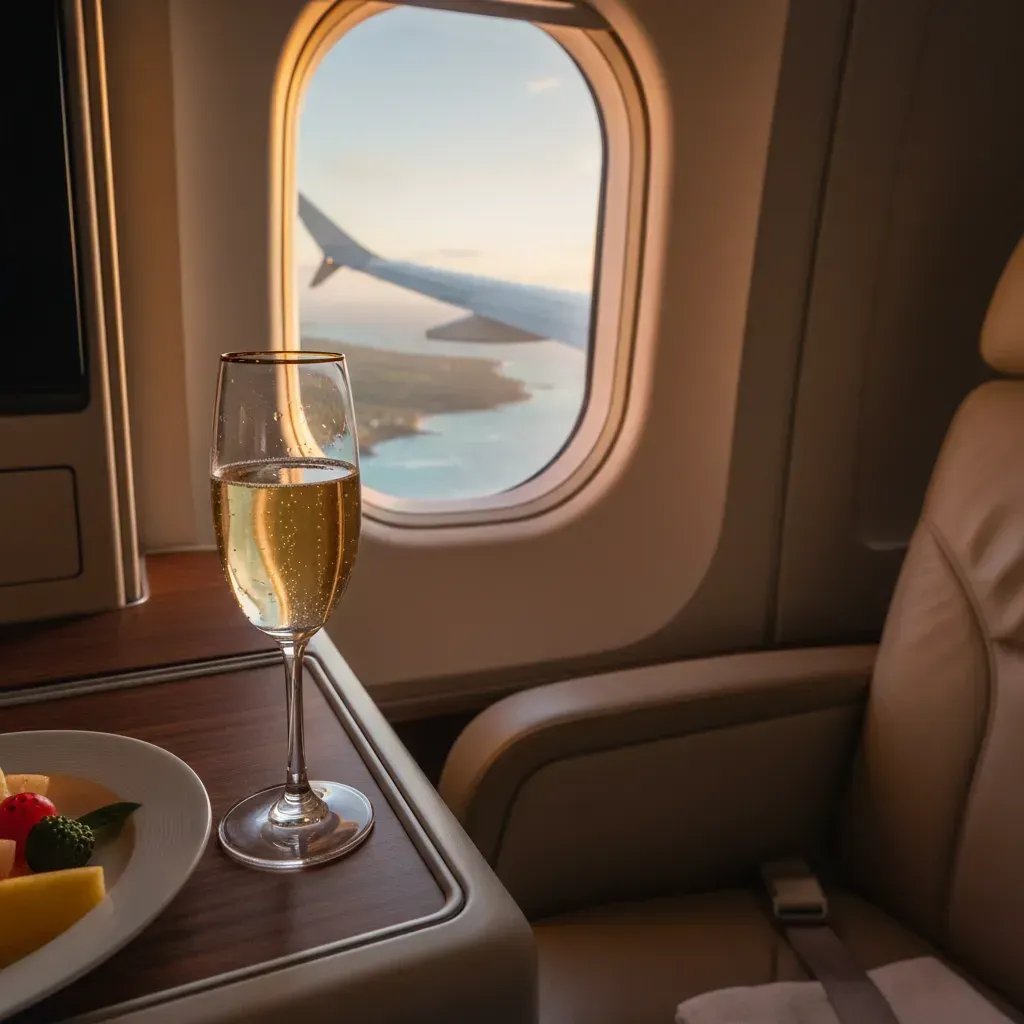
What First Class to Hawaii Really Means
For Hawaii routes, the term First Class may refer to several very different products. On shorter West Coast departures, it often means a spacious domestic premium seat with elevated service, priority handling, and a more relaxed onboard experience. On select long-haul or premium-configured routes, you may find lie-flat seating that feels much closer to an international Business Class product.
This distinction matters. A traveler departing Los Angeles or San Francisco may prioritize seat width, an efficient airport experience, and a refined meal service. A traveler departing from the East Coast or combining Hawaii with other Pacific destinations may care much more about overnight comfort, aircraft type, and connection quality. In most cases, the best first class flight to Hawaii is not simply the one labeled First Class. It is the one aligned with your departure city, travel purpose, schedule, and tolerance for connections.
Flight planning for Hawaii also requires realism about product consistency. Some routes change aircraft seasonally. Some airlines market a premium cabin similarly across very different planes. And some travelers may actually be better served by a carefully selected Business Class-style itinerary or a premium route strategy rather than a nonstop with a less impressive hard product. If you are comparing options, it may help to review broader first class to Hawaii considerations alongside the wider premium route context in Business & First Class Flights to Australia & Pacific.
What “Best First Class Airline to Hawaii” Really Depends On
The reality is that “best first class flight to Hawaii” is not a single answer. It is a set of decisions based on how you will actually experience the journey, including flight duration, timing, aircraft assignment, and the level of product consistency an airline delivers on your specific route.
Consider this: route length is the first practical filter. A premium recliner may feel perfectly appropriate on a daytime West Coast flight, particularly if your priority is a calm airport experience and an easy arrival. That same seat type can feel far less satisfying on a longer routing, especially if you are asking the cabin to support real rest.
Day versus overnight timing matters as well. Hawaii schedules often involve early departures or late arrivals, depending on origin city and season. For travelers who want to land ready for a resort transfer, the best choice is often the one that supports sleep, not the one that simply looks best on paper. In practice, that can mean prioritizing a lie-flat configuration where available, or selecting a routing that avoids an awkward middle-of-the-night connection.
What many travelers overlook is aircraft variability. Airlines may market First Class consistently, but the onboard reality can shift meaningfully by aircraft and subfleet, even within the same route family. If you care about lie-flat versus recliner, aisle access, cabin privacy, or storage, the only reliable approach is to verify the aircraft assignment and cabin layout for the flight you are actually taking. Even then, aircraft changes can occur, so it is wise to view any product promise as subject to operational updates.
Think of it this way: the “best” airline choice is typically the one that reduces the chance of product mismatch. That means confirming whether your first class flight to Hawaii is a true lie-flat experience or a domestic premium seat, confirming the timing works with your hotel check-in strategy, and ensuring the total itinerary supports your island plan. If your trip involves an inter-island segment, premium handling may also differ compared with the main overwater flight, so it is worth planning the end-to-end experience rather than evaluating only the longest leg.
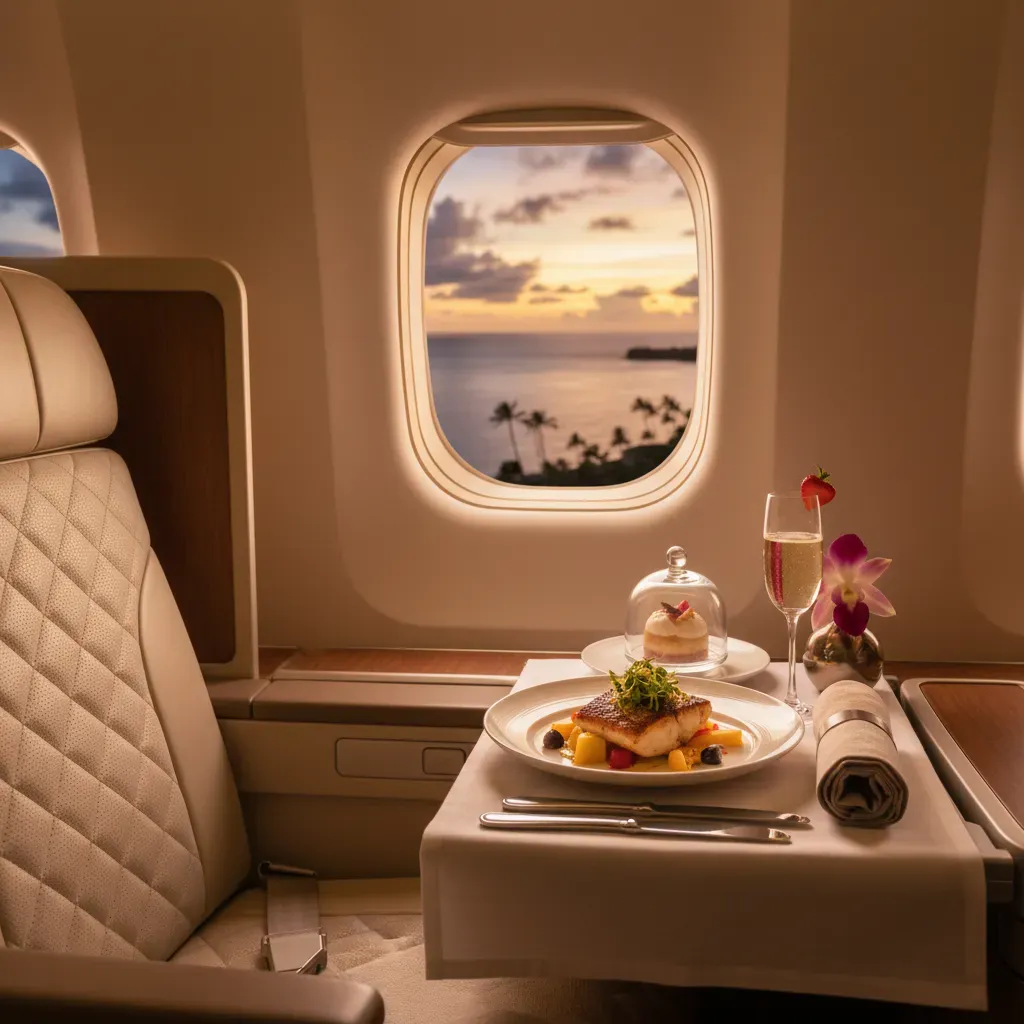
Key Features to Evaluate
Seat type should be your first filter. A wide recliner seat may be perfectly suitable from the West Coast, particularly for daytime travel. For longer flights or travelers with exacting comfort expectations, a lie-flat seat typically provides a more meaningful premium experience. Aircraft type may shape this outcome more than the fare label itself.
Ground experience is often undervalued. Dedicated check-in, shorter security wait times where available, priority boarding, and lounge access can materially improve the day of travel. Not every Hawaii first class ticket includes the same lounge privileges, so this should be verified carefully at booking.
Meal and beverage service may also differ more than many travelers expect. On some routes, service is polished and destination-appropriate, with better timing and more privacy. On others, it may feel closer to an upgraded domestic experience than a true flagship premium cabin.
Baggage handling and connection design are equally important. A beautifully marketed front cabin loses much of its appeal if it is paired with a tight connection, terminal transfer stress, or an overnight routing that does not support proper rest. Discerning travelers often benefit from expert itinerary construction here, especially if Hawaii is part of a larger celebration trip or open-jaw itinerary.
Flight Experts specializes in premium air planning, including First Class Flight Booking and Complex Itinerary Planning. According to current service information, Flight Experts assists with premium routing, lounge access coordination, chauffeur service arrangements where relevant, and tailored guidance for First Class journeys. For travelers comparing Hawaii options with other premium cabins, the team also offers Business Class Flight Booking for routes where a premium business product may be the better fit.
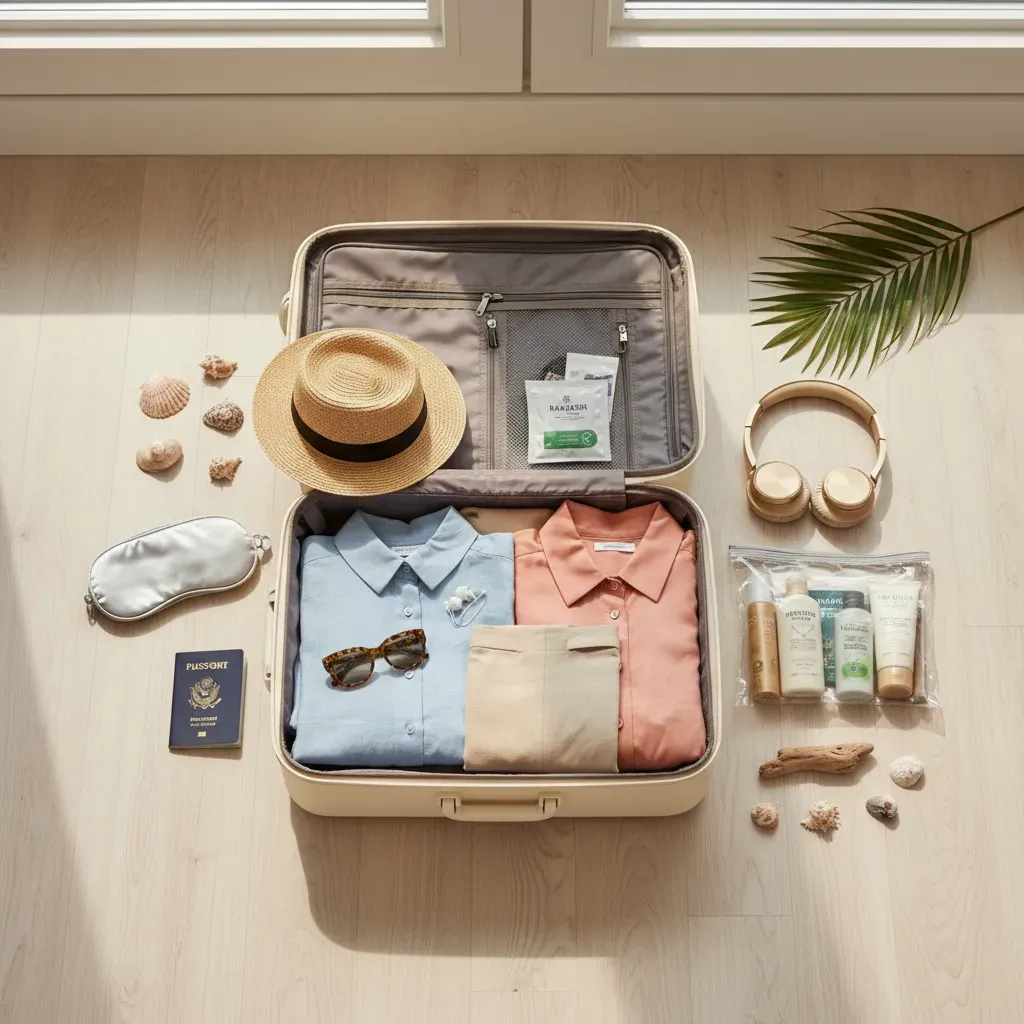
Hawaii Entry and Packing Considerations for First Class Travelers
From a practical standpoint, Hawaii travel has one additional layer that can surprise even seasoned premium travelers: agricultural protections and inspection procedures. A first class ticket may streamline many airport moments, but it does not change what you can bring into the islands, or what you may be asked to declare on arrival.
Travelers often ask what is not allowed to bring to Hawaii, and the short answer is that many common items intended as thoughtful gifts can fall into restricted or tightly regulated categories. Fresh fruits and vegetables, certain plants and plant materials, and some animal products may be restricted or subject to inspection and disposal. This can affect how you pack welcome gifts, specialty foods, and items picked up during a connection. If you are traveling for a honeymoon or milestone occasion and planning to arrive with celebratory items, it is worth confirming in advance what is permitted and how it must be packaged or declared.
Arrival procedures can also affect timing. In most cases, travelers should expect additional steps tied to declarations and agricultural screening, and that may introduce variability in how quickly you exit the airport. For travelers arranging a private transfer, coordinating a resort greeting, or planning an onward inter-island connection, it is prudent to build in time that reflects the realities of arrival, not only the flight schedule.
Baggage strategy can be part of this planning. If you are checking multiple bags for a longer stay, or carrying items that could trigger additional questions at inspection, the time from aircraft door to curb may be less predictable. Consider this when selecting connections, planning dinner reservations on arrival day, or scheduling a spa appointment shortly after landing.
Rules and enforcement practices can change, and allowable items may vary based on origin and current guidance. Travelers should verify current restrictions and declaration instructions before departure through official sources, particularly if traveling with food, plants, or gifts intended for hosts. For discerning travelers, a well-planned arrival is part of the premium experience, and clarity on entry considerations helps protect that outcome.
Pros and Cons
Strengths
- First Class to Hawaii typically offers a far calmer airport and boarding experience, which may be especially valuable for honeymooners, families, and travelers on tight resort arrival schedules.
- Cabin comfort is meaningfully improved over the main cabin, with wider seating, more personal space, and a quieter atmosphere that supports relaxation.
- Premium baggage allowances, boarding priority, and dedicated service channels may reduce common friction points throughout the journey.
- On select aircraft and routes, travelers may access a substantially elevated hard product, including lie-flat seating that can transform longer Hawaii travel days.
- Meal service, beverage selection, and crew attention are typically more polished, which helps the journey feel intentional rather than merely functional.
Considerations
- The phrase First Class does not guarantee a flagship-style experience. Depending on the airline and aircraft, the seat may be excellent, acceptable, or relatively modest.
- Nonstop service is not always the best premium choice if the aircraft product is weaker than a one-stop itinerary with superior comfort.
- Lounge access and other premium ground privileges may vary by carrier, route, and ticket type, so assumptions can lead to disappointment.
- Travelers asking how much is a first class flight to Hawaii should expect variation by season, departure city, and aircraft, rather than a single reliable price benchmark.
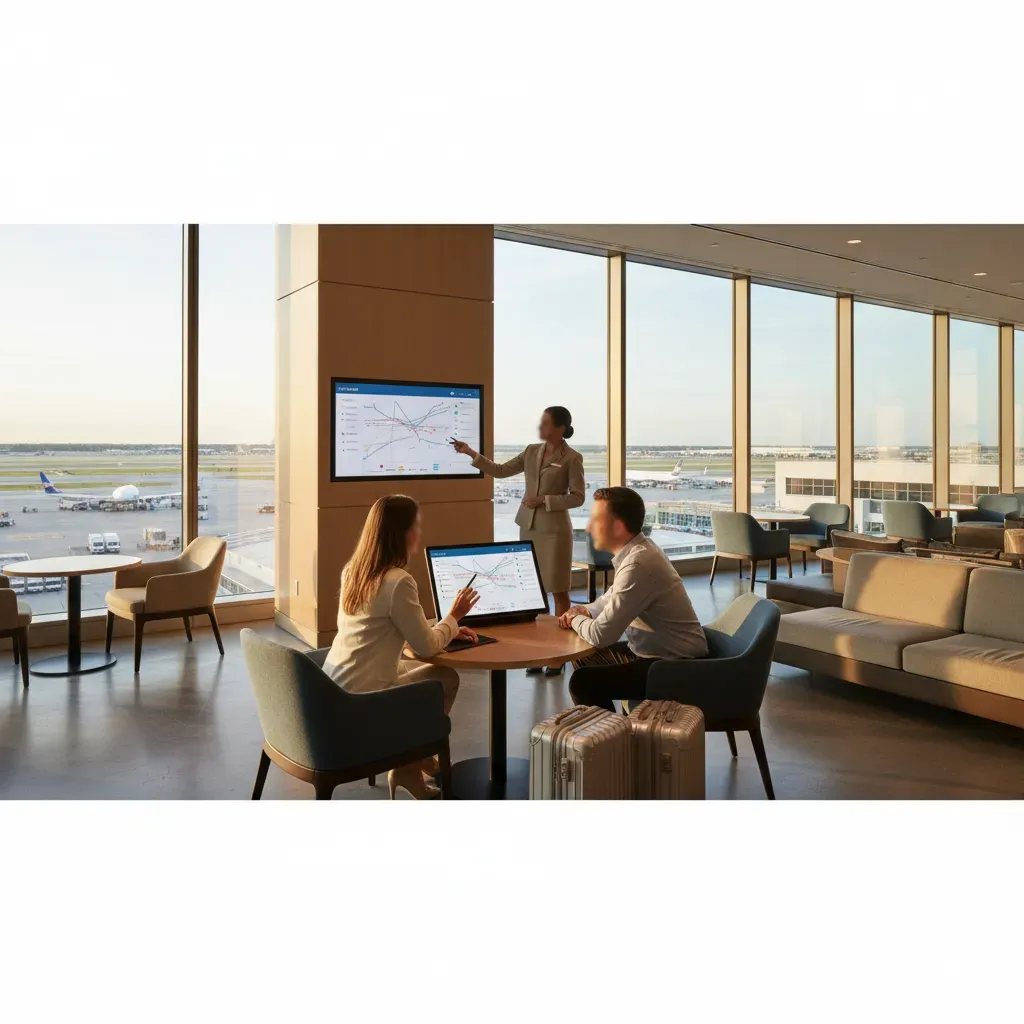
Who This Travel Style Suits
A first class flight to Hawaii is usually best for travelers who place high value on comfort, time efficiency, and a refined start to the trip. That may include couples celebrating a major occasion, executives extending a work trip into a leisure stay, or families who want the flight to feel restorative rather than demanding. It also suits travelers departing from cities where Hawaii travel times are long enough that seat quality truly affects the first day on island.
If your priority is sleeping well en route, preserving energy for an immediate resort transfer, or avoiding the unpredictability of piecing together premium travel alone, this category deserves careful evaluation. The ideal choice depends less on marketing language and more on how the itinerary performs in practice.
Flight Experts Recommendation
For discerning travelers, Hawaii should be approached as a premium itinerary decision, not simply a fare search. Flight Experts, led by Mike Chirilenco, is positioned around personalized, concierge-style planning for travelers who want expert support rather than an automated booking process. Current service data shows that Flight Experts provides dedicated assistance for First Class Flight Booking, with white-glove personal service, exclusive first class options, lounge coordination guidance, and a typical response window of about 30 minutes after inquiry.
This is especially relevant for Hawaii travel because cabin quality may vary so widely by route. A tailored recommendation can help you weigh nonstop convenience against a superior aircraft, assess whether First Class or a premium business-style product is the better investment, and structure the journey around your resort check-in and overall trip goals. If you would like a curated recommendation, you may also explore Premium Flight Booking & Tips and then contact Flight Experts for personalized guidance.
How to Choose Well
1. Start with route reality, not branding. The best first class to Hawaii depends on where you begin. From the West Coast, a premium recliner seat may be entirely appropriate. From farther east, the same product may feel insufficient for the journey length. Matching cabin type to travel duration is usually the clearest way to avoid disappointment.
2. Check the aircraft before judging the cabin. Many experienced premium travelers know that aircraft type often tells you more than the marketing label. Lie-flat seating, privacy, storage, and aisle access may differ considerably. For milestone travel, this is one of the first details worth confirming.
3. Evaluate the full ground-to-air experience. Priority check-in, lounge quality, baggage handling, and arrival timing all shape the value of the ticket. A polished resort arrival may matter just as much as the seat itself, particularly if you plan to land and begin your stay immediately.
4. Think about trip purpose. A honeymoon couple may prioritize privacy, service cadence, and a smooth airport experience. A family may care more about day-flight timing, baggage, and minimizing stressful connections. A frequent traveler may value reliability and schedule control above all else. These are different use cases, and they should guide the recommendation.
5. Compare Hawaii in the context of your wider travel strategy. Some travelers combine Hawaii with California, Asia, Australia, or another Pacific stop. In those cases, the right premium solution may involve mixed cabins or a more sophisticated routing plan. Flight Experts offers Complex Itinerary Planning for multi-city and open-jaw travel, which may be particularly useful if your Hawaii trip is part of a larger celebration or extended Pacific journey.
For travelers researching first class flights to Hawaii, the most effective approach is usually to define what an excellent journey means to you before comparing fares. Is it nonstop convenience, better sleep, quieter boarding, lounge access, or the confidence of having every detail professionally reviewed? Once that answer is clear, the best option becomes much easier to identify.
Route and Origin City Realities (Including Florida and Chicago)
Now, when it comes to route planning, your origin city often determines whether First Class to Hawaii feels like a premium upgrade or a truly restorative experience. Travelers searching from Florida, from Chicago, or from California are often asking the same underlying question: how can the itinerary be structured so the longest day of travel does not consume the first day on island?
From California and much of the West Coast, nonstop flights are typically the most straightforward way to protect time and reduce moving parts. In that scenario, the decision often comes down to whether the seat type and service level match your expectations, and whether the schedule supports your check-in plan. A midday arrival may allow for an easy transition into the resort. A late-night arrival may be perfectly acceptable, but it could shift what you want from the cabin, including whether rest en route matters.
From Chicago and other central U.S. gateways, some itineraries may be nonstop depending on season and demand, but many premium travelers still benefit from evaluating one-stop options through West Coast gateways. The advantage is not merely routing availability. A carefully chosen connection can sometimes improve the onboard product on the longest segment, create a more controlled lounge and dining window between flights, and reduce the risk of arriving depleted. The trade-off is complexity, and it must be managed with appropriate connection time and realistic terminal transfer planning.
From Florida and much of the East Coast, Hawaii travel is inherently longer, and the role of sleep and timing becomes more significant. Many travelers in this position do well with a one-stop itinerary that is intentionally structured, rather than a routing that looks efficient but creates an overly tight connection or an uncomfortable overnight pattern. In most cases, a longer connection that protects against delays can be the more premium choice, particularly when you have resort transfers, family logistics, or a celebratory itinerary that benefits from calm execution.
Irregular operations risk is part of premium planning, even for experienced travelers. Weather, aircraft swaps, and schedule changes can occur, and a tight connection can quickly undermine the benefit of a First Class ticket. Generous connection windows, minimizing difficult terminal changes where possible, and aligning arrival time with your resort logistics are often what make the difference between an itinerary that looks good and one that performs well in practice.
Frequently Asked Questions
How much is a first class flight to Hawaii?
Pricing may vary substantially by departure city, season, airline, and aircraft type. Flight Experts does offer First Class Flight Booking as a current service, with a general published range of $5,000 to $20,000+ for first class travel depending on route and airline, though Hawaii-specific pricing should be confirmed directly for your dates and preferences.
How much is it to fly 1st class to Hawaii?
In most cases, it varies by origin, travel period, airline, and the specific aircraft operating the route. Even within the same carrier, the practical difference between a domestic-style premium seat and a lie-flat product can influence the overall value. For an accurate first class tickets to Hawaii price estimate for your dates, it is best to confirm based on the exact routing and flight numbers you are considering.
Is it worth it to fly first class to Hawaii?
For many discerning travelers, it can be worth it when the ticket meaningfully improves rest, privacy, and the total airport experience, and when arrival timing is aligned with the trip you want to have on the ground. The value is typically highest for longer routings, overnight travel patterns, milestone trips, and schedules where arriving fresh truly matters. If the route is short and the product is a domestic recliner, the decision often comes down to how much you value space, quiet, and a smoother day of travel rather than lie-flat sleep.
Are first class flights to Hawaii always lie-flat?
No. In many cases, First Class to Hawaii may still be a domestic-style recliner seat rather than a lie-flat suite. This is one of the most important distinctions to verify before booking. Aircraft type, route, and carrier usually determine whether the cabin feels merely upgraded or genuinely long-haul premium.
What is the best first class flight to Hawaii?
The best option depends on your origin city and comfort expectations. For some travelers, the best choice is a nonstop with efficient premium handling. For others, it may be a connecting itinerary on a better aircraft with a more refined seat. There is rarely one universal answer that fits every traveler.
What is the best first class airline to fly to Hawaii?
The best airline for First Class to Hawaii is usually the one that delivers the product you actually want on the specific route you will fly. In practice, that means evaluating route length, flight timing, and aircraft assignment, then confirming whether First Class on that aircraft is a domestic premium recliner or a lie-flat cabin. Many experienced travelers also prioritize consistency, since aircraft swaps and seasonal schedule changes can affect what you receive. The best choice is typically the one that aligns with your sleep needs, arrival plan, and the level of premium ground handling you expect.
What is not allowed to bring to Hawaii?
Hawaii enforces agricultural protections that can restrict or tightly regulate certain items, including many fresh fruits and vegetables, some plants and plant materials, and certain animal products. Travelers may be required to declare items and, in some cases, surrender them at inspection. Since allowable items and enforcement guidance can change, it is wise to verify current restrictions and declaration requirements before departure, especially if you are traveling with food or gifts.
Is First Class to Hawaii worth it for a honeymoon?
For many couples, yes, particularly when the flight is part of the celebration rather than just transportation. Priority handling, more privacy, extra comfort, and a smoother arrival may all support the tone of the trip. The value tends to be highest when the product quality is matched carefully to the route.
Do first class tickets to Hawaii include lounge access?
Sometimes, but not always. Lounge policies may differ by airline, route, fare basis, and whether the service is considered a flagship premium product. Travelers should confirm lounge eligibility before booking, especially if airport time and pre-departure comfort are important parts of the overall experience.
Should I choose nonstop or connecting service?
That depends on what you value most. Nonstop travel may reduce complexity and preserve vacation time. A connecting itinerary, however, could offer a more comfortable aircraft or better premium cabin. For discerning travelers, the better choice is usually the one that improves the total journey rather than simply the flight time.
Is First Class better than Business Class for Hawaii?
Not necessarily. On some routes, the highest-quality premium seat available may resemble an international Business Class experience more than a traditional long-haul First Class suite. This is why product-specific analysis matters. The cabin name alone may not tell you which option delivers the better outcome.
Can Flight Experts help with Hawaii premium travel?
Yes. Based on current service data, Flight Experts offers First Class Flight Booking, Business Class Flight Booking, and Complex Itinerary Planning. The service includes expert support, curated options, and personalized guidance that may be especially valuable when Hawaii travel involves premium cabins, special occasions, or multi-stop planning.
How quickly can Flight Experts provide options?
According to current service information, inquiries for First Class Flight Booking and Business Class Flight Booking are usually answered with options within about 30 minutes after an expert is assigned, though exact timing may vary based on route and itinerary complexity.
Key Takeaways
- A first class flight to Hawaii may range from a strong domestic premium product to a much more refined long-haul style experience, depending on the aircraft and route.
- The best option is usually determined by seat type, airport experience, connection quality, and the purpose of your trip, not by fare label alone.
- Travelers should verify lounge access, aircraft configuration, and arrival timing carefully before booking premium Hawaii travel.
- Flight Experts offers First Class Flight Booking, Business Class Flight Booking, and Complex Itinerary Planning for travelers who want a more tailored recommendation.
- For milestone or high-value travel, professional guidance may help align comfort, routing, and overall trip quality more effectively.
Conclusion
Hawaii remains one of the most appealing premium leisure destinations for North American travelers, but the flight experience varies more than many people expect. A thoughtful first class choice should support the rhythm of the trip, the quality of your arrival, and the kind of comfort you actually value. For some travelers, that means a polished nonstop. For others, it means selecting a better aircraft, a better seat, or a more carefully structured itinerary. If you would like expert guidance tailored to your departure city, travel dates, and preferred style of service, contact Mike Chirilenco and the Flight Experts team to begin planning a personalized Hawaii journey with the attention and discretion that premium travel deserves.



