
Is First Class Worth It on a Short Flight?
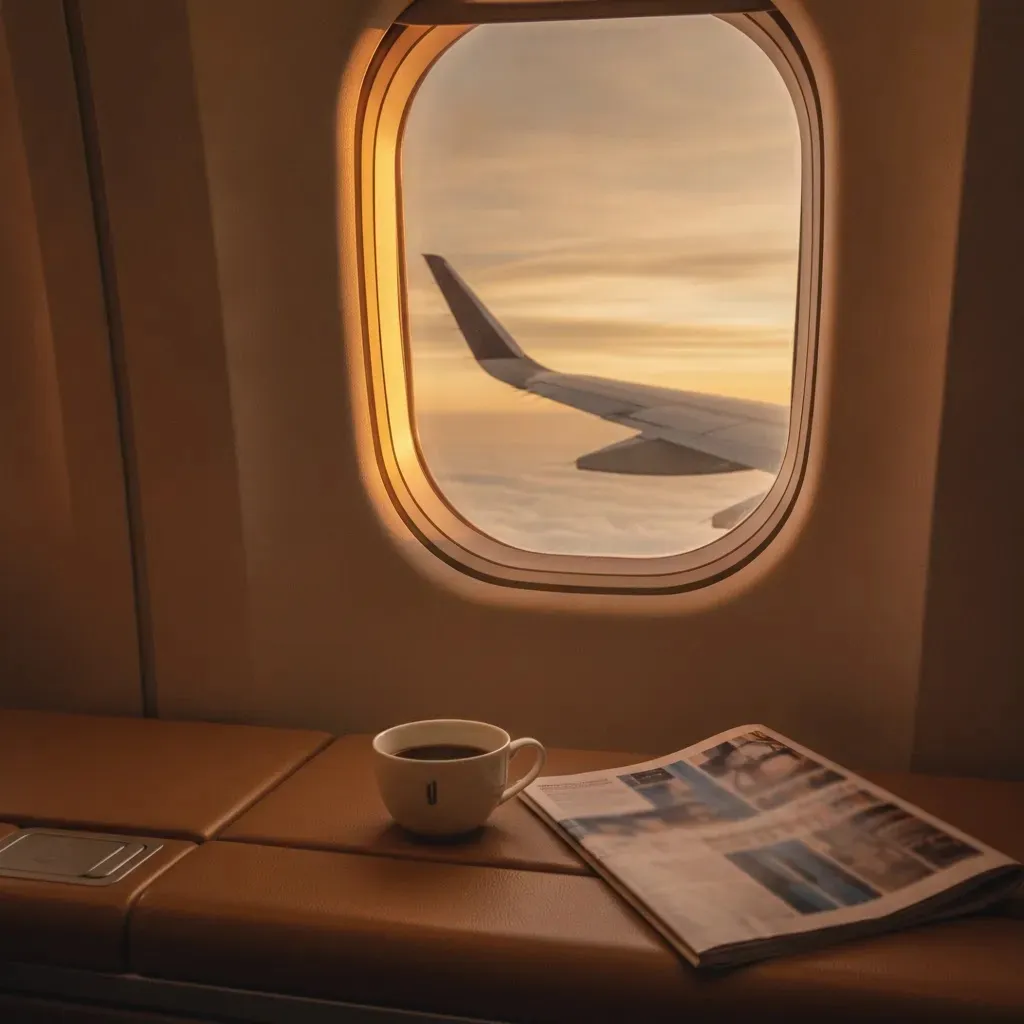
For many discerning travelers, the answer is less obvious than it seems. Short flights rarely deliver the theatrical side of premium travel that people link to international First Class. Yet a short domestic First Class ticket may still improve the day through earlier boarding, more personal space, a calmer cabin, and smoother service when timing matters.
The value is not always in grandeur. Often, it is in friction removed. This article focuses on that exact decision point and explains is first class worth it on 2 hour flight in practical terms. If you are asking is first class worth it on 2 hour flight, the right answer depends on your schedule, the aircraft, the airport experience, and what kind of traveler you are.
Why is first class worth it on 2 hour flight a different decision?
On a long-haul journey, travelers often judge premium cabins by sleep, privacy, lounge quality, and the ability to arrive rested. On a two-hour flight, those priorities shift. You are not buying an overnight recovery strategy. Instead, you are deciding whether a more composed travel day justifies the premium.
That is why short-haul First Class should not be judged by international standards. Domestic First Class under three hours is usually about a wider seat, more elbow room, dedicated overhead space, earlier boarding, and more attentive service. If you expect a suite, a lie-flat bed, or elaborate dining, disappointment is almost guaranteed. However, if you value ease and personal space, the same seat can feel very worthwhile.
This narrower lens also helps explain why some travelers find more value in other cabins. If your comparison includes premium economy vs business class on longer routes, the logic is different. On short domestic sectors, the decision is less about sleeping and more about how you want the day to feel.
What you actually get when asking is first class worth it on 2 hour flight
The seat is usually the main event
On most domestic U.S. routes, First Class means a larger recliner-style seat rather than a dramatically different cabin concept. The pitch, width, and armrest space may be the most meaningful upgrade. This is especially true if you are tall, traveling with work materials, or simply dislike the compressed feel of the main cabin.
For travelers in tailored clothing, with a laptop open, or with a preference for privacy during a busy weekday, that extra room can change the flight more than any beverage service could. As a result, a two-hour trip still feels very different when your shoulders are not competing for space.
Airport treatment may matter more than the airtime
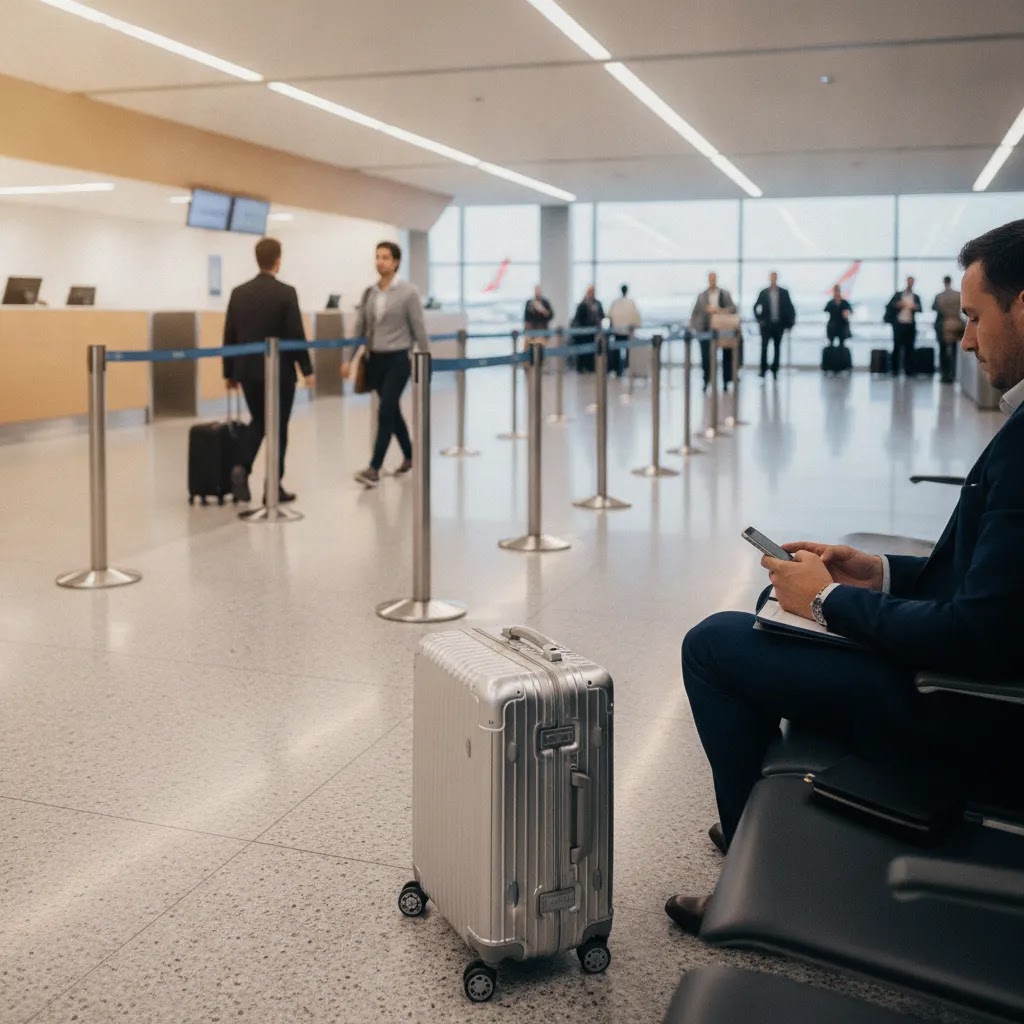
Short flights often concentrate the value on the ground. Priority check-in, earlier boarding, and a less frantic start to the journey may matter more than anything delivered after takeoff. This is especially true at crowded hub airports, where the premium experience starts before the aircraft door closes.
You should not assume lounge access, however. On many domestic U.S. First Class itineraries, lounge entry is not included simply because you hold a First Class boarding pass. That misunderstanding leads many travelers to overestimate the package.
Food and beverage can be pleasant, but should not drive the purchase
Meal service on a short domestic route may range from a light snack basket to a plated cold meal, depending on airline, departure time, staffing, and route. A polished service flow can improve the journey. Still, it is rarely the strongest reason to book the cabin. Weather delays, turbulence, or a short block time can reduce service substantially.
If you want a broader framework for weighing the cabin beyond shorter routes, is first class worth it as a general question deserves a wider discussion. For sub-three-hour flying, expectations need to stay disciplined.
Is first class worth it on 2 hour flight when seat details vary?
On a two-hour First Class flight, small seat-level variables can decide whether the cabin feels refined or only slightly roomier. The label on the boarding pass is only part of the story. The specific seat you choose, and where it sits in the cabin, often matters more than travelers expect.
Bulkhead versus non-bulkhead often feels different on short sectors
Bulkhead seats can feel more open in front, but they also tend to place the tray table and IFE monitor in the armrest on many aircraft types. That can reduce usable armrest width and make the seat feel narrower than expected.
In some configurations, bulkhead rows may also have fixed armrests or a slightly different recline profile. That difference can be noticeable when you are trying to work comfortably for a brief window of time.
Non-bulkhead seats may offer a more familiar tray table setup and, in some cases, better practical space for a laptop and beverage. If you care about workspace function, it is worth checking the seat map and understanding whether the front row is actually the best choice for your priorities.
First row proximity can be less peaceful than it sounds
Many travelers instinctively select the first row, assuming it is the quietest and most premium position. In practice, the first row can sit closer to the galley and, depending on aircraft layout, near the forward lavatory.
On a short flight with a quick service cadence, that proximity can mean more light, movement, and noise just when you want calm. In most cases, a middle row in a small First Class cabin may feel more insulated, even if it looks less impressive on a seat map.
Window versus aisle is about privacy, not just preference
On short flights, you have limited time to settle, focus, and reset. Window seats tend to feel more private and visually calmer, especially if you plan to work or simply prefer fewer interruptions.
Aisle seats can be ideal for quick exits and mobility. However, they usually expose you to more cabin traffic and, in some cases, more frequent arm and shoulder contact from passersby. For discerning travelers, the perceived value of First Class can rise or fall on this detail alone.
Dedicated overhead space is real, but it can still be situational
First Class is often marketed with the idea of dedicated overhead bin space. In reality, bin access can vary by aircraft, boarding flow, and how full the flight is. On some aircraft, the First Class bins are smaller than expected. On others, early boarding groups and crew bags may reduce practical space.
Therefore, it can be wise to verify the aircraft type in advance and board when your group is called rather than assuming storage will remain untouched until you arrive.
Aircraft assignments and cabin configurations are subject to change, sometimes on the day of travel. If your decision hinges on a particular seat style or layout, it is worth monitoring for aircraft swaps and adjusting expectations accordingly.
Comfort variables that change the perceived value quickly
On a two-hour sector, the details that matter most are often tactile and functional: armrest width, tray table stability, access to power outlets, and exposure to noise or galley lighting. Some premium seats feel supportive and quiet. Others feel dated, with awkward tray table geometry or limited device charging.
Those differences can make First Class feel either effortless or strangely compromised, even when the pitch and width are technically better than the main cabin. The reality is simple: on short flights, you notice these factors immediately because you have no time to adapt.
When is first class worth it on 2 hour flight?
There are clear situations where First Class on a short flight earns its place.
- You are traveling for a high-stakes meeting. Arriving composed, with space to work and less airport friction, may matter more than the short duration suggests.
- You are connecting to or from a long-haul premium itinerary. Preserving continuity in service and comfort can make the entire journey feel coherent.
- You are traveling at peak times through congested airports. Priority treatment may reduce stress at exactly the moments that tend to feel most chaotic.
- You value personal space highly. Some travelers are not simply buying a bigger seat. They are buying relief from crowding.
- You are traveling as a couple on a celebratory trip. Even a short domestic leg can feel more intentional and polished as part of a larger itinerary.
A luxury travel specialist may also look at the segment in context. At Flight Experts, this is often how premium cabin decisions are approached, especially when a short domestic hop is attached to a longer Business Class or First Class itinerary. The right cabin on the shorter leg may depend less on the leg itself and more on how it supports the whole journey.
When First Class is probably unnecessary
Not every short flight deserves a premium cabin. In some situations, the difference is too modest to justify the added spend or the expectation of a superior experience.
Very early morning or very late evening flights
Service may be compressed, and your priority may simply be getting from one city to another efficiently. If you plan to sleep, the larger seat still helps. Even so, the cabin may not feel transformative.
Routes operated by aircraft with limited differentiation
Some domestic aircraft offer a perfectly respectable First Class seat, but not one that feels materially elevated for a very short sector. If the hard product is only incrementally better and the airport process is straightforward, the upgrade may feel thin.
Travelers who care more about destination spend than in-transit refinement
Some affluent travelers prefer to allocate more of the trip toward the hotel, dining, or on-the-ground experiences. That is not a compromise in standards. Instead, it is a choice about where luxury matters most to you personally.
This is one reason broad category comparisons can be more useful than fixed rules. A traveler researching related premium flights may discover that a well-chosen premium economy or extra-space product on another journey delivers more noticeable value than First Class on a brief domestic leg.
Airline and route variations that change the answer
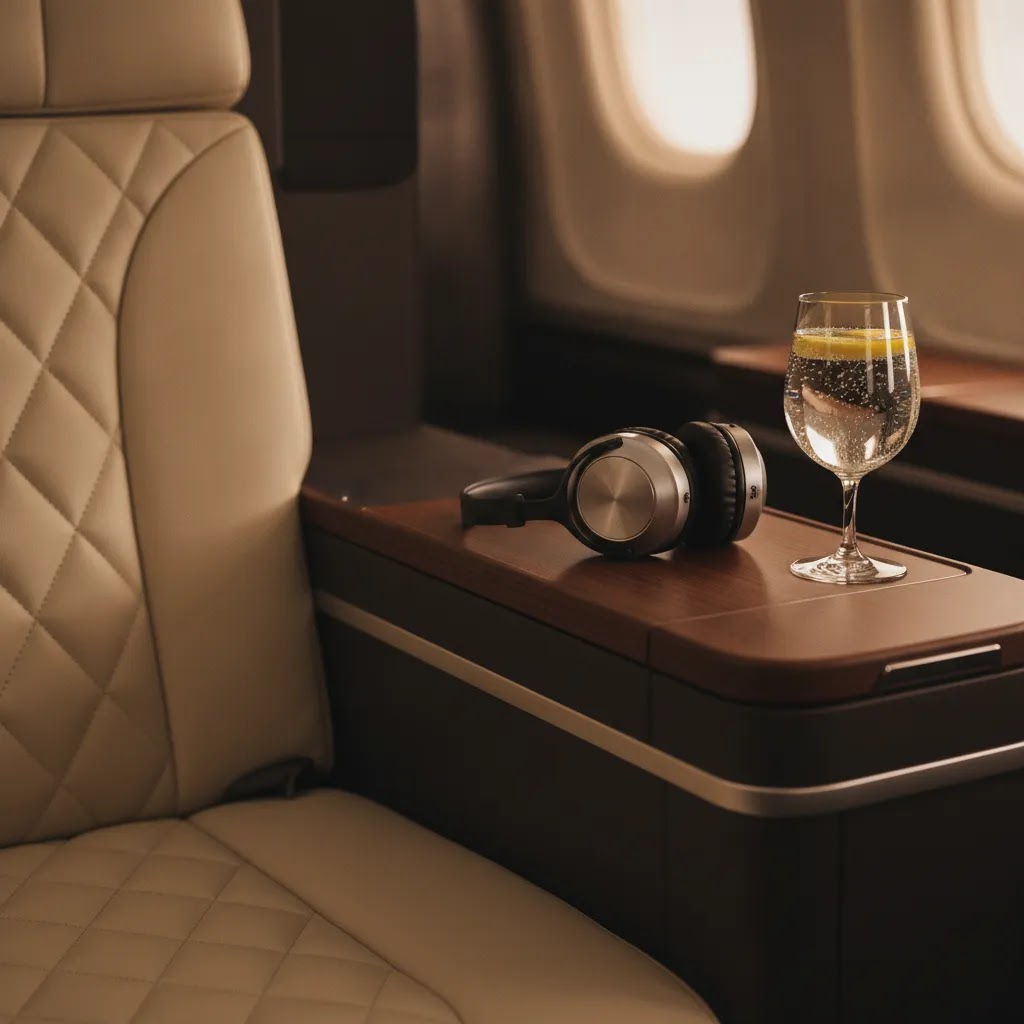
A two-hour flight is not always the same product
A short sector between major business centers may receive more polished catering and stronger crews than a similar-length leisure route. Aircraft swaps also matter. A premium cabin on one narrow-body jet may feel well-proportioned and quiet, while another feels dated and less compelling.
Delta first class 2 hour flight questions are usually really about consistency
Travelers asking about a delta first class 2 hour flight are often trying to understand whether the experience is reliably premium enough for the fare difference. The answer is that consistency may vary by route, aircraft, and timing. Delta often performs well in domestic premium service, but you are still buying a domestic First Class recliner experience, not a transcontinental flagship product. The same principle applies across major carriers.
The route purpose changes the value equation
A short flight taken in isolation is one thing. A short flight at the front end of a demanding multi-city itinerary is another. For clients planning layered itineraries, including open-jaw or multi-destination trips, continuity often matters. That is where services like Complex Itinerary Planning can be relevant, especially when premium cabin coordination is part of a larger travel design rather than a one-off ticket decision.
Is first class worth it on 2 hour flight when the ground experience matters most?
On a two-hour flight, the moments most likely to feel stressful often happen before you sit down and sometimes after you land. In congested airports, the ground experience can determine whether First Class feels meaningfully different or merely symbolic.
Priority lanes and boarding sequencing can be the real upgrade
Priority check-in, expedited bag drop where available, and earlier boarding can reduce the pressure of a tight arrival to the airport. Boarding sequencing also affects the experience more than many travelers expect.
Early boarding usually gives you time to settle without a crowded aisle. It may also improve your chances of placing your bag near your seat. On short flights, that calmer start often accounts for a disproportionate share of the perceived value.
That said, the efficiency of priority lanes depends on the airport, time of day, and staffing. In some terminals, priority processing is excellent. In others, it can be inconsistent. The benefit is real, but it is not identical on every route.
Lounge access nuances that matter on connection days
The article has already made the essential point: you should not assume lounge access on domestic First Class. What many travelers overlook is that lounge eligibility can change based on itinerary structure.
In some cases, lounge access may apply when the domestic segment is part of a qualifying international premium itinerary. It may also apply when you hold separate membership or elite status that grants entry regardless of cabin. The common mistake is treating the First Class label as the deciding factor instead of verifying the actual entry rules for that day of travel.
If lounge time is central to your plan, particularly on connection days, it is worth confirming access in advance rather than building your schedule around an assumption that may not hold.
Irregular operations: what a premium ticket may and may not fix
The reality is that weather, air traffic control initiatives, and mechanical issues can compress the experience quickly, especially on short hops. A premium ticket may help in specific ways, such as access to priority customer service queues or more flexible re-accommodation policies, depending on the airline and fare rules.
It may also position you more favorably if the aircraft changes and seats are reassigned. At the same time, First Class does not eliminate operational constraints.
If there are limited flights left that day, if the route is heavily constrained, or if reaccommodation options are scarce, premium passengers are still subject to the same system-wide limitations. For travelers with tight connections or high-stakes arrival times, the best approach is thoughtful scheduling, realistic buffers, and clear knowledge of fare conditions rather than relying on the cabin alone to protect the day.
How to evaluate is first class worth it on 2 hour flight like an experienced traveler
If you are deciding whether is first class worth it on 2 hour flight, use a more precise filter than simple duration.
- Check the aircraft type and seat style, not just the cabin label.
- Look at the airport experience, especially if the origin airport is crowded or operationally stressful.
- Ask whether you plan to work, rest, or simply tolerate the flight.
- Factor in the importance of the trip, especially if it connects to a milestone journey or long-haul itinerary.
- Be realistic about lounge access and onboard dining.
A four-hour flight naturally gives the larger seat and service more time to matter. That is why many travelers find is first class worth it for a 4 hour flight easier to answer in the affirmative. But duration alone does not decide the issue. A heavily trafficked two-hour route before an important event may justify First Class more convincingly than a relaxed four-hour leisure flight.
Travelers who want a more curated perspective often turn to agencies that focus on premium air travel rather than generic booking engines. Flight Experts, led by Mike Chirilenco, works in that advisor role for travelers booking Business Class, First Class, and more complex premium itineraries.
Is it worth it on 3, 4, or 5 hours: a timing framework

For discerning travelers, duration matters, but not in a simplistic way. The longer the flight, the more time you have to benefit from seat comfort, quiet, and service cadence. Yet a short flight can behave like a longer one when the day includes congested airports, tight connections, or an aircraft type that meaningfully changes the onboard environment.
How benefits typically scale from 2 to 5 hours
On a two-hour flight, the seat and boarding experience are usually the primary drivers. You may have time for a drink service, a light refreshment, and a brief work window. However, the flight can be over before the cabin settles.
On three hours, the larger seat often becomes more than a quick comfort upgrade. You usually have enough time to work with more focus, and the quieter atmosphere becomes more noticeable. Service, when it is offered, has more time to feel unhurried, even though it remains subject to operational conditions.
On four to five hours, First Class can shift from nice to have to materially supportive, particularly if you are working, recovering between engagements, or trying to preserve energy for arrival. The seat becomes a more legitimate productivity and rest environment. In addition, the value of reduced cabin crowding tends to compound over time.
When a short flight behaves like a longer one
What many travelers overlook is that your clock does not start at takeoff. A short flight day can still be demanding if it involves an early airport arrival, a congested terminal, a connection with a tight minimum time, or a long taxi-out and taxi-in that effectively extends the time you are confined to your seat.
In those cases, the ground experience, boarding ease, and personal space may carry more weight than the posted flight time suggests. Aircraft type also matters.
A well-configured narrow-body with a quiet, supportive premium seat may feel genuinely comfortable for four hours, while another aircraft with a less refined First Class seat may start to feel underwhelming at three. Configuration changes are always possible, so it is wise to treat any seat-specific expectation as subject to the operating aircraft on the day.
Manage expectations by product, not by cabin label
Cabin names can blur reality. Domestic First Class is often a strong upgrade, but it is still typically a recliner seat with enhanced service rather than an international First Class suite concept.
If you align expectations with the actual aircraft and route, the decision becomes clearer, and satisfaction tends to be higher. That is the core discipline: evaluate the product you are likely to receive, not the category name you wish it represented.
Frequently Asked Questions
Is first class worth it on a 2 hour flight for comfort alone?
It may be, especially if comfort is your main objective and you are sensitive to tight seating. On a short flight, the value often comes down to width, legroom, elbow room, and a calmer cabin atmosphere rather than dramatic amenities. If you are tall, traveling in business attire, working on a laptop, or simply prefer a more composed environment, the difference can feel significant. If you are already comfortable in a regular seat and view the flight as a brief transfer, the premium may feel less compelling.
Is first class worth it for a 4 hour flight more often than for a 2 hour flight?
Usually, yes. A four-hour flight gives the larger seat, cabin service, and quieter environment more time to matter. You have longer to appreciate the extra personal space, and any meal or beverage service has more room to feel intentional. That said, a two-hour flight through a crowded airport before an important meeting may still justify First Class more than a relaxed four-hour leisure segment. The length helps, but the context of the journey still matters more than the number alone.
Do you get lounge access with domestic First Class on short flights?
Not automatically in most cases. This is one of the most common assumptions travelers make, and it often leads to disappointment. Domestic First Class on U.S. carriers frequently includes priority check-in and boarding, but lounge entry may depend on the airline, route, membership, elite status, or whether the itinerary is part of a qualifying international journey. If lounge access matters to you, verify it before booking rather than treating it as an inherent part of the fare.
Does a delta first class 2 hour flight usually include a meal?
It may, but you should not assume a full meal simply because the flight is in First Class. Catering can vary by route, departure time, airline policy, and operational conditions. Some flights may offer a more substantial service, while others provide lighter refreshments or a simplified snack selection. On a short domestic route, the better reasons to choose the cabin are usually the seat, boarding priority, and cabin atmosphere. Food is better treated as a possible enhancement rather than the central value proposition.
Is domestic First Class the same as international First Class?
No, and this distinction matters. Domestic U.S. First Class on shorter routes is typically a recliner seat with enhanced service and airport priority benefits. International First Class, where offered, is a very different category involving far greater privacy, more elaborate dining, premium lounges, and a much more ceremonial experience. If your expectation is shaped by global flagship products, a short domestic First Class flight may feel understated. The category names are similar, but the experiences are not interchangeable.
Who tends to benefit most from First Class on a short flight?
Frequent business travelers, couples beginning a milestone trip, and travelers with demanding schedules often benefit most. The cabin can create a smoother rhythm for the day, especially when airport congestion, tight turnarounds, or pre-arrival obligations are part of the picture. Travelers who strongly value personal space also tend to appreciate it more than those who mainly care about onboard extras. The profile is less about income and more about whether reduced friction and a more refined environment meaningfully improve the journey.
Are short-haul First Class tickets mostly about status and image?
For discerning travelers, not usually. The practical value tends to be much more relevant than the optics. On a short flight, people who choose First Class often do so because they want a quieter workspace, less crowding, earlier boarding, and a more predictable airport experience. Those are tangible benefits, even if the flight itself is brief. If the upgrade is being considered solely for prestige, the experience may not feel substantial enough. The best reasons are comfort, timing, and overall travel flow.
Can a luxury travel advisor help with decisions this specific?
Yes, particularly if the short flight is part of a larger premium itinerary. A strong advisor does more than quote fare options. They look at aircraft type, route logic, connection timing, and how each segment supports the broader journey. Flight Experts, for example, focuses on premium cabin planning across Business Class, First Class, and multi-city travel, which can be helpful when short domestic flights need to align with a larger long-haul experience. Personalized recommendations still depend on your schedule, preferences, and availability.
Is First Class worth it if I am traveling with a companion?
It often feels more rewarding for two travelers than for one, particularly at the start of a celebratory trip. Shared boarding ease, extra space, and a more relaxed cabin can set the tone well. That said, the value still depends on the aircraft and route. Some domestic First Class cabins feel intimate and polished, while others simply feel roomier. If your companion values comfort and calm as much as you do, the upgrade may feel more meaningful than if one traveler is indifferent to cabin distinctions.
What is the biggest mistake travelers make when booking short-flight First Class?
They buy the label instead of the actual experience. The better approach is to evaluate the exact aircraft, service expectations, airport conditions, and purpose of the trip. A First Class seat on one route may feel clearly worth it, while another on a similar-length flight may not. The cabin name alone does not tell you enough. Seasoned travelers tend to ask a narrower question: what specific improvement will this ticket deliver on this exact day of travel, and does that improvement matter to me?
Why avoid seat 11A on a plane?
It depends entirely on the aircraft, but there are common reasons a specific seat number becomes unpopular. On many planes, certain rows may have a misaligned window, limited under-seat space due to equipment, restricted recline, or proximity to high-traffic areas. Some seats may also sit near a structural feature like a wing root that changes the view and cabin feel. The best approach is to evaluate the seat on the exact aircraft operating your flight, since seat maps and configurations can vary and are subject to change.
What is the 45 minute rule for American Airlines?
This phrase is commonly used to refer to operational cutoffs that can apply around check-in, bag drop, and boarding, depending on the airport and itinerary. The specifics can vary by route type and station procedures, and airlines may adjust these rules over time. If your schedule is tight, it is prudent to confirm the relevant cutoff times for your exact departure and arrive with a buffer that reflects airport conditions, not just the posted guideline.
Why do flight attendants sit on their hands when flying?
You may see some cabin crew place their hands on their laps during taxi, takeoff, and landing as part of a bracing posture used in many safety procedures. The intent is typically to reduce the risk of injury and to maintain a stable position during critical phases of flight. Practices can differ by airline and training standards, but the underlying purpose is safety and readiness, not discomfort or indifference.
Do airlines clean seats between flights?
Cleaning practices can vary based on turnaround time, aircraft utilization, and the airline’s procedures. Between many flights, cleaning may focus on high-traffic areas and visible trash removal, while deeper cleaning is typically scheduled less frequently. If cleanliness is a priority for you, it can be wise to bring personal wipes and plan accordingly, particularly on high-frequency routes where ground time is short. Policies and execution can change, so a qualified travel professional can help set realistic expectations for the routes and carriers you are considering.
Key Takeaways
- On flights under three hours, First Class is usually worth it for space, calm, and airport ease, not for elaborate onboard luxury.
- Short domestic First Class should be judged by the actual aircraft, route, and ground experience rather than the cabin name alone.
- Lounge access and meal service may vary, so those benefits should always be verified before booking.
- A two-hour First Class flight may be especially worthwhile before important meetings, on crowded airport days, or within a larger premium itinerary.
- An advisor-led review of the full journey often leads to better premium cabin choices than evaluating a short segment in isolation.
Conclusion
So, is first class worth it on 2 hour flight? Often yes, but only for the right reasons. The strongest case is rarely about prestige or elaborate service. Instead, it is about gaining space, preserving energy, reducing airport friction, and making a short but important part of the day feel more composed.
Some travelers will find that absolutely worthwhile. Others may decide the route, aircraft, or purpose of the trip does not justify it. Ultimately, is first class worth it on 2 hour flight depends on the whole journey, not just the flight time.
The clearest answers come from looking at the segment within the wider journey. A short domestic leg before a transatlantic departure, a same-day business engagement, or a milestone vacation can carry more weight than its flight time suggests. If you want a personalized view of how premium cabin choices fit your broader plans, you may wish to speak with a luxury travel specialist. Flight Experts offers that kind of concierge-style guidance for travelers who prefer thoughtful, expert-led planning over generic booking decisions.



