
Airbus A330 Business Class: Airlines & What to Expect
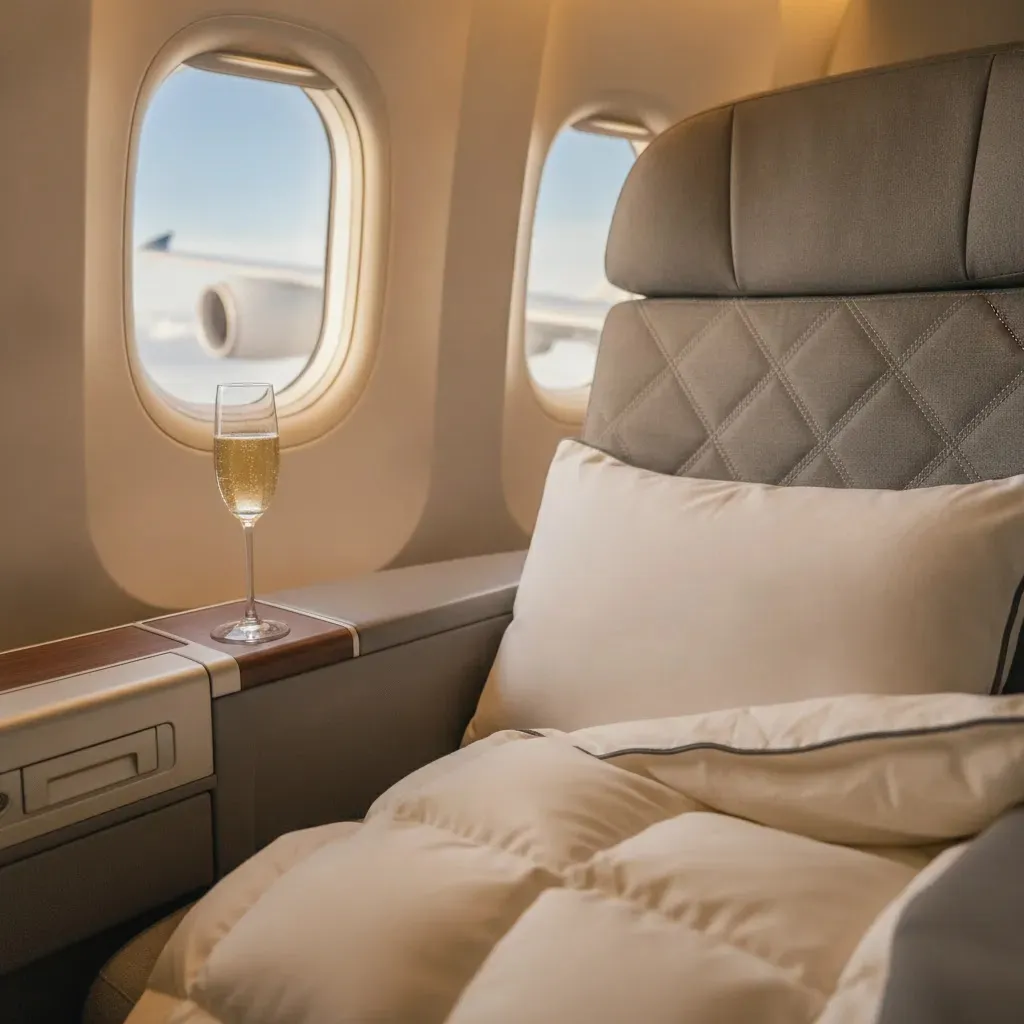
That gap between expectation and reality matters most on overnight routes, milestone trips, and demanding business itineraries. The business class seats on the Airbus A330 family vary widely by airline, subfleet, and retrofit status. If you are researching the airbus a330-300 business class experience in particular, detail matters even more, because this variant has served so many carriers for so many years. This article focuses on those differences, what drives them, and how to judge an A330 business class cabin before you book.
Why A330 Business Class Varies So Much
The Airbus A330 has been one of the most widely used widebody aircraft families in premium long-haul travel. Airlines deploy it on transatlantic services, regional premium routes, leisure-heavy schedules, corporate corridors, and overnight intercontinental flights. As a result, cabin design varies widely.
Some airlines introduced the A330 years ago and refreshed the interiors gradually. Others added newer cabins with direct aisle access and more privacy. A few carriers still operate older-generation products that feel noticeably behind current premium expectations. That is why aircraft type alone is never enough. You also need the airline, the exact A330 variant, and the retrofit status.
If you are still clarifying what is business class in practical terms, the A330 family shows the answer clearly. Business class is not one universal standard. Instead, it is shaped by seat architecture, cabin density, service design, bedding, dining flow, lounge access, and route length.
The Main A330 Business Class Layouts You Will See
Reverse herringbone, still one of the strongest options
This is often the most consistently appealing A330 business class layout for discerning travelers. Seats angle slightly outward toward the window or inward from the center. As a result, you get direct aisle access and strong personal space. Privacy is usually excellent, especially for solo travelers.
On an Airbus A330 business class cabin with reverse herringbone seating, you can typically expect a fully lie-flat bed, generous side storage, a substantial entertainment screen, and a calmer sleeping environment. For overnight flying, this configuration often remains a favorite because it balances privacy with easy movement through the cabin.
Staggered seating, efficient but not always equal
Many airlines use staggered seats on the A330 because the design allows a premium look while fitting a competitive number of passengers. On paper, this can be very good. In practice, the experience depends on the seat you choose.
Some staggered seats feel almost suite-like, with a console shielding you from the aisle. Others leave you more exposed. Window seats may alternate between highly private and only moderately private. Center seats may work well for couples on one row and feel less appealing on the next. Therefore, sophisticated travelers study seat maps carefully before ticketing.
Thompson Vantage and related layouts, often reliable
Several airlines have used versions of the Thompson Vantage family on the airbus a330-300 business class aircraft. These cabins often deliver fully flat beds and direct aisle access in a staggered arrangement. The strongest seats are usually the more secluded window positions, while some aisle-adjacent seats feel more exposed.
The value here is consistency. These products often provide good sleeping comfort, respectable storage, and a polished long-haul feel, even if they do not feel as dramatic as the newest enclosed suites.
Older 2-2-2 cabins, workable for some travelers, limiting for others
Not every A330 business class seat offers direct aisle access. A number of airlines still use, or recently used, 2-2-2 cabins. These may have lie-flat or angled-flat seats, but access is the main issue. If you are in a window seat, you may need to step over your neighbor or ask them to move during the flight.
For daytime sectors or couples traveling together, that may be acceptable. However, for solo travelers on overnight routes, it is usually a compromise. Privacy also tends to be lower, and storage can be more limited than in newer layouts.
Using an A330-300 Business Class Seat Map, What It Usually Reveals About the Product
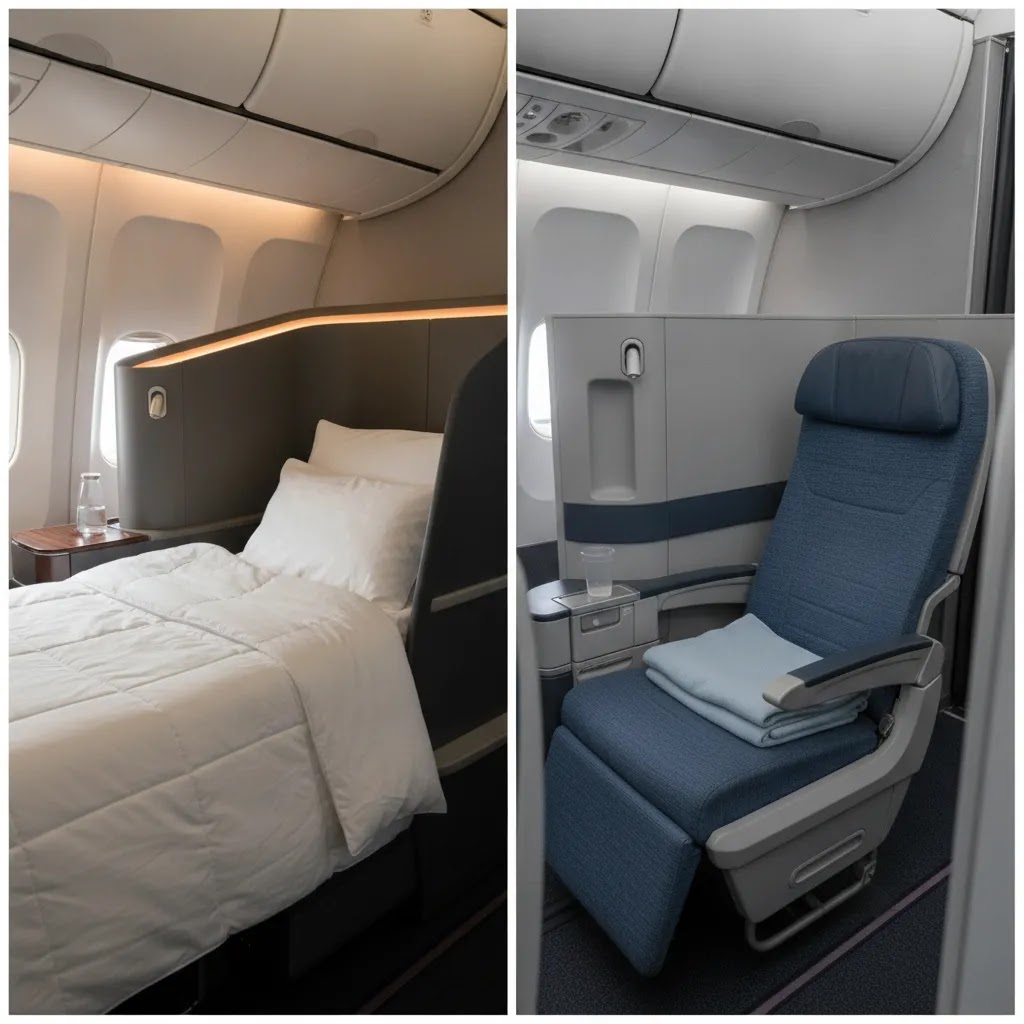
If you are searching for an airbus a330-300 business class seat map, you likely want a simple answer. What are you really booking, and how will it feel in use? A seat map is not a perfect comfort guide. However, it often reveals the basics that matter most, especially aisle access, privacy, and sleeping exposure.
What the seat pattern tells you
A 1-2-1 pattern usually signals a modern cabin where every traveler has direct aisle access. That is often the line between a product built for independent, sleep-focused travel and one that requires coordination with a neighbor. By contrast, a 2-2-2 pattern usually points to an older or denser layout. In that setup, window seats often require stepping over another passenger. Some of these seats still convert to a bed, but the overall experience can feel less private and less controlled.
Staggered 1-2-1 maps need a closer read. Alternating seat positions often mean some seats sit closer to the aisle, while others sit closer to the window or behind a console. In practice, two seats in the same row can deliver very different privacy. The map may not show every divider, but the pattern is usually your first clue.
Why airline branding is not enough
Many travelers overlook the gap between the seat map and the airline marketing name. An airline may use one business class label while operating multiple A330-300 subfleets with different cabins. As a result, one flight number may show different seat maps on different days. Likewise, a friend’s experience on the same route may differ from yours. In most cases, the map reflects the aircraft assigned at that moment, not a permanent promise.
It is wise to confirm details closer to departure, since aircraft swaps can occur. If your booking flow shows aircraft registration or subfleet indicators, use them. They can help you judge whether the cabin diagram remains consistent. Even without that detail, you can monitor whether the map keeps the same layout, row count, and cabin splits as your trip approaches.
For premium itineraries where sleep quality matters most, that extra check can make a real difference.
Airbus A330-300 Business Class, What Sets It Apart
The airbus a330-300 business class experience deserves separate attention because this model has served as a flagship workhorse for many international airlines. It is longer than the A330-200. That means carriers often use it for routes where they want more premium and economy capacity without moving up to a larger aircraft such as the Boeing 777 or Airbus A350.
That increased cabin length often translates into more variation, not less. One airline may dedicate the extra space to a generous business class cabin with strong proportions and good galley separation. Another may use the room to fit more seats, reducing the sense of exclusivity. As a result, two airbus a330-300 business class cabins can feel remarkably different in noise level, foot traffic, and privacy.
On many A330-300s, you will also see cabins split into two business class sections. This can help if you prefer a smaller forward cabin with less movement, or if you want to avoid bassinet locations and galley activity. In older layouts, the larger footprint may simply mean more rows of similar seats. In newer layouts, it can support a stronger premium atmosphere with better spacing and more carefully planned storage.
The A330-300 is one of the clearest examples of why aircraft subtypes matter. It is not enough to say you are flying an A330. The -300 designation may influence cabin size, seat count, and the overall rhythm of the journey.
Does the Airbus A330-300 Have Lie-Flat Seats, What to Verify Before You Assume
The Airbus A330-300 can offer a refined lie-flat experience. However, the aircraft type alone does not confirm a fully flat bed. Depending on the airline, subfleet, and retrofit status, you could find fully lie-flat seats, angled-flat seats, or older recliner-style business seats on A330-300 aircraft. For discerning travelers, that distinction is not theoretical. It directly affects sleep quality, comfort, and how you arrive, especially on overnight sectors.
Think of it this way: “A330-300” describes the airframe, not the seat engineering. Airlines have kept A330-300s in service across multiple cabin generations, and some fleets have been refreshed unevenly. Therefore, two aircraft with the same model designation may have different seats, different aisle access, and different bedding support.
How to confirm a true lie-flat seat
A quick look at the seat map can suggest whether you are in modern lie-flat territory, but it is not always conclusive. A 1-2-1 layout usually aligns with a lie-flat product, though exceptions exist. A 2-2-2 map can include lie-flat beds, angled-flat beds, or older seats that recline deeply but do not become a bed. If sleep is a priority, verify the seat itself, not only the layout.
The most reliable method is to look for explicit seat language in the cabin description. Terms such as “fully flat,” “lie-flat bed,” or clear bed-length wording usually indicate a true horizontal sleeping surface, subject to the airline’s current product description and configuration changes. More ambiguous terms, such as “flat-bed style,” “angled bed,” or “deep recline,” may signal that the seat does not reach a truly flat position. Another red flag is language that emphasizes recline angle without describing a bed at all.
Why the distinction matters overnight
Many travelers overlook the difference between “lie-flat” and “feels flat.” Some seats reach a near-flat position but keep your torso or legs at a slight incline. That may be acceptable on a short daytime flight. On an overnight flight, it is usually less satisfying. Even when a seat is technically flat, comfort can still vary by cushion firmness, footwell shape, and whether the sleeping surface remains level across the full seat length.
This matters most on overnight flights where you are paying to sleep properly. If you have an early meeting, a tight connection, or a milestone arrival, true lie-flat capability becomes central to the decision. In practice, a specialist who reviews premium cabins regularly can often confirm the likely seat type on your exact routing and guide you toward the best fit, subject to operational changes close to departure.
What to Expect by Airline Style and Cabin Generation

Newer-generation A330 cabins
In a modern A330 business class cabin, you can usually expect full lie-flat seating, direct aisle access, reliable power and device charging, improved privacy, and more considered storage. These cabins are built for travelers who want to work efficiently, dine comfortably, and sleep with minimal disruption.
You may also notice stronger soft-product alignment. Better bedding, upgraded dining ware, more polished lounge partnerships, and clearer premium service flows often accompany the newer hard product. The best airlines treat the aircraft cabin as one part of a broader premium journey rather than an isolated seat.
Mid-generation cabins that remain quite competitive
Some A330 business class products are not brand new, yet still perform very well. A fully flat bed with direct aisle access, sensible storage, and a comfortable sleeping surface can remain an excellent choice even without a closing door or the latest visual styling.
This is especially true on transatlantic flights, medium-haul premium routes, or journeys where schedule matters as much as cabin innovation. An older but well-maintained seat on the right route can feel far more satisfying than a newer seat paired with inconvenient timings or a disruptive connection.
Older cabins where expectations should be adjusted
Some Airbus A330 business class seats reflect an earlier era of premium travel. You may still receive attentive service, quality food, and lounge privileges, but the seat itself could feel dated. Common compromises include narrower footwells, smaller entertainment screens, less privacy, reduced personal storage, and awkward bed geometry.
This does not automatically make the flight a poor choice. It simply means you should book with eyes open. If your priority is rest on an overnight sector, an older angled or paired configuration may not deliver the experience you expect from a premium fare.
Regional versus long-haul deployment matters
An A330 may appear on both long-haul and shorter regional routes, and airlines do not always assign their best cabins only to their longest services. Some carriers use excellent A330 business class seats on medium-length routes within Asia, the Middle East, or Europe-linked corridors. Others place older cabins on leisure-focused long-haul flying.
This is where a specialist can add value. Flight Experts, for example, approaches premium flight planning as a concierge service rather than a self-service search exercise, which can be especially helpful when the same aircraft family hides dramatically different experiences across schedules and carriers.
How to Read an A330 Seat Map Like an Expert
The fastest way to judge a330 business class quality is to read the seat map with intention. Seat count, row pattern, and cabin shape reveal a great deal before you ever board.
Look first for direct aisle access
If every seat has aisle access, the cabin is usually aligned with modern premium expectations. If the map shows a 2-2-2 pattern, some passengers will not have direct aisle access. For a solo traveler, that can be the single most important red flag.
Study seat alternation carefully
On staggered layouts, not all seats are equal. The window seat closest to the fuselage may be excellent in one row and much less private in the next. Center seats also alternate between closer pairings and more separated positions. If privacy matters, seat selection becomes part of the strategy, not an afterthought.
Check for cabin splits and traffic zones
Lavatories, galleys, and bassinets can shape your experience more than seat width alone. A small front cabin may feel quieter and more exclusive. Seats near lavatories or major galley areas may see more traffic, light, and noise. Overnight, those details matter.
Pay attention to retrofits and subfleets
Some airlines operate multiple A330 business class products under one brand. You may see one seat map on a Monday departure and a different one on Tuesday for the same city pair. Aircraft swaps can happen, but the underlying subfleet difference is still worth understanding before you book.
Travelers who routinely book premium cabins through an agency like Flight Experts often value this level of scrutiny. The agency specializes in Business Class Flight Booking and complex premium itineraries, so evaluating seat maps, route patterns, and airline differences becomes part of the advisory process rather than a final-minute concern.
Best Seats on an A330 Business Class, A Practical Seat-Selection Shortlist
Seat-map literacy becomes more valuable when it turns into a repeatable framework. The best seats on an A330 business class cabin are not defined by one row number, because airlines use different numbering conventions and often operate more than one A330 configuration. Even so, you can still identify the strongest seats quickly once you know what matters most for your travel style.
Best A330 business class seats for solo travelers
For solo travelers who value privacy, the best seats are usually those protected from the aisle. On many staggered layouts, that often means a window seat where the console sits between you and the aisle. That creates a more buffered and less exposed environment. On certain staggered products, you may also find a single-seat concept with direct aisle access and a particularly private footprint. When available, these seats can be excellent, but they vary by cabin and are not guaranteed on every A330 operator.
Best A330 business class seats for couples and sleepers
For couples, the strongest choice is usually a center pair designed for companion travel. In many modern A330 cabins, center seats alternate between closer pairs and more separated pairs. If conversation and shared dining matter, the adjacent center pairing is often the better fit. If both travelers prefer more personal space and quieter sleep, a separated center pairing, or even two window seats across the aisle from each other, can feel more restful.
For sleepers, the best seat is often the one with the least disruption, not the one with the strongest marketing. Seats away from lavatories and galleys usually experience less foot traffic and less light spill during rest periods. A smaller forward cabin can be calmer, but it can also sit closer to a galley in some configurations. Therefore, the seat map helps you judge that trade-off. On overnight routes, it is also wise to avoid areas commonly used for bassinets.
Some seats are often compromised. Aisle-exposed seats in staggered cabins can feel less private and may see more contact from passing traffic. Seats next to high-traffic points, such as lavatory blocks and service galleys, may be noisier and brighter than you would prefer for sleep. In 2-2-2 cabins, window seats can feel appealing for views and distance from the aisle. However, they also create the inconvenience of stepping over a neighbor on longer flights.
The reality is that “best” is always cabin-specific, and airlines can adjust seat maps, assign aircraft differently, or change cabin details over time. The goal is to use a decision framework: start with direct aisle access if you are traveling solo, choose a center pairing that matches your style if you are traveling as a couple, and prioritize low-disruption zones if sleep is the goal.
Who the A330 Business Class Experience Suits Best
The A330 can be an excellent choice for several types of premium traveler, provided the cabin is selected carefully. On well-configured aircraft, it offers a quieter, more intimate feel than some larger widebodies. That can be especially appealing if you value a calmer cabin over spectacle.
- Solo business travelers often do best with reverse herringbone or strong staggered layouts that provide direct aisle access and real privacy.
- Couples may prefer center pairs on a staggered layout, or even certain 2-2-2 cabins on shorter routes where easy conversation matters more than complete privacy.
- Overnight long-haul travelers should prioritize lie-flat geometry, footwell space, bedding quality, and distance from high-traffic areas.
- Leisure travelers on milestone trips may care as much about the total premium flow, lounge, timing, connection quality, and stress reduction, as the seat itself.
A330 business class works best when it is matched to your travel style, not judged by aircraft name alone. That is why experienced premium travelers often review the full cabin context, or ask a specialist to do it for them, rather than assuming every airbus a330 business class product will feel comparable.
For travelers planning a significant long-haul journey, Mike Chirilenco and the Flight Experts team represent one informed option for personalized guidance on premium cabin selection and more intricate itineraries.
Frequently Asked Questions
Is Airbus A330 business class always lie-flat?
No. Many Airbus A330 business class cabins are fully lie-flat, especially on airlines that have refreshed their long-haul fleet, but not all are identical. Some older aircraft may still feature seats that feel dated or offer less impressive bed geometry. The aircraft family is too broad to assume uniformity. You should confirm the exact seat type, cabin layout, and route deployment before booking, especially for overnight travel where sleeping comfort matters most.
What is the best A330 business class layout for solo travelers?
For most solo travelers, the strongest layout is usually reverse herringbone or a well-designed staggered configuration with direct aisle access and strong privacy. These seats reduce disruption, create a more private sleeping environment, and make it easier to work or relax without feeling exposed. A 2-2-2 layout can still be acceptable on shorter daytime flights, but it is generally less desirable for solo passengers on long overnight sectors.
Are all airbus a330-300 business class cabins the same across airlines?
Not at all. The airbus a330-300 business class cabin varies widely by airline, age of the aircraft, retrofit status, and intended route network. One carrier may offer a modern, direct-aisle-access suite-style product, while another may operate an older paired arrangement with less privacy. The -300 designation tells you the airframe variant, not the quality of the business class seat. Airline-specific research remains essential.
How can I tell if an A330 business class seat has direct aisle access?
The seat map usually gives the first clue. If the cabin is arranged in a 1-2-1 pattern, every passenger typically has direct aisle access. If it is 2-2-2, some travelers will not. Staggered layouts can also be 1-2-1 while still offering different levels of privacy by row. It helps to verify the exact product description and, where possible, review the subfleet rather than relying only on the aircraft family name.
Is the A330 a good aircraft for overnight business class travel?
It can be excellent. A well-configured A330 with a modern lie-flat cabin can provide a very comfortable overnight experience, often with a more intimate feel than larger widebody aircraft. The key is configuration quality. If the airline operates a newer seat with direct aisle access, good bedding, and thoughtful cabin spacing, the A330 is often a strong overnight choice. If the cabin is older, the sleeping experience may be less satisfying.
Do couples prefer A330 business class?
Many couples do, especially on staggered layouts where center seats are designed with companion travel in mind. Some center pairs allow easy conversation while still preserving a sense of personal space. Certain 2-2-2 cabins may also suit couples well on shorter routes, since the paired format can feel more natural for traveling together. For longer flights, comfort and privacy usually matter more, so the best choice depends on both route length and seat design.
Why does the same airline show different A330 business class seat maps?
Airlines often operate multiple A330 subfleets, sometimes acquired at different times or refurbished to different standards. One set of aircraft may have a newer business class seat, while another retains an older product. Route planning, maintenance schedules, and seasonal demand can all influence which aircraft appears on a given departure. That is why premium travelers often confirm the exact seat map before ticketing and monitor changes closer to departure.
Is an older A330 business class cabin still worth booking?
It may be, depending on the route, timing, and your priorities. An older cabin can still be worthwhile if the schedule is ideal, service is strong, and the flight is short enough that absolute privacy matters less. On an overnight intercontinental journey, the trade-off becomes more significant. If rest is your priority, a dated seat may not justify the premium expectation. Context matters more than age alone, but older cabins deserve closer scrutiny.
What should I prioritize most when choosing airbus a330 business class seats?
Start with direct aisle access, bed comfort, and privacy. After that, look at storage, seat location within the cabin, and proximity to lavatories or galleys. Window-seat travelers should check whether the seat is shielded from the aisle or exposed. Couples should assess whether center seats are close together or separated by consoles. Seat selection has a measurable effect on the experience, particularly on the Airbus A330 where layouts vary so widely.
Can a luxury travel specialist help with aircraft-specific business class selection?
Yes. For complex itineraries or important trips, an experienced premium travel advisor may help you compare aircraft subtypes, seat maps, schedules, and airline service quality in a more nuanced way than a booking engine can. Flight Experts, for instance, offers concierge-style support for business class and complex itinerary planning, which may be valuable if you want a smoother decision process and a more carefully matched premium cabin experience.
Does the Airbus A330-300 have lie flat seats?
Sometimes, but not always. Many airlines operate A330-300 aircraft with fully lie-flat business class seats, yet others may use angled-flat seats or older-generation recliner-style business seats on certain subfleets. You should verify the specific aircraft assignment and the seat description for your flight, since “A330-300” alone does not confirm a true lie-flat bed, and cabin products can change over time.
Does the Airbus A330-300 have Business Class?
Yes, the Airbus A330-300 is widely used with a dedicated Business Class cabin, particularly on international and premium leisure routes. The exact cabin size, layout, and seat type vary by airline and by subfleet, so the presence of Business Class does not automatically indicate direct aisle access or a specific seat style.
What are the best seats on an A330 Business Class?
The best seats are typically those that match your priorities and minimize compromise. Solo travelers usually benefit most from seats with direct aisle access and strong privacy, often in a 1-2-1 layout. Couples often prefer center pairs designed for companion travel, while sleepers usually do best away from lavatories, galleys, and other high-traffic zones. Because A330 cabins vary widely, the goal is to apply a repeatable framework rather than rely on one universal row recommendation.
What are the best seats on an A330-300?
On an A330-300 in Business Class, the best seats are usually those that deliver direct aisle access, a protected sleeping environment, and reduced disruption. The specific seat numbers vary by airline and configuration, but the same principles apply: confirm whether the cabin is 1-2-1 or 2-2-2, identify which seats are most shielded in staggered layouts, and avoid high-traffic areas when sleep is important. If the aircraft operates multiple subfleets, it is also wise to verify the seat map close to departure, subject to operational changes.
Key Takeaways
- The Airbus A330 family includes some excellent business class cabins, but quality varies sharply by airline, subfleet, and retrofit status.
- The airbus a330-300 business class experience can range from intimate and refined to dated and dense, so the aircraft variant alone is not enough.
- Direct aisle access, lie-flat comfort, privacy, and seat-map interpretation are the most important factors for premium travelers.
- Older 2-2-2 cabins may still suit couples or daytime routes, but solo travelers usually benefit from newer 1-2-1 layouts.
- Specialist guidance can be useful when multiple airlines, schedules, and A330 configurations are in play on a high-value itinerary.
Conclusion
The Airbus A330 remains a significant player in premium long-haul travel, but the phrase a330 business class covers a wider range of experiences than many travelers expect. Some cabins deliver the privacy, sleep quality, and refinement you would hope for on an important journey. Others require a more measured set of expectations. The difference usually comes down to configuration, not branding alone.
If you are evaluating the airbus a330-300 business class experience for a demanding work trip, a celebratory vacation, or a multi-city itinerary, careful review of the seat map and subfleet can materially improve the journey. A thoughtful match between route, cabin, and traveler matters. If you would like help comparing premium options across airlines or building a more polished long-haul itinerary, you may wish to speak with the Flight Experts team to discuss your travel preferences.



