
United Polaris Business Class Price: What to Expect
Overview
United Polaris is United Airlines’ international business class product, most relevant on long haul routes where lie flat seating, premium dining, lounge access, and priority airport services materially affect the journey. If you are researching united polaris business class price, it is important to understand that Polaris pricing does not sit in one fixed range. It typically moves according to route, season, booking window, aircraft type, fare inventory, and whether the itinerary is nonstop or part of a more complex international routing.
For travelers comparing premium cabin options, a useful starting point is this broader look at United Polaris review considerations, especially if seat design, bedding, food service, and lounge access matter as much as the fare itself. In practical terms, United Polaris fares often compete in the same decision set as Delta One, American Flagship Business, and leading foreign carriers on overlapping routes.
Flight Experts offers Business Class Flight Booking across major carriers and key long haul markets including the US to Europe, Asia, the Middle East, Australia, and domestic premium routes where relevant. According to current service data, clients receive a personal travel consultant, seat selection assistance, meal preference support, check in guidance, price drop monitoring, and cabin upgrade alerts. That is valuable in Polaris bookings because fare differences are rarely explained well on self service platforms, particularly when aircraft interiors or alliance connections vary within the same itinerary.
United Polaris vs United Business Class: What “Polaris” Actually Means
Travelers often see the word “business” used across very different United experiences, and it can create confusion when comparing fares. In most cases, “United Polaris” is the long haul international business class product, while other United branded business class segments can refer to domestic premium cabins, short haul international service, or a connecting segment that does not deliver the full Polaris experience.
That distinction matters because two itineraries can look similar at first glance but feel very different end to end. A true long haul Polaris segment is typically where you should expect the signature lie flat seat on appropriately configured aircraft, the more structured international service flow, and access to the Polaris lounge network where it is available and where access rules apply to your itinerary. A domestic positioning flight connecting into your international departure may be sold in a premium cabin as well, but it may not match the Polaris seat, catering style, or overall sense of space you are expecting.
A single fare can include a mix of segments. The long haul portion may be Polaris, while the shorter portions may be presented differently, even if they appear under a broad “business class” filter. This is one reason itinerary validation matters before ticketing. A managed booking process should confirm, in clear terms, which segments are truly Polaris, which aircraft are scheduled, and what the seat layout suggests about privacy and direct aisle access. Lounge eligibility should also be confirmed for your departure and connection points, since access can depend on routing, same day departure rules, and operational changes that are outside a traveler’s control.
If you are assessing United Polaris business class price as a premium investment, you are not only buying a cabin name. You are buying a specific experience on specific aircraft, plus the ground experience that may come with it. When those details are verified in advance, the fare is easier to evaluate with confidence.

The Experience
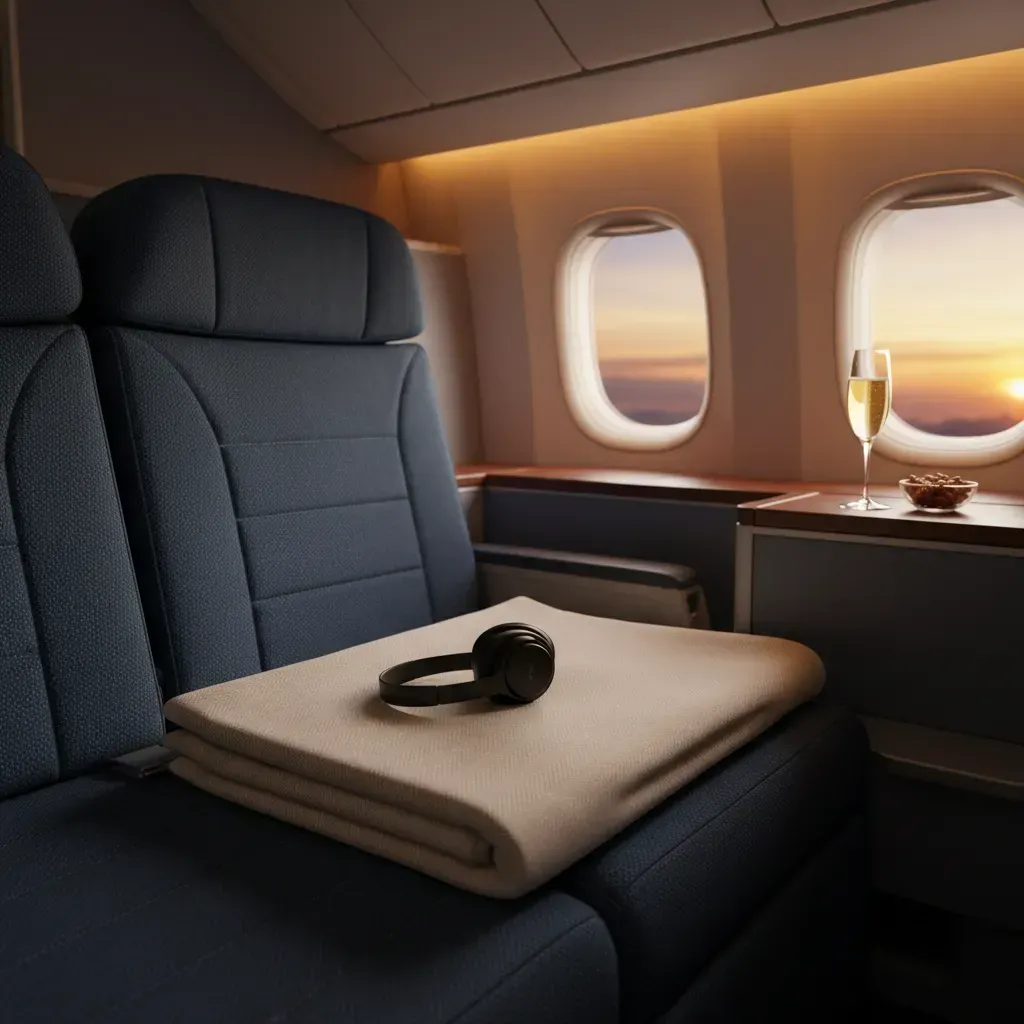
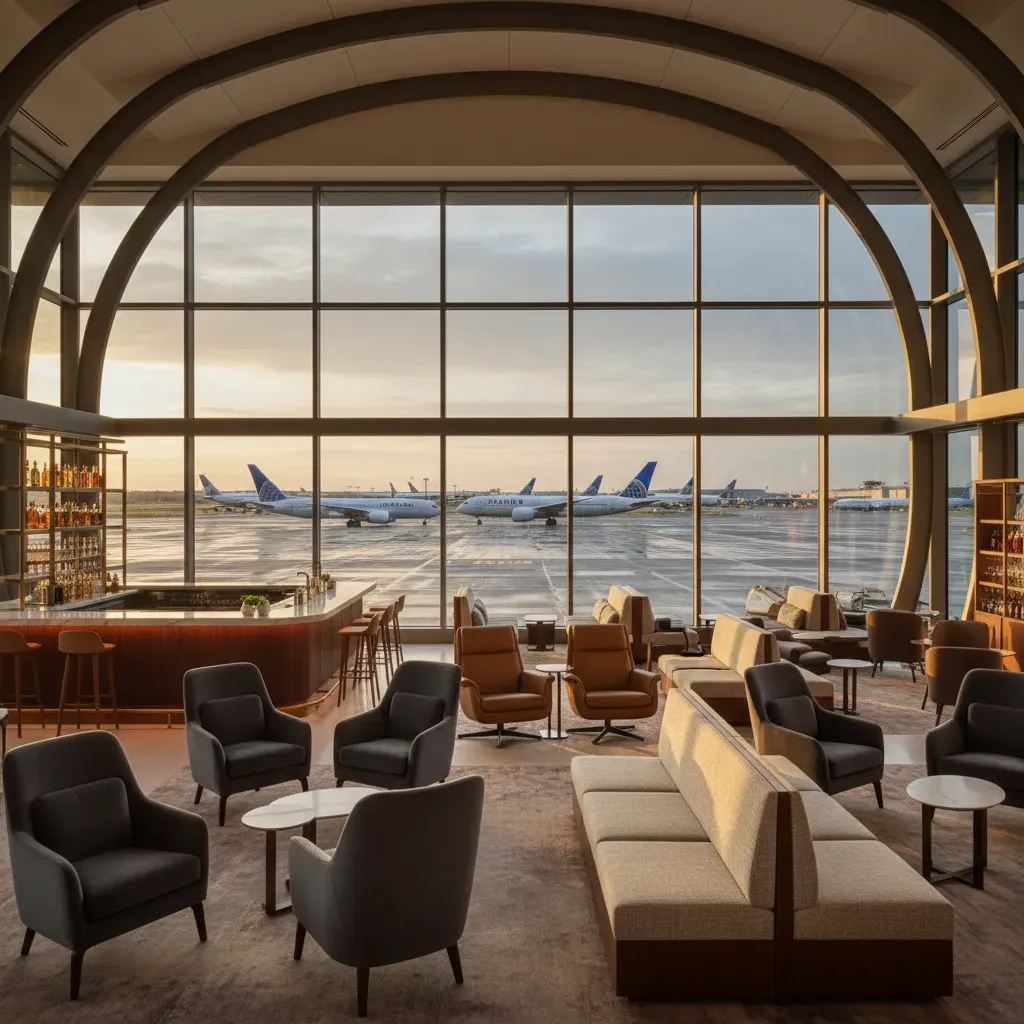
On the right route and aircraft, Polaris can be a very solid premium product. Travelers can typically expect direct aisle access on long haul configured aircraft, Saks Fifth Avenue bedding, elevated dining presentation compared with domestic premium service, and access to the dedicated Polaris lounge network where available. Those ground facilities are a meaningful part of the value equation, especially on departures from major hubs such as Newark, Chicago, San Francisco, Los Angeles, and Washington Dulles.
The onboard experience is designed for rest and efficiency more than theatrical luxury. Polaris is business class, not international first class, so expectations should remain proportionate. You are generally paying for privacy, a flat bed, better sleep conditions, improved food and beverage service, airport priority handling, and a more controlled long haul experience. For overnight flights to Europe or longer sectors to Asia, that difference can materially improve how you arrive.
Where pricing becomes more nuanced is cabin consistency. Not every aircraft delivers exactly the same visual impression or storage layout, and some itineraries may include a domestic positioning segment that does not match the flagship long haul product. That is one reason travelers who want certainty often research book business class guidance before committing. A well managed booking process should confirm aircraft type, seat map logic, lounge access conditions, and connection quality before ticketing.
Flight Experts is positioned for this level of support. The current product data shows options are usually presented within 30 minutes after a request is submitted and an expert is assigned. That fast turnaround can help when premium fare inventory is changing quickly or when a client needs to evaluate two or three serious alternatives without spending hours comparing inconsistent airline displays.
What Drives United Polaris Business Class Price on a Given Day
Polaris fares can move quickly, even when you are looking at the same route and the same general travel period. Airlines manage premium inventory dynamically, and business class demand patterns can be more concentrated than many travelers expect. From a premium traveler perspective, the key is understanding which variables actually change the experience, not just the number on the screen.
Routing is one of the clearest drivers of value and pricing. A nonstop itinerary on a flagship route can price differently than a one stop routing that is technically still Polaris on the long haul segment. In many cases, the difference is not only time. It can be connection quality, risk of missed onward flights, the time of day you are traveling, and how much of the journey is spent in the aircraft that delivers the true Polaris seat and service. Hub choice can matter as well. A departure via one hub may offer a stronger preflight lounge scenario than another, and that may influence how a traveler evaluates the fare, subject to lounge access rules and operational changes.
Aircraft assignment can also influence pricing, even if the itinerary displays the same cabin name. Cabin density, seat layout, and the likelihood of a consistent long haul configured product can affect demand. Airlines can and do change aircraft, sometimes close to departure, so it is wise to treat the published aircraft type as an important planning input rather than a permanent guarantee. A specialist can help you interpret what the scheduled aircraft usually means for seat expectations and whether a given itinerary is aligned with your priorities.
Fare class and ticket conditions are another quiet driver. Two Polaris itineraries can both be “business class,” yet differ materially in change and cancellation flexibility, advance purchase rules, or minimum stay requirements. In most cases, the fare that appears higher can sometimes carry conditions that are more workable for an executive schedule or a complex trip where plans may evolve. The reverse can also be true. The point is that a serious evaluation looks at the full fare logic, not only the cabin name.
Polaris pricing can diverge because one itinerary includes domestic positioning segments at less favorable times, longer layovers, or connection airports where the premium ground experience is weaker. Another itinerary may offer a better departure time, more reasonable connection, and a lounge scenario that supports productive work or real rest before boarding. Those factors do not always show up clearly in a simple fare comparison, but they often explain why two “Polaris” options are not equivalent in practice.
Investment and Value
There is no single public answer to how much is United Polaris. As a benchmark, Flight Experts’ current Business Class Flight Booking service lists a broad price range of $2,000 to $8,000+, varying by route and airline. United Polaris would generally sit within that wider business class market context, though an individual United Polaris fare may fall above or below that range depending on the city pair, travel period, advance purchase timing, and fare class offered at the moment of search.
On a shorter transatlantic route during a softer demand window, Polaris may appear far more attainable than many travelers expect. On peak holiday departures, limited inventory, or long transpacific sectors, the fare can rise substantially. Flexible dates, nearby gateway airports, and alternative connection points may affect the final number just as much as the cabin itself. Readers comparing broader business class prices should keep in mind that published fares do not always reflect the most useful premium options available through specialist booking channels.
Flight Experts also notes exclusive consolidator access as part of its business class booking service. That does not mean every Polaris itinerary will always be available on special terms, and no premium fare should be treated as guaranteed until ticketed. It does mean a specialist may be able to source stronger value, identify more favorable fare construction, or suggest a better aligned carrier if United’s published option is not the most compelling choice. For some travelers, the better decision may even arise from monitoring broader business class deals and timing the purchase strategically.
The value conversation should also include soft factors. A well timed overnight departure, a proper lie flat seat, reduced airport friction, and access to a quality lounge can be worth meaningful premium outlay for executives, milestone travelers, and anyone arriving directly into an important event. Polaris is at its best when those features align with the route and the traveler genuinely intends to use them.
Paying for United Polaris and Upgrade Pathways: What Is Realistic
When it comes to securing Polaris, the most straightforward path is simply purchasing it as a published business class fare when it aligns with your schedule and expectations. Many discerning travelers prefer this approach because it provides the highest degree of certainty around cabin class, seat selection options, and overall trip planning. For time sensitive travel, that certainty can be more valuable than waiting for something that may or may not materialize.
There is also the possibility of premium cabin re pricing or upgrade offers that can appear closer to departure. These can be presented in different ways depending on itinerary, fare type, and eligibility rules. In most cases, availability is limited and can change quickly. It should be treated as an opportunity rather than an entitlement, particularly on high demand routes and peak dates.
Flight Experts includes cabin upgrade alerts and price drop monitoring in its Business Class Flight Booking service, which can be useful in this context. A specialist can monitor the market, advise on whether an existing ticket’s fare conditions make an upgrade path realistic, and help you decide when it is prudent to commit. What cannot be promised is the outcome. Upgrades depend on inventory controls, operational factors, and eligibility that may change, and no advisor can guarantee that an airline will release premium seats for an upgrade on a specific flight.
For travelers weighing whether to commit early or wait, the best framework is typically certainty of the product and schedule. If the trip involves an important meeting, a milestone arrival, or a tight connection chain, purchasing the correct cabin and itinerary up front often protects the experience you actually care about. If your dates are more flexible and your routing has alternatives, it may be reasonable to evaluate upgrade possibilities as part of the overall plan, while remaining prepared to proceed with a confirmed Polaris fare when it represents the right fit.
Strengths and Considerations
Strengths
- United Polaris can offer a credible long haul business class experience with lie flat comfort, direct aisle access, and premium ground services on major international routes.
- Polaris lounge access, where available, materially improves the airport experience and can justify part of the fare difference for travelers with long predeparture dwell time.
- United’s network is especially practical for travelers who prefer nonstop or streamlined US hub connectivity into Europe and parts of Asia.
- Flight Experts supports the booking process with a personal consultant, seat selection assistance, meal preference handling, check in guidance, price drop monitoring, and upgrade alerts.
- Options are usually presented quickly, typically within 30 minutes according to current Flight Experts service data, which is useful when premium inventory is moving.
Considerations
- Polaris pricing can fluctuate significantly by route, season, and fare inventory, so the number you see one day may not remain available the next.
- Not every aircraft or connecting segment delivers the same premium feel, so itinerary quality matters as much as the headline cabin name.
- Polaris is business class rather than first class, which means travelers expecting ultra exclusive ground transfers, enclosed suites on every route, or the most rarefied onboard service may prefer another product.
- Lounge quality and access experience may vary by airport, especially if your itinerary involves partner operations or mixed segments.
Who This Experience Is For
United Polaris is best suited to travelers who want a practical, comfortable, premium long haul experience without requiring the ceremonial elements of international first class. It fits frequent business travelers who need reliable rest before arrival, couples flying on milestone trips who value a smoother overnight journey, and affluent families or individuals who prefer major US hub connectivity. It is especially appropriate for travelers who want an advisor to evaluate schedule quality, aircraft consistency, and fare logic rather than simply choosing the lowest visible business class number on a booking screen. Readers exploring the broader Airline Business & First Class Reviews category may find Polaris most compelling when network convenience matters as much as onboard styling.
How to Begin Planning With a Specialist
The most effective way to book Polaris is to begin with your actual travel priorities, not the fare alone. Start by submitting your trip request through Flight Experts with your preferred dates, departure city, destination, flexibility, and any important service preferences such as seat location or connection limits. From there, an expert is assigned at no charge, and options are typically returned within 30 minutes based on current service information.
This consultation style is where Flight Experts distinguishes itself. Rather than leaving you to interpret fare codes, aircraft swaps, and uneven connection quality alone, the agency evaluates which business class options best suit your route and priorities. Mike Chirilenco leads the brand’s concierge style approach, centered on personalized attention, professionalism, and long term client relationships rather than one off transactions.
If United Polaris is the right fit, your consultant can help refine the itinerary, confirm service details, and manage the booking process through ticketing. If another carrier offers a more compelling premium experience for the same journey, that should be part of the conversation as well. Travelers who want a more informed starting point may also review Premium Flight Booking & Tips before reaching out. To proceed, contact Mike and speak with a luxury travel specialist at Flight Experts about your next international business class journey.
Frequently Asked Questions
What is the typical United Polaris business class price?
There is no single fixed Polaris fare. Pricing typically depends on route, season, advance purchase timing, and available fare classes. As a broad market reference, Flight Experts lists business class booking support across major carriers in the $2,000 to $8,000+ range, though individual United Polaris itineraries may vary materially from that benchmark.
Is United Polaris worth the price for overnight international flights?
For many travelers, yes, particularly on overnight sectors where a lie flat seat, priority airport handling, and lounge access improve both comfort and arrival readiness. The value is strongest when the itinerary includes a true long haul Polaris segment and when the traveler plans to use the premium ground services rather than focusing on the seat alone.
Why do United Polaris fares change so often?
Premium cabin fares move according to inventory management, seasonality, route demand, and booking window. A small change in travel dates or departure city can materially affect the fare. Aircraft type and connection structure may also influence perceived value, which is why comparing Polaris on more than headline price alone is often the smarter approach.
Does booking through a specialist change the fare I receive?
It may. Flight Experts states that its business class booking service includes access to exclusive consolidator pricing, along with consultant support and fare monitoring. That does not guarantee a better option on every itinerary, but it can improve the chances of finding stronger value or a more suitable routing than a self service search might surface.
How quickly can Flight Experts provide business class options?
According to current product data, business class options are usually presented within 30 minutes after a request is submitted and an expert is assigned. That response time can be especially useful when premium fare inventory is moving or when a traveler needs to compare two departure scenarios before making a final decision.
What is included when booking business class through Flight Experts?
Current service information includes a personal travel consultant, seat selection, meal preference support, check in assistance, price drop monitoring, and cabin upgrade alerts. For travelers booking Polaris or a comparable international business class product, that level of oversight can reduce booking friction and bring more clarity to premium fare decisions.
Should I choose United Polaris or another airline’s business class?
That depends on your route, preferred airport, schedule, and service priorities. Polaris can be very appealing for nonstop convenience and strong hub access, but another carrier may offer a more refined seat, better lounge experience, or more attractive fare structure on your specific city pair. Comparison should be itinerary specific, not purely brand based.
How do I start the process with Flight Experts?
You begin by submitting a request with your travel details and preferences. An expert is then assigned, options are reviewed with you, and the selected itinerary can be booked with ongoing support. The process is consultative and relationship driven, intended for travelers who want professional guidance rather than an automated booking experience.
Is upgrading to United Polaris worth it?
It can be, particularly when the upgrade places you into a true long haul Polaris seat on an overnight or very long sector where sleep quality matters. In most cases, the decision is most rational when the rest of the itinerary is also aligned, including departure time, connection structure, and whether you will realistically use the premium ground experience. A specialist can help you evaluate whether the upgrade meaningfully changes the journey, or whether a different routing or carrier would deliver a better overall result.
What is the difference between United Polaris business and business class?
United Polaris is the brand name for United’s long haul international business class experience. Other United “business class” labeling can appear on domestic premium segments, short haul international flights, or mixed itineraries where only certain segments are marketed as Polaris. The practical difference is that the flagship Polaris long haul segment is typically where you should expect the lie flat seat and the most complete premium service flow, with Polaris lounge access where available and subject to eligibility rules.
Can you pay for United Polaris?
Yes. In most cases, you can purchase Polaris directly as a published business class fare when it is offered on your route. Some travelers may also see paid upgrade or re pricing opportunities closer to departure, but eligibility and availability can vary, and outcomes cannot be guaranteed. If upgrade possibilities are important to you, it is wise to confirm ticket conditions and segment level cabin branding before committing.
How much does a business class ticket cost?
Business class fares vary widely by route, season, booking window, and fare conditions. Flight Experts lists a broad reference range of $2,000 to $8,000+ for business class flight booking support across major carriers, with individual itineraries potentially pricing above or below that range depending on the trip parameters and inventory at the time of booking.
Key Takeaways
- United Polaris business class price varies significantly by route, season, booking window, and fare inventory.
- The true value of Polaris includes lie flat comfort, lounge access, premium airport handling, and improved long haul arrival conditions.
- Aircraft type and itinerary quality matter, so the cabin name alone does not tell the whole story.
- Flight Experts provides consultant led business class booking support, typically with options presented within 30 minutes.
- For discerning travelers, expert evaluation can be more useful than relying on public fare displays alone.
Conclusion
United Polaris can represent a worthwhile premium investment when the route, aircraft, and schedule align with the traveler’s priorities. The cabin is strongest as a serious long haul business class product rather than as a symbolic upgrade purchased on name recognition alone. That is why fare evaluation should include the full travel experience, from lounge access and seat consistency to connection quality and arrival readiness. Flight Experts approaches this process with the discretion and hands on guidance many premium travelers prefer, helping clients assess whether Polaris is the right fit or whether another carrier offers a better outcome. If you are preparing to book an international business class journey, contact Mike to discuss your travel preferences and receive a personalized recommendation from Flight Experts.



