
Alaska Airlines First Class Review & Benefits
Key Takeaways: Alaska Airlines First Class Benefits
- Alaska First Class offers a roomier domestic recliner seat, priority services, and two checked bags, subject to ticket rules.
- Alaska Airlines First Class benefits are most valuable on longer Alaska-operated daytime routes.
- Meals and complimentary beverages are available on qualifying flights, while lounge access does not come automatically with a paid First Class ticket.
- Partner-operated flights require separate review because cabin standards, baggage rules, and lounge eligibility may differ.
Alaska First Class Benefits by Travel Need
| Feature | What Alaska First Class Typically Offers |
|---|---|
| Seat | A larger recliner seat with more personal space than Main Cabin seating |
| Checked baggage | Two checked bags, subject to ticket terms and weight limits |
| Meals and beverages | Meals and complimentary beverages on qualifying flights |
| Lounge access | Not generally included with a paid Alaska First Class fare alone |
| Partner segments | Benefits may differ according to the operating carrier |
Alaska Airlines First Class Benefits at a Glance
Flight Experts assessment: 3.8/5. Alaska First Class can be a well-judged choice for travelers who value a calmer airport process and materially better personal space on domestic flights. Its strongest appeal is on routes where Alaska operates a mainline aircraft and the journey is long enough for early boarding, a wider seat, meal service, and baggage priority to have real practical value.
- Best for: West Coast travelers, frequent domestic flyers, and travelers connecting through Seattle or Portland.
- Less suitable for: Travelers expecting lie-flat seating, automatic lounge access, or a true international First Class ritual.
- Price: Fares are dynamic and route-specific. Alaska does not maintain one fixed First Class price across its network.
- Key distinction: Benefits can differ substantially when a partner airline operates a flight rather than Alaska Airlines.
What Alaska Airlines First Class Benefits Include
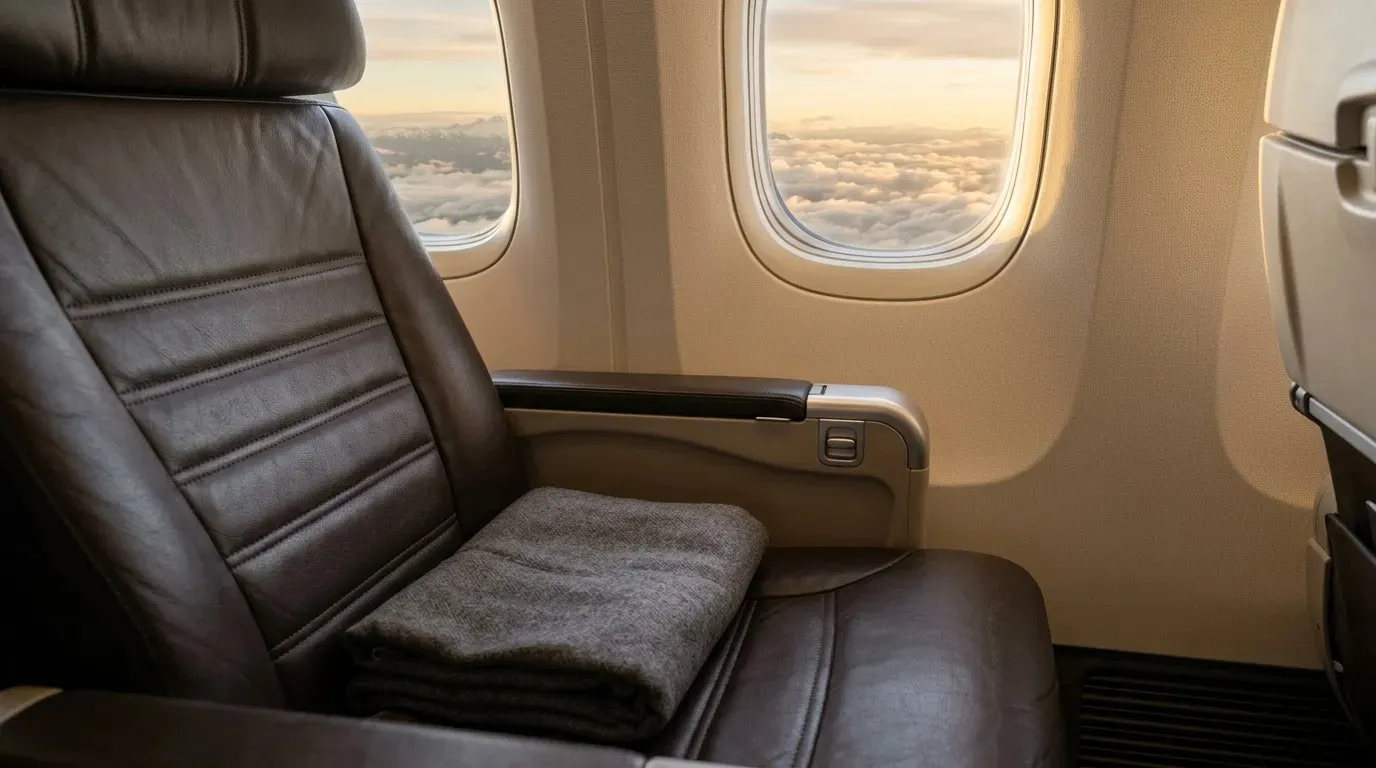
Alaska sells First Class as its highest routinely available cabin on Alaska-operated domestic services. The product offers a larger recliner seat at the front of the aircraft, priority services before departure, a more generous checked-baggage allowance, complimentary beverages, and meals on flights that meet Alaska’s applicable catering criteria.
Alaska does not generally market a separate “Business Class” cabin on its own domestic aircraft. A traveler searching for Alaska business class will usually be looking at Alaska First Class, or at Business Class offered by a partner airline on an international or transcontinental itinerary.
Travelers should view the cabin as a domestic premium product, not a substitute for lie-flat Business Class suites on select long-haul and premium transcontinental flights. That does not diminish its usefulness. On a four- to six-hour daytime journey, a comfortable recliner, space to work, attentive cabin service, and priority handling may make the travel day considerably more pleasant.
The Domestic First Class Journey
The Alaska First Class experience begins before boarding. Eligible travelers typically receive priority check-in, priority security access where airport facilities support it, and early boarding. These privileges are particularly valuable at busy departure points such as Seattle-Tacoma International Airport, where timing and terminal congestion can influence the character of the journey.
Once onboard, the most noticeable advantage is physical space. Alaska’s First Class seat is generally wider than Main Cabin seating and offers considerably more legroom. The experience is not private in the manner of a suite, but it usually gives travelers enough room to work on a laptop, enjoy a meal without feeling compressed, or rest more comfortably on a daytime flight.
Service tends to feel measured rather than theatrical. The crew’s ability to deliver a polished meal and beverage experience may depend on flight length, departure time, catering, and operational conditions. Alaska’s cabin service often feels strongest when expectations match the product: approachable domestic First Class, not a long-haul flagship cabin.
Transcontinental and Partner-Operated Itineraries
The phrase “Alaska First Class” deserves closer inspection on coast-to-coast travel. An itinerary booked through Alaska may include Alaska-operated segments, partner-operated segments, or both. Review each flight’s operating carrier, aircraft, cabin label, baggage rules, lounge eligibility, and meal service separately before booking.
On an Alaska-operated transcontinental route, First Class typically offers a recliner-seat experience. It can be highly comfortable for a daytime crossing, particularly for travelers who prefer Alaska’s network and schedules, yet it is usually not a lie-flat product. A red-eye or a trip immediately before an important meeting may justify considering a carrier offering a lie-flat premium transcontinental cabin instead.
On partner-operated flights, the ticket may display a different premium-cabin name, such as Business Class. The operating airline sets that cabin’s service standards. A partner’s Business Class seat could be substantially more elaborate than Alaska First Class, especially on long-haul international routes, but an Alaska-branded booking does not make the benefits identical across every sector.
This is also where lounge assumptions can cause disappointment. A paid Alaska First Class fare does not generally provide Alaska Lounge access by itself. An eligible partner itinerary may provide international premium-cabin access in some cases, subject to the operating carrier, route, and applicable alliance rules. Confirm the specific itinerary rather than relying on a cabin name alone.
Alaska Airlines First Class Benefits That Matter Most
Priority treatment and baggage handling
Priority check-in, boarding, and baggage handling are not glamorous benefits, but they can be among the most useful. A traveler arriving late from a meeting or navigating a family departure may appreciate boarding early enough to settle in without competing for overhead-bin space. Alaska First Class fares also typically include two checked bags, subject to the ticket’s terms and weight limits.
Baggage allowance, weight limits, and priority delivery
The included checked-baggage allowance and priority-tagged handling are related but distinct benefits. Alaska First Class typically includes two checked bags, while applicable size requirements and weight limits remain subject to Alaska’s current ticket rules. Priority-tagged bags may be among the earlier items delivered at the destination, although airport operations, connection timing, and ground handling conditions can affect the result. On a partner-operated itinerary, particularly one involving an international connection, travelers should review baggage provisions segment by segment before departure.
Seat comfort for long domestic sectors
Seat dimensions vary by aircraft, so checking the assigned plane and seat map remains worthwhile. Alaska’s mainline First Class cabin generally uses a recliner layout with meaningful separation from the main cabin. The additional room can be particularly welcome on longer routes from Seattle, Portland, Anchorage, San Francisco, Los Angeles, or other points in Alaska’s network.
Meals and beverages
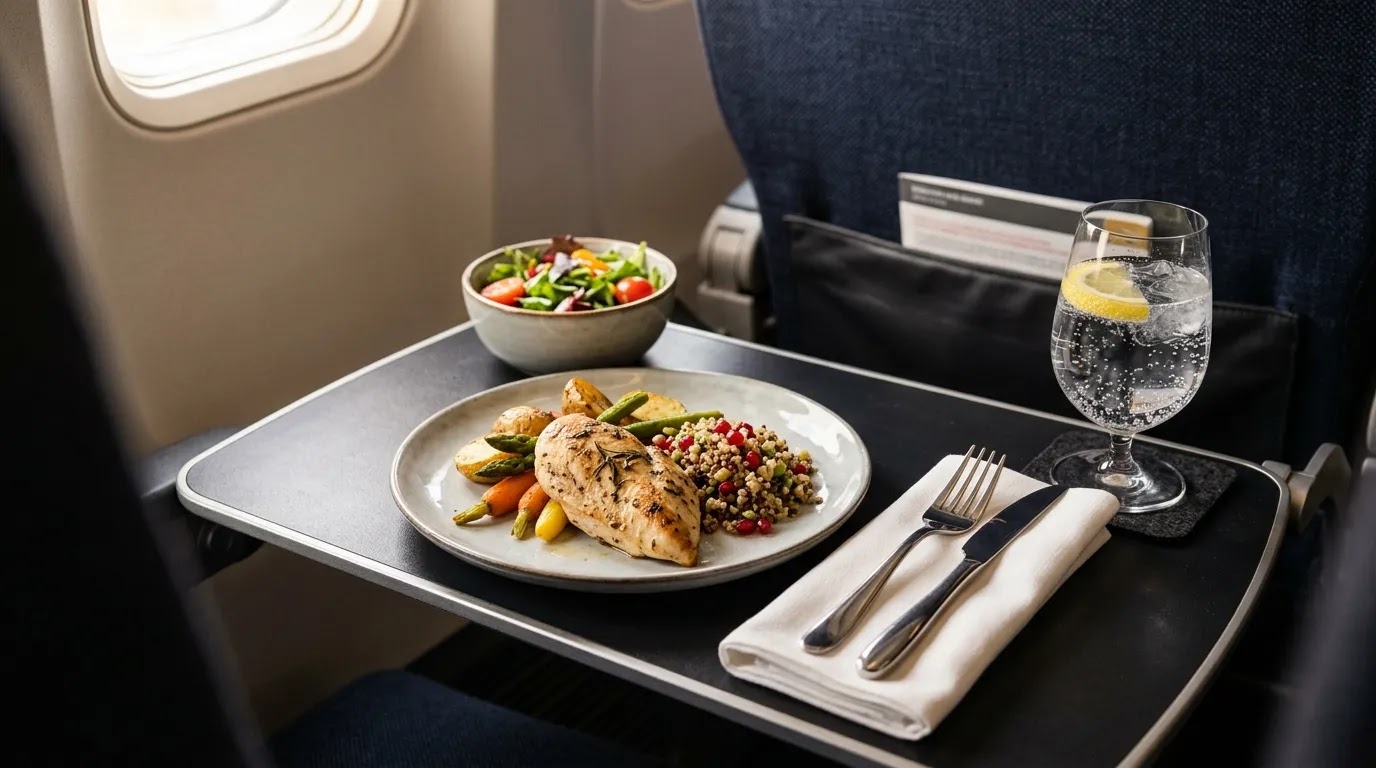
Alaska Airlines First Class meals are typically offered on qualifying flights, with service varying by route length and timing. Travelers may have an opportunity to select a meal in advance on some itineraries, although menu choices, catering, and pre-order windows can change. Premium beverages are generally included, while the quality and presentation of the meal may vary more than the consistency of the seat and priority benefits.
Onboard connectivity, entertainment, and personal amenities
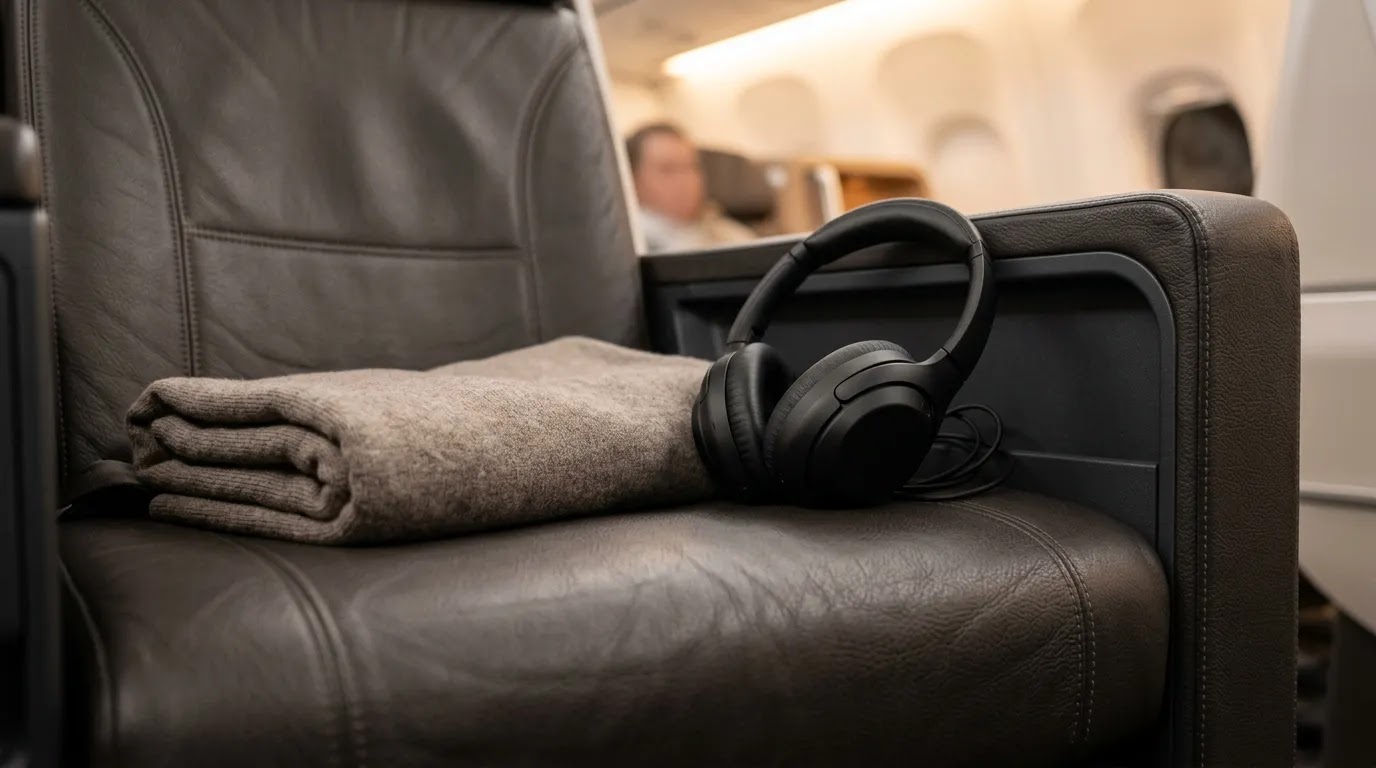
Alaska First Class emphasizes a more comfortable seat, personal space, and attentive domestic service rather than enclosed suites, loungewear, or elaborate amenity kits. Wi-Fi, entertainment viewed on a personal device, and in-seat power may be useful on a longer domestic journey, though equipment and availability can vary by aircraft. Travelers deciding between Alaska First Class and a more elaborate premium cabin should be clear about whether work, entertainment, or meaningful rest is the principal objective for the flight.
Dedicated cabin atmosphere
The front cabin is smaller, quieter, and typically served earlier than the rest of the aircraft. On a domestic route, that can create a noticeably more composed experience. It is especially useful for travelers who need to arrive prepared for an engagement, a property viewing, or the first evening of a carefully planned vacation.
For a wider view of cabin differences across U.S. and international carriers, Flight Experts maintains an editorial collection of Airline Business & First Class Reviews. It can help place Alaska’s domestic offering in the appropriate context.
Fare Structure and Premium Value
Alaska First Class pricing changes according to route, date, demand, advance purchase timing, and aircraft availability. There is no single figure that accurately represents the cabin across Alaska’s network. A short regional flight and a high-demand coast-to-coast departure may carry very different fare levels, even on the same day.
The proper value question is not whether the fare is lower than another option. It is whether the cabin improves the parts of the trip that matter to you. For a short daytime sector, the incremental comfort may be pleasant but not essential. For a cross-country flight before a wedding weekend, board meeting, or family celebration, early boarding, extra room, meal service, and checked-baggage privileges may be more meaningful.
Travelers should also evaluate the complete itinerary. A First Class fare may be compelling on the longest segment but less compelling if it leaves a short connection in a lower cabin or involves an aircraft substitution risk. Aircraft and seat assignments can change, so a preferred seat should never be treated as guaranteed until departure.
Pros and Cons
Strengths
- More personal space and a wider recliner seat than Alaska’s Main Cabin product.
- Priority check-in, boarding, and baggage handling can make busy airport days more manageable.
- Two checked bags are typically included, subject to current fare rules and weight restrictions.
- Meals and complimentary beverages on qualifying flights add comfort on longer domestic routes.
- Alaska’s West Coast and Pacific Northwest network can make First Class especially convenient for relevant itineraries.
- The cabin offers a calmer setting for working, dining, or resting during a daytime transcontinental journey.
Considerations
- Most Alaska First Class seats are recliners, not lie-flat beds.
- Paid First Class does not generally include Alaska Lounge access.
- Meal availability and menu selection can vary by flight length, time of day, and catering conditions.
- Partner-operated flights may provide different benefits, cabin products, and lounge rules.
- Aircraft changes may affect the seat map and onboard experience.
How to Assess Alaska Airlines First Class Benefits by Route
A thoughtful review of an Alaska itinerary starts with the operating carrier. “Operated by Alaska Airlines” is the phrase to look for if the goal is Alaska’s own First Class product. If a partner operates any segment, examine that flight independently, including cabin type and connection logistics.
1. Identify the actual aircraft
Alaska’s fleet is centered on Boeing 737 aircraft and Embraer 175 regional jets operated by Horizon Air. Cabin layouts may differ. A traveler who values a specific row, window alignment, or more favorable seat placement should examine the current seat map before selecting a flight.
2. Match the cabin to the flight timing
A recliner may be entirely appropriate for a morning or afternoon transcontinental flight. Overnight travel is different. If sleep is central to the purpose of the trip, a lie-flat alternative could be a more suitable investment, depending on the route and schedule.
3. Check meal eligibility rather than assuming it
Does Alaska Airlines serve food in First Class? Often, yes, on qualifying services. The better question is whether your exact flight includes a meal, whether a pre-order is available, and whether dietary needs can be accommodated. Confirm this in the reservation closer to departure.
4. Treat lounge access as a separate decision
First Class and lounge access are separate benefits on many domestic itineraries. Travelers seeking a quiet pre-flight setting should verify access rules and consider whether their status, membership, eligible international itinerary, or paid lounge entry provides the desired access.
5. Compare the purpose of the trip, not only the cabin name
Alaska Airlines versus Delta, or another carrier, is not a question with one universal answer. Network convenience, nonstop availability, airport preference, cabin hardware, and the importance of arriving rested all matter. Travelers comparing a domestic First Class product with a lie-flat premium transcontinental offering should recognize that the products serve different needs. Our review of Delta First Class versus Delta One offers a useful comparison for travelers weighing a lie-flat option.
Alaska First Class by Aircraft: Boeing 737 Versus Embraer 175
Aircraft type can influence the experience more than a seat map alone suggests. Alaska’s Boeing 737 mainline aircraft typically provide a larger First Class cabin, more substantial overhead-bin capacity, and the fuller feel of a mainline domestic service. The Embraer 175, operated by Horizon Air, offers a smaller front cabin and a more intimate regional setting, yet the narrower aircraft may require more careful planning for carry-on items and movement around the cabin.
Seat positioning, lavatory access, and the practical rhythm of boarding can differ between the two aircraft. On the Embraer 175, the smaller cabin may feel quiet and personal, while the Boeing 737 can be preferable for travelers who place particular value on cabin scale and carry-on convenience. Confirm the operating carrier and scheduled aircraft close to departure, since substitutions may affect the experience.
Alternatives to Consider

- Delta First Class: A relevant choice where Delta’s network, schedule, or airport access is a better fit for the itinerary.
- JetBlue Mint: Worth examining on routes where a lie-flat seat and a more elaborate premium transcontinental experience matter. Our article on JetBlue first class explains the difference between its naming and cabin proposition.
- American Airlines Flagship Business: May suit selected transcontinental travelers seeking lie-flat seating, subject to aircraft and route availability.
Readers weighing several cabin products may also find the best airlines for Business Class review useful, particularly where an Alaska partner connection is part of an international journey.
Questions Discerning Flyers Ask
Is Alaska First Class the same as Alaska Business Class?
On Alaska-operated domestic flights, the premium cabin is called First Class. Alaska does not generally operate a separate domestic Business Class cabin. The term Alaska business class may appear in searches because an Alaska-booked itinerary can include a partner airline that sells Business Class. Always check the operating carrier and the cabin shown for each segment, particularly on international connections.
Does Alaska First Class include lounge access?
Paid Alaska First Class tickets do not generally include Alaska Lounge access solely because of the cabin purchased. Lounge access may be available through an Alaska Lounge membership, eligible elite status, a qualifying international premium itinerary, or another access method. Policies can change, and partner-operated flights may have different rules, so travelers should verify eligibility for the specific departure date.
Does Alaska Airlines serve food in First Class?
Alaska typically serves meals in First Class on flights that meet its catering and distance criteria. Shorter flights may offer lighter service, while longer services may have a more substantial meal. Menu selection, meal pre-order availability, and special-diet accommodations can vary. Reviewing the reservation before departure is the most reliable way to confirm the service planned for a particular flight.
What Alaska Airlines First Class benefits do you get?
Alaska Airlines First Class benefits typically include priority check-in and boarding, additional personal space, complimentary beverages, meals on qualifying flights, and two checked bags subject to the applicable ticket rules. Priority baggage handling may also be included. Lounge access, lie-flat seating, enclosed suites, and extensive personal amenities should not be assumed, as those features are not generally part of Alaska’s domestic First Class product.
What is the 3-1-1 rule on Alaska Airlines?
The 3-1-1 rule is a Transportation Security Administration security requirement rather than an Alaska Airlines cabin benefit. It generally permits liquids, gels, and aerosols in containers of up to 3.4 ounces, or 100 milliliters, placed together in one quart-sized clear bag for carry-on screening. Security requirements can change, and travelers should confirm current rules before departure, particularly for international itineraries.
Are Alaska First Class seats lie-flat?
No, Alaska First Class is generally a recliner-seat product rather than a lie-flat cabin. It can offer excellent comfort for daytime domestic travel, especially compared with the main cabin, but it is not designed for the sleep quality associated with long-haul Business Class suites. Travelers taking a red-eye or arriving for a time-sensitive event may prefer to assess lie-flat alternatives where available.
Do First Class benefits apply on Alaska partner flights?
Not automatically. An Alaska-issued itinerary can contain flights operated by partner airlines, and the operating carrier’s cabin, baggage, meal, seat-selection, and lounge policies may apply. The itinerary may still be very attractive, particularly for international travel, but travelers should review it segment by segment. A single itinerary can include materially different premium experiences across its flights.
Is Alaska First Class worthwhile on a transcontinental route?
It may be worthwhile if the priority is a more comfortable daytime journey with priority airport services, checked baggage, and a larger seat. For travelers who need meaningful sleep or seek a fully private premium cabin, it may not be the ideal product. The decision depends on departure time, total journey length, purpose of travel, and whether a nonstop service is available.
Practical Takeaways
- Alaska First Class is a refined domestic recliner-seat product, not an international-style suite.
- Its most tangible benefits are priority handling, added space, checked bags, and meal service on eligible flights.
- For transcontinental travel, flight timing is central: daytime service and overnight service call for different cabin expectations.
- Partner-operated segments require separate review because cabin standards and benefits may differ.
- Lounge access should be verified independently rather than assumed from a paid First Class ticket.
Verdict
Alaska Airlines First Class earns its value through practical refinement rather than spectacle. The strongest reason to choose it is the combination of a roomier domestic seat, priority treatment, baggage privileges, and a more comfortable onboard experience on longer Alaska-operated routes. The strongest reason to look elsewhere is the absence of lie-flat seating and automatic lounge access, particularly for overnight coast-to-coast travel. For a carefully constructed journey involving Alaska and partner airlines, the operating-carrier details deserve close attention. Flight Experts can help travelers assess cabin differences, connection quality, and the premium experience most appropriate for the purpose of the trip. Contact Mike Chirilenco and the Flight Experts team for personalized guidance on your next itinerary.



