
Business Class vs First Class (2026 Guide)
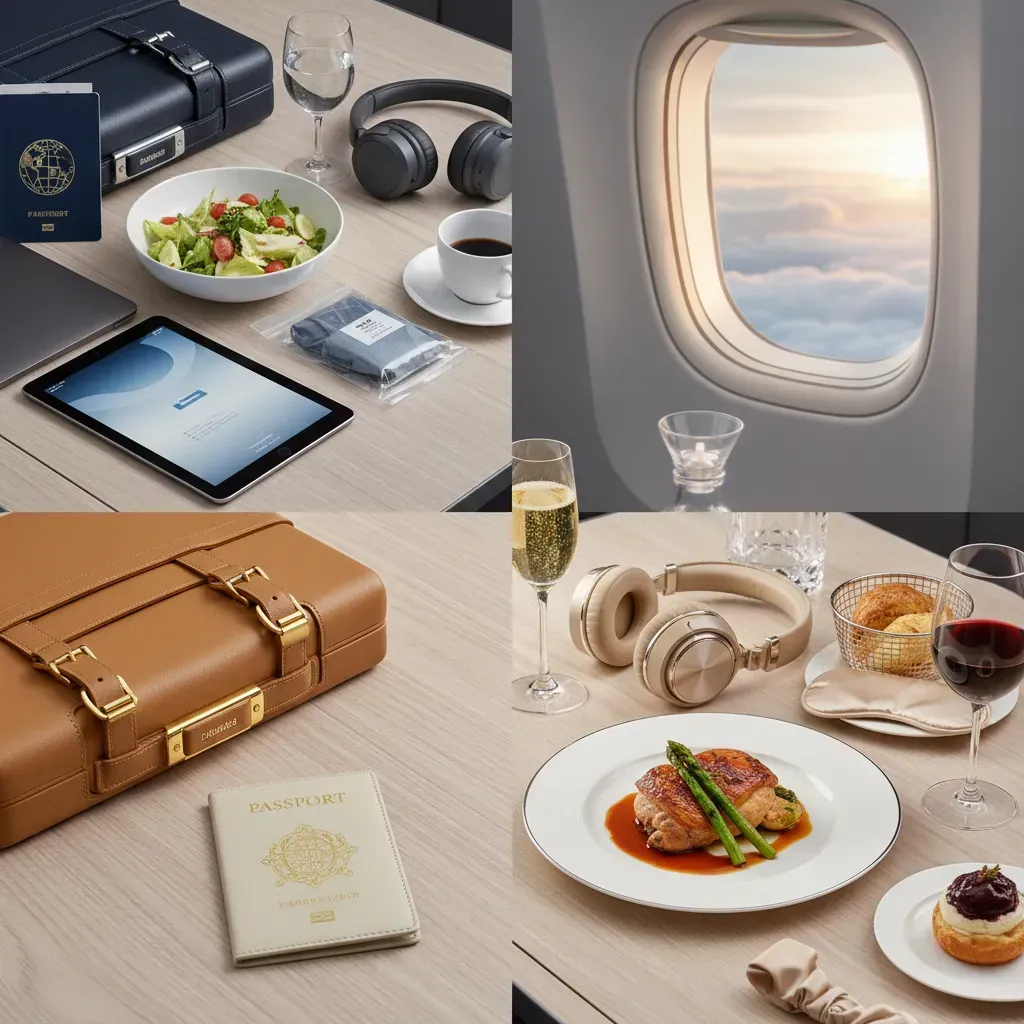
Business Class and First Class at a Glance
The simplest answer is that Business Class and First Class are not the same. Business Class is designed to offer a highly comfortable, productivity-friendly, and rest-oriented premium experience, typically with lie-flat seating on major long-haul routes, elevated dining, lounge access, and priority airport handling. First Class sits above that and, in most cases, adds greater privacy, more personalized service, stronger ground privileges, and a more exclusive cabin environment.
That said, airline strategy has changed. Many carriers have invested heavily in Business Class while reducing or removing international First Class altogether. On some routes, a top-tier Business Class suite with direct aisle access, closing doors, and excellent lounges may be the most sensible premium choice. On others, First Class still offers a materially different experience, especially on airlines known for enclosed suites, premium lounge dining, chauffeur arrangements in select markets, or unusually attentive onboard service.
For readers comparing premium products more broadly, the Airline Business & First Class Reviews section is a useful starting point for route and cabin-specific research.
Where the Real Differences Appear
The most meaningful difference between Business Class and First Class is rarely just the seat width. It is the cumulative effect of privacy, exclusivity, and service rhythm.
In Business Class, you can typically expect a lie-flat or angled-flat seat on long-haul international flights, direct aisle access on many newer aircraft, upgraded bedding, improved wine and dining service, and access to a premium lounge. The cabin is often larger, with more seats and a slightly more efficient service flow.
In First Class, the cabin is usually much smaller, sometimes with as few as four to eight seats. That scale changes the atmosphere immediately. Service may feel more personalized, meal timing may be more flexible, and the physical space often includes higher suite walls, larger entertainment screens, superior bedding, and more refined amenity presentation.
Ground experience may also separate the two. Depending on the airline and airport, First Class travelers could receive dedicated check-in, private security channels, escort service, premium lounge dining, or even chauffeur coordination. If your interest centers on the airport and onboard environment itself, you may also want to explore Premium Cabin Experience & Amenities.
First Class vs Business Class Ground Experience: Chauffeur, Lounges, and Private Terminals
Here is the thing. Many travelers think of First Class as a better seat and a more refined meal, but the most noticeable upgrade often begins well before boarding. The ground journey tends to be where airlines create the clearest hierarchy between Business Class and First Class, although the specifics vary widely by airline, airport, and fare rules.
In most cases, both cabins receive some form of priority airport handling, but First Class may add layers that feel genuinely discreet. This can include a dedicated First Class check-in area, a separate queue for security fast track where available, an escort through formalities, or proactive assistance when connections are tight. At strong hub airports, a top-tier Business Class passenger may experience an impressively smooth process, yet First Class often aims to reduce exposure to crowds even further, subject to local facilities and staffing.
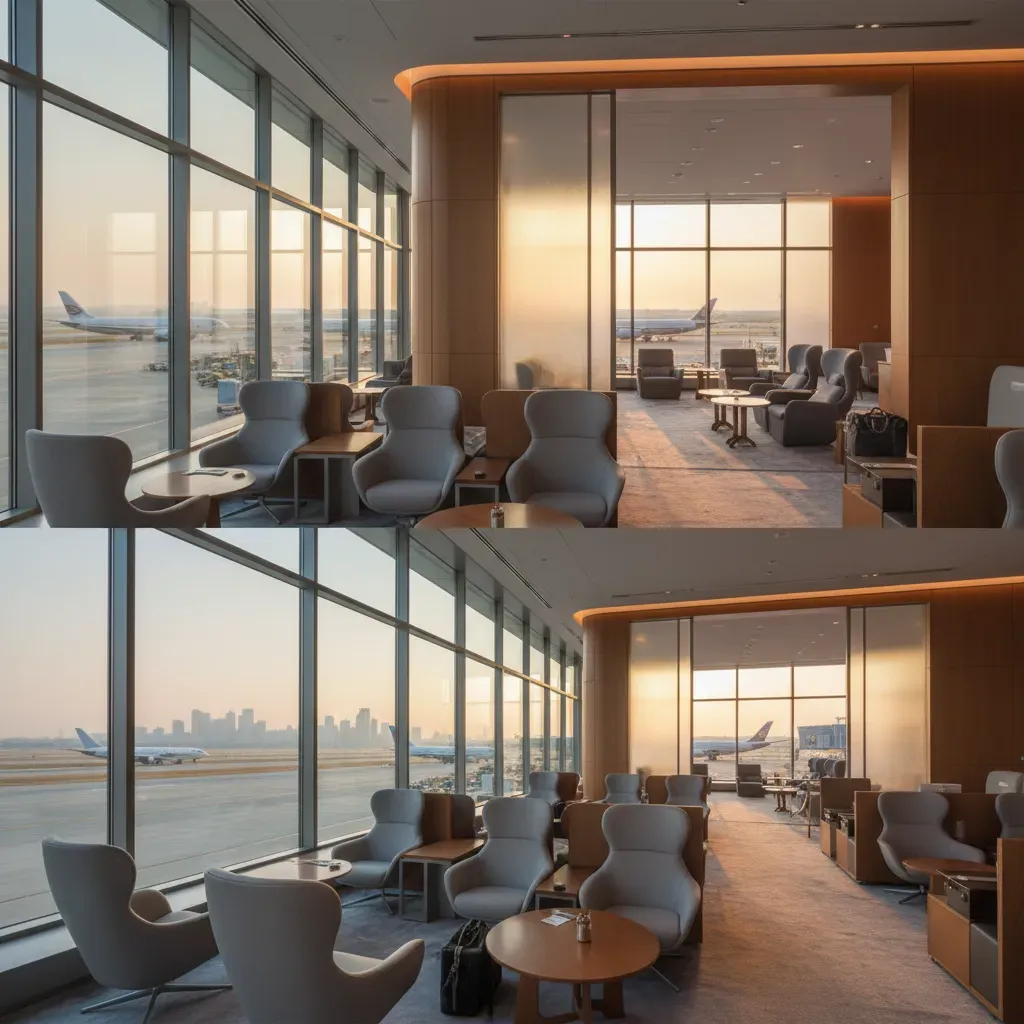
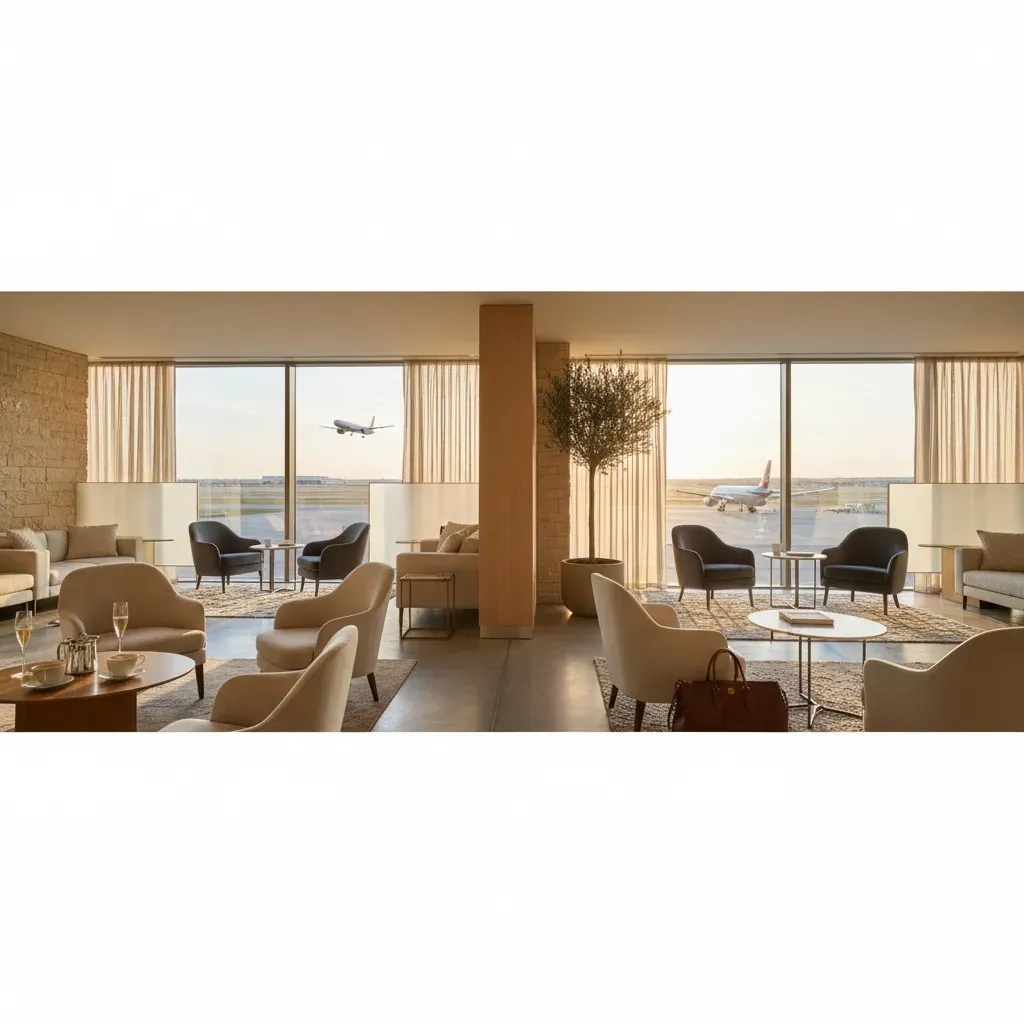
Lounges are another common separator. Business Class access is typically to an airline lounge designed for higher volume, often excellent, sometimes crowded at peak waves. First Class access, where offered, may provide a quieter lounge, more individualized dining, and an overall environment that feels closer to a private club than a waiting room. What many travelers overlook is that lounge rules can be nuanced. Access may depend on the exact fare family, operating carrier versus marketing carrier, and the airport you are departing from. On certain routes, a Business Class ticket can still unlock an outstanding lounge experience, especially in major premium hubs, while on other routes, a First Class ticket is the only way to enter the most exclusive spaces.
Chauffeur-drive style services are often mentioned, but they are not universal. When available, they are usually structured around eligible cities, distance limits, and required booking windows. Some airlines restrict chauffeur service to select fare types or specific routes, and substitute arrangements may occur if a partner provider is not available in a particular market. From a practical standpoint, it is best to treat chauffeur service as a route and fare-dependent benefit rather than a guaranteed component of First Class, even on carriers that have historically offered it.
Finally, there is the question of private terminals and exclusive ground handling. In practice, “private” may mean a discreet check-in zone separated from the main hall, private security screening, private lounge dining, or a direct transfer to the aircraft away from the primary boarding gates. Some airports support this in a formal, purpose-built way, while others deliver a lighter version through escorted handling. Consider this. A strong Business Class product in the right hub can feel remarkably close on the ground, yet First Class tends to be the cabin most likely to offer the quietest path from curb to seat when the infrastructure exists.
Head-to-Head Comparison
| Criteria | Business Class | First Class |
|---|---|---|
| Seat | Usually lie-flat on long-haul routes, often in a suite or pod | Usually larger suite with more privacy and more personal space |
| Cabin Size | Larger cabin, more passengers | Smaller, quieter, more exclusive cabin |
| Dining | Premium multi-course service, often excellent | More individualized dining, finer presentation, broader premium selection |
| Service Style | Attentive but more structured | More personalized and often more flexible |
| Lounge Access | Premium business lounges | Top-tier first class lounges where available |
| Availability | Widely available across long-haul fleets | Limited and often absent on many airlines |
| Best For | Frequent premium travel, overnight routes, comfort with practicality | Milestone trips, maximum privacy, flagship luxury experience |
A practical reality is that First Class may be better, but not always by the margin a traveler expects. Some of the strongest modern Business Class products on airlines such as Qatar, Singapore, ANA, JAL, Delta One, and United Polaris may feel more compelling than an older First Class cabin on another carrier. That is why aircraft type and route matter just as much as the cabin label.
Onboard Comfort Details That Matter: Sleep, Dining Rhythm, Amenities, and Connectivity
Think of it this way. A premium seat is the foundation, but the quality of the journey is often decided by smaller operational details that affect rest, privacy, and how uninterrupted the flight feels.
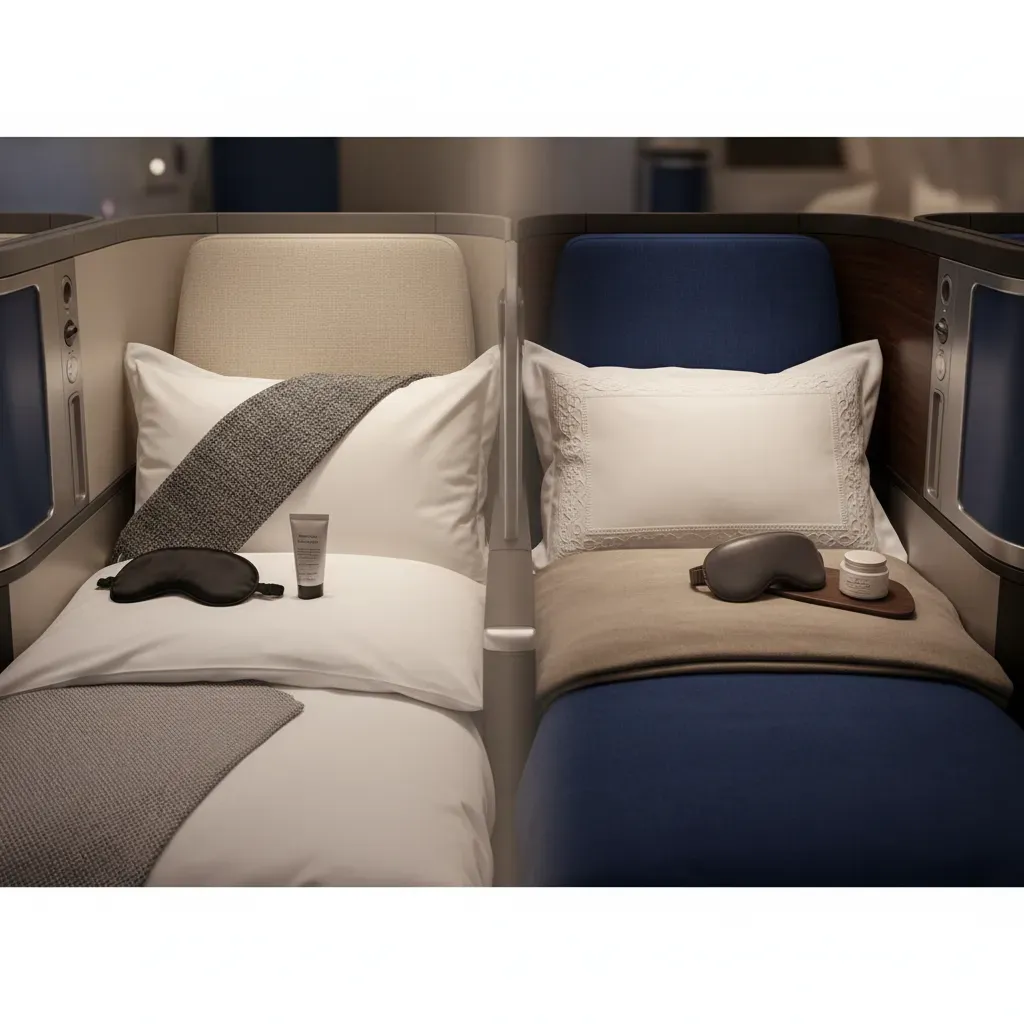
Sleep is the clearest example. Business Class on leading carriers often provides strong bedding and a bed that is genuinely suitable for overnight rest, but First Class typically elevates the full sleep setup. This may include thicker mattress pads, heavier or more breathable duvets, and more generous pillow options. On certain airlines, cabin crew may offer a more proactive turndown-style approach in First Class, which can make it easier to transition quickly from dinner to sleep on an overnight sector. The smaller cabin size can also matter. Fewer passengers generally means fewer service carts moving through the aisle, less ambient noise, and fewer interruptions, which can translate into noticeably better rest in most cases.
Dining rhythm is another difference that experienced travelers feel immediately. Business Class service is often delivered in defined waves, with set meal windows to serve a larger cabin efficiently. First Class may allow more flexibility, such as pacing a meal slowly, dining on a more individualized schedule, or requesting a lighter service approach to protect sleep. The reality is that this flexibility is not simply about luxury for its own sake. It can be the difference between arriving rested and arriving having spent most of the flight awake because the service pattern did not align with your sleep needs.
Amenities also tend to be more complete in First Class, subject to airline. Amenity kits can be more substantial, and some carriers provide loungewear or sleepwear in First Class that may not be available in Business Class. Even when both cabins offer kits, the practical value often comes down to the details: the quality of skincare, whether the kit is designed for a true overnight flight, and whether the cabin crew replenishes items proactively.
Connectivity and entertainment are increasingly important to premium travelers, and this is where assumptions can lead to disappointment. Wi-Fi reliability, bandwidth, and pricing policies vary by airline, aircraft, and route. Power outlets and USB ports are common in both cabins, yet their placement and consistency can differ by seat type. The aircraft itself is frequently the deciding factor, not the cabin name. A flagship-branded First Class ticket does not automatically guarantee the newest connectivity hardware on every route, and an excellent Business Class suite may be installed on an aircraft with superior inflight technology. For discerning travelers, verifying the actual aircraft operating the route is often as important as comparing the cabin labels.
Flight Experts Perspective
Flight Experts specializes in premium cabin planning, including Business Class Flight Booking and First Class Flight Booking for major long-haul routes. Current service data indicates Business Class bookings commonly span routes from the US to Europe, Asia, the Middle East, Australia, and domestic US markets, while First Class support focuses on major premium long-haul corridors such as transatlantic and transpacific travel. Depending on route and airline, Business Class pricing may range from $2,000 to $8,000+, while First Class may range from $5,000 to $20,000+.
What matters more than the headline range is product fit. A couple planning a honeymoon may value enclosed suites, lounge privacy, and premium ground handling enough to justify First Class. A frequent executive flying overnight to Europe may prefer a top-tier Business Class seat with efficient boarding, strong sleep quality, and a more rational overall investment. Flight Experts can help identify which airlines still operate meaningful First Class, which Business Class cabins overperform, and where a complex itinerary may call for a mixed-cabin strategy. To begin planning, you may speak with Mike Chirilenco or connect with a Flight Experts travel specialist for a tailored recommendation.
How to Choose the Right Cabin
1. Start with the route, not the label. A First Class seat is only relevant if the airline actually offers a strong international First Class product on your specific route. Many travelers assume every flagship flight has both cabins, but that is no longer the case. Aircraft swaps and seasonal scheduling may also affect availability.
2. Decide whether privacy is central to your trip. If you want a quiet, exclusive environment with as little interruption as possible, First Class may justify the step up. This is especially true for milestone travel, overnight flights where uninterrupted rest is essential, or travelers who place a premium on personal space.
3. Evaluate the ground experience. The difference between Business Class and First Class often begins before boarding. Dedicated check-in, premium lounge dining, tarmac transfers in select markets, and white-glove arrival handling may matter greatly on a complex itinerary. These details are often overlooked in self-service booking.
4. Compare the actual Business Class product. On some airlines, the newest Business Class suite may be more appealing than an older First Class seat elsewhere. Look at seat configuration, direct aisle access, bedding, cabin density, and lounge quality. If you are weighing value, our article on is first class worth it provides a helpful companion perspective.
5. Consider itinerary complexity. If your trip includes multiple sectors, alliance partners, or open-jaw routing, the right answer may not be all Business Class or all First Class. Flight Experts also offers Complex Itinerary Planning for multi-city, open-jaw, and round-the-world premium travel, which may be particularly useful when you want the strongest cabin only where it matters most.
Route and Aircraft Reality Check: Why the Same Cabin Name Can Deliver a Different Experience
The reality is that cabin names are not product guarantees. Even within the same airline, Business Class and First Class can vary meaningfully by aircraft type, sub-fleet, and route planning. This is one of the most common reasons sophisticated travelers are surprised, sometimes positively, sometimes not.
Aircraft swaps are a frequent driver. An airline may publish a schedule with one aircraft planned, then substitute another due to maintenance rotations, operational needs, or seasonal demand changes. Mixed configurations can also exist within the same fleet family. Two aircraft with the same general model name may carry different Business Class seat types, different First Class suite layouts, or different entertainment and connectivity systems. Seasonal equipment changes can be just as impactful, especially on routes that shift to higher capacity aircraft during peak periods, which may alter cabin density, privacy, and even the overall feel of service.
From a practical standpoint, there are a few checks that typically help you confirm what you are actually booking. Start by confirming the aircraft type for your specific flight number, then review the seat map to understand whether you are looking at a true suite layout, a staggered configuration, or a denser arrangement that changes privacy. It is also wise to confirm ground services and lounge access by departure airport, since the best lounge experience may be tied to specific terminals or specific operating carriers, and those details can change with routing and partnerships. Even with careful verification, details remain subject to change, which is why many travelers prefer to have a specialist monitor updates and advise on alternatives if equipment changes materially affect the experience.
It is also important to clarify what First Class means in different markets. International long-haul First Class is generally the top commercial product, typically positioned above Business Class with a materially different hard product and service concept. Domestic First Class, particularly within the United States, is often a distinct category that can be excellent for short to medium flights, yet it is not the same as international long-haul First Class. Many travelers searching for the difference between business class and first class are unknowingly mixing these categories, which can create unrealistic expectations if the ticket is domestic First Class on a narrow-body aircraft rather than a true long-haul First Class suite.
Pros and Cons
Strengths
- Business Class is widely available and, on leading airlines, may provide excellent lie-flat comfort, strong lounges, and polished service for long-haul travel.
- First Class typically offers greater privacy, a smaller cabin, and a more individualized service experience that may feel noticeably more exclusive.
- The best Business Class cabins can represent an excellent balance of comfort, efficiency, and premium value for overnight or work-oriented itineraries.
- First Class may be especially well suited to milestone journeys, celebratory travel, or passengers who place the highest importance on peace, space, and ground privileges.
- With expert guidance, travelers can match the right cabin to route, aircraft, and purpose rather than relying on marketing labels alone.
Considerations
- Not all First Class products are equally impressive, and some may not feel dramatically better than the strongest Business Class suites.
- Many airlines no longer offer international First Class, so availability may be limited depending on route and season.
- Business Class quality varies widely by carrier and aircraft, so assumptions based on cabin name alone may lead to disappointment.
- Ground benefits such as chauffeur service or private handling may depend on airline, airport, fare type, and local availability.
Who Each Cabin Typically Suits Best
Business Class usually suits travelers who want a premium long-haul experience centered on comfort, sleep quality, lounge access, and efficient service. It is often the preferred choice for executives, regular international travelers, and clients who want refined travel without paying for exclusivity they may not fully use.
First Class generally suits travelers seeking the highest level of privacy and hospitality available on a commercial airline. It may be particularly attractive for honeymoons, anniversaries, significant birthdays, and once-in-a-lifetime itineraries where the journey itself is part of the occasion. If you want the experience to feel highly tailored from check-in to arrival, First Class is often where that distinction becomes most visible.
Frequently Asked Questions
What is the difference between Business Class and First Class?
Business Class typically focuses on premium comfort, lie-flat seating on long-haul routes, lounge access, and efficient service. First Class usually adds more privacy, a smaller cabin, more personalized dining, and stronger ground privileges. The exact gap may vary significantly by airline, aircraft, and route, which is why cabin labels alone are not always enough for a confident decision.
Is Business Class the same as First Class?
No. Business Class and First Class are distinct cabins when both are offered. Business Class is a premium product, but First Class generally sits above it in privacy, exclusivity, and service personalization. Some airlines have narrowed the gap with outstanding Business Class suites, though that does not make the two cabins identical in most cases.
Is Business Class better than First Class on some airlines?
In certain situations, yes. A newer Business Class suite on a leading carrier may offer a better seat, more direct aisle access, or a more modern cabin than an aging First Class product elsewhere. This is particularly true when airlines have invested heavily in Business Class while leaving older First Class cabins unchanged. Route and aircraft type are critical factors.
Is First Class always worth it?
Not always. First Class may be worth the premium when privacy, personalized service, and exclusive ground handling meaningfully enhance your trip. For celebratory travel or travelers who want the very best commercial flying experience, it can be an excellent choice. For routine business travel, top-tier Business Class may often be the more rational fit.
Why do some airlines not offer First Class anymore?
Many airlines have found that modern Business Class meets the needs of a wider premium audience while using cabin space more efficiently. As a result, some carriers have removed international First Class entirely. Others retain it only on select flagship routes where there is enough demand for a more exclusive product.
Does First Class always include a private suite?
No. Some First Class cabins feature enclosed suites with doors, while others provide a more open seat with exceptional service and space. The term First Class does not guarantee the same physical product across airlines. A careful review of aircraft type, cabin photos, and service details is usually necessary before booking.
What matters more, the cabin name or the airline product?
The airline product usually matters more. Cabin naming can be misleading because a strong Business Class cabin may outperform a weaker First Class offering. Seat design, cabin density, lounge access, route timing, and airport experience often have a greater impact on how the journey actually feels than the label printed on the ticket.
Is business class or first class better?
First Class is typically the higher cabin when an airline offers true international long-haul First Class, and it often delivers more privacy, a quieter cabin, and more individualized ground and onboard service. Business Class can be the better choice when the airline operates an exceptional suite-style product, when First Class is not offered on your route, or when the specific aircraft operating your flight has a particularly strong Business Class configuration. In most cases, the better cabin is the one that aligns with your route, aircraft, and the importance you place on privacy and ground handling.
Which is more expensive, first class or business class?
First Class is typically more expensive than Business Class when both are offered as separate cabins on the same route. The size of the gap varies by airline, season, and how limited the First Class cabin is. It can also vary based on fare rules and whether the ticket includes additional ground services that are not bundled into Business Class on that carrier, subject to availability and market-specific policies.
What is the highest class in a plane?
On airlines that offer international long-haul First Class, First Class is typically the highest commercial cabin. On many carriers, Business Class is the highest cabin because First Class has been reduced or removed. Within the United States, the term “First Class” is often used for a premium domestic cabin that sits above coach, but it is not necessarily comparable to international long-haul First Class suites on select global routes.
Can Flight Experts help choose between Business Class and First Class?
Yes. Flight Experts assists clients with Business Class Flight Booking, First Class Flight Booking, and complex premium itineraries. Because product quality may vary by route and airline, working with a specialist can help you compare the real experience, not just the fare category. That guidance is especially valuable for milestone or multi-sector travel.
Key Takeaways
- Business Class and First Class are different, but the gap may vary significantly by airline, route, and aircraft.
- The best Business Class products may rival or exceed weaker First Class cabins in real-world comfort.
- First Class typically delivers more privacy, exclusivity, and personalized service, especially on flagship carriers.
- Route-specific analysis matters more than cabin labels alone.
- Flight Experts can help match the right premium cabin to your itinerary, priorities, and travel style.
Conclusion
For most discerning travelers, the question is not simply whether First Class is better than Business Class. It is whether the added privacy, exclusivity, and service meaningfully improve your specific journey. On some routes, Business Class may be the clear choice because the seat, schedule, and overall experience are already excellent. On others, First Class may transform the trip into something far more memorable. That is where expert guidance becomes especially valuable. Flight Experts offers personalized support for Business Class Flight Booking, First Class Flight Booking, and more complex premium itineraries, with options typically presented quickly after inquiry. To begin planning your next journey with tailored advice, contact Mike Chirilenco or speak with a Flight Experts travel specialist at flight-experts.com.



