
Business Class From Dallas (DFW): Best Routes

Flight Experts works with clients who want those decisions handled thoughtfully. In practice, business class flights from Dallas deserve close review when cabin quality, aircraft type, and the premium ground experience all shape the value of the trip.
Why DFW Is a Strong Business Class Departure Point
DFW is not merely a large airport. It is one of the most useful premium gateways in the United States. This is especially true because American Airlines has built a fortress-style hub operation there. As a result, travelers often see more nonstop long-haul service, stronger connectivity, and more choice in departure times than they find from secondary airports.
For premium travelers, network strength often matters as much as the seat itself. A fully flat seat on business class flights from DFW to London, São Paulo, Tokyo, or major coastal U.S. business centers may deliver a better overall experience than a technically stronger cabin with an awkward connection. Therefore, schedule control, alliance connectivity, and easier same-day recovery options can all shape the outcome.
DFW also works well for travelers who value premium pre-departure routines. Dedicated check-in, alliance lounge access, and broad domestic feed into international flights can create a smoother start. This matters most on complex itineraries.
Best Business Class Routes From DFW
The most attractive DFW routes are not always the longest or most prestigious. The best choice depends on your priorities. You may care most about efficiency, cabin consistency, overnight rest, alliance benefits, or onward connectivity. Still, several route categories stand out repeatedly for premium travelers.
1. DFW to London Heathrow
This route clearly shows DFW’s hub advantage. Business class flights from DFW to London often appeal to both corporate travelers and leisure clients because they combine strong demand, high frequency, and useful onward connections through Heathrow. For many clients, it is one of the most practical transatlantic departures from the South Central U.S.
2. DFW to Paris or other major Western Europe gateways
Western Europe flights from DFW often offer the right balance of flight duration and premium comfort value. On these routes, lie-flat seating, lounge access, elevated dining, and priority services feel especially worthwhile. In addition, the trip is long enough to benefit from real rest, yet short enough that schedule planning remains straightforward.
3. DFW to São Paulo
For travelers heading to South America, São Paulo is often one of the most useful premium routes from DFW. It can suit both business travel and high-end leisure itineraries, particularly when clients need strong onward access within Brazil or elsewhere in the region. Overnight timing may make a well-selected seat and cabin layout especially important.
4. DFW to Tokyo
Transpacific Business Class from DFW can be especially compelling for travelers who prefer to avoid a domestic connection before a long-haul segment. On flights of this duration, seat comfort, service consistency, bedding quality, and meal pacing become much more consequential. As a result, the route is often a sensible choice for clients traveling onward into Japan or broader Asia.
5. DFW to premium U.S. business markets such as New York, Los Angeles, and Miami
Not every valuable Business Class booking from DFW is intercontinental. Certain domestic premium routes can be worthwhile for travelers who prioritize productivity, flexibility, and airport convenience. This is particularly true on intensive work trips, same-day meetings, or itineraries connecting to long-haul international service.
What Makes DFW Premium Routes Attractive
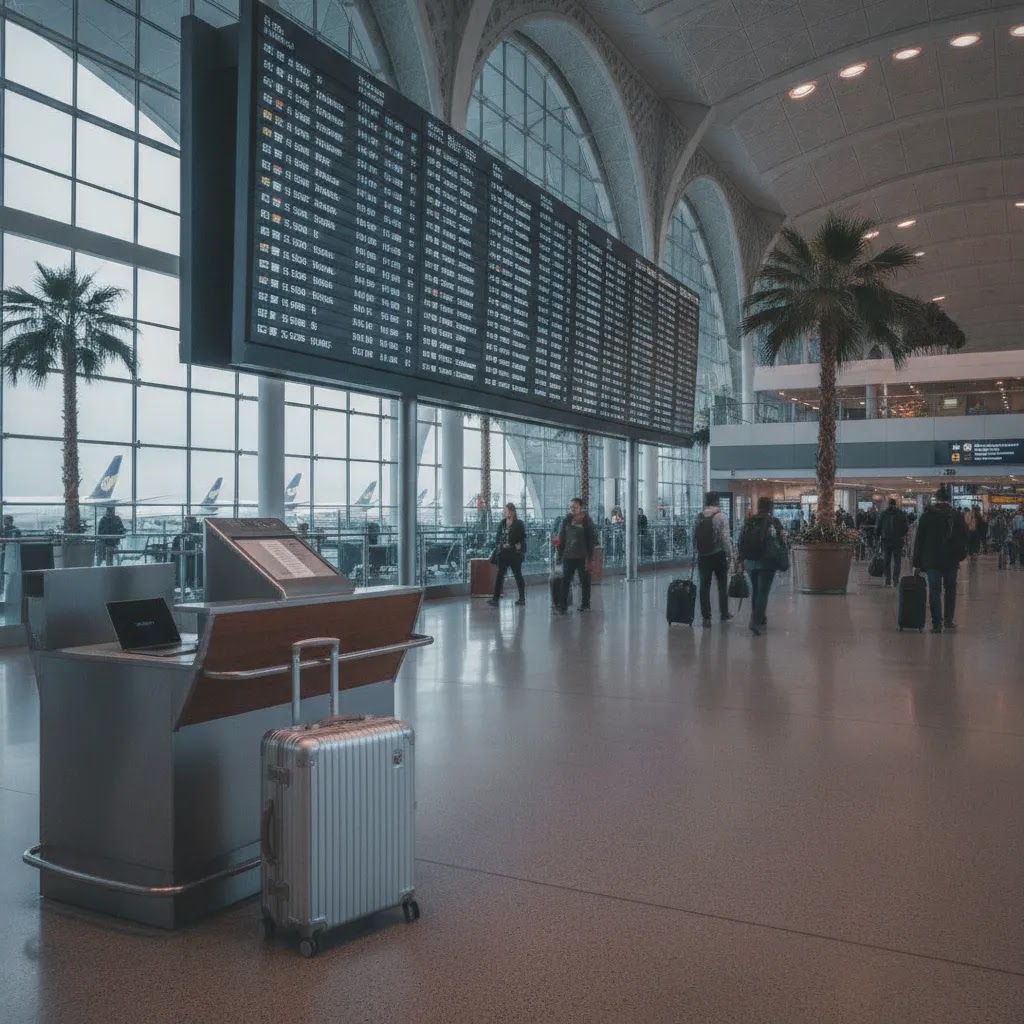
The first advantage is hub depth. American Airlines’ scale at DFW may create more resilient routing options than travelers would find elsewhere. If a same-day schedule change becomes necessary, a fortress hub can sometimes offer more rebooking pathways because the network is denser.
The second advantage is premium cabin relevance by route. On transatlantic flights, Business Class is often about sleep efficiency and arriving ready for meetings or immediate touring. On transpacific segments, it becomes a more complete travel environment. Privacy, storage, seat width, meal timing, and service pacing all matter more. On domestic trunk routes, the value often centers on time, boarding priority, and a less fragmented travel day.
The third advantage is alliance reach. DFW can serve as a useful launch point for travelers who want one itinerary under coordinated premium handling, especially if onward travel involves Europe, Asia, or Latin America.
Flight Experts also offers Business Class Flight Booking for clients seeking personalized routing, seat selection support, meal preference coordination, check-in assistance, price monitoring, and cabin upgrade alerts. According to current service information, this service covers Domestic US, US to Europe, US to Asia, US to Middle East, and US to Australia routes, with a typical turnaround of about 30 minutes once a request is submitted.
For travelers planning open-jaw or multi-stop journeys from Texas, Flight Experts also provides Complex Itinerary Planning. This may be especially useful where alliance optimization and mixed-cabin logic need close review.
What DFW Business Class Typically Includes at the Airport
What many travelers overlook is that the DFW advantage is not only about routes. It is also about how a premium day moves through the airport. Business Class travelers typically face fewer friction points at DFW. However, the details depend on the operating airline, whether the itinerary is domestic or international, and the day-of-travel policies in effect.
Check-in, security, and early airport flow
The first meaningful difference often appears at check-in. Many premium itineraries include access to priority check-in lanes. In some cases, travelers also get a calmer counter experience with staff who regularly handle complex international tickets, onward connections, and special service requests. Baggage handling and tagging may also be more straightforward when the itinerary is correctly built from the start, particularly for multi-city travel.
Security is the next inflection point. Depending on your eligibility and what the airline provides for the specific flight, you may have access to priority lanes where available. The reality is that security flow can change by terminal, time of day, and staffing. So the advantage is usually improved predictability, not a guaranteed fast passage. For premium travelers, this is one reason to align arrival time, terminal, and lounge plan rather than treating the airport as an afterthought.
Lounge access and connection planning
Lounge access is where expectations often need a careful reset. International Business Class tickets frequently include some form of lounge access through the operating airline or its partners, but the rules are not universal. Access may vary by route, cabin branding, alliance status, and whether the flight is marketed as a premium international experience or a domestic segment, even when the seat is sold as Business Class. Lounges themselves can differ materially in atmosphere, crowding, dining quality, and proximity to the gate. For discerning travelers, the question is not simply whether a lounge is available. More importantly, it is whether the lounge supports the pace and privacy you want before boarding.
Connections at DFW add another planning layer. The airport’s scale is both a strength and a variable. Terminal-to-terminal transfers can be efficient when properly timed. On the other hand, close connections can feel compressed if an inbound flight arrives late, if the next departure is from a distant gate area, or if an international segment involves additional procedures. A premium itinerary usually feels calmer when it includes a realistic connection window, accounts for terminal geography, and avoids unnecessary backtracking. This is where professional itinerary construction can protect the overall experience by reducing avoidable pressure points.
Pros and Cons
Strengths
- DFW offers excellent nonstop reach, especially because American Airlines maintains a powerful hub operation there.
- Many key premium routes from DFW suit genuine Business Class use cases, including overnight Europe departures and long transpacific sectors.
- The airport works well for travelers who want domestic and international premium connectivity on one coordinated itinerary.
- Frequent service on major routes may improve schedule flexibility and same-day recovery options.
- DFW is often a practical origin for travelers across Texas and the wider South Central region who want to avoid positioning through other hubs.
- Premium ground services, lounge access, and priority processes can make the overall journey feel more composed and time-efficient.
Considerations
- Not every DFW Business Class route features the same seat, aircraft, or onboard soft product, so route research remains essential.
- American Airlines hub strength is valuable, but travelers who prioritize a particular international carrier experience may still prefer a connection via another gateway.
- Peak corporate travel periods can affect cabin availability and preferred seat selection.
- Some domestic premium routes from DFW may deliver convenience more than true long-haul luxury, depending on aircraft and route length.
Who These Routes Suit Best

DFW Business Class departures tend to suit travelers who value network efficiency as much as onboard comfort. That includes executives with demanding schedules, couples planning milestone European or Asian journeys, and families who want to simplify a premium long-haul itinerary by reducing unnecessary connections. They also suit clients based in Texas who prefer one strong departure point with broad onward reach.
If your priorities include nonstop access, alliance continuity, and a well-managed premium airport experience, DFW is often a compelling starting point. However, if your priority is a very specific airline seat, lounge, or soft-product style, a tailored review is usually worthwhile before you commit.
Flight Experts Recommendation
DFW is one of the most useful Business Class gateways in the United States for travelers who want premium options without overcomplicating the journey. The strongest routes are usually the ones where schedule, aircraft, and cabin quality align with the purpose of the trip, not simply the farthest route on the board. That is where expert guidance becomes particularly valuable.
Flight Experts, led by Mike Chirilenco, specializes in premium air travel planning for discerning clients who want more than a self-service transaction. For Business Class reservations, current service information shows support with route selection, seat choice, meal preferences, check-in assistance, and ongoing monitoring. If you are deciding between a nonstop from DFW and a one-stop itinerary through another premium gateway, or if your plans involve multiple cities, it is wise to connect with a Flight Experts travel specialist for a personalized recommendation.
How to Choose the Right DFW Business Class Route
Start with trip purpose and route structure
1. Start with the purpose of the trip.
A same-day business objective, a honeymoon, and a family holiday each call for different priorities. For corporate travel, timing and reliability may outrank novelty. For a celebratory journey, privacy, lounge quality, and a calmer overnight rhythm may matter more.
2. Assess whether a nonstop is genuinely better.
From DFW, the nonstop option is often the strongest choice, especially on long-haul routes. Still, not every nonstop offers the best overall cabin. In some cases, a one-stop itinerary on another carrier may deliver a superior seat, stronger dining, or a better timed arrival. The right answer depends on your tolerance for connections and your expectations of the onboard experience.
3. Look beyond the label “Business Class.”
Business Class is not a single standard. Some products are highly private with direct aisle access at every seat. Others may feel more exposed or less refined. Aircraft assignment, seat layout, bedding quality, Wi-Fi reliability, and lounge access all shape the experience. This is particularly relevant for business class flights from DFW because route-by-route variation may be meaningful.
Evaluate the full journey, not only the seat
4. Consider the ground experience at both ends.
The value of a premium ticket is not confined to the aircraft. Dedicated check-in, security efficiency, lounge standards, connection handling, and baggage delivery can all influence whether the journey feels polished. A route that looks similar on paper may feel very different in practice depending on the departure terminal, transfer process, and arrival airport environment.
5. Match the itinerary to the wider journey.
Many DFW departures are part of larger itineraries rather than standalone flights. If you are combining London with the Mediterranean, Tokyo with Southeast Asia, or São Paulo with a wider South American circuit, the ticket should be structured around the entire trip. That is often where professional planning adds the most value.
Flight Experts’ Business Class Flight Booking service currently covers routes across Europe, Asia, the Middle East, Australia, and domestic U.S. markets, while Complex Itinerary Planning may be particularly helpful for open-jaw and multi-city travel.
Aircraft and Seat Variability From DFW
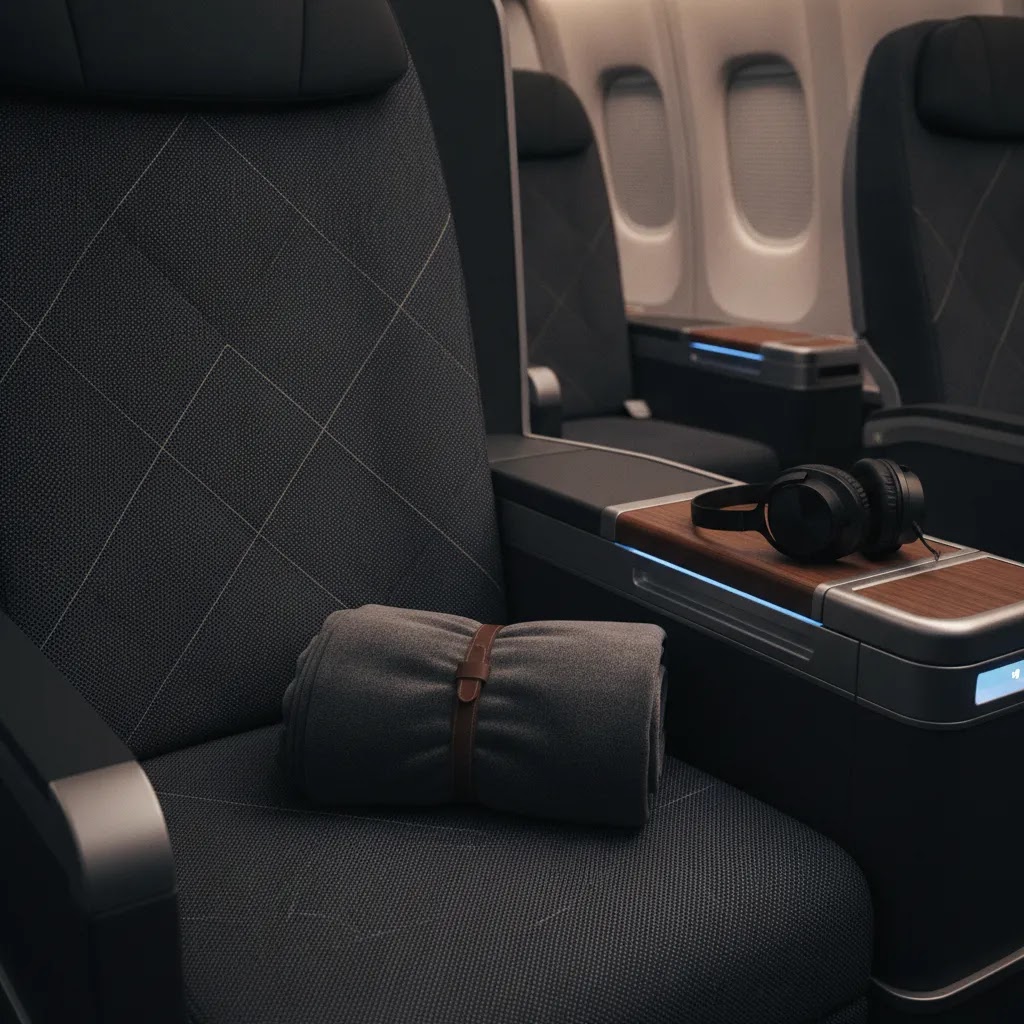
Two itineraries can both be sold as Business Class from DFW, yet deliver very different levels of privacy and rest. On certain long-haul routes, you may see flagship-style seating designed for overnight sleep and extended time onboard. On shorter routes, even when the front cabin is marketed as Business Class, the product may focus more on space, service, and priority handling than on true long-haul comfort.
For discerning travelers, route research is less about obsessing over minor details and more about verifying the fundamentals that shape the journey. Before booking, it is wise to confirm whether the seat is lie-flat or a recliner-style configuration, whether the layout offers direct aisle access at every seat, and how dense the cabin is. These factors influence personal space, ease of movement, and rest quality, especially on overnight segments.
Aircraft assignment can change. Equipment swaps can occur for operational reasons. When they do, the seat you selected or the cabin you expected could shift materially. This is not a reason to avoid premium travel. Instead, it is a reason to construct the itinerary with awareness, select seats thoughtfully, and monitor changes as departure approaches.
An overnight transatlantic flight typically rewards a true lie-flat seat and a cabin environment that supports uninterrupted rest. A daytime Latin America flight may place more emphasis on schedule, service flow, and an easy arrival. Meanwhile, a transpacific sector usually benefits from a more comprehensive approach, including privacy, storage, bedding, and a meal rhythm that matches your intended sleep plan. Matching the cabin type to the purpose of the trip is often the difference between simply flying in Business Class and arriving as you intended.
Timing and Availability Strategy for DFW Premium Routes
For premium routes from DFW, timing can influence far more than the ticket itself. Earlier planning typically expands your choice of nonstop flights, improves the likelihood of securing preferred seat locations, and provides more control over departure and arrival times that match the rhythm of your trip. This is especially relevant around holidays, major corporate travel periods, and school calendar peaks, when premium cabins may fill quickly.
Flexibility can be equally powerful, even from a strong hub. Shifting a departure by a day, selecting an earlier or later departure time, or adjusting the connection point for a one-stop itinerary may open better schedules or cabin options. For travelers planning milestone trips, it is often worthwhile to treat dates and routings as part of the design process rather than fixed inputs, at least until the optimal premium experience is identified.
What sets this apart is ongoing monitoring. Schedules may change, aircraft may be reassigned, and seat maps often evolve as an operating carrier manages demand closer to departure. As a result, a travel specialist typically watches for these shifts and advises when it is prudent to adjust, reselect seats, or refine the routing to protect the intended experience. In practice, this is one of the most meaningful differences between a premium trip that remains calm and one that accumulates avoidable friction as travel approaches.
Frequently Asked Questions
Is DFW a good airport for Business Class international travel?
Yes, in most cases DFW is one of the stronger U.S. departure points for Business Class travelers because it offers broad long-haul access and strong domestic feed. Its value is especially clear if you prefer nonstop service or need a flexible schedule from a major hub. The best outcome still depends on route, aircraft, and airline-specific cabin details.
Are the best business class flights from DFW usually on American Airlines?
Often, yes, simply because American Airlines has the largest footprint at DFW. That does not mean every American Airlines option is automatically the best choice. Some travelers may prefer another carrier’s seat design, catering style, or alliance experience, even if that requires a connection. Ultimately, the best route should be judged trip by trip.
Which DFW routes make Business Class most worthwhile?
Business Class tends to feel most worthwhile on overnight transatlantic flights, long transpacific sectors, and high-value business itineraries where arriving rested matters. Routes such as London, Paris, São Paulo, and Tokyo are usually among the strongest examples. Certain domestic premium markets may also justify it where flexibility and time efficiency are important.
Can Flight Experts help with Business Class bookings from DFW?
Yes. Flight Experts offers Business Class Flight Booking with personalized consultant support, seat selection assistance, meal preference coordination, check-in guidance, and monitoring features. The service currently covers Domestic US, US to Europe, US to Asia, US to Middle East, and US to Australia routes. Availability and final options may vary by airline and travel dates.
Does DFW work well for multi-city premium itineraries?
It often does. DFW’s hub structure can make it a practical launch point for multi-city itineraries, particularly if you want to keep domestic positioning simple before an international long-haul segment. For more complex trips, professional itinerary design may help align alliance options, stopovers, and mixed-cabin decisions more effectively.
How far in advance should Business Class from DFW be planned?
For the widest choice of flights and seats, earlier planning is usually beneficial, especially during peak business or holiday periods. Travelers with fixed dates, specific aircraft preferences, or milestone trips may benefit from beginning the process well ahead of departure. Timing can vary based on route demand, season, and how specific your preferences are.
Are domestic business class flights from DFW worth considering?
They may be, particularly for travelers with tight schedules, same-day meetings, or onward international connections. The value tends to come from convenience, priority handling, and a more controlled travel day rather than a long-haul style luxury environment. The experience can vary significantly depending on route length and aircraft type.
What is the main advantage of using a travel specialist for DFW premium routes?
The main advantage is clarity. A specialist can evaluate the route, aircraft, seat map, timing, and connection logic together rather than treating the booking as a simple fare search. For premium travelers, that often leads to a better overall journey because the decision reflects the full travel experience, not just the ticket label.
What is the best airline to fly Business Class?
The best airline depends on what you prioritize: seat privacy, sleep quality, lounge access, service pacing, and schedule reliability. Even within the same airline, Business Class can vary by aircraft and route, so it is usually more accurate to evaluate the specific flight, cabin layout, and departure timing rather than choosing based on brand alone. For travelers departing DFW, the best option is often the one that aligns aircraft quality with a schedule that protects rest and reduces connection pressure.
Is flying Business Class really worth it?
For many travelers, yes, particularly on overnight long-haul flights where sleep quality and arriving composed have real value. On shorter flights, the value may be more about time efficiency, priority handling, and a calmer airport routine rather than a transformative onboard environment. Whether it is worthwhile depends on your itinerary purpose, your tolerance for travel friction, and how important privacy and rest are to the outcome of the trip.
Which flights have Business Class?
Most long-haul international flights offer a Business Class cabin, and many high-traffic domestic routes also feature a premium front cabin marketed as Business Class. The more important question is what type of Business Class is offered on the specific aircraft operating your route, since the onboard experience can range from lie-flat seating designed for long-haul rest to shorter-haul products focused on space and service. A specialist review can confirm the current aircraft, cabin layout, and what the experience typically includes.
How can I find the cheapest Business Class flights?
For discerning travelers, the more practical goal is usually to find the right Business Class flight, meaning the best match of schedule, aircraft, and overall experience for your trip, rather than pursuing the lowest possible figure. In many cases, planning earlier, being flexible with travel days, and selecting routings with the most consistent premium product can improve the value you receive. If you want a measured recommendation based on cabin quality and itinerary design, Flight Experts can guide you through the options and monitor changes as plans develop.
Key Takeaways
- DFW stands out because American Airlines’ fortress hub creates strong nonstop Business Class coverage across major domestic and international markets.
- The best DFW premium routes are usually London, Western Europe gateways, São Paulo, Tokyo, and select high-value domestic business markets.
- Not all Business Class products are equal, even from the same airport, so aircraft and seat evaluation remain essential.
- Nonstop convenience from DFW is often a major advantage, but a connection may still be worthwhile for travelers prioritizing a specific cabin experience.
- Flight Experts can help align route choice, seat selection, and broader itinerary planning with your travel style and priorities.
Conclusion
For discerning travelers, DFW is more than a large departure airport. It is a premium routing asset, especially if you value nonstop access, broad schedule choice, and the network strength that comes with a major American Airlines hub. The most successful business class flights from DFW usually come from matching the route to the purpose of the trip and then evaluating the aircraft, seat, and ground experience with care.
If you would like a tailored recommendation, speak with Mike Chirilenco or connect with the Flight Experts team. Their personalized approach to Business Class Flight Booking and complex premium itinerary design can help you choose a DFW departure that supports the entire journey, not only the flight itself.



