
Business Class Flights to New Zealand (2026)
Overview
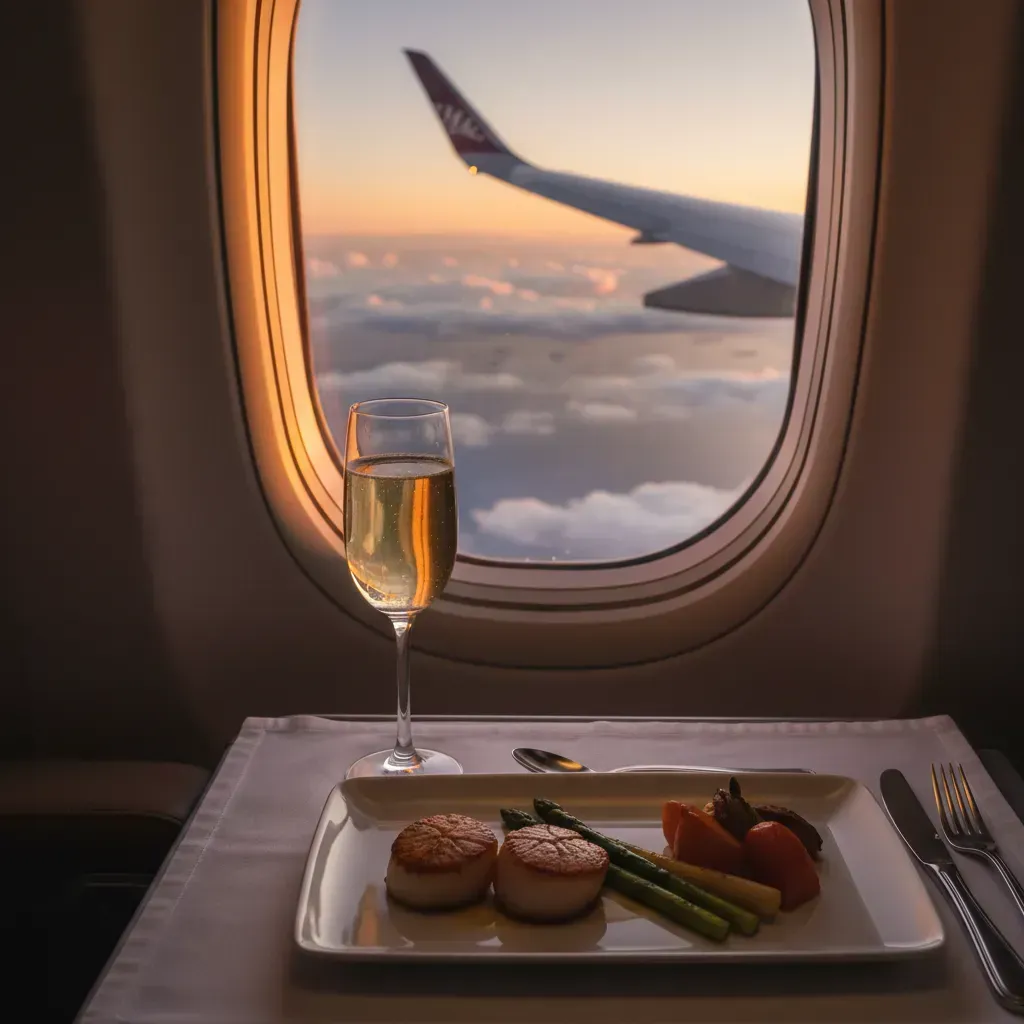
Business class flights to New Zealand sit in a distinct category of premium travel because of distance, aircraft variation, and limited nonstop options from the United States. Some travelers prioritize the fastest path to Auckland. Others prefer a carefully timed connection in Los Angeles, San Francisco, Dallas, Singapore, or another major gateway if the onboard product is materially better. In practice, the right answer depends on departure city, travel dates, tolerance for layovers, and whether the trip is a honeymoon, a business visit, or part of a wider Australia and South Pacific itinerary.
Flight Experts offers Business Class Flight Booking across routes from the US to Australia and the Pacific, with service covering major carriers including Emirates, Qatar, Singapore, Lufthansa, British Airways, ANA, JAL, Delta One, United Polaris, and American Airlines Flagship. The service is built around a personal travel consultant who helps evaluate routing options, cabin consistency, and logistics that self-service booking tools often present poorly. For travelers comparing New Zealand options within the broader region, the related guide to business class to Australia can also provide useful planning context.
For broader regional planning, readers may also review Flight Experts content categories on Business & First Class Flights to Australia & Pacific and Premium Flight Booking & Tips. Those resources are especially helpful if New Zealand is one stop within a larger long-haul journey.
Top Routes and the Travel Experience
The best business class flights to New Zealand usually fall into three route types: nonstop or near-nonstop transpacific service, one-stop itineraries through major US gateways, and premium one-stop options through Asia or the Middle East for travelers who place a higher value on the onboard product than on pure elapsed travel time.
US West Coast to Auckland is typically the most straightforward option. Travelers departing from cities such as Los Angeles or San Francisco may find the smoothest overall experience through direct transpacific service or a single clean domestic connection before boarding the long-haul segment. This routing often suits clients who value simplicity, reduced transfer friction, and arrival with minimal disruption.
US East Coast or Central US to Auckland generally requires a domestic positioning segment before the long-haul departure. In these cases, itinerary design matters more than many travelers expect. A short connection may look efficient on paper but feel stressful when lounge access, terminal transfers, and irregular operations are considered. A well-built premium itinerary should allow time for check-in, lounge use, and a composed boarding process.
One-stop premium routings through Asia may appeal to travelers who are willing to extend travel time in exchange for a stronger business class seat, better dining, or a more refined ground experience. Carriers such as Singapore Airlines, ANA, and JAL are frequently part of these conversations for clients who care deeply about onboard service consistency. These routings can also work well when New Zealand is paired with a stopover or a broader multi-country itinerary.
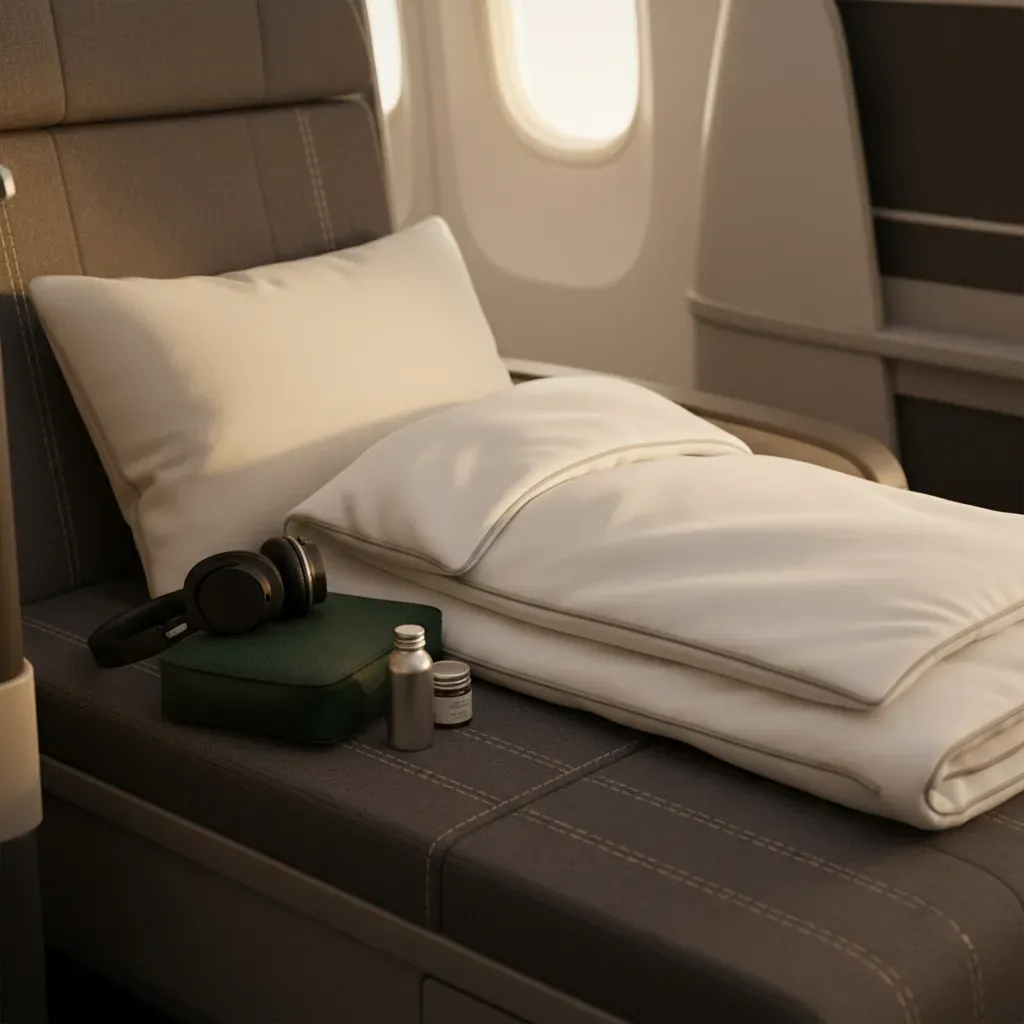
For the traveler, the real experience is about much more than a lie-flat seat. On a journey of this length, cabin privacy, direct aisle access, bedding quality, meal pacing, lounge standards, and airport flow all matter. Some business class products feel polished and restful from departure to arrival. Others are entirely acceptable but less compelling for overnight rest or for travelers heading straight into important meetings, private touring, or lodge transfers after landing.
Flight Experts supports these bookings with practical details that influence comfort in meaningful ways: seat selection, meal preferences, check-in assistance, price drop monitoring, and cabin upgrade alerts. The agency’s process is designed to present options, usually within 30 minutes, after a request is submitted and an expert is assigned free of charge. For New Zealand itineraries, that speed can be useful, but the larger value is the judgment behind the options presented, particularly when aircraft and schedule changes are common across long-haul international networks.
Air New Zealand Business Class: Seats, Aircraft, and What to Expect
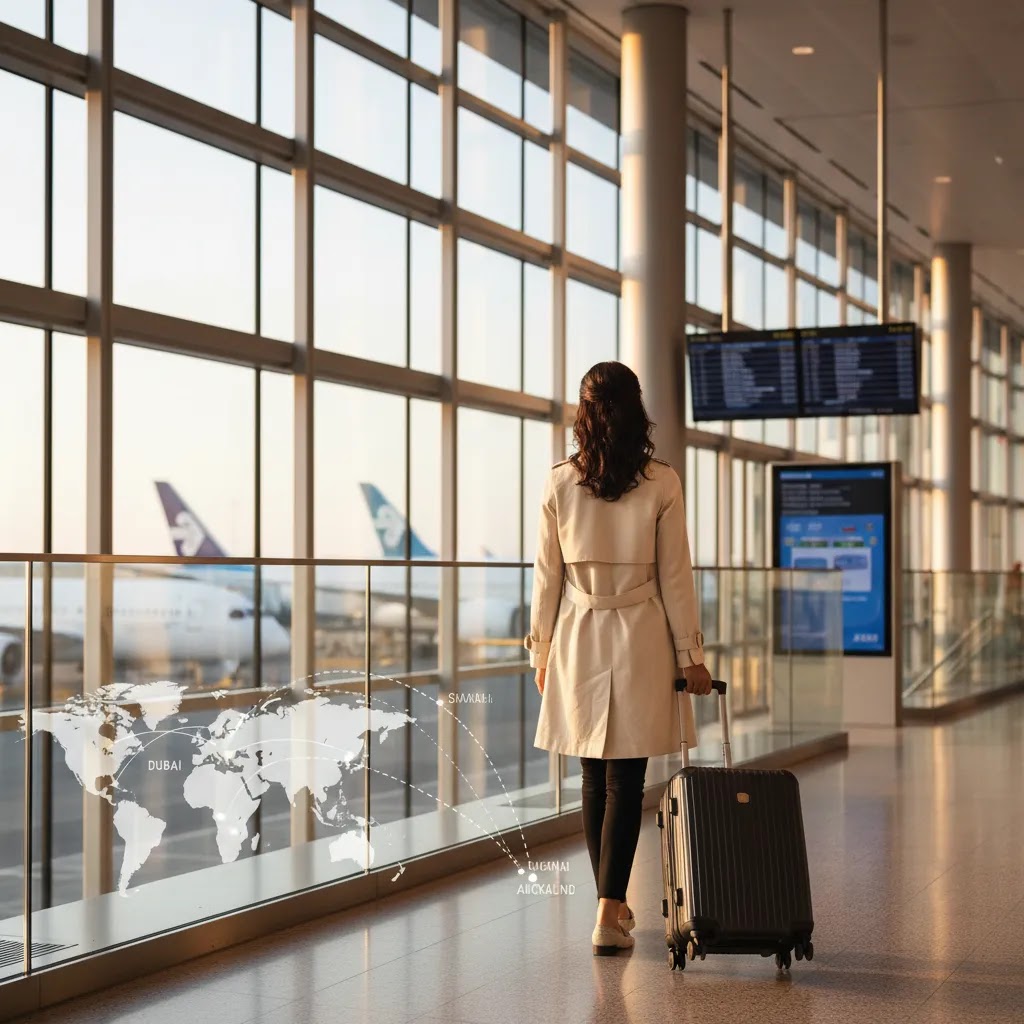
Air New Zealand business class is frequently part of the conversation for US to New Zealand travel, particularly for travelers who value arriving directly into the country with minimal transit complexity. Here is the thing, the experience may vary meaningfully by aircraft and cabin configuration, and those details can influence privacy, storage, and sleep quality on ultra-long-haul sectors.
In most cases, Air New Zealand’s long-haul business class is built around a lie-flat bed concept, but the specific seat style and the feel of the personal space may differ between aircraft types. Many travelers focus on the airline name, yet what matters in practice is the exact aircraft scheduled for your route and the seat map that corresponds to that configuration. On certain aircraft, the layout may feel more open, while on others the cabin may provide a stronger sense of separation. These differences can be subtle on a short sector, but on an overnight to Auckland they become central to how rested you arrive.
From a practical standpoint, there are several items worth verifying before you confirm tickets. First, confirm the aircraft assignment for the long-haul segment, and then confirm that the seat map you are viewing matches that aircraft and not a different configuration that may appear in booking tools. Second, verify whether every seat has direct aisle access, since the ability to step out without disturbing a neighbor can be important for privacy and comfort, especially on overnight flights. Third, review storage and workspace considerations, since some configurations manage personal items more elegantly than others, which matters when you want the cabin to feel calm rather than cluttered.
What many travelers overlook is the reality of last-minute equipment swaps. Airlines may change aircraft for operational reasons, and when that happens the business class product may shift with it. This does not mean that the overall journey becomes poor, but it does mean that the seat you selected, the level of privacy you expected, and even the feel of the cabin could change. Working with a specialist helps because aircraft, seat assignments, and alternative routings can be monitored and adjusted when feasible, subject to availability and the airline’s policies at the time.
Consider this as a baseline expectation: if your primary priority is overnight rest, the most important variables are the true flat-bed experience on your exact aircraft, the privacy of the seating position, and whether the cabin supports uninterrupted sleep. If your priority is a polished service rhythm, factors such as meal pacing and cabin atmosphere become equally relevant. Air New Zealand is often evaluated positively for a distinctly New Zealand sense of hospitality, but any assessment should be route-specific because schedules, aircraft types, and onboard staffing patterns can change over time.
Choosing the “Best” Airline From the US to New Zealand: How to Evaluate the Product, Not the Brand
Many travelers ask which airline is best to fly to New Zealand from the USA, but the most reliable answer is not a brand name. The reality is that “best” depends on your gateway city, the aircraft operating your long-haul segment, and how consistent the premium experience is across every piece of the itinerary, including domestic positioning flights and lounge access during connections.
Think of it this way, a premium itinerary should be evaluated as a chain where the weakest link can define the overall feel of the journey. A highly regarded long-haul seat can be undermined by a tight connection that eliminates lounge time and introduces stress. A direct routing can be appealing, yet a one-stop routing may outperform it for certain travelers if it offers a more restful seat, better timing for sleep, or a calmer transfer environment. In most cases, travelers should weigh five factors.
First is seat design and privacy, including direct aisle access, the ability to sleep without interruption, and whether the seat feels genuinely private in the sleeping position. Second is sleep support, including bedding quality and whether the flight timing aligns with how you naturally rest. Third is lounge quality and connection flow, which includes where you clear security, whether you need to change terminals, and whether premium lounge access is straightforward on the tickets you hold. Fourth is operational reliability, which includes realistic connection times and the ability to re-accommodate smoothly when schedules move. Fifth is consistency across all segments, because a domestic connection that does not match the premium standard of the long-haul cabin may affect the overall experience more than travelers anticipate.
For discerning travelers, it helps to define “best” by outcome. An executive who needs to arrive rested may prioritize a true overnight sleep opportunity and a connection plan that protects lounge time and boarding calm. A honeymoon itinerary may prioritize privacy, dining, and a sense of occasion from departure through arrival. A family traveling in business class may prioritize predictable seat access, easier movement within the cabin, and a connection that avoids unnecessary terminal changes and rushed transfers. In each case, the correct recommendation can change based on which US city you are departing from and which aircraft is scheduled on the long-haul leg.
Flight Experts typically approaches this decision by comparing specific flights rather than general reputations. That includes assessing the long-haul aircraft, verifying the seat map, reviewing connection timing with a realistic eye, and matching the overall flow to how you want to arrive in New Zealand. This is also why route design often matters more than a headline claim that one option is the “top” choice.
Investment and Value
The price of a business class flight to New Zealand typically depends on season, point of origin, airline, aircraft type, booking window, and whether the itinerary is nonstop or includes a premium connection. Based on Flight Experts service data for Business Class Flight Booking, long-haul business class pricing generally falls within $2,000 to $8,000+, though New Zealand itineraries may sit toward the upper end depending on route complexity and travel period.
Questions such as how much is a business class flight to New Zealand, or what affects business class flight to New Zealand price, are best answered through live itinerary review rather than broad averages. Holiday periods, school breaks, major events, and shoulder-season demand can all shift pricing materially. Published fares may also differ sharply from privately sourced premium inventory or consolidator access available through a specialist.
Value, in this category, is not simply the fare itself. It includes whether the schedule is realistic, whether the long-haul segment uses a competitive seat, whether lounge access and ground handling support the journey properly, and whether there is an expert available if plans need adjustment. Flight Experts notes key features such as exclusive consolidator access, personal consultant service, and post-booking support, along with a 5.0 Trustpilot rating based on 79 reviews. Those factors tend to matter most to travelers who prefer reliability and discretion over self-managed trial and error.
Strengths and Considerations
Strengths
- Long-haul New Zealand itineraries benefit from expert routing logic, especially when balancing total travel time against superior onboard products.
- Flight Experts provides a personal travel consultant rather than an anonymous booking flow, which is valuable on complex premium journeys.
- Support with seat selection, meal preferences, check-in assistance, and upgrade alerts improves the travel experience in practical ways.
- Coverage includes major global carriers, allowing for tailored recommendations based on departure city and traveler priorities.
- Response times are typically fast, with options usually presented within 30 minutes after an expert is assigned.
Considerations
- There is no single best airline for every New Zealand route, because aircraft and cabin products vary significantly by gateway and travel date.
- Travelers seeking the most refined business class product may need to accept a longer routing or an additional connection.
- Availability for premium cabins to New Zealand can tighten quickly during peak seasons, so flexibility may improve the quality of options presented.
- Business class pricing on these routes may vary substantially, particularly for last-minute departures or holiday travel.
Practical Planning Details Many Travelers Overlook: Connection Strategy, Lounge Access, and Arrival Logistics in New Zealand
Premium travelers often assume that business class eliminates friction automatically. In reality, the details around connections, lounge access, and arrival logistics often determine whether the journey feels composed or unnecessarily tiring, particularly on the way to New Zealand where total travel time is substantial and schedules may be less flexible than on transatlantic routes.
Now, when it comes to connection strategy, a well-designed layover is not dead time. It can be the difference between boarding the long-haul segment calm and well-fed, or stepping onto the aircraft already rushed. In most cases, a longer domestic-to-international connection is preferable to a tight transfer that leaves no margin for gate changes, irregular operations, or re-clearing security. Travelers departing from the East Coast or Central US often benefit from a connection that allows time to use a premium lounge properly, refresh, and board with a steady pace rather than cutting it close at the gate.
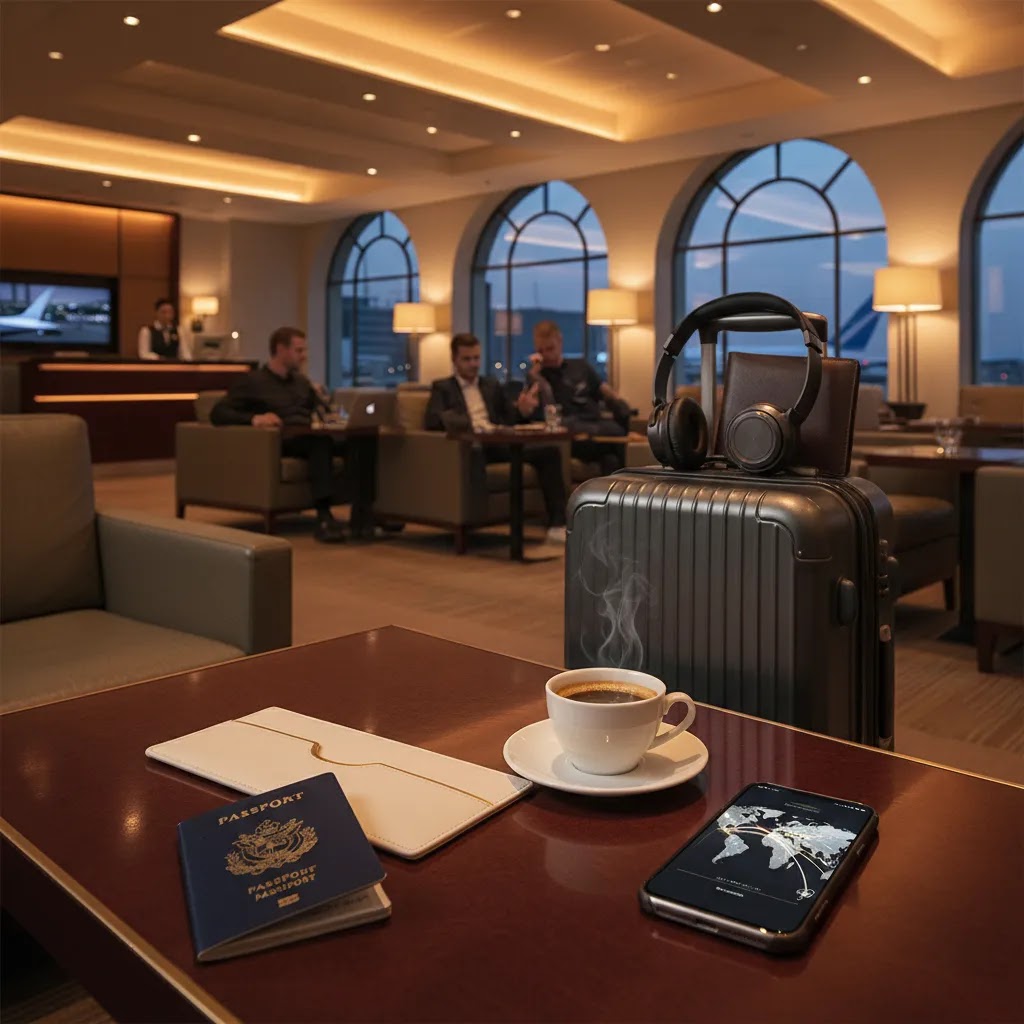
Lounge access also deserves a careful look. Access typically depends on the operating carrier, the cabin you are ticketed in, and, in some situations, alliance status. It may not be identical on domestic segments versus the long-haul international segment, and lounge options at a gateway can vary by terminal. What sets this apart is that premium itineraries should include a backup plan. If a preferred lounge is crowded or not accessible due to terminal constraints, you want to know the next-best option without having to negotiate it in real time after a long day of travel.
Arrival logistics in New Zealand can be equally important, especially for travelers continuing beyond Auckland. Auckland is often the primary entry point, and onward travel to destinations such as Queenstown, Wellington, or Christchurch may require a domestic connection with baggage handling steps that are not always intuitive after a long-haul arrival. Depending on your routing, you may need to allow time for immigration formalities and potential baggage re-check before proceeding to the domestic terminal or next gate. For travelers with private transfers, lodge check-ins, or same-day touring arranged, it is usually wise to build in recovery time so that the first 24 hours in New Zealand feel like the start of a luxury trip, not an extension of transit.
Flight Experts considers these details as part of the itinerary, not as afterthoughts. Connection pacing, lounge access expectations, and arrival timing are all elements that can be planned intentionally so the premium cabin investment delivers the experience you expect on the ground.
Who This Experience Is For
This type of planning is best suited to travelers who see New Zealand as a high-value journey worth managing properly from the outset. That includes couples planning a honeymoon or anniversary trip, executives who need to arrive rested, families booking premium long-haul travel with minimal friction, and experienced leisure travelers who want a trusted advisor to filter the market intelligently. It is especially well suited to clients who do not want to spend hours comparing fare classes, aircraft maps, and connection patterns on their own, only to discover that the attractive option on screen is not the strongest choice in practice.
How to Begin Planning With a Specialist
The process with Flight Experts is intentionally straightforward. A traveler submits a request through the website, and an expert is assigned at no charge. From there, options are typically presented within 30 minutes, though particularly nuanced itineraries may require additional review. Once preferred flights are identified, the booking can be finalized with consultant support and attention to seat assignment, meal preferences, and relevant service details.
For travelers considering New Zealand, the most helpful first step is to provide a clear picture of priorities: departure city, preferred travel dates, whether Auckland is the final destination, tolerance for connections, favored airlines if any, and whether the trip includes Australia or another stop in the Pacific. Mike Chirilenco leads Flight Experts as a luxury travel professional with a client-centered, concierge-style approach, which means the conversation is designed to refine the journey, not simply issue a ticket. To begin planning, speak with a luxury travel specialist at Flight Experts and request a tailored review of the strongest business class routes to New Zealand for your schedule and travel style.
Frequently Asked Questions
What is the best route for a business class flight to New Zealand?
The best route usually depends on your departure city and priorities. West Coast departures often offer the most efficient options to Auckland, while travelers from the East Coast may need a domestic connection first. Some clients prefer a longer one-stop routing through Asia if the business class cabin and service are materially stronger. The right choice balances comfort, schedule, and connection quality.
How much is a business class flight to New Zealand?
Pricing typically varies by season, airline, booking window, and route design. Flight Experts lists general business class pricing from $2,000 to $8,000+, though New Zealand itineraries may vary depending on travel period and origin city. A tailored quote is more meaningful than a broad market estimate because aircraft type, fare inventory, and peak travel dates can shift the range substantially.
Is it worth flying business class to New Zealand?
For many travelers, yes, particularly on overnight sectors where sleep quality influences the first days of the trip. The distance to New Zealand makes cabin comfort, privacy, and a true rest opportunity more than a preference. It can shape how you arrive for meetings, touring, or onward transfers. That said, the value tends to depend on the specific aircraft, the seat design, and how well the itinerary protects connections and lounge time, since an excellent long-haul seat can be undermined by an overly tight routing.
Which airline is best to fly to New Zealand from the USA?
There is rarely a single best airline in the abstract. The strongest choice is typically route-specific and depends on your US departure city, the aircraft operating the long-haul segment, and how consistent the premium experience is across all legs. Many travelers also find that the “best” option changes based on whether they prioritize the fastest arrival into Auckland or are comfortable with a one-stop routing that may offer a more refined seat or a calmer connection flow.
Does Air New Zealand business class have flat beds?
On many long-haul routes, Air New Zealand business class is designed around a lie-flat sleep experience, but the exact seat style and cabin configuration may vary by aircraft and schedule. Because aircraft assignments can change, it is wise to confirm the operating aircraft and seat map close to booking, and to remain aware that last-minute equipment swaps could alter the onboard product.
Is Air New Zealand business class any good?
In most cases, it can be a strong option, particularly for travelers who value direct service into New Zealand and a distinctly New Zealand approach to onboard hospitality. The more precise question is whether the specific flight you are considering uses the aircraft and configuration that matches your expectations for privacy and sleep. A route-specific review, including aircraft verification and seat selection, is the most reliable way to set expectations.
Is Air New Zealand business class always the best choice?
Not always. Air New Zealand business class can be a natural option on certain routes, especially for travelers seeking direct service into the country. That said, some clients may prefer another carrier for seat design, lounge experience, connection flow, or broader itinerary planning. The best choice is often route-specific rather than brand-specific.
Are business class flights to Auckland the same as flights to the rest of New Zealand?
No. Auckland is often the main international gateway, but travelers continuing to Queenstown, Wellington, Christchurch, or regional destinations need to consider onward domestic timing, baggage handling, and recovery time after the long-haul sector. A well-built itinerary protects those connections and avoids turning a premium long-haul booking into a rushed arrival experience.
Why use a specialist instead of booking online myself?
For a route as long and variable as New Zealand, online tools may show availability without explaining meaningful differences in seat quality, connection practicality, or fare rules. A specialist can compare those details, identify stronger premium options, and manage the booking with human accountability. That is particularly valuable when travel plans are important, expensive, or time-sensitive.
What is included when booking through Flight Experts?
Flight Experts’ Business Class Flight Booking service includes a personal travel consultant, access to major carriers, seat selection support, meal preference coordination, check-in assistance, price drop monitoring, and cabin upgrade alerts. The request process is simple, and options are usually presented within 30 minutes. The emphasis is on a managed premium experience rather than a self-service search result.
Can Flight Experts help if New Zealand is part of a larger trip?
Yes. This is often where specialist support becomes most useful. If New Zealand is combined with Australia, Asia, or a broader Pacific itinerary, routing decisions become more complex. Flight Experts also offers Complex Itinerary Planning for multi-city, open-jaw, and alliance-based premium travel, which may be appropriate when a simple round trip does not reflect the full journey.
Key Takeaways
- A business class flight to New Zealand is best evaluated by route quality, aircraft, and connection design, not fare alone.
- The strongest itineraries often depend on departure city and whether speed or cabin refinement is the higher priority.
- Flight Experts provides personal consultant support, major-carrier access, and practical premium travel assistance throughout the booking process.
- Typical long-haul business class pricing starts around $2,000 and may extend to $8,000+ depending on route and timing.
- For milestone travel, corporate trips, or complex Pacific itineraries, specialist guidance can materially improve the journey.
Conclusion
New Zealand is too far, and too important a journey for many travelers, to approach casually. The right business class itinerary should do more than place you in a premium cabin. It should support rest, preserve time, reduce friction, and align with the quality of the trip you are planning on the ground. That often requires a more informed comparison than a booking engine can provide. Flight Experts is positioned for exactly that kind of work, with concierge-style support, broad carrier access, and a personal advisory approach led by Mike Chirilenco. If you are considering business class flights to New Zealand and want clear, tailored guidance on routes, airlines, and overall travel design, contact Flight Experts to begin a private consultation and review the options that suit your priorities best.



