
First Class Flight to Thailand (2026 Guide)

Best First Class Routes to Thailand
There is no single nonstop First Class flight from the United States to Thailand on most routings, so in most cases your journey will involve one carefully selected connection. That makes route design especially important. For travelers departing the U.S., the strongest First Class options typically involve premium hubs in the Middle East, Japan, or parts of Europe, depending on season, aircraft assignment, and onward schedule.
Among the most desirable choices are itineraries routed via Emirates through Dubai, ANA through Tokyo, JAL through Tokyo, Singapore Airlines through Singapore where available in relevant premium configurations, and selected European combinations that connect efficiently into Bangkok. Each may appeal to a different traveler profile. Emirates often stands out for lounge scale, chauffeur-related planning considerations depending on ticket conditions, and a polished end-to-end premium experience. Japanese carriers are often favored by travelers who value understated service, punctuality, and refined cabin dining. Other routings may offer strong privacy and comfort but a less seamless transfer or weaker ground component.
Thailand itself is usually the reward at the end of the planning process. Bangkok is the principal gateway, with onward premium connections or ground transfers to Phuket, Chiang Mai, Koh Samui, and resort destinations. If you are evaluating alternatives, the broader First Class Flights to Asia category may help place Thailand within a wider premium travel context.
Best Routes by U.S. Departure City
Here is the thing, the best First Class flight to Thailand is often determined as much by where you start in the United States as by which airline you prefer. Most Thailand itineraries are built around a single high-quality long-haul sector to a global hub, followed by an onward flight to Bangkok. Which hub is most practical can vary by airline network, day-of-week schedules, and aircraft assignment, all of which may change seasonally.
From an East Coast perspective, one-stop structures are often built most cleanly via major European hubs or via the Middle East, where long-haul departures are frequent and onward Bangkok connections can be timed without forcing extreme layovers. This can be attractive if you want a consistent premium rhythm: one long sector, a calm connection, then a reasonably timed arrival into Thailand. The reality is that some of the most celebrated First Class cabins are tied to specific aircraft, and those aircraft are not always deployed on every U.S. gateway. An itinerary that looks ideal from one city may be less compelling from another if it forces an extra domestic connection or downgrades the long-haul segment to a less distinctive configuration.
From the West Coast, routing logic often shifts. Some travelers may prefer transpacific access to Japan or Southeast Asian hubs, where flight times and connection patterns can feel more natural for a Thailand arrival. Others still prefer Middle East routings if the onboard product, lounge experience, and timing align better. What many travelers overlook is that West Coast itineraries can become unnecessarily long if the gateway choice is made on brand recognition alone rather than on actual schedule quality and aircraft availability for your specific travel dates.
For Central U.S. departures, the strongest solution is often to connect domestically into a true long-haul gateway with the aircraft and schedule you actually want, rather than accepting a compromised international departure that forces awkward timing. Think of it this way, you are typically choosing between two types of complexity: a simple domestic hop that positions you for a flagship long-haul, or an international routing that adds friction later through a poorly timed connection, less refined lounge access, or an arrival in Bangkok that does not support your onward plans.
Now, when it comes to repositioning to a stronger gateway, the goal is to improve the experience without creating a fragile journey. In most cases, the cleanest approach is to keep the itinerary on a single ticketed structure when feasible, build realistic buffers between segments, and avoid same-day tight domestic to international handoffs that leave no room for delay. If a separate positioning flight is truly necessary, it should be treated as part of the travel day, with sufficient time built in and an honest view of what happens if the first flight runs late. This is precisely where professional itinerary review is valuable, not for novelty, but for reliability.
Thailand plans on arrival should influence the departure city strategy more than many travelers expect. If you intend to land in Bangkok and transfer directly to a resort destination the same day, a routing that arrives at a sensible hour and supports your onward connection window may be more important than chasing a specific cabin on an earlier sector. If your plan includes an overnight in Bangkok before continuing, a slightly later arrival may be perfectly appropriate, and it may open better options for lounge use and connection comfort. In premium travel, arrival feeling rested and composed is often the true measure of whether a routing was chosen well.

What Makes a Route Worth Choosing
A First Class flight to Thailand should be assessed as a full journey, not just a seat. In professional itinerary planning, the strongest options are usually defined by five elements: aircraft quality, transfer efficiency, lounge access, schedule timing, and the consistency of premium service from departure to arrival.
Aircraft type matters. A flagship First Class suite on one aircraft may feel meaningfully different from an older cabin on another. Depending on the airline, route, and seasonal aircraft changes, travelers may encounter enclosed suites, wider open suites, or First Class cabins that feel elegant but not especially private. That distinction becomes more important on flights exceeding ten hours.
The connection point matters just as much. Some premium hubs are pleasant but sprawling. Others are exceptionally efficient for high-value travelers with limited tolerance for stress. A route through Tokyo may appeal to someone who values punctuality and calm. A route through Dubai may suit a traveler who wants a more theatrical premium ground experience. If a journey includes an overnight transfer, lounge shower facilities, private rest areas, and escort services could influence the experience substantially.
Bangkok arrival logistics also deserve attention. For some clients, the priority is reaching a city hotel quickly. For others, Thailand is only one stop on a multi-destination vacation. In those cases, onward premium ticketing and schedule protection are often more important than choosing the most glamorous long-haul cabin. This is where Premium Cabin Experience & Amenities comparisons can be useful, especially if you are weighing whether a shorter First Class segment plus a longer Business Class continuation is the better overall fit.
From the Flight Experts service portfolio, First Class Flight Booking is designed for precisely these decisions. The service covers First Class routes from the U.S. to Asia and includes white-glove personal service, exclusive first class deals, lounge access coordination, chauffeur service arrangements, and luxury amenity guidance. Flight Experts also offers Complex Itinerary Planning for multi-city travel, which may be especially relevant if Thailand is part of a larger Asia journey rather than a simple round-trip.
Ground Experience That Matters on Thailand Itineraries
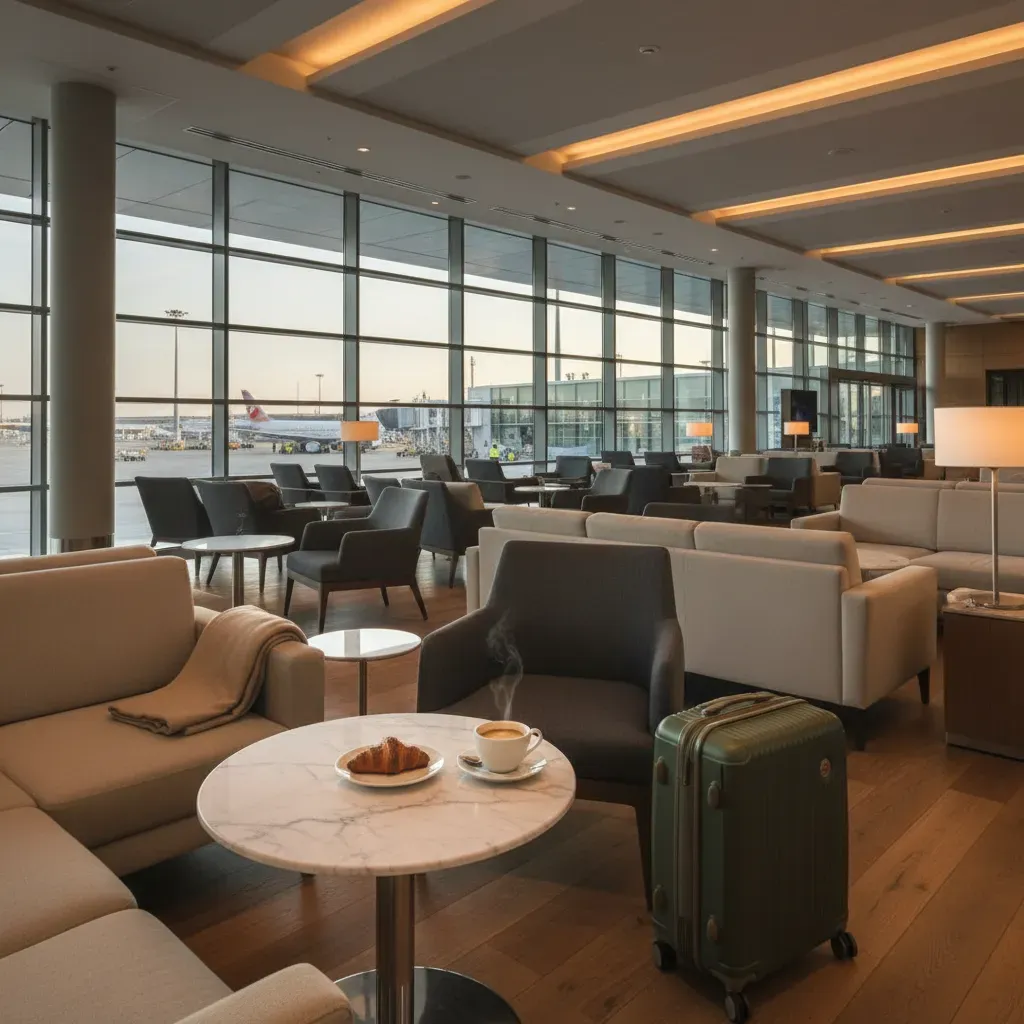
For discerning travelers, the ground experience is not a footnote. It is often the difference between arriving in Bangkok genuinely rested and arriving technically in First Class but still fatigued. On a one-stop Thailand itinerary, the airport portion can represent several hours of your day, and that time should be designed with the same care as the onboard product.
Consider this, premium ground handling varies meaningfully by hub and by airline, and the details are what change the feel of the journey. Dedicated or private check-in may reduce the pre-departure drain. Fast-track pathways through security and immigration can keep the experience calm, especially at peak times. Escort services, where offered and applicable, may make a large terminal feel simple rather than sprawling. For longer layovers, shower and rest facilities become practical, not indulgent, particularly if your first sector was overnight and your onward flight to Bangkok is still several hours away.
Connection length also changes what you should demand from the hub. A tight connection may be appropriate only if the airport is consistently efficient, the transfer path is straightforward, and the schedule gives you a realistic margin in normal operating conditions. A comfortable connection is often the most refined choice for Thailand because it leaves space for a quiet meal, a shower, and a measured boarding process without rushing. An overnight connection can be excellent if the lounge or airport hotel options support true rest, but it can also dilute the value of First Class if the layover is spent in an environment that does not match the premium expectation.
Bangkok arrival is the other ground component that deserves a more candid look. Baggage priority is typically beneficial but not absolute, and it may vary by flight, staffing, and operational conditions. If you are connecting onward domestically, the practical risk is not only the minimum connection time, it is also the friction of reclaiming bags, re-clearing processes where required, and moving between terminals or carriers. If you are transferring by car to a resort region, arrival time should be chosen with local realities in mind. Traffic, check-in windows, and the simple preference to reach the property while still enjoying the day can be as important as the cabin label printed on the boarding pass. The best Thailand itineraries are the ones where the premium experience continues past the jet bridge.
Pros and Cons
Strengths
- First Class routes to Thailand can deliver a highly refined long-haul experience with superior privacy, more attentive dining, and significantly more personal space than Business Class in many cases.
- The best one-stop itineraries may offer exceptional premium ground experiences, including dedicated check-in areas, flagship lounges, and smoother transfer support at major global hubs.
- For milestone travel, such as honeymoons, anniversaries, or celebratory family trips, the journey itself often becomes part of the occasion rather than simply transportation.
- Professional route planning can help align the cabin product, connection length, and onward arrival timing with your exact travel style, which is difficult to optimize through self-service booking alone.
- Thailand pairs well with wider Asia itineraries, so a well-constructed First Class ticket may support stopovers or mixed-destination travel more gracefully than separate bookings.
Considerations
- Not every segment to Thailand will feature a true long-haul First Class cabin. Depending on the routing, one leg may be in Business Class or on a regional aircraft with a less distinctive premium product.
- Aircraft swaps and schedule changes may affect the exact suite type, seat configuration, or premium amenities available on your selected route.
- The most celebrated First Class experiences are not always the fastest way to reach Thailand. A more luxurious connection could come with added travel time.
- Availability may be limited on the strongest routings, especially during holiday periods, peak winter departures, or major Thai festival seasons.
First Class vs Business Class for Thailand
Whether First Class is the correct choice for Thailand depends on what you want the journey to accomplish. In some cases, First Class is materially different in a way that you will feel immediately, especially on very long sectors where sleep quality, privacy, and calm are the entire point of the upgrade. In other cases, a top-tier Business Class seat on the right aircraft may be the more rational fit, particularly if the itinerary structure makes First Class available only on a shorter segment or if the onward flights are inherently regional in nature.
For travelers who need true rest before arrival, the practical advantage of First Class is often the combination of space and separation. A more enclosed suite, better bedding and mattress-style comfort, and a quieter cabin can translate into better sleep for many clients, though outcomes can vary by individual preference and by specific aircraft. If you are arriving in Bangkok early morning and heading directly into meetings or transferring onward to a resort, arriving genuinely rested can be worth prioritizing over almost any other variable.
At the same time, Thailand itineraries frequently involve mixed-cabin realities. The long-haul segment into a hub may offer First Class, while the onward hub to Bangkok flight may be in Business Class, or it may be operated by an aircraft where the premium differentiation is more modest. What sets this apart is not the label, it is deciding which segment truly carries the fatigue risk. In most cases, the long overnight sector is where First Class may deliver the clearest value, while the shorter onward flight can be assessed more pragmatically.
From a practical standpoint, marketing language is not an adequate filter for this decision. What tends to matter is suite privacy, bedding quality, dining consistency, and the ground experience that supports the itinerary. Some Business Class products are exceptional and may offer direct-aisle-access seats with strong privacy and high-quality sleep, while some First Class cabins are elegant but less private than expected. Lounge access and transfer handling also vary by route and aircraft assignment, and they are subject to change. A specialist review helps ensure that you are choosing the cabin that delivers the experience you want, on the sectors where you will actually benefit from it.
Who This Type of Travel Suits
First Class to Thailand typically suits travelers who see the flight as part of the experience rather than a necessary inconvenience. That may include couples planning a honeymoon in Phuket or Koh Samui, seasoned travelers celebrating a milestone journey, executives who need true rest before arrival, or families arranging a once-in-a-lifetime Asia vacation with premium support throughout. It is also well suited to travelers who value privacy, calm, and expert oversight when the itinerary is complex. If your priorities include seamless handling, lounge quality, carefully timed connections, and confidence that each segment has been reviewed by a specialist, a professionally arranged First Class itinerary may be the most appropriate fit.
Flight Experts Recommendation
For Thailand, our view is that the best First Class route is rarely the one with the loudest marketing. It is the one that balances cabin quality, transfer ease, and arrival practicality for your specific trip. A honeymoon couple heading directly to a beach resort may need a different routing than a traveler spending two nights in Bangkok before continuing to Chiang Mai or Singapore.
Flight Experts can help evaluate these distinctions through its First Class Flight Booking service, which covers First Class routes to Asia and provides white-glove personal service, lounge access coordination, and luxury travel guidance. For travelers combining Thailand with additional destinations, the agency also offers Complex Itinerary Planning for multi-city and open-jaw premium itineraries. If you would like a personalized recommendation, you may contact Mike Chirilenco and the Flight Experts team to discuss preferred airlines, routing style, and the level of service you expect from departure to return.

How to Choose the Right Route
Selecting a first class flight to Thailand requires more nuance than choosing the shortest elapsed time. In most cases, the best outcome comes from matching the route to the purpose of the trip.
1. Start with the occasion
A honeymoon itinerary may justify prioritizing the most memorable flagship First Class cabin and the most elegant transfer hub. A business-led journey with leisure added at the end may call for maximum rest, minimal airport friction, and the quickest premium transfer into Bangkok. If the trip is a family milestone, coordinated schedules and onward support may matter more than the most theatrical suite design.
2. Evaluate the long-haul segment, not just the brand
Airline reputation helps, but aircraft assignment is more important. A renowned carrier may offer an excellent First Class experience on one aircraft and a less impressive one on another. Depending on route and season, the same airline can feel quite different. This is one reason expert review is valuable before ticketing.
3. Consider the connection as part of the luxury experience
A superior airport transfer can materially improve a long journey. Lounge dining, quiet resting spaces, private shower suites, and efficient gate access often shape the experience more than travelers expect. For some clients, an extra hour in a top-tier hub is worthwhile. For others, especially after a long overnight flight, a shorter connection is the better choice.
4. Think beyond Bangkok
If Thailand is not the final stop, your ticket structure may deserve special attention. Phuket, Chiang Mai, and Koh Samui connections can be smooth, but only if they are timed intelligently and protected within a coherent itinerary. Travelers planning a broader Asia vacation may benefit from a multi-city structure instead of separate one-off reservations.
5. Work with a specialist for premium routing decisions
Flight Experts is positioned for this type of planning. Its First Class Flight Booking service includes personal consultant support and route guidance for U.S. to Asia premium travel, with pricing that typically ranges from $5,000 to $20,000+ depending on route and airline. While exact fares and cabin availability may vary, the value of specialist oversight often lies in avoiding mismatched aircraft, awkward layovers, and premium experiences that do not justify the investment. For travelers who expect discretion, efficiency, and a curated recommendation rather than a generic search result, professional planning is usually the better path.
Frequently Asked Questions
What is the best airline for a first class flight to Thailand?
The best airline depends on what you value most. Some travelers prioritize enclosed suites and dramatic premium service, while others prefer understated hospitality, punctuality, and a calmer onboard atmosphere. For Thailand, the strongest choices often involve one-stop routings through the Middle East or Japan. The right answer may vary based on your departure city, travel dates, aircraft type, and onward plans within Thailand.
How much is a first class flight to Thailand?
Flight Experts lists First Class Flight Booking at a typical range of $5,000 to $20,000+ depending on route and airline. A Thailand itinerary may fall within or beyond that range based on season, origin city, connection strategy, and cabin availability. Because pricing can shift quickly, it is best to request a current personalized quote rather than rely on generalized fare assumptions.
Are there nonstop first class flights from the U.S. to Thailand?
In most cases, travelers from the U.S. to Thailand should expect at least one connection. Bangkok is usually reached through major international hubs in Asia, the Middle East, or Europe. That is why routing quality is so important. A well-planned one-stop itinerary may feel far more comfortable and efficient than a less carefully chosen alternative.
Is First Class to Thailand worth it over Business Class?
It may be worthwhile if privacy, rest, and the ceremonial aspect of premium travel matter to you. First Class often provides more personal space, more individualized service, and stronger ground privileges. That said, some Business Class products are excellent, and on certain itineraries the difference in practical comfort may be smaller than expected. The value depends on the airline, aircraft, and purpose of your trip.
Which U.S. gateways usually work best for Thailand First Class itineraries?
That depends on airline network and aircraft availability, but large international gateways typically provide the most attractive options. Travelers departing from cities with strong transpacific or Middle East connectivity may have more elegant First Class choices and better connection patterns. The best gateway is not always the nearest one if repositioning creates a materially better long-haul experience.
Can I combine Thailand with other destinations on the same premium ticket?
Yes, in many cases that is possible and often advisable for a broader Asia journey. Thailand pairs naturally with Singapore, Japan, Bali, Hong Kong, or Middle East stopovers depending on routing. A multi-city ticket may create a more coherent premium experience than separate reservations, especially when schedule protection and cabin consistency are priorities.
How far in advance should I plan first class flights to Thailand?
For the strongest routes and most desirable departure windows, earlier planning is generally wise. Availability in true long-haul First Class cabins may be limited, particularly around holiday periods and peak leisure seasons. Planning ahead also gives more flexibility to match the right aircraft, preferred seating, and ideal connection timing to your travel goals.
What should I look for besides the seat itself?
Look at the entire journey. Lounge quality, transfer efficiency, overnight timing, onboard dining, baggage handling, and the ease of onward travel in Thailand all matter. Some routes look attractive on paper but create a tiring transfer or an awkward arrival. A specialist can help assess whether the whole itinerary feels appropriately refined from start to finish.
Can Flight Experts help with Thailand itineraries beyond the flight?
Flight Experts primarily presents premium flight booking and complex itinerary planning services in the available service data. That means the team can assist with First Class route evaluation, multi-city structures, and personalized booking support. If your Thailand trip involves multiple stops or premium cabin combinations, that advisory role may be particularly valuable in shaping the overall journey.
How much does first class airfare cost?
First Class airfare cost varies widely based on route design, seasonality, aircraft type, and how many segments of your itinerary are truly operated with an international First Class cabin. For premium long-haul travel, it is common for pricing to reflect not only the seat, but also the flexibility and fare conditions attached to the ticket. For a current figure aligned to your exact departure city and Thailand itinerary, a personalized quote is more reliable than a generalized estimate.
Which airline is best for first class flights to Thailand?
There is not one universal best airline for Thailand, because the experience can change by route and aircraft assignment. Some airlines excel in suite privacy and ground service through major hubs, while others deliver a quieter, more understated onboard experience with strong consistency. In most cases, the best choice is the one that aligns cabin quality with a connection that feels calm and an arrival schedule in Bangkok that supports your plans.
Is Thai Airways first class worth it?
It may be worth considering if the aircraft and cabin offering on your specific route align with what you value, and if it supports a practical itinerary into Bangkok. The more important question is which segments of your journey are operated as true long-haul First Class, and whether the ground experience and timing deliver the level of ease you expect. Because products and schedules can change, it is wise to evaluate the current aircraft assignment and the full itinerary structure before ticketing.
How much is a first class flight to Thailand from the USA?
A First Class flight to Thailand from the USA typically requires at least one connection, and pricing may vary materially based on your U.S. departure city, the chosen hub, the airline, and whether First Class is offered on the most important long-haul segment. Flight Experts lists First Class Flight Booking at a typical range of $5,000 to $20,000+ depending on route and airline, and a Thailand itinerary may fall within or beyond that range depending on timing and availability. For accuracy, it is best to request a current quote based on your dates and preferred routing style.
Key Takeaways
- The best first class flights to Thailand are usually one-stop itineraries, so the connection hub matters almost as much as the cabin.
- Aircraft type, lounge quality, transfer ease, and onward Thailand logistics should all be reviewed before booking.
- First Class may be especially worthwhile for milestone travel, privacy-focused travelers, and complex premium itineraries.
- Flight Experts offers First Class Flight Booking and Complex Itinerary Planning support for travelers seeking a curated recommendation.
- Current fares, routes, and cabin products may vary, so personalized advice is usually the most reliable way to choose well.
Conclusion
A first class flight to Thailand should feel intentional, not improvised. The right route may elevate the entire trip, while the wrong one can leave even an expensive ticket feeling compromised. For most discerning travelers, the decision comes down to more than airline prestige. It is about how the cabin, connection, timing, and onward Thailand plans work together as one coherent experience. Flight Experts brings that level of evaluation to the booking process through personalized First Class and multi-city planning support. If you are considering Thailand for a honeymoon, anniversary, family journey, or simply a more refined long-haul escape, contact Mike Chirilenco and the Flight Experts team to discuss your preferences and receive a tailored recommendation.



