
First Class Flights to Thailand (2026 Guide)
Bangkok First Class Overview
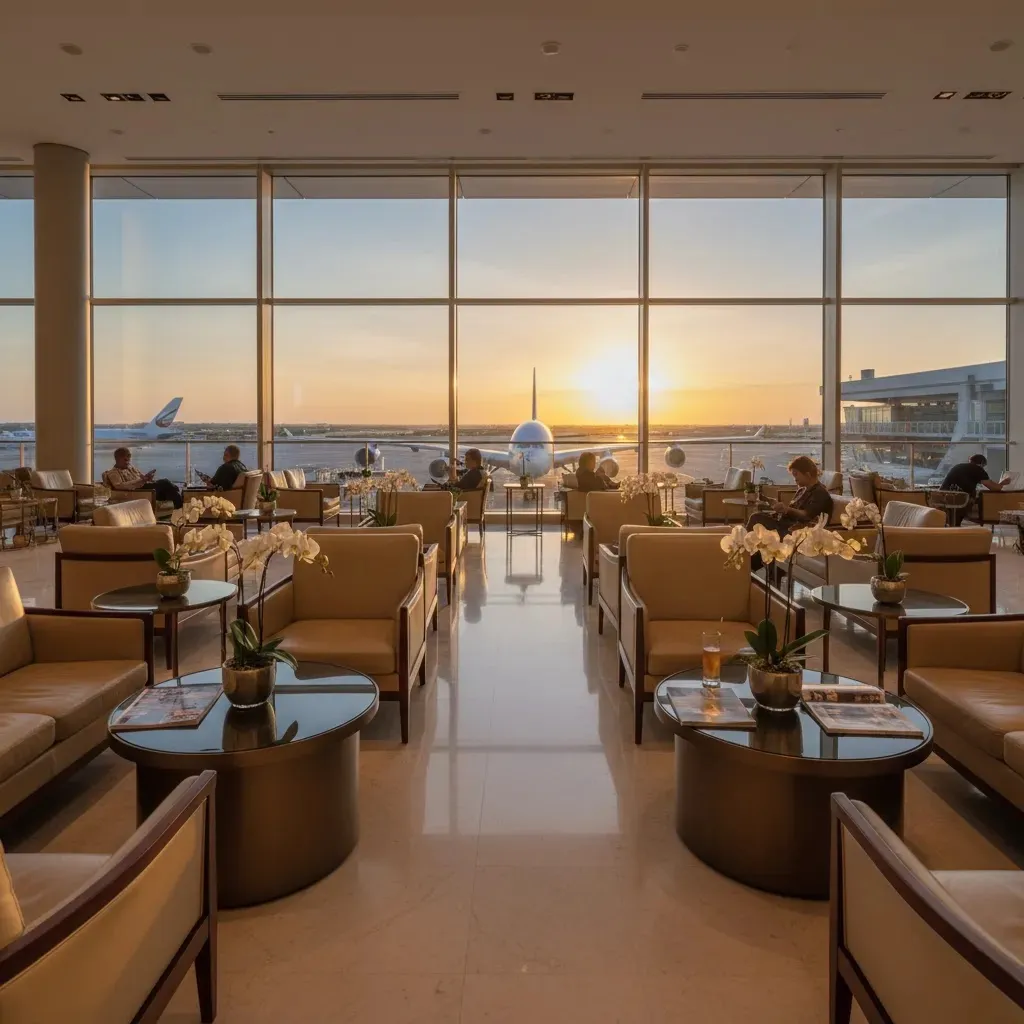
First class flights to Thailand typically center on Bangkok as the primary long-haul gateway. In most cases, travelers are not choosing among a large number of nonstop First Class services. Instead, they are evaluating premium one-stop itineraries through major global hubs such as Tokyo, Singapore, Doha, Dubai, Abu Dhabi, Frankfurt, Paris, or Zurich, depending on season, aircraft assignment, and airline scheduling.
This makes Bangkok premium routing more nuanced than many travelers expect. The most refined experience may depend less on the destination alone and more on the quality of the long-haul segment, the efficiency of the connection, and the caliber of the ground experience. A beautifully appointed suite loses some of its appeal if the transfer is poorly timed or if the onward segment materially reduces comfort.
Thai Airways First Class remains one of the most recognizable names associated with travel to Bangkok, yet availability, aircraft type, and service consistency may vary. Other carriers may offer a stronger long-haul First Class seat, more polished lounges, or better connection logic, even if the final segment into Thailand is shorter or operated in Business Class.
For readers exploring broader regional patterns, the First Class Flights to Asia category is a useful place to compare how Thailand fits within the wider Asian premium air market.
Best First Class Options to Thailand: Airlines, Hubs, and Aircraft to Look For (2026)
Here is the thing: Thailand is rarely a market where you simply choose “the First Class flight” and proceed. For U.S.-based travelers in particular, the most realistic way to secure a true flagship First Class experience is to select a world-class long-haul segment to a major hub, then connect onward to Bangkok. The long-haul segment is where the product usually matters most, and the hub is where the journey can either remain polished or become needlessly tiring.
From a practical standpoint, the most common pathways fall into three categories: Middle East hubs, European hubs, and Asia hubs. Each can be excellent, but the right choice depends on your schedule, your tolerance for transfers, and how much you value the ground experience between flights.
Middle East hubs: strong long-haul cabins, highly structured transfers
For many travelers, routing through Doha, Dubai, or Abu Dhabi may offer the most consistent access to premium long-haul aircraft and refined ground handling. In most cases, the flagship First Class seat is on the intercontinental segment, while the final leg to Bangkok may be in a different premium cabin depending on schedules and aircraft deployment.
Think of it this way: if the overnight sector is the priority, a Middle East hub can be a logical choice because it often combines late departures, high-service cabins, and a transfer environment built for long-haul connections. The tradeoff is that premium cabin naming can be misleading. An airline may offer an outstanding First Class suite on one route, while a different aircraft type on another route delivers a materially different experience.
European hubs: elegant ground experience on select carriers, but aircraft detail matters
Connections through Frankfurt, Paris, Zurich, and other major European gateways can work very well for Bangkok, particularly for travelers based on the East Coast who prefer a shorter initial flight and a structured overnight long-haul into Asia. Some European carriers can deliver a very polished First Class ground experience, especially when the connection process is well-timed and the airport facilities support privacy and calm.
The reality is that Europe-to-Asia aircraft assignments can shift by season, and First Class availability may be limited on certain long-haul routes. For Bangkok itineraries through Europe, the most important discipline is verifying whether First Class is actually offered on the long-haul sector you care about, and whether that sector is operated with the aircraft configuration you expect.
Asia hubs: outstanding lounges and service culture, with Bangkok as a natural onward connection
Tokyo and Singapore remain two of the most comfortable hubs for premium travelers connecting to Bangkok. When these routings align with your schedule, they can offer a particularly smooth experience: efficient transfers, excellent lounges, and an onward flight to Thailand that is short enough to feel easy, even if it is not operated in First Class.
What many travelers overlook is that an “Asia hub” itinerary can be a very sophisticated way to manage jet lag. A long-haul First Class segment that prioritizes sleep, followed by a daytime connection and a short onward flight, often produces a calmer arrival than forcing an all-night sequence with an awkward layover.
What to verify before you commit
Because Bangkok routings are often built around connections, the details deserve careful review before you finalize any itinerary.
- Confirm the operating aircraft type for each segment, not only the airline marketing the flight. First Class and Business Class cabins can vary materially by aircraft, and configurations may be updated over time.
- Verify where First Class is actually offered. In many Bangkok itineraries, First Class is available only on the long-haul segment, with the onward sector operated in Business Class.
- Allow for operational variability. Equipment swaps may occur, and premium cabin availability may change with scheduling updates. For milestone trips, it is prudent to choose routings with strong alternatives if the operating aircraft changes.
How to think about hub quality as part of the product
For discerning travelers, the hub is not a neutral detail. It is part of the product. Two itineraries with similar flight times can feel entirely different depending on transfer ease, lounge standards, and premium ground handling. A calm, well-managed connection can preserve the value of an exceptional First Class cabin. A congested transfer with long walking distances, unclear procedures, or an overly tight minimum connection time can undermine it.
Consider this: if your objective is to arrive in Bangkok rested and composed, you should evaluate the connection with the same seriousness as the seat. In practice, the “best airline” is often the one that creates the fewest weak points across the full journey, subject to the aircraft operating on your dates.
What Defines a Premium Route to Thailand
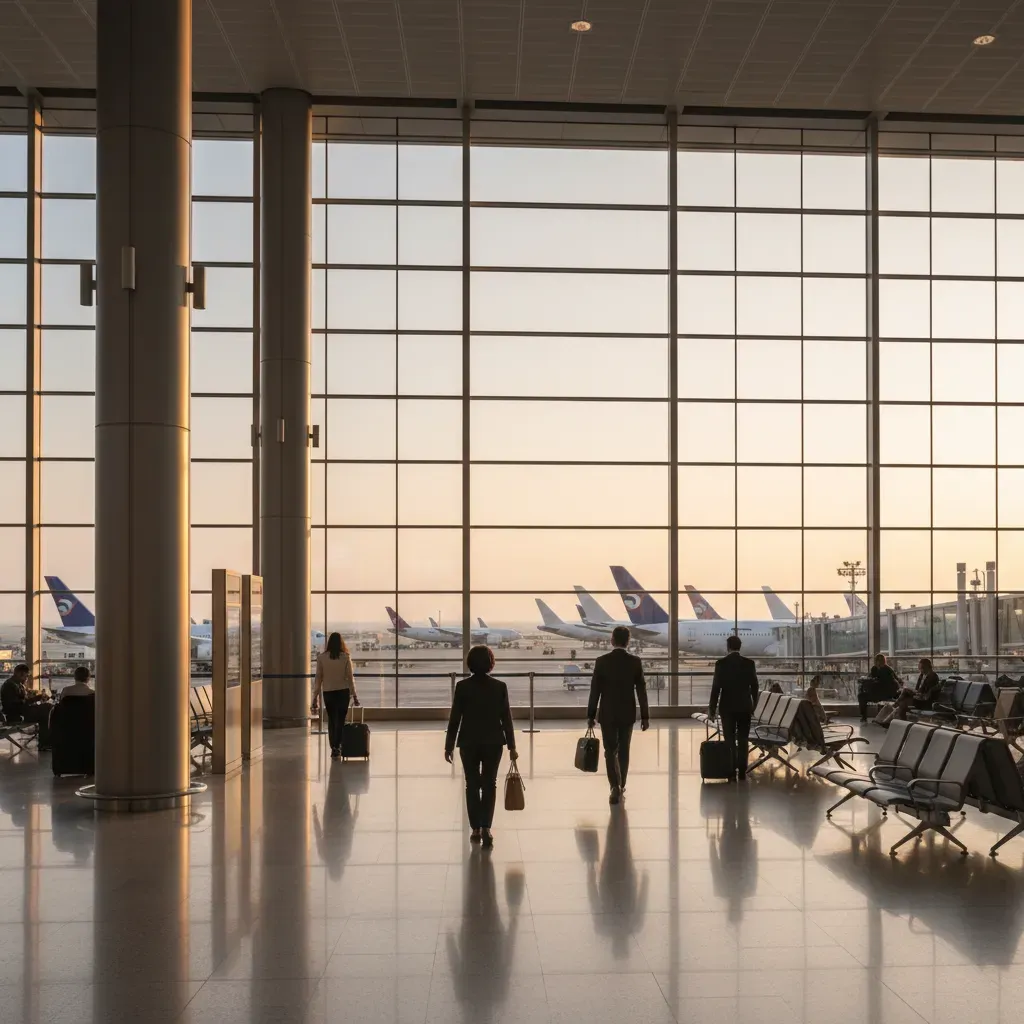
The finest first class to Bangkok itineraries are distinguished by four practical elements: an outstanding flagship long-haul cabin, strong airport handling, sensible transfer design, and dependable final arrival timing. Travelers often focus first on the seat, and understandably so. Yet premium travel professionals know that the best journeys are rarely defined by one element alone.
Cabin quality remains the foundation. On routes to Thailand, this may mean enclosed suites, generous bedding, high-end dining, and attentive service on the long intercontinental sector. Carriers such as Emirates, Singapore Airlines, ANA, JAL, Lufthansa, Air France, Swiss, Etihad, and Qatar are all listed within Flight Experts’ current First Class Flight Booking offering, though actual availability to Bangkok may depend on route design and aircraft deployment.
Ground experience is nearly as important. First class travelers may value dedicated check-in, premium security handling where offered, superior lounges, and, in select markets, chauffeur or escort coordination. If airport service matters to you as much as the seat itself, the Premium Cabin Experience & Amenities category can help clarify what differentiates a merely comfortable journey from a truly refined one.
Connection strategy often determines whether a Bangkok itinerary feels elegant or exhausting. A single well-timed stop in Tokyo or Singapore may be preferable to a longer connection through a congested hub. In many cases, a shorter regional segment after an exceptional overnight First Class flight produces a better overall outcome than insisting on First Class door-to-door.
Booking support also matters more than many travelers realize. Flight Experts’ current First Class Flight Booking service includes white-glove personal service, lounge access coordination, chauffeur service arrangements, and luxury amenity guidance, with options typically presented after a request is submitted. For complex Asia journeys, the firm’s Complex Itinerary Planning service may be especially relevant when Bangkok is only one part of a wider trip.
Thai Airways First Class: What to Expect and Which Aircraft Typically Offer It
Thai Airways First Class attracts attention for a simple reason: it feels destination-aligned. Many travelers like the idea of arriving in Bangkok on Thailand’s national carrier with a premium identity that matches the journey’s purpose. Now, when it comes to planning with Thai Airways First Class specifically, the essential question is operational rather than conceptual: which aircraft is actually operating your flight.
Which Thai planes have First Class
Thai Airways First Class availability depends on aircraft assignment, and it may be limited compared to markets where multiple daily long-haul routes consistently feature First Class cabins. On certain widebody aircraft types, Thai Airways has historically offered a true First Class cabin, while other aircraft in the fleet may operate only with Business Class as the highest cabin. Because airline fleets and cabin layouts can be refreshed over time, and because routes may be rotated between aircraft types, verifying the operating aircraft is a necessary step before committing.
From a practical standpoint, this means you should confirm whether First Class is offered on the specific long-haul segment you are taking, not only on “Thai Airways to Bangkok” in general. The name alone does not confirm the cabin, and scheduled aircraft can change.
What to expect from the experience
Where Thai Airways First Class is offered, the experience typically aims for a calm, hospitality-forward style. The cabin design may not always match the newest enclosed-suite concepts found on certain global flagship products, but the appeal can be the overall tone: attentive service, a sense of occasion, and a brand experience that feels closely tied to Thailand. As with any premium cabin, the precise seat style, soft product details, and onboard service rhythm may vary by aircraft type, route, and operational updates.
For travelers who prioritize a very specific seat design, maximum privacy, or the newest generation of suites, the key is to evaluate whether Thai Airways is the best match for your personal definition of First Class. For travelers who value warmth, cultural alignment, and the satisfaction of arriving with Thai Airways, it may be an excellent choice when the right aircraft is operating.
Thai Airways versus a one-stop itinerary with a stronger flagship First Class segment
What sets this apart is that Bangkok is often reached via a one-stop routing where the “true” flagship First Class segment occurs on the long-haul portion, and the last segment into Thailand is shorter and may be in Business Class. In many cases, that structure can produce a superior overall outcome if the long-haul First Class seat, bedding, and dining are materially stronger, and if the hub experience is refined.
Consider this: if your priority is sleep quality on the longest overnight sector, you may choose an itinerary where the intercontinental flight is in an exceptional First Class suite, even if the final hop to Bangkok is in Business Class. If, on the other hand, continuity on the final approach into Thailand is emotionally important for a honeymoon or celebration, Thai Airways First Class may feel more coherent, subject to aircraft availability and schedule fit.
Pros and Cons
Strengths
- Bangkok is served through several world-class connecting hubs, giving you access to some of the finest First Class products in global aviation.
- A well-designed first class to Bangkok itinerary may include exceptional lounges, premium dining, attentive onboard service, and smoother airport handling from departure to arrival.
- Thai Airways First Class, where available, offers strong destination relevance for travelers who value arriving in Thailand on the national carrier with a recognizable premium identity.
- One-stop routings often allow you to prioritize the strongest long-haul segment, which is usually the portion of the journey where First Class makes the greatest difference.
- Flight Experts can assist with seat selection, lounge coordination, and route comparison across major premium airlines, which may simplify a complicated decision.
Considerations
- Nonstop First Class availability to Thailand is limited, so many itineraries require a connection and may involve a mixed-cabin final segment.
- Thai Airways First Class is not always available on every Bangkok-bound aircraft or schedule, and product consistency may vary by route and season.
- Some highly regarded First Class products to Asia do not extend all the way to Thailand, meaning the final leg may be less exclusive than the intercontinental sector.
- Airport and lounge quality can differ significantly between hubs, so the most recognizable airline name is not always the most polished overall journey.
First Class vs Business Class to Thailand: When First Class Is Worth It
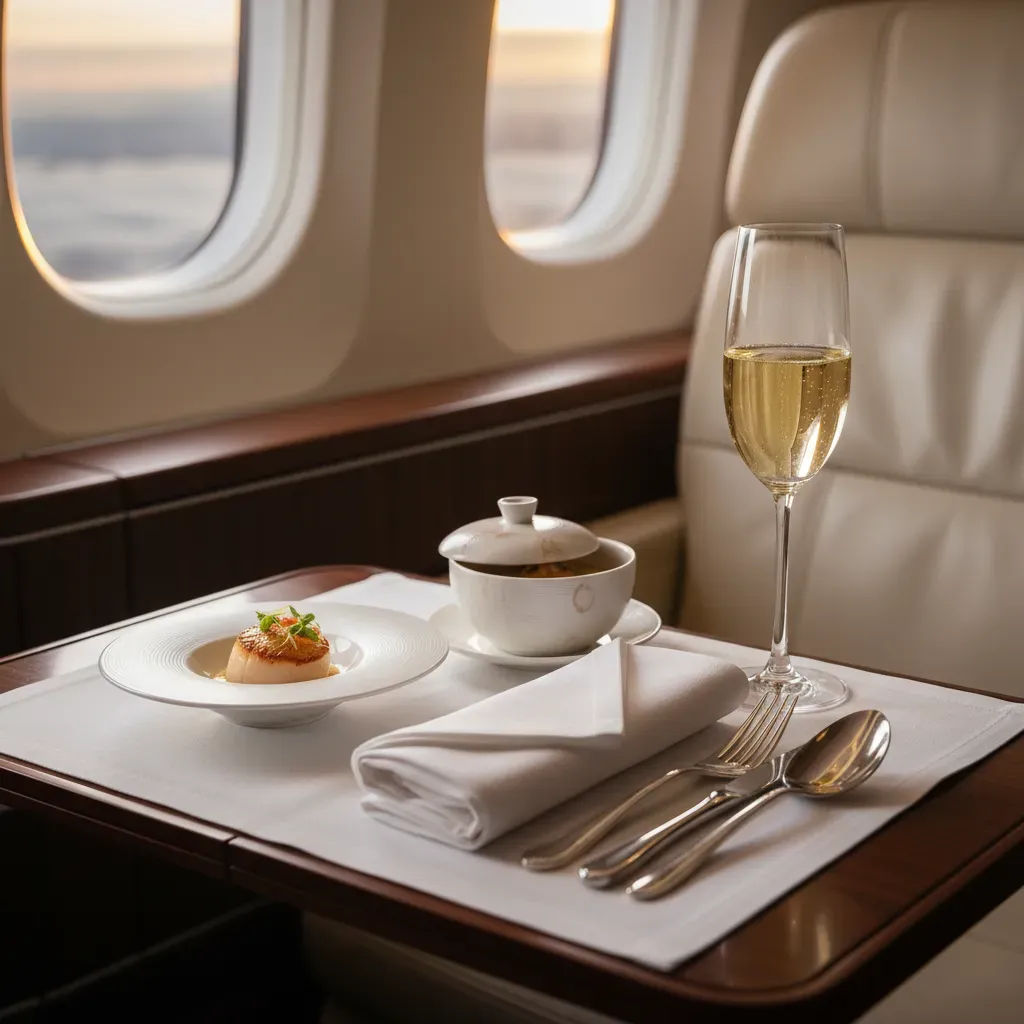
Many travelers researching first class flights to Thailand are also weighing an adjacent, highly practical question: whether a top-tier Business Class cabin may deliver nearly the same rest and privacy, with fewer compromises in routing. The answer is not universal. It depends on what you value most, and where the premium experience actually sits within the itinerary.
Decision criteria that matter on Thailand routings
For discerning travelers, the choice is rarely about labels. It is about outcomes.
- Sleep quality and bed comfort: On a long overnight sector, a truly spacious First Class bed and quieter cabin can be meaningful, particularly if you arrive and proceed directly to a full schedule.
- Privacy and personal space: Enclosed suites and lower cabin density may be important for travelers who prefer discretion, or who want the flight to feel like a private retreat rather than a shared premium cabin.
- Dining and service flow: First Class often provides a more flexible dining rhythm and a higher crew-to-passenger ratio, which may matter on celebration trips where the onboard experience is part of the occasion.
- Ground experience: The difference between First and Business can be most visible on the ground, where dedicated lounges, priority handling, and escort services may create a noticeably calmer journey, subject to airport and airline policies.
- Consistency across connections: A superb long-haul segment can be undermined by an awkward transfer or a weak final leg. On Bangkok routings, consistency sometimes favors an excellent Business Class product paired with a cleaner connection plan.
The mixed-cabin reality on Thailand itineraries
What many travelers overlook is how common mixed-cabin structures are for Bangkok. In many cases, First Class is offered on the intercontinental segment, while the onward segment into Thailand is in Business Class. This is not necessarily a drawback. If the long-haul flight is where you intend to sleep, and the connection is well-managed, the journey can still feel thoroughly premium.
At the same time, travelers should be realistic about expectations. If your vision of First Class includes continuity from departure to arrival, mixed cabin may feel like an interruption. In that scenario, it can be better to select a consistent, high-end Business Class itinerary across both segments rather than forcing First Class where it does not operate or where aircraft assignments are uncertain.
A practical framework based on trip purpose
For honeymoons and milestone celebrations, First Class is often worth prioritizing when it delivers a clear emotional and experiential payoff: privacy, an unhurried service style, and a sense of occasion that sets the tone for Thailand from the first moment. In most cases, the long-haul sector is the one to elevate.
For executive and time-sensitive travel, the better choice is frequently the cabin that produces the most reliable rest with the least operational friction. A truly strong Business Class product on the long-haul, combined with a smooth connection and sensible arrival time, may outperform a First Class itinerary built around an awkward layover or an uncertain aircraft assignment.
For discerning travelers, the right answer is typically the one that minimizes weak links. First Class can be extraordinary. Business Class can be the more elegant solution when it offers superior routing logic, stronger consistency, or a better aircraft on the segment that matters most.
Who These Routes Suit Best
First class flights to Thailand are best suited to travelers who view the journey as part of the experience, not merely transportation. This includes honeymooners beginning a once-in-a-lifetime stay in Bangkok, Phuket, Koh Samui, or Chiang Mai, as well as executives who want maximum rest before meetings in Thailand or onward travel elsewhere in Southeast Asia.
These routes are also well suited to travelers who appreciate professional itinerary design. If you care about connection timing, aircraft type, lounge quality, ground handling, and arrival comfort, Bangkok is a market where expert guidance may offer real value. The destination is straightforward. The routing often is not.
Flight Experts Recommendation
For travelers considering first class flights to Thailand, Flight Experts is best viewed not simply as a booking channel, but as an expert planning resource for a route that often requires judgment. The company currently offers First Class Flight Booking for major premium airlines including Emirates, Singapore Suites, Lufthansa, ANA, JAL, Etihad, Qatar, Swiss, and Air France La Première, with white-glove personal service and a typical response time of about 30 minutes after request submission.
For readers who may combine Bangkok with Tokyo, Singapore, Bali, or Australia, Flight Experts also offers Complex Itinerary Planning for multi-city, open-jaw, and alliance-based premium trips. That service may be particularly useful where aircraft, cabin class, and stopover logic all influence the quality of the journey. If you would like a tailored recommendation, you may explore the services available at Flight Experts and connect with Mike Chirilenco for personalized guidance based on your travel priorities.
How to Choose the Right First Class Routing
Selecting the right first class to Bangkok itinerary usually comes down to disciplined evaluation rather than brand recognition alone. These are the criteria experienced premium travelers should weigh most carefully.
1. Prioritize the long-haul segment
Your overnight intercontinental flight typically matters more than the shorter regional connection into Thailand. If one airline offers a materially stronger First Class suite, bed, dining program, or service culture on the long sector, that may outweigh a less glamorous final leg.
2. Evaluate the connection as part of the product
A transfer in Tokyo, Singapore, Doha, or Dubai may feel very different in practice. Lounge crowding, walking distances, transfer clarity, and departure timing all affect comfort. An elegant connection of two to four hours often works better than a rushed transfer or an unnecessarily long layover.
3. Confirm aircraft and cabin specifics
Not every First Class label means the same thing. Some cabins offer enclosed suites and exceptional privacy. Others are older open-seat products that still provide space but less distinction. Thai Airways First Class may be appealing for brand alignment with Thailand, but aircraft assignment and operating consistency should be reviewed closely before booking.
4. Consider whether mixed cabin is acceptable
Many very good Bangkok itineraries involve First Class on the long-haul portion and Business Class on the regional segment. For some travelers, that is a sensible compromise. For others, especially on milestone trips, continuity matters. Your answer should reflect the purpose of the trip, not a theoretical ideal.
5. Use advisor support for routing logic
The best Thailand itinerary is often the one with the fewest weak points. Flight Experts’ current service model includes personal consultant support, seat selection assistance, and premium travel coordination. On a route where combinations matter, advisor input may help you avoid common errors such as choosing an inferior aircraft, accepting an awkward transit, or overvaluing a recognizable airline name over the better overall experience.
Travelers who are comparing broader premium booking strategies may also benefit from reviewing the Premium Flight Booking & Tips category for additional context on selecting high-value premium itineraries.
Frequently Asked Questions
Is there true nonstop First Class from the U.S. to Bangkok?
In most cases, travelers from the U.S. to Bangkok should expect at least one connection. Route structures, aircraft assignments, and seasonal schedules may change, so nonstop First Class is generally limited or unavailable. The strongest itineraries often rely on a superior long-haul First Class segment through a major Asian, Middle Eastern, or European hub.
Is Thai Airways First Class the best option to Thailand?
It may be an appealing option, especially for travelers who value arriving on Thailand’s flag carrier. That said, it is not automatically the best choice in every case. Depending on route, aircraft, and timing, another airline may offer a better suite, stronger lounge, or more polished transfer experience for the long-haul portion of the trip.
What matters more, the airline or the routing?
For Bangkok, routing often matters as much as the airline itself. A celebrated First Class product can lose value if the connection is awkward or the final leg is poorly timed. In many cases, the most satisfying itinerary combines a strong flagship cabin with a smooth hub experience and a sensible arrival schedule into Thailand.
Is a mixed First Class and Business Class itinerary worth considering?
Yes, often it is. Many Bangkok itineraries place the most premium experience on the long-haul segment and use Business Class for the shorter regional connection. For overnight flights, this may deliver the most meaningful comfort where you need it most. Whether that works for you depends on the occasion and your expectations for continuity.
How important is the lounge experience on routes to Thailand?
It can be very important, particularly on one-stop itineraries. First Class lounges may offer private dining, shower suites, quieter rest areas, and more attentive ground service. For travelers leaving on evening departures or connecting after long flights, the lounge may materially improve the experience before boarding the next segment.
Can Flight Experts help compare multiple Bangkok routings?
Yes. Based on current product data, Flight Experts offers First Class Flight Booking with white-glove personal service, lounge access coordination, and consultant support. The company also provides Complex Itinerary Planning for multi-city and more intricate premium trips, which may be helpful if Bangkok is part of a larger Asia itinerary.
Are first class flights to Thailand mainly for leisure travelers?
No. While honeymooners and anniversary travelers often choose First Class for Thailand, the market also suits executives, entrepreneurs, and time-sensitive travelers who value rest, privacy, and reliable service. The ideal choice depends on whether your priority is sleep quality, prestige, airport convenience, or a fully curated journey.
How far in advance should First Class to Bangkok be planned?
That may vary by season, airline, and route. Popular holiday periods, winter sun travel, and major event dates can affect availability. Travelers seeking specific aircraft, preferred seats, or highly particular connection patterns generally benefit from planning early and using professional support to monitor the best available options.
Which airline is best for first class flights to Thailand?
In most cases, the best airline is the one that delivers the strongest long-haul First Class product on the specific operating aircraft for your dates, paired with a hub that supports a calm, efficient transfer into Bangkok. Because Bangkok often involves a one-stop itinerary, the “best” choice may differ depending on whether you prioritize an enclosed suite, lounge quality, ground handling, or the simplest connection pattern.
What airline has the best first class flights?
That depends on what you define as “best,” and on the aircraft operating your route. Some airlines excel in suite privacy and bed comfort, others in dining and service culture, and others in the ground experience at their home hub. For Thailand planning, the more useful question is often which airline has the best First Class product on the long-haul segment you will actually fly, since not all flagship cabins operate all the way to Bangkok.
Is Thai Airways first class worth it?
It may be, particularly for travelers who value destination alignment and the experience of arriving in Bangkok on Thai Airways with a premium onboard identity. The decision should be based on the operating aircraft, the route, and how the full itinerary performs across connections. In some cases, a one-stop itinerary with an exceptionally strong long-haul First Class segment on another carrier, followed by a short Business Class leg into Thailand, may produce a more refined overall journey.
Which Thai planes have first class?
Thai Airways First Class availability depends on aircraft assignment, and it is not offered across every long-haul aircraft or schedule. Because fleets and cabin layouts may change, and because aircraft swaps can occur, you should verify the operating aircraft and cabin configuration for your specific flight rather than relying on route assumptions. A professional advisor can confirm current operating patterns and identify alternatives when First Class is not offered on your preferred timing.
Key Takeaways
- First class flights to Thailand usually depend on thoughtfully selected one-stop itineraries rather than abundant nonstop options.
- The best first class to Bangkok experience often combines a superb long-haul cabin with an efficient connection and strong lounge access.
- Thai Airways First Class can be attractive, but aircraft type, route consistency, and total itinerary quality should be reviewed carefully.
- Mixed-cabin itineraries may still be excellent if First Class is secured on the segment where comfort matters most.
- Professional planning can be especially valuable on Bangkok routes, where connection quality often defines the overall experience.
Conclusion
Thailand remains one of Asia’s most rewarding premium destinations, but reaching Bangkok in true First Class comfort usually requires more careful evaluation than travelers initially expect. The strongest option may involve Thai Airways First Class, or it may come from a different carrier offering a better flagship cabin, more polished ground service, or a smarter connection. What matters most is how the full itinerary performs from departure to arrival. If you would like a route tailored to your schedule, comfort preferences, and travel purpose, speak with Mike Chirilenco or the Flight Experts team. Their personalized First Class booking support and complex itinerary planning services may help you identify the Bangkok routing that best fits a genuinely elevated journey.



