
First Class Flights to India (2026 Review)
Overview
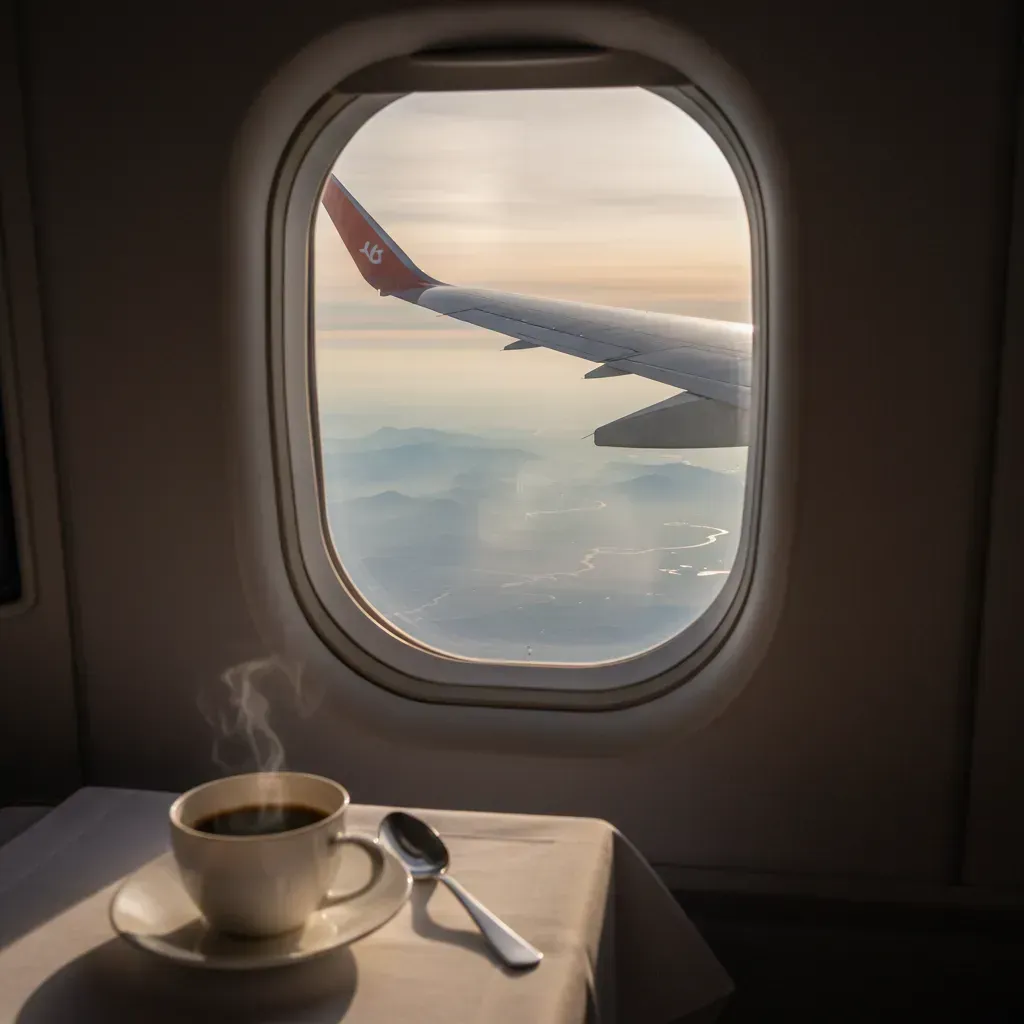
Searching for first class flights to India often leads travelers into a confusing booking environment. Not every carrier serving India offers a true long-haul first class cabin, and not every route marketed as premium delivers the same level of space, service, or ground treatment. Some itineraries involve a flagship first class sector followed by a shorter connecting segment in business class. Others may be better booked as top-tier business class if the route, aircraft, and timetable make that the more elegant option in practice.
Flight Experts offers a dedicated First Class Flight Booking service for premium long-haul travel on carriers including Emirates, Singapore Suites, Lufthansa, ANA, JAL, Etihad, Qatar, Swiss, and Air France La Première. According to current service data, this offering is designed for routes across the United States to Europe, Asia, the Middle East, and major long-haul markets, with white-glove personal service, lounge access coordination, chauffeur service arrangements, and luxury amenity guidance. For India-bound trips, that matters because routing quality can be as important as cabin branding.
Travelers comparing options across First Class Flights to Asia and premium route planning frequently discover that the best journey is the one built around schedule integrity, aircraft quality, and airport experience rather than marketing language alone. Readers also considering a slightly different balance of comfort and route availability may wish to review business class flights to India, since some carriers offer their most competitive India products in business rather than first.
Airlines and Cabin Availability Reality for India Bound Travel
Here is the thing, “first class to India” is often a mismatch between how travelers search and how airlines actually deploy their premium cabins. Many carriers that serve India operate excellent long-haul business class, but do not routinely operate a true international first class cabin on the India sector itself. In most cases, the most credible first class opportunities appear in one of three ways: a limited set of routes where an airline does schedule first class into a nearby hub, a connecting itinerary where first class is flown on the longer transoceanic sector and business class covers the shorter onward segment, or a routing strategy that prioritizes an airline’s flagship first class product even if it requires a more deliberate connection plan.
What many travelers overlook is that availability and product consistency can vary materially by route, aircraft assignment, and season, all subject to change. A cabin label may read “first,” but the onboard reality can still differ based on configuration, seat count, and whether the aircraft carries the airline’s current flagship suite product or an earlier generation. This is why Flight Experts treats India routings as a verification exercise, not an assumption.
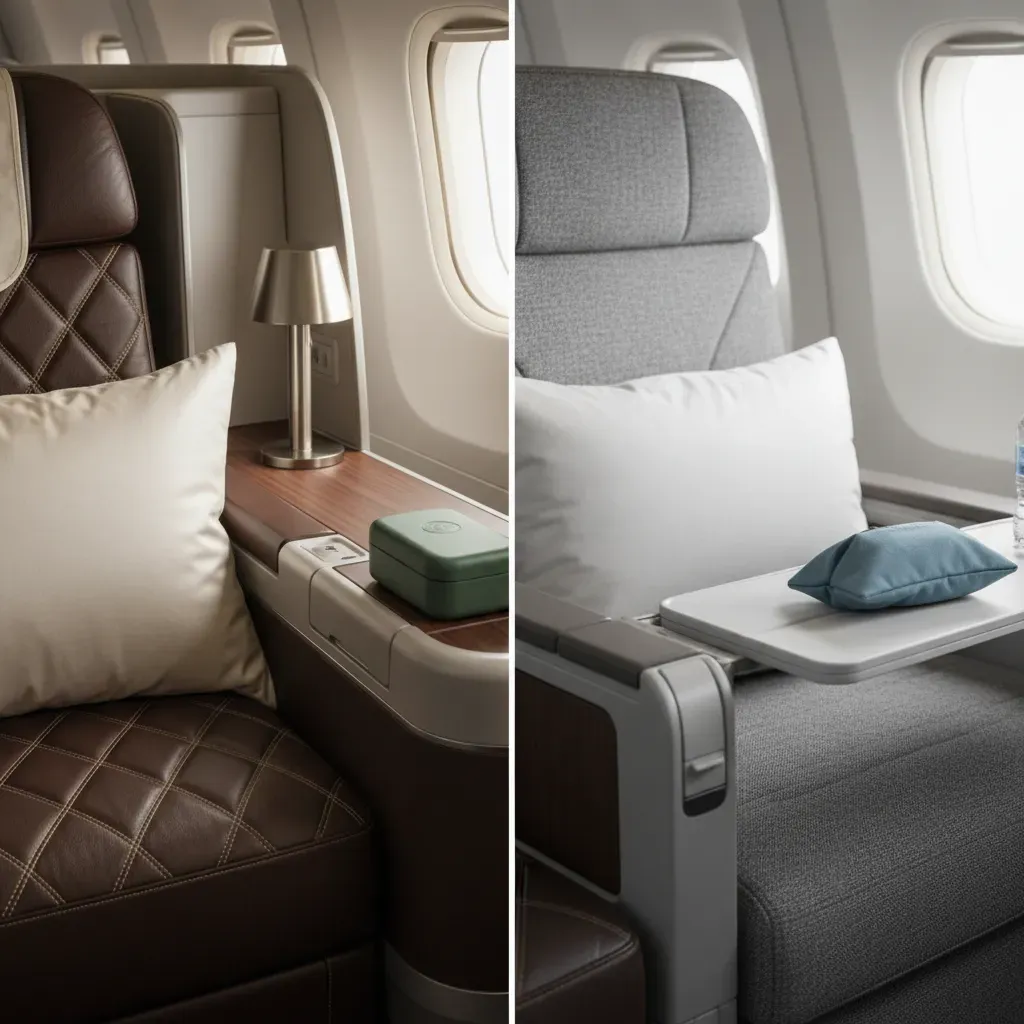
From a practical standpoint, a premium advisor should typically confirm several items before ticketing a first class itinerary to India. The operating carrier matters, as marketing carriers may differ from the airline actually flying the aircraft. The aircraft type and configuration should be verified, because two flights with the same airline and route may not deliver the same seat or suite. Suite versus open-seat design changes the privacy experience significantly, especially on overnight sectors. Seat count in the first class cabin can be a useful proxy for service pacing and cabin calm, although it is not a guarantee. Finally, product variability by route and season should be considered, since aircraft swaps may occur and certain premium cabins may be scheduled more consistently on particular city pairs than others.
Consider this in terms of priorities. If privacy is paramount, an enclosed suite product may be worth designing the routing around, subject to availability. If sleep quality is the key outcome, the best choice may be the longest overnight sector in the strongest seat and bedding combination, paired with connection timing that protects rest. If dining formality and ground handling are essential, the hub experience and the airline’s first class ground program can matter as much as the onboard seat. The right answer is rarely universal, which is why expert-led planning tends to produce more reliable results for discerning travelers.
The Experience
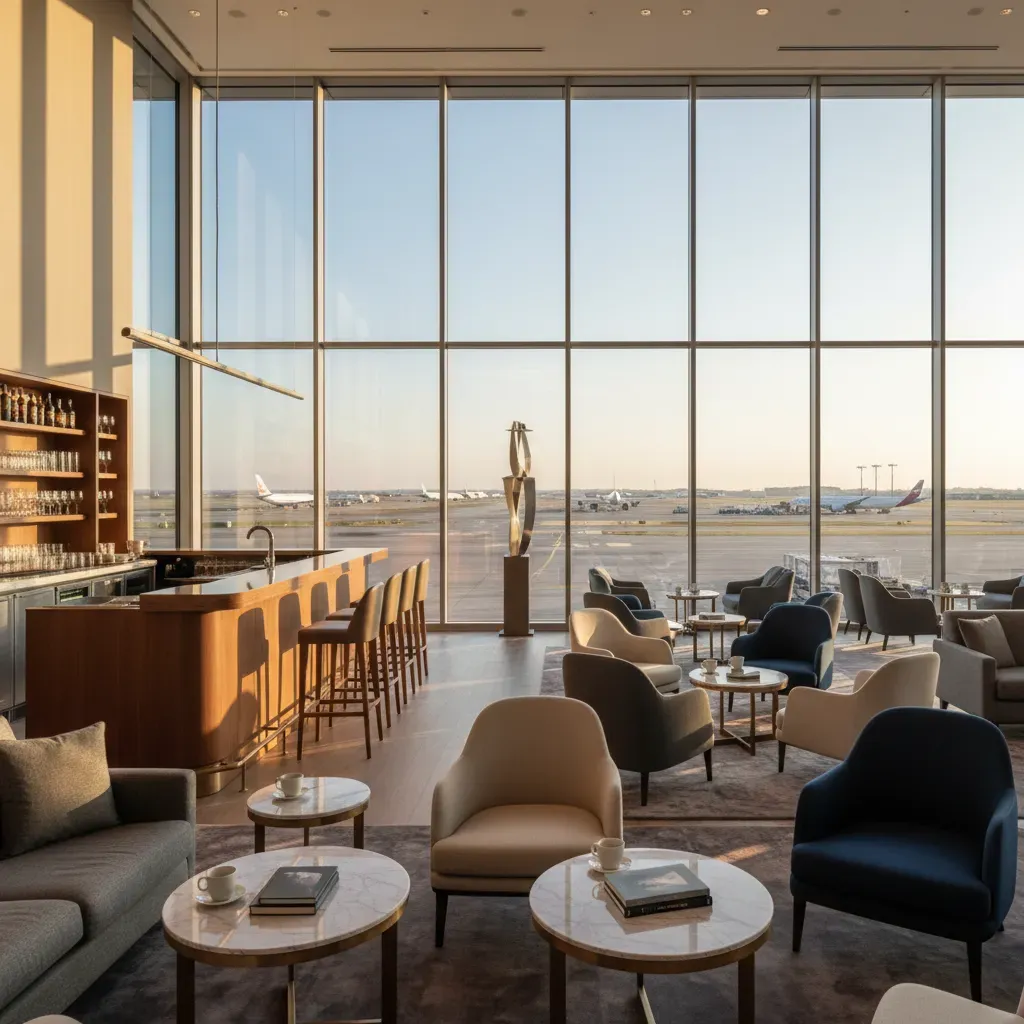
A true first class journey to India is defined by continuity. The experience begins well before boarding, often with priority check-in, dedicated security channels where available, and access to leading premium lounges or, on select carriers and airports, more exclusive private ground services. The strongest products pair spacious seating or enclosed suites with polished service rituals, refined dining, premium beverages, elevated bedding, and a noticeably calmer cabin environment than even excellent business class can usually provide.
On carriers such as Emirates or Etihad, the most compelling India-bound itineraries may route through Gulf hubs where premium ground handling tends to be particularly strong. On airlines such as Lufthansa, ANA, JAL, or Singapore Airlines, the quality equation may depend heavily on the exact aircraft, departure city, and whether the first class sector is the long-haul portion of the journey. Air France La Première remains exceptionally exclusive, though access rules and eligible routes can be more restrictive than travelers expect. Qatar is widely admired for premium service, but on many India itineraries its standout product is business class rather than traditional international first class, which is an important distinction for expectation-setting.
The onboard atmosphere is what many clients value most. In first class, service is typically more intuitive and less rushed. Crew have fewer passengers to manage, meals are often offered with greater flexibility, and the physical environment supports real rest, privacy, and arrival readiness. Those comparing products in more detail may also benefit from reviewing broader cabin context through Premium Cabin Experience & Amenities, especially when deciding whether a top business class suite could be the more practical choice for a specific India itinerary.
Flight Experts positions this process as an advisory exercise rather than a simple booking task. The agency’s current first class service includes a personal expert assignment after inquiry submission, options presentation, and a booking process that is usually turned around within 30 minutes for straightforward requests. For clients planning milestone travel, family visits requiring precision, or executive itineraries with little margin for error, that responsive human management is often the difference between a pleasant reservation and a truly well-constructed journey.
Route Options and Connection Strategy for First Class Flights to India
Now, when it comes to routing to India, the connection point often determines whether you will actually experience true international first class or an exceptionally strong business class suite. India-bound travel from North America and many parts of Europe is commonly structured as a one-stop itinerary via the Middle East, Europe, or East Asia. Each routing family can be excellent, but they tend to deliver different outcomes in terms of ground flow, lounge continuity, and where the “best cabin” appears within the overall journey.
One-stop itineraries via Gulf hubs are often appealing because the geography supports a long overnight sector in a flagship cabin followed by a shorter onward flight into India. Europe connections can be elegant when the first class sector is the long-haul and the connection airport offers smooth premium handling, but travelers should be realistic about transfer complexity in certain terminals, particularly when a terminal change is required. East Asia routings can work well for certain origin cities and schedules, though the practical advantage depends on total elapsed time and whether the premium cabin is operated consistently on the relevant long-haul leg.
Mixed-cabin itineraries are common on India routings, even when the overall ticket is marketed as premium. In many cases, you may see first class on the longest intercontinental segment and business class on the regional sector into India, or the reverse depending on the city pair and aircraft scheduling. This is not inherently a drawback, but it should be intentional. Before ticketing, it is wise to confirm the operating carrier on each segment, the aircraft type, and whether the cabin branding corresponds to the seat reality. Airlines sometimes use consistent cabin names across different aircraft generations, and the difference between a true suite and an open seat can be meaningful for privacy and rest.
Airport and connection details materially affect the experience, particularly at the level of travel this article addresses. Minimum connection times should be chosen with a premium lens, not the minimums that may technically “work” on paper. If a connection involves terminal transfers, security rescreening, or long walking distances, a tighter connection can turn a refined itinerary into a stressful one. Lounge access continuity also deserves attention. Depending on the airport and the exact combination of airline, alliance, and cabin class on the onward segment, lounge eligibility may not always align with expectations unless it is confirmed in advance.
Think of it this way, the strongest first class itinerary to India is typically the one that protects sleep on the longest sector. That often means timing the journey so your most important rest window occurs in the best seat, with a connection that supports a calm transfer rather than a rushed sprint. For many discerning travelers, this is the difference between arriving merely comfortable and arriving genuinely ready.
Investment and Value
Current Flight Experts product data lists first class flight booking in a typical range of $5,000 to $20,000+, with the clear caveat that pricing varies by airline, route, season, cabin inventory, and booking window. For India travel, actual pricing may move significantly depending on departure city, whether the itinerary includes an overnight long-haul flagship sector, and whether the final routing mixes first class and business class segments.
It is also important to interpret the phrase first class to India price carefully. Some of the most attractive premium itineraries are not nonstop first class journeys from origin to destination, because many India-bound routings require a connection through Europe, the Middle East, or East Asia. In practical terms, the value comes from securing the best premium combination for your priorities, whether that means suite privacy, superior lounge access, more efficient departure times, or stronger onboard sleep quality.
Flight Experts states that its first class booking service includes white-glove support, exclusive first class deals, lounge coordination, chauffeur arrangements, and luxury amenity guidance, with a current Trustpilot rating of 5.0 based on 79 reviews. The service is not positioned as a self-serve search engine. It is designed for travelers who want tailored recommendations and professional oversight. That may be especially valuable for India itineraries where fare construction, alliance combinations, and route availability can shift quickly.
Strengths and Considerations
Strengths
- Access to a dedicated first class booking service covering many of the world’s most respected premium carriers, including Emirates, Singapore Suites, Lufthansa, ANA, JAL, Etihad, Qatar, Swiss, and Air France La Première.
- Concierge-style assistance that goes beyond ticketing, with support that may include lounge access coordination, chauffeur arrangements, and guidance around premium amenities.
- Useful for complex India itineraries where route quality, aircraft type, and cabin consistency matter more than a simple online search result.
- Fast response framework for straightforward requests, with options usually presented within 30 minutes according to current service data.
- Well suited to travelers who value a single point of professional accountability rather than managing multiple airline and platform interactions themselves.
Considerations
- True long-haul first class to India is not available on every airline or every routing, so flexibility on connection point and travel date may be necessary.
- The best India itinerary may sometimes involve a mix of first class and business class segments, which requires realistic expectations about product consistency.
- Pricing may vary substantially by season, departure city, and cabin inventory, so published assumptions found elsewhere online are rarely reliable.
- Some celebrated premium brands, such as La Première or certain flagship suites, can be subject to tighter access, limited route availability, or aircraft changes.
Safety, Comfort, and the “Riskiest Part of a Flight” Concern in Premium Travel
What many travelers ask, especially when planning a long-haul international journey, is a version of the question: what is the riskiest part of a flight. In industry terms, the phases of flight that are often considered higher workload are typically takeoff and landing, largely because there is less margin for error and more active monitoring, communication, and configuration management. That framing is operational, and it is not a reason for travelers to fixate on fear. It is simply how aviation risk is discussed in professional environments.
For discerning travelers, the more relevant question is what can be controlled to create a calmer, more confident experience. Routing design plays a meaningful role. A well-chosen one-stop itinerary with a reasonable connection time can reduce stress compared with a tight transfer across terminals. The choice of connection airport matters as well, since premium ground flows vary, and some airports offer more predictable first class or premium handling than others depending on terminal layout and local procedures.
Timing choices can also support comfort. Some travelers feel best with a daytime departure that reduces fatigue and makes connections feel simpler. Others prefer an overnight long-haul sector in a true first class suite to maximize sleep and arrive more refreshed. Neither preference is inherently right or wrong. The goal is to align the itinerary with your tolerance for late-night transfers, long walks, or early-morning arrivals, and to design the premium experience so it feels composed from start to finish.
The reality is that premium travel is often a form of risk management through planning quality and operational realism. A specialist can help you select routings that are less exposed to connection pressure, verify terminal and lounge logistics, and build an itinerary that supports rest and composure, subject to availability and airline scheduling.
Who This Experience Is For
This type of booking support is best suited to travelers who care about precision, privacy, and service continuity. That includes couples planning a milestone journey to India, executives who need a more restorative long-haul experience, families managing premium multi-segment travel, and frequent flyers who no longer wish to spend time interpreting airline product differences on their own. It is particularly appropriate for clients who understand that the highest-value premium itinerary is not always the most obvious one, and who prefer to work with a specialist rather than a generic platform.
How to Begin Planning With a Specialist
The process with Flight Experts is intentionally direct. A traveler begins by submitting a request through the website for first class flight support. Based on current product information, an expert is then assigned at no cost for the initial review, and tailored options are usually presented within 30 minutes for straightforward itineraries. From there, the client can evaluate airlines, routing structure, cabin type, and service inclusions with professional input before confirming the reservation.
This matters for India travel because the booking decision often extends beyond the seat itself. Mike Chirilenco leads Flight Experts as a luxury-focused agency built around personalized attention and long-term client relationships, not automated search results. The value lies in having a trusted professional assess whether your trip is better served by a Gulf carrier with strong ground services, a European connection with a prestigious first class cabin, or a high-performing premium business alternative. To begin planning, speak with a luxury travel specialist at Flight Experts and outline your preferred dates, departure city, and travel priorities.
Frequently Asked Questions
Are there nonstop first class flights from the US to India?
Nonstop true first class options are typically very limited or unavailable on many US to India routes. Most premium travelers reach India via one connection through hubs in the Middle East, Europe, or Asia. That is why route design matters so much. The strongest itinerary may combine an excellent long-haul first class segment with a shorter premium connection.
Which airlines offer the strongest first class options for India travel?
That depends on your origin and connection preference. Emirates and Etihad are often compelling for India itineraries because of hub geography and premium ground services. Lufthansa, ANA, JAL, Singapore Airlines, Swiss, and Air France may also be relevant depending on route structure. The exact aircraft and sector length should always be reviewed before booking.
Is first class to India always better than business class?
Not always. True first class usually provides more privacy, more personalized service, and stronger ground treatment. Still, many India routes are exceptionally well served by top business class products. In some cases, a superior schedule and aircraft in business class may be more desirable than a less efficient first class routing. The answer depends on your priorities.
What is typically included when booking through Flight Experts?
Current Flight Experts product data indicates that first class booking support may include white-glove personal service, exclusive first class deals, lounge access coordination, chauffeur service arrangements, and luxury amenity guidance. The process begins with a submitted request, followed by expert assignment and tailored options. Final inclusions can vary based on carrier and itinerary details.
How quickly can Flight Experts provide options?
For its first class flight booking service, Flight Experts states that options are usually presented within 30 minutes for straightforward requests. More complex journeys, including multi-city travel or specialized routing requirements, may take longer. That response structure is useful for travelers who want efficient expert input without sacrificing the quality of itinerary evaluation.
How should I think about first class flight tickets to India if I want the most refined experience?
You should evaluate the full travel chain, not only the headline cabin name. Consider departure timing, connection quality, aircraft type, lounge access, sleep comfort, and arrival convenience. For many discerning travelers, the best premium journey is the one that feels coherent from airport to arrival. That is often easier to achieve with specialist guidance.
How much is 1st class to India?
Pricing varies widely by airline, departure city, season, and how the itinerary is constructed, including whether it is true first class end to end or a mixed-cabin routing. Current Flight Experts product data lists first class flight booking in a typical range of $5,000 to $20,000+, and India itineraries may fall within or outside that range depending on inventory and timing. The most reliable approach is to price the specific dates and routing logic you actually want, then evaluate value based on cabin quality, schedule integrity, and ground experience rather than assumptions.
Which airlines offer first class in India?
Not every airline serving India operates a true long-haul international first class cabin on India routes. In many cases, first class may appear on the longer connecting sector, with business class used on the shorter segment into India. Because aircraft assignments and route schedules can change, the operating carrier and aircraft type should be verified for each segment before booking to confirm whether the itinerary includes a true first class cabin and which product version is being flown.
Is first class available in Air India?
Airlines’ cabin offerings can change over time based on fleet updates and route planning. For India-bound travel, what matters is not only the airline name, but the aircraft type and the specific route being flown at the time of travel. A specialist can verify whether a first class cabin is scheduled on the relevant Air India sector, or whether the strongest premium experience for your dates is more likely to be delivered by a different carrier or a top-tier business class suite.
What is the riskiest part of a flight?
In operational terms, takeoff and landing are often described as higher workload phases, which is more about flight management and monitoring than something a traveler should dwell on. For a calmer experience, premium travelers can focus on controllable factors such as sensible connection times, routing that reduces complex transfers, and timing that supports rest on the longest sector. A well-planned itinerary typically feels more composed, which is often the most meaningful form of reassurance.
Key Takeaways
- First class flights to India require careful evaluation because not all routes offer true international first class end to end.
- Airline choice, connection hub, aircraft type, and ground services often shape the experience as much as the seat itself.
- Flight Experts offers a dedicated first class booking service with personal support, lounge coordination, and tailored itinerary review.
- For some India itineraries, top-tier business class may be the more elegant practical choice.
- Working with a specialist can help align routing, comfort, and service quality with your actual travel priorities.
Conclusion
First class flights to India can be exceptional, but only when the itinerary is built with a clear understanding of route realities, cabin differences, and the ground experience surrounding each segment. The market is less straightforward than many travelers assume, which makes professional interpretation especially valuable. Flight Experts approaches premium air travel as a relationship-driven service, helping clients assess whether a true first class journey, a mixed-cabin itinerary, or an outstanding business class alternative best suits the trip. For travelers who value time, discretion, and thoughtful planning, that guidance can be decisive. Contact Mike to begin planning your next luxury journey and receive a tailored recommendation based on your route, schedule, and expectations.



