
Most Expensive First Class Flights in the World
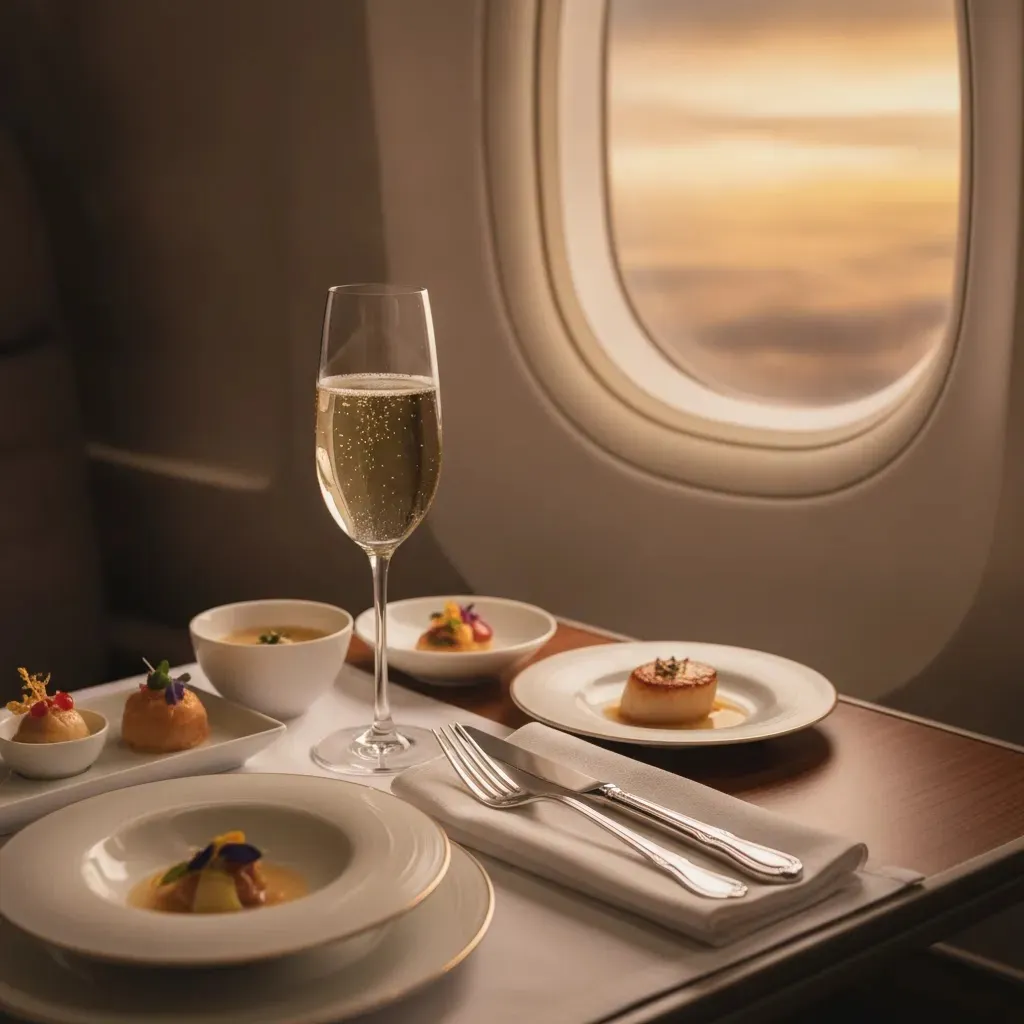
If you are researching the first class seats that command the highest fares, the real question is not just which route costs the most. It is what that premium investment buys, where it genuinely feels exceptional, and where headline pricing may outpace the actual experience. This evaluation focuses on that distinction.
Where Most Expensive First Class Fares Reach Their Peak
The most expensive First Class flights in the world usually appear on long-haul sectors where prestige, privacy, and limited cabin inventory converge. Ultra-premium routes linking major financial centers with the Middle East, Asia, Europe, and occasionally the United States tend to command the highest published fares. In many cases, the cabin itself is tiny, sometimes only a handful of suites, so scarcity plays a meaningful role alongside service quality.
Distance alone does not explain the top prices. A very long route with a dated seat may cost less than a shorter sector on a flagship aircraft with an internationally celebrated First Class product. Airline reputation matters. Aircraft type matters. Ground experience matters. As a result, a route served by suites with closing doors, premium bedding, caviar service, and top-tier lounge access will usually sit in a different pricing tier from a route that offers a conventional open First Class seat.
Readers comparing First Class with premium alternatives may also want broader context from luxury flights in Business Class, where some newer products now rival older First Class cabins on comfort, though not always on exclusivity or pre-flight service.
Most Expensive First Class Flight Pricing Reality Check
The term most expensive first class flight sounds fixed, but the reality is more fluid. In most cases, extreme pricing appears on a specific route, on a specific date, in a specific fare basis. That is why the same city pair can look relatively reasonable one week and sharply elevated the next, even when the onboard product has not changed.
Why the most expensive first class flight keeps changing
Limited suite inventory is one of the strongest drivers. Many flagship First Class cabins are intentionally small, and on certain aircraft there may be only a handful of suites. When part of that cabin sells, or the airline holds seats back for operational reasons, the remaining inventory may move into a higher price band. In practice, you are not seeing a new level of luxury. You are seeing last-seat dynamics in a scarce cabin.
Seasonal demand and directionality matter as well. Premium-heavy travel periods, major events, and holiday corridors can push fares up quickly. In addition, one-way pricing can be especially counterintuitive in First Class. Some markets price one-way fares at a disproportionately high level compared with round-trip, especially when only fully flexible categories remain.
Routing also changes the most expensive first class flight conversation. A nonstop First Class sector may carry a higher premium than a one-stop itinerary, but the opposite can also be true. Once you introduce mixed-cabin segments, differing operating carriers, and connection timing, the fare picture becomes more complex. For example, a short feeder segment in a premium cabin can lift the overall price. Similarly, a stopover may change which inventory is used and alter the final fare.
Think of it this way: the most expensive first class flight is often route plus fare bucket plus timing, not one permanent route that always holds the title. If your goal is an exceptional experience, focusing only on the highest displayed price can mislead you. The better approach is to identify the cabin product and ground experience you want, then judge the fare in the context of inventory, seasonality, and the exact aircraft operating your flight.
What the Most Expensive First Class Flight Typically Buys
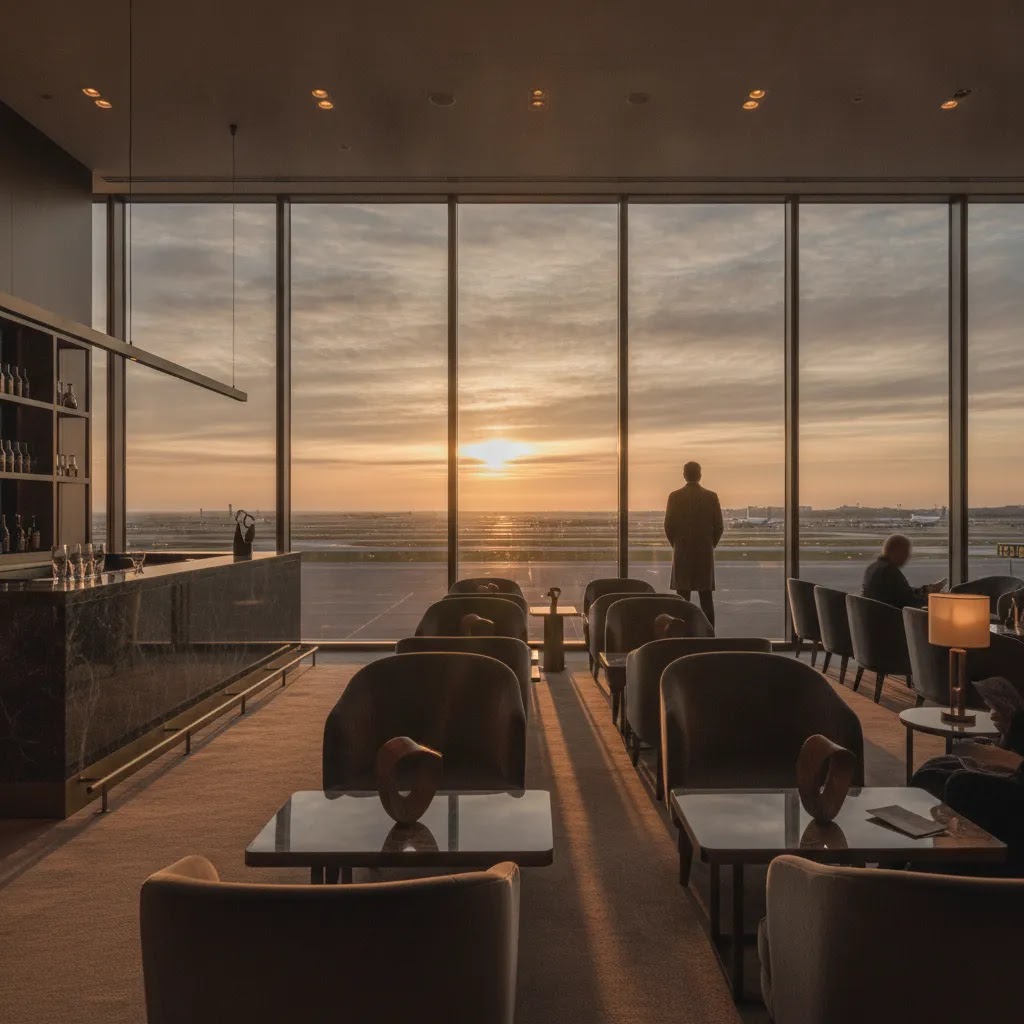
The highest First Class fares are usually tied to a bundled experience rather than one standout onboard feature. A traveler may begin with dedicated check-in or a more discreet airport process. Next may come access to a flagship lounge with a la carte dining, fine wines, quiet rest areas, and in certain airports, spa or chauffeur-style transfer elements. The goal is a controlled, low-friction journey rather than a simple seat upgrade.
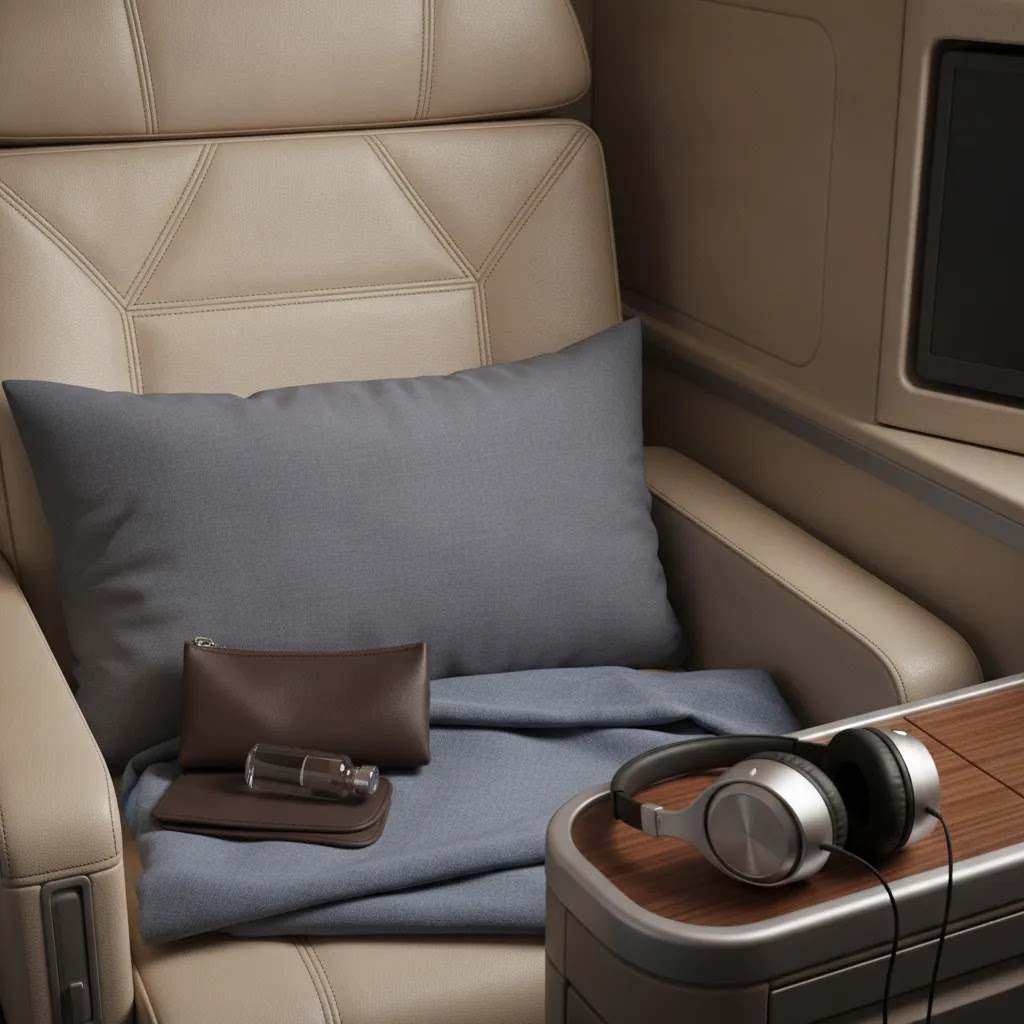
On board, the difference between a merely expensive fare and a truly elite one often comes down to privacy and personal space. The most luxurious First Class flight experiences generally include suite-style seating, a proper sleeping surface, premium materials, and meal service paced to the traveler rather than the galley. Some carriers add wardrobe space, large entertainment screens, companion dining options, premium pajamas, skincare amenities, and highly individualized service.
There is also an intangible element. A refined First Class journey tends to feel less transactional. Crew members may address details proactively, pace service around sleep, and create a cabin atmosphere that feels composed rather than theatrical. However, not every expensive fare delivers every one of these elements. Travelers should still compare aircraft, route, and lounge access carefully.
Behind the Most Expensive First Class Flight Experience
Many travelers overlook the fact that even the most expensive First Class ticket operates within strict safety, duty-time, and turbulence procedures. Understanding these realities helps set expectations. It also keeps a premium traveler from misreading normal safety behavior as indifference.
How operations shape the most expensive first class flight
For example, you may notice flight attendants sitting with their hands placed under their thighs during takeoff and landing. This is commonly associated with brace-position discipline and injury prevention protocols. During the highest-risk phases of flight, cabin crew secure their posture and reduce the chance of arm and wrist injuries. As a result, they can assist passengers immediately if an abnormal event occurs.
On ultra-long-haul flights, pilot rest is also a standard, regulated part of safe operations. Airlines operating long sectors typically follow controlled rest procedures that may include augmented crews and designated rest periods, subject to regulations and internal policies. In most cases, this is not informal sleep. Instead, it is structured fatigue management designed to maintain performance over extended duty windows.
Service pacing is influenced by the same realities. Duty time, meal service windows, and turbulence can affect when dining is presented, when the cabin is dimmed, and how quickly the crew can move through a small suite cabin. Even when the fare is among the highest in the market, strong crews prioritize safety and sleep logic first. Then they shape hospitality around those constraints. That is one reason the best cabins feel calm rather than hurried.
Five Most Expensive First Class Flight Contenders
The routes below are not ranked by a single fixed fare, because published pricing may vary materially by season, direction, and inventory. Instead, these are five journeys consistently associated with the upper end of global First Class pricing and prestige.
1. New York to Singapore on Singapore Airlines Suites
This route is often part of the conversation around the most expensive first class flight because it combines exceptional distance, a strong brand reputation, and one of the most recognizable suite concepts in commercial aviation. On aircraft featuring Suites, the appeal is not only privacy but also design coherence. The product has an intentional, residential feel that many travelers find more elegant than ornate.
- Private suite environment with substantial personal space
- High sleep quality on very long sectors, depending on schedule and aircraft
- Dining and wine programs that generally reflect flagship positioning
- Strong appeal for milestone trips such as anniversaries and honeymoons
Considerations include limited route and aircraft availability, plus the reality that not every Singapore Airlines long-haul First Class seat is the same product. Confirmation of aircraft type is essential.
2. Paris to Los Angeles on Air France La Première
La Première is often cited as one of the best first class flight in the world contenders because the experience extends meaningfully beyond the cabin. The value proposition lies in curation, discretion, and one of the strongest ground components in premium travel, especially through Paris. For many travelers, that pre-flight and transit experience is part of the reason the fare reaches such elevated levels.
- Exceptionally polished airport handling in its primary hub environment
- French dining and wine identity that feels distinctive rather than standardized
- Elegant cabin presentation with a restrained luxury aesthetic
- Strong fit for travelers who care as much about service choreography as seat hardware
Considerations include limited network access, route-specific restrictions, and the fact that some travelers who prioritize fully enclosed privacy may prefer another airline’s suite design.
3. London to Dubai on Emirates First Class
Emirates remains central to discussions of the most luxurious first class flight thanks to its theatrical onboard presentation, extensive beverage program, and in some cases, enclosed suites and shower spa access on the A380. On a relatively shorter long-haul route such as London to Dubai, pricing can still be remarkably high because brand recognition and demand remain strong.
- Highly recognizable luxury cues, including premium amenities and elaborate service touches
- A380 routes may include onboard shower access, subject to aircraft and availability
- Excellent for travelers who want a memorable, celebratory atmosphere
- Broad long-haul network compared with some more limited First Class products
Considerations include variation by aircraft, since newer suite-equipped aircraft and A380 experiences differ. Some travelers also find the style more dramatic than understated.
4. Tokyo to New York on ANA First Class
ANA’s flagship First Class has earned attention for precision, calm service, and a refined Japanese hospitality approach. On major long-haul routes to the United States, ANA may command very high fares while delivering a cabin experience that feels less showy than Gulf competitors, yet deeply premium in craftsmanship and service consistency.
- Strong privacy and a composed cabin environment
- Japanese and Western dining options that often appeal to detail-oriented travelers
- Excellent fit for travelers who prefer understatement over spectacle
- Well suited to overnight transpacific travel where sleep quality matters
Considerations include product differences by aircraft and route. Availability may also be narrow, particularly on the most sought-after departures.
5. Frankfurt to Buenos Aires on Lufthansa First Class
Lufthansa First Class remains a benchmark partly because of its ground identity, especially for travelers connecting through Frankfurt. The route itself can become extremely expensive at peak times, and the appeal usually centers on consistency, privacy, and a premium ground sequence that loyal premium travelers value.
- Strong reputation for polished First Class ground handling in Frankfurt
- Appeals to travelers who value process, punctuality, and measured service
- Often attractive for multi-sector premium itineraries into Europe and beyond
- Classic First Class atmosphere that still resonates with experienced travelers
Considerations include a product philosophy that may feel more classic than avant-garde. Depending on aircraft and route, some competitors may offer more dramatic suite innovation.
| Route Example | Why Pricing Runs High | Signature Appeal | Best Suited To |
|---|---|---|---|
| New York to Singapore | Extreme distance, premium suite scarcity | Private Suites and long-haul comfort | Milestone travel and privacy-focused flyers |
| Paris to Los Angeles | Prestige product and exceptional ground service | La Première airport-to-air experience | Service-led luxury travelers |
| London to Dubai | Brand demand and flagship aircraft appeal | A380 glamour and suite theater | Celebratory trips and first-time First Class travelers |
| Tokyo to New York | Premium transpacific demand | Quiet refinement and sleep quality | Travelers who prefer understated luxury |
| Frankfurt to Buenos Aires | Long-haul premium demand and hub prestige | Classic First Class ritual | Experienced premium travelers |
Pros and Cons of the Most Expensive First Class Flight
Strengths
- Top-tier First Class may deliver meaningful privacy, not just extra space.
- The best products combine airport handling, lounge access, dining, and cabin design into one coherent experience.
- On very long routes, a superior bed and quieter environment may materially improve how you arrive.
- Flagship First Class is often especially well suited to milestone travel where the journey itself is part of the occasion.
- Small cabins typically allow for more attentive, individualized onboard service.
Considerations
- The highest fare on the market is not automatically the best fit for every traveler.
- Aircraft swaps, route changes, and lounge access differences may alter the expected experience.
- Some excellent Business Class products now narrow the comfort gap, particularly on airlines without suite-level First Class innovation.
- Published fares may reflect scarcity and brand prestige as much as tangible onboard differences.
Who the Most Expensive First Class Flight May Suit
The world’s most expensive First Class routes usually make the most sense for travelers who place a high value on privacy, time protection, and ceremony. That may include couples marking a honeymoon or anniversary, executives arriving directly into demanding schedules, and experienced premium travelers who already know the difference between a comfortable seat and a truly elevated end-to-end journey.
These fares are less about status display than fit. If you care deeply about sleeping well on an ultra-long-haul flight, minimizing airport friction, or creating a memorable beginning to a significant trip, a flagship First Class product may justify its position. On the other hand, if your priorities are narrower, a well-chosen Business Class itinerary may prove more sensible.
Flight Experts View on the Most Expensive First Class Flight
At Flight Experts, First Class planning is approached as an exercise in matching the traveler to the right route, airline, aircraft, and service style rather than chasing the highest published fare. The agency’s First Class Flight Booking service is designed for travelers seeking white-glove support, lounge access coordination, chauffeur service arrangements where available, and guidance on premium amenities. Current First Class booking support covers major long-haul markets including the US to Europe, US to Asia, the Middle East, and key transatlantic and transpacific sectors, with general fare ranges typically starting from $5,000 and extending beyond $20,000 depending on route and airline.
If you want a more tailored assessment of which First Class route genuinely earns its fare for your style of travel, speaking with Mike Chirilenco or the Flight Experts team may save considerable uncertainty.
How to Judge Whether the Most Expensive First Class Flight Is Justified
1. Start with the aircraft, not the airline name. The same carrier may operate materially different First Class products across its fleet. A suite-equipped flagship aircraft could feel worlds apart from an older seat sold under the same cabin label.
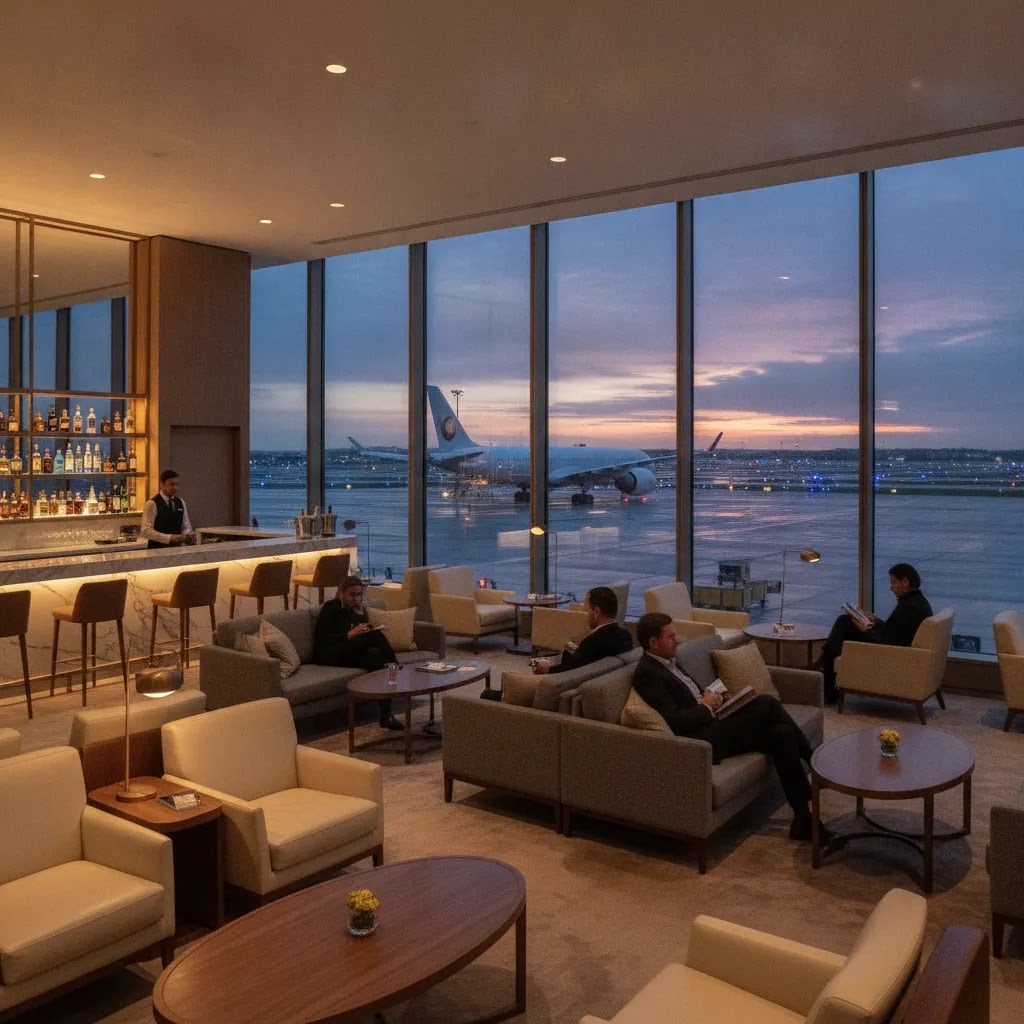
2. Examine the ground experience. On the most expensive routes, airport handling is often part of the product. Dedicated check-in, lounge dining, private transfers within the terminal environment, and a calmer boarding sequence may matter almost as much as the flight itself.
3. Separate spectacle from utility. A shower, caviar service, or elaborate cabin design can be memorable, but some travelers care more about temperature control, bed length, noise reduction, and service pacing. The right First Class fare depends on what you personally value.
4. Consider route timing and sleep logic. A very expensive daytime route may be less compelling than an overnight sector where a superior bed truly changes the arrival experience. Premium value often reveals itself most clearly on demanding long-haul schedules.
5. Compare against top Business Class thoughtfully. Some travelers researching the cheapest first class flight in the world are really asking a different question: how little can I give up while still traveling beautifully? That is a fair question. In some cases, Business Class offers the better balance. In others, especially on airlines with genuine flagship First Class, the difference remains substantial.
Route and Seat Selection for the Most Expensive First Class Flight
On the most expensive first class flight, the difference between an excellent experience and a merely expensive one often comes down to seat choice and routing. These details are easy to overlook. Yet even in a suite cabin, not every seat position offers the same sense of quiet, privacy, and uninterrupted rest.
Seat and routing details that shape the most expensive first class flight
Seat location still matters. Suites near galleys and lavatories may experience more foot traffic, door movement, and conversation, particularly on overnight sectors when other passengers wake and move around. Bassinet positions, when present in the forward cabin area on certain aircraft, can also change the sound profile during peak sleep hours.
On some layouts, proximity to crew rest access points or storage areas can create occasional light and activity, even when the cabin itself is small. None of this is inevitable. However, it is exactly the kind of nuance that determines whether you arrive truly restored.
Cabin layout and travel priorities
Cabin configuration can also change the character of the experience. Some First Class cabins are arranged with a single aisle and very few suites, which may feel exceptionally intimate. Others use a double-aisle layout with more suites. They can still feel luxurious, but they may feel less private depending on sightlines and door height. Couples should also check whether the cabin offers center pairs that genuinely support companion dining and conversation.
Choose your suite based on how you intend to use the flight. If sleep is the priority, a suite with reduced traffic and fewer light sources may matter more than being close to the galley. If dining and service timing are central, some travelers prefer a position that allows quicker engagement with the crew while still avoiding the most active areas. If you expect to work, consider desk ergonomics, device storage, and whether the layout supports a composed workspace.
Finally, verify the operating aircraft as close to departure as is reasonable. Aircraft swaps do occur, and in First Class they can materially change privacy, bed design, and even whether the cabin is a true flagship suite product. The fare may remain premium, but the experience can shift. Therefore, careful monitoring and professional review can be valuable, particularly on routes known for seasonal equipment changes.
Frequently Asked Questions
What is the most expensive first class flight?
There is rarely one permanent winner because pricing may shift by season, route demand, and aircraft assignment. In most years, the highest published First Class fares tend to appear on ultra-premium long-haul routes operated by airlines such as Singapore Airlines, Air France, Emirates, ANA, or Lufthansa, especially when the aircraft offers a flagship suite product and the route has limited inventory.
Does the most expensive first class flight always offer the best experience?
No. The highest fare may reflect scarcity, route prestige, or strong demand as much as product quality. Some of the finest First Class experiences stand out because the service, lounge, sleep quality, and privacy feel coherent from start to finish. A lower-priced flagship First Class route may outperform a higher-priced but older product in practical comfort.
What makes a First Class flight feel truly luxurious?
Privacy, sleep quality, dining, and ground handling are usually the main differentiators. A closing suite door alone does not guarantee excellence. The most convincing products pair thoughtful hardware with intuitive service, elegant lounges, and a smooth airport process. The best versions feel calm and individualized rather than merely expensive.
Are these extreme fares mainly for ultra-long-haul flights?
Often, yes, but not exclusively. Ultra-long-haul routes naturally command high fares because travelers spend more time onboard and the sleep component matters more. That said, shorter prestige routes may still be priced aggressively if they are served by a celebrated flagship product and operate between high-demand premium markets.
Is it better to book First Class directly with an airline?
That depends on the complexity of the trip and how much guidance you want. Direct booking may be straightforward for a simple point-to-point journey, but many premium travelers prefer specialist assistance for comparing aircraft, fare rules, lounge differences, and multi-segment planning. Flight Experts provides First Class and complex itinerary support with a personal consultant model.
How much should I care about the lounge on an expensive First Class ticket?
A great deal, in many cases. On the priciest routes, the lounge is part of what you are paying for. Flagship dining, private seating zones, spa-style amenities in select airports, and discreet assistance may materially shape the day of travel. If the lounge offering is weak, the overall fare may feel less justified.
Can Business Class ever be the wiser choice?
Absolutely. Some modern Business Class cabins provide excellent beds, privacy doors, and polished dining. If your priority is efficient overnight travel rather than the ritual of top-end First Class, Business Class may be the stronger fit. The decision becomes more nuanced on airlines whose First Class still delivers a distinctive airport and onboard experience.
Are the most expensive fares worth it for a honeymoon or anniversary?
They may be, particularly if the flight is central to the occasion rather than simple transportation. Couples often value privacy, memorable dining, and the sense that the celebration begins at the airport. Still, the best choice depends on route, aircraft, and whether the destination and hotel portion of the trip deserve a larger share of the travel investment.
How can I tell whether a route has a true flagship First Class product?
Check the specific aircraft, not just the airline brand. Route schedules, fleet assignments, and seasonal swaps may change the cabin materially. A route marketed as First Class could feature a very different seat than the carrier’s headline product. This is one of the areas where expert itinerary review tends to be especially valuable.
Why do flight attendants sit on their hands when flying?
This is most commonly observed during takeoff and landing. In many cases, it relates to brace-position discipline and injury prevention protocols, helping crew maintain a stable posture and reduce the chance of arm and wrist injuries during the highest-risk phases of flight. Procedures can vary by airline and aircraft, but the behavior typically signals safety focus rather than a lack of attentiveness.
What airline has the most luxurious first class?
There is no universal winner because “luxurious” depends on what you value most: suite privacy, dining, lounge rituals, or an especially discreet airport process. Airlines frequently cited by discerning travelers include Singapore Airlines for Suites design coherence, Air France for La Première ground experience, Emirates for high-theater onboard amenities on certain aircraft, ANA for refined service cadence, and Lufthansa for a classic premium ritual in key hubs. Products and aircraft assignments are subject to change, so the best answer is usually route-specific.
Where not to sit on a plane?
Even in First Class, certain seat positions may be less ideal. Suites near galleys and lavatories can experience more noise and foot traffic. Some positions may be closer to areas the crew uses frequently, which can affect light and privacy at rest times. The most suitable seat depends on whether you prioritize uninterrupted sleep, maximum privacy, or easier engagement with service, and it is wise to confirm the operating aircraft and seat map before finalizing preferences.
Can a pilot sleep while flying?
On long-haul flights, controlled pilot rest is permitted under specific regulations and airline procedures, typically involving augmented crews and planned rest periods. Practices vary by jurisdiction, aircraft, and carrier policy, but it is generally part of structured fatigue management on very long duty days. For ultra-long-haul First Class travelers, it is a normal feature of safe long-range operations rather than an exception.
How This Most Expensive First Class Flight Assessment Was Framed
This evaluation emphasizes what premium travelers actually experience rather than chasing a single headline fare. The weighting favors privacy, seat and bed quality, service personalization, lounge strength, route significance, and whether the product still feels distinct in an era where premium Business Class has improved dramatically. Industry benchmarks commonly referenced by discerning travelers, including major airline flagship positioning, alliance standards, and the broader premium travel reporting ecosystem shaped by publications such as Condé Nast Traveler and similar luxury travel authorities, help inform the framework.
Price alone did not determine inclusion. A very expensive fare with an aging seat was considered less compelling than a route where the total journey feels deliberately curated. That distinction matters if your goal is not merely to purchase the highest ticket, but to understand what that upper tier is supposed to deliver.
Key Takeaways
- The most expensive First Class routes usually combine scarcity, flagship aircraft, and an elite ground experience.
- Headline fare alone does not determine the best First Class journey.
- Privacy, sleep quality, lounge access, and service pacing are often the clearest markers of real value.
- Aircraft type and route-specific product differences should always be verified before booking.
- Expert guidance may be especially useful on high-value First Class itineraries where details materially affect the experience.
Conclusion
The world’s highest First Class fares make sense only when the experience rises above mere transportation. At their best, these journeys offer genuine privacy, gracious service, and a far more composed airport-to-arrival sequence than most travelers encounter elsewhere. At their weakest, they can be expensive symbols attached to a product that no longer leads the field.
That is why route, aircraft, and service style matter more than marketing headlines. If you are considering a flagship First Class journey, Flight Experts can help you compare real product differences, assess whether the premium is justified, and plan an itinerary that reflects your priorities with care. To begin that conversation, contact Mike Chirilenco or the Flight Experts team for personalized guidance.



