
China Airlines Premium Economy Review
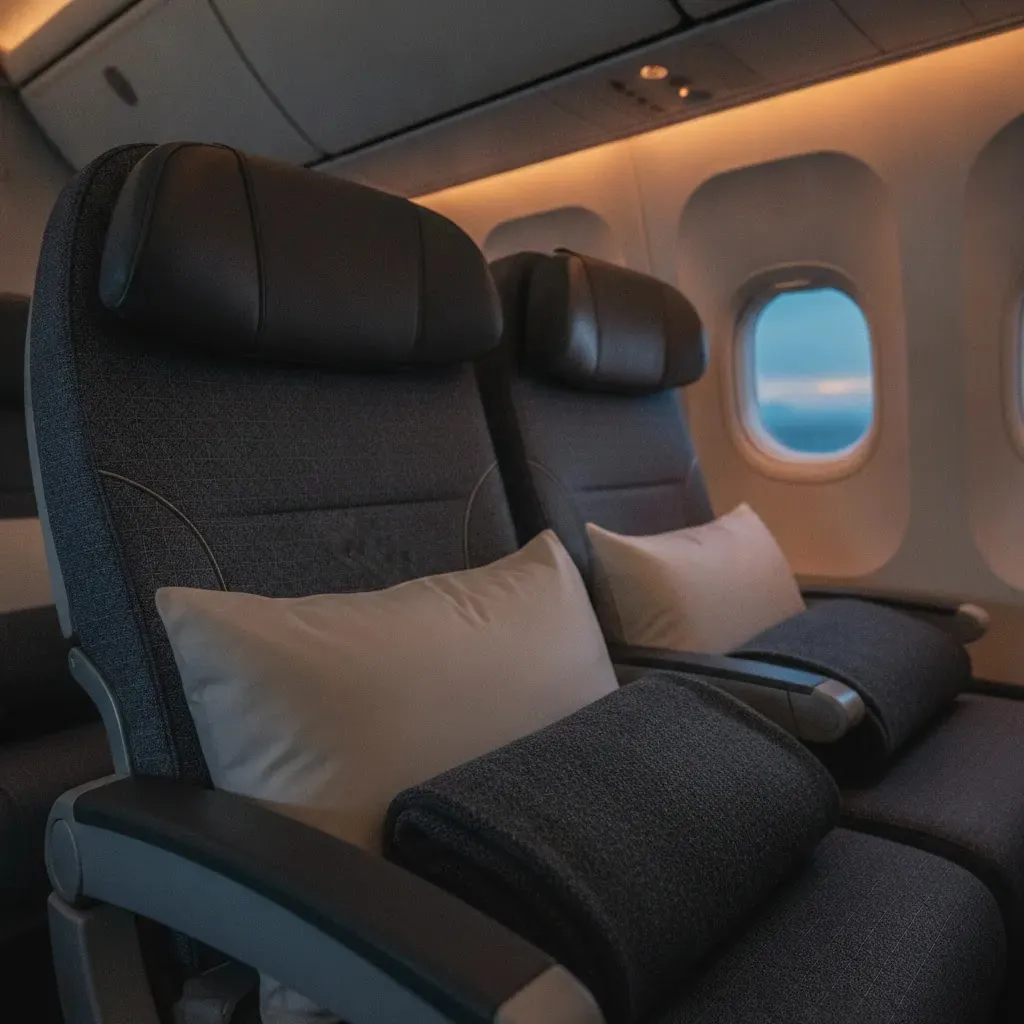
For travelers heading to Taipei and onward across Asia, that distinction matters. The seat shape, cabin quietness, foot support, and overall sense of order can shape the trip more than marketing language. This china airlines premium economy review focuses on what sets the A350 product apart, where it suits discerning travelers best, and where expectations should stay measured. If you are comparing the category more broadly, our look at the best premium economy airlines offers useful market context.
Why China Airlines Premium Economy on the A350 Deserves Separate Attention
China Airlines Premium Economy is most compelling on the airline’s long-haul Airbus A350 services to Asia. On these routes, aircraft design and cabin planning give the product a more refined identity. On paper, Premium Economy often promises familiar benefits: more legroom, wider seating, enhanced meals, and a calmer cabin.
In practice, execution decides whether a cabin feels average or genuinely appealing. On the A350, the cabin usually benefits from a quieter airframe, improved humidity compared with older long-haul aircraft, and a more modern visual environment. As a result, overnight travel to Taipei or onward connections through Taiwan may feel less draining.
Frequent long-haul travelers know a cabin can look good in photographs and still feel tiring in real use. China Airlines often does better than that on its A350 Premium Economy routes. This also gives the product a clear role for travelers who do not need a lie-flat bed but still want a more composed transpacific journey.
Readers considering a larger step up for a longer or more demanding itinerary may also wish to review options for business class to China, especially if sleep quality and lounge access are central priorities.
What Distinguishes China Airlines Premium Economy on the A350
The strongest case for China Airlines Premium Economy is not just extra space. Many carriers offer that. Instead, the A350 product often feels well balanced across several small but meaningful comfort factors.
China Airlines Premium Economy seat design for longer sectors
The seat is usually the first differentiator. On A350 routes, Premium Economy seats generally offer a more sculpted shell, better recline control, and more thoughtful leg and foot support than many older-generation cabins. That matters on flights where you may spend 12 hours or more seated, dining, working, and trying to sleep.
Unlike some products that rely almost entirely on extra pitch, China Airlines often creates a seat environment that feels more purpose-built. Recline, leg support, and personal space often work together better than they do in older Premium Economy products. Armrest spacing, tray stability, and the sense of personal territory may also feel better judged than in denser cabins elsewhere.
China Airlines Premium Economy in a calmer A350 cabin
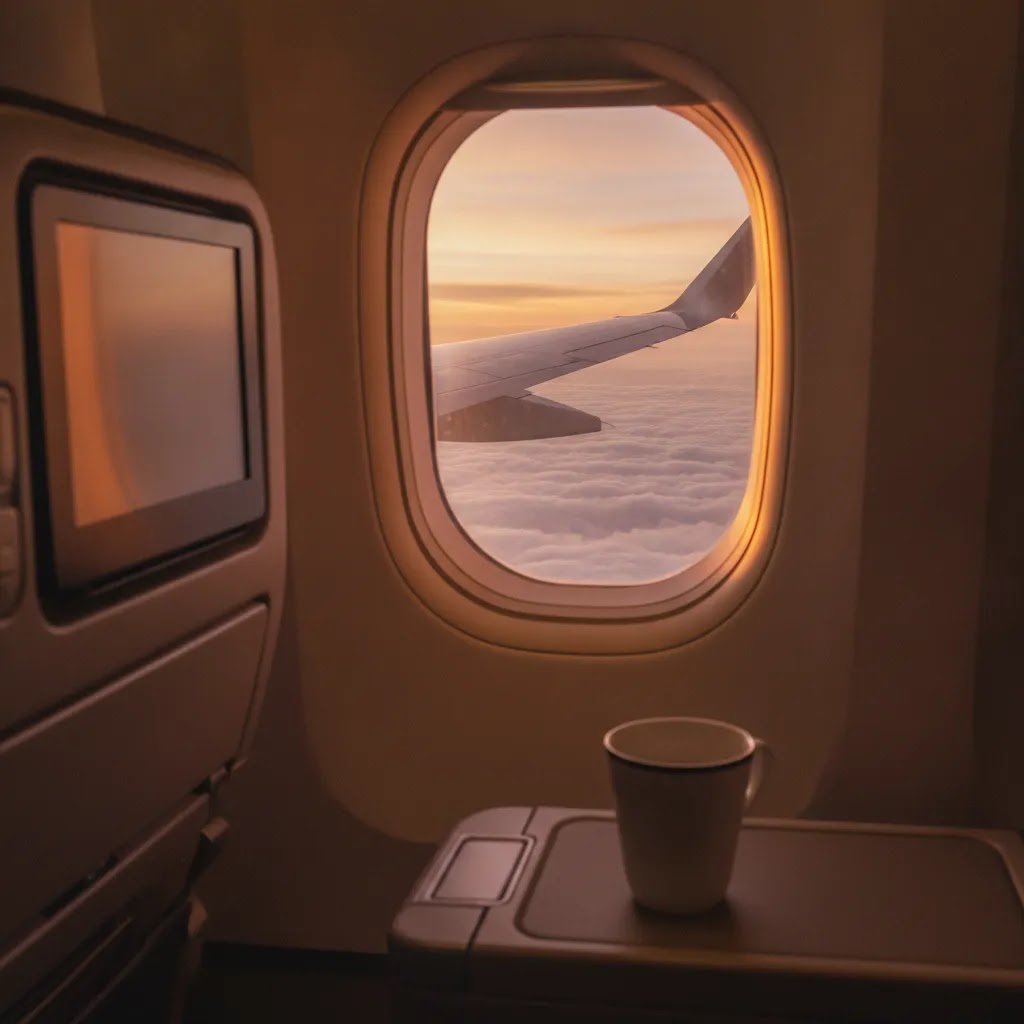
Frequent long-haul travelers often rank Airbus A350 cabins among the most comfortable widebody environments in service. China Airlines builds on that advantage. The aircraft’s cabin pressure and humidity profile may ease some of the dryness and fatigue linked to older long-haul fleets. The quieter cabin also helps the Premium Economy experience feel more restful, especially for travelers who notice constant background noise.
China Airlines Premium Economy soft product and service tone
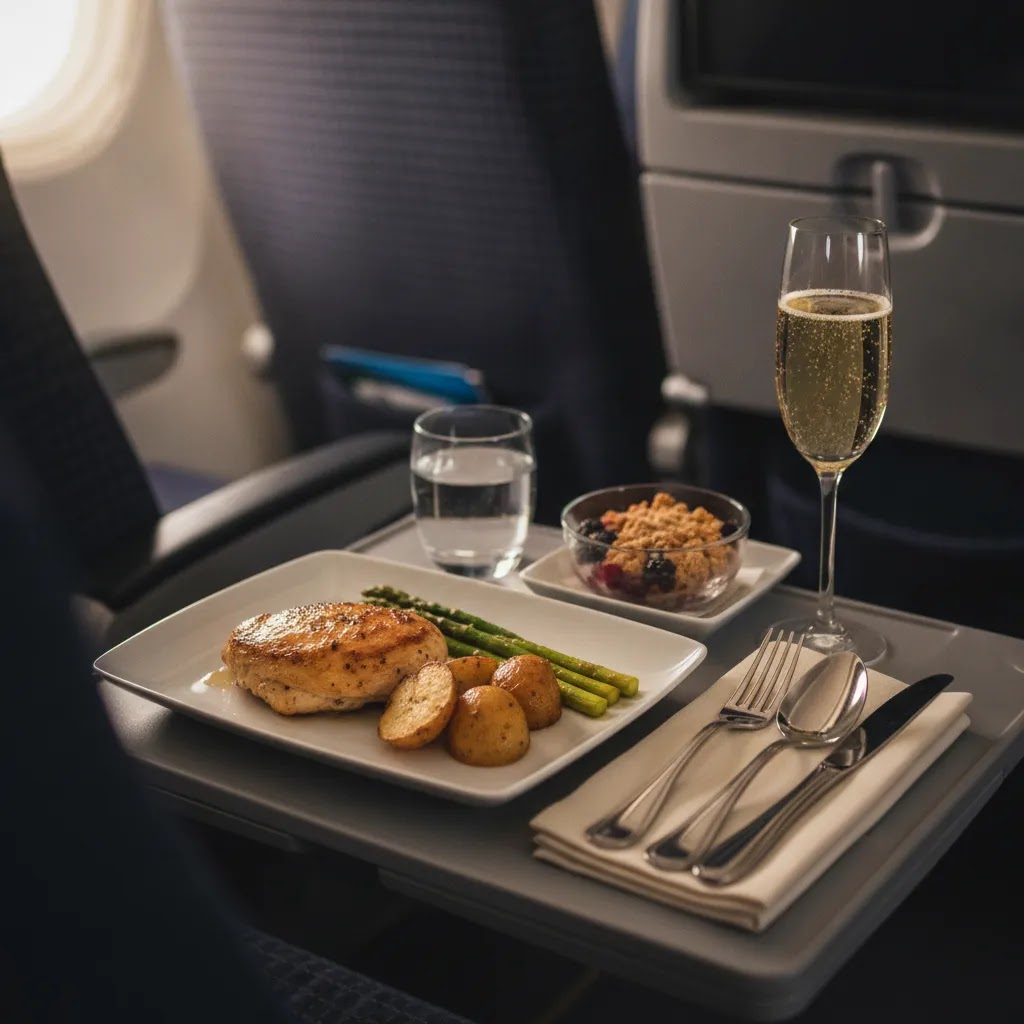
China Airlines generally presents a more polished service style than travelers might expect if they only know North American Premium Economy standards. Meal presentation, amenities, and cabin atmosphere often feel more refined than purely functional. However, this does not turn the cabin into Business Class. Expectations should stay realistic. Even so, the journey may feel noticeably more gracious than a simple extra-legroom proposition.
China Airlines Premium Economy and Asia connectivity through Taipei
For travelers not ending their trip in Taiwan, China Airlines may be especially appealing because Taipei can work as an efficient connecting point into broader Asia. That gives the Premium Economy product value beyond a single nonstop sector. Depending on schedule and connection design, it could suit travelers heading onward to major business and leisure destinations without forcing a more fragmented itinerary.
Seat map, best seats, and cabin layout considerations on the A350
Many travelers overlook one key point: cabin geography shapes Premium Economy comfort almost as much as seat dimensions do. On China Airlines A350 aircraft, Premium Economy is typically a distinct, smaller cabin positioned forward of Economy. That layout can help create a calmer feel.
Even within a small cabin, some rows may be quieter or more convenient than others. Much depends on the position of galleys and lavatories on that specific aircraft.
How seat location affects comfort in China Airlines Premium Economy
Travelers often prefer rows that sit a step away from the highest foot traffic. Seats near galleys or lavatories may bring more movement, light spill, and incidental noise. This matters most on overnight sectors, when other passengers circulate through the cabin.
Bulkhead rows can matter as well. Airlines often place bassinets there on long-haul aircraft. Those seats may offer different legroom geometry, and they may sit closer to families traveling with infants. For some travelers, that is acceptable. For others, it may disrupt rest.
Seat choice also depends on how you travel. If you value smoother sleep and less disruption, a window seat may suit you because it reduces aisle contact during meal service and mid-flight movement. If you expect to work, stretch often, or prefer to stand without asking a seatmate, an aisle may be the better choice.
Some couples prefer paired window sections when available because they can feel slightly more contained. Meanwhile, solo travelers often prioritize a location that reduces neighbor disturbance. Even an excellent Premium Economy seat may feel less appealing if you sit near service staging or lavatory queues.
Aircraft assignment and seating layouts can change, sometimes close to departure. Therefore, it is wise to confirm the operating aircraft and review the seat map again nearer to travel. A careful advisor will usually verify that the A350 still operates your sector and that your selected seat still matches your priorities.
China Airlines Premium Economy Pros and Cons
Strengths
- The A350 platform materially improves the experience. Lower noise, modern cabin conditions, and a more current interior typically help the flight feel less fatiguing.
- The seat usually feels purpose-built for long-haul use. Recline, leg support, and personal space tend to be better integrated than in older Premium Economy products.
- Service style often feels more polished than utilitarian. Dining and cabin presentation may appeal to travelers who value a composed atmosphere, not just extra inches of space.
- Taipei can work well as a connecting gateway for broader Asia itineraries, which adds strategic value beyond the nonstop segment itself.
- The cabin may suit travelers who want a significant improvement over Economy without committing to the scale of a Business Class fare.
Considerations
- It is still Premium Economy, not a sleep-equivalent substitute for Business Class. On overnight transpacific sectors, seat comfort improves, but a lie-flat bed is still absent.
- Ground benefits may vary by airport and fare conditions, so travelers should verify check-in, boarding, and lounge expectations rather than assume premium treatment at every touchpoint.
- Aircraft assignments and interior details may change, and the A350-specific appeal is one reason to check the operating aircraft carefully before booking.
- Travelers seeking maximum privacy may find the cabin open by nature, since Premium Economy rarely delivers the cocooned feel associated with premium business cabins.
China Airlines Premium Economy Lounge Access and Ground Experience
Ground experience is where Premium Economy often creates the most confusion. The cabin name suggests a more privileged airport journey. However, your specific fare conditions, airport handling arrangements, and any elite status usually decide your actual entitlements. China Airlines is no exception, and benefits may vary by route and airport.
China Airlines Premium Economy lounge access in practice
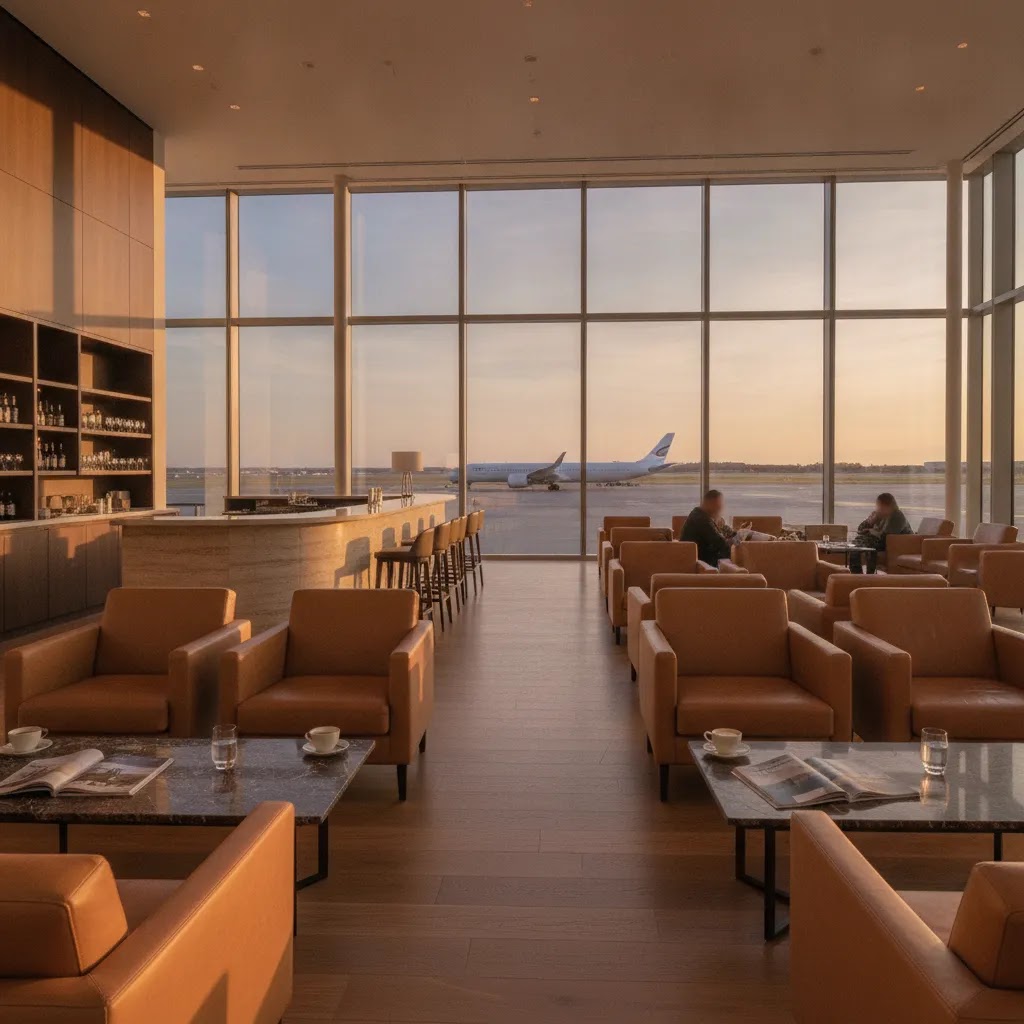
Treat lounge access as a feature to confirm, not a feature to expect. In most cases, lounge entry depends on one of three factors: your cabin, your frequent flyer or alliance status, or an explicit paid access option where offered. With China Airlines Premium Economy, eligibility may depend on fare family rules and the airport you depart from.
That airport context matters. China Airlines may use its own lounge, a contract lounge, or a partner lounge. Policies can also change. Even when access is permitted, the lounge itself may differ materially in quality and crowding by station.
For discerning travelers, clarity before departure matters most. Confirm whether your exact ticket includes lounge access, which lounge applies at your airport, and whether guesting rules apply if you travel with companions. If lounge time is important for dining, quiet work, or a calm pre-boarding routine, an advisor can verify those details and set expectations appropriately.
Priority services: what may be included, and what may not
Premium Economy tickets may include certain priority services, but those services are not always consistent across airports. Some stations offer priority check-in, while others route Premium Economy through a shared counter. Priority boarding is often available, but boarding group order and enforcement can vary, especially during peak departures.
Baggage handling follows the same pattern. Some Premium Economy tickets may receive priority tags, but local ground operations influence delivery timing and no airline can guarantee it. In practice, Premium Economy improves the airport experience in a practical, incremental way. It does not usually deliver the full premium choreography of Business Class.
Therefore, confirming entitlements in advance remains the most reliable way to avoid surprises, especially if your travel day includes tight connections or valuable luggage.
Taipei connections: Premium Economy considerations
Taipei can be an efficient hub, but connection quality depends on timing and itinerary design. Premium Economy travelers connecting onward may find the process straightforward when all flights sit on a single ticket and connection times are sensible. That said, international-to-international transfers can still involve walking distance, security screening, and occasional gate changes.
As a result, it is prudent to build a buffer rather than plan for the shortest legal connection. A Premium Economy seat is most valuable when the broader itinerary supports a calm travel rhythm. If your onward segment is short, leaves from a distant gate, or requires a rapid turn, the overall journey can feel more hectic than the long-haul cabin suggests.
Before travel, confirm your preferred minimum connection time, whether your bags are checked through to the final destination, and whether lounge access applies during transit if you have a longer layover. Those details can materially shape how China Airlines Premium Economy feels on a multi-segment Asia itinerary.
Who China Airlines Premium Economy Usually Fits Best
China Airlines Premium Economy on the A350 typically suits travelers who want to arrive in better condition but do not require a fully flat bed. That may include professionals traveling to Taipei or onward Asian cities, couples planning a more comfortable long-haul vacation, and experienced flyers who value a quieter, more measured cabin environment.
It may be especially well matched to daytime long-haul sectors or overnight journeys where the traveler values posture, space, and reduced fatigue more than total privacy.
Flight Experts View on China Airlines Premium Economy
At Flight Experts, Premium Economy decisions are rarely interchangeable. A cabin that looks similar on a seat map may perform very differently once route length, departure timing, connection structure, and traveler preference enter the picture. China Airlines Premium Economy is a good example.
On the A350, it may represent a thoughtful middle ground for Asia travel, especially for clients who value comfort, a polished onboard atmosphere, and efficient onward connectivity through Taipei.
Flight Experts offers Premium Economy Flight Booking for long-haul international itineraries, with a stated price range of $800 to $3,000 depending on route, and support that may include consultant guidance, seat selection assistance, and enhanced itinerary planning. For travelers whose journey would benefit from more extensive routing support or mixed-cabin planning, the team also provides tailored service through its broader premium flight expertise.
Ultimately, if you want to know whether china airlines premium economy is the right fit for your trip to Asia, you may contact Mike Chirilenco or connect with a Flight Experts travel specialist for a personalized recommendation.
How to Evaluate China Airlines Premium Economy Before You Book
China Airlines Premium Economy may be attractive, but the right decision depends on how you travel rather than on the cabin label alone. These are the criteria worth weighing closely.
1. Confirm that your flight is on the A350
This article centers on the A350 because that is where the product tends to stand out most clearly. If your route changes to a different aircraft family, the experience may not feel identical. For discerning travelers, aircraft type is not a technical footnote. It is often one of the defining comfort variables.
2. Match the cabin to the timing of the journey
Premium Economy often shines differently on daytime flights than on deep overnight sectors. If your priority is arriving rested enough for meetings or an immediate touring schedule, ask whether enhanced recline and leg support will be enough. If not, Business Class may be more appropriate. That answer may vary by age, sleep habits, and the importance of your first day on arrival.
3. Examine the full itinerary, not only the long-haul leg
A strong transpacific segment can lose its appeal if awkward connections or inconsistent onward cabin standards follow it. Travelers connecting beyond Taipei should review transfer timing, baggage rules, and the quality of the onward flight. This is especially relevant on multi-city Asia itineraries, where one weak link can alter the overall experience.
4. Clarify which premium touches matter most to you
Some travelers care most about seat comfort. Others value baggage allowance, boarding flow, meal quality, or the chance to work more effectively in flight. China Airlines generally offers a balanced Premium Economy proposition, but no cabin leads in every category. Clear priorities lead to better choices.
5. Decide whether this is a comfort upgrade or a trip-defining flight
There is a meaningful difference between wanting a better seat and wanting the journey itself to feel elevated. Premium Economy usually handles the first goal very well. However, for milestone travel, demanding overnight schedules, or travelers who know they sleep poorly upright, a more comprehensive premium cabin may still be the better fit.
Flight planning for Asia often benefits from advisor input at this stage, especially if you are comparing multiple carriers or mixing cabins across a longer itinerary.
Baggage Allowance and What Premium Economy Usually Includes on China Airlines
For many experienced travelers, baggage is not merely a policy detail. It can shape how smoothly an Asia itinerary runs, especially when you connect beyond Taipei or combine multiple carriers on one journey. With China Airlines Premium Economy, the best approach is to verify baggage entitlements on the specific booking rather than rely on broad assumptions about the cabin category.
Checked baggage: confirm the rules attached to your ticket
Premium Economy often includes a more generous checked baggage allowance than Economy. However, the exact number of pieces, weight limits, and any route-specific variations may depend on fare conditions and the markets involved. Travelers should confirm what is included for each passenger on that specific ticket and whether the allowance changes on different segments of the itinerary.
This matters most on journeys with onward flights, where baggage rules can differ by operating carrier and even by ticket stock or fare family. The simplest way to avoid friction is to confirm your allowance end-to-end, not only on the long-haul A350 sector. If you connect from Taipei to another Asian city, baggage rules for the onward flight may not mirror the transpacific segment in every case.
A well-constructed itinerary usually accounts for these differences before tickets are issued rather than trying to solve them at the airport.
Carry-on expectations: more comfortable than Economy, but not always uniform
Carry-on allowances are usually clearly stated, but real-world overhead bin experience can vary. Premium Economy often benefits from a smaller cabin and a more orderly boarding process. As a result, competition for bin space may feel lighter than it does in Economy.
Even so, boarding flow and load factors still shape what happens on the day of travel. Travelers who prefer to keep essential items close should plan thoughtfully, especially on peak travel dates when the overall aircraft is full. If your itinerary includes a tight connection in Taipei, a well-managed carry-on setup can be as valuable as any published baggage allowance.
You want the freedom to move efficiently through the airport without relying on last-minute gate checks or rearranging belongings at boarding.
Why baggage planning matters more on connecting Asia itineraries
Premium Economy to Asia is often part of a broader journey, not the journey itself. When travelers combine long-haul flights with regional segments, baggage rules can become one of the first areas where an otherwise refined itinerary starts to feel less controlled. Therefore, confirming through-check arrangements, understanding whether any segment has a stricter allowance, and aligning your packing strategy with the most restrictive sector is often the most elegant approach.
For travelers working with an advisor, this is also an area where proactive confirmation adds value. Before travel, it is reasonable to ask for a clear read on checked and carry-on entitlements by segment, whether baggage is checked through to the final destination in Taipei connections, and whether any fare conditions impose limitations that should influence how you pack.
China Airlines Premium Economy FAQ
Is China Airlines Premium Economy worth it on flights to Asia?
It may be worthwhile for travelers who want a noticeable comfort improvement over Economy without moving into Business Class. On A350 routes, the combination of better seat design, a quieter aircraft, and a more polished cabin atmosphere often makes the value proposition stronger than on less refined Premium Economy products.
What makes the A350 version different?
The A350 typically offers a quieter cabin environment and a more modern interior design. Many travelers also find its cabin conditions less tiring on long sectors. Those advantages support the Premium Economy seat well, which is why China Airlines on this aircraft tends to stand out more clearly than a generic cabin-category comparison suggests.
Does China Airlines Premium Economy feel close to Business Class?
No, not in the ways that matter most for overnight rest. It may feel more refined than many Economy cabins and more carefully designed than some competing Premium Economy products. However, it does not replace lie-flat sleep, stronger privacy, or the fuller ground experience that Business Class usually provides.
Is the seat good for sleeping?
For a Premium Economy seat, it may be quite good, especially if you already sleep reasonably well in a recliner-style environment. The seat design and calmer A350 cabin may help with comfort. Even so, sleep quality remains highly individual and will not match the restorative quality of a flat bed.
Does China Airlines Premium Economy include lounge access?
Lounge access should never be assumed solely from the cabin name. In many cases, Premium Economy benefits depend on fare rules, airport arrangements, and elite status recognition. Therefore, travelers should verify the exact entitlement attached to their booking before relying on lounge access as part of the trip experience.
Is Taipei a convenient place to connect?
For many Asia itineraries, Taipei may work very well as a connecting hub. Much depends on schedule design, connection time, and your onward destination. Travelers using Taiwan as a transfer point often appreciate the relative efficiency, but connection quality should still be reviewed as part of the full itinerary rather than assumed.
Who should skip this cabin and choose Business Class instead?
Travelers who sleep poorly upright, have demanding commitments immediately after arrival, or view the flight as a central part of a milestone trip may be better served by Business Class. The same may apply to clients who place high value on lounge access, privacy, direct aisle access, and a more complete premium journey.
Can Flight Experts help compare China Airlines with other Asia options?
Yes. Flight Experts specializes in premium flight planning and can help compare cabin quality, aircraft type, routing, and overall itinerary logic across long-haul airlines. For travelers who want a curated recommendation rather than a self-service search process, that guidance may be particularly useful on Asia-bound itineraries.
Who has the best premium economy in the world?
The answer depends on what you value most. Some travelers prioritize seat width and leg support. Others prioritize meal quality and cabin service. Still others care most about consistent ground benefits.
Aircraft type and route length also matter, since a strong Premium Economy seat on a quiet long-haul aircraft can feel much more restful than a similar seat on an older platform. If you are selecting among several premium economy to Asia options, it is usually best to evaluate the specific aircraft, the seat design on that route, and the total itinerary rather than rely on a global ranking.
What is the difference between economy and premium economy on Air China?
Premium Economy on long-haul carriers typically offers more personal space, a more supportive seat design, and a calmer cabin environment than Economy, but details vary by airline and aircraft. Differences may include seat pitch and width, recline behavior, meal service presentation, and occasional priority airport services.
If you are comparing Air China cabins specifically for an Asia itinerary, it is wise to confirm the operating aircraft and the exact Premium Economy seat product on that route. Configurations and onboard experience can vary by fleet and may change over time.
What is the premium economy standard on China Airlines?
On China Airlines, Premium Economy is generally positioned as a more refined long-haul experience than Economy, with a more structured seat design and an onboard service tone that may feel more composed on A350 routes. In most cases, you should expect a meaningful comfort improvement in seat ergonomics and cabin atmosphere.
However, keep expectations measured on lounge access and other ground benefits unless your specific fare rules or status confirm them. As with all premium cabins, the most reliable assessment comes from verifying the aircraft assignment, seat map, and ticket inclusions for your exact flight.
Key Takeaways
- China Airlines Premium Economy is most appealing on Airbus A350 routes, where the aircraft itself enhances comfort.
- The cabin distinguishes itself through seat design, quieter surroundings, and a more polished onboard tone than many travelers expect.
- It may suit travelers who want a meaningful step up from Economy, especially on long flights to Taipei and onward Asia destinations.
- It remains a Premium Economy product, so expectations around sleep, privacy, and lounge access should stay measured.
- Checking aircraft type, route timing, and full itinerary structure is essential before deciding that this is the right cabin for your trip.
Conclusion
China Airlines Premium Economy is not defined by extra legroom alone. On the A350, it often offers something more useful to experienced long-haul travelers: a cabin that feels intentionally composed, reasonably refined, and better suited to Asia-bound flying than many mid-market alternatives.
Its strengths are clearest if you value seat ergonomics, quieter surroundings, and a smoother onboard atmosphere. Its limits are just as clear if your journey depends on deep sleep or a fully premium ground experience. If you would like help comparing China Airlines with other premium options to Asia, or would prefer a tailored recommendation based on route, aircraft, and travel priorities, contact Mike Chirilenco or speak with a Flight Experts travel specialist to begin planning your itinerary.



