
ANA Premium Economy Review: Japan Routes
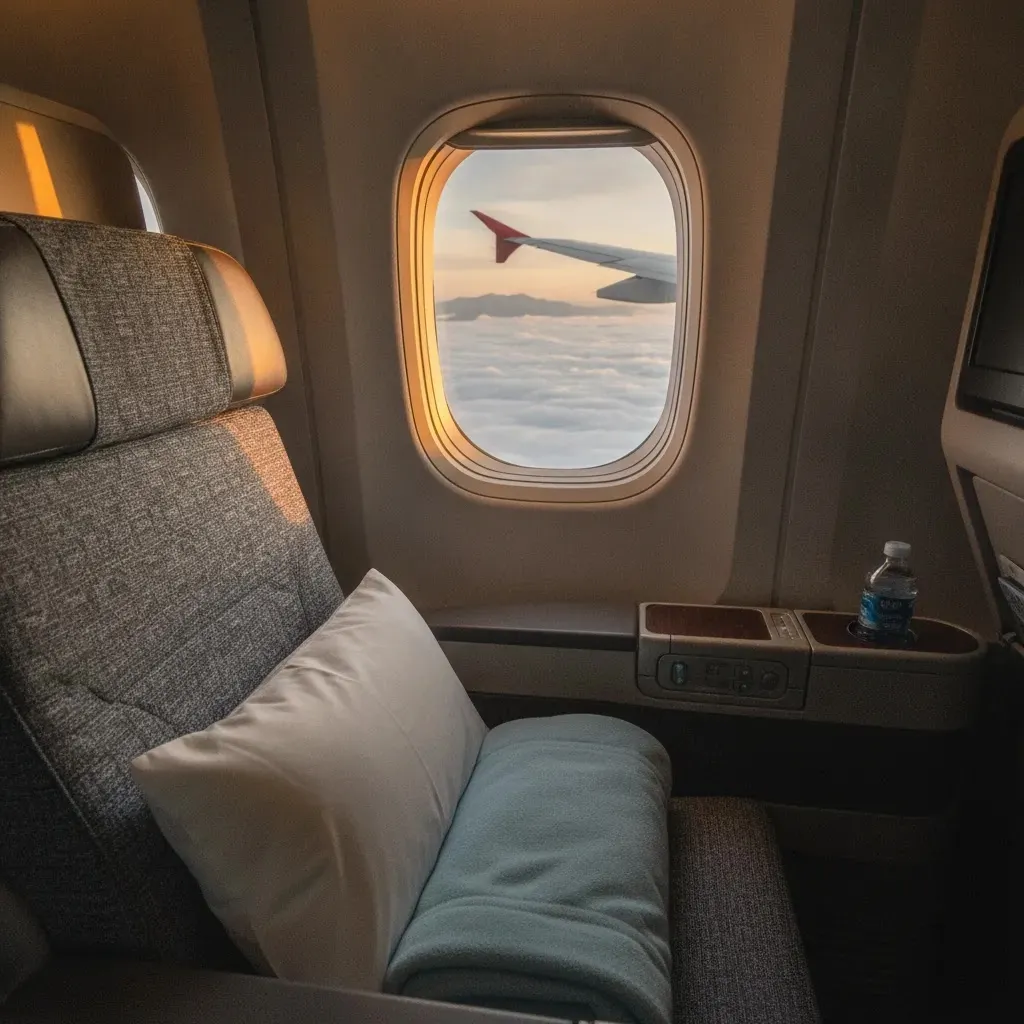
This matters on routes to Tokyo and beyond, where flight times are long enough for seat design, meal quality, and cabin atmosphere to shape the journey. In this ana premium economy review, we focus on Japan routes, typical seat and dining quality, and how ANA compares with JAL. If you want broader context first, our parent guide offers a wider look at the category.
Overview of ANA Premium Economy on Japan Routes
ANA Premium Economy is built for travelers who want more personal space, a more composed cabin, and better service than Economy usually provides on long-haul flights to Japan. On routes linking North America and Japan, that may mean wider seats, deeper recline, more generous pitch, upgraded dining presentation, and priority ground services that make the airport feel less hurried.
The product often appeals to two groups. First, frequent flyers know that ten to fourteen hours in a tight seat can affect arrival-day performance. Second, leisure travelers may want the journey to feel elevated for a honeymoon, anniversary, or major family trip without moving fully into a front cabin.
ANA has a strong reputation for attentive Japanese hospitality, orderly cabin service, and long-haul consistency. On Japan routes, that consistency matters as much as seat dimensions. A good seat can still disappoint if dining feels rushed or the cabin lacks refinement. By comparison, ANA usually performs well because the experience feels intentionally designed rather than lightly upgraded from Economy.
ANA Premium Economy by Aircraft: What Changes on the 787-9 vs 777 vs 777-300er
ANA Premium Economy can feel quite different depending on the widebody operating your Japan route. Even when the concept stays the same, seat generation, cabin density, and personal space may vary by aircraft type and subfleet. In addition, configurations can change over time, and long-haul aircraft swaps do happen.
How aircraft type shapes this ana premium economy review
On many Japan routings, travelers link the 787-9 with a more modern and quieter long-haul feel. Some 787-9 frames may also look newer inside. The Premium Economy cabin can feel more sheltered too, depending on its position near galleys and lavatories.
By contrast, some 777 and 777-300ER operations feel busier. The aircraft is larger, and passenger flow can put more traffic near the cabin. That is not a rule. However, it is a practical reason to verify the operating aircraft instead of assuming every flight offers the same experience.
Small layout differences can quickly affect rest. A seat that looks similar on a map may perform very differently near a high-traffic zone. Likewise, bulkhead and lavatory placement can add light and movement throughout the flight. Cabin density matters as well. A lightly separated cabin often feels calmer, while a layout that encourages cross-cabin movement can feel more exposed.
What to check before booking
Before booking, verify three details. First, confirm the aircraft assignment for your specific flight number and date. Then check it again as departure approaches, since equipment changes do occur.
Second, review the seat map carefully. Rows near lavatories, galleys, and crew jumpseats often bring more noise and light, especially on overnight departures. Bassinet positions matter too, since bulkhead rows may be assigned to travelers with infants.
Third, consider bulkhead tradeoffs. Bulkheads can create a different sense of space in front. On the other hand, they may limit where you store personal items for takeoff and landing. Some travelers also find fixed armrests or tray-table placement less comfortable.
Premium Economy comfort is not only about pitch and width. It is also about long-haul body support. When you compare aircraft, look closely at leg and foot support. Designs range from simple footrests to more substantial supports that can change your knee and hip angle.
Also consider how the seat behaves when the row ahead reclines. In some designs, the passenger in front moves more directly into your space. In others, seat shells reduce that sense of encroachment. Finally, think about proximity to high-traffic areas. In practice, a well-positioned seat can feel far more private than a poorly placed one on the same aircraft.
Seat, Service, and Food Experience
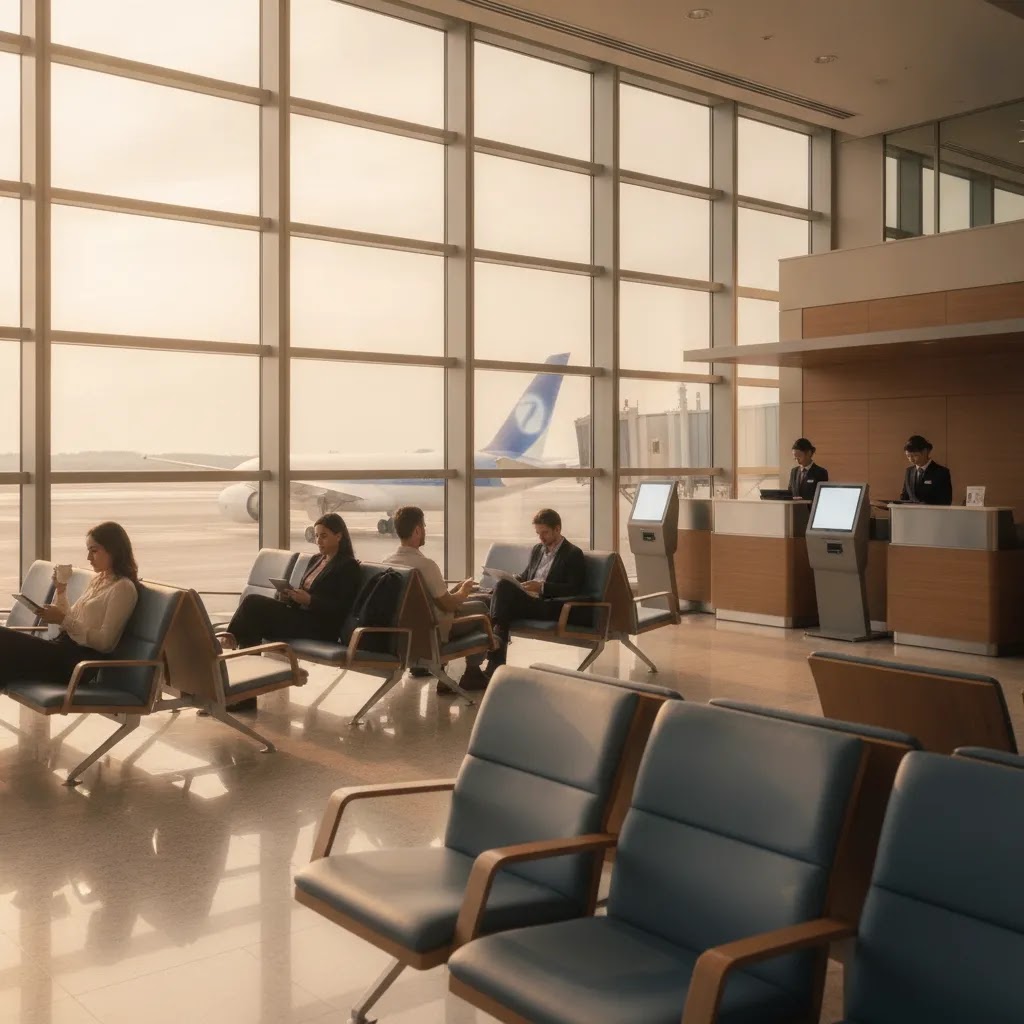
ANA Premium Economy seat comfort and space
Seat comfort is the main reason many travelers choose ANA Premium Economy. Depending on the aircraft and route, the exact seat may vary. Still, the overall experience usually includes a wider sitting area, greater legroom, a more supportive recline, and better armrest spacing than ANA Economy.
On an overnight sector to Tokyo, those details can make a real difference. They may separate fragmented rest from several usable hours of sleep. Storage, foot support, and tray-table stability matter too. As a result, travelers often work, read, or dine more comfortably because the seat shell and pitch create less intrusion from the passenger in front.
That advantage is especially valuable on Japan routes. Many travelers want to maximize rest, finish work before arrival, or settle children more comfortably.
Food, beverage, and service flow
Food and beverage in ANA Premium Economy is usually a meaningful step up from Economy, though it is not a Business Class substitute. Meal quality may benefit from better presentation, more thoughtful pacing, and a calmer cabin. The food itself can vary by departure point and catering station. Even so, ANA often earns favorable marks for a polished and restrained approach.
You should expect improved dining conditions more than restaurant-level cuisine. Service is another area where ANA often stands out. Cabin crews usually deliver a measured and courteous style that many discerning travelers value on Japan routes. Requests are often handled efficiently, and the overall tone usually stays calm even on full flights.
Priority check-in and boarding also add value before takeoff, especially at busier gateways. Ground benefits may vary by airport and fare conditions. However, Premium Economy can sometimes include lounge-related privileges or airport handling advantages depending on the route and policy in effect at booking. Those details are worth confirming before ticketing. Travelers considering a higher cabin on the same carrier may also wish to read this ANA review for perspective on how the airline’s premium service style extends into Business Class.
How Sleepable Is ANA Premium Economy, and How to Choose the Right Seat for Rest
For many discerning travelers, one question matters most: can you truly sleep in ANA Premium Economy on a Japan route? In most cases, yes. However, it is not the same as lie-flat rest in Business Class.
Premium Economy supports a more stable and less cramped sleeping posture than Economy. You usually get better leg support and a recline that can ease lower-back fatigue. As a result, many travelers can manage several usable hours of rest on a ten to fourteen hour sector, especially if they sleep well in a reclined seat.
Best seat positions for sleep
Seat placement often matters as much as the seat itself. Window seats usually work well for sleep because you can lean toward the wall and avoid aisle movement. The tradeoff is simple: you may need to step over a neighbor if you get up often.
Aisle seats suit travelers who value easy access. On the other hand, they are more exposed to carts, foot traffic, and incidental contact, especially during meal and beverage services. If rest is your priority, choose a seat that reduces disturbance and light.
Seats near lavatories and galleys are more likely to face door noise, queueing, and crew activity. Those interruptions can break sleep even in a quiet cabin. Rows close to cabin dividers may also see more through-traffic, depending on how the flight is managed. Bulkhead rows can look appealing for space, but they may be less predictable for sleep because of bassinets and nearby service areas on some routes.
Sleep strategy on overnight and daytime Japan flights
Recline and leg support shape posture more than many travelers expect. If the footrest or leg support is modest, your body may slide forward over time. That can create neck and lower-back strain. By comparison, a setup that keeps your feet supported and your knees comfortably bent often feels more stable for longer rest periods.
Also note how the row ahead reclines. A more intrusive recline can increase the sense of enclosure and reduce cabin calm. On Japan timings, strategy shifts depending on whether you are flying a red-eye into Tokyo or traveling in daylight.
On an overnight departure, many travelers do best by keeping the first meal light and trying to sleep soon after. On daytime flights, ANA Premium Economy often works best as a comfortable cabin for working, reading, and dining. Either way, you are trying to manage the long-haul rhythm well. Ultimately, seat selection, cabin position, and service pacing matter almost as much as the menu itself.
ANA Premium Economy vs JAL
This is where the article’s central question becomes most useful. ANA and JAL both perform well in Premium Economy on Japan routes. Neither is an obviously poor choice. The difference usually comes down to emphasis.
How ANA Premium Economy feels compared with JAL
ANA often feels slightly more understated and composed. Its Premium Economy product may suit travelers who prioritize calm cabin service, clean seat design, and an orderly onboard rhythm. If your ideal flight is quiet, efficient, and polished, ANA is often a strong fit.
JAL often earns praise for seat comfort and cabin warmth. Depending on aircraft and route, some travelers may prefer JAL’s cushioning, layout, or meal style. JAL can feel a touch softer and warmer, while ANA may feel more structured and minimal in presentation.
When to choose ANA and when JAL may suit better
For seat selection alone, the gap is not always dramatic enough to choose one airline blindly. Aircraft type, departure city, and overnight versus daytime timing may matter more than brand preference. Some travelers prefer ANA’s firmer and more supportive feel. Others lean toward JAL for a cozier onboard impression.
On food, neither carrier should be treated as a destination dining experience in Premium Economy. Both usually exceed what many North American and European carriers provide in the same cabin. ANA may appeal more to travelers who value consistency and a refined service cadence. Meanwhile, JAL may appeal more to those who prioritize comfort cues and softer hospitality touches.
In practical terms, ANA may have the edge for travelers who want a highly predictable and quietly premium experience. JAL may have the edge for travelers who are especially seat-sensitive and responsive to a warmer cabin feel.
Where ANA Premium Economy Sits in the Global Premium Economy Category
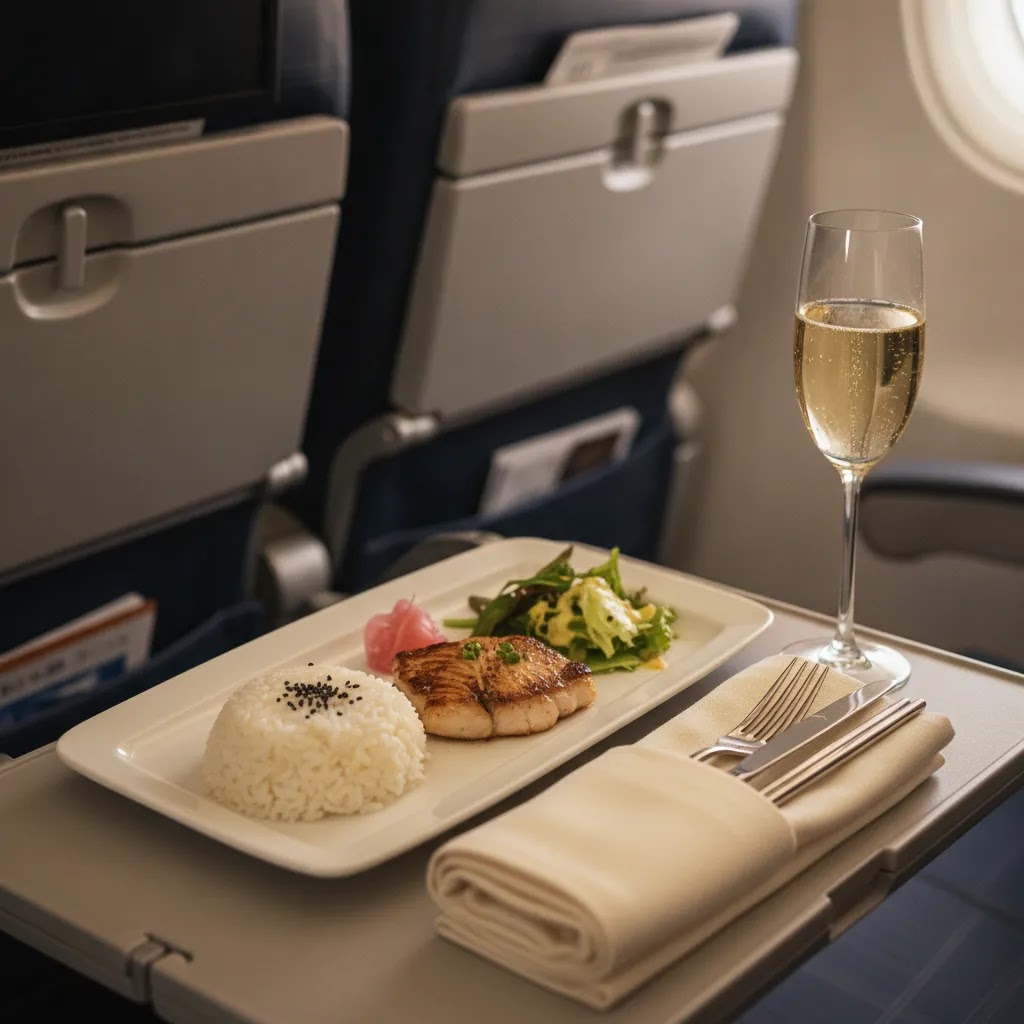
Many travelers researching an ana premium economy review also want to answer a broader question: which airlines offer the best Premium Economy? That is a fair lens because this category varies widely. At its best, Premium Economy offers a clearly differentiated seat, a calmer cabin, and a more polished service cadence. At its weakest, it can feel like a lightly adjusted Economy cabin with only a little more space.
How ANA Premium Economy compares in the wider market
ANA typically sits in the stronger tier of the category, especially on Japan routes where the airline’s service culture is consistent and the onboard rhythm is orderly. In most cases, you can expect a more stable long-haul experience than in Economy. That often means better personal space, a calmer cabin, and service that feels intentional.
Experienced travelers often notice the small things first. For example, boarding may feel smoother, the cabin tone may stay quieter, and the seat may support the body better over long sitting periods. Across top carriers, Premium Economy should reliably deliver three outcomes: more space and better ergonomics than Economy, a more comfortable dining and work setup, and some level of priority handling that reduces airport stress.
Differences become most noticeable in seat design, cabin density, and fleet consistency. A well-designed seat can feel genuinely restful for travelers who sleep well upright. By contrast, a less refined seat may still leave you fatigued at arrival despite the added pitch.
Why route design matters as much as the airline
When you compare alternatives, the best Premium Economy choice is sometimes less about the airline name and more about the full journey design. Schedule quality, departure and arrival times, the specific aircraft, and the ground experience at each airport can all shape how premium the trip feels. In some cases, a better-timed flight on a better-configured aircraft will produce the more restful outcome.
This is also where an expert advisor adds value. A specialist can match the cabin product to your sleep goals, arrival-day plans, and route realities, subject to availability and current configurations.
Pros and Cons
Strengths
- Seat comfort is typically a clear improvement over Economy, especially on long-haul Japan routes where extra pitch and width matter most.
- Cabin service usually reflects ANA’s well-regarded Japanese hospitality, with a calm and attentive tone that many premium travelers appreciate.
- Dining generally feels more polished than Economy, with better pacing and presentation even when the menu itself remains modest.
- Priority airport services may reduce friction at check-in and boarding, which can noticeably improve the overall journey.
- The product often feels consistent and reliable, which is valuable for travelers planning milestone trips or important business arrivals.
Considerations
- Seat specifications and cabin finishes may vary by aircraft, so the experience is not identical on every ANA Japan route.
- Food quality is improved versus Economy but still may not satisfy travelers expecting a Business Class style culinary experience.
- JAL may appeal more to some travelers on softness, atmosphere, or seat feel, so ANA is not automatically the stronger fit for every preference.
- Ground benefits and lounge access can vary by airport, fare conditions, and current airline policy.
Who ANA Premium Economy Suits Best
ANA Premium Economy typically suits travelers who care deeply about comfort and composure but do not necessarily need the full privacy, dining, or lie-flat advantages of Business Class. It is often a smart choice for couples traveling to Japan for a special occasion, professionals arriving in Tokyo for meetings, and families seeking a more manageable long-haul experience.
It may be especially well suited to travelers who value a restrained, quietly elegant onboard style. If you tend to notice service consistency, cabin calm, and thoughtful details more than flashy branding, ANA will likely feel appealing.
Flight Experts Recommendation
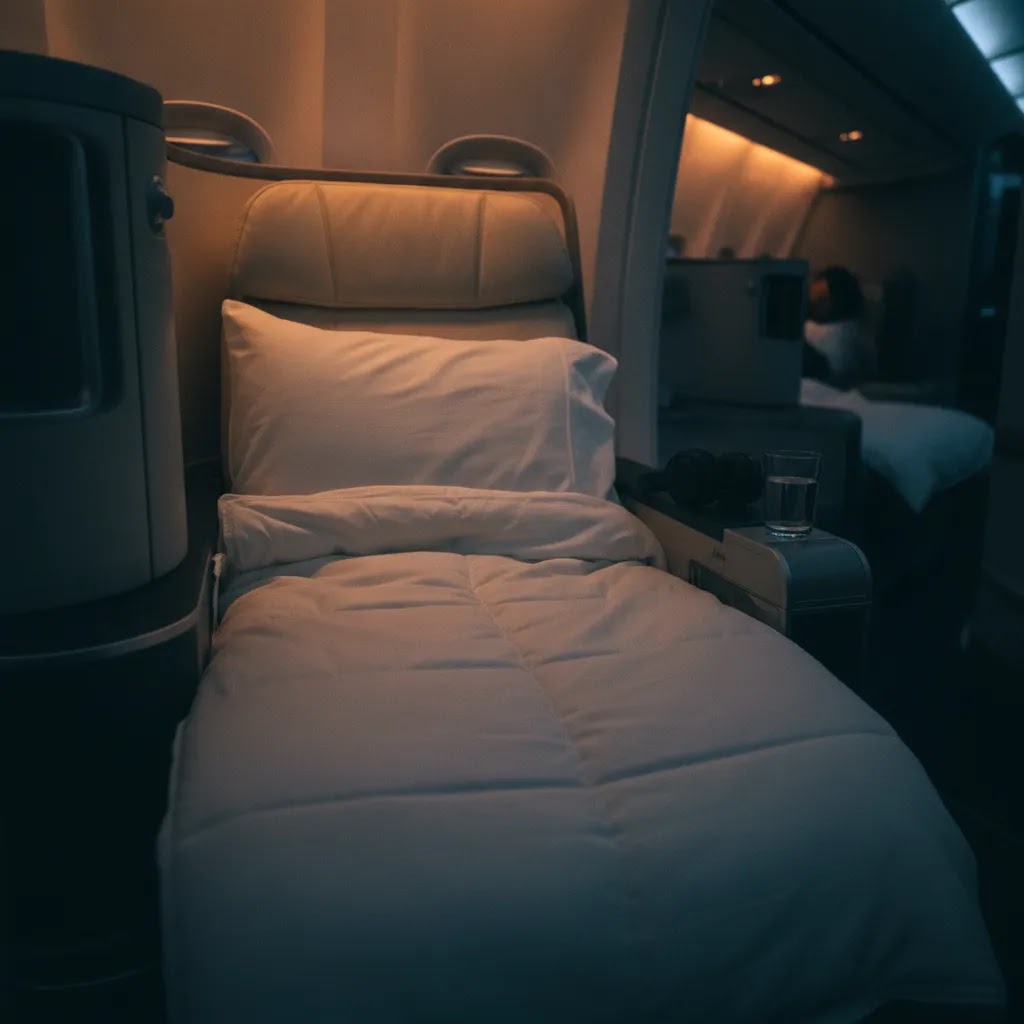
For many Japan itineraries, ANA Premium Economy deserves serious consideration, particularly if your priority is arriving more rested without stepping fully into Business Class. The strongest reason to choose it is not one feature alone. Rather, it is the balance of seat comfort, disciplined service, and a refined long-haul atmosphere.
At Flight Experts, Premium Economy planning is handled with the same care as higher cabin bookings. The agency’s Premium Economy Flight Booking service includes a personal travel consultant, seat selection support, meal preference coordination, and assistance comparing options across major long-haul carriers. Typical pricing for this service category is listed at $800 – $3,000, though route, season, and availability may affect what is offered.
For travelers weighing ANA against JAL, the real question is usually not which airline is universally better. It is which flight, aircraft, schedule, and cabin style best match your priorities. A luxury travel specialist can help you sort through those details with more precision than a self-service booking path usually allows.
How to Choose Between ANA and JAL Premium Economy
Selecting the right Premium Economy flight to Japan usually comes down to five criteria.
1. Aircraft and seat type
Do not evaluate solely by airline brand. Premium Economy seats may differ across fleets. Review the aircraft operating your route and look closely at recline style, leg support, and cabin layout. On some itineraries, aircraft choice may outweigh airline preference.
2. Overnight versus daytime timing
If you are taking a red-eye to Tokyo, seat ergonomics and cabin quietness may matter more than meal service. On a daytime flight, tray space, entertainment comfort, and overall upright seating support may carry more weight.
3. Service style preference
ANA often appeals to travelers who prefer disciplined, understated service. JAL may appeal to those who enjoy a slightly warmer or softer onboard atmosphere. Neither approach is inherently superior. The right choice depends on what helps you feel most at ease in flight.
4. Airport experience
Ground handling can shape the journey before you even board. Check what priority services are included at your departure airport and whether any lounge arrangements apply. Policies may vary, and these details are best confirmed before purchase.
5. Broader itinerary context
If your Japan trip includes onward domestic segments, open-jaw routing, or a mixed-cabin long-haul strategy, the best Premium Economy choice may be the one that integrates most cleanly with the rest of your trip. Travelers planning something more layered may benefit from expert itinerary support rather than evaluating each leg in isolation.
Flight Experts also offers Complex Itinerary Planning for multi-city and open-jaw travel, a service that may be especially useful if Japan is one stop within a broader Asia journey.
Frequently Asked Questions
Is ANA Premium Economy worth it for flights to Japan?
For many travelers, yes. The value usually comes from extra personal space, improved rest potential, calmer service, and a more refined long-haul environment. It may be especially worthwhile on overnight routes to Tokyo or on trips where arrival-day comfort matters. The final value depends on aircraft, schedule, and your own comfort priorities.
How does ANA Economy compare with ANA Premium Economy?
ANA Premium Economy typically offers a wider seat, more legroom, deeper recline, and a more spacious working and dining setup than Economy. Service and meal presentation are also usually enhanced. The difference is not merely a few extra inches of space. On long Japan routes, it may meaningfully improve sleep, privacy, and overall cabin calm.
Is ANA Premium Economy better than JAL Premium Economy?
Not in every case. ANA may suit travelers who prefer a quieter, more structured premium experience, while JAL may appeal to those who prioritize softness and cabin warmth. Aircraft type, seat generation, route timing, and personal comfort preferences often decide the better fit more than brand alone.
Does ANA Premium Economy include lounge access?
Lounge access policies may vary by route, airport, fare rules, and current airline arrangements. Some travelers assume Premium Economy automatically includes lounge entry, but that is not always the case. It is best to confirm the exact benefits attached to your ticket before booking, especially if airport comfort is an important part of your journey.
What is the food like in ANA Premium Economy?
Food is usually improved compared with Economy in both presentation and service flow, though it remains below Business Class in ambition and variety. Travelers often appreciate the more composed dining environment as much as the meal itself. Catering quality may also vary by departure city, so expectations should remain flexible.
Is ANA Premium Economy good for business travelers?
It often is, particularly for travelers who want more space to work and a better chance of arriving rested without booking a front cabin every time. The seat, tray table, and generally orderly service style may support productivity well. For especially demanding schedules, Business Class could still be the more appropriate choice.
Which travelers may prefer JAL over ANA?
Travelers who are highly sensitive to seat feel, cushioning, or a slightly softer cabin atmosphere may find JAL more appealing on some routes. That does not mean ANA is weaker overall. It simply means the better experience may depend on how you personally interpret comfort during a long-haul flight.
Can a travel specialist help compare ANA and JAL more accurately?
Yes. A specialist can often compare aircraft type, schedule quality, seat maps, airport handling, and how the flight fits into a wider itinerary. That is particularly useful for milestone or complex travel, where the best option is rarely defined by airline name alone. Personalized guidance may help you avoid compromises that are easy to miss online.
What does Premium Economy get you on ANA?
ANA Premium Economy typically gets you a more spacious seat with improved legroom and recline versus Economy, a calmer long-haul cabin environment, and a more polished service and dining presentation. Priority handling at the airport may also apply depending on the fare conditions and airport. Since benefits and cabin configurations can vary by route and aircraft, it is wise to confirm the exact inclusions attached to your ticket before booking.
Is it worth upgrading to Premium Economy on Japan Airlines?
For many travelers, it can be worthwhile, particularly on overnight flights where added space and comfort cues may improve rest and reduce arrival fatigue. The value depends on the aircraft operating your route, your sensitivity to seat feel, and whether timing makes sleep a primary goal. If you are choosing between JAL and ANA, the better upgrade is often the one paired with the stronger aircraft and schedule for your trip.
Which airlines have the best Premium Economy?
The strongest Premium Economy products typically combine a genuinely differentiated seat, a composed cabin experience, and consistent service cadence on long-haul routes. Differences become most noticeable in seat design details, cabin density, and how consistent the product is across the fleet. ANA is generally viewed as a strong performer in the category on Japan routes, but the best choice for your trip may depend on aircraft type, schedule quality, and the overall journey design.
Can I sleep in Premium Economy?
In most cases, yes, but expectations should be realistic. Premium Economy can support meaningful rest, especially if you select a quieter seat position and you sleep reasonably well in a reclined seated posture. It is not a substitute for lie-flat sleep, but on long-haul sectors such as Japan routes, many travelers find it can provide several usable hours of rest compared with the more fragmented experience they may have in Economy.
Key Takeaways
- ANA Premium Economy is typically a strong option for Japan routes if you value calm service, reliable comfort, and a refined long-haul atmosphere.
- The seat is usually the biggest upgrade over Economy, with more space and better support for overnight travel.
- Food is generally improved and more polished than Economy, though it should not be mistaken for a Business Class dining experience.
- Compared with JAL, ANA often feels more understated and structured, while JAL may appeal more to travelers seeking warmth and softness.
- The best choice depends on aircraft, route timing, airport benefits, and how the flight fits into your broader Japan itinerary.
Conclusion
ANA Premium Economy remains one of the more compelling ways to fly to Japan if you want a meaningful upgrade from Economy without moving into a fully premium front cabin. Its appeal usually rests on balance: a more supportive seat, a more polished meal service, and the steady courtesy that many travelers associate with Japanese carriers. The comparison with JAL is close, which makes route details and personal preference especially important. If you would like a tailored recommendation based on schedule, aircraft, and the style of journey you want to create, contact Mike Chirilenco and the Flight Experts team. Their expert-led approach may help you identify the right cabin and itinerary with greater confidence.



