
Air New Zealand Premium Economy Review
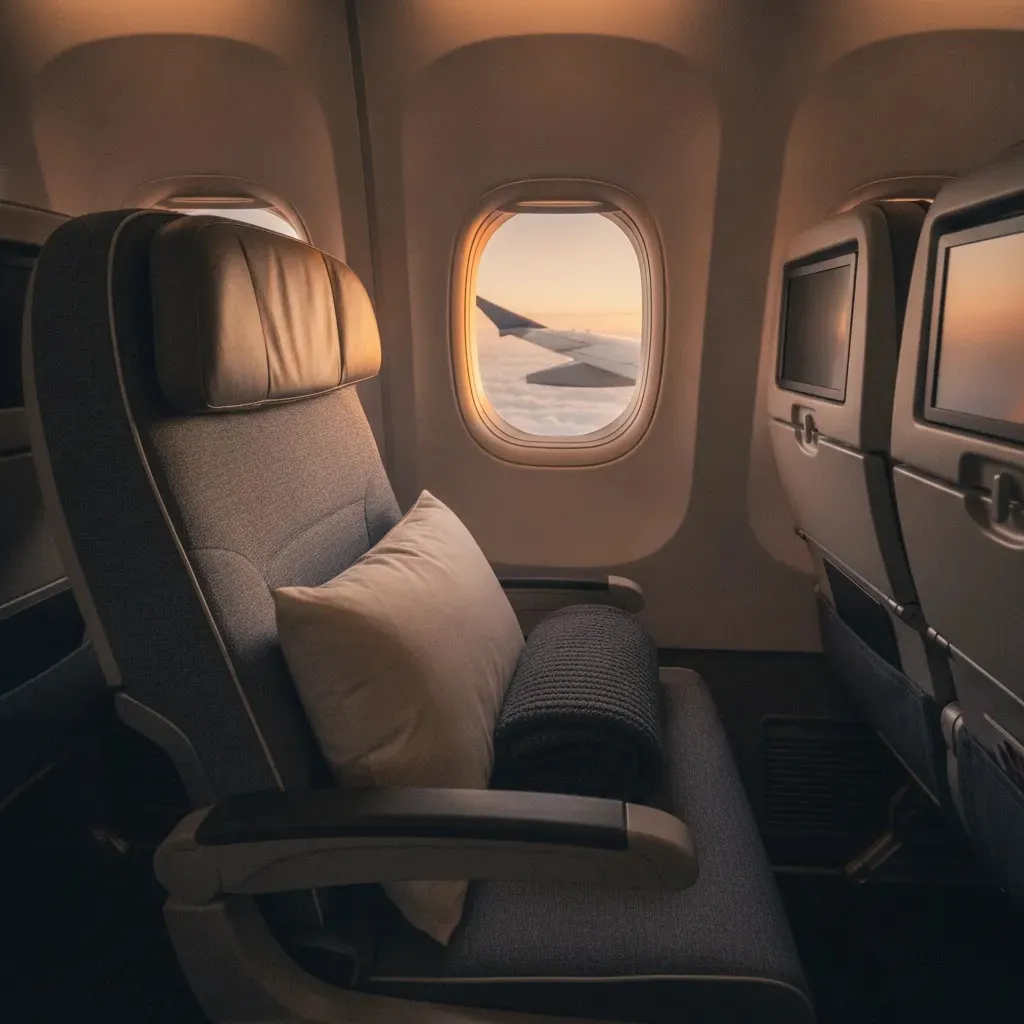
That is why air new zealand premium economy draws interest. The cabin stands out for the airline’s distinctive Spaceseat concept. It also reveals its strengths on the Auckland route, where real travel conditions matter more than seat specifications. For readers comparing options across the category, our look at the best premium economy airlines offers broader market context. Here, the focus is narrower and more useful: how Air New Zealand Premium Economy typically feels on a long-haul Auckland journey, where comfort, sleep, cabin layout, and service rhythm may matter as much as the fare class itself.
Why Air New Zealand Premium Economy Still Draws Attention
Air New Zealand Premium Economy appeals to travelers who want a clear step up from the main cabin. However, they may not want to move into a fully lie-flat product. On paper, that sounds familiar. In practice, this airline has often treated Premium Economy as a product with its own identity.
The main reason is the seat architecture. Air New Zealand’s Spaceseat became one of the more recognizable Premium Economy designs in long-haul aviation. It aimed to create more personal separation, a more lounge-like posture, and less intrusion from nearby passengers. Even when configurations change, the cabin’s reputation still rests on that design philosophy.
That matters on flights to Auckland. The travel time is long enough for small ergonomic details to become decisive. Leg position, shoulder room, and recline mechanics can shape the whole flight.
Why the Air New Zealand Premium Economy Spaceseat Matters
Spaceseat is the central reason this review deserves a dedicated angle. Many Premium Economy seats promise extra pitch and width. Yet many still feel like enlarged versions of the main cabin. Spaceseat was designed to change that impression.
Its shell-style structure, wider personal zone, and sculpted seating position aim to create stronger separation. As a result, the cabin can feel calmer and more private. For couples, the design may support conversation without the shoulder-to-shoulder compression common in denser cabins. For solo travelers, the shape may create a more self-contained experience. That can feel especially welcome on overnight sectors.
There are trade-offs. A dramatic seat is not automatically the best seat for every body type. Some travelers prefer a more conventional forward-facing structure. Others want simpler foot positioning and a more familiar recline arc. Spaceseat may feel highly thoughtful to one traveler and slightly unusual to another.
That is why photographs alone are not enough. A serious evaluation should consider how you sit on long flights. For example, you may shift often, tuck one leg, work on a laptop, or sleep upright. In most cases, Air New Zealand Premium Economy works best for travelers who value personal space and cabin calm more than a standard seat template.
Air New Zealand Premium Economy: What You Typically Get Beyond the Seat
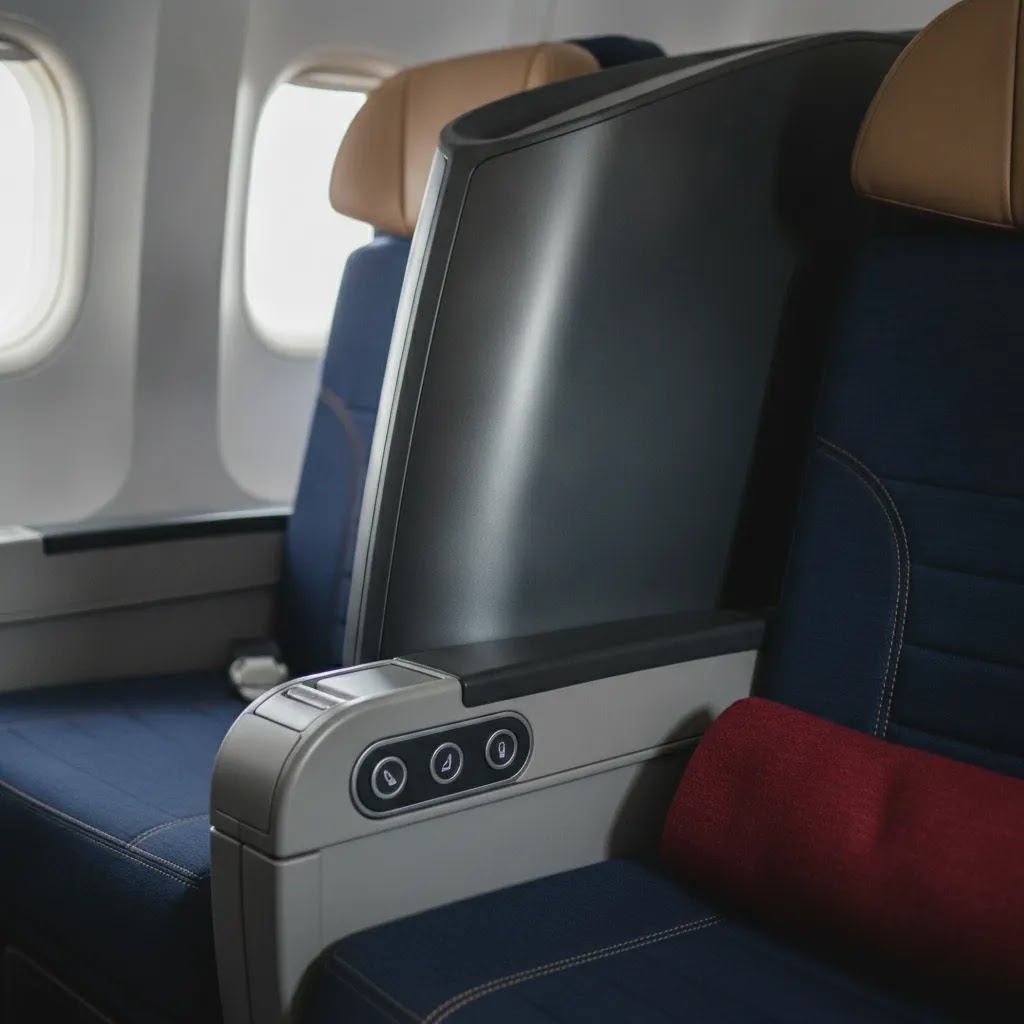
Seat design may be the headline, but experienced travelers usually notice the full journey. That starts at the airport and continues once the cabin lights go down. Air New Zealand Premium Economy can vary by route, fare conditions, aircraft, and operations. Still, several patterns matter on long-haul Auckland sectors.
Air New Zealand Premium Economy ground experience
On the ground, Premium Economy often feels more streamlined than the main cabin. Priority check-in and earlier boarding may be available. However, the exact process depends on the airport and local procedures.
Baggage allowances can also vary by fare family and origin. Therefore, it is wise to confirm your ticket details rather than assume a standard policy. When those details align, the trip often feels calmer from the start. That matters most on late departures, when you want to settle in quickly and protect your rest.
Air New Zealand Premium Economy onboard service
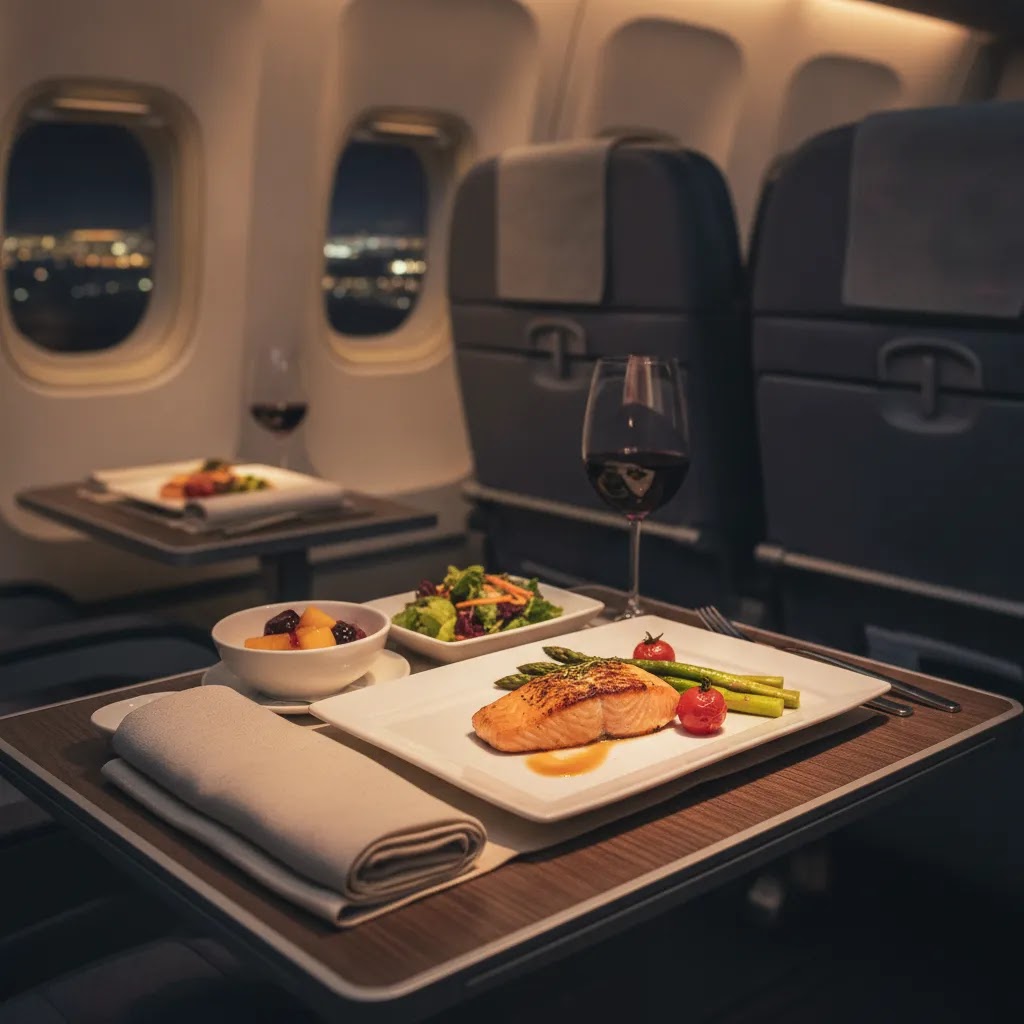
Onboard, the service difference is often more noticeable than many travelers expect. Meal presentation may feel more deliberate. In addition, the service pace can support a quieter cabin rhythm.
Beverage service may also feel less transactional, depending on timing and crew style. What matters most on an overnight crossing is not only what the crew serves. It is how they manage interruptions. In practice, an orderly service flow can support better rest, even without lie-flat sleep.
Air New Zealand Premium Economy lounge and extras
Amenity kits and similar touches require flexible expectations. They may appear on some long-haul sectors, and they may vary by aircraft, route, or seasonal provisioning. For many discerning travelers, the bigger benefit is a cabin setup that encourages sleep. Sensible lighting and a calm cadence often matter more than the contents of a kit.
Lounge access is another point many travelers misunderstand. Premium Economy does not automatically include lounge entry in most cases. Access may depend on status, fare conditions, the airport, or paid options where available.
On a late-evening departure to Auckland, lounge access can be useful for practical reasons. It gives you a quieter place to work, dine, and transition into an overnight mindset. If lounge access matters to you, confirm it explicitly.
How the Auckland Route Shapes the Experience
Auckland is not simply another long-haul destination. For many North American travelers, the route combines late departures, long overwater flying, and an arrival pattern that rewards even modest rest. That makes Air New Zealand Premium Economy easier to judge in real terms. If a seat works here, it is doing meaningful work.
The route also highlights the cabin’s atmospheric strengths. Air New Zealand has long been associated with a polished onboard identity. That can be especially valuable on flights where the journey occupies a full night. Cabin lighting, meal timing, and service pacing may matter as much as the seat measurements.
For travelers continuing beyond Auckland, itinerary construction becomes more relevant. A Premium Economy seat may feel sufficient for a nonstop or a short onward connection. However, travelers heading deeper into the country or onward into the South Pacific may decide that a flatter sleep product is worth considering. That is one reason some travelers compare this cabin with business class to NZ rather than evaluating Premium Economy in isolation.
Auckland Airport itself can also shape perceived value. After a long overnight crossing, the difference between arriving functional and arriving rested is substantial. Premium Economy may not create a fully horizontal sleep experience. Even so, it can reduce the depletion that often follows a main cabin arrival.
Air New Zealand Premium Economy Aircraft Variations That Matter
Many travelers overlook how much of the Air New Zealand Premium Economy experience depends on the aircraft subfleet and cabin configuration. It is not only about the marketing name. Air New Zealand commonly operates long-haul services with a mix of Boeing 787 and 777 aircraft. Premium Economy can feel meaningfully different depending on which version you board.
Exact layouts and cabin products can change over time. So the goal is not to memorize one configuration. The goal is to verify what you are actually booking.
Air New Zealand Premium Economy on 787 vs 777
In practical terms, travelers may encounter different seat generations and cabin densities. There may also be changes in how the Spaceseat layout is arranged. Even when the core concept stays consistent, the cabin can feel more open or more compact depending on row count, galley placement, and cabin boundaries.
As a result, two flights sold as the same cabin class may still feel different. Privacy, calm, and overall comfort can shift with the surrounding layout.
How to read the right seat map
Before you finalize your selection, verify a few specific points in the seat map. Check the aircraft type listed for your flight. Next, look for unusual seat lettering in Premium Economy. Also review whether the center section shows paired seating that behaves differently from a conventional three-across row.
Spaceseat cabins can display center pairs that do not read intuitively if you expect a standard map. In addition, pay attention to bassinet positions and proximity to galleys or lavatories. Those details can affect light, noise, and foot traffic when you are trying to sleep.
Why you should re-check before departure
Equipment swaps are a reality in long-haul operations. Even if you book the aircraft you prefer, assignments can change for maintenance reasons or scheduling adjustments. If the seat is central to your decision, check the aircraft at booking. Then re-check as departure approaches. Finally, check again after online check-in opens.
In many cases, the final 24 to 48 hours reveal the most meaningful changes. A Premium Economy itinerary can still be excellent after a swap. However, your expectations should reset promptly if the configuration changes.
Pros and Cons
Strengths
- The Spaceseat concept may provide a stronger sense of personal territory than many conventional Premium Economy seats.
- The cabin typically suits ultra-long sectors well because space and posture matter more as flight time increases.
- For couples and solo travelers alike, the layout may feel more private and less socially compressed than denser alternatives.
- Air New Zealand’s onboard style often feels deliberate and cohesive, which can improve the overall long-haul atmosphere.
- On Auckland routes, the cabin may offer a persuasive middle ground for travelers who want a more composed arrival without committing to Business Class.
Considerations
- Spaceseat is distinctive, and distinctive designs do not suit every body type or sleep preference equally well.
- Premium Economy still does not replace the overnight recovery advantage of a lie-flat Business Class seat.
- Product details may vary by aircraft, route, and operational changes, so assumptions based on older seat maps should be checked carefully.
- Travelers who prioritize maximum privacy or deep sleep on the outbound may still find the gap to Business Class significant.
Who Benefits Most From Air New Zealand Premium Economy
Air New Zealand Premium Economy usually makes the most sense for travelers who treat the flight as part of the trip, not just transportation. That may include couples starting a honeymoon, professionals crossing the Pacific for a short stay, or leisure travelers who know that a cramped arrival can affect the first days of a carefully planned itinerary.
This cabin is especially compelling if you care about seat design and personal space more than headline status perks. It may also suit travelers who want a refined long-haul environment but do not require fully flat overnight travel. If uninterrupted sleep is your top priority, the decision may shift toward a premium forward cabin instead.
Flight Experts View on Air New Zealand Premium Economy
At Flight Experts, we would evaluate Air New Zealand Premium Economy as part of the full journey to New Zealand. Route length, departure timing, onward connections, and trip purpose all matter. A couple heading directly to Auckland for a restorative stay may judge the product very differently from a traveler landing early and connecting onward for meetings.
Flight Experts offers a dedicated Premium Economy Flight Booking service for long-haul international travel, with personal consultant support, seat selection guidance, and route-specific recommendations. If you want tailored guidance, you may also connect directly with Mike Chirilenco and the Flight Experts team for a personalized review of your route, timing, and comfort priorities.
How to Evaluate This Cabin Before You Book
Start with the Air New Zealand Premium Economy seat map
1. Start with the exact aircraft and seat map. Air New Zealand’s reputation in Premium Economy is heavily tied to seat design. That means aircraft assignment is not a minor detail. If the seat architecture is the reason you are considering the airline, verify the operating aircraft and review the cabin layout carefully. Keep in mind that last-minute equipment changes may still occur.
Judge air new zealand premium economy by sleep needs
2. Judge the cabin by your sleep expectations, not by cabin labels. Premium Economy can be excellent for comfort and personal space. However, it may still fall short of what some travelers need for true overnight recovery. On the Auckland route, ask yourself a simple question. Do you need to arrive ready to sightsee, ready to work, or ready for a demanding onward itinerary?
Compare layout, service rhythm, and alternatives
3. Weigh the social layout. Some Premium Economy cabins feel open and efficient. Others feel more intimate. Spaceseat tends to attract travelers who notice these differences. If you value a quieter, more contained personal zone, that may count heavily in Air New Zealand’s favor. If you prefer a simpler, more conventional seat environment, the design deserves extra scrutiny.
4. Look beyond the seat to service rhythm. Meal timing, lighting, and cabin cadence matter on Pacific overnight flights. A technically good seat can still feel less successful if service interruptions are poorly timed. Air New Zealand has often been appreciated for a coherent onboard style, but the precise experience may vary by crew and route conditions.
5. Compare it against the next logical alternative. For some trips, the real question is not Air New Zealand versus another Premium Economy cabin. It is Air New Zealand Premium Economy versus a Business Class itinerary that better supports your arrival needs.
Air New Zealand Premium Economy Sleep, Recline, and Comfort Strategy
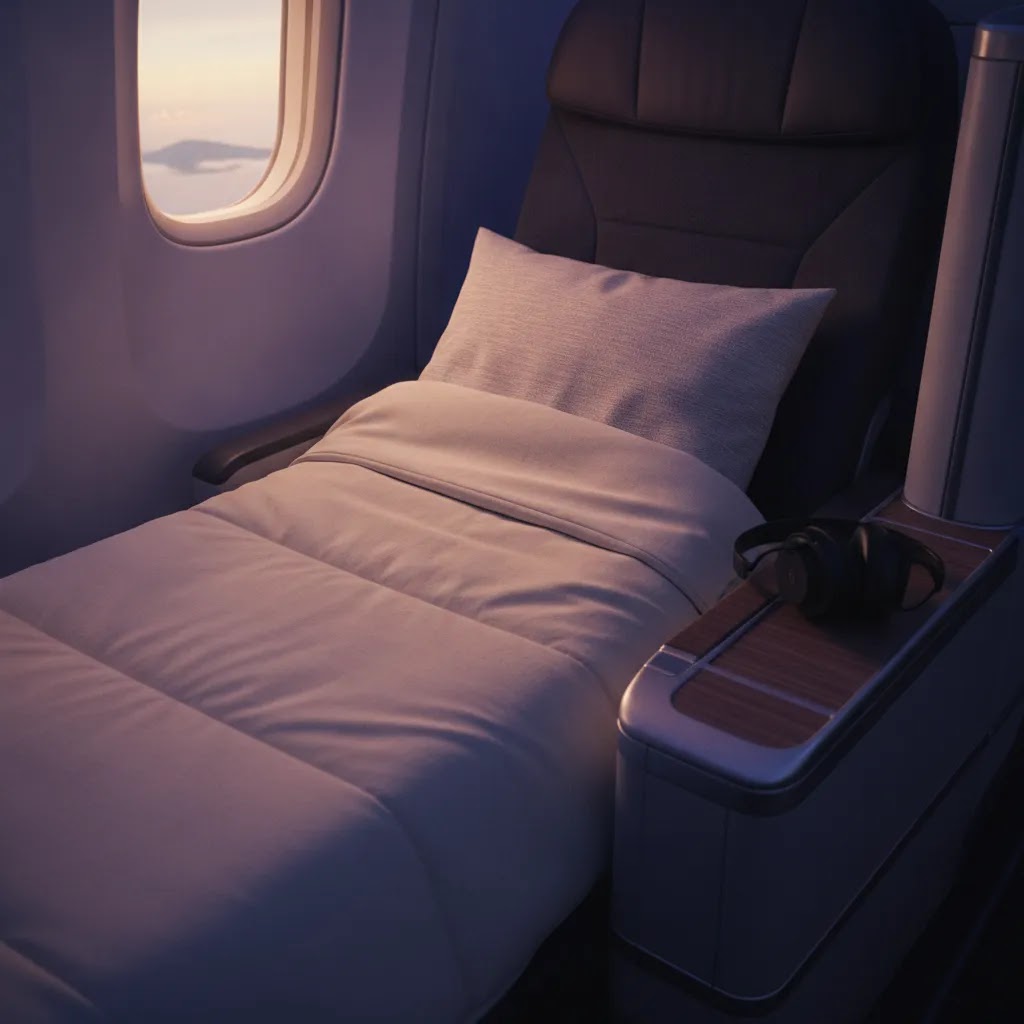
Can you sleep in Premium Economy on an overnight Pacific crossing? Typically, yes. However, it is a particular kind of sleep. You should expect better comfort, more personal space, and a more supportive posture than the main cabin. You should not expect the full reset that a lie-flat seat can provide.
In reality, the difference often shows up on arrival. You may not sleep deeply for the entire flight. Still, you may feel more functional once you land.
How Spaceseat affects overnight rest
With Spaceseat specifically, comfort is highly personal. The shell-style design can create a more contained space, and many travelers find that calming. At the same time, the geometry can shape how you position your legs and feet. That is often the deciding factor for overnight comfort.
Some travelers appreciate the added structure around them. Others prefer the simplicity of a conventional recliner, where foot placement feels more intuitive. If you sleep best by changing positions often, it may help to treat the seat like a supportive lounge posture rather than chase one perfect alignment for hours.
Best timing for sleep in air new zealand premium economy
You can improve your odds of decent rest by planning around predictable disruption points. These usually include the first meal service, the quieter midflight period, and the pre-arrival service. In most cases, the best sleep window begins once the cabin settles and the lighting shifts into true night mode.
If you are sensitive to light or movement, seat location matters greatly. A spot near galleys or lavatories can undermine an otherwise good seat. Therefore, verifying the seat map becomes more than a formality.
Solo vs couple comfort on overnight flights
Couples and solo travelers often experience Spaceseat differently on overnight flights. Couples may enjoy the ability to converse without feeling compressed. However, they should also consider how easily each person can rest without disturbing the other during service periods or aisle activity.
Solo travelers may find the more self-contained feel especially helpful. In both cases, it is wise to set realistic expectations. Premium Economy can make the night feel more controlled and less fatiguing, but it rarely removes the need for a thoughtful arrival plan.
Frequently Asked Questions
Is Air New Zealand Premium Economy mainly about the seat?
Largely, yes. The seat design is the product’s defining feature and the reason many travelers research it specifically. That said, the overall experience also depends on route timing, service pacing, cabin mood, and aircraft assignment. On Auckland sectors, those surrounding factors may influence your impression nearly as much as the seat itself.
What is Spaceseat in simple terms?
Spaceseat refers to Air New Zealand’s more distinctive Premium Economy seating concept, created to offer greater personal space and a more separated feel than many conventional recliner-style seats. Travelers often notice the shell structure and the different social geometry of the cabin. Whether it feels ideal may depend on your posture, sleep style, and body type.
Is this a good cabin for a honeymoon trip to New Zealand?
It may be, particularly for couples who want the journey to feel more refined without moving all the way into Business Class. The seat design can feel more special than a typical Premium Economy recliner, which suits milestone travel well. The right choice still depends on how much overnight sleep and privacy you want on the outbound flight.
Does Air New Zealand Premium Economy replace Business Class on overnight flights?
No, not in most cases. Premium Economy may improve space, comfort, and overall composure, but it typically does not deliver the full sleep and recovery advantage of a lie-flat seat. If your Auckland arrival is tightly scheduled or physically demanding, the difference between the two cabins could remain substantial.
Is the Auckland route the best place to assess this cabin?
Yes, it is one of the clearest real-world tests. The long duration and overnight structure reveal whether the seat genuinely supports comfort over time. Shorter daytime sectors may not expose the same strengths or limitations. Auckland flights tend to show whether the design works for rest, posture changes, and arrival readiness.
Should solo travelers consider this cabin as strongly as couples?
Very much so. Solo travelers may appreciate the seat’s more self-contained feel and the reduction in close-contact fatigue over a long Pacific crossing. The cabin can feel calmer and more deliberate than many dense Premium Economy products. Personal comfort habits still matter, especially if you prefer very straightforward seat mechanics.
How far in advance should travelers verify the aircraft?
You should check at booking and again closer to departure. Aircraft swaps can happen in long-haul operations for operational reasons, maintenance needs, or schedule changes. If seat design is central to your decision, ongoing verification is sensible, especially on a premium itinerary where cabin expectations are a major part of the value.
Would a travel specialist add value on a route like this?
Yes, especially if New Zealand is part of a wider itinerary or if you are balancing Premium Economy against Business Class. A specialist can help assess aircraft, connection timing, seat strategy, and whether your arrival needs justify a higher cabin. That guidance is often most useful on long, high-value journeys with little margin for error.
Is Air New Zealand Premium Economy worth it?
It may be, particularly on overnight Auckland routes where personal space and a calmer cabin cadence can affect how you arrive. Value tends to be highest for travelers who will notice the difference in posture, separation, and overall composure, and lower for travelers who require a lie-flat bed to feel genuinely restored. Aircraft assignment and seat layout also matter, so it is wise to verify the exact configuration you are booking.
What do you get on Air New Zealand Premium Economy?
In most cases, you can expect a more spacious and distinct seat design, a more polished service presentation than the main cabin, and a ground experience that may include priority handling such as earlier boarding. Specific inclusions such as baggage allowances, amenity kits, and lounge access can vary by route, fare conditions, and operational policy, so they should be confirmed for your exact itinerary.
Can you sleep in Premium Economy?
Typically, yes, but the sleep tends to be lighter and more posture-dependent than in a lie-flat cabin. Premium Economy often supports rest by giving you more room to settle, fewer crowding pressures, and a calmer environment. On long overnight sectors, the limiting factor is that you remain in a reclined position, so expectations should be based on improved comfort and reduced fatigue rather than full overnight recovery.
Is it worth upgrading from Economy to Premium Economy?
For many long-haul travelers, it can be a meaningful upgrade if you value more personal space, a more settled cabin atmosphere, and a service flow that better supports rest. The difference may be especially noticeable on overnight flights to Auckland. If your priority is deep, uninterrupted sleep or immediate high-performance arrival, Premium Economy may still fall short, and the comparison may shift toward a lie-flat option instead.
Key Takeaways
- Air New Zealand Premium Economy stands out primarily because of the Spaceseat design and its emphasis on personal space.
- The Auckland route is an especially strong test of the cabin because flight duration and overnight timing expose seat strengths and limitations clearly.
- This product may suit travelers who value a more refined arrival than Economy usually provides but do not require a lie-flat bed.
- Spaceseat is memorable, though not universally perfect for every sleep style or body type.
- Aircraft type, seat map, and onward itinerary should all be reviewed before booking.
Conclusion
Air New Zealand Premium Economy remains worth serious attention because it offers something increasingly rare in this cabin category: a product remembered for design, not just extra dimensions. On Auckland routes, that distinction matters. The long crossing tends to reveal whether a seat merely adds space or genuinely improves the journey from departure to arrival.
If your priorities include personal room, a calmer cabin environment, and a more considered transpacific experience, this may be a strong option. However, aircraft and route specifics still matter. If you would like a tailored recommendation based on your schedule, onward plans, and comfort expectations, contact Mike Chirilenco or speak with the Flight Experts team to discuss the most suitable premium cabin strategy for your trip.



