
Business Class Tickets to Shanghai (2026 Guide)
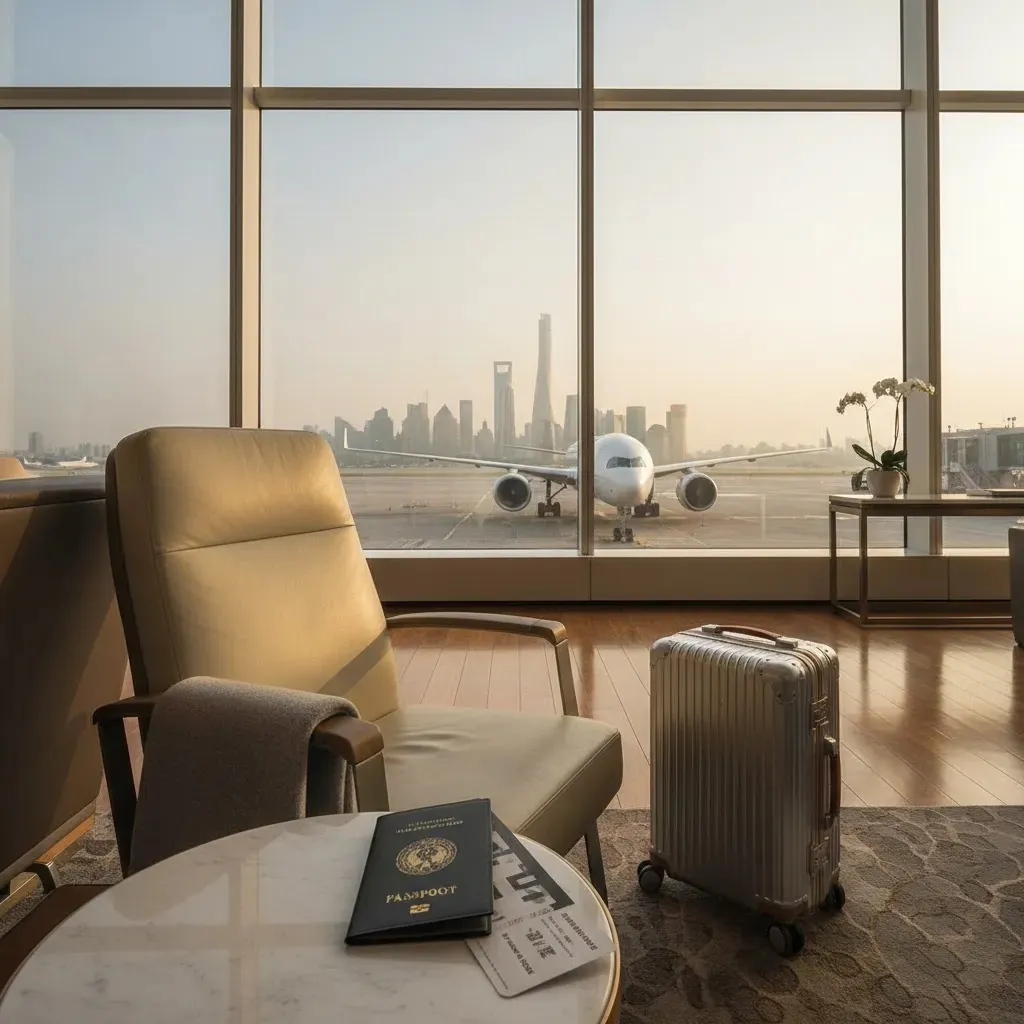
Which Airlines Stand Out for Shanghai
The strongest business class tickets to Shanghai usually come from airlines that combine a consistently comfortable seat, polished long-haul dining, dependable lounge infrastructure, and manageable connection patterns. For most discerning travelers, the leading contenders tend to include Singapore Airlines, Qatar Airways, ANA, JAL, Emirates, and selected nonstop products such as Delta One, United Polaris, and American Airlines Flagship depending on departure city and schedule.
There is no single universal winner. A nonstop from the United States may suit an executive who values time and predictability above all else. A one-stop itinerary through Doha, Tokyo, or Singapore may appeal more to travelers who place greater value on service style, culinary standards, or lounge quality. Aircraft assignment also matters. A carrier with an excellent reputation may still operate a weaker seat on certain routes, while another airline may offer an outstanding hard product only on select configurations.
From an advisory perspective, the best airline to Shanghai is usually the one that aligns with your priorities: sleep quality, meeting-ready arrival, privacy for couples, efficient transfers, or flexibility for a broader Asia journey. Readers exploring broader routing options may also find the Business Class Flights to Asia category useful for comparing patterns across the region.
Typical Routing Patterns to Shanghai From the United States
For premium travelers departing the United States, Shanghai itineraries tend to fall into a few common routing patterns. Even when airline preferences are clear, the gateway you connect through often determines the tone of the journey: the lounge experience, the transfer flow, the timing of sleep, and how composed you feel when you arrive. Seasonal schedules and aircraft assignments may change, so it is wise to confirm the exact operating pattern for your dates.
One pattern is a transpacific connection through North Asia, typically via Tokyo, Seoul, or Taipei. This can be attractive for travelers who value efficient airport operations and a disciplined onboard service rhythm. It may also suit clients who want a clear separation between the long-haul and the final sector into Shanghai, especially if the second flight is timed as a daylight arrival. The reality is that a well-designed connection in this region can feel calm and controlled, but it still depends on terminal layouts and minimum connection times, which can vary by airport and carrier.
Another common pattern is routing via Hong Kong or Singapore. For discerning travelers, these gateways can make sense when the lounge product and ground handling are central to the decision, or when Shanghai is paired with another stop in Southeast Asia. Consider this: a slightly longer overall itinerary may still feel more refined if the connection environment is quiet, the dining is strong, and the transfer process is straightforward. The key is evaluating whether the additional flight time is offset by better rest and a more predictable ground experience.
Middle East hubs such as Doha and Dubai are also frequent gateways, particularly for travelers seeking a highly polished premium product and strong hub lounges. These routings can be excellent for travelers who prefer to break the trip into two long sectors with a meaningful reset in between. From a practical standpoint, they also tend to offer a wide range of departure times from U.S. cities, which can help align the itinerary with work obligations. The trade-off is that overall travel time may be longer, and the connection quality depends on the specific terminal, the time of day, and how tightly the schedule is built.
Some travelers also reach Shanghai through major European hubs. This can be logical when the itinerary includes Europe, when the departure point in the United States aligns better with transatlantic schedules, or when a traveler prefers a daytime first sector followed by an overnight into China. What many travelers overlook is that Europe connections can introduce additional variables, including longer taxi times at certain airports, terminal changes, and more pronounced weather-related disruption in winter. A carefully selected connection window is often more valuable here than a tight, technically legal transfer.
Now, when it comes to comfort on arrival, directionality matters. Westbound to Shanghai, travelers often depart late and arrive one or two calendar days later, which makes sleep timing a strategic decision. Eastbound back to the United States, the day can feel extended, and the temptation is to sleep at the wrong time and arrive wired rather than rested. Think of it this way: the best routing for a meeting-driven trip is often the one that supports a coherent sleep plan, not merely the one with the fewest hours in the air.
Connection geography also affects operational risk. Some hubs allow baggage to be through-checked in a straightforward manner across a single ticket, while others may involve more complicated terminal transfers or partner combinations. Transfer distances, security re-screening, and the number of moving parts can all influence whether a connection feels relaxed or exposed. For travelers checking luggage or carrying high-value items, a conservative transfer plan is typically the most comfortable choice, especially during peak travel periods or seasonal schedule adjustments.
What Matters on This Route
Shanghai is served by both Pudong International Airport and, for certain domestic and regional operations, Hongqiao. Most long-haul premium travelers will arrive at Pudong, where immigration flow, transfer timing, and chauffeur coordination may affect the final impression of the journey. That means the evaluation should extend beyond the seat itself.
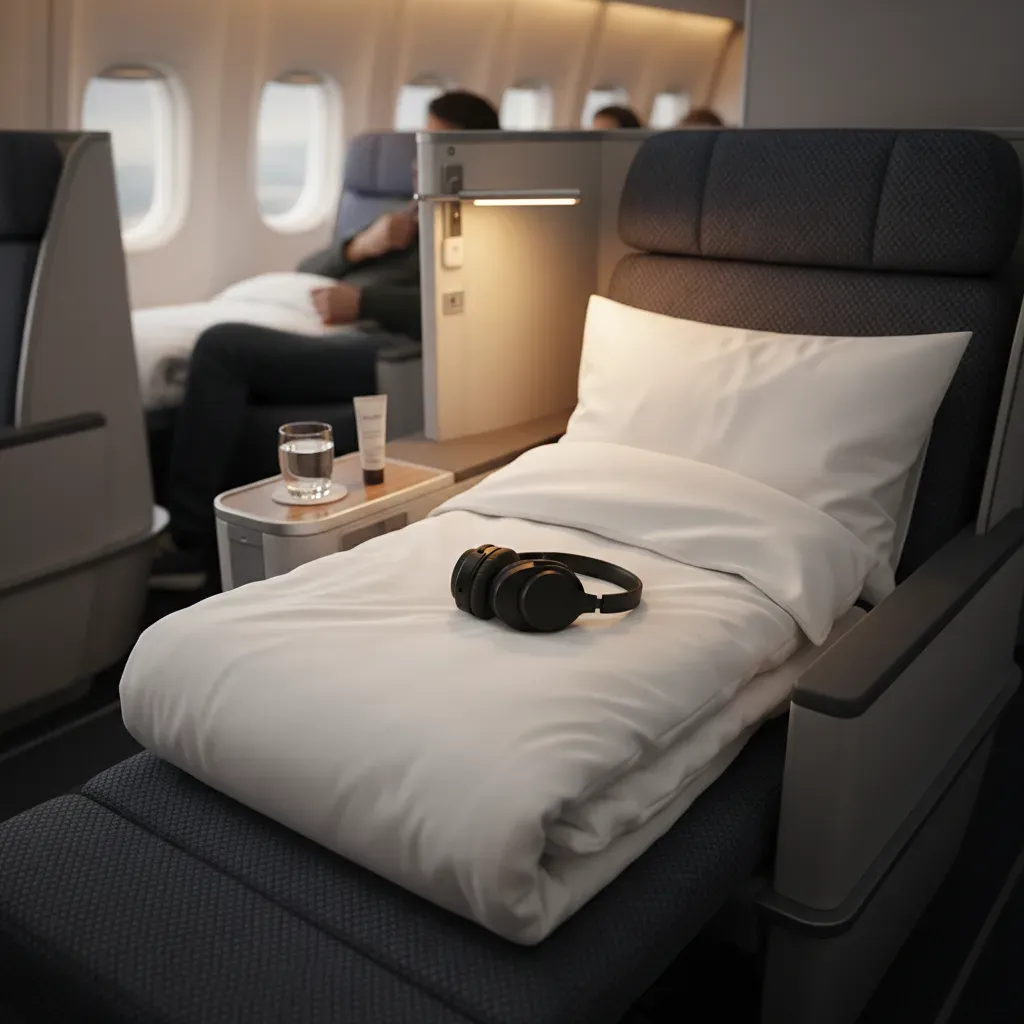
Seat design remains the first filter. A fully flat bed with direct aisle access is typically the minimum expectation for a premium Shanghai itinerary. Reverse herringbone, staggered suites, and door-equipped Business Class seats may offer meaningfully different levels of privacy, particularly on overnight sectors.
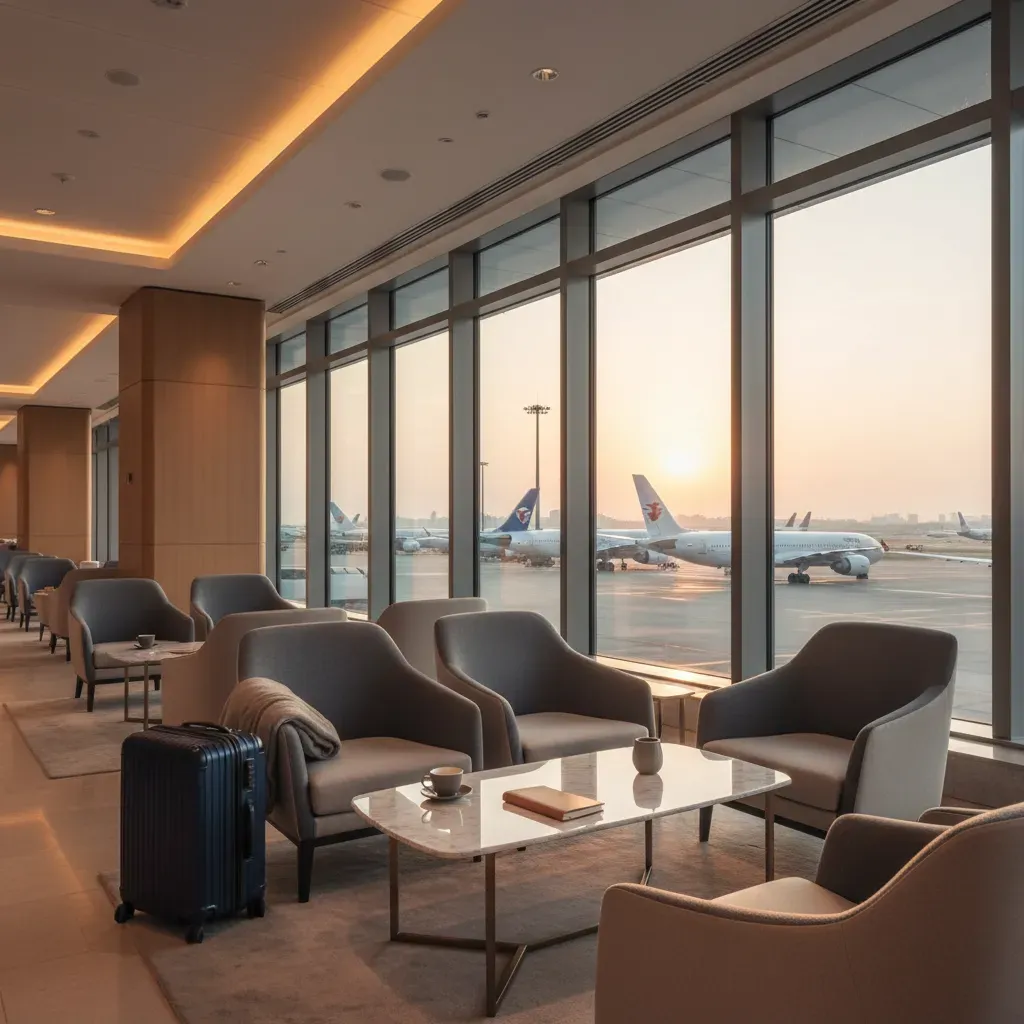
Lounge quality is also central. For long eastbound or westbound journeys, access to a quiet, well-run lounge with dining, showers, and business facilities may materially improve the experience. Airlines with strong hub lounges in Doha, Singapore, Tokyo, Dubai, and select U.S. gateways often stand out here.
Connection quality deserves equal attention. A short layover can look attractive on paper but may feel rushed in a large hub. A longer connection could be entirely reasonable if the lounge standard is high and the terminal flow is efficient. This is where professional itinerary planning becomes valuable, especially for travelers combining Shanghai with Beijing, Hong Kong, Tokyo, or Southeast Asia.
Service rhythm matters more than many travelers expect. Some carriers excel in anticipatory hospitality, while others offer a more restrained, corporate style. Neither is inherently better. It depends on whether you prefer warm, highly attentive service or discreet efficiency.
Schedule integrity and aircraft consistency should not be overlooked. On Shanghai routes, seasonal changes, equipment swaps, and alliance partner combinations may affect the overall quality of the trip. Practical guidance like this is exactly why many travelers consult premium resources such as Premium Flight Booking & Tips before selecting a long-haul cabin.
Shanghai Arrival Logistics for Business Class Travelers (PVG vs SHA)
For most international Business Class arrivals, Shanghai Pudong International Airport (PVG) is the practical default. Hongqiao (SHA) is closer to central Shanghai and is often favored for domestic travel and certain regional flying, but long-haul international service is typically concentrated at PVG. For discerning travelers, choosing the right arrival airport is less about the airport itself and more about how it supports the first hours on the ground: hotel check-in timing, the first meeting, and the ease of onward connections.
PVG can be very efficient on a good day, but immigration timing may vary meaningfully by arrival bank, staffing, and contemporaneous international traffic. The reality is that two flights landing within minutes of each other can produce very different curb-to-car timing. Travelers who need to be in a boardroom shortly after landing generally benefit from planning a realistic buffer for formalities and ground transfer, rather than assuming an ideal-case arrival flow.
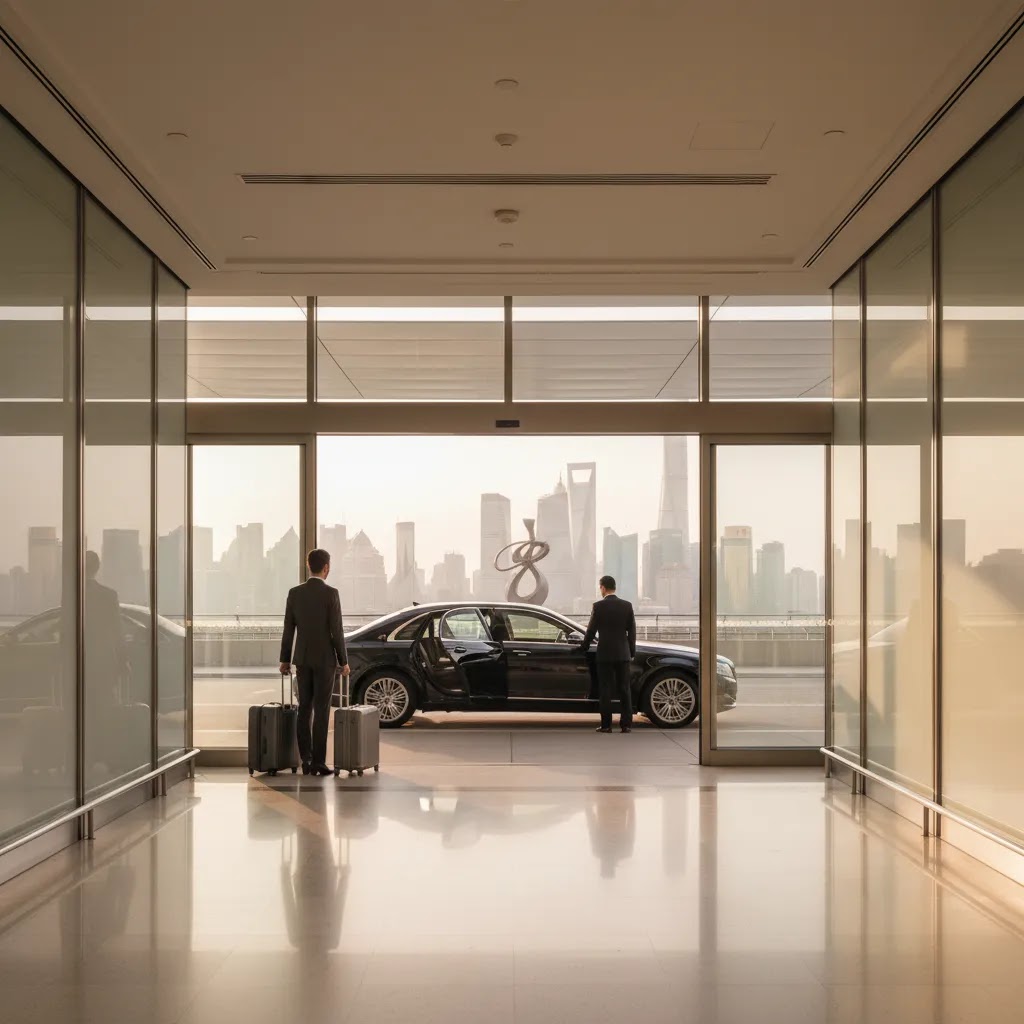
What sets this apart for premium travelers is the coordination element. A smooth arrival at PVG usually depends on curb access and vehicle coordination, especially during busy periods when the arrival hall and pickup lanes may feel compressed. If a trip is meeting-driven, it is often wise to align the flight arrival time with a ground plan that anticipates variability, rather than aiming for a schedule that only works if every step is perfectly on time.
For travelers continuing beyond Shanghai, airport choice and timing become even more consequential. If you are connecting to a domestic flight within China, Hongqiao may be operationally convenient for certain city pairs, while Pudong may still make sense when the international arrival and onward sector are aligned within the same airport. High-speed rail can be an elegant alternative for some onward journeys, but its usefulness depends on your hotel location, the station you need, and how your arrival time aligns with available departures. Consider this: an itinerary that looks efficient on a map may feel less refined if it requires rushing across the city immediately after a long-haul sector.
From a practical standpoint, the ideal arrival strategy is usually the one that respects the first day in Shanghai. If the trip includes a critical dinner, an early morning meeting, or an onward sector the same day, building in recovery margin tends to improve the experience far more than shaving a small amount of scheduled time. This is also an area where a specialist advisor can help, since airport operations, terminal usage, and domestic and regional patterns can shift over time and are subject to change.
Pros and Cons
Strengths
- Top-tier airlines to Shanghai often offer fully flat Business Class seats with direct aisle access, which may make overnight travel far more restorative than older angled or dense cabin layouts.
- Several leading carriers on this route provide excellent hub lounges with shower suites, quality dining, and quiet work areas, helping travelers arrive more composed for meetings or onward connections.
- Travelers departing from major U.S. gateways may have access to both nonstop and one-stop premium options, allowing the itinerary to be tailored around time, privacy, or service preference.
- Airlines such as Singapore Airlines, Qatar Airways, ANA, JAL, Emirates, and leading U.S. premium cabins each offer distinctive strengths, giving discerning travelers meaningful choice rather than a one-size-fits-all product.
- With expert booking support, travelers may benefit from better seat selection strategy, more thoughtful connection planning, meal preference handling, and monitoring for schedule or cabin changes.
Considerations
- Not every route features the airline’s newest Business Class seat, so the same carrier may deliver a very different experience depending on aircraft type and departure city.
- One-stop itineraries may offer superior service or lounges, but they usually add travel time and could be less appealing for travelers prioritizing speed.
- Shanghai demand may fluctuate with trade fairs, holiday periods, and business travel cycles, so premium cabin availability can tighten quickly on preferred dates.
- Some excellent premium products are strongest for solo travelers, while others may be less ideal for couples hoping to dine or converse more naturally in flight.
Understanding Business Class Price Ranges and What Drives Them on Shanghai Routes
Experienced travelers often ask a direct question: what should I expect to pay for Business Class to Shanghai. It is a reasonable question, but there is no single stable number that remains accurate across airlines, seasons, and departure cities. On Shanghai routes, Business Class pricing typically reflects a mix of demand cycles, fare rules, aircraft type, and how much premium inventory an airline is willing to release on a given set of flights.
Seasonality is one of the most visible drivers. Shanghai demand can be shaped by corporate travel calendars, large-scale events, and holiday periods, which may tighten premium cabin space and reduce itinerary choice. Nonstop flights may price differently than one-stop itineraries, and not always in the way travelers assume, because the airline is managing a limited number of premium seats against expected demand. The advance purchase window also matters. In many cases, earlier planning improves your ability to choose the schedule, the aircraft, and the specific seat, even though final pricing is always subject to change.
Cabin load factors and aircraft assignment can also shift the picture quickly. If a carrier swaps to a different widebody with fewer premium seats, or if a particular departure time becomes the favored choice for business travelers, the remaining Business Class inventory may become more constrained. The reality is that the most desirable flights are often the first to feel pressure, especially for travelers who require multiple seats together, specific seat types, or flexibility for date changes.
It is also important to understand why the lowest displayed fare can be misleading in premium cabins. Not all Business Class tickets are equal in terms of change flexibility, refundability, and the penalties that may apply if plans shift. Some fares may also differ in how they handle seat selection, baggage provisions, or priority services. For a high-stakes Shanghai itinerary, a fare that appears attractive at first glance may be less suitable if it introduces restrictions that are out of step with the way you travel. Think of it this way: in Business Class, the value question is often about control and consistency, not simply the initial number on the screen.
Timing also affects choice. Premium inventory can tighten around trade fairs, peak corporate travel weeks, and major holiday periods, and the seat map you want may not remain available for long. Early, advisor-led planning often improves the quality of options presented, particularly for travelers who care about specific aircraft types, preferred cabin configurations, or connection patterns that protect rest. This is not a guarantee of availability, but it is a practical way to reduce avoidable compromises and secure an itinerary that aligns with your priorities.
Who These Flights Suit Best
The best business class flights to Shanghai generally suit travelers who see the journey as part of the overall standard of the trip, not merely transportation. That may include executives arriving for negotiations or events, couples beginning a luxury China itinerary, and families seeking a smoother long-haul experience with more privacy and structured service.
If your priorities include sleeping well before arrival, minimizing airport friction, selecting the most comfortable aircraft, or coordinating onward travel beyond Shanghai, a curated approach is typically worthwhile. This route especially rewards planning for travelers who value precise seat selection and polished ground handling rather than simply choosing the fastest published option.
Flight Experts Recommendation
For most readers, the right approach is not to ask which airline is universally best, but which airline is best for your exact Shanghai itinerary. Flight Experts offers Business Class Flight Booking for routes from the U.S. to Asia with support that includes a personal travel consultant, seat selection, meal preference coordination, check-in assistance, price monitoring context, and cabin upgrade alerts. The service covers major premium carriers including Emirates, Qatar, Singapore, Lufthansa, British Airways, ANA, JAL, Delta One, United Polaris, and American Airlines Flagship.
For travelers planning a more nuanced journey, Flight Experts also provides Complex Itinerary Planning for multi-city, open-jaw, and alliance-based routing. That can be especially helpful if Shanghai is one stop within a larger Asia trip. If you would like a tailored recommendation based on schedule, cabin style, and overall service level, you may explore the services available at Flight Experts or speak with Mike Chirilenco to review the most suitable options for your dates and travel priorities.
How to Choose the Right Business Class Flight
Selecting among business class tickets to Shanghai is usually easier when you evaluate five criteria in order of importance.
1. Nonstop Convenience vs One-Stop Quality
If your schedule is tight and your priority is arriving as efficiently as possible, a nonstop may be the stronger choice even if another airline offers a more polished soft product. For many business travelers, one fewer airport transition is worth a great deal. By contrast, leisure travelers or those combining Shanghai with another destination may prefer a one-stop itinerary through a premium hub if it delivers better service and a more refined airport experience.
2. Aircraft and Seat Configuration
This is often the deciding factor. Two itineraries with the same airline can feel entirely different if one uses a newer suite-style seat and the other an older staggered configuration. Look for direct aisle access, bed length, privacy at shoulder level, and overall footwell comfort. Travelers sensitive to cabin noise may also prefer certain widebody aircraft over others.
3. Lounge and Ground Experience
On a trip to Shanghai, the airport experience may set the tone for the journey. A strong lounge with shower access, quality dining, and a calm atmosphere may be especially valuable before a late-night departure or between long sectors. Travelers booking for milestone occasions may also care about premium ground touches, while frequent business travelers may prioritize speed and quiet work space.
4. Connection Timing and Recovery Margin
An itinerary that appears elegant on paper may become stressful if the connection is too short in a large international hub. In most cases, a well-judged connection window provides a better experience than the shortest legal transfer. This is particularly relevant during winter operations, high-traffic business periods, or if you are checking luggage through to China.
5. The Role of Expert Booking Support
Professional booking guidance may be the difference between an acceptable itinerary and an excellent one. Flight Experts reports that options are usually presented within 30 minutes for its Business Class Flight Booking service, and the service includes consultant support rather than an automated search-only process. That can help you compare schedule logic, aircraft consistency, alliance options, and seat maps more intelligently. If your travel extends beyond a simple round trip, or if you want to avoid common premium booking missteps, personalized support is often the most efficient path to a confident decision.
Frequently Asked Questions
Which airline usually offers the best Business Class to Shanghai?
There is rarely one universal winner. Singapore Airlines, Qatar Airways, ANA, JAL, Emirates, and several U.S. premium nonstop products are all strong contenders depending on your departure city, aircraft, and service preferences. The best choice typically depends on whether you value nonstop convenience, lounge quality, privacy, or overall hospitality style most.
Are nonstop flights to Shanghai always better than connecting itineraries?
Not always. Nonstops typically reduce travel time and simplify the trip, which may be ideal for business travelers. Connecting itineraries, however, can offer superior lounges, more refined service, or better aircraft on certain dates. A one-stop option may be worthwhile if the connection is efficient and the onboard product is meaningfully stronger.
What seat features should I prioritize for a Shanghai flight?
For a long-haul Business Class journey, fully flat seating, direct aisle access, and strong privacy are usually the most important features. Storage, tray table stability, and the ability to sleep without feeling exposed also matter. Couples may value center seats with adjustable privacy, while solo travelers often prefer window positions with greater separation.
Is lounge access important on this route?
Yes, in most cases it is. Lounge access may significantly improve a long-haul premium trip, especially on evening departures or extended connections. Showers, dining, private seating areas, and business facilities can help you board in a calmer state and arrive in Shanghai better prepared for work or leisure commitments.
How far in advance should Business Class to Shanghai be arranged?
Timing may vary by season, route, and airline, but premium travelers usually benefit from planning earlier if they want the best combination of schedule, aircraft type, and seat choice. Periods tied to trade events, holidays, and major business travel cycles can tighten availability. Early planning also allows more flexibility if your itinerary changes.
How much does a Business Class ticket to Shanghai usually cost?
It varies widely based on seasonality, departure city, nonstop versus one-stop routing, airline, and the fare rules attached to the ticket. Business Class fares may also move based on how full the premium cabin is expected to be and whether the operating aircraft has a smaller or larger Business Class cabin. For most travelers, the more useful approach is to define the schedule, seat standard, and flexibility level you require, then evaluate the range of options that meet those criteria for your dates.
How expensive is a flight to Shanghai in Business Class compared with other China gateways?
Shanghai often behaves as a high-demand market, particularly during major business periods, which can tighten premium cabin inventory. In practice, the comparison with other gateways depends on route structure, nonstop availability, and how airlines are distributing capacity across cities on your travel dates. If your priority is seat quality and arrival timing rather than a specific city entry point, it can be worth comparing Shanghai with alternative arrival airports in China and then planning the onward segment with care.
Is China Airlines Business Class worth it for travel to China and onward to Shanghai?
China Airlines is often considered by travelers connecting through Taipei, particularly when the schedule aligns well and the onboard product matches the expectations of a long-haul Business Class journey. Whether it is worth it depends on the specific aircraft operating your flight, the seat configuration, and the connection experience in transit. For travelers continuing beyond Shanghai, it is also important to confirm how the ticket is structured and whether the timing provides a comfortable margin for onward connections.
What is the best time of year to book Business Class to Shanghai for the most seat and schedule choice?
The most seat and schedule choice typically comes from planning well ahead of periods when Shanghai demand is strongest, which can include major trade event windows, peak holiday travel, and concentrated corporate travel cycles. While exact patterns vary year to year, the general principle is that the most desirable flights and seat types often become constrained first. If you care about a specific aircraft, a particular seat location, or a carefully timed arrival for meetings, earlier planning usually provides a calmer selection process, subject to airline schedule releases and changes.
Can Flight Experts help with flights beyond Shanghai?
Yes. Flight Experts offers Complex Itinerary Planning for multi-city, open-jaw, and alliance-optimized trips in Business or First Class. That may be particularly useful if Shanghai is part of a broader journey that includes Tokyo, Hong Kong, Singapore, or multiple Chinese cities, where connection logic and ticket structure can become more nuanced.
Does the same airline offer the same Business Class quality on every route?
No. Product consistency may vary by aircraft and route. An airline known for excellent Business Class may still operate older cabins on selected services. This is why evaluating the specific flight number and aircraft assignment is important. In premium travel, brand reputation is helpful, but the exact configuration usually matters more.
What makes professional booking support valuable for Shanghai flights?
A luxury travel specialist can help assess more than just published schedules. Seat maps, airport transfer flow, connection comfort, alliance combinations, and service style all affect the result. For high-value itineraries, expert guidance may reduce avoidable compromises and help you choose the option that fits your priorities rather than the one that simply appears first.
Should leisure travelers and business travelers choose the same airline?
Not necessarily. Business travelers often prioritize nonstop schedules, reliable arrival timing, and efficient lounge access. Leisure travelers may prefer a more indulgent service style, longer but more comfortable connections, or an itinerary that pairs Shanghai with another destination. The ideal airline usually changes depending on the purpose and pace of the trip.
Key Takeaways
- The best business class tickets to Shanghai depend on your priorities, not just airline reputation.
- Aircraft type, seat configuration, lounge quality, and connection design may matter as much as the brand name on the ticket.
- Nonstop flights usually suit time-sensitive travelers, while one-stop premium hubs may offer a more polished overall experience.
- Flight Experts provides Business Class Flight Booking and Complex Itinerary Planning with consultant-led support for premium Asia travel.
- Travelers comparing China options should review both broader regional choices and route-specific details before booking.
Conclusion
Shanghai is a city where precision matters, and your flight choice should reflect that. The most suitable Business Class option may depend on whether you need uninterrupted rest, efficient arrival, a superior lounge, or a more elegant one-stop journey through a leading international hub. The right answer is often highly personal, especially for travelers investing in comfort, privacy, and reliability. Flight Experts takes an expert-led, concierge-style approach to premium air travel, helping clients compare airlines, cabin products, and routing strategies with far more nuance than a self-service search can usually provide. To begin planning your Shanghai itinerary, explore the services available at Flight Experts or speak with Mike Chirilenco for a personalized recommendation tailored to your dates, preferences, and broader travel goals.



