
Business Class Flights to Seoul (2026)

Overview
Seoul is one of Asia’s most important premium travel gateways, served by a mix of nonstop and one-stop business class options from the United States. For many travelers, the choice comes down to balancing schedule convenience, onboard comfort, airport experience, and the quality of the airline’s long-haul cabin. Carriers commonly considered for Seoul itineraries include major transpacific and alliance airlines, and the right choice may vary significantly depending on the departure city, whether the trip is nonstop, and whether onward travel is involved.
Flight Experts handles Business Class Flight Booking for routes from the US to Asia, including premium long-haul itineraries on major carriers such as Emirates, Qatar, Singapore, Lufthansa, British Airways, ANA, JAL, Delta One, United Polaris, and American Airlines Flagship. The service is consultative rather than automated. Clients submit a request, an expert is assigned at no charge, options are typically presented within 30 minutes, and the booking support may include seat selection, meal preference coordination, check-in assistance, price drop monitoring, and cabin upgrade alerts.
For readers comparing Seoul options within the broader region, it helps to begin with the parent overview of business class to Korea. Those exploring related regional premium itineraries may also find the Business Class Flights to Asia category useful for route-specific context.
Best Gateways and Routing Patterns for a Business Class Flight to Seoul
Here is the thing: Seoul is served by two primary airports, and understanding how they function can clarify routing decisions quickly. Incheon International Airport (ICN) is the main long-haul international gateway for premium travelers, and it is where most transpacific business class arrivals typically route. Gimpo International Airport (GMP) is closer to central Seoul and is often used for select regional services, but it is not the usual endpoint for US long-haul premium itineraries. Routes, schedules, and operating airports can change by season and by carrier, so it is wise to confirm the arrival airport before you finalize any plan, especially if the timing of meetings or onward connections matters.
From the United States, common departure gateways for Seoul include West Coast and major hub cities, with some travelers prioritizing nonstop service when available and others choosing a one-stop itinerary through a major hub for schedule control or a preferred onboard product. The reality is that the most satisfying premium journey is rarely defined by elapsed time alone. Connection quality, terminal transitions, and the practical risk of a tight misconnection can matter more than a modest difference on the clock, particularly after an overnight long-haul sector.
From a practical standpoint, evaluating a connection in business class is different from evaluating it in economy. Many premium travelers prefer a more generous connection buffer, not because it is necessary on paper, but because it typically creates a calmer experience if the inbound flight is delayed, gates change, or security and transfer procedures take longer than expected. Consider this as well: a layover can be a positive part of the journey if the lounge experience is strong and conveniently located, but it can become a frustration if the itinerary requires a terminal change that is time-consuming or confusing in an unfamiliar airport.
What many travelers overlook is whether the itinerary is protected on a single ticket or stitched together as separate tickets. A protected itinerary generally means the operating carrier is responsible for re-accommodation in the event of disruption, subject to fare rules and availability. Separate tickets can look appealing on a screen, but they can introduce avoidable risk, especially on long-haul premium travel where missed connections may affect not only flights, but also ground arrangements on arrival. Flight Experts structures Seoul routings with these operational details in mind, so the premium cabin experience is supported by premium-grade logistics.
The Experience
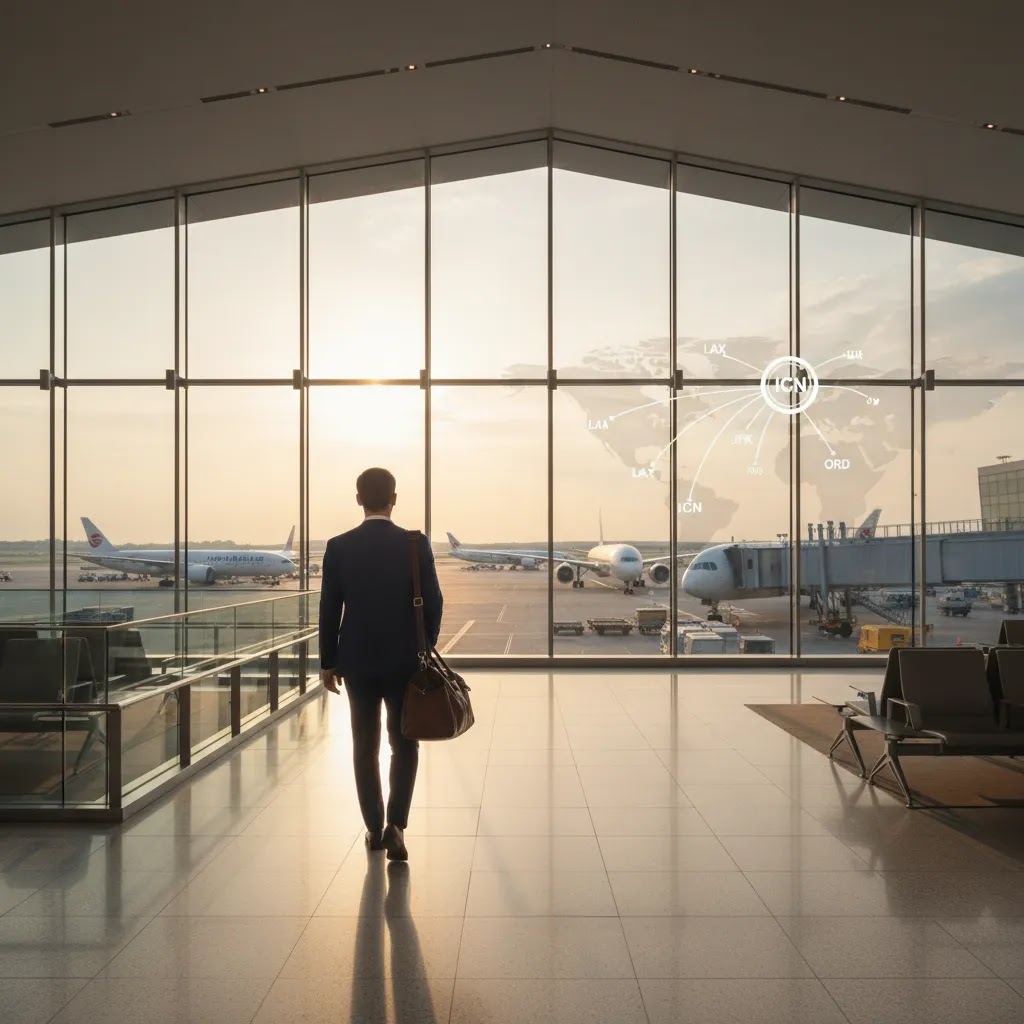
The business class experience to Seoul begins long before boarding. On well-chosen itineraries, the premium value is already visible at the airport through priority check-in, faster baggage handling in many cases, and lounge access that creates a quieter, more composed start to a long-haul journey. For travelers departing from gateways such as Seattle, Los Angeles, San Francisco, New York, or other major US cities, the onboard product can vary from highly private suite-like seating to more conventional lie-flat cabins that remain comfortable but less elevated.
For a traveler researching business class flight tickets from Seattle to Seoul, the most important variables are usually aircraft type, seat configuration, and whether a routing requires a connection in another Asian or North American hub. A direct flight may be preferable for simplicity, but a one-stop itinerary can sometimes provide a superior cabin, better lounge access, or a more favorable departure and arrival schedule. This is where professional evaluation matters. A published fare alone does not explain whether the traveler is booking a current-generation suite, an older staggered seat, or a route with a materially different ground experience.
Seoul also works well as either a final destination or the first stop in a broader Asia itinerary. Clients continuing onward, including those comparing a Seoul to Bali business class flight price as part of a multi-stop journey, may benefit from more advanced routing design rather than separate self-booked tickets. Flight Experts also offers Complex Itinerary Planning for multi-city, open-jaw, and alliance-based premium routing, which can be especially valuable when combining Seoul with destinations in Southeast Asia, Japan, or the Middle East.
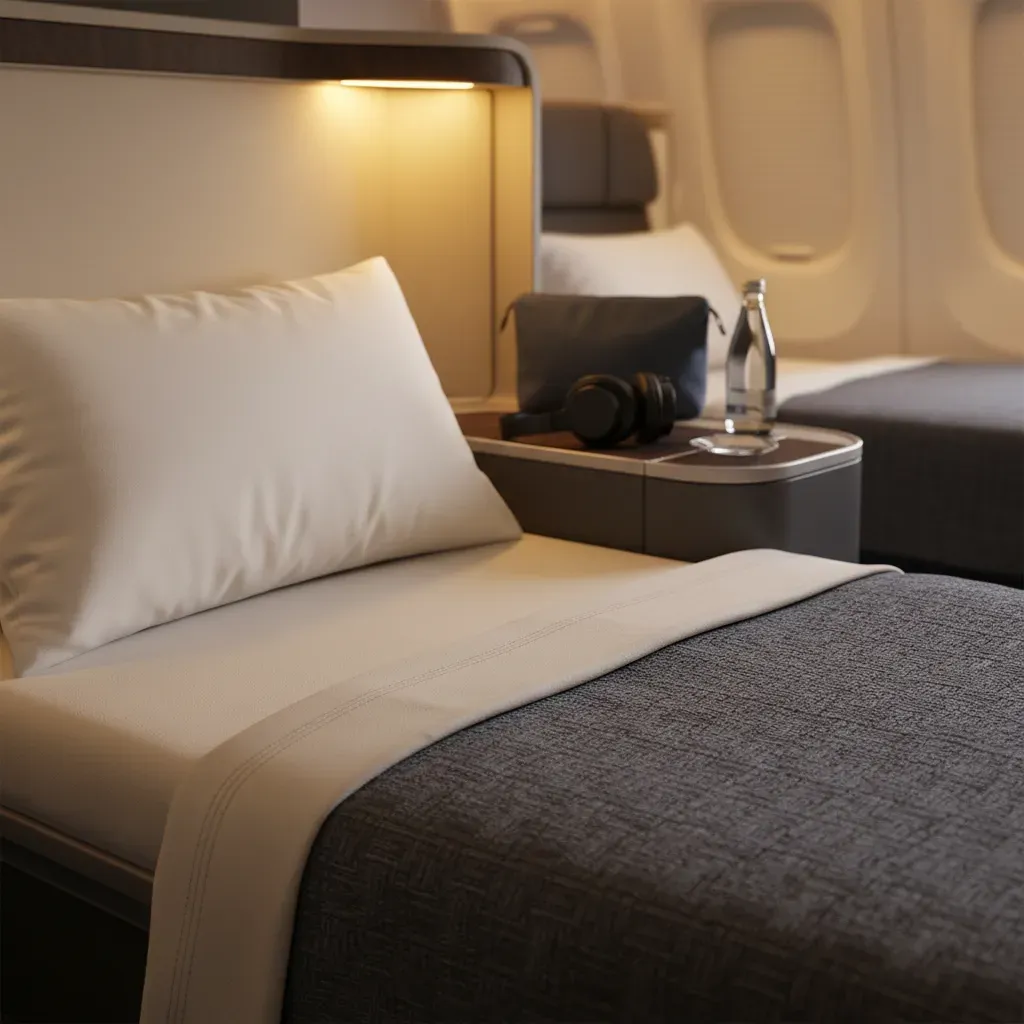
Beyond the seat itself, seasoned premium travelers tend to notice the smaller details. These include whether meal service is paced thoughtfully for sleep, whether bedding and amenity standards feel genuinely refined, and whether the connection timing protects the trip from unnecessary stress. Readers who want a broader understanding of cabin differences and onboard features can also review the Premium Cabin Experience & Amenities section for category-level insight. For booking process guidance, the Premium Flight Booking & Tips category offers helpful context on premium airfare planning.
Aircraft and Seat Configuration: How to Confirm You Are Booking a True Lie-Flat Product
Now, when it comes to a business class flight to Seoul, the term “business class” can cover meaningfully different experiences. On some routes you may see an all-aisle-access cabin with excellent privacy, while other flights, even under a recognizable premium brand, could operate with an older layout or a seat design that feels less private on an overnight sector. Equipment swaps also occur in real operations, so the goal is to reduce surprises by confirming what is most likely to operate, while recognizing that last-minute changes remain possible.
Think of it this way: sleep quality is the core functional benefit of long-haul business class, and the seat design determines much of that outcome. Travelers who value privacy often prioritize direct aisle access, a well-designed footwell that does not taper uncomfortably, and a layout that minimizes exposure to the aisle. Staggered and herringbone-style arrangements often perform well for solo travelers, while couples may prefer a configuration that supports conversation without feeling exposed. Some center-seat pairs are ideal for traveling together, while others are better treated as two separate seats due to fixed dividers and limited interaction. The best choice depends on how you travel, and it can vary by aircraft type even within the same airline family.
What sets this apart is the verification discipline a specialist applies before recommending a specific flight. A careful review typically starts with the flight number and scheduled aircraft type, then continues with the seat map and cabin layout, and then checks recent operating history to confirm whether the flight has been consistently operated by the expected subfleet. This does not eliminate the possibility of operational changes, but it meaningfully reduces the risk of selecting a flight for a seat that is not actually in service on the day you travel. For premium travelers who have clear preferences, such as maximizing privacy or choosing the most comfortable sleep position, this step often makes the difference between a good business class experience and an exceptional one.
Investment and Value
According to current Flight Experts service data, business class bookings generally range from $2,000 to $8,000+, depending on route, airline, season, and cabin availability. Seoul itineraries sit within that broader long-haul Asia framework, though actual pricing may vary considerably based on departure city, lead time, holiday demand, and whether the itinerary is nonstop or includes premium connecting segments.
The value proposition is not limited to the fare itself. Flight Experts’ business class service includes a personal travel consultant, access to exclusive consolidator inventory, seat selection support, meal preference coordination, check-in assistance, price drop monitoring, and cabin upgrade alerts. For a premium traveler, this often means the booking decision is made with more context and less friction. The firm also reports options are usually returned within 30 minutes after a request is submitted, which is particularly useful when evaluating multiple premium airlines on the same route.
For travelers accustomed to researching alone, the main financial consideration is that premium airfare is dynamic and route-specific. A business class flight to Seoul may price very differently from a superficially similar itinerary to Tokyo or Singapore. The better question is often whether the cabin, timing, flexibility, and overall trip design justify the investment. In that respect, working with a specialist can be more valuable than relying on search tools that flatten meaningful differences between premium products.
Timing Your Trip: Seasonality and the Trade-Off Between Flexibility and Availability
The reality is that Seoul behaves like a true global hub for premium travel demand, and seasonality can influence what you can book, not only what you pay. In most cases, demand rises during summer travel periods, major holidays, and times when large events or peak business travel cycles concentrate traffic. When flights fill earlier, availability in the most desirable business class cabins can become more limited, and travelers may see fewer optimal departure times, fewer nonstop options from a preferred gateway, or more reliance on one-stop routings.
Many travelers ask about the “best month” to fly, but for discerning travelers that question is usually about priorities. Weather preferences, the purpose of the trip, and tolerance for peak travel conditions often matter more than any single month. From a planning standpoint, premium travelers who care about a specific flight, a specific seat type, or a particular routing often begin discussions earlier, particularly for holiday periods or complex itineraries. Lead time does not guarantee availability, but it typically improves the range of viable options you can consider.
Consider this as well: flexibility is one of the most reliable ways to improve the overall quality of a premium itinerary. Shifting the departure by a day, choosing a different US gateway, or accepting one stop may open access to a more consistent long-haul seat product or a better-timed arrival. Flight Experts often frames timing decisions around the travel outcome you want, such as arriving rested for meetings, reducing connection stress, or ensuring the onboard product supports sleep. That approach tends to produce better results than focusing on a single date and hoping the premium inventory aligns.
Strengths and Considerations
Strengths
- Access to major premium carriers used on Asia routes, including airlines known for strong long-haul business class products.
- Personal consultant support rather than a self-service booking process, which is particularly valuable for Seoul itineraries with multiple viable routings.
- Useful service inclusions such as seat selection, meal preferences, check-in assistance, price drop monitoring, and upgrade alerts.
- Fast initial response, with options usually presented within 30 minutes after submission of a request.
- Strong credibility indicators from current service data, including a 5.0 Trustpilot rating based on 79 reviews.
- Good fit for both straightforward US to Seoul travel and more complex onward routing through Asia.
Considerations
- Business class product quality is not uniform across all Seoul routes, even within the same airline family or alliance.
- Published pricing can vary substantially by season, departure city, and aircraft assignment, so early assumptions about fare levels are not always reliable.
- Travelers focused only on a single nonstop schedule may pass over one-stop options that deliver a stronger premium experience overall.
- Some premium travelers may need additional planning support if Seoul is only one segment of a broader multi-country itinerary.
Who This Experience Is For
This approach is best suited to travelers who see premium air travel as an integral part of the trip rather than a simple transport decision. That includes executives traveling to Seoul for meetings, couples planning a celebratory journey through Korea and onward Asia, and families seeking a smoother long-haul experience with fewer operational surprises. It is also a strong fit for travelers who no longer wish to interpret airline seat maps, fare rules, and alliance options on their own. Clients who value a single knowledgeable point of contact, thoughtful recommendations, and well-managed premium logistics are likely to find the greatest value here.
How to Begin Planning With a Specialist
The first step is straightforward. Submit a request through Flight Experts with your preferred dates, departure city, and any route priorities such as nonstop service, a specific airline, or onward travel beyond Seoul. An expert is then assigned without charge, and options are usually returned within 30 minutes based on current availability and the trip profile provided.
From there, the advisory value becomes more apparent. Rather than simply receiving a fare quote, the traveler can compare airlines, schedules, seat types, and routing logic in a more meaningful way. This is especially helpful when the itinerary includes variables such as business class flight tickets from Seattle to Seoul, multi-city travel, or a future connection onward from Seoul to Bali or another regional destination.
Flight Experts is positioned as a concierge-style luxury travel agency led by Mike Chirilenco, with an emphasis on personalized service, professional oversight, and long-term client relationships. If you would like tailored guidance on a business class flight to Seoul, contact Mike or speak with a luxury travel specialist at Flight Experts to discuss your travel preferences and receive a personalized recommendation.
Frequently Asked Questions
Which airlines are commonly considered for a business class flight to Seoul?
Travelers often compare major long-haul carriers and alliance partners based on departure city, connection pattern, and aircraft type. Flight Experts’ current business class service covers major airlines including Emirates, Qatar, Singapore, Lufthansa, British Airways, ANA, JAL, Delta One, United Polaris, and American Airlines Flagship. The right choice depends on schedule, cabin configuration, and the broader itinerary.
Is nonstop always better for Seoul business class travel?
Not necessarily. A nonstop itinerary is often appealing for convenience, but it is not always the strongest premium choice. In some cases, a one-stop routing may offer a more refined seat, a better lounge environment, or a schedule that supports rest more effectively. Premium travelers usually benefit from evaluating the entire journey, not only total elapsed time.
How quickly can Flight Experts return options for Seoul flights?
Current product data states that business class options are usually presented within 30 minutes after a request is submitted. That speed can be particularly useful when a traveler is comparing several airlines or departure cities. Timing may still vary in more complex cases, especially where multiple destinations or customized routing preferences are involved.
What is included when booking business class through Flight Experts?
The business class booking service includes a personal travel consultant, seat selection assistance, meal preference coordination, check-in assistance, price drop monitoring, and cabin upgrade alerts. Access to exclusive consolidator inventory is also part of the service offering. This gives clients a more guided and tailored experience than a generic online booking path typically provides.
Can Flight Experts help if Seoul is only one stop on a larger Asia itinerary?
Yes. In addition to business class flight booking, Flight Experts offers Complex Itinerary Planning for multi-city, open-jaw, and round-the-world style routing. That can be particularly useful if Seoul is paired with onward travel to places such as Bali, Tokyo, Singapore, or the Middle East. Complex premium itineraries often benefit from professional structuring rather than separate bookings.
How much should I expect to pay for a business class flight to Seoul?
Current Flight Experts service data lists a general business class range of $2,000 to $8,000+ depending on route and airline. Seoul pricing may vary based on season, advance purchase, departure city, and cabin availability. For that reason, an individualized quote is more useful than a generic estimate, especially for premium travelers with specific airline or schedule preferences.
What if I am comparing business class flight tickets from Seattle to Seoul?
Seattle is a strong example of a market where schedule, connection quality, and aircraft choice all matter. A consultant can help distinguish between options that appear similar on fare search tools but differ materially in comfort and timing. For long-haul premium travel, that level of comparison can make a meaningful difference to the quality of arrival in Seoul.
Why work with a specialist instead of booking online myself?
You may see the same city pair online, but not the same level of interpretation. Premium cabins require more than a price check. Travelers often need guidance on seat quality, routing trade-offs, service expectations, and trip coordination. Flight Experts is designed for clients who prefer an accountable professional relationship, not an impersonal transaction with limited support.
How to fly business class to Korea?
For most US departures, a business class flight to Korea typically arrives into Seoul Incheon (ICN), either nonstop from select gateways or via a one-stop connection through a major hub. The key is to evaluate the journey as a whole: connection comfort, airport and lounge experience during the layover, and whether the itinerary is protected on a single ticket. A specialist can also confirm the aircraft and seat configuration assigned to your flight, since business class quality can vary by route and equipment, and aircraft assignments may change.
What is the cheapest month to fly to Seoul?
Pricing can vary significantly by departure city, season, and cabin availability, and it is not reliable to assume one month is always the lowest. For premium travelers, the more useful question is often when business class inventory tends to be less constrained, since that can expand your choice of flight times, routings, and seat types. If your dates are flexible, adjusting the day of week, shifting the gateway, or accepting one stop may improve the options available, even when overall demand is elevated.
Which airline is the best for business class?
The best choice depends on what you value most: seat privacy and sleep quality, lounge experience, service style, schedule, and the operational logic of the routing. Even within a respected airline group, the business class seat may differ by aircraft type or subfleet. Flight Experts evaluates these variables in context, so the recommendation reflects your preferences and the specific flight you are likely to operate, not only the airline name.
Does Korean Air have flat beds in business class?
Korean Air typically operates lie-flat seating on many long-haul business class routes, but product details can vary by aircraft and configuration, and equipment swaps may occur. The most reliable approach is to confirm the flight number, scheduled aircraft type, and seat map close to booking, and then re-check as the travel date approaches. A specialist can also help verify that the flight you select aligns with the lie-flat product and privacy level you expect for an overnight transpacific sector.
Key Takeaways
- A business class flight to Seoul should be evaluated by cabin quality, routing logic, and airport experience, not fare alone.
- Flight Experts provides consultative business class booking support across major long-haul carriers serving Asia.
- Current service features include personal consultant support, seat selection, meal preferences, check-in assistance, and upgrade alerts.
- Seoul works well for both direct premium travel and more complex multi-city Asia itineraries.
- Professional guidance is particularly valuable when comparing nonstop versus one-stop options or planning onward travel beyond Korea.
Conclusion
Seoul is a destination where premium air travel decisions deserve more scrutiny than a simple search result can provide. The right business class flight may depend on details that are easy to miss, including aircraft type, lounge access, schedule quality, and how well the itinerary supports the purpose of the trip. For travelers who value time, comfort, and clear professional guidance, the advantage of working with a specialist is not abstract. It is visible in the quality of the options presented and the confidence behind the final choice. Flight Experts, led by Mike Chirilenco, is well positioned for travelers who want tailored support rather than an impersonal booking process. To begin planning your next premium journey to Seoul, reach out to discuss your preferences with a luxury travel specialist at Flight Experts.



