
How Much Is a Business Class Flight to Japan? Price Guide
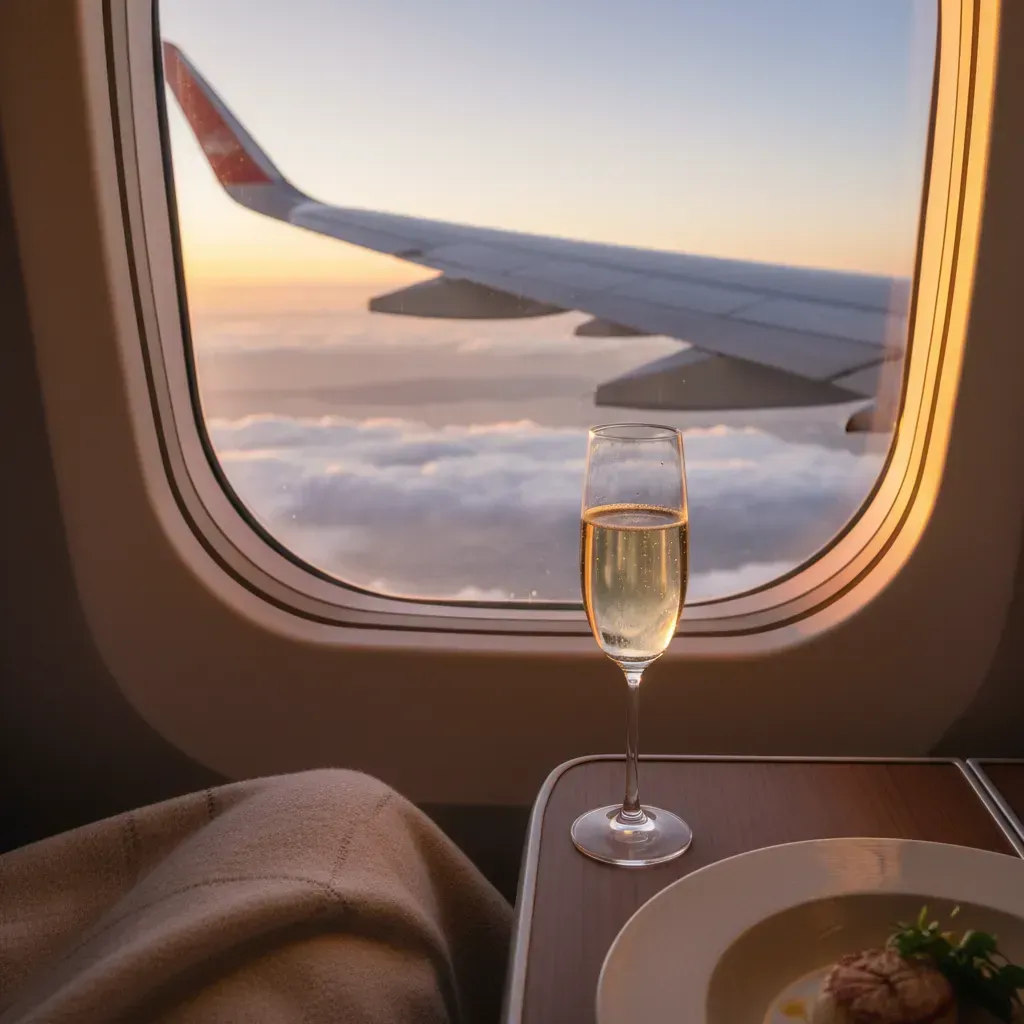
What a Business Class Flight to Japan Typically Costs
Based on current Flight Experts service data, business class bookings generally fall within a range of $2,000 to $8,000+, with pricing varying by route and airline. Japan itineraries sit within the agency’s broader Asia coverage, so this range is a useful starting point rather than a fixed quote. Nonstop departures from major U.S. gateways such as Los Angeles, San Francisco, Seattle, Chicago, Dallas, or New York may price differently from one-stop itineraries routed through alliance hubs.
Carrier choice also matters. Flight Experts works across major premium operators including ANA, JAL, Singapore Airlines, Qatar Airways, Emirates, Lufthansa, British Airways, Delta One, United Polaris, and American Airlines Flagship products where routing logic makes sense. For Japan, travelers are often comparing direct service on Japanese or U.S. carriers with connecting options through other Asian or Middle Eastern gateways. The lowest fare is not always the best fit if the connection is awkward, the seat is outdated, or the arrival time compromises the trip.
For readers researching broader premium route options across the region, the Business Class Flights to Asia category provides a useful starting point. Those considering how booking support works in practice may also find value in Flight Experts’ Premium Flight Booking & Tips resources.
What Shapes the Final Fare
A business class flight to Japan price is driven by several variables, and this is where expert guidance becomes particularly useful. Seasonality is one of the largest. Cherry blossom travel, autumn foliage periods, major holiday windows, and peak summer departures typically command stronger pricing. Shoulder periods may offer better fare conditions, though availability in the most desirable nonstop cabins can still tighten quickly.
Departure city is another major factor. Travelers originating in large long-haul markets may have better access to competitive premium inventory than those starting in smaller regional cities. In many cases, the smartest strategy is not merely choosing the cheapest gateway, but structuring a smooth through-itinerary that protects connection times, baggage continuity, and schedule integrity.
Cabin product differences are just as important. Not every business class seat to Japan is equivalent. Some routes offer direct aisle access for every passenger, lie-flat suites with privacy doors, upgraded lounge access, and high-touch dining. Others may still feature older staggered or angled products on select aircraft changes. A fare that looks attractive on first review may feel less compelling once aircraft type, seat map, and total travel time are examined closely.
Flight Experts’ current business class booking service includes a personal travel consultant, seat selection support, meal preference coordination, check-in assistance, price drop monitoring, and cabin upgrade alerts. Options are usually presented within 30 minutes after a request is submitted and an expert is assigned at no charge for the initial review. For travelers who value speed, discretion, and informed comparisons, that service structure can remove a great deal of friction from the booking process.
The agency also handles more complex routing needs through its multi-city planning capabilities, which can be relevant for travelers combining Japan with Seoul, Singapore, Bangkok, or Australia. That kind of itinerary design is difficult to evaluate properly on self-service platforms because fare construction, alliance combinations, and stopover logic may not be obvious at first glance.
Business Class to Japan Pricing by Season and Booking Window
Japan demand is highly seasonal, and premium-cabin inventory tends to behave differently during Japan’s signature travel periods than it does on many other long-haul markets. Even when a fare falls within a broad premium range, the practical experience of securing the right flight can shift materially depending on timing and flexibility.
Cherry blossom season, typically late March through early April, is one of the most competitive windows for Tokyo and other major gateways. In most cases, business class availability tightens first on well-timed nonstop departures and on flights featuring newer seat products. For travelers who care about specific dates, preferred departure times, or nonstop service, planning earlier is often the difference between a curated shortlist and a forced compromise, subject to availability.
Autumn foliage season, generally late October through November, can be similarly strong, particularly around popular regional travel dates and school calendars. Summer peak travel, typically June through August, often brings both higher load factors and greater competition for family-friendly schedules. Year-end holidays and early January departures also tend to compress inventory quickly, and routing options may skew toward less ideal connection times if planning begins late.
Premium travelers often begin looking well in advance when they are targeting high-demand periods, nonstop schedules from major U.S. gateways, or specific aircraft types. The objective is rarely to chase a single number. It is to secure the right combination of seat, schedule, and continuity of product across the itinerary, which becomes more difficult as desirable inventory is taken.
“Last minute” can look quite different on business class to Japan than travelers expect. Availability may still exist close to departure, but it could concentrate on less desirable routings, longer layovers, awkward arrival times, or aircraft substitutions that place an older seat product on one segment. In some cases, last-minute options may also require accepting mixed cabins on a short feeder, or settling for a one-stop itinerary that adds meaningful transit time. A specialist’s role is to evaluate what is realistically available for the traveler’s dates, then prioritize options that protect comfort and schedule integrity rather than presenting an overwhelming set of imperfect alternatives.
Investment and Value
For most travelers asking how much is a business class flight to Japan, the practical answer is that the fare typically sits somewhere inside a broad premium range, but the value depends on what is included around the ticket. Flight Experts lists business class bookings at $2,000 to $8,000+, varying by airline and route. Japan may fall near the lower, middle, or upper part of that spectrum depending on season, city pair, and whether the itinerary is nonstop or connecting.
Flight Experts also notes access to consolidator pricing and states that savings may reach up to 25 to 60 percent off published fares in some cases. That should be understood as situational rather than universal. Premium cabin inventory is dynamic, airline fare filing changes frequently, and not every departure date or carrier will present the same opportunity. The more important point for many discerning travelers is that a specialist is comparing curated options rather than leaving the client to sort through fragmented search results alone.
The service offers value in several forms. First, it may improve fare quality through better sourcing. Second, it improves decision quality through expert comparison of cabin products, schedules, and support services. Third, it provides continuity after booking, which matters on long-haul Japan itineraries where aircraft swaps, schedule changes, and seat issues are not uncommon. Flight Experts currently holds a 5.0 Trustpilot rating across 79 reviews, which supports the agency’s positioning as a high-touch, service-led resource rather than a generic booking interface.
For travelers who care about the full premium journey, not only the ticket line item, that distinction is significant.
Nonstop vs One-Stop to Japan, What the Connection Really Changes

A connection does not merely add time on paper. It can change how you arrive in Japan, how quickly you recover, and how resilient the itinerary is if something shifts operationally. For business class travelers, the decision is often less about the headline fare and more about sleep quality, arrival timing, and the consistency of the onboard product across all segments.
A well-timed nonstop is often the cleanest premium experience because it reduces the number of operational touchpoints. Fewer segments typically means fewer opportunities for delays to cascade, fewer boarding processes, and fewer variables around baggage transfer. It also tends to preserve rest. On routes where sleep is the priority, adding a connection can break the natural rhythm of a long-haul lie-flat experience, particularly if the layover is short, the transit is physically demanding, or the onward segment is a materially different seat or service level.
On one-stop itineraries, the connection details matter. Minimum connection time should be evaluated for comfort, not merely technical validity. Terminal changes, security re-screening on certain routings, and the practical walking time between gates can shape whether the connection feels composed or rushed. Mixed-carrier combinations can also affect responsibility for irregular operations. In most cases, a properly ticketed itinerary maintains through-check and protection, but the day-of experience can still vary based on which carrier controls the segment where disruption occurs, and how partner airlines coordinate, subject to current policies.
Flight Experts evaluates “value” between nonstop and one-stop by matching the routing to what you actually care about. Some travelers prioritize an arrival time that supports a same-day meeting, a private transfer, or a specific hotel check-in rhythm. Others prioritize the most restful sleep and the most consistent seat product, even if it means a slightly different departure time. A specialist is not treating all business class as interchangeable. The work is in aligning schedule, routing logic, and cabin consistency with the traveler’s real priorities, then selecting an itinerary that is likely to feel effortless in practice.
Strengths and Considerations
Strengths
- Flight Experts covers major business class airlines relevant to Japan travel, including ANA, JAL, Singapore Airlines, Qatar Airways, Emirates, United Polaris, Delta One, and others.
- The service includes a personal consultant, which is especially useful when comparing nonstop versus connecting itineraries, alliance routings, and aircraft-specific seat products.
- Options are usually returned within 30 minutes, which helps travelers move quickly when attractive premium inventory appears.
- Seat selection, meal preferences, check-in assistance, price drop monitoring, and upgrade alerts extend the value beyond simple ticket issuance.
- The agency is well suited to travelers who may combine Japan with additional destinations and need more sophisticated itinerary planning.
Considerations
- The average cost business class flight to Japan can vary materially by season, so there is no single reliable number that applies year-round.
- Not every business class fare includes the same onboard and ground experience, even at similar price points. Aircraft and route details must be checked carefully.
- Premium inventory to Japan may tighten quickly during high-demand travel periods, particularly on preferred nonstop services from major U.S. gateways.
- Some travelers who only want a simple self-booked itinerary may not fully value a concierge-style service, especially if they are not comparing schedule quality or cabin differences.
Who This Experience Is For
This service is best suited to travelers who view a Japan journey as a meaningful long-haul experience rather than a commodity purchase. That includes couples planning honeymoons or anniversaries, executives traveling on demanding schedules, families wanting premium support on complex itineraries, and seasoned travelers who prefer a single expert to manage the details. It is particularly valuable for clients who care about aircraft type, seat privacy, lounge access, connection quality, and after-booking responsiveness. Flight Experts is less about producing a generic fare list and more about helping the traveler secure the right premium option for the occasion.
How to Begin Planning With a Specialist
The process is deliberately straightforward. A traveler submits a request through Flight Experts, after which an expert is assigned without charge for the initial review. For business class bookings, options are usually presented within 30 minutes, subject to itinerary complexity and current market conditions. From there, the client reviews curated choices based on route, schedule, airline, and cabin preferences, then selects the preferred booking.
Flight Experts is led by Mike Chirilenco and positioned as a concierge-style luxury travel agency rather than an automated platform. That distinction matters for Japan itineraries, where details such as fare rules, seat assignment, lounge coordination, and mixed-carrier logistics can materially affect the experience. Travelers who want a polished, professional planning process may contact Mike to discuss preferences, timing, and service expectations before committing to a final itinerary. The objective is not simply to issue a ticket, but to align the booking with the standard of travel the client expects.
Frequently Asked Questions

How much is a business class flight to Japan on average?
There is no single average that applies in every season, but Flight Experts’ current business class pricing range is $2,000 to $8,000+, depending on route and airline. Japan itineraries may fall anywhere within that range. Departure city, season, nonstop availability, and cabin product all influence the final fare.
Why do business class fares to Japan vary so much?
Fares vary because airlines price dynamically based on demand, inventory, route competition, and travel dates. A nonstop ticket on a preferred carrier during cherry blossom season may price very differently from a connecting itinerary in a quieter travel period. Aircraft type and onboard product also affect the premium attached to the fare.
Is nonstop business class to Japan always worth paying more for?
Not always, but it often is for travelers who prioritize rest, efficiency, and schedule integrity. A well-timed nonstop may deliver better value than a lower-priced connection that adds several hours and reduces comfort. The best choice depends on the traveler’s schedule, tolerance for transit time, and preferred cabin product.
What airlines does Flight Experts book for Japan business class travel?
Flight Experts works with major premium carriers including ANA, JAL, Singapore Airlines, Qatar Airways, Emirates, Lufthansa, British Airways, Delta One, United Polaris, and American Airlines Flagship services where applicable. The right option depends on departure city, routing, and whether the client prioritizes nonstop convenience or a particular onboard experience.
What is included when booking through Flight Experts?
Current business class service features include a personal travel consultant, seat selection, meal preference coordination, check-in assistance, price drop monitoring, and cabin upgrade alerts. Options are usually presented within 30 minutes after a request is submitted. This creates a more guided and accountable process than a self-service booking site.
Can Flight Experts help with multi-city Japan itineraries?
Yes. The agency also offers complex itinerary planning for multi-destination, open-jaw, and round-the-world style travel. That may be useful for clients combining Japan with other Asian destinations or building a broader premium itinerary. Timing, fare construction, and alliance logic can usually be managed more effectively with specialist support.
Does booking through a specialist guarantee a lower fare?
No. Premium airfares are dynamic, and no advisor can responsibly guarantee a lower fare on every itinerary. What a specialist can provide is better sourcing, better comparison of cabin quality and routing logic, and more support before and after ticketing. For many travelers, that broader value matters as much as the price itself.
How expensive is business class to Japan?
Most business class to Japan itineraries fall within Flight Experts’ general business class range of $2,000 to $8,000+, but the practical cost depends on season, departure city, and whether you are flying nonstop or connecting. The same fare range can represent very different outcomes depending on aircraft type, seat design, and schedule quality, so a product-level review is usually the most meaningful next step.
How much does a business class ticket usually cost?
Business class tickets typically price within a broad premium range rather than a single fixed figure. Flight Experts lists business class bookings at $2,000 to $8,000+ depending on route and airline, with Japan varying within that spectrum based on demand periods such as cherry blossom season, autumn travel, and major holiday windows, subject to availability.
What is the cheapest month to fly to Japan?
Japan pricing is strongly seasonal, and quieter shoulder periods often present more favorable fare conditions than peak cherry blossom and year-end holiday windows. The better approach is usually to identify a few acceptable travel weeks, then compare nonstop versus connecting options and cabin products for those dates. A specialist can confirm what is actually available for your market and timing, since inventory and fare filing can change quickly.
Is $5000 enough for a trip to Japan?
$5,000 may be sufficient for some Japan trips, but it depends on what is included and the standard of travel you expect. For premium travelers, a round-trip business class flight alone may fall within or above that amount depending on route, season, and nonstop availability. From a planning standpoint, it is most helpful to separate airfare from on-the-ground preferences, then structure dates and routing that align with the experience you want, subject to availability.
Key Takeaways
- A business class flight to Japan price typically falls within a broad premium range, with Flight Experts listing business class bookings from $2,000 to $8,000+ depending on route and airline.
- Season, departure city, airline, aircraft type, and nonstop versus connecting service all shape the final fare.
- Not all business class products to Japan deliver the same level of comfort, privacy, or ground service.
- Flight Experts adds value through personal consultation, curated options, seat and service coordination, and after-booking support.
- For complex or high-value Japan itineraries, specialist guidance may improve both the booking decision and the travel experience.
Conclusion
The real answer to the business class flight to Japan cost question lies in context. A premium fare to Japan is not only about the number on the screen, but about the route, cabin, timing, and level of support behind the booking. Flight Experts offers a more considered approach for travelers who want informed comparisons, professional guidance, and a higher standard of service throughout the process. Led by Mike Chirilenco, the agency is designed for clients who value discretion, efficiency, and the confidence that comes from working with a dedicated specialist. If you are planning a journey to Japan and want clarity on the options available for your dates and preferences, speak with a luxury travel specialist at Flight Experts to begin a personalized review.



