
Business Class Flight to Hong Kong (2026 Guide)
Overview
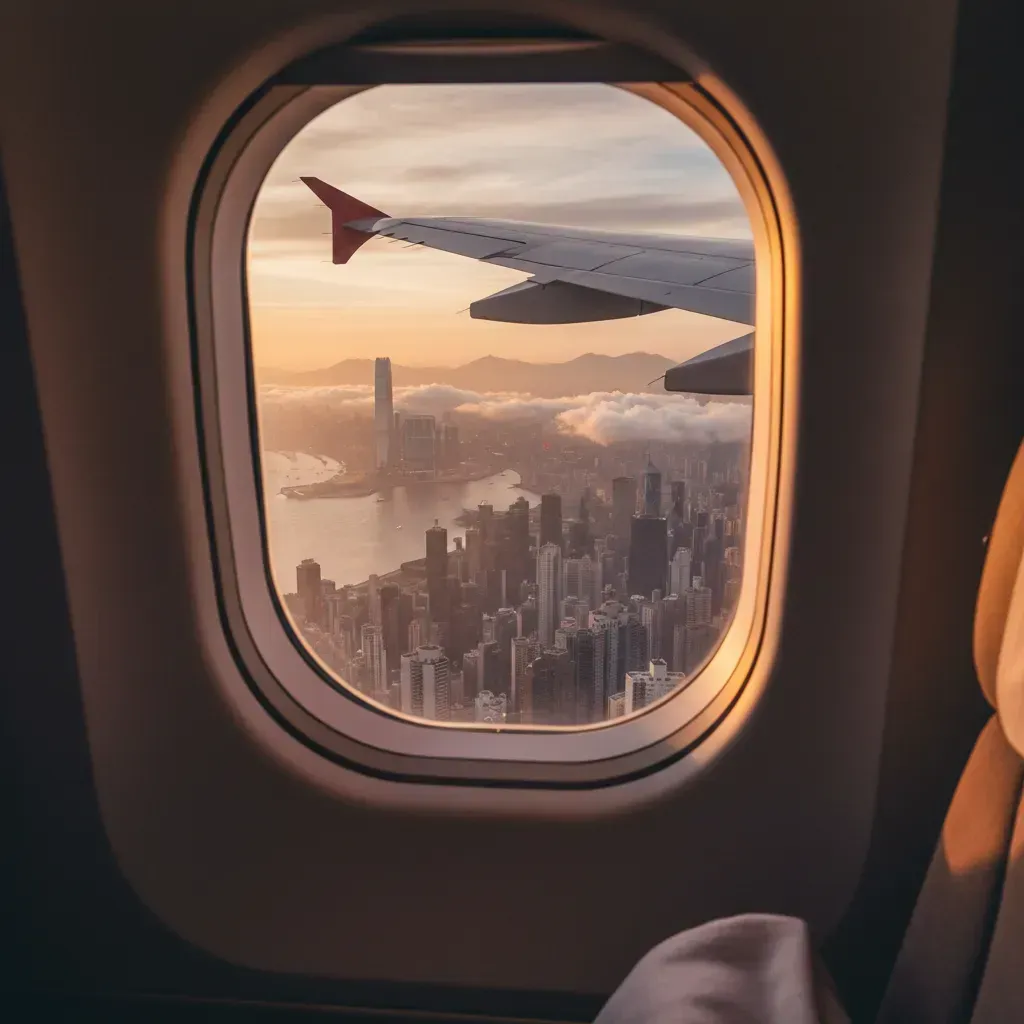
A business class flight to Hong Kong typically appeals to travelers who want to arrive ready for a board meeting, a private family holiday, or a multi-city Asian journey without the fatigue that often comes with ultra-long-haul flying. On this route, quality can vary meaningfully by carrier and aircraft. Some airlines offer direct aisle access from every seat, polished bedding, and highly regarded lounges. Others may still deliver a comfortable experience, but with older cabin layouts, weaker ground service, or less privacy.
For U.S.-origin travelers, Flight Experts’ current Business Class Flight Booking service covers major routes to Asia and includes airlines such as Emirates, Qatar, Singapore, Lufthansa, British Airways, ANA, JAL, Delta One, United Polaris, and American Airlines Flagship. Verified pricing context from Flight Experts places Business Class bookings broadly in the $2,000 – $8,000+ range, though actual quotes may vary materially by season, departure city, advance purchase window, and airline.
Hong Kong itself rewards careful itinerary planning. Depending on your priorities, the ideal choice may be a nonstop, a highly rated Asian carrier connection, or a premium Middle East routing with excellent lounge standards and more flexible departure options. Travelers also comparing broader regional options may find our page on cheap business class flights to Asia useful as a next-step planning reference, particularly when evaluating route combinations rather than a single city pair in isolation.
Best Carriers for Hong Kong
Cathay Pacific is often the most natural benchmark for Hong Kong. Cathay Pacific business class to Hong Kong usually stands out for route relevance, local hub efficiency, and a polished premium identity at Hong Kong International Airport. On aircraft with the airline’s stronger long-haul business class seats, travelers may enjoy excellent privacy, dependable bedding, thoughtful dining, and access to some of the most respected lounges in the region. Its main strength is not theatrical luxury, but consistency and destination fit.
Qatar Airways is frequently a leading option for travelers willing to connect in Doha. On aircraft equipped with Qsuite, privacy and seat flexibility can be excellent, especially for couples or travelers who need a productive work environment. The trade-off is routing time. For some clients, an indirect itinerary may still be worthwhile because the onboard product, lounge experience, and service flow can feel notably refined.
Singapore Airlines remains a compelling alternative depending on origin and scheduling. Service is typically polished, cabin finishes are usually elegant, and the airline’s premium reputation is well established among long-haul travelers. The routing may not always be the fastest for Hong Kong specifically, but for travelers combining multiple Asian cities, it can be a sensible strategic choice.
ANA and JAL are both highly credible for travelers who value quiet service, thoughtful catering, and operational reliability. Connections through Japan may suit travelers who prioritize onboard calm and attentive detail over nonstop convenience. In many cases, these carriers appeal particularly to experienced premium travelers who prefer understated service rather than overtly branded luxury.
United Polaris, Delta One, and American Airlines Flagship may also be practical choices from select U.S. gateways. While these products can be strong on the right aircraft and route, consistency may vary more noticeably depending on fleet type, lounge access arrangements, and exact schedule. A personalized review of aircraft assignment is usually essential before booking.
Route Planning from the U.S.: Nonstop Gateways, One-Stop Hubs, and Total Travel Time
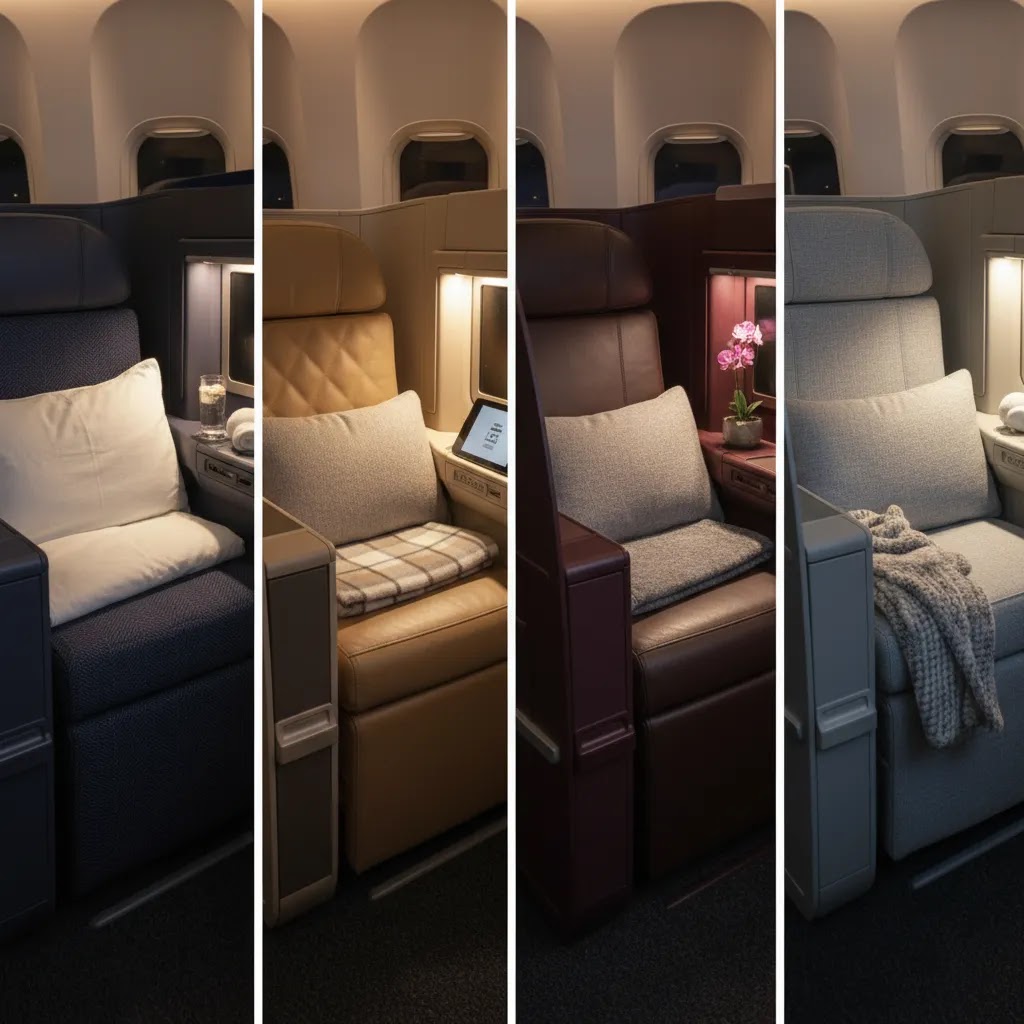
From a practical standpoint, U.S. business class itineraries to Hong Kong tend to fall into two categories: nonstop services from select major gateways, and one-stop routings via premium hubs in Northeast Asia or the Middle East. Schedules can change by season, and aircraft assignment can shift, but the underlying planning logic remains consistent. The closer you are to a major long-haul gateway, the more likely a nonstop option is available at least part of the year. For many other U.S. departure points, a connection is the default, even in business class.
What many travelers overlook is that total journey quality is not determined by flight duration alone. Elapsed travel time includes connection buffers, terminal or concourse transitions, and the practical reality of minimum connection times that may feel tight when premium cabins are full and airports are busy. In business class, a connection can be a feature rather than a penalty when it is built around a calm lounge environment, predictable boarding flow, and an arrival time into Hong Kong that supports your plans. It can also be a liability if it forces a rushed transfer, a difficult late-night arrival, or a connection that leaves little margin for irregular operations.
Consider this when evaluating nonstop versus one-stop: a nonstop may reduce complexity and often protects your energy, particularly if you are traveling for time-sensitive meetings. A well-chosen one-stop, however, may improve the onboard sleep experience if it places your longest segment on a stronger aircraft type, or if it provides a mid-journey reset that helps you arrive more functional. For travelers departing from LAX and other major gateways, the decision often comes down to whether the nonstop schedule aligns with your preferred sleep window and arrival timing, and whether the connecting alternative offers a meaningfully better seat, quieter cabin environment, or more reliable premium ground handling.
Think of it this way: in business class, the right connection is the one that you barely notice. It typically has a sensible layover length, a lounge that supports rest and work, and a boarding process that feels controlled rather than rushed. If the connection forces frequent terminal changes, leaves little time between flights, or results in an arrival time that disrupts your first day in Hong Kong, nonstop convenience may be the more appropriate choice even when the connecting onboard product is stronger.
Pricing Context
Verified service data from Flight Experts places most Business Class Flight Booking requests within a broad $2,000 – $8,000+ range. That range should be treated as directional rather than predictive for Hong Kong. Final pricing may depend on seasonality, holiday travel, city pair, nonstop versus connection, and how far in advance you are booking.
For Hong Kong, nonstop flights from major U.S. gateways may command a premium during strong demand periods, while one-stop itineraries through hubs in the Middle East or Northeast Asia could sometimes present stronger value in exchange for longer elapsed travel time. Travelers booking close to departure, requiring highly specific departure windows, or flying during trade fairs and holiday periods may also see materially different quoting conditions.
Flight Experts notes key service features such as personal travel consultant support, seat selection assistance, meal preference coordination, check-in assistance, price drop monitoring, and cabin upgrade alerts. For a route as important as Hong Kong, these practical elements often matter as much as fare level because they shape the overall travel day from airport arrival through landing.
Best Time to Fly Business Class to Hong Kong
The reality is that Hong Kong demand has a distinct rhythm, and premium cabin inventory can tighten quickly when business travel and major leisure periods overlap. While exact patterns may vary year to year, travelers typically see the most pressure on business class availability around major Western holidays, key Asia holiday travel periods, and weeks that align with large-scale commercial and cultural events. In Hong Kong, the calendar can also be influenced by trade fairs and industry gatherings that draw high-volume corporate travel, sometimes with limited nonstop inventory from key gateways.
From an experience standpoint, seasonality can affect more than quoting conditions. It can influence whether a nonstop schedule is operating consistently, whether a preferred aircraft type is assigned reliably, and whether lounges and premium check-in areas feel calm or crowded. In peak periods, some airlines may be more likely to swap aircraft due to operational needs, which is one reason aircraft confirmation and monitoring matters on this route. When you have fixed dates, it is often wise to treat aircraft assignment as a variable rather than an absolute, particularly well in advance of departure.
Now, when it comes to choosing between nonstop and one-stop, seasonality can change the practical answer. During high-demand periods, a nonstop may sell out earlier in business class, leaving one-stop routings as the more realistic path to secure the cabin and departure window you want. At other times, a nonstop may be available but on a flight time that does not support sleep or arrival goals, making a well-timed connection more attractive for overall trip quality.
For discerning travelers, planning guidance tends to be straightforward. Early booking matters most when you need a specific departure day, a specific premium cabin product, or a particular arrival time into Hong Kong. Flexibility matters most when you can move by a day or two, or when you are open to connecting through a hub that offers multiple daily departures. In most cases, modest date flexibility can materially expand premium options, not only in seat availability but in access to the cabin versions and schedules that tend to feel more restorative on ultra-long-haul routes.
Pros and Cons
Strengths
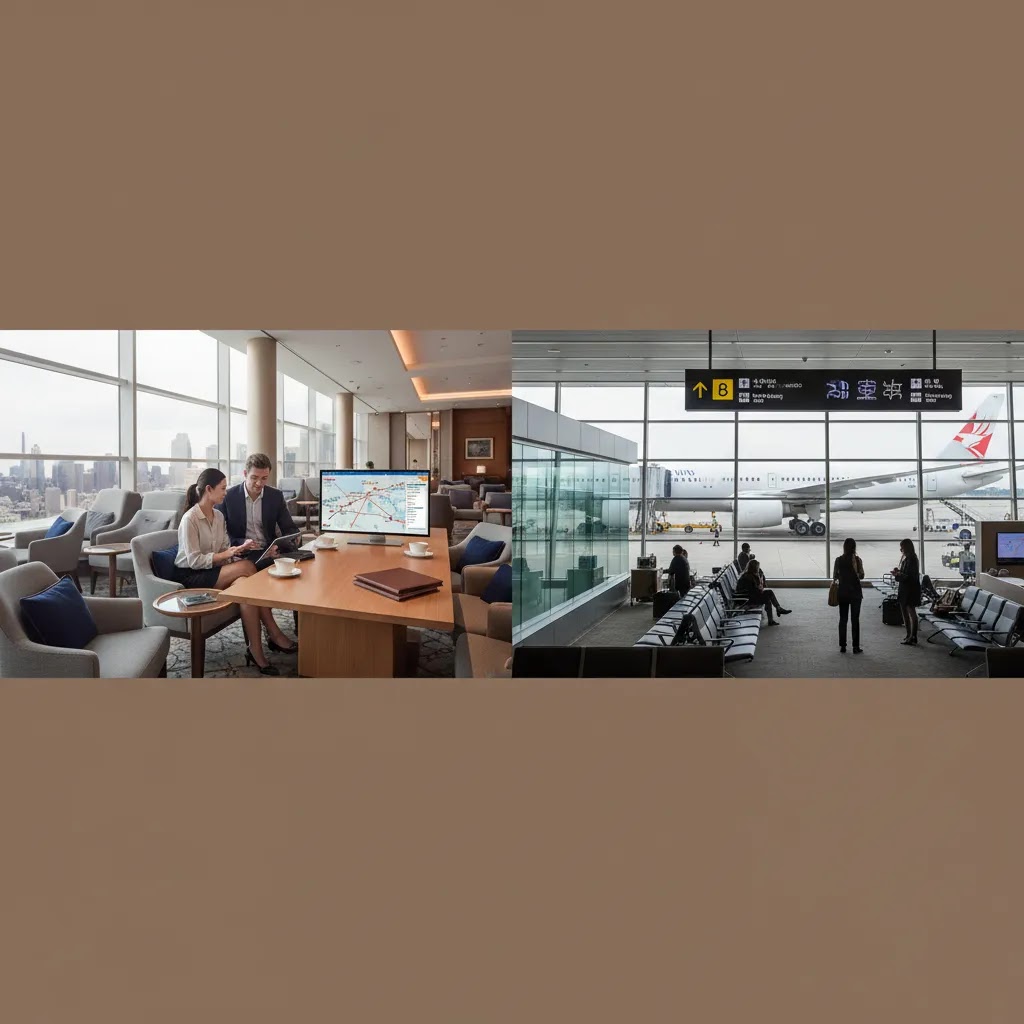
- Hong Kong is served by a wide range of premium carriers, giving discerning travelers genuine choice in routing, style of service, and onboard privacy.
- Cathay Pacific business class to Hong Kong is especially well aligned with the destination, often providing a cohesive air-to-ground experience through its home hub.
- Excellent connecting options through Doha, Tokyo, and other premium hubs may allow travelers to prioritize cabin quality over pure speed where appropriate.
- Most leading carriers on this route now offer lie-flat seats, upgraded dining, lounge access, and priority airport handling, which can make long-haul travel materially more comfortable.
- Flight Experts’ Business Class Flight Booking service includes personal consultant support and typically responds quickly, which may simplify comparison across complex premium options.
Considerations
- The best business class flight to Hong Kong may vary significantly by aircraft, and not every flight within the same airline offers an equally current cabin.
- Highly rated connection options may deliver a superior onboard product but often require longer total journey times than a nonstop service.
- Pricing can fluctuate widely by season, routing, and booking window, so a broad range should not be interpreted as a guaranteed quote.
- Lounge quality and ground service may differ by departure airport, even when the airline itself has an excellent premium reputation.
Who This Route Suits Best
Business class to Hong Kong is especially well suited to travelers who need to arrive composed and functional after a long-haul flight. That often includes executives with immediate business commitments, couples planning a celebratory Asia journey, and families who want a calmer airport and onboard experience. It may also appeal to travelers beginning a wider itinerary that includes Southeast Asia, mainland China, or resort destinations beyond Hong Kong.
If your priorities include privacy, sleep quality, premium lounge access, and a carefully timed arrival, this is a route where expert planning can make a meaningful difference. The right choice is rarely only about airline brand. It is about the specific flight, cabin generation, connection quality, and how those details support your broader travel goals.
What “Worth It” Means in Hong Kong Business Class
For discerning travelers, the question of whether Hong Kong business class is worth it is usually answered through outcomes, not labels. On an ultra-long-haul route, the core value is arriving with usable energy. That often depends on a short list of product variables that can change the experience materially, even among highly regarded airlines.
Seat privacy is one of the most decisive factors. Some cabins are designed with high partitions, a more enclosed footprint, and a sense of separation that supports sleep and focused work. Others are more open, which may feel social and spacious, but can be less calming overnight. Where a suite-like configuration exists in business class on certain aircraft, it can be excellent for travelers who prefer an undisturbed, controlled environment, although the exact feel will depend on seat design and cabin density.
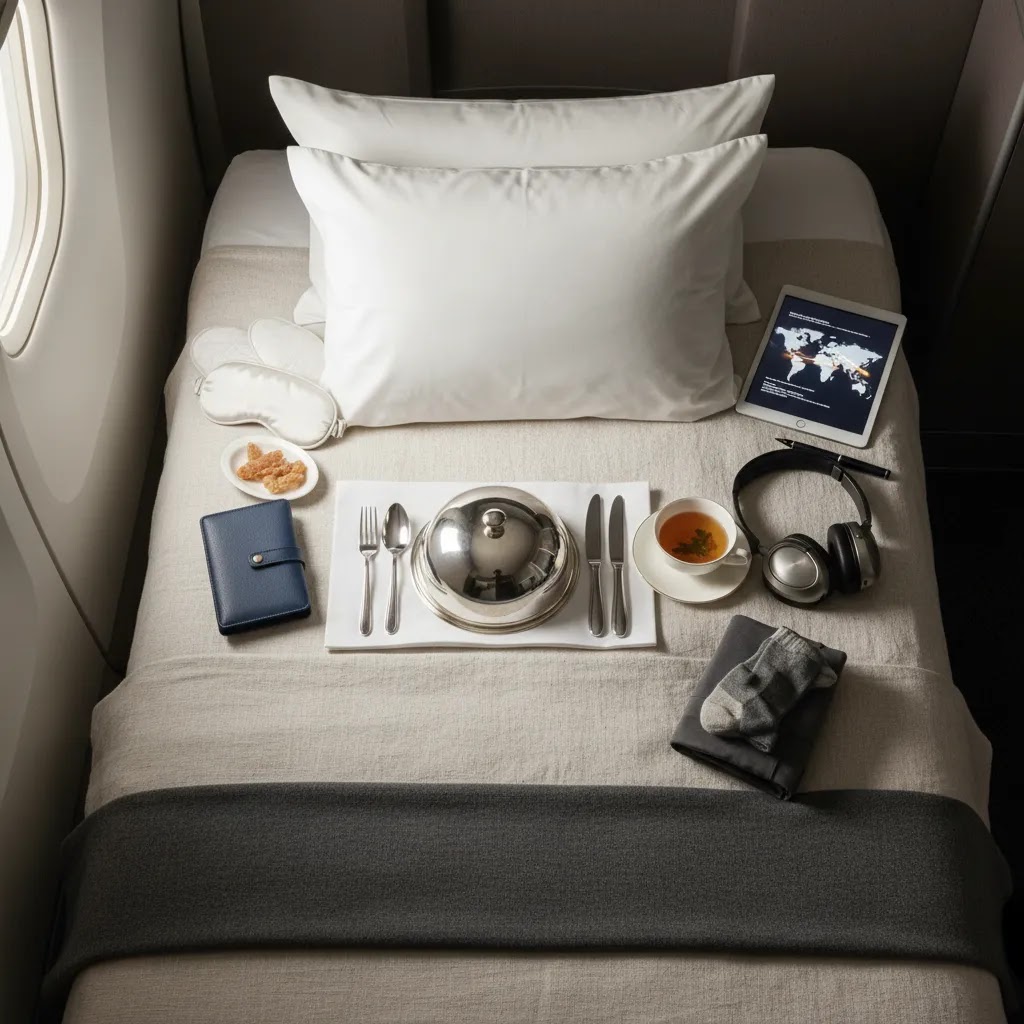
Bedding quality and sleep ergonomics matter more on Hong Kong than many travelers expect. A lie-flat seat is not automatically a comfortable bed. The firmness of the surface, the width at the shoulders, the footwell shape, and how well the seat allows side sleeping can determine whether you step off the aircraft rested or merely less tired. Cabin temperature and airflow also play a role, particularly on overnight departures, and experienced travelers often plan around this with wardrobe choices and a preference for cabins known to feel quieter and more stable through the night.
Ground experience can also change what “worth it” feels like, especially if you have a same-day meeting or an onward flight. Lounge standards vary widely by departure airport. A quiet lounge with proper dining, shower availability, and a consistent boarding flow can make the long-haul segment feel more controlled. Arrival handling matters as well. The efficiency of baggage delivery, the ease of ground transportation, and how quickly you can transition from aircraft to car can influence the first impression of Hong Kong and the practicality of your first day.
From a matching standpoint, a simple framework often helps. Travelers who are privacy-focused typically do best with cabins that emphasize enclosed seating and minimal exposure to aisle traffic. Couples may prefer products that allow more natural conversation and, where available, seating that feels intentionally designed for two. Work-forward travelers often benefit from layouts with a stable table, reliable power, and a seat position that supports long periods of productivity without constant adjustment. Sleep-first travelers usually prioritize the most proven bed ergonomics and a departure time that aligns with their natural sleep window, even if that means choosing a connection with a superior long-haul segment.
Flight Experts Recommendation
For most discerning travelers, we recommend evaluating Hong Kong options in three tiers: destination-aligned nonstop options, premium one-stop itineraries with exceptional cabins, and broader Asia routings for travelers building a multi-city journey. That framework helps avoid the common mistake of choosing solely by headline airline reputation without considering aircraft, departure time, connection quality, or onward plans.
Flight Experts is particularly well positioned for this type of planning because its verified service model includes a personal travel consultant, assistance with seat selection and meal preferences, check-in support, and monitoring features that may add value after booking. Travelers who want a more tailored recommendation can also review broader premium planning resources in Premium Flight Booking & Tips.
If Hong Kong is part of a larger Asia itinerary, or if you are comparing nonstop convenience against a stronger connecting product such as Qatar, ANA, JAL, or Singapore Airlines, it is worth speaking with Flight Experts directly. You may also explore the services available at Flight Experts to discuss your preferences with Mike Chirilenco and receive a more personalized recommendation.
How to Choose the Right Flight
1. Start with aircraft, not just airline. A well-known carrier can still operate an older business class seat on a given route. For Hong Kong, confirming the exact aircraft and cabin generation is often essential. Direct aisle access, storage design, seat width, and privacy partitions may all influence whether the flight feels merely comfortable or genuinely restorative.
2. Decide how much you value nonstop convenience. A nonstop flight may be the right choice for time-sensitive business travelers or anyone who wants the most direct path to arrival. Yet some connecting itineraries offer a noticeably more refined cabin and stronger lounge environment. In most cases, the right answer depends on whether you prioritize speed, sleep quality, or onboard privacy.
3. Assess the ground experience at both ends. Premium travel begins before boarding. Consider lounge standards, priority check-in, transfer efficiency, and arrival timing. Hong Kong International Airport is generally excellent, but your departure airport experience could vary considerably by airline and terminal arrangements. That difference matters on overnight departures.
4. Match the itinerary to your purpose of travel. A traveler heading directly into meetings may value an early-morning arrival and dependable sleep above all else. A couple beginning a celebratory journey may place more emphasis on shared seating options, dining, and a polished transfer experience. Families might prioritize manageable connections and consistent service over the most stylized onboard product.
5. Use expert support for complex comparisons. This is where a specialist becomes valuable. Flight Experts offers Business Class Flight Booking across major long-haul carriers to Asia, with verified features that include seat selection support, check-in assistance, and upgrade alerts. For travelers also considering open-jaw or multi-stop travel in the region, the brand’s Complex Itinerary Planning service may be especially relevant, since premium Asian journeys often work best when routing is constructed around both comfort and purpose rather than convenience alone.
Frequently Asked Questions
Which airline is best for a business class flight to Hong Kong?
There is no single answer for every traveler. Cathay Pacific is often a natural choice because of its Hong Kong hub and cohesive airport experience. Qatar Airways may be stronger for travelers prioritizing privacy on certain aircraft, while ANA, JAL, and Singapore Airlines can appeal to those who value refined service and calm onboard environments. The best option usually depends on route, aircraft, and schedule.
Is Cathay Pacific business class to Hong Kong worth choosing over a connecting carrier?
In many cases, yes, especially if you value a destination-focused experience and efficient arrival into Hong Kong. Cathay Pacific often benefits from strong local hub integration and a polished premium identity. A connecting carrier could still be preferable if it offers a notably better seat, more suitable departure time, or stronger value for your exact dates.
Is Hong Kong business class worth it?
In most cases, it is worth it for travelers who value arriving rested, productive, and composed after an ultra-long-haul flight. The value typically comes from sleep quality, privacy, premium ground handling, and a calmer overall travel day. Whether it is worth it for you depends on aircraft type, seat ergonomics, lounge experience, and how time-sensitive your first day in Hong Kong will be.
What is the best month to fly to Hong Kong?
There is not one best month for every traveler, because weather preferences and event calendars vary. From a demand standpoint, many travelers find that periods outside major holidays and major event weeks can offer more flexibility in premium cabin options and scheduling. If you have fixed dates, it is usually best to plan around your preferred arrival timing and sleep window first, then evaluate which carriers and routings are operating the strongest aircraft and schedules for that period.
How much is business class LAX to Hong Kong?
Flight Experts does not publish route-specific fare promises because quotes can vary materially by season, booking window, and whether you are flying nonstop or connecting. Verified Flight Experts service data places Business Class bookings broadly in the $2,000 – $8,000+ range, and LAX to Hong Kong itineraries can fall anywhere within that context depending on the details of your trip. The most reliable approach is to request a personalized quote based on your exact dates, preferred routing, and aircraft requirements.
How much does it cost to fly business class?
Based on verified Flight Experts service data, Business Class bookings generally fall within a broad $2,000 – $8,000+ range. Actual pricing depends on route length, seasonality, departure city, airline, and advance purchase window. For premium long-haul travel, treating any published range as context only is usually the most accurate approach, then confirming current quoting conditions for your specific itinerary.
How much does business class to Hong Kong typically cost?
Based on verified Flight Experts service data, Business Class bookings generally fall within a broad $2,000 – $8,000+ range. Hong Kong quotes may vary substantially depending on season, origin, airline, and booking window. For that reason, it is best to treat any broad range as context only and request a personalized quote for current pricing.
Are nonstop flights to Hong Kong always the best option?
Not always. Nonstop flights are often best for travelers who value time efficiency and want to reduce travel complexity. A one-stop itinerary may still be more attractive if it provides a meaningfully better seat, lounge, or overnight sleep environment. For some clients, a superior connecting product is worth the additional elapsed travel time.
What should I look for in a Hong Kong business class seat?
You should usually focus on direct aisle access, seat privacy, bed length, bedding quality, storage, and whether the cabin feels current. On overnight routes, a well-designed lie-flat seat can matter more than menu variety. Aircraft-specific research is important because seat quality may vary within the same airline fleet.
Do all airlines offer the same lounge experience for Hong Kong routes?
No. Lounge quality may vary considerably by departure airport, alliance access rules, and airline investment in premium ground services. Some carriers have flagship lounges that materially enhance the journey, while others rely on partner facilities that are perfectly functional but less distinctive. This can be an important differentiator for frequent premium travelers.
Can Flight Experts help compare several airlines for the same trip?
Yes. Flight Experts’ verified Business Class Flight Booking service includes support from a personal travel consultant and may include seat selection assistance, meal preference coordination, and check-in support. That can be particularly helpful when comparing carriers with different strengths, such as nonstop convenience versus stronger connecting cabin products.
Is Hong Kong a good starting point for a larger Asia itinerary?
Very often, yes. Hong Kong is a strong gateway for onward travel across East and Southeast Asia, and it can work well for both business and leisure itineraries. If you are combining several destinations, expert routing becomes especially important because the most comfortable premium itinerary may not be the most obvious one.
How far in advance should I book business class to Hong Kong?
Booking earlier typically provides a wider choice of schedules and premium cabin inventory, especially if you want a specific airline or aircraft type. Peak holiday periods, major events, and highly restricted departure windows may require even earlier planning. Availability can shift quickly, so travelers with fixed dates usually benefit from early consultation.
Key Takeaways
- Cathay Pacific is often a leading benchmark for Hong Kong because of its strong hub integration and destination-specific premium experience.
- The best business class flight to Hong Kong depends on aircraft, routing, lounge quality, and your reason for travel, not airline reputation alone.
- Verified Flight Experts pricing context for Business Class bookings is broadly $2,000 – $8,000+, though final quotes may vary considerably.
- Connecting carriers such as Qatar Airways, ANA, JAL, and Singapore Airlines may outperform a nonstop on privacy, service style, or sleep quality.
- Personalized planning through Flight Experts can help align cabin choice, schedule, and airport experience with your exact travel priorities.
Conclusion
Hong Kong is a route where premium travelers have meaningful choice, and that is precisely why careful evaluation matters. The most suitable business class flight to Hong Kong may be a well-timed Cathay Pacific nonstop, a highly private Qatar routing, or a calm and polished connection via Japan or Singapore. What matters most is how the full journey supports your schedule, comfort, and broader itinerary. Flight Experts offers a refined, consultant-led approach that may be especially valuable when you want more than a generic booking result. To begin planning your trip, contact Mike Chirilenco or speak with the Flight Experts team through flight-experts.com for a personalized recommendation tailored to your travel preferences.



