
Delta First Class vs Business Class (2026 Guide)
Overview: What Delta Calls First and Business Class
Delta’s naming structure can be confusing because the airline does not operate a global international First Class cabin in the way carriers such as Emirates, Air France, or Lufthansa may on select routes. In most cases, when travelers compare Delta First Class vs Business Class, they are really comparing domestic First Class with Delta One, which is Delta’s premium long-haul Business Class product.
Domestic First Class generally appears on short-haul and transcontinental aircraft where the priority is a wider recliner seat, earlier boarding, more personal space, and an elevated onboard service flow. Delta One, by contrast, is designed for significantly longer flying time and usually includes a lie-flat seat, more privacy, more substantial dining, and a premium ground experience depending on route and airport.
That means the better option is not simply the more prestigious-sounding cabin. It depends on route, aircraft, timing, and your expectations. A two-hour domestic trip may not require Delta One. A red-eye transcontinental flight or an overnight Atlantic crossing often does. Readers researching broader premium cabin evaluations may also find Flight Experts’ Airline Business & First Class Reviews hub useful for side-by-side planning.
Delta Terminology Clarified: Is Delta One Business Class, and What “First Class” Means on Delta
Here is the thing many travelers want answered plainly: yes, Delta One is Delta’s Business Class product in practice. It is the cabin Delta positions for long-haul flying and select premium domestic routes, and it is the product built around lie-flat rest, a more private seat environment, and a longer-service cadence, subject to aircraft type and route.
Delta “First Class,” by contrast, is primarily a domestic premium cabin. It is not the same concept as a true international First Class tier offered by certain global carriers on select routes. On Delta, First Class generally means a wider recliner seat, priority handling, and elevated onboard service within a domestic or short-haul context. The distinction is important because a traveler comparing business class vs first class across airlines may assume “First Class” always signals the top global experience. With Delta, it typically does not.
Where confusion shows up most is on premium domestic sectors and transcontinental branding. The same traveler may see “First Class” offered on a route where other carriers would market Business Class as the premier product, while Delta One appears on other domestic segments where the seat and service are meaningfully different. The reality is that route context matters. If you are evaluating the experience you will actually receive, the cabin label is only the starting point. What matters is whether the itinerary is marketed and operated as Delta One, which aircraft is assigned, and what ground services are tied to that specific journey.
Delta First Class vs Delta One Head to Head
From an advisory perspective, the clearest way to compare these cabins is by function rather than label. Domestic First Class focuses on comfort and convenience. Delta One focuses on rest, privacy, and long-haul efficiency.
Seat and Sleeping Capability
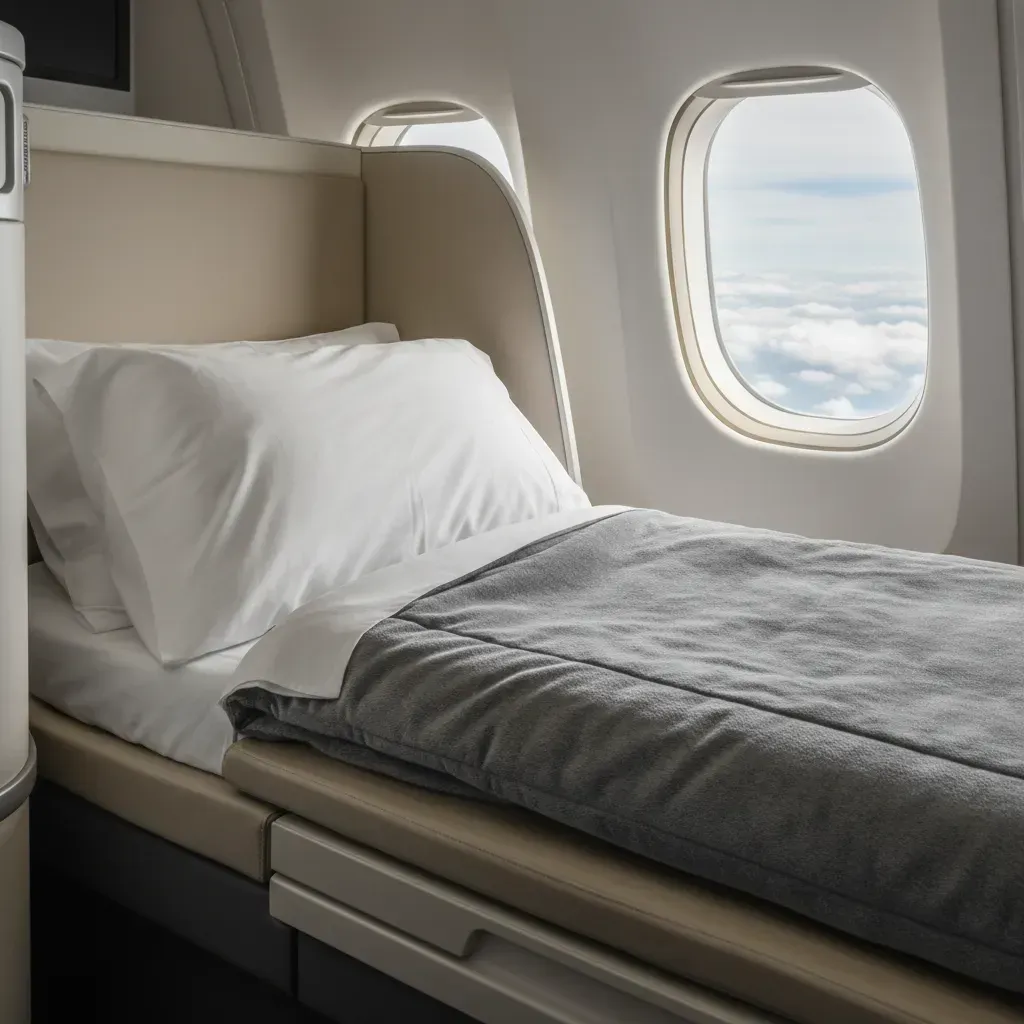
Domestic First Class seats are typically wider than Main Cabin seating and offer deeper recline, but they generally do not convert into fully flat beds. Delta One is the stronger option where sleep matters because it typically provides a lie-flat seat and a more private personal space, subject to aircraft type and route.
Routes and Aircraft
Delta First Class usually appears on domestic and shorter regional routes. Delta One is generally reserved for long-haul international services and select premium transcontinental or strategically important domestic routes. This route distinction is central to the delta one vs delta first class comparison because the onboard product exists for a different travel purpose.
Dining and Service Style
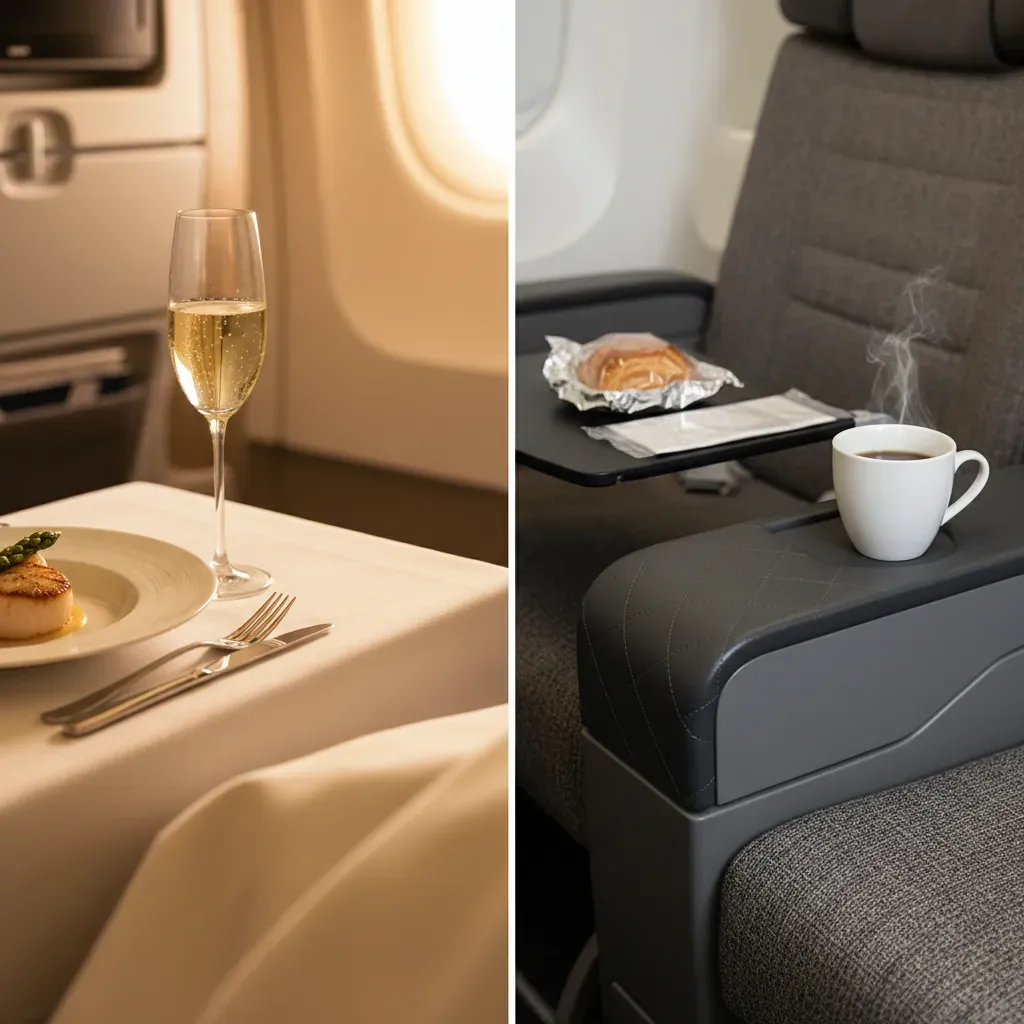
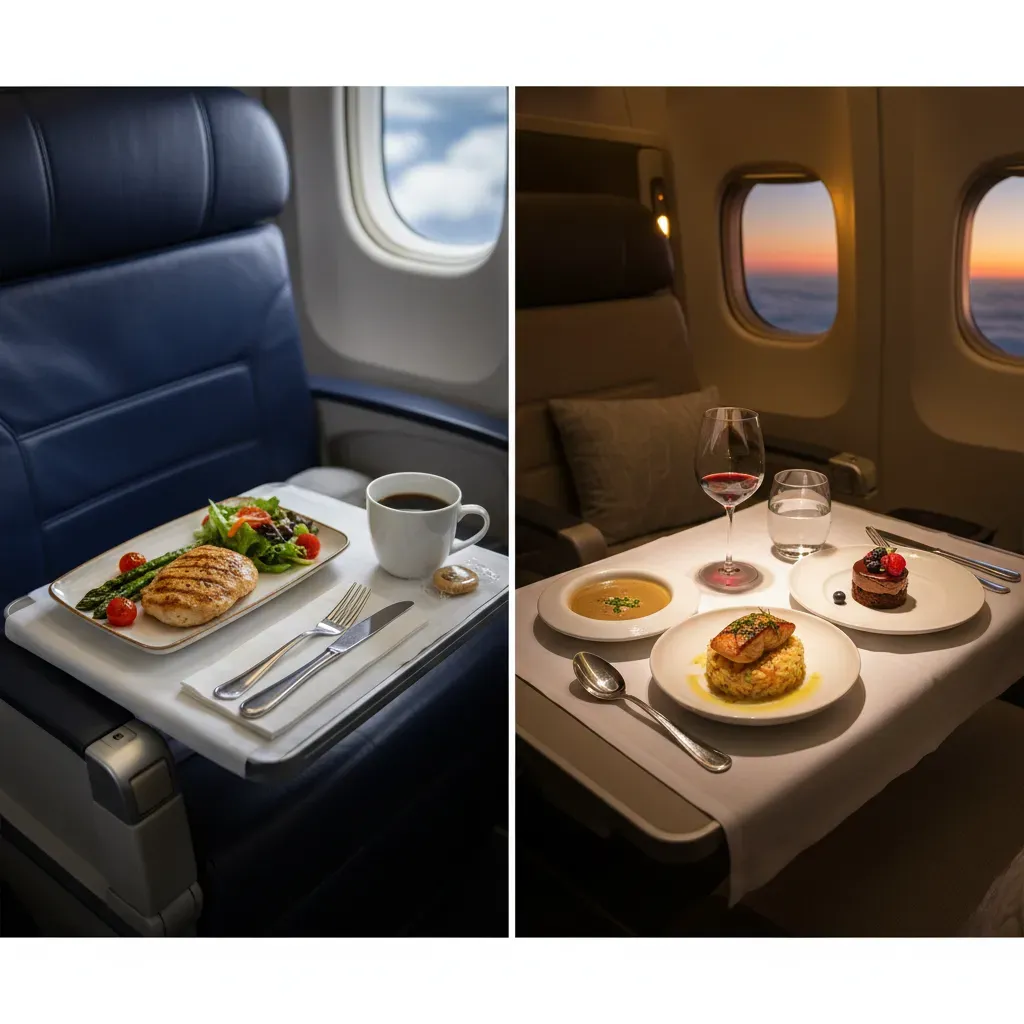
You can usually expect a more refined meal presentation in Delta One, often with more courses and an experience calibrated for a longer flight. Domestic First Class service may still be polished, but the service window is shorter and the culinary ambition is typically more limited.
Ground Experience
Delta One often carries a stronger premium ground proposition, which may include better lounge access or a more premium airport flow depending on the departure point. Domestic First Class generally offers priority handling rather than a truly long-haul premium ground journey.
Privacy and Cabin Atmosphere
Delta One is usually better for travelers who value quiet, personal space, and a more cocooned environment. Domestic First Class can feel comfortable and efficient, but it is not typically designed to deliver the same sense of seclusion.
Delta One Ground Experience: Lounges, Check-In, and Priority Services
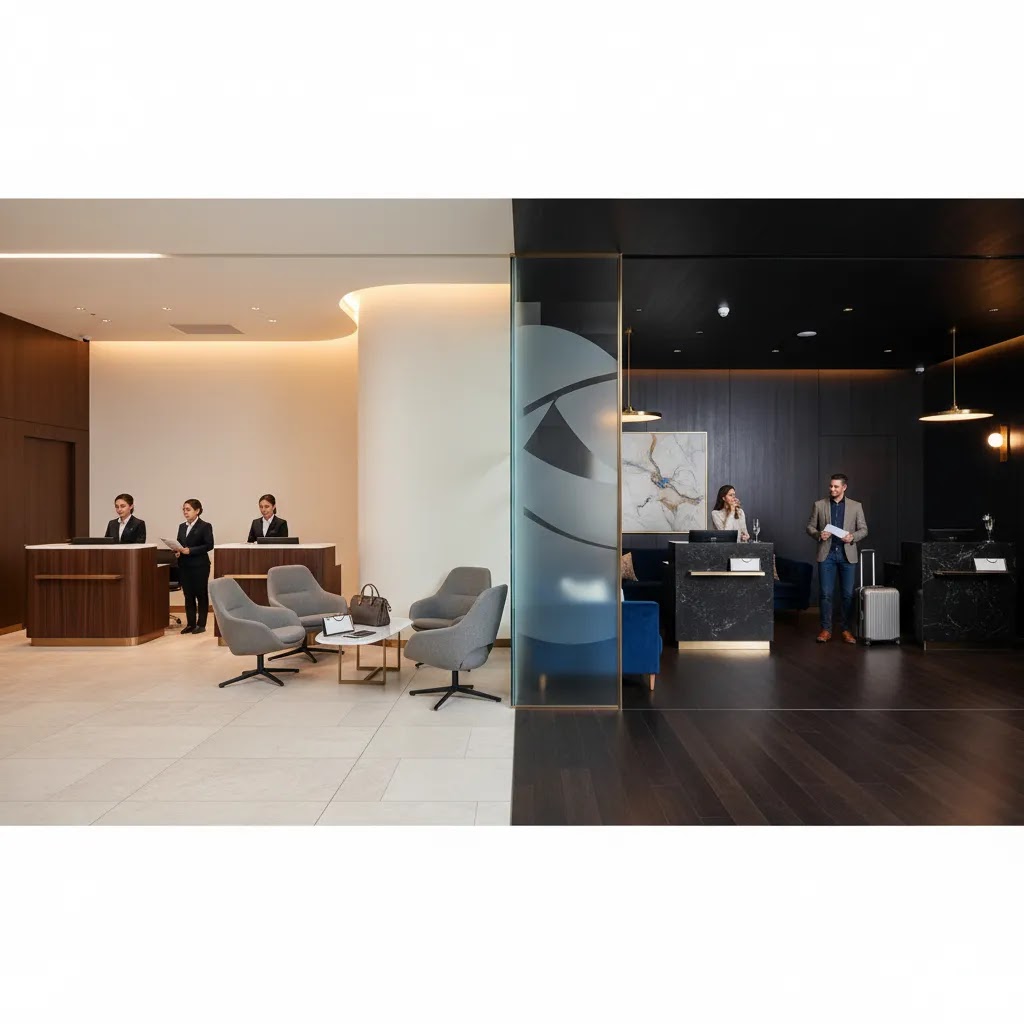
What many travelers overlook is that premium value is often created as much on the ground as it is in the air. Delta One typically offers a more elevated airport experience than domestic First Class, but the exact benefits can depend on the route, the airport, the operating carrier, and the rules in effect on the day of travel.
Domestic First Class generally prioritizes a smoother airport flow. In most cases, this means priority check-in lanes where available, expedited boarding groups, and priority baggage handling. It can be a meaningful comfort improvement on busy travel days, but it is not always paired with the type of lounge access and pre-departure experience travelers associate with long-haul premium cabins.
Delta One is where lounge eligibility and premium ground handling become more relevant, particularly for international departures or connection-heavy itineraries. The practical value is not abstract. Lounge time can provide a quiet environment to reset between flights, a calmer place to work, and, at certain locations and times, a more complete pre-departure dining rhythm than what you can comfortably manage in a crowded terminal. On a long-haul schedule, that can shape how you feel before you even board, especially if you are coming off a meeting, arriving on a tight connection, or beginning a milestone trip where you want the experience to feel considered from the start.
From a practical standpoint, the correct approach is to verify before you book, because lounge networks, access rules, and even facility availability can change. For the specific itinerary, confirm the departure airport experience, any connection airports, whether the flight is marketed and operated by Delta or a partner, and whether same-day access rules apply to your routing. In our work with premium travelers, we treat this as essential due diligence, not a fine-print detail. It ensures that the airport experience you expect is actually the one you will receive on the day.
What the Experience Feels Like in Practice
For many travelers, the practical difference becomes obvious the moment boarding begins. Domestic First Class tends to feel like a more relaxed version of domestic flying. You get a larger seat, a calmer cabin, and more attentive service, which may be entirely sufficient for daytime sectors or short business trips.
Delta One is usually a different category of experience. On a long overnight flight, the value is not just extra comfort. It is the ability to arrive in materially better condition. A lie-flat seat, more substantial bedding, and a quieter personal environment may change whether you can go directly to meetings, transfer to a resort, or begin a multi-stop itinerary without fatigue undermining the first day.
This distinction matters especially for milestone travel. A honeymoon couple flying overnight to Europe, for example, may find Delta One far better aligned with the tone of the trip than domestic-style First Class. By contrast, a traveler heading from New York to Florida for a long weekend may find domestic First Class fully adequate if schedule and aircraft are favorable.
Cabin consistency can still vary. As with any airline, the exact seat, service pacing, amenity quality, and lounge access may differ by aircraft, route, airport, and operational conditions. That is one reason experienced itinerary planning remains valuable. Flight Experts helps clients assess not just the cabin name, but the real experience behind the booking. Travelers considering how premium cabin planning fits into a broader strategy may also wish to explore Premium Flight Booking & Tips.
Onboard Comfort Details Delta Flyers Ask About: Seat Layout, Privacy, and the “Real” Differences by Aircraft
Consider this: “recliner versus lie-flat” is an accurate headline difference, but it is not the full story of how the flight will feel. Within the same cabin label, aircraft assignment can materially change your privacy, your ability to work, how restful the space feels, and whether the cabin supports genuine recovery on arrival.
With domestic First Class, the experience is typically driven by seat width, recline, and the overall calm of a smaller cabin. The layout is usually straightforward, with limited barriers between seats and a more open feel. That can be perfectly comfortable for a daytime sector, yet it is not designed around privacy. If you are hoping to work discreetly, take calls in a quieter environment, or feel separated from the cabin flow, you may find the experience more exposed than the “First Class” label implies.
Delta One, in most cases, is built to create a more defined personal zone. Privacy expectations, however, can differ depending on the seat model and cabin layout, and this is where aircraft type matters. Storage space, surface area for a laptop and dining, where your shoes and small items go during sleep, and how easy it is to move in and out of the seat are all details that can affect whether the flight feels refined or merely functional. A traveler on an overnight sector with a connection on arrival will notice those differences quickly.
On longer Delta One routes, premium travelers also ask about the touches that support rest and comfort: bedding quality, amenity kit availability, cabin temperature management, and how reliably the service pacing leaves time to sleep. Connectivity and entertainment matter as well. Wi-Fi performance and onboard entertainment offerings may vary by route and aircraft, and operational factors can influence reliability on a given day. The reality is that the onboard experience is a combination of hard product, soft service, and how the flight is operated.
Think of it this way: the best way to evaluate the hard product before committing is to confirm the aircraft type and review seat map cues that indicate the configuration you will actually be seated in. A cabin name can be consistent while the physical seat is not. This is also why an advisor typically validates the specific configuration tied to your flight rather than relying on the marketing label alone. It is a practical step that helps ensure your expectations align with the experience you are booking.
Pros and Cons
Strengths
- Delta One typically offers the more complete premium experience for long-haul and overnight flights, with lie-flat seating and a more private cabin design.
- Domestic First Class can be an efficient and comfortable upgrade for shorter routes where a bed is unnecessary but space and priority handling still matter.
- Delta’s premium cabins often appeal to travelers who value consistency, broad U.S. network relevance, and a polished mainstream premium product.
- The distinction between cabins is relatively clear once you understand route purpose: First Class for domestic comfort, Delta One for long-haul rest and refinement.
- For premium travelers, Delta One may provide a more arrival-ready experience, which is especially important on overnight business or leisure itineraries.
Considerations
- Delta does not offer an international First Class product, so travelers seeking the highest global First Class tier will need to look at other airlines.
- Domestic First Class can sound more elevated than it actually is, especially for travelers expecting a lie-flat or suite-style environment.
- Delta One quality may vary by aircraft configuration, route, and airport ground services, so the cabin name alone does not tell the full story.
- Lounge and airport benefits may be route-specific and are subject to change, which makes pre-booking verification important.
Who Each Cabin Best Suits
Domestic First Class usually suits travelers who want a more relaxed domestic journey, a wider seat, and priority airport handling without requiring overnight sleep capability. It may be appropriate for shorter corporate travel, weekend leisure trips, or daytime sectors where efficiency matters more than full privacy.
Delta One generally suits travelers who are making a more substantial premium investment in the journey itself. It is often the better match for overnight flying, premium transcontinental service, international departures, anniversaries, honeymoons, and high-value business travel where arriving rested has real importance. If your trip involves long sectors, connections, or significant on-arrival commitments, Delta One will typically be the more logical cabin.
Flight Experts Recommendation
From the Flight Experts perspective, the right choice depends less on labels and more on itinerary design. If you are flying domestically during the day, Delta First Class may provide all the comfort and priority you need. If you are crossing the country overnight or traveling internationally, Delta One is usually the cabin worth prioritizing because it is designed around sleep, privacy, and a more complete premium experience.
Flight Experts specializes in premium flight planning, including Business Class Flight Booking, First Class Flight Booking, and Complex Itinerary Planning. The service includes a personal travel consultant, expert routing support, seat selection guidance, and tailored recommendations based on route and traveler preference. If you would like a personalized view on whether Delta First Class, Delta One, or another premium airline option best suits your trip, you may visit flight-experts.com or speak with Mike Chirilenco and the Flight Experts team for refined, itinerary-specific guidance.
How to Choose the Right Delta Premium Cabin
For a discerning traveler, selecting between Delta First Class and Delta One should involve more than a simple fare comparison. These are the criteria that usually matter most.
1. Flight Duration and Timing
If the flight is under a few hours and operates during the day, domestic First Class may be entirely appropriate. If it is an overnight service, a transcontinental route, or a long-haul international sector, Delta One is typically the cabin that aligns with genuine premium expectations.
2. Aircraft Type
Not all premium cabins feel the same across an airline’s fleet. The aircraft operating your route may determine whether the seat feels merely comfortable or genuinely restorative. This is one of the most important reasons not to book by cabin name alone.
3. Ground Experience Requirements
If lounge access, premium check-in flow, and a more curated airport experience matter to you, verify exactly what applies on your route and date. These benefits may vary and should be confirmed before booking, especially if the journey is tied to a special occasion.
4. Purpose of the Trip
A leisure weekend, an anniversary journey, and a same-day corporate meeting all justify different booking priorities. Travelers celebrating a milestone or connecting onward to a luxury resort often benefit more from Delta One than from domestic First Class because the journey itself forms part of the overall experience.
5. Overall Itinerary Complexity
If you are combining multiple cities, alliance partners, or mixed cabin segments, expert planning becomes more valuable. The strongest premium outcome may involve a different carrier on one segment, a better long-haul aircraft on another, or a routing that improves rest and service quality overall. That is where advisor-led planning often saves time and prevents disappointment.
Frequently Asked Questions
Is Delta One the same as First Class?
No. Delta One is generally Delta’s premium long-haul Business Class product, while Delta First Class usually refers to the airline’s domestic premium cabin. Delta One is typically more substantial, with lie-flat seating on eligible routes, while domestic First Class usually offers a larger recliner seat and a shorter-haul service model.
Which is better, Delta First Class or Delta One?
Delta One is usually the more premium product, especially on longer or overnight flights where sleep and privacy matter. Delta First Class may still be a strong choice for shorter daytime routes. The better option depends on route length, aircraft type, and how important rest and ground services are to your journey.
Does Delta have international First Class?
In most cases, no. Delta’s flagship long-haul premium cabin is Delta One, which is a Business Class product rather than international First Class. Travelers specifically seeking a true global First Class experience typically need to consider other airlines that operate dedicated First Class cabins on select routes.
Is Delta First Class worth it on domestic flights?
It may be worth it if you value extra space, priority boarding, more attentive service, and a calmer onboard environment. On shorter flights, that can be enough. If your expectation is a lie-flat bed or suite-style privacy, domestic First Class may feel more limited than the name suggests.
Does Delta One always include lounge access?
Lounge access policies may vary by route, airport, fare conditions, and program rules in effect at the time of travel. Premium travelers should confirm the exact airport benefits tied to their itinerary before booking. This is especially important if lounge access is part of the overall travel experience you are expecting.
What routes usually offer Delta One?
Delta One is typically found on long-haul international flights and select premium transcontinental or strategic domestic routes. Availability may change based on network planning and aircraft deployment. Because of that, the route itself should always be verified rather than assumed from prior schedules.
How does Delta One compare with other airlines’ Business Class products?
Delta One is generally positioned as a serious premium Business Class offering, especially on routes where a lie-flat seat and refined service matter. Its competitive standing may depend on aircraft type, lounge access, and route-specific execution. Some travelers may find another airline’s product stronger for privacy, dining, or ground amenities.
Should I book Delta One for a honeymoon or anniversary trip?
For overnight or long-haul travel, yes, Delta One may be a much better fit for a milestone journey than domestic-style First Class. The added privacy, better sleep potential, and more elevated service typically support the tone of a celebratory trip. Route, aircraft, and overall itinerary should still be reviewed carefully.
Can Flight Experts help compare Delta with other premium airlines?
Yes. Flight Experts assists travelers with premium cabin comparisons across major carriers and itinerary types. Services include Business Class Flight Booking, First Class Flight Booking, and complex routing support, with options usually presented quickly depending on itinerary complexity. This can be especially useful when cabin names do not tell the full story.
What airline has the nicest first class in the US?
It depends on what you mean by “first class.” Many U.S. carriers use “First Class” to describe a domestic premium cabin, while the most premium experiences may be found in long-haul Business Class style suites on select routes. The better approach is to evaluate the specific route, aircraft, and seat design, then confirm the ground experience you will receive at your departure and connection airports. For travelers who want the most refined outcome, an advisor can help identify which airline and aircraft pairing best matches your priorities for privacy, sleep, dining, and airport experience.
Is it better to fly first class or business class?
In most cases, Business Class is the stronger choice for long-haul travel because it is designed around sleep, space, and a longer service flow. First Class can be an excellent domestic upgrade on shorter routes, but it may not deliver the same level of privacy or rest. The best option depends on flight duration, whether you are traveling overnight, and how much you value ground services such as lounge access and a quieter pre-departure environment.
Is Delta One business class?
Yes. Delta One is Delta’s Business Class product in practical terms, built for long-haul international flying and select premium domestic routes. It is typically the cabin to prioritize when a lie-flat seat, privacy, and a more complete premium journey are important, subject to route and aircraft.
Is it worth it to fly first class on Delta?
It may be worth it on domestic routes if you value a wider seat, a calmer cabin, and priority handling at the airport. For travelers with high expectations for privacy and sleep, the key is to set the right benchmark. Delta First Class is usually a domestic premium experience, not an international first class tier. If your itinerary is long-haul, overnight, or connection-heavy, Delta One may be the cabin that better supports the outcome you want.
Key Takeaways
- Delta First Class usually means a domestic premium recliner product, while Delta One is Delta’s long-haul Business Class experience.
- Delta One is typically the better choice for overnight, transcontinental, and international travel where sleep and privacy matter.
- Domestic First Class may be fully sufficient for shorter daytime routes where extra space and priority handling are the main goals.
- Aircraft type, route, and airport experience can materially affect the premium experience, so cabin labels alone are not enough.
- Advisor-led planning may help ensure the cabin matches the purpose and tone of your trip.
Conclusion
The difference between Delta First Class and Business Class becomes much clearer once you separate domestic comfort from long-haul premium travel. Delta First Class may serve you well on shorter routes where space and efficiency are the priority. Delta One is usually the stronger choice when rest, privacy, and a more elevated journey matter. For discerning travelers, that distinction can shape the entire trip, especially on milestone leisure travel or demanding business schedules. If you would like expert guidance on selecting the right Delta cabin or comparing it with other premium airline options, contact Mike Chirilenco and the Flight Experts team for a personalized recommendation tailored to your route, preferences, and travel goals.



