
Best Business Class Airlines (2026 Guide)
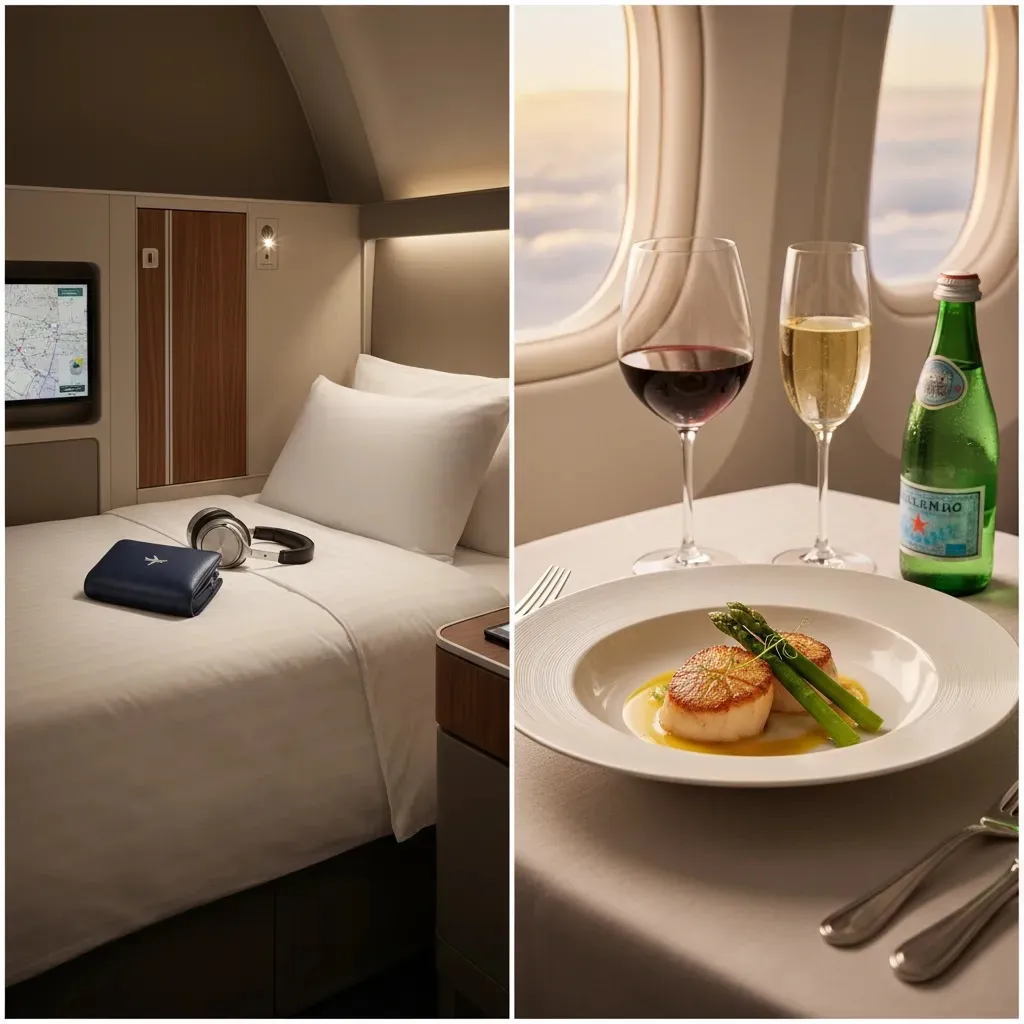
Choosing among the best business class airlines is rarely as simple as comparing seat photos. For a discerning traveler, the real difference often lies in how well an airline performs across the full journey: pre-departure service, lounge quality, bedding, privacy, dining, connectivity, and the consistency of the crew. That is especially true on long-haul routes where a polished cabin may still fall short if the soft product feels uneven. This ranking is designed to help you assess the most refined options with an expert lens, not a mass-market scorecard. If you are weighing a specific carrier, our dedicated review of Qatar business class offers a closer look at one of the strongest contenders in premium long-haul travel.
Why Business Class Rankings Matter
The phrase “best business class in the world” is often used too broadly. In practice, the right airline for you may depend on route network, aircraft type, departure airport, alliance benefits, and whether you value sleep, dining, privacy, or ground service most.
For example, a traveler flying New York to Doha may prioritize a suite-style seat and premium lounge access, while a client traveling Los Angeles to Tokyo may care more about understated service, punctuality, and a calm overnight environment. The best business class flight is the one that fits the mission of your trip.
This ranking focuses on carriers that typically deliver a high-end long-haul Business Class experience for international travelers. It also acknowledges that some airlines excel in certain markets while being less consistent on older aircraft or regional segments. For broader premium cabin context, you may also review our comparison of Business Class flight options and cabin differences.
Quick Picks
- Best overall for privacy and consistency: Qatar Airways
- Best for glamour and premium ground experience: Emirates
- Best for refined service and dining balance: Singapore Airlines
- Best for understated excellence on Asia routes: ANA
- Best for comfort and efficient European connections: Lufthansa
Comparison Table
| Airline | Typical Strength | Best For | Cabin Style | Potential Trade-Off |
|---|---|---|---|---|
| Qatar Airways | Privacy, suite design, polished service | Long-haul premium travelers and couples | Qsuite on select routes | Experience may vary on non-Qsuite aircraft |
| Singapore Airlines | Service finesse, dining, reliability | Travelers seeking balanced excellence | Spacious long-haul Business Class | Some seats feel less private than enclosed suites |
| Emirates | Brand polish, lounges, onboard amenities | Travelers who value occasion and style | Varies by aircraft | Consistency depends heavily on aircraft type |
| ANA | Comfort, calm service, sleep quality | Asia-bound business and leisure travelers | Modern suite-style seats on select aircraft | Ground experience can feel more restrained than Gulf rivals |
| Lufthansa | Network breadth, dependable premium operations | Europe-focused itineraries and connections | Mixed fleet configuration | Some older cabins may lag newer competitors |
What “Best Business Class” Really Means: Seat Dimensions, Privacy, and Cabin Layout
Here is the thing: “best business class” is not a single feature, and it is rarely determined by a photo. The most meaningful differences tend to come from how the seat is engineered for sleep, how the cabin is laid out for privacy, and how consistent the airline is about offering that exact product on your route.
From a practical standpoint, the variables below typically shape the experience more than almost anything else.
Seat width versus bed length, and why both can be misleading
Seat width can matter for lounging, but it does not always translate into better sleep. Some of the widest Business Class seats convert into a bed in a way that narrows the usable sleeping surface. Bed length also needs context, because a long bed with a tight footwell can feel more restrictive than a slightly shorter bed with a more open design.
What many travelers overlook is the footwell. Many reverse-herringbone and staggered seats create a tapered foot space to fit more seats in the cabin. In most cases, this is the difference between sleeping well and waking up feeling boxed in, especially for side sleepers.
Direct aisle access, doors, and “privacy” that depends on the row
On long-haul flights, direct aisle access is often the baseline expectation for premium travelers. Once that is met, the question becomes how exposed you feel when seated and when sleeping. A suite-style door can improve the sense of personal space, but it is not a guarantee of quiet or seclusion. In some cabins, the best privacy comes from smart console placement, high shells, and a layout that keeps foot traffic away from your head and shoulders.
Consider this: even within the same cabin, privacy can vary by row. Some seats sit closer to galleys or lavatories, and some center pairs feel more open depending on how the divider is designed. If privacy is a priority, seat selection can be as important as airline selection.
Staggered versus herringbone layouts, and what they feel like in real use
Cabin layout has a direct impact on the rhythm of the flight. Herringbone and reverse-herringbone designs generally angle seats for easier aisle access and can feel very private. Staggered layouts can offer excellent shoulder space and, in some cases, a more residential feel, but they may include alternating “true window” seats and seats closer to the aisle. A cabin that looks uniform in marketing images may still have meaningful differences between odd and even rows.
Couples: center-seat dividers and companion-friendly design
Couples often assume that any center pair will feel shared. In reality, the center divider may be fixed, partially retractable, or designed for maximum separation. If you like to converse, dine together when offered, or share the flight experience without leaning forward into the aisle, the center-seat design matters. Some products are exceptional for pairs, while others are better for two travelers who prefer to travel independently side by side.
A practical checklist to verify what you are actually booking
The reality is that mixed fleets are common, and aircraft swaps can occur. Before you commit to a high-value itinerary, it is wise to verify a few details that typically reveal what you will experience onboard.
- Confirm the aircraft subtype listed for your flight, because the same airline may operate multiple Business Class products across similar routes.
- Review the seat map for your specific flight to validate the cabin layout, the presence of a door if it is marketed, and whether every seat has direct aisle access.
- Watch for mixed-fleet routes where the outbound and return flights may be scheduled on different aircraft, resulting in two different Business Class experiences.
- Consider where your seat is located relative to galleys and lavatories, since those areas can affect noise and foot traffic.
Subject to change, these checks help ensure that the “best international business class” you have in mind aligns with the aircraft actually operating your flight.
Top 5 Ranked Airlines
1. Qatar Airways
Qatar Airways remains the benchmark many travelers reference when asking which airlines have the best business class. Its strongest differentiator is privacy. On aircraft equipped with Qsuite, the airline offers one of the most compelling combinations of enclosed personal space, flexible seating for solo travelers or pairs, and polished onboard service.
The dining flow is typically more flexible than on many competitors, which matters on long-haul overnight sectors. Lounge standards in Doha also add meaningfully to the overall journey, especially for travelers connecting onward to Africa, Asia, or the Indian Ocean.
Strengths
- Exceptionally private suite-style seating on many flagship routes
- High-quality soft product with attentive but usually measured service
- Strong lounge proposition in Doha for long-haul connections
- Well suited to both solo travelers and couples traveling together
Considerations
- Not every aircraft features Qsuite, so equipment matters greatly
- Connection times through Doha may shape the quality of the journey
- Peak demand routes may have limited preferred seat availability
Who it suits: Travelers who want one of the most complete premium experiences in the market, especially on ultra-long-haul or connecting itineraries.
Expert verdict: Often the strongest all-around choice, provided your flight is scheduled on the right aircraft.
2. Singapore Airlines
Singapore Airlines is often favored by travelers who want a quietly luxurious Business Class without theatrics. The airline tends to excel in crew professionalism, cabin composure, catering, and a consistently premium feel across long-haul routes. Its service style is refined rather than showy, which many seasoned travelers prefer.
The seats are often spacious, particularly on key long-haul aircraft, though some travelers may prefer the more enclosed feel offered by the newest suite-style competitors. Even so, the airline remains one of the most dependable answers to the question of best international business class.
Strengths
- Consistently polished service with strong attention to detail
- Very good dining and beverage standards on long-haul sectors
- Calm onboard atmosphere that supports rest and productivity
- Strong reputation for reliability and premium presentation
Considerations
- Some seat designs may feel less private than enclosed competitors
- Availability on preferred long-haul aircraft may vary by route
- Ground product may feel understated compared with more dramatic Gulf carriers
Who it suits: Travelers who value elegance, calm service, and consistently high standards over novelty.
Expert verdict: One of the safest premium choices for travelers who prioritize balance and reliability.
3. Emirates
Emirates is one of the most recognizable premium brands in aviation, and for many clients it remains a defining aspirational experience. The airline is particularly compelling for travelers who care about lounge scale, visual polish, extensive entertainment, and a sense of occasion throughout the trip.
Its Business Class product can be superb, though the experience may vary notably by aircraft. Newer configurations are generally far more competitive than older cabins. If Emirates is on your shortlist, it is wise to review the specific aircraft operating your route, which is why our guide to Emirates business class is useful before booking.
Strengths
- Highly polished brand experience with strong premium identity
- Excellent inflight entertainment and attractive onboard presentation
- Impressive premium lounge network in Dubai
- Appealing option for milestone trips and leisure-focused luxury travel
Considerations
- Product consistency depends significantly on aircraft type
- Some older seats may feel dated next to leading competitors
- For some travelers, style may outshine privacy on certain configurations
Who it suits: Couples, celebratory travelers, and clients who value glamour and a memorable premium atmosphere.
Expert verdict: An excellent choice when the aircraft is right and the journey calls for a more theatrical premium experience.
4. ANA
ANA is often slightly less discussed in broad rankings, yet experienced premium travelers routinely rate it among the best Business Class airlines on Asia-bound routes. Its appeal lies in restraint, comfort, and thoughtful operational reliability. The onboard tone is composed, efficient, and deeply comfortable for overnight flying.
On routes operated by ANA’s newer long-haul cabins, travelers may find some of the best sleep-oriented Business Class seats in the market. Service is typically precise and courteous, though less overtly indulgent than some Middle Eastern carriers.
Strengths
- Excellent sleep comfort on strong long-haul configurations
- Refined, efficient service that often appeals to experienced travelers
- Strong option for transpacific business and leisure itineraries
- Well regarded for punctuality and onboard calm
Considerations
- Ground experience may feel more functional than lavish
- Cabin quality can vary by aircraft and route
- Travelers seeking a more social or theatrical experience may prefer other carriers
Who it suits: Travelers headed to Japan or onward into Asia who prioritize rest, discretion, and cabin comfort.
Expert verdict: A sophisticated choice for travelers who understand that true luxury often feels quiet rather than dramatic.
5. Lufthansa
Lufthansa earns its place through network relevance, premium reliability, and practical value for travelers building Europe-focused itineraries. While it may not always lead on cabin novelty, it often performs well where it matters most for complex travel: schedule breadth, hub connectivity, and a premium experience that is generally dependable.
For clients originating in the United States and connecting onward within Europe, Lufthansa can be a very sensible premium choice. The principal caveat is fleet variation, as some cabins may not feel as current as the newest products offered by Asian and Gulf airlines.
Strengths
- Strong route network for Europe and beyond
- Dependable premium travel option for connection-heavy itineraries
- Solid operational credibility for business travelers
- Appealing for clients who prioritize network practicality
Considerations
- Some aircraft may feature older seat designs
- Soft product may feel more functional than indulgent
- It rarely offers the same wow factor as the very top-ranked competitors
Who it suits: Business travelers and Europe-bound clients who want an efficient premium experience and broad connection options.
Expert verdict: Not always the most glamorous choice, but often one of the most practical premium options for Europe itineraries.
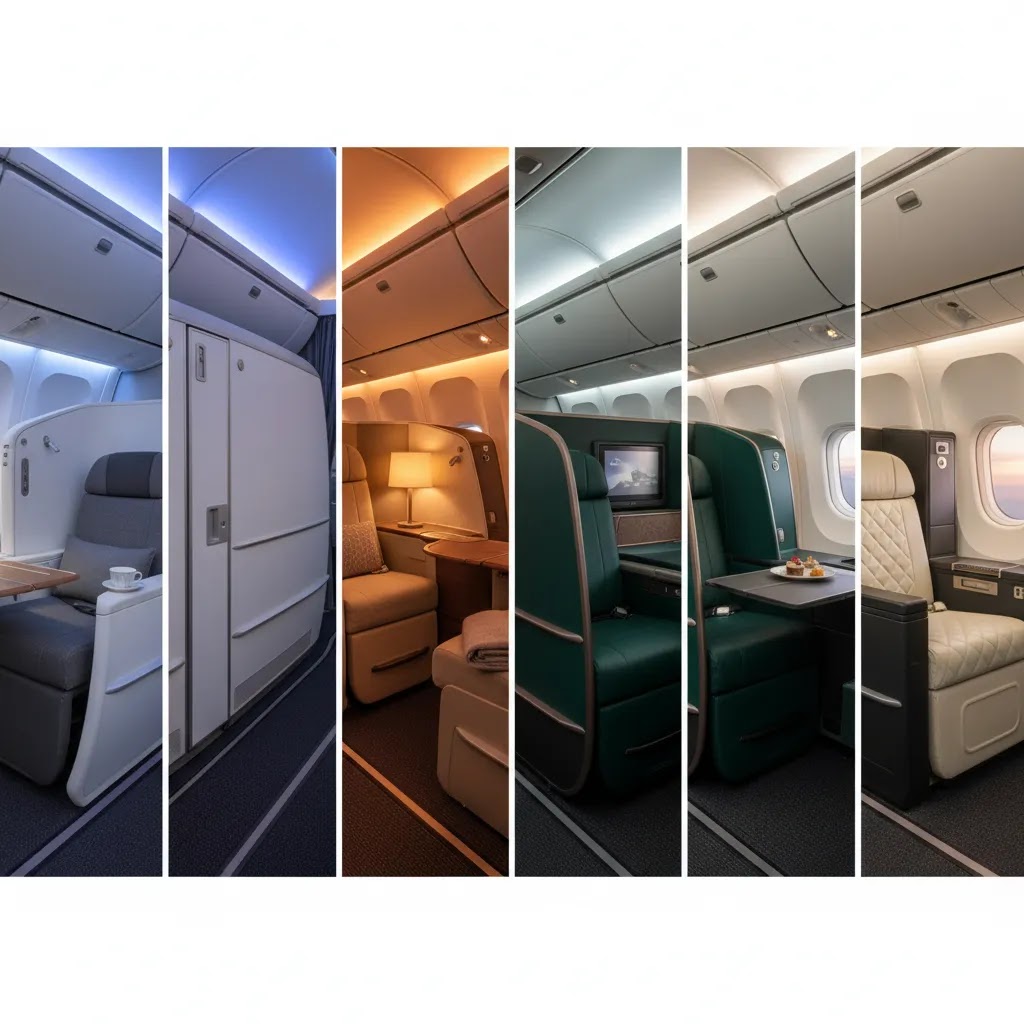
Beyond the Top 5: Other Airlines That Frequently Compete for “Best International Business Class”
Many travelers searching for the best international business class are comparing a wider set of carriers than any top-five list can capture. Now, when it comes to real-world trip planning, these airlines can be excellent choices on the right routes, with the right aircraft, and with expectations set appropriately.
Japan Airlines (JAL)
JAL is frequently chosen by travelers who value a calm cabin, consistent courtesy, and a sleep-forward experience on transpacific sectors. On aircraft featuring the airline’s newest long-haul Business Class seats, the experience can feel exceptionally well considered for overnight travel. The trade-off is route and fleet dependence, since product details may vary across aircraft, and the most sought-after configurations may not operate every city pair.
Delta One
Delta One can be a strong option for travelers who prioritize network practicality and a premium experience that integrates well with U.S. gateways. On routes operated by newer suites, the privacy and overall comfort can be compelling, particularly for overnight flights where minimizing interruptions matters. The main consideration is inconsistency by route and aircraft. A Delta One itinerary may range from impressive suite-style seating to an older layout, so confirmation of the operating aircraft is essential.
United Polaris
United Polaris is often attractive for travelers who want a straightforward long-haul Business Class experience and broad coverage across international routes. On modern aircraft with the current Polaris seat, many clients find the bed comfortable and the cabin appropriately private for work and rest. The trade-off is that the overall experience can be highly route-specific, especially with respect to ground services and lounge experience, which may differ materially by airport and time of day.
British Airways Club World
British Airways is relevant for Europe-bound travelers, particularly where London works as a practical hub. The airline can be a sensible choice for schedule options and onward connectivity, and it may be especially useful for itineraries that benefit from multiple daily departures. The key consideration is aircraft variation. British Airways has introduced newer Business Class seating on select aircraft, but older Club World layouts can feel less private than newer competitors, and the onboard experience may differ meaningfully between fleets.
American Airlines Flagship Business
American’s Flagship Business can be a strong fit for travelers who value nonstop availability from key U.S. gateways and want a premium cabin that is easy to integrate into a broader itinerary. On certain long-haul aircraft, the seat and overall comfort can be very competitive. The main trade-off is variability, both in aircraft assignment and in the ground experience by airport, which is why the specifics of the route matter more than the brand name alone.
For discerning travelers, the best approach is to treat these carriers as serious contenders, then narrow the decision using aircraft confirmation, cabin layout, and the realities of your route.
Pros and Cons of Today’s Leading Business Class Airlines
Strengths
- The best carriers now offer genuine lie-flat comfort, improved privacy, and a much more restful long-haul experience.
- Top-tier airlines increasingly differentiate themselves through lounge quality, ground handling, and curated dining rather than seat alone.
- Several leading Business Class products are suitable for both high-frequency work trips and milestone leisure journeys.
- Strong premium airlines may offer route-specific advantages, making it possible to tailor the product to the traveler rather than chasing one universal winner.
Considerations
- Cabin quality often varies by aircraft, even within the same airline.
- Published rankings rarely account for connection quality, airport experience, or itinerary complexity.
- The best advertised cabin may not be available on your exact route or departure date.
How to Choose the Right Business Class Airline
A polished ranking is helpful, but your final choice should be based on the details of your journey. In professional itinerary planning, the strongest Business Class airline is usually the one that aligns best with the route, aircraft, timing, and purpose of the trip.
1. Confirm the exact aircraft and seat type
This is often the most important factor. The same airline may offer a best-in-class suite on one route and an older angled or less private layout on another. Travelers comparing which airline has the best Business Class should always evaluate the aircraft operating their specific flight, not just the carrier’s flagship marketing images.
2. Evaluate the full ground experience
For many premium travelers, the journey begins well before boarding. Dedicated check-in, priority security where available, lounge comfort, and connection efficiency may materially shape the value of the ticket. This is particularly important on overnight departures and connecting itineraries through major hubs.
3. Match the airline to the purpose of travel
A frequent business traveler may want privacy, dependable Wi-Fi, and quiet service. A honeymoon couple may value visual style, better dine-on-demand options, and a more memorable premium atmosphere. Families often need easier connection management and practical airport support. This is where personalized planning becomes more useful than broad rankings.
4. Consider route network and schedule integrity
A superb onboard seat does not help much if your routing is cumbersome or your connection is poorly timed. Airlines with extensive long-haul networks and strong hub operations may provide a more coherent premium experience, especially for multi-city or open-jaw travel.
5. Use expert guidance for high-value itineraries
For travelers investing meaningfully in premium air travel, advisory support can be invaluable. Flight Experts offers Business Class Flight Booking with a personal travel consultant, seat selection support, meal preference handling, check-in assistance, and price drop monitoring. For more complex journeys, the firm also provides Complex Itinerary Planning for multi-city, open-jaw, and round-the-world routing. If you are considering premium cabin options broadly, the resources in Airline Business & First Class Reviews and Premium Flight Booking & Tips may help refine your shortlist before you request tailored guidance.
Route Matters: How to Choose the Best Business Class to Asia, Europe, and the Middle East
What sets this apart from a generic ranking is that route planning changes the answer. The same airline can be exceptional on one corridor and less compelling on another, simply because aircraft assignment, connection design, and departure timing affect how well you sleep and how smoothly you arrive.
Business Class to Asia: prioritize sleep architecture and arrival rhythm
For transpacific flying, nonstop service is often the most comfortable option when schedules align, because it removes connection variables and protects rest. That said, one-stop itineraries can be very effective when the connection breaks up an ultra-long sector and the hub experience is strong.
Think of it this way: on many Asia routes, the decisive factor is whether the flight timing allows you to sleep in a natural window and arrive functional. A beautifully designed seat is less valuable if the departure is too early for meaningful rest or the service flow is structured in a way that repeatedly interrupts sleep. This is where aircraft selection becomes highly practical, because certain seat designs, particularly those with more open footwells and better shoulder privacy, typically support uninterrupted rest.
Business Class to Europe: nonstop versus one-stop and the quality of the hub
To Europe, a nonstop flight is frequently preferred for convenience, particularly for shorter transatlantic sectors where a connection may feel like an unnecessary complication. Yet for secondary destinations, a one-stop itinerary can be the most sensible option if the hub is efficient and the connection is realistically timed.
For Europe-bound travelers, hub quality matters in a very specific way: passport control flow, terminal transfers, and lounge proximity to the gate can materially affect the experience. In most cases, a premium itinerary is only as smooth as its connection. If you are arriving in the morning and going straight into meetings or a planned experience, selecting a route that supports rest and minimizes stress is often more important than chasing a single headline seat.
Business Class to the Middle East: decide whether the hub is the point
For the Middle East, it is important to distinguish between travel to the region and travel through the region. If the destination is the hub city itself, a nonstop flight is typically ideal when available. If you are connecting onward, the quality of the hub experience becomes part of the value proposition, including the lounge, the transfer process, and how the airline handles tight connections.
On these corridors, cabin privacy and service cadence often matter because many routes are overnight in at least one direction. A suite-style seat can be genuinely meaningful for sleep and discretion, but it still needs to be paired with a schedule that supports rest rather than undermines it.
How professionals evaluate alternatives during irregular operations
Irregular operations are where planning discipline becomes visible. When weather, mechanical issues, or air traffic constraints disrupt a journey, the quality of alternates depends on the airline’s network, its partners, and the flexibility of the routing. In real itinerary planning, advisors typically consider which alternate gateways are viable, which partner flights may protect the premium cabin experience, and whether a reroute will preserve the most important outcome, usually arriving rested and on time for the purpose of the trip.
Subject to availability, this route-based thinking often produces a better result than selecting a carrier based on a global headline alone.
Flight Experts Recommendation
No single airline is ideal for every traveler. In most cases, the right decision depends on your departure city, destination, season, aircraft type, connection strategy, and what you value most in the premium experience. That is why a curated recommendation is often more useful than a generic ranking.
Flight Experts, led by Mike Chirilenco, specializes in premium flight planning for discerning clients. Through its Business Class Flight Booking service, travelers may receive personalized options across major carriers including Emirates, Qatar, Singapore, Lufthansa, British Airways, ANA, JAL, Delta One, United Polaris, and American Airlines Flagship. The service typically includes a personal travel consultant, seat selection assistance, meal preference support, check-in guidance, cabin upgrade alerts, and options usually presented within 30 minutes. If your journey is more intricate, Flight Experts also offers Complex Itinerary Planning for multi-destination premium travel. To explore the most suitable airline for your route, visit flight-experts.com or get in touch for a personalized recommendation.
Frequently Asked Questions
Which airline has the best business class overall?
In many expert assessments, Qatar Airways is often placed near the top because of Qsuite privacy, strong long-haul service, and a premium hub experience in Doha. Still, the best option for you may vary based on route, aircraft, and whether you value sleep, lounge access, dining flexibility, or connection convenience most.
What is the best business class in the world for sleeping?
Airlines with enclosed or highly private suite-style seating typically perform best for sleep, especially on overnight long-haul routes. Qatar Airways and some ANA long-haul configurations are strong contenders. Actual sleep quality may also depend on flight timing, bedding, cabin temperature, and how attentive the crew is to minimizing interruptions.
Are the best business class airlines always the same as the best first class airlines?
No. Some carriers are stronger in Business Class than First Class, while others reserve their most exclusive service elements for First Class. Travelers researching the best first class airlines should assess a different set of criteria, including lounge exclusivity, ground transfers, privacy, and highly personalized onboard service.
Is Emirates or Qatar better for Business Class?
That depends on your priorities. Qatar often leads on privacy and all-around consistency, especially on Qsuite-equipped routes. Emirates may appeal more to travelers who value visual polish, lounge scale, and a more occasion-driven premium atmosphere. Aircraft type is especially important in this comparison.
Which airlines are best for Business Class to Europe?
For Europe-bound travel, Lufthansa may be attractive for network breadth and practical connections, while Qatar and Emirates can be compelling if you are comfortable connecting through their hubs. The best choice typically depends on your origin city, final destination, and whether a nonstop or one-stop routing better suits your schedule.
Do all top-ranked airlines offer the same Business Class seat on every route?
No. This is one of the most important details travelers overlook. Airlines frequently operate mixed fleets, and the onboard experience may differ materially between aircraft. A carrier known for one excellent flagship seat may still fly older configurations on certain routes, which is why aircraft verification is essential before booking.
How important is lounge access when evaluating Business Class?
For many discerning travelers, lounge quality is a meaningful part of the value. A strong lounge may improve dining, privacy, shower access, and the overall rhythm of a long journey. This can be especially important on evening departures, long connections, or itineraries where airport stress would otherwise diminish the experience.
Should I book premium flights directly with the airline or through a specialist?
For a simple nonstop itinerary, either route may work. For high-value, long-haul, or multi-segment premium travel, a specialist may provide more tailored guidance on aircraft selection, seat strategy, timing, and route construction. That can be particularly helpful when the published cabin does not tell the full story of the travel experience.
What if I am deciding between Business Class and First Class?
That choice usually depends on route length, airline, occasion, and how much you value exclusivity beyond comfort. On some airlines, Business Class already delivers an exceptional lie-flat suite and lounge access. On others, First Class may add meaningful privacy, superior dining, and more personalized ground service.
Which airline has the biggest business class seat?
There is no single answer that holds across all routes, because “biggest” can mean seat width, bed length, shoulder room, or usable sleeping space, and these vary by aircraft type and configuration. In most cases, the more reliable approach is to identify the exact aircraft operating your flight, then evaluate the seat geometry, particularly the footwell and sleeping surface, rather than relying on a headline measurement.
What are the top 10 airlines for business class?
A top-10 list can be useful as a starting point, but it often hides the most important variable: whether the airline operates its flagship Business Class seat on your route and date. Beyond the five ranked here, airlines such as JAL, Delta One, United Polaris, British Airways, and American Airlines Flagship can be highly competitive on select long-haul routes, subject to aircraft assignment and product consistency. For most discerning travelers, narrowing the list by route, schedule, and cabin layout produces a better outcome than extending the ranking.
Is Delta One better than British Airways business class?
It depends on the specific route and aircraft. Delta One can be very compelling on routes operated by newer suite-style seats where privacy is strong and the sleep experience is well supported. British Airways can be a practical choice where schedule frequency and London connections matter, but the onboard experience may vary significantly by aircraft, with older layouts feeling less private than newer configurations. The most accurate comparison comes from verifying the operating aircraft and seat map for the exact flights you are considering.
Methodology
This ranking reflects a luxury travel advisor’s view of premium air travel rather than a crowd-sourced popularity list. Flight Experts evaluates airlines using a weighted framework centered on travel experience quality and exclusivity, personalization and service level, value for premium investment, route suitability, reliability, and practical logistics.
In real client planning, we also consider details that many rankings overlook: aircraft consistency, alliance relevance, lounge access, sleep quality, connection design, and whether the airline suits the purpose of the trip. A honeymoon itinerary, executive travel schedule, and family milestone journey may each call for a different premium carrier. The goal is not to identify one universal winner, but to help you make a well-informed decision based on how premium travel actually functions in practice.
Key Takeaways
- Qatar Airways remains the strongest all-around Business Class choice on many long-haul routes, especially with Qsuite.
- Singapore Airlines offers one of the most balanced and consistently refined premium experiences.
- Emirates is highly appealing for travelers who value a polished, memorable journey, though aircraft type matters greatly.
- ANA is especially strong for travelers prioritizing sleep, calm service, and Asia-bound comfort.
- The best Business Class airline for you depends on aircraft, route, timing, and the purpose of your trip, not ranking alone.
Conclusion
The search for the best business class airlines should begin with your travel priorities, not just headline rankings. A superb premium journey is shaped by the full experience: the seat, the lounge, the service style, the route, and the confidence that each detail has been selected with care. Qatar, Singapore Airlines, Emirates, ANA, and Lufthansa each offer genuine strengths, but the right fit may vary considerably depending on your itinerary. If you would like tailored guidance, Flight Experts provides expert-led Business Class Flight Booking and complex premium itinerary support designed for discerning travelers. To begin planning your next journey, contact Mike Chirilenco and the Flight Experts team for a personalized recommendation built around your preferences.
Travel experiences, cabin products, availability, and pricing referenced in this article are subject to change without notice. Information is provided for general guidance only. For current availability and personalized recommendations tailored to your travel preferences, please contact the Flight Experts team directly. Entry requirements, health and safety considerations, and visa regulations should be verified through official government travel advisories.



