
First Class Flights to Las Vegas: Best Routes
What First Class to Las Vegas Really Means
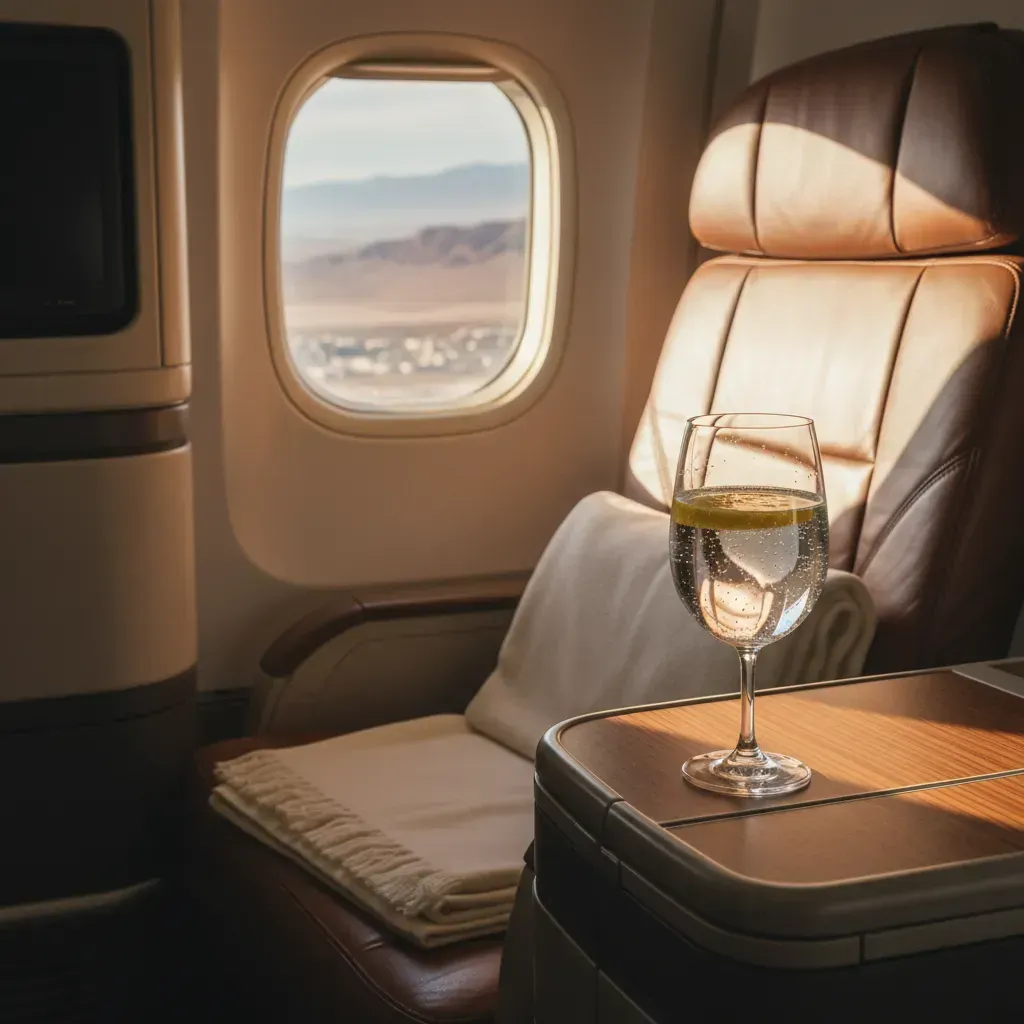
For domestic travel, First Class to Las Vegas typically means a premium cabin on a narrow-body aircraft rather than the enclosed suites or highly private environments associated with long-haul international First Class. That distinction matters. On many routes, the experience is defined less by spectacle and more by efficiency, comfort, and how well the itinerary aligns with your priorities.
In most cases, travelers flying into Harry Reid International Airport benefit from priority check-in, earlier boarding, larger seats, enhanced inflight dining or snack service, and a more composed onboard environment. Depending on the carrier, route, and aircraft type, the difference between a merely comfortable domestic First Class seat and a genuinely polished premium experience may be significant.
The strongest routes to Las Vegas are usually nonstop services from major gateway cities with consistent premium demand. New York, Los Angeles, San Francisco, Dallas, Chicago, Miami, and select other business and leisure markets often provide the most reliable First Class options. Some flights may feature newer cabins with better seat pitch, power access, and quieter cabins, while others could feel dated despite carrying the same cabin label.
For readers comparing broader premium cabin categories and onboard expectations, the Premium Cabin Experience & Amenities section at Flight Experts offers useful background on what differentiates a refined premium journey from a basic front-cabin seat.
Best Routes for First Class Flights to Las Vegas
New York to Las Vegas is often one of the most compelling domestic premium routes. The flight is long enough for seat comfort, service consistency, and departure timing to matter. For travelers departing from JFK, Newark, or LaGuardia, the best option may vary by airport convenience, aircraft type, and schedule. In many cases, this route is worthwhile in First Class because the journey is long enough to justify added comfort.
Los Angeles to Las Vegas is short, but it remains popular among travelers who value speed through the airport and a more controlled start to the trip. This route often appeals to clients attending events, arriving for resort stays, or combining Vegas with a broader California itinerary. The premium value here typically comes from ground handling, flexibility, and convenience rather than extensive inflight service.
San Francisco to Las Vegas may be particularly appealing for travelers departing the Bay Area for leisure weekends, culinary events, or executive travel. Flight times are not long, yet the route can still make sense in First Class if the departure hour, airport experience, or need for same-day productivity is a priority.
Chicago to Las Vegas tends to offer a stronger balance between flight length and comfort payoff. For many discerning travelers, this is one of the more sensible domestic First Class purchases because the cabin time is substantial enough for seat quality and onboard attentiveness to register clearly.
Miami or Dallas to Las Vegas may suit travelers combining leisure and business, or those connecting from other premium markets. These routes can be especially attractive during major event periods in Las Vegas, though availability and aircraft assignment may vary seasonally.
Which Airlines and Aircraft Tend to Deliver the Strongest Domestic First Class to LAS
When selecting a truly satisfying domestic First Class experience into Las Vegas, the airline name is only part of the story. The more reliable indicator is the aircraft and cabin configuration you are actually booked on. On the same city pair, two flights marketed as “First Class” may feel meaningfully different based on seat design, onboard features, and service rhythm.
For discerning travelers, an airline-agnostic evaluation framework is often the most useful way to compare options:
Seat dimensions and spacing can vary by fleet type and seat generation. A seat that looks similar in photos may have a different sense of space once you are seated, particularly around the shoulder area and the center console. Pitch and recline also vary, and a more supportive seat may matter more than a slightly larger footprint.
Recline versus lie-flat reality should be assessed carefully. True lie-flat seating is uncommon on domestic Las Vegas routes and, where it appears, it may be tied to specific aircraft rotations or schedule patterns that can change. In most cases, you should expect a premium recliner seat rather than a bed, even on longer flights.
Power, connectivity, and cabin usability often separate a merely pleasant experience from a highly functional one. For many travelers, reliable power and stable Wi-Fi performance are the difference between arriving composed and arriving behind. Availability and performance can vary by aircraft and onboard system, and these details are subject to change.
Service cadence and consistency also deserve attention. Aircraft swaps occur more often than many travelers realize. Even if a route is commonly operated by a higher-spec aircraft, last-minute substitutions do happen, particularly during peak travel periods, irregular operations, or when an aircraft is repositioned to protect the day’s schedule. It is wise to confirm the operating aircraft close to departure, especially when your choice was driven by a particular seat type or onboard feature set.
On Las Vegas routes, “best first class” is usually the flight that is consistently operated with the more refined equipment, at the right time of day for your itinerary, with the least operational complexity. A specialist can help you identify those patterns based on how a route is typically flown, not merely how it is displayed at the moment of search.
What Matters Most in the Experience
The best first class flight to Las Vegas is rarely defined by a single factor. It is usually the result of several details working together well.
Aircraft type should be one of your first considerations. A newer narrow-body with updated seating, power outlets, better storage, and a quieter cabin may feel materially more polished than an older aircraft on the same route. Even on short sectors, this influences comfort and perceived quality.
Departure timing is equally important. A morning arrival may suit travelers heading directly into meetings or daytime events. Late afternoon or evening departures could be better for resort check-in, dining reservations, or entertainment plans. Vegas is a destination where arrival time often shapes the trip more than the flight duration itself.
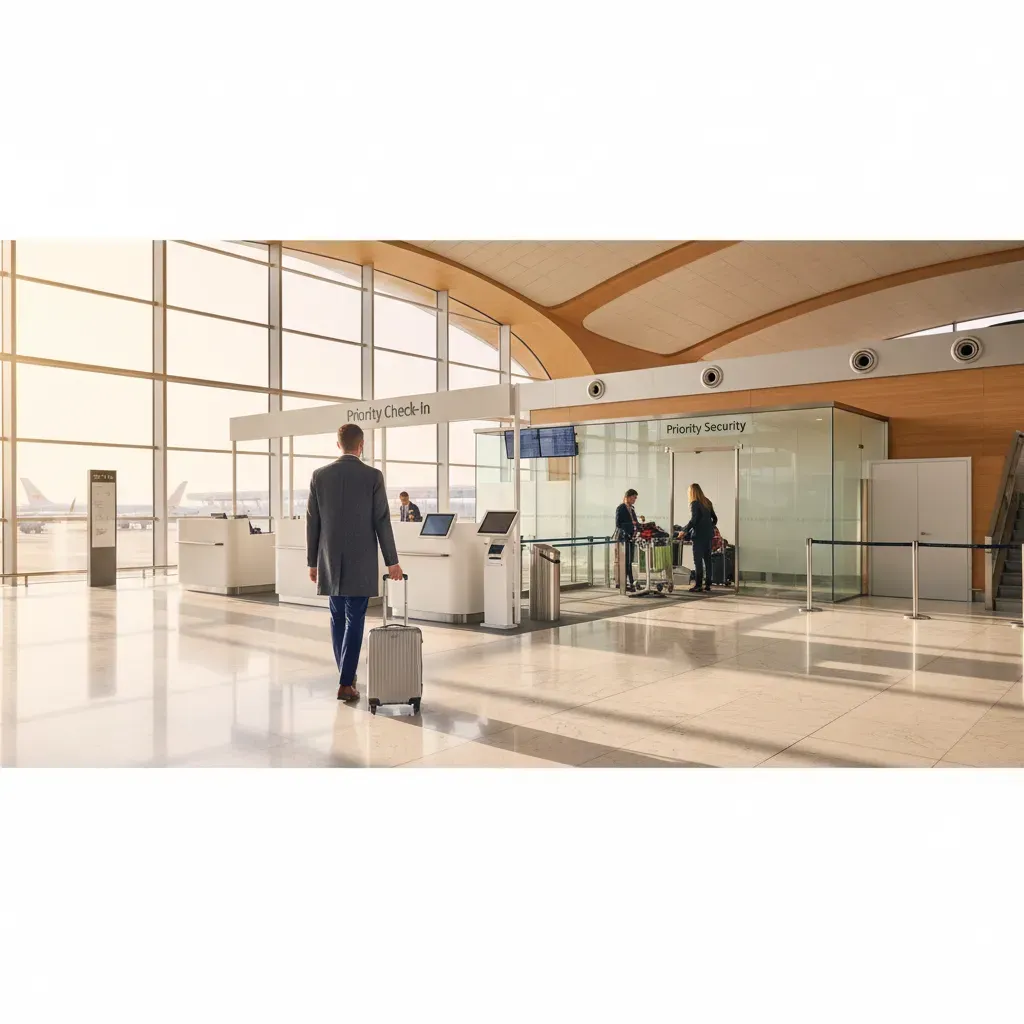
Airport experience can also be decisive. Priority check-in, faster security access where available, and a less crowded boarding experience may be as valuable as the seat. Domestic First Class lounge access in the United States is not always included, so expectations should be calibrated carefully depending on airline status, ticket type, and membership arrangements.
Cabin consistency matters for return travel as well. Some itineraries look attractive outbound but offer a weaker aircraft or less favorable timing on the return. This is one reason many travelers benefit from working with a specialist rather than selecting the first premium fare that appears online.
Purpose of travel should guide the final choice. A celebration trip may justify the most polished schedule and airport flow. A quick executive visit may prioritize nonstop efficiency above all else. Travelers exploring a broader set of departure markets may also find the Business & First Class from US Cities hub useful for route-specific planning.
What First Class Costs to Las Vegas (Price Ranges, Drivers, and When It Moves)
Many travelers researching first class flights to Vegas ultimately want a realistic sense of what they should expect to pay, and why pricing for the same cabin label can look inconsistent. Domestic premium fares to Las Vegas are highly responsive to demand, schedule preferences, and airline inventory, particularly around event-driven travel.
A first class flight to Las Vegas price may range from a modest premium over a main cabin seat on short routes to a materially higher fare on transcontinental flights, peak weekends, and high-demand event periods. Exact numbers move frequently and are always subject to availability, but the drivers behind the movement are generally consistent.
Day of week and time of day can matter more than travelers expect. Las Vegas pricing often peaks around high-demand arrival windows, typically Thursday and Friday arrivals and Sunday returns, especially when the timing aligns with check-in, dinner, and headline event schedules. Midweek travel may price more softly in some seasons, although major conferences can reverse that pattern.
Event calendars influence premium fares in a very direct way. Large conventions, marquee sporting events, and holiday periods can tighten premium inventory quickly. In those windows, the fare you see is often less about distance and more about the scarcity of premium seats on the specific flight that fits the moment you need.
Booking window and inventory behavior are central to how First Class is priced. Airlines manage premium cabins by inventory buckets and fare rules, and the next available fare may be meaningfully higher once a lower bucket closes. In most cases, the “best” moment to book is the moment you find the exact flight, timing, and aircraft combination that suits your trip, particularly if your plans are not flexible.
Nonstop versus connection is another common pricing driver. Nonstops into Las Vegas frequently command a premium because they preserve the quality of the travel day and reduce connection risk. A connection may price differently, but it also introduces additional operational variables that can erode the experience, especially during peak travel hours.
Aircraft assignment affects both price and perceived value, even when it is not obvious at first glance. If a route is frequently flown with more refined equipment, that flight often becomes the one premium travelers concentrate on. When demand concentrates, pricing typically follows. Since equipment can change, it is wise to confirm the operating aircraft as departure approaches.
A distinction that is particularly important for Las Vegas: a transcontinental First Class fare and a short-haul First Class fare are not simply the same product priced by miles. New York area to LAS carries a different comfort requirement, time commitment, and service expectation than LAX to LAS, even though both are sold as “First Class.” On longer routes, travelers are often paying for real cabin time, rest potential, and a more complete onboard experience. On short routes, you are typically paying for control, timing precision, and a calmer airport flow.
For discerning travelers, “value” should be framed around buying certainty where it matters: the exact departure and arrival you need, the best available aircraft for your route, and fare conditions that fit your preferences for flexibility. When these variables align, First Class can feel like an extension of a well-designed itinerary rather than a standalone upgrade.
Pros and Cons
Strengths
- Priority check-in and earlier boarding may create a calmer, more controlled start to your Las Vegas trip.
- Wider seats and added personal space are especially valuable on transcontinental or mid-continent routes.
- Flexible routing from major US cities typically makes it easier to align arrival times with resort, dining, or event plans.
- Domestic First Class may be ideal for milestone weekends, executive trips, or travelers who prefer a quieter cabin environment.
- On stronger routes, newer aircraft and refined service can create a noticeably elevated travel experience.
Considerations
- Domestic First Class to Las Vegas is not the same as international First Class and may feel less dramatic than some travelers expect.
- Lounge access is not always included, depending on the airline, fare rules, and any elite benefits you hold.
- Aircraft quality may vary widely even within the same route, which can affect seat comfort and onboard amenities.
- For very short flights, the premium value may come more from convenience than from the inflight portion itself.
Who First Class to Vegas Suits Best
First Class flights to Las Vegas are often best suited to travelers who value time, privacy, and a polished start to the trip. That may include couples celebrating an anniversary or birthday, executives attending conferences or investor meetings, and leisure travelers reserving top-tier resorts, dining, and entertainment. It may also suit clients who prefer a single, thoughtfully arranged itinerary rather than piecing together flights, transfers, and timing on their own.
For shorter routes, the appeal is usually convenience and reduced friction. For longer nonstop routes, the seat and service become more important. In either case, travelers with high expectations generally benefit from selecting the route based on aircraft, schedule, and airport flow rather than fare display alone.
Flight Experts Recommendation
For travelers considering a first class flight to Las Vegas, our view is straightforward: focus on route quality, timing, and aircraft before making assumptions based on cabin name alone. Domestic First Class can be highly worthwhile on the right itinerary, but it is not identical across carriers or city pairs. The best result usually comes from matching the route to the reason for travel.
Flight Experts offers First Class Flight Booking with white-glove personal service, lounge access coordination, chauffeur service arrangements, and luxury amenity guidance. For clients whose Las Vegas trip is part of a broader celebration, business circuit, or multi-stop journey, the team also provides Complex Itinerary Planning for multi-city and open-jaw premium travel. If you would like a tailored recommendation, you may contact Flight Experts and speak with Mike Chirilenco or a travel specialist for guidance aligned to your schedule and preferences.
How to Choose the Right Route
Selecting the best first class flights to Vegas requires more than choosing the nearest airport or the most recognizable airline. Four criteria usually matter most.
1. Route length and real comfort payoff
On transcontinental routes, First Class may deliver a meaningful comfort improvement, particularly if you need to arrive rested or maintain a professional schedule upon landing. On shorter routes, the premium value often comes from airport efficiency and a calmer boarding process. Be realistic about which aspect matters most to you.
2. Aircraft and seat quality
Not every domestic premium cabin is equally refined. Some seats are more spacious, better padded, and better configured for working or relaxing. Others may feel dated. Aircraft assignment may change, but reviewing typical equipment is still useful when making a choice.
3. Departure and arrival timing
Las Vegas is unusually schedule-sensitive. If your stay includes a dinner reservation, a show, a major sporting event, or a same-day meeting, poorly timed arrivals may undermine the value of the trip. The right flight is often the one that preserves the rhythm of your itinerary.
4. Airport experience and support
Priority handling may be valuable, especially during busy convention periods or holiday weekends. Travelers who prefer a more managed process often benefit from a specialist who can evaluate seat selection, connection risk, return timing, and premium service consistency before booking.
5. Broader trip design
Many Las Vegas trips are not standalone. You may be combining Nevada with California, Arizona, or a longer domestic circuit. In those cases, a dedicated advisor can often identify routing logic that is not obvious in self-service search results. Flight Experts supports Business Class Flight Booking from $2,000 to $8,000+ on eligible routes and First Class Flight Booking from $5,000 to $20,000+ on qualifying long-haul and premium markets, though final pricing always varies by route, airline, season, and availability.
Smart Search and Privacy Considerations: Browsing History, Price Alerts, and What Actually Changes Fares
Discerning travelers often ask whether browsing history influences the price of a first class flight to Las Vegas. In most cases, fares change because airline inventory and demand change, not because a traveler viewed a route multiple times. Pricing systems respond to how many seats remain in a given fare category, how quickly the market is booking, and how the airline is managing yield for that flight.
What typically changes fares is fairly consistent across premium cabins. Inventory can tighten when an event calendar fills a particular arrival window, when a flight begins selling faster than expected, or when the airline adjusts fare rules. Schedule changes and equipment changes can also play a role, especially if an aircraft swap reduces premium seating capacity or shifts demand toward a narrower set of desirable departures.
Browsing history and clearing cookies are often misunderstood. Clearing cookies may change what you personally see, such as cached results, currency settings, or displayed defaults, but it does not typically change the underlying published fare in the way many travelers assume. If a fare increases between searches, it is more likely that a lower inventory bucket was sold, the airline repriced a fare class, or demand moved materially for that specific flight and date.
Price alerts can be useful in premium cabins, provided they are used with the correct expectations. An alert may tell you that the displayed fare changed, but it rarely explains why it changed. The reason matters. A lower number could reflect a different routing, a less favorable connection, different fare conditions, or a different aircraft assignment. A higher number could be a sign that the inventory you wanted is closing quickly.
Monitoring can help when your dates are flexible and you are open to more than one departure time. If timing precision, nonstop preference, or a particular aircraft is central to your experience, waiting can be the more expensive strategy in outcome terms, even if the fare is not yet at its peak. In those cases, securing the right flight first is often the more controlled decision, especially around major Las Vegas weekends.
Professional support adds interpretation. A travel specialist can often identify what actually changed, such as the fare category, the routing logic, or the aircraft operating the flight, and advise whether the new option still aligns with your priorities. That context is often more valuable than the alert itself, particularly for travelers who are choosing First Class to protect a carefully timed itinerary.
Frequently Asked Questions
Are first class flights to Vegas worth it on shorter routes?
They may be, depending on your priorities. On shorter routes, the value usually comes from priority airport handling, added personal space, and a more composed start to the trip rather than a long onboard service sequence. For event-driven or time-sensitive travel, those advantages can be meaningful.
What is the best departure city for a first class flight to Las Vegas?
There is no single best city in every case. New York and Chicago often provide stronger comfort value because of flight length, while Los Angeles may be attractive for convenience and scheduling. The best route typically depends on your home airport, timing preferences, and the aircraft normally assigned.
Is domestic First Class to Las Vegas the same as international First Class?
No. In most cases, domestic First Class offers a larger seat, improved service, and priority treatment, but it does not usually match the privacy, dining, and ground experience associated with long-haul international First Class. Setting realistic expectations is important when evaluating domestic premium travel.
Do first class flights to Las Vegas include lounge access?
Not always. Domestic lounge access policies vary by airline, elite status, membership, route, and fare conditions. Some travelers assume access is automatic, but that is not typically the case on US domestic itineraries. It is wise to confirm benefits before finalizing the booking.
How should I think about first class flight to Las Vegas price?
Price should be considered in relation to route length, aircraft quality, flexibility, and trip purpose. A higher fare may be justified if it delivers a better schedule, more refined aircraft, or a materially smoother travel day. Exact pricing is always subject to airline inventory and seasonality.
Are nonstop flights always the best option for Las Vegas?
In most cases, yes, especially for premium domestic travel. Nonstops usually reduce friction, shorten total travel time, and help preserve the quality of the trip. That said, in some markets, a connecting itinerary could offer a superior aircraft or more favorable timing, depending on the day.
Can Flight Experts help with more than just the flight?
Yes. Flight Experts provides personalized premium flight support and may assist with broader itinerary design where appropriate. For travelers combining Las Vegas with other cities or occasions, complex routing and premium cabin planning may be particularly valuable.
Which travelers benefit most from expert booking support for Vegas?
Clients planning milestone trips, executive travel, event-based weekends, or multi-city journeys usually benefit most. These travelers often care about airport flow, seat quality, timing precision, and having one trusted point of contact to review options that may not be obvious in self-service booking channels.
How much is a first class flight to Vegas?
It varies widely by origin city, travel dates, and demand. Short routes into Las Vegas may price as a moderate premium over standard cabin fares, while transcontinental routes and peak event weekends can be materially higher. In most cases, the most important driver is not distance alone, it is the combination of schedule desirability, nonstop demand, and premium seat inventory remaining at the time of booking.
How much does first class airfare cost?
First Class airfare is priced dynamically, and it may change based on inventory buckets, fare conditions, seasonal demand, and how close you are to departure. For Las Vegas, pricing often moves around high-demand arrival and departure windows, and it can escalate quickly if premium inventory tightens for a specific flight time.
Which airline has the best first class?
There is no universal answer because domestic First Class quality is often fleet-dependent. The strongest experience for your trip is typically the airline operating the more refined aircraft on your route, at the schedule you actually need, with consistent onboard service and reliable cabin features such as power and connectivity. Aircraft swaps can occur, so confirming the operating equipment close to departure is wise when the seat and amenities are central to your decision.
Does clearing browsing history lower prices?
Not typically. Fare changes are usually driven by inventory and demand, fare rule adjustments, and schedule or equipment changes, not by the fact that a traveler searched repeatedly. Clearing cookies may affect what you see on your device, such as cached results, but it usually does not change the underlying published fare for a given flight.
Key Takeaways
- First Class to Las Vegas is usually about comfort, timing, and airport efficiency rather than long-haul-style luxury theater.
- The best routes often come from major gateway cities such as New York, Los Angeles, San Francisco, Chicago, Dallas, and Miami.
- Aircraft type, departure timing, and return consistency may matter as much as the airline itself.
- Domestic lounge access is not always included, so benefits should be verified before booking.
- Flight Experts may help you identify the route and premium cabin option best aligned to your travel goals.
Conclusion
For discerning travelers, the best first class flights to Vegas are the ones that support the purpose of the journey with as little friction as possible. That may mean choosing the most refined transcontinental service, the most convenient nonstop from your home city, or the itinerary that protects a carefully timed resort or event schedule. Domestic First Class can be highly rewarding, but only when expectations, route quality, and aircraft realities are assessed carefully. If you would like a more personalized recommendation, Flight Experts can help evaluate the most suitable options for your travel dates and priorities. To begin planning, contact Mike Chirilenco or speak with a Flight Experts travel specialist for expert, tailored guidance.



