
Average First Class Ticket Price: What to Expect in 2026

What the Average First Class Ticket Price Really Means
The phrase average first class ticket price can be misleading because First Class is not a uniform product. In domestic U.S. markets, the term may describe a larger reclining seat with priority services. On leading international routes, it may mean a fully enclosed suite, elevated dining, premium lounge access, personalized ground handling, and in some cases chauffeur coordination. The difference matters because travelers comparing numbers without comparing the actual experience may reach the wrong conclusion.
Based on current Flight Experts service data, First Class Flight Booking generally falls within a range of $5,000 to $20,000+, with final pricing varying by route, carrier, seasonality, aircraft type, and booking window. Flights from the U.S. to Europe, Asia, and the Middle East may all price differently even on the same airline, and a nonstop flagship departure from a major gateway will often command a different premium than a connecting itinerary.
If you are trying to estimate your likely first class cost, it is more useful to think in tiers rather than one average. Domestic First Class, long-haul premium transatlantic service, and ultra-premium transpacific cabins each sit in distinct pricing bands. In most cases, the most accurate approach is to assess route, airline, and cabin product together rather than rely on a single market-wide average.
First Class Ticket Prices by Route Type
“Average” pricing moves materially depending on the corridor you are researching. A first class ticket price that appears typical for a U.S. transcontinental flight can be irrelevant for a long-haul international First Class suite, and even among international markets the pricing logic changes by region, nonstop availability, and how much true First Class inventory an airline offers on that route.
For U.S. transcontinental routes, travelers are often comparing premium domestic First Class, or a small number of flagship-style products, against shorter stage lengths and higher flight frequency. In practice, the “average” can be shaped by departure time, the competitiveness of the route, and whether the airline positions its top domestic experience on that corridor or reserves its most exclusive cabins for international flying.
On transatlantic routes, pricing often reflects both seasonality and the reality that fewer airlines operate true long-haul First Class at scale. Gateway city matters. A nonstop from a major East Coast hub can price differently than an itinerary routed via a European hub, even when the brand name on the ticket looks the same. The aircraft scheduled on a route, and the number of First Class seats on that aircraft, can influence both availability and fare level.
For U.S. to Middle East routes, averages can become even less reliable because some carriers concentrate premium capacity on specific city pairs and time windows. A nonstop or near-nonstop routing from a major U.S. gateway may command a materially different premium than a one-stop itinerary that uses a smaller regional leg on one end. In most cases, this corridor also highlights an overlooked point: ground services and lounge access can vary by hub and by operating carrier, and those variables can shape how “worth it” the fare feels, beyond the onboard suite itself.
U.S. to India is a common research focus, and it is also one of the markets where published examples across the web can be particularly misleading. Many itineraries to India involve one stop, and the “average first class ticket price international” you see quoted may reflect a narrow date window, a specific gateway city, and a particular connection point. The same airline may offer a true First Class cabin on the long-haul segment but not on a shorter feeder segment, or it may operate different aircraft types depending on the day. Those details matter because travelers may assume they are purchasing an end-to-end First Class journey when the reality could be First Class on the long segment and a different premium cabin on the shorter leg, subject to schedule and aircraft assignment.
If you are researching a specific corridor, you will get better clarity by comparing like with like. Confirm the operating airline on each segment, the aircraft scheduled, and whether the First Class product you want is actually offered on your route on the dates you intend to travel. This is where a curated review can be more valuable than an “average” number, particularly for milestone trips where consistency matters.
What Shapes First Class Pricing in 2026
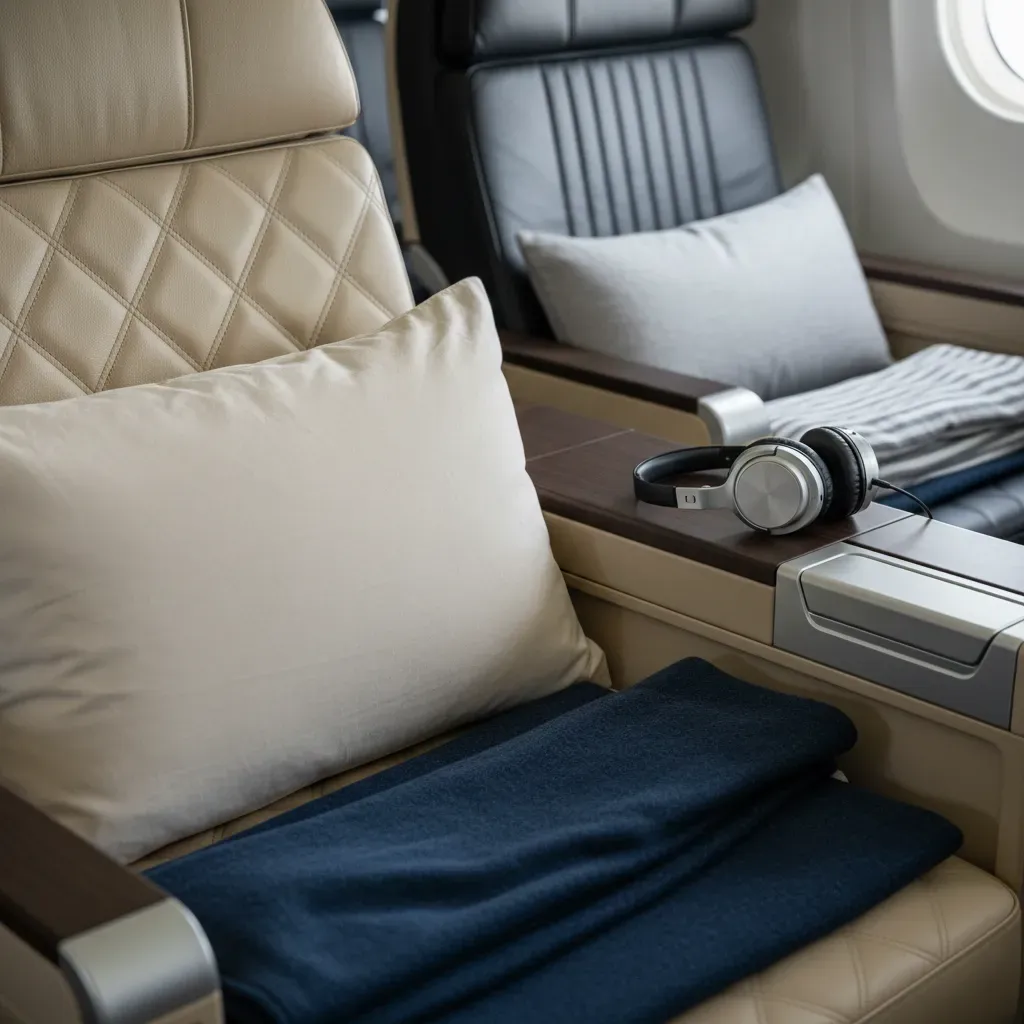
Several factors are likely to shape first class ticket prices by airline in 2026, and many of them have little to do with distance alone. Cabin exclusivity remains one of the largest drivers. Airlines such as Emirates, Singapore Airlines, Lufthansa, ANA, JAL, Etihad, Swiss, Qatar, and Air France La Première each approach First Class differently. Some offer only a few seats on select aircraft. Others reserve their finest ground privileges for specific hubs or premium long-haul routes.
Aircraft type is another major consideration. A First Class suite on a flagship long-haul aircraft may include closing doors, more personal space, upgraded bedding, refined dining service, and higher-touch crew ratios. Travelers often compare fare levels without realizing that not every aircraft in an airline’s fleet offers the same level of privacy or finish. That nuance is one reason premium travelers frequently consult an expert before committing to a high-value itinerary.
Route structure also influences the average first class ticket price international travelers may encounter. A nonstop New York to Europe departure may price differently from a one-stop itinerary with the same airline. Seasonal demand around holidays, summer departures, major cultural events, and school calendars may also move pricing significantly. Availability may be especially limited on routes where airlines release only a small number of First Class seats.
There is also a meaningful distinction between the fare and the full experience. Travelers paying at the upper end of the range are often purchasing more than a seat. They may be securing premium lounge coordination, ground transfer planning, check-in support, and assistance with service preferences. Flight Experts’ First Class Flight Booking service includes white-glove personal service, lounge access coordination, chauffeur service arrangements, and luxury amenity guidance, with options usually presented within 30 minutes after inquiry submission.
For some itineraries, you may also want to compare the experience with first class vs business class, especially on carriers where Business Class has become exceptionally strong. In other cases, travelers specifically seeking elevated privacy and prestige may prefer to focus on verified first class deals that align with a particular route and travel style rather than pursuing a single price target.
Nonstop vs Connecting Itineraries: How Stops Influence the True First Class Experience
Itinerary structure can change the experience as much as the airline brand. A nonstop First Class departure typically offers the cleanest version of the product, one check-in sequence, one lounge routine, one boarding process, and fewer points where a disruption could ripple into the rest of the journey. A connecting itinerary, even on a prestigious carrier, introduces variables that can meaningfully affect how “First Class” the trip feels in practice.
The trade-off is not purely about time. A connection can sometimes provide access to a flagship First Class product on the longest segment while accepting a shorter feeder segment that is not marketed as First Class, or that offers a different premium cabin with a different service level. Mixed-cabin itineraries are common in certain regions and for certain city pairs, and they can be perfectly reasonable when the long-haul segment is the priority. The key is to recognize the difference before you book, so expectations match what is actually ticketed.
On the ground services side, connections can also change the quality and consistency of the airport experience. Lounge access rules may depend on the operating carrier, the cabin on the departing segment, and the specific airport lounge network, all of which are subject to change. In some cases, a First Class ticket may provide access to an exceptional lounge at one hub but a more conventional lounge at another, even on the same itinerary. Connection timing also matters. A tight connection can compress the value of a premium lounge, while an overly long connection can make the journey feel less direct than the fare suggests.
Aircraft swaps are another practical consideration. Schedules can change and aircraft assignments can shift, sometimes close to departure, and that can alter the cabin configuration or suite style you expected, particularly on routes where an airline rotates equipment. This is not a reason to avoid premium travel, but it is a reason to confirm the details that most directly influence comfort and privacy.
Before you commit to a high-value First Class itinerary, it is wise to confirm three points: which segment is true First Class, what cabin is ticketed on each shorter leg, and whether the premium ground services you care about apply end-to-end or primarily at the flagship departure hub. A specialist review can be particularly helpful for complex routings, because the details that shape lounge eligibility, on-the-ground handling, and overall consistency are often found in the fine print of the ticketing and operating carrier information.
Pros and Cons
Strengths
- First Class may deliver a materially better end-to-end journey than Business Class on select airlines, especially where private suites, exclusive lounges, and enhanced ground handling are included.
- Pricing becomes easier to interpret when evaluated by route, aircraft, and service level rather than as a generic market average.
- For milestone trips, the premium may justify itself through privacy, rest quality, and a more controlled airport experience.
- Expert booking support can help identify where the highest fare actually reflects a superior product and where it may not.
- Flight Experts offers access to major First Class carriers and personalized service, with a current booking range of $5,000 to $20,000+ depending on itinerary specifics.
Considerations
- Not every airline uses the term First Class in the same way, so comparing prices across markets may produce distorted conclusions.
- Availability may be highly restricted on elite long-haul routes and flagship aircraft.
- Higher fares do not always guarantee the most meaningful increase in comfort if the route is short or the cabin product is dated.
- Ground services such as chauffeur arrangements or lounge privileges may vary by departure city and fare conditions.
Who First Class Pricing Analysis Suits Best

This type of analysis is most useful for travelers planning an international celebratory trip, a high-stakes business journey, or a long-haul itinerary where rest, privacy, and attentive service matter as much as arrival time. It is especially relevant if you have searched how much is a first class plane ticket and found wide price swings that did not explain the difference in actual experience.
It also suits travelers who value professional guidance over self-service booking. If you are weighing a transatlantic First Class fare against a top-tier Business Class product, or deciding whether a premium nonstop is worth the additional investment, a specialist can often clarify the trade-offs far more effectively than a generic booking interface.
Flight Experts Recommendation
For discerning travelers, the best way to approach first class ticket price domestic or international is not to ask for one average. It is to ask what level of comfort, privacy, ground service, and schedule efficiency you want from the journey. Flight Experts is well positioned to assist because its First Class Flight Booking service is built specifically for premium travelers seeking tailored options rather than one-size-fits-all search results.
The service currently covers leading premium carriers including Emirates, Singapore Suites, Lufthansa, ANA, JAL, Etihad, Qatar, Swiss, and Air France La Première, with white-glove support and a typical response time of around 30 minutes after inquiry. If you are preparing a honeymoon, anniversary, executive trip, or once-in-a-lifetime long-haul journey, speak with a luxury travel specialist at Flight Experts. You may also contact Mike to begin planning your trip and receive a curated recommendation based on your route, timing, and service preferences.
How to Evaluate First Class Value Before You Book
A strong first class ticket cost comparison begins with the cabin itself. Ask whether the product is a true international First Class suite or a domestic premium seat marketed under the same broad label. For long-haul travel, privacy features, sleeping comfort, lavatory access, dining program quality, and cabin density often matter more than the headline fare alone.
Next, examine the route and aircraft. Many travelers assume an airline’s reputation applies evenly across the network, but in practice the experience may vary by fleet type and hub. Some of the finest First Class experiences are available only on specific aircraft or flagship routes. A trusted advisor can help you avoid paying a top-tier fare for a less impressive configuration.
Third, consider the ground experience. Premium check-in, lounge quality, transfer support, and service recovery can materially shape the trip. On a long overnight departure, a quiet lounge, better dining before boarding, and coordinated ground arrangements may deliver more practical value than another inch of seat width. This is particularly important for travelers connecting through major hubs or balancing complex schedules.
Fourth, define your purpose. A corporate traveler flying overnight for a morning meeting may prioritize sleep and timing above all else. A couple celebrating a honeymoon may place more emphasis on exclusivity, romance, and private suite design. A family may care most about airport support, adjacency, and itinerary simplicity. The right fare is the one that serves your objective, not merely the one that appears lowest or highest within a wide range.
Finally, use a specialist when the itinerary is high value or multi-layered. Flight Experts also offers complex itinerary planning for multi-city, open-jaw, and alliance-based premium journeys, as well as first class flight booking and Discounted Business & First Class Deals insights for travelers comparing premium opportunities. If you want a broader view of premium products and service expectations, the site’s Premium Cabin Experience & Amenities section may also be useful before finalizing your decision.
What “First Class Perks” Commonly Include (and What May Not Be Included)

Competitors often frame First Class as a fixed bundle of inclusions, but perks vary by airline, route, and fare conditions, and they can change over time. For discerning travelers, the most important step is to separate what is typically consistent onboard from what may be variable on the ground, then confirm what applies to your specific ticket and departure city.
Onboard, true long-haul international First Class commonly includes an elevated dining program, premium beverages, and a higher-touch service cadence than most Business Class cabins. In most cases, complimentary drinks are part of the First Class experience, but the specifics can vary. Selection, presentation, and service style may differ by carrier and route, and certain items could be subject to catering constraints or local regulations.
What may be less consistent is the ground experience, particularly across different airports and connection points. Premium check-in and priority handling are typically included, but lounge access can range from an excellent dedicated First Class lounge to a shared premium lounge depending on the airline’s facilities at that airport and the operating carrier on the departing segment. Chauffeur arrangements, where they exist, are often governed by route, fare type, and local availability. Escort services and private terminal-style experiences are generally limited to specific hubs and may not apply end-to-end on a connecting itinerary.
For milestone trips, mismatched expectations are a common source of disappointment, especially when the traveler assumed the most exclusive ground privileges would apply at every airport on the itinerary. The best practice is to confirm, in writing where possible, which lounges are available for your exact itinerary, which segments are ticketed in First Class, and whether any transfers or meet-and-assist elements are included or need to be arranged separately. An expert review can be valuable here because it focuses on the details that shape the lived experience, not only the fare.
Frequently Asked Questions
What is the average first class ticket price in 2026?
There is no single universal average because First Class varies widely by route and product. Based on current Flight Experts service data, First Class Flight Booking typically falls within $5,000 to $20,000+ depending on the airline, destination, and itinerary structure. In most cases, long-haul international First Class will command a meaningfully higher fare than domestic First Class.
Why do first class ticket prices vary so much?
Pricing may differ because airlines offer very different levels of exclusivity, seat design, ground service, and route availability. Aircraft type, departure city, season, and booking window also affect pricing. A private suite on a flagship international route is not directly comparable to a domestic premium seat, even if both are labeled First Class.
Is domestic First Class priced the same way as international First Class?
No. Domestic First Class is usually priced according to a different service model and typically offers a more limited product. International First Class may include enclosed suites, premium lounges, expanded dining, and more attentive onboard service. That is why first class ticket price domestic results should not be treated as a benchmark for long-haul international travel.
How much is a first class plane ticket on top international airlines?
The answer depends on the route, cabin configuration, and whether the airline offers a true long-haul First Class product. Flight Experts currently books major premium carriers such as Emirates, Singapore Suites, Lufthansa, ANA, JAL, Etihad, Qatar, Swiss, and Air France La Première. For those products, pricing often sits within the agency’s current $5,000 to $20,000+ range.
Are higher first class fares always worth it?
Not always. The value depends on trip length, aircraft quality, ground privileges, and your personal priorities. On a shorter route, a very high premium may not feel proportionate. On a long overnight flight or milestone journey, the difference in privacy, rest, and personalized service could be significant enough to justify the higher investment.
How far in advance should I plan a First Class trip?
For high-demand premium routes, early planning is usually wise, especially if you want a particular airline, aircraft, or departure date. Availability may tighten quickly around holidays and major travel seasons. Working with a specialist may improve your ability to evaluate alternatives if your preferred product is limited or subject to schedule changes.
Can a travel specialist help me compare first class pricing trends?
Yes. A specialist can usually provide useful context around route-specific pricing, aircraft differences, service quality, and schedule trade-offs. This is often more valuable than monitoring a broad market average. Flight Experts also provides price drop monitoring and cabin upgrade alerts on Business Class bookings, and its premium advisory approach carries over naturally to First Class trip planning.
Should I choose First Class or Business Class for a long-haul trip?
That depends on the airline and your expectations. On some carriers, Business Class is so strong that it may satisfy most travelers. On others, First Class offers a distinctly more exclusive experience. If you are comparing privacy, lounges, and service depth, reviewing first class vs business class can help clarify whether the premium is likely to be meaningful for your journey.
What is the best way to get an accurate First Class quote?
The most reliable method is to request a personalized review based on your route, dates, and service expectations. Generic search results may not reflect aircraft-specific cabins or premium service nuances. Flight Experts assigns an expert after you submit a request, and options are usually presented within about 30 minutes, subject to itinerary complexity and availability.
How much does it cost to be in first class on a plane?
Costs vary widely based on whether you are looking at domestic First Class or a true long-haul international First Class suite. Based on current Flight Experts service data, First Class Flight Booking generally falls within $5,000 to $20,000+ depending on airline, route, seasonality, aircraft, and itinerary structure. The most accurate way to estimate your cost is to match your desired experience to the specific route and aircraft operating your dates.
Is 1st class on a plane worth it?
It can be, but it depends on what you value. For long-haul overnights and milestone travel, First Class may be worth it for privacy, sleep quality, and the overall reduction in friction from check-in through arrival. On shorter flights, or on routes where Business Class is exceptionally strong, the incremental benefit of First Class may be smaller. Evaluating the specific cabin product and ground experience is usually more reliable than comparing fares alone.
Do first class passengers get free drinks?
In most cases, First Class includes complimentary beverages, including alcoholic options where offered, but inclusions can vary by airline, route, and service model. Selection and presentation may also differ depending on catering and local regulations. If specific onboard offerings matter to you, it is wise to confirm the details for your exact flight and aircraft in advance.
Can I fly with $1000 cash?
In the United States, it is generally permitted to travel with cash, including $1,000, but cash is not the preferred method for paying for flights in most premium travel planning scenarios. For international travel, travelers may need to declare cash above certain thresholds depending on the country, and requirements can change. If you plan to carry significant cash across borders, verifying current rules with official government guidance is advisable.
Key Takeaways
- The average first class ticket price is best understood as a range shaped by route, aircraft, airline, and service level, not a single universal figure.
- Current Flight Experts First Class Flight Booking data places most bookings within a verified range of $5,000 to $20,000+, depending on itinerary specifics.
- Domestic First Class and international First Class should be evaluated separately because the onboard and ground experiences may differ dramatically.
- True value comes from matching the fare to the experience, especially for milestone trips and long-haul journeys.
- Expert guidance may help you interpret premium fare differences with more confidence and precision than a self-service booking platform.
Conclusion
If you are evaluating the average first class ticket price for 2026, the most important insight is that the right fare is rarely the average one. It is the one that aligns with your route, aircraft, comfort expectations, and the kind of journey you want to have from check-in to arrival. For premium travelers, that often requires a more refined lens than an online search can provide. Flight Experts specializes in First Class and other premium cabin bookings across major global carriers, with personalized support designed for discerning clients. To begin planning your next luxury journey, contact Mike or speak with a Flight Experts travel specialist for a tailored recommendation based on your dates, destination, and preferred travel experience.



