
First Class Flights to Italy (2026 Guide)
What “First Class Flights to Italy” Really Means in 2026

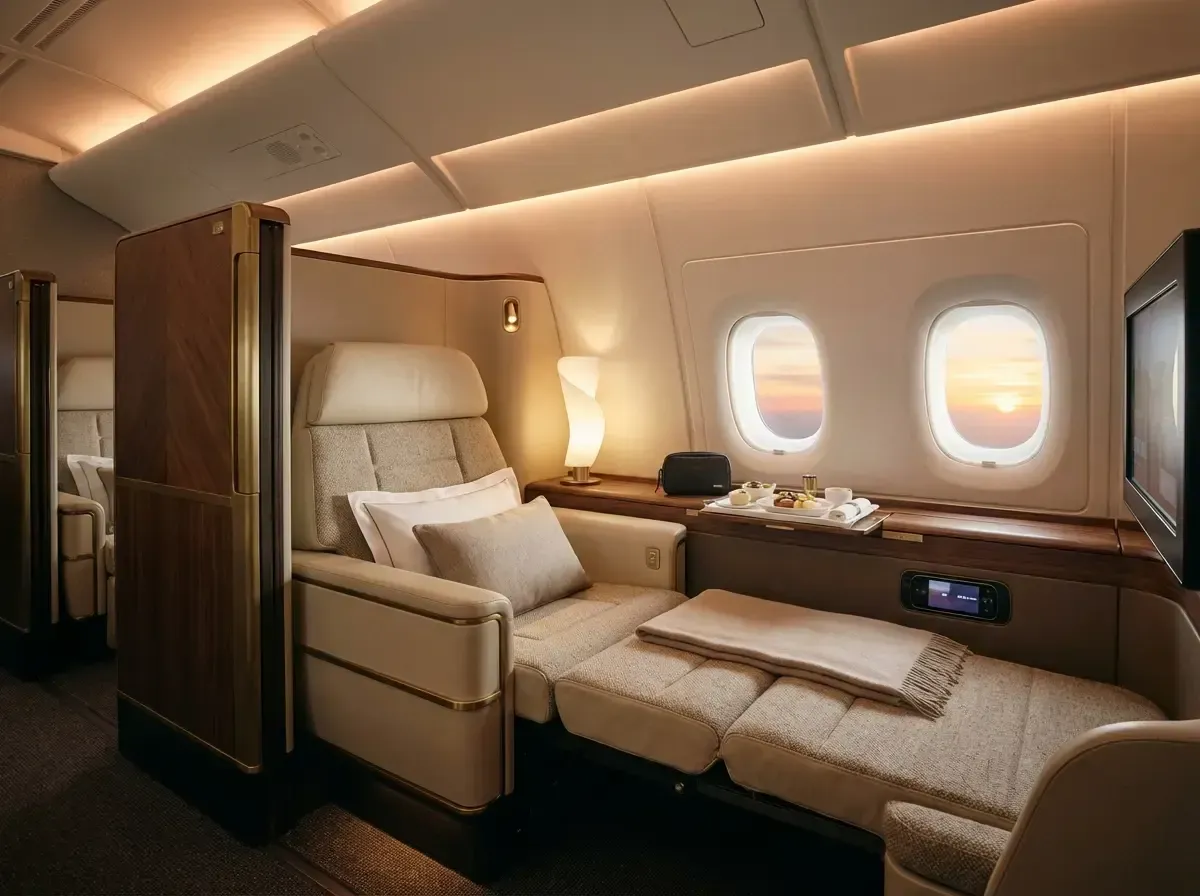
Most travelers searching “first class flights to Italy” are picturing an international First Class seat or suite, elevated dining, and a quieter cabin with a higher crew-to-passenger ratio than Business Class. The reality: true long-haul First Class is limited on many routes to Europe, and nonstop First Class into Italy is not always available from every US city. In many cases, you will connect through a major hub and take First Class on the long-haul segment, then continue to Rome (FCO), Milan (MXP), or Venice (VCE) in Business Class or a European-style short-haul premium cabin.
That does not make it a bad plan. For many itineraries, the long-haul leg is where you want the best sleep, privacy, and service. The key is to recognize the “First Class flight to Italy” you are buying: a true First Class long-haul plus a separate regional segment, often with a different seat type and service standard.
If your priority is simply arriving rested, a top-tier Business Class can be the smarter value. If your priority is the full premium experience and you are willing to route through the right gateway, First Class can still be absolutely worth it.
Rome vs Milan vs Venice: Which Italian Gateway Is Easiest in First Class?
Italy is a multi-gateway destination, and your best flight plan often changes depending on where you are headed and whether you want to minimize ground transfers once you land.
Rome (FCO): best for broad connectivity
Rome typically offers the widest set of onward connections across Italy and is often the easiest city to route into when you are connecting through European hubs. If you are visiting Rome first (or using it as a springboard to Florence, Naples, or the Amalfi Coast), optimizing for the best long-haul First Class product followed by a short connection into FCO can be a strong strategy.
Milan (MXP): best for North Italy and premium-focused itineraries
Milan can be an excellent arrival point if your trip centers on Milan, Lake Como, Turin, or onward Switzerland. It is also a helpful gateway for travelers who want to position into other European hubs by train after landing. If you are shopping for a “first class to Rome” itinerary but ending in North Italy, consider whether arriving MXP saves you time and complexity.
Venice (VCE): best for final-destination convenience, but fewer premium routings
Venice is the most “final-destination” friendly, but it can require more connections, especially if you are prioritizing a specific First Class cabin on the long-haul. Many travelers choose to fly into Venice in Business Class or arrive in Milan or Rome and take a premium train onward. If you must arrive VCE by air, expect that your long-haul First Class segment may terminate at a major European hub, with a shorter regional hop into Venice.
Key Features to Compare Before Booking First Class Tickets to Italy
When you are comparing first class tickets to Italy, focus on the elements that actually change your rest, privacy, and overall trip comfort. Marketing names vary, but these factors are consistent across airlines.
1) The long-haul seat and sleep setup
For Italy, the long-haul segment is usually where First Class matters most. Look for a fully enclosed suite (or at least high privacy walls), a true lie-flat bed with quality bedding, and enough space to change clothes comfortably. Some First Class cabins feel like a private room; others feel like a very wide Business Class seat. That difference is what you are paying for.
2) Dining consistency and flexibility
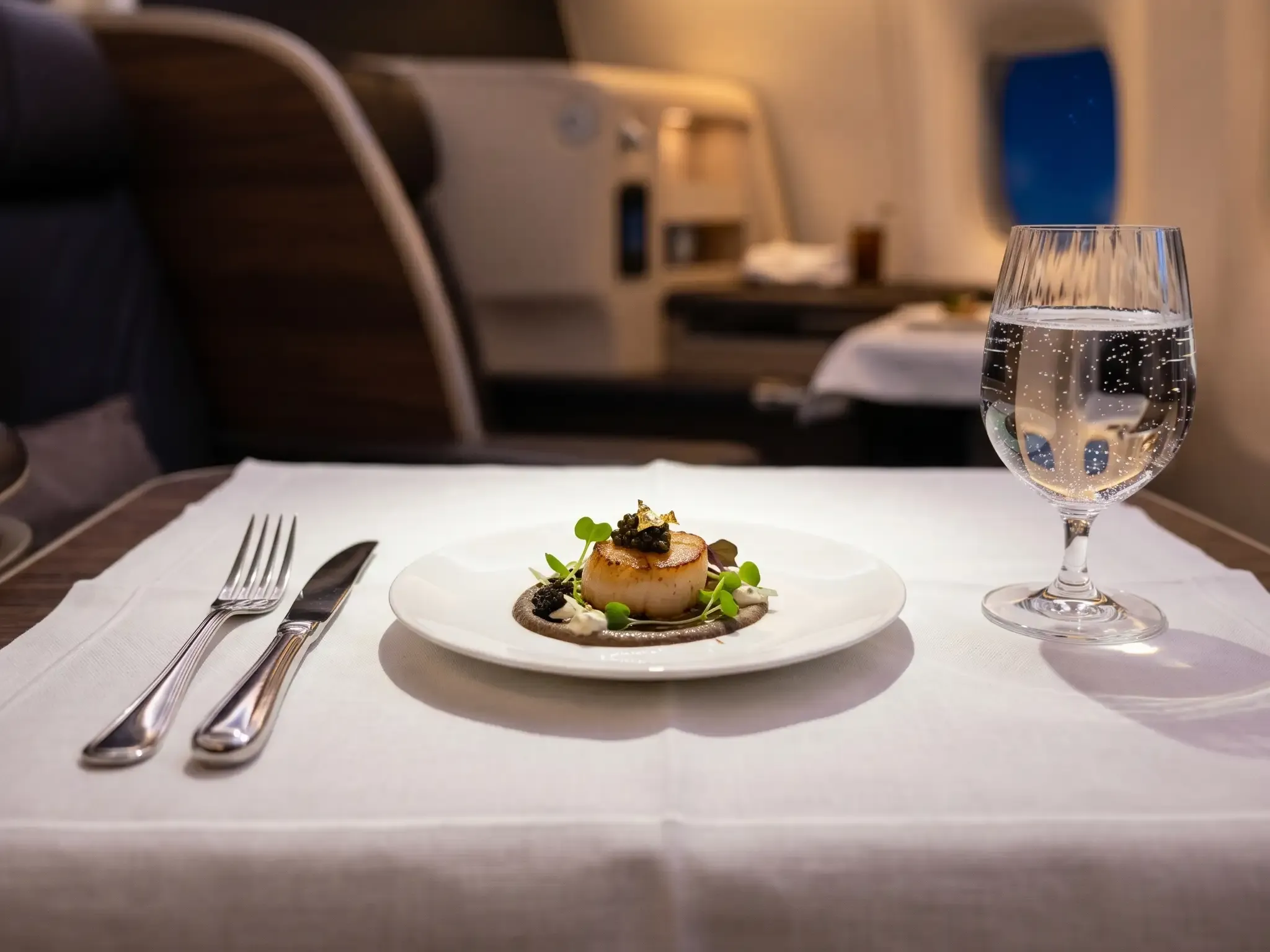
First Class dining should be more than a nicer tray. Look for on-demand ordering, courses served at your pace, and a serious beverage program. If your flight departs late, the best First Class experiences can adapt service so you can eat quickly and sleep, or sleep first and dine later. That flexibility is one of the most valuable upgrades over Business Class.
3) Ground experience and lounge access at your connection point
If you connect through a hub, your lounge experience often becomes the “hidden” highlight of the trip. Pay attention to whether your routing gives you access to an airline-operated First Class lounge versus a shared contract lounge. Connection quality matters too: an elegant lounge is less helpful if you have a tight connection that keeps you stressed.
4) The Italy-bound short-haul segment reality
Be very clear-eyed about the final segment into Rome, Milan, or Venice. In Europe, “Business Class” on short-haul flights often means an economy-style seat with an empty middle seat and improved service. If you are expecting a lie-flat seat to Venice, you will likely be disappointed. The trick is to optimize where the premium product matters: overnight long-haul, not the final hour in the air.
5) Schedule, aircraft swaps, and seat assignment control
Italy routes can see seasonal shifts and aircraft changes. A flight you book for a specific First Class seat can later swap to a different configuration, especially around schedule changes. Before you book, check the aircraft type and seat map and understand your ability to select a seat immediately. If seat assignment is restricted, your “First Class” experience can vary more than you would expect.
First Class Flight to Italy Price: What Actually Drives Cost
There is no single answer to “how much is a first class flight to Italy,” because pricing is driven by route construction, seasonality, and how rare First Class inventory is on the long-haul segment you want.
As a general planning range for 2026, Flight-Experts lists First Class Flight Booking at $5,000 – $20,000+ depending on airline and routing. That range is wide because a connecting First Class itinerary in shoulder season is a fundamentally different product than a peak-summer, limited-inventory First Class suite to Europe.
Pricing variables that matter most
- Nonstop vs connection: nonstops are convenient but can price higher if First Class seats are limited; smart connections can widen cabin options.
- Gateway city: your departure airport can change fare construction dramatically. Sometimes it is worth a short domestic positioning flight to unlock better First Class availability.
- Time of year: late spring through early fall typically sees heavier demand for Italy.
- Return day and flight timing: Friday and Sunday returns often price higher. Overnight eastbound segments and daytime westbound returns can price differently.
- Cabin mix: some itineraries price as First Class only on the long-haul, with Business on the short-haul. That can be a good value if you prioritize sleep.
A note on the keyword “cheap first class flights to Italy”: it is more realistic to aim for “best value for the exact product you want.” With First Class, the best outcomes usually come from flexible dates, flexible gateways, and the right routing through a hub that actually offers true First Class.
Who First Class to Italy Is Best For (and Who Should Skip It)
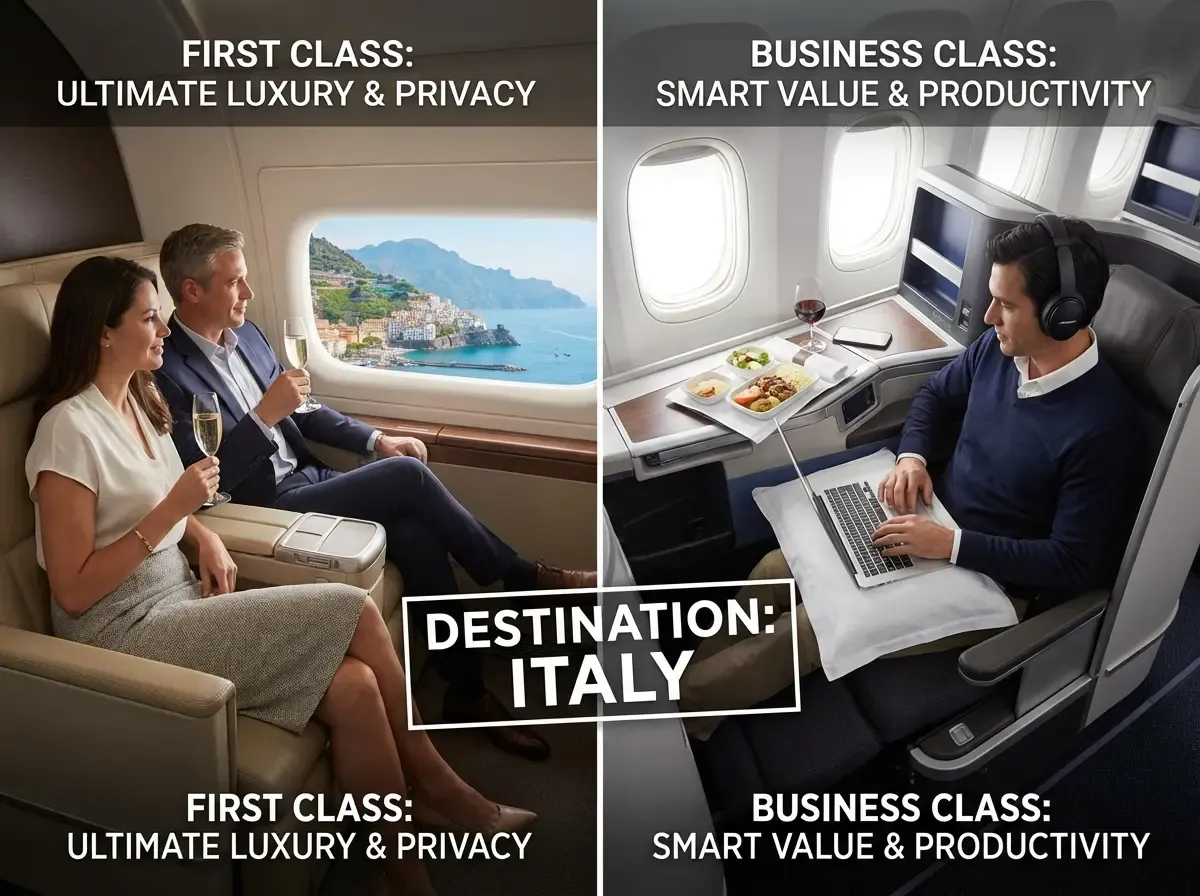
First Class is best for travelers who value sleep quality, privacy, and service consistency more than cabin “status.” If you have a high-stakes meeting upon arrival, are celebrating a milestone trip, or simply want the most controlled long-haul experience possible, First Class can be worth the premium.
You should consider skipping First Class if your itinerary is connection-heavy with short flights, or if you will be equally comfortable in a top Business Class seat and would rather allocate funds to hotels, private transfers, or experiences on the ground. Many Italy trips are day-packed and location-focused, so comfort matters, but it has to match how you actually travel.
Flight-Experts Recommendation: How to Shop First Class to Italy Smarter
If you are still deciding between “best possible cabin” and “best overall value,” a specialist can help you see the tradeoffs quickly. Flight-Experts can source options through First Class Flight Booking (typical range $5,000 – $20,000+) and compare routings that are not always obvious on public search tools. The service is built around a personal travel consultant, consolidator-access pricing on eligible routes, and help with seat selection and preferences. For travelers combining multiple Italian cities, Complex Itinerary Planning can be useful for open-jaw and multi-city structures.
There are also cases where booking direct is a solid choice, especially if you are focused on earning specific loyalty benefits or want maximum self-service control. If you want a quick, human comparison across carriers and routings, you can explore options at https://flight-experts.com/ or reach out via the Contact page for a personalized quote.
Booking Guide: 5 Criteria to Choose the Right First Class Flight to Italy
Use the criteria below to narrow choices without getting overwhelmed by aircraft types, marketing names, and fare rules. This is the same framework frequent premium travelers use when they compare elite cabins.
1) Start with the trip goal: sleep, celebration, or speed
If your top priority is arriving rested, favor an overnight long-haul with a top-tier First Class seat and a connection that protects your sleep schedule. If it is a celebration, you may value the most “special” cabin experience even if the itinerary is less direct. If it is speed, you may be better served by the simplest routing and accept a slightly less impressive First Class hard product.
2) Optimize the long-haul segment, not the short hop to Italy
Most disappointment happens when travelers expect the same First Class experience on every segment. Instead, optimize the segment that matters most: the long-haul to Europe. Then make the Italy connection as painless as possible. This is also where Business Class Flight Booking can be a pragmatic alternative if the only “First Class” options are connection-heavy or poorly timed.
3) Validate the ground experience at your hub
If you connect, your hub defines your “day of travel” mood. Check connection time, terminal changes, and lounge access rules. A slightly longer connection can be a feature, not a bug, if it lets you shower, eat well, and reset before the final segment to Italy. A too-tight connection can erase the benefits of flying First Class.
4) Confirm seat assignment and aircraft stability
Before purchase, confirm whether you can select your exact seat immediately. If you cannot, understand the risk: you may end up with a less desirable seat even in First Class. Also check whether your route is seasonal or prone to equipment swaps. If you are booking far ahead, build in some flexibility and monitor for schedule changes.
5) Compare total trip value, not just the headline fare
When comparing a first class flight to Italy price, look at what is included and what it saves you. A better-timed arrival can save a hotel night. A smoother connection can reduce the need for expensive last-minute changes. A higher-quality sleep can be worth real money if it protects work performance or vacation time.
If you are evaluating multiple cities such as Rome, then Venice, then Milan, consider an open-jaw structure (fly into one city, out of another). That is often more elegant than backtracking, and it is exactly the kind of scenario where Complex Itinerary Planning can pay off in reduced friction.
Pros and Cons
Strengths
- True international First Class can deliver meaningfully better sleep, privacy, and calm than Business Class on the long-haul segment to Europe.
- More flexible dining and service pacing is ideal for overnight flights to Italy, especially if you want to maximize sleep.
- Ground experience can be a major upgrade on connection itineraries, with better lounges and more support during irregular operations.
- Routing flexibility (connecting through major hubs) can open better cabin products than searching only for nonstops to Rome, Milan, or Venice.
- Open-jaw planning (arrive Rome, depart Milan, for example) can save time and make the trip feel more premium end to end.
Considerations
- First Class availability to Italy can be limited, and many itineraries include a final short-haul segment that feels like standard European Business Class, not a suite.
- The “first class flight to Italy price” varies widely and can jump quickly in peak season or when inventory is scarce.
- Aircraft swaps and schedule changes can affect the exact seat or suite you thought you were booking, so you need to monitor your itinerary.
- For some travelers, a top Business Class product offers a better value, especially if you prioritize direct routings and consistent lie-flat seats.
How Italy Routings Usually Work: Where First Class Typically Ends
Here is the thing: most “first class flights to Italy” are built around one premium long-haul segment, and the rest of the itinerary is designed to get you to the right Italian city with minimal friction.
The most common structure: First Class to a hub, then a short premium connection
On many itineraries, you will fly First Class from the US to a major European hub, then connect onward to FCO, MXP, or VCE in a short-haul premium cabin. That second leg may still be labeled Business Class, but the seat is usually an economy-style chair with a blocked middle seat. From a practical standpoint, this is not a downgrade you should fear, as long as the long-haul segment is the one you truly care about.
When your ticket says “First Class,” but only one segment is actually First
Some fare displays make it look like the entire itinerary is First Class, even when only the long-haul segment is. Always click into the segment details and verify the cabin for each leg. If you see “Business” or “Europe Business” on the Italy-bound segment, set expectations accordingly and decide whether the connection still makes sense for your schedule.
Why Milan and Rome often price and route differently
Even if your final destination is the same region of Italy, fares can vary depending on whether you route to Milan or Rome first. Sometimes one gateway is easier to reach with true First Class on the long-haul, and the other works better for onward connections. Consider this when comparing “first class to Rome” options, because a slightly different gateway can create a better overall day of travel.
How to Recognize a “Real” First Class Product vs Marketing Labels
What many travelers overlook is that “First Class” can mean very different things depending on the airline, aircraft, and route. For Italy trips, you are usually looking for true international First Class on the long-haul, not a domestic-style First seat on a short segment.
Use three quick checks before you commit
- Seat type: a real long-haul First Class product is designed for sleeping well. Look for a fully lie-flat bed, high privacy, and a cabin that feels meaningfully separated from Business Class.
- Cabin size: First Class cabins are usually small. Fewer seats often translates to a quieter cabin and more personalized service.
- Service pattern: on-demand dining and a more flexible service flow are strong indicators you are looking at a true First Class experience, not a renamed premium cabin.
If any of these elements are missing, it does not automatically mean the flight is a bad choice. It just means you should evaluate it like a “very premium Business Class” experience and compare value accordingly.
Baggage, Chauffeur, and Other First Class Inclusions: What Is Actually Included
First Class tickets to Italy often include meaningful extras, but they are not universal. The reality is that inclusions vary by airline and fare type, and some benefits change when one segment is First Class and the next is a short-haul premium cabin.
Common inclusions to confirm
- Baggage allowance: First Class usually includes a larger checked baggage allowance than Business Class, but the exact number of bags and weight limits vary. If you are traveling with heavy luggage or multiple bags, verify the allowance on the operating airline, not just the marketing airline code.
- Priority services: premium check-in, priority security lanes (where offered), and priority boarding are typical and can materially reduce stress at busy airports.
- Lounges: you will usually have lounge access, but which lounge you can use depends on the airport and your exact routing. On connection itineraries, the best value often comes from having enough time to actually use the lounge.
- Chauffeur or transfers: some First Class products include a chauffeur-style transfer in select cities, while others do not, or limit it to certain fare types. Treat it as a bonus, not a guarantee, and verify before purchase if it matters to you.
Think of it this way: inclusions can add real value, but the core reason to buy First Class to Italy should still be the long-haul seat, sleep, and service. Extras are helpful, but they should not be the only reason you choose a routing.
Managing Connections in Europe: Schengen vs Non-Schengen, Terminals, and Buffer Time
If you are connecting to Italy through Europe, your connection experience can make or break the trip, even in First Class. A great suite on the long-haul does not help much if you spend the connection sprinting through terminals or stuck in a long passport line.
Schengen versus non-Schengen: why it matters for Italy connections
Italy is in the Schengen Area. If you connect through a European hub to Rome, Milan, or Venice, you may clear passport control at the hub, not in Italy, depending on the routing. That is normal, but it changes how much time you need and which part of the airport you will be routed through.
Terminal changes and bus gates are the real “hidden variables”
Some hubs require a terminal change, a train, or even a bus transfer to reach certain Italy-bound gates. When you are planning a First Class itinerary, consider choosing a connection that is slightly longer if it avoids a rushed transfer. The goal is to protect the calm you paid for.
How much connection time is “enough”
There is no perfect number, but many premium travelers favor a connection that gives a realistic buffer for passport control and terminal navigation, plus time for a lounge visit if that is part of the experience you want. Too short is stressful. Too long can be tiring. The sweet spot is the one that matches your airport comfort level and your tolerance for risk.
Frequently Asked Questions
How much is a first class flight to Italy in 2026?
It depends on season, routing, and whether you are flying true international First Class on the long-haul segment. As a planning range, Flight-Experts lists First Class Flight Booking at $5,000 to $20,000+ depending on airline and route. Nonstop convenience, peak summer dates, and limited First Class inventory tend to push pricing higher.
Are there nonstop first class flights to Rome (FCO) from the US?
Some routings can be nonstop to Rome, but true long-haul First Class is not consistently available on every nonstop option. Many “First Class to Rome” searches end up best served by connecting through a hub where true First Class exists on the long-haul, then continuing to Rome on a shorter segment. Always verify which leg is actually First Class.
Is it better to fly First Class into Milan or Rome?
Choose the gateway that matches your itinerary first. Rome is often easier for central and southern Italy, while Milan can be better for northern Italy and onward rail connections. From a premium-cabin standpoint, the best experience usually comes from optimizing the long-haul First Class segment and accepting a simple regional connection to your final city.
What about first class flights to Venice (VCE)?
Venice is convenient as a final destination, but premium long-haul routings often require at least one connection before VCE. It is common to fly First Class to a major European hub, then connect to Venice in a short-haul premium cabin that is not lie-flat. If you want fewer connections, consider arriving in Milan or Rome and continuing by train.
Is “First Class” always better than Business Class to Italy?
No. First Class is usually better for privacy, service, and an elevated ground experience, but the best Business Class products can be extremely competitive for sleep and comfort. If your priority is a direct routing or consistent lie-flat seats across segments, Business Class may deliver better overall value for an Italy trip.
Do first class tickets to Italy include lounge access?
In most cases, international First Class includes lounge access, but the lounge quality depends heavily on the airport and airline. If you are connecting, confirm which lounge you can use at the hub and whether it is airline-operated or a shared lounge. Your connection time also matters since a 45-minute connection may not leave time to enjoy it.
Should I book direct with the airline or use a specialist?
Booking direct can be best if you prioritize loyalty benefits and want full self-service control. A specialist can be helpful when you are comparing multiple routings and trying to balance product quality versus total trip time. Flight-Experts offers first class booking support through a personal consultant model and can help compare options across airlines.
Can I mix First Class and Business Class on the same trip to Italy?
Yes, and it is often smart. Many “first class flights to Italy” itineraries are First Class on the long-haul and Business Class on the shorter Italy-bound segment. This can reduce total cost while preserving the part of the journey where First Class matters most. Always review the cabin on each segment before purchase.
What is the single biggest mistake people make booking First Class to Italy?
Assuming the entire itinerary is a consistent First Class product. In reality, the long-haul may be true First Class while the final segment to Rome, Milan, or Venice is a short-haul premium cabin with an economy-style seat. If you set expectations correctly and optimize the right segment, you will be much happier with the purchase.
How far in advance should I book First Class to Italy?
For peak travel periods, earlier planning generally gives you more choice of dates, routings, and seats. For shoulder season, you can sometimes find strong value closer in, but First Class inventory is limited, so waiting can reduce options. If your dates are fixed, prioritize securing the routing and seat you want, then monitor for schedule changes.
Will my Italy connection be First Class too?
Often, no. Many itineraries deliver First Class on the long-haul segment, then connect onward to Italy in a European-style premium cabin, usually sold as Business Class. This is normal, but you should verify the cabin on each segment so you know exactly what you are buying.
Does First Class to Italy always include chauffeur service?
No. Some First Class products include a chauffeur-style transfer in certain cities or on certain fare types, but it is not consistent across airlines and routes. If it matters to you, confirm it in the fare details before you book.
Do I clear passport control at the connecting airport or in Italy?
It depends on the routing, but it is common to clear passport control at your European connecting hub before your final flight into Italy. Plan connection time accordingly, since passport control can be the limiting factor even when everything else in the airport is running smoothly.
What should I look for if I care most about sleeping well?
Favor the best long-haul seat and a routing that protects your sleep window: an overnight eastbound flight, a seat with strong privacy and a proper bed setup, and a connection that is not rushed. If you are choosing between “better suite with one connection” versus “less impressive product but nonstop,” the right answer depends on your personal sleep habits and stress tolerance.
Key Takeaways
- “First Class to Italy” often means First Class on the long-haul plus a short regional segment into Rome, Milan, or Venice.
- Rome is usually the easiest gateway for connections; Milan can be ideal for North Italy; Venice may require more routing flexibility.
- Optimize for the long-haul seat, dining flexibility, and hub lounge experience, not the final short flight within Europe.
- Pricing varies widely; a realistic planning range is $5,000 to $20,000+ depending on airline and route.
- If value matters as much as prestige, compare elite Business Class options alongside First Class.
Conclusion
First class flights to Italy are still one of the most rewarding ways to cross the Atlantic, but the best itinerary is usually the one that pairs a truly excellent long-haul First Class cabin with a simple, low-stress connection into the Italian city you actually need. Focus on sleep quality, connection experience, and segment-by-segment cabin clarity, and you will avoid the most common disappointments. If you would like a human comparison of routes to Rome, Milan, or Venice, you can explore First Class Flight Booking options and request a personalized quote, or reach out via the Contact page to discuss dates, gateways, and priorities.



