
First Class Flights to Ireland (2026 Guide)

What “First Class flights to Ireland” really means
On most itineraries, there is no nonstop international First Class cabin directly into Ireland from North America. In practice, this means your “First Class flights to Ireland” often look like this: true long-haul First Class on the ocean-crossing leg to a major gateway, then Business Class or European-style “Club” seating for the short connection into Dublin.
Consider this: if your ticket says “First” because of a short intra-Europe segment, you might get a blocked middle seat and better catering, but not a suite. For most travelers, the goal is the opposite: lock in a genuine First Class seat on the longest flight, then accept a shorter connecting segment in Business Class.
Why Dublin itineraries can be confusing
Dublin is a premium destination, but it is not a classic First Class hub. Airlines tend to deploy their flagship First Class cabins on routes with the highest premium demand, then funnel Ireland traffic through a nearby hub. That is why a “first class flights to Dublin” search may surface itineraries where only part of the trip is actually First.
If you want the broader Europe context, it helps to start with the pillar overview on cheap first class Europe, then narrow down to the Ireland-friendly gateways and schedules.
Best route patterns for First Class flights to Ireland
For Ireland, the best First Class routing patterns usually fall into three buckets. Your ideal one depends on where you start, how much you value sleep, and whether you prefer fewer connections or a better ground experience.
Pattern 1: US or Canada to a major European gateway, then connect to Dublin
This is the most common way to build a true First Class experience to Ireland. You fly First Class across the Atlantic to a major hub, then connect to Dublin in Business Class. The benefit is simple: the longest leg is where the suite, top-tier bedding, and elevated dining matter most.
From a practical standpoint, look for connection times that are long enough to enjoy the lounge, but not so long that you feel like you are losing a day. For many travelers, 2 to 4 hours is the sweet spot.
Pattern 2: Start in a major US gateway to reduce domestic complexity
If you live outside New York, Boston, Chicago, Los Angeles, or another major long-haul city, you will often be offered a domestic “First” segment to reach your transatlantic flight. That domestic segment can be comfortable, but it is not the reason you are paying for First Class overall.
Think of it this way: it is often smarter to prioritize the long-haul First Class aircraft and accept a shorter feeder flight, rather than choosing a convenient domestic schedule that forces you onto a weaker transatlantic product.
Pattern 3: Open-jaw into Ireland, out of the UK or mainland Europe
What many travelers overlook is that Ireland trips are often part of a bigger itinerary: Dublin plus London, or Dublin plus Paris, or a scenic loop through the west coast. An open-jaw ticket can let you fly into Dublin and return from another city that has better long-haul First Class availability.
This is where booking support matters. One option is using Complex Itinerary Planning to map an open-jaw or multi-city routing that keeps the flagship cabin on the longest segments. You can find that service here: Complex Itinerary Planning.
Aircraft and seat checklist: how to confirm you are getting “real” First
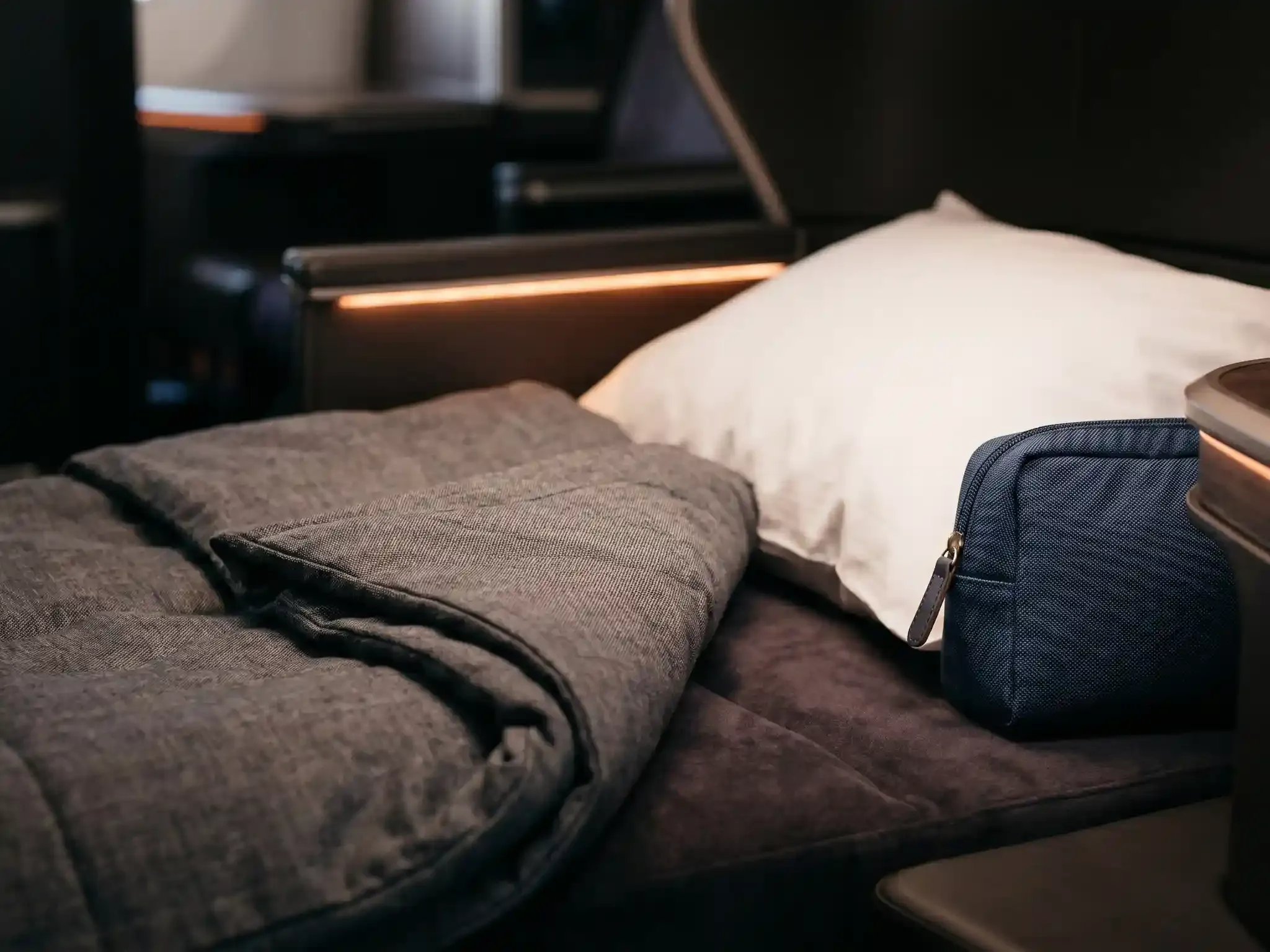
When you are shopping for first class flights to Ireland, your best move is to verify the aircraft and seat type for the longest leg. Airlines can swap aircraft, but the published equipment still tells you what you are most likely to get.
What to look for on the long-haul segment
For a true First Class experience, you are generally looking for an enclosed suite or at least a very spacious seat with elevated dining, upgraded wines, and a noticeably higher staff-to-passenger ratio than Business Class. On many carriers, First also comes with better pajamas, amenity kits, and a quieter cabin simply because there are fewer seats.
What the Dublin segment usually looks like
The final flight into Dublin is often a short-haul European product. That can mean a blocked middle seat and a nicer meal, or a standard Business seat depending on the airline. It is not necessarily bad, but you should not expect a suite on that portion of the trip.
A simple verification process before you buy
- Check the aircraft type on the transatlantic leg.
- Review the seat map and cabin layout for First Class seat count.
- Confirm whether lounge access is First Class specific or “any premium cabin.”
- Look at the connection airport map to understand transfer friction.
Pricing and value: when First Class to Ireland is worth it

First Class is rarely about one feature. It is about the full chain: quieter cabin, better sleep, better service rhythm, and a smoother ground experience that helps you arrive calm.
Now, when it comes to Ireland specifically, value depends on your schedule. If you are flying over for a wedding, a milestone birthday, or a short business trip where you must be sharp right away, First can feel like a productivity and energy decision, not just comfort.
When Business Class may be the better call
If you can get a top-tier Business Class seat with direct aisle access and strong lounge coverage, you may decide First is not necessary, especially if the “First” label only applies to a short segment. Many travelers are happiest when they optimize Business Class instead of paying for a partial First experience.
When First Class shines for Ireland trips
If you are traveling overnight, want the quietest cabin possible, and care about the ground experience in your connection hub, First Class can be the difference between arriving functional and arriving foggy. It also helps if you plan a return routing out of a city with stronger First Class availability, rather than forcing Dublin both ways.
Booking strategy: how to find better First Class flights to Dublin and Ireland
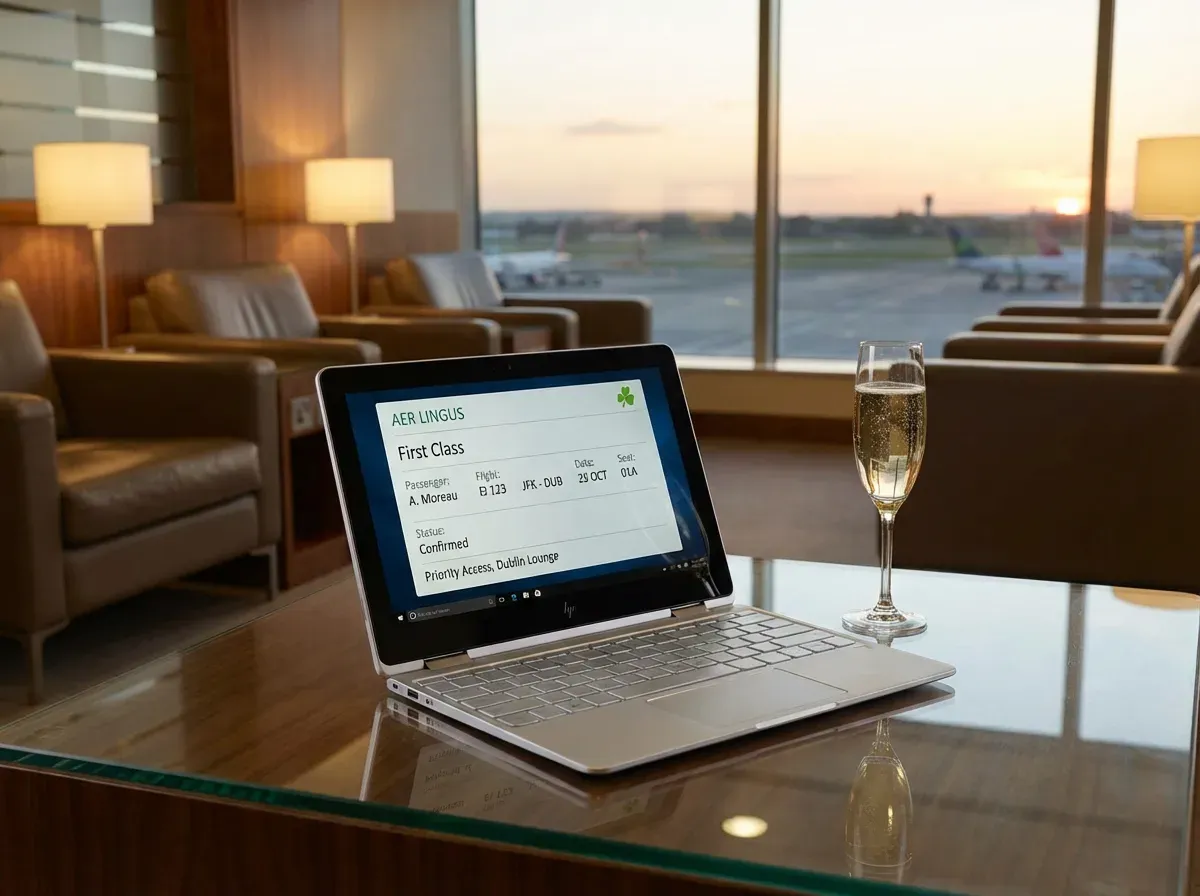
The best results usually come from flexibility and clarity. Flexibility means being open to a connection city or an open-jaw return. Clarity means knowing your non-negotiables, like “I need a suite on the overnight flight,” or “I need an arrival before noon.”
Start by defining your “premium priorities”
Write down the two things that matter most. Sleep, privacy, a specific lounge, minimizing connections, or protecting a tight meeting schedule. This makes it easier to compare two good options without getting lost in seat photos.
Use specialist help when the routing is complex
If your itinerary involves mixed cabins, open-jaws, or specific aircraft targets, working with a specialist can save time and reduce risk. A service like First Class Flight Booking can source and compare First Class options across airlines and routings, then help coordinate seats and preferences once you choose. You can see that service here: First Class Flight Booking.
Be realistic about timing, especially in peak seasons
Ireland demand spikes around summer, major holidays, and large events. In those windows, the “perfect” itinerary is less common. In practice, this means you may need to choose between the best First Class seat and the best schedule. Knowing which one matters more to you is the key to feeling good about the booking.
Frequently Asked Questions
Do any airlines offer nonstop international First Class flights to Dublin?
Nonstop flights to Dublin are common in Business Class, but true international First Class cabins are much less common on Dublin routes. Most “First Class flights to Ireland” are built via a major hub where the long-haul segment features the real First Class seat, then you connect into Dublin in Business Class. The right way to evaluate an itinerary is to focus on the aircraft and cabin on the transatlantic leg, because that is where you will spend the most time and where First Class provides the biggest comfort difference.
What is the best way to book first class flights to Ireland if I live in a smaller US city?
Plan for a positioning segment to a major long-haul gateway, then prioritize the flagship First Class product on the ocean-crossing leg. Many travelers accidentally optimize the domestic schedule and end up on a weaker transatlantic cabin. A better strategy is to identify two or three gateway airports you can reach easily, then shop First Class availability from those cities. If you want to reduce moving parts, pick an itinerary with a longer connection buffer on the outbound and a simpler domestic return.
Are “first class flights to Dublin” sometimes only First on one segment?
Yes, and it happens a lot. You might see “First” because the short intra-Europe segment is branded as First or because the fare basis includes a First cabin on a portion of the trip. That does not guarantee a long-haul First Class suite. Before you book, confirm which flight number and aircraft actually carry First Class. If the transatlantic leg is Business Class, you should price and judge it like Business Class, even if the itinerary headline says First.
How can I tell if I am getting a suite-style First Class seat?
Start with the aircraft type and then verify the seat map for the First Class cabin. A suite-style product usually has fewer seats, more space per passenger, and often a door or high privacy shell. You can also check whether the airline markets that route as a flagship First Class experience and whether the airport lounge access is specifically First Class. If your seat map shows a large cabin with many rows, it may be a premium Business cabin rather than true First.
Is it better to connect through London, or a mainland Europe hub, when flying to Ireland?
It depends on your tolerance for transfers and your priorities. London can be convenient for flight frequency into Dublin, but some airports involve longer walks, security re-screening, or terminal changes. A mainland Europe hub can be smoother if the transfer process is simpler and the lounge experience is strong. Consider this: the “best” hub is often the one that protects your sleep and keeps your connection predictable, not necessarily the one with the shortest published layover.
What about first class flights from Dublin back to the US?
Return options can be more limited because the long-haul aircraft serving Dublin may not include a First Class cabin. Many travelers solve this by returning from another city, such as London or a major mainland Europe gateway, where First Class is more available on transatlantic routes. If you are planning a multi-city Ireland trip, an open-jaw return can be a smart way to keep First Class on the longest flight home. Just confirm baggage policies and connection protection.
Should I fly First Class or Business Class for an Ireland trip?
If your itinerary includes a true long-haul First Class cabin, First can be worth it for overnight comfort, privacy, and a more elevated ground experience. If “First” only applies to a short segment into Dublin, you may get better value by selecting the strongest Business Class product available and focusing on a direct flight or the simplest routing. The decision often comes down to whether you need to arrive at peak performance the next day, or whether you have time to ease into the trip.
Can a travel specialist help with First Class flights to Ireland without being pushy?
Yes, a good premium travel specialist should feel like a consultant, not a salesperson. The goal is to compare real options, clarify which segment is actually First Class, and match the routing to your schedule and comfort needs. Flight-Experts, for example, pairs you with a personal consultant and can present options quickly, which is helpful when you are comparing multiple gateways or considering an open-jaw return. If you want, you can explore options via a free, no-obligation quote request.
What is the single biggest mistake people make when booking First Class to Ireland?
They assume the “First Class” label applies to the long-haul flight. Ireland itineraries often include at least one short segment, and that segment can create confusing cabin labels. The fix is straightforward: verify the cabin on the transatlantic leg, then decide whether the overall itinerary still feels worth it if the Dublin connection is “only” Business Class. Once you evaluate the trip this way, you will make decisions that align with comfort, sleep, and arrival time.
Key Takeaways
- Most First Class flights to Ireland are routed via a hub, with true First on the transatlantic leg and Business Class into Dublin.
- Verify the aircraft and cabin on the longest segment, not just the itinerary headline.
- A good connection is part of the premium experience: aim for predictable transfers and enough lounge time.
- Open-jaw returns can unlock stronger First Class availability than forcing Dublin both ways.
- If you want help comparing routings and cabins, a free quote can clarify what is actually available for your dates.
Conclusion
First Class flights to Ireland can be fantastic, but they usually require smart routing. Focus on where First Class matters most: the long overnight segment, the quality of the suite or seat, and the ground experience that makes your connection feel calm instead of chaotic. Once you accept that the final hop into Dublin may be Business Class, you can judge itineraries more accurately and choose the option that supports your real goal, whether that is arriving ready for meetings, starting a honeymoon refreshed, or simply enjoying Ireland from the moment you land.
If you would like help comparing real First Class routings to Ireland, you can request a free, no-obligation quote.



