
First Class Flights to Iceland (2026 Guide)
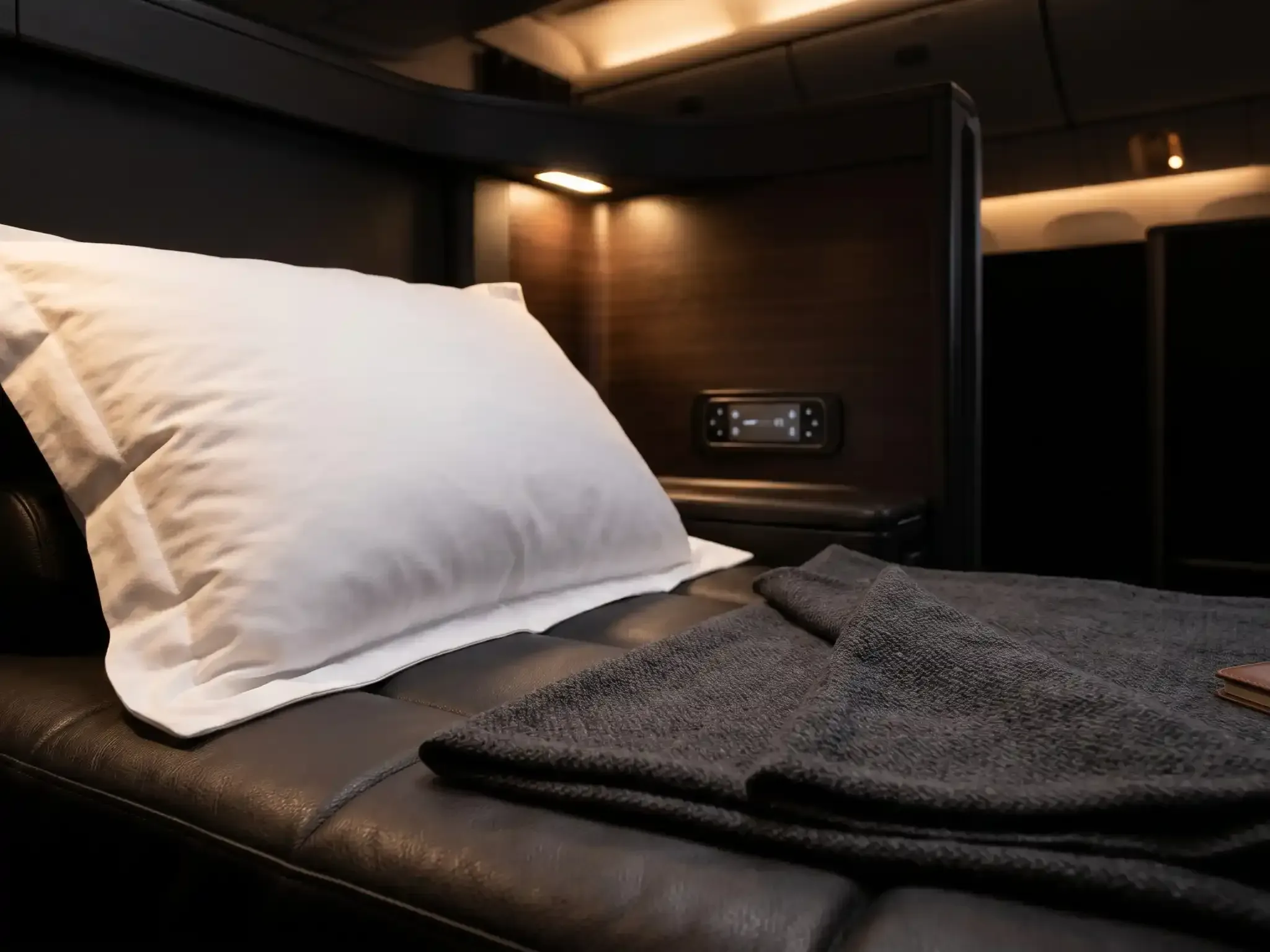
What “First Class flights to Iceland” really means

On most days, there is no nonstop long haul First Class cabin into KEF from North America. So when people search for first class to Reykjavik, what they usually want is one of these:
- True international First Class on the longest segment (for example, US to a major European hub), then a connection to Iceland.
- A “First” cabin on a short European hop, which is often Business Class seating with upgraded service, depending on the airline.
- A premium experience end to end, which can sometimes be better delivered by lie flat Business Class plus the right connection timing.
The reality is that your best results come from treating Iceland as a premium connection market. You optimize the long segment for the seat, privacy, and lounge experience. Then you choose a short final flight that is dependable and timed to protect your sleep and your plans.
If you are still deciding whether First Class is worth it on a transatlantic itinerary, the broader context in cheap first class Europe is a useful starting point, since most “First Class to Iceland” itineraries are built exactly that way.
The best strategy: Fly First Class to Europe, then connect to Iceland

Think of it this way: your “premium win” happens on the overnight. That is where First Class can change the trip, especially if you are heading straight into meetings, a guided ring road itinerary, or a winter Northern Lights schedule that starts immediately.
Why this strategy works
First Class products are concentrated on major trunk routes: New York, Chicago, Los Angeles, Boston, Miami, and Washington to Europe’s biggest hubs. Reykjavik is a smaller endpoint, so airlines typically serve it with narrow-body aircraft or short-haul configured wide-bodies, where international First Class is uncommon.
In practice, this means you aim for First Class into cities like London, Paris, Frankfurt, Munich, Zurich, Amsterdam, Copenhagen, Stockholm, or Oslo, then take a short onward flight to KEF. If you time the connection well, you still arrive in Iceland early enough to enjoy the day, but without the cramped feeling of a long economy overnight.
The “two-part itinerary” mindset
Plan the journey as two deliberate segments:
- Segment 1 (the anchor): Pick the First Class cabin you actually care about. Seat, privacy, dining, and lounge quality matter most here.
- Segment 2 (the connector): Pick reliability and timing. For a 2 to 3 hour flight, the schedule often matters more than a fancy label.
Best connection airports for First Class to Reykjavik
Not all connections feel “premium,” even if the ticket says they are. A smooth Reykjavik connection typically comes down to three things: terminal layout, Schengen border flow, and flight frequency to KEF if you misconnect.
Amsterdam (AMS): simple connections and frequent Iceland service
Amsterdam is a favorite for travelers who want less friction. The airport is compact, signage is clear, and connections are usually efficient. If weather disrupts Iceland flying, more frequencies can give you more rebooking options.
Frankfurt (FRA) and Munich (MUC): strong premium infrastructure, more walking
Germany’s hubs can be excellent if you value high-end lounges and a broad premium network. The tradeoff is that connections can involve longer walks, bus gates, or tighter timing. When you are connecting to Iceland after an overnight First Class segment, you want padding in the schedule.
London: powerful network, but plan for complexity
London can work well, but it depends heavily on the airport and whether you need to change airports. If you are not familiar with London transfers, keep it simple and avoid itineraries that require crossing the city between airports, especially in winter.
Nordic hubs (Copenhagen, Stockholm, Oslo): “right-sized” for Iceland
Now, when it comes to Iceland, Scandinavian hubs can be very practical. You often get clean, efficient terminals and short onward flight times to KEF. If your trip is built around the Nordics anyway, routing through these airports can feel seamless.
Airlines and First Class products that pair well with Iceland
You do not need a specific airline to reach Iceland comfortably. You need the right combination of a true First Class long-haul segment and a sensible connector. Still, some First Class products are easier to “attach” to Iceland because they operate into Europe hubs that connect neatly to Reykjavik.
What to prioritize in First Class for an Iceland trip
- Sleep first: A door is nice, but a quiet cabin and a comfortable bed matter more on a short transatlantic night.
- Lounge location: If the lounge is far from your connecting gate, the experience can feel rushed.
- Arrival timing: A First Class seat is less valuable if you arrive so late that you lose a full day in Iceland.
Common “premium pairing” examples (without overcomplicating it)
Consider this: many of the famous First Class products fly into major hubs such as Paris, Frankfurt, Zurich, Munich, and London. From there, you can connect onward to Reykjavik on a range of carriers. You are effectively buying the First Class experience where it is offered and using a short hop to finish the trip.
If you want a simpler one-ticket premium option and are open to a strong Business Class cabin instead of true First, read business class to Iceland. For many travelers, that is the sweet spot for comfort and schedule.
Booking realities: schedules, aircraft, and what to verify before you commit
What many travelers overlook is that “First Class” can change if the aircraft changes. Seasonal routes to Iceland can be especially prone to schedule updates. Before you book, you want to validate the parts of the itinerary that drive value.
Three things to verify on any First Class to Iceland itinerary
- Cabin type on each segment: Confirm which flight number actually has a First Class cabin, and which segment is Business or short-haul premium.
- Connection window: Give yourself enough time for Schengen entry if required, plus any terminal change.
- Misconnect protection: One ticket usually gives you better protection than separate tickets if weather hits.
From a practical standpoint, this is where a specialist can help you spot mismatched segments. For example, First Class Flight Booking through Flight-Experts is structured around a consultant reviewing the routing, cabin, and connection logic, then presenting workable options rather than a single fare display. You can see the service here: First Class Flight Booking.
When Business Class wins (even if you searched for First Class)
The reality is that “best” depends on your actual trip. If you are flying from the US East Coast, the overnight to Europe can be short. On a 6 to 7 hour flight, a top-tier Business Class seat can deliver most of what you need: lie-flat sleep, better dining, priority services, and a calmer cabin.
Business Class can be the better choice if:
- You want a nonstop or near-nonstop routing to protect your schedule.
- You are traveling as a family and need predictable seating and lower complexity.
- Your priority is arriving rested, not necessarily maximizing onboard ceremony.
If your goal is “premium end to end” rather than a specific First Class label, you may get more satisfaction by picking the best lie-flat Business option and the easiest connection. That is exactly the framework in business class to Iceland.
Practical tips that make the trip feel truly premium
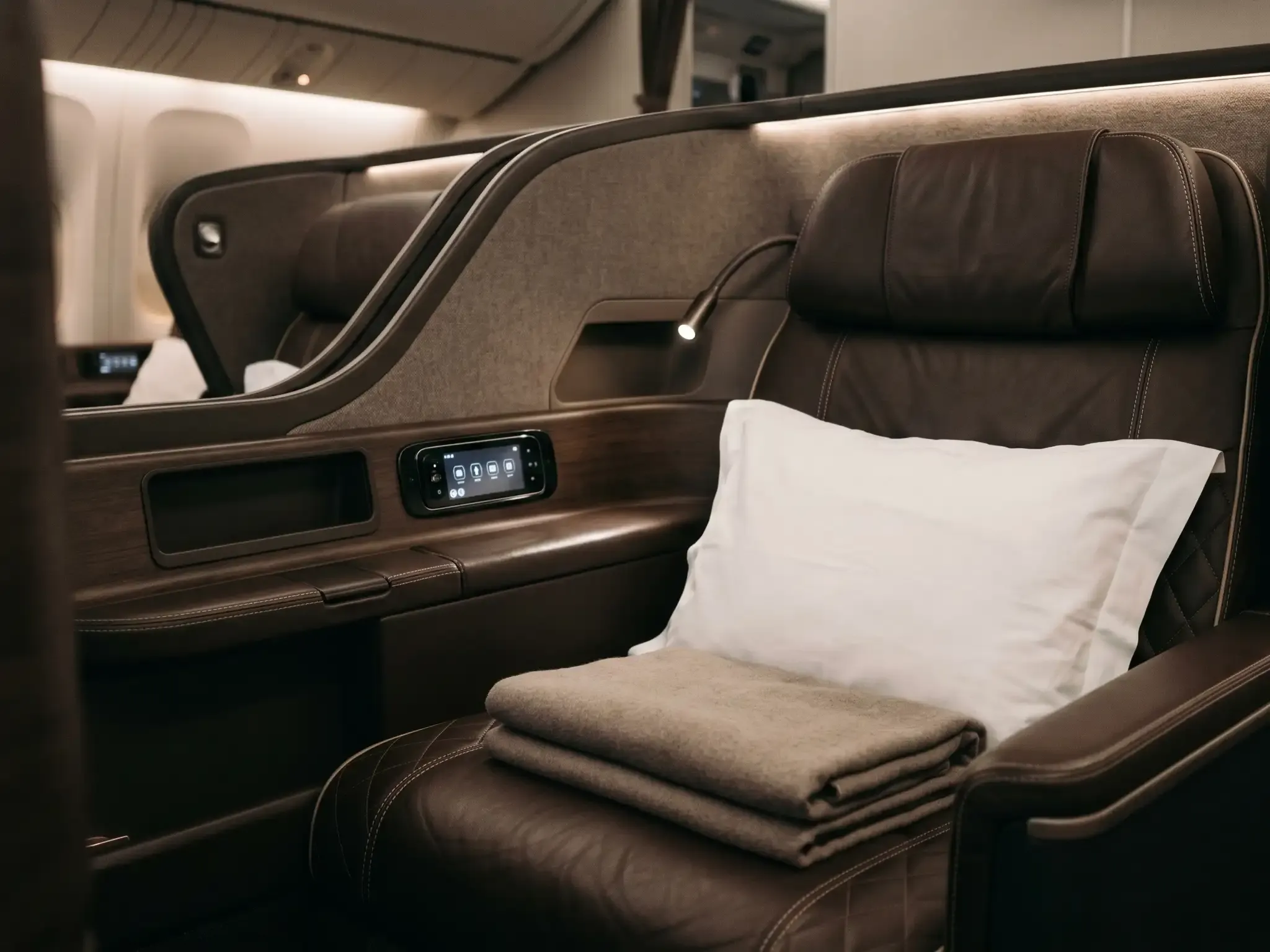
Iceland trips often start early. Blue Lagoon slots, winter tours, and domestic connections can all be time-sensitive. The small details in your air plan can make the first day either effortless or exhausting.
Plan for Iceland’s seasonality
Winter weather can ripple across the North Atlantic. A slightly longer connection in Europe can be worth it if it lowers stress. Summer has its own challenge: higher demand and fuller flights, especially around school holidays.
Choose your connection time like you choose your hotel
If you land in Europe in the morning after First Class, a 60-minute dash to a KEF flight can undo the benefit of the premium cabin. Aim for a connection that allows a shower, a calm coffee, and a normal walk to the gate.
Multi-city Iceland itineraries need different ticket logic
If you plan to fly into Reykjavik and out of Akureyri via Europe, or add Copenhagen or London on the way home, consider an open-jaw or multi-city ticket. This can reduce backtracking and sometimes improves your premium cabin availability. For trips like that, Complex Itinerary Planning is designed for multi-city routing and open-jaw logic: Complex Itinerary Planning.
One option many premium travelers use is working with a consultant who can compare connection cities, aircraft swaps, and “what happens if” scenarios. Flight-Experts is based in Destin, Florida and is known for personalized premium cabin planning, including access to consolidator channels and free, no-obligation quotes, which can be useful when Iceland schedules are changing.
What to expect on the final hop to Keflavik
Once you have built the long-haul First Class segment, the flight into KEF is usually where expectations get out of sync. Here’s the thing: the last leg is typically a short to medium-haul European flight, and the onboard experience is often designed for efficiency, not ceremony.
Seat reality: often not lie-flat, even in a premium cabin
Many flights into Iceland are operated by narrow-body aircraft. A premium cabin on these routes can be very comfortable, but it is usually a larger recliner-style seat rather than a bed. For daytime flights, that can be perfectly fine. For late-evening arrivals, it is another reason to protect your sleep on the transatlantic segment.
Service reality: premium benefits show up on the ground
On short segments, the most reliable “premium” value is often priority check-in, security fast track where available, lounge access on the connection, and earlier boarding. Onboard, you might see upgraded catering and more space, but it varies by route, airline, and aircraft.
KEF arrival reality: plan your first hour on the ground
Keflavik is manageable, but it can feel busy when multiple flights arrive close together, especially in summer. If you are renting a car, consider how long it takes you personally to clear the airport, pick up luggage, and get on the road. If you are landing in winter darkness and driving straight out of Reykjavik, a calmer connection and an earlier arrival can matter more than squeezing in an extra lounge visit in Europe.
Points, upgrades, and stopovers: smart ways to add value without adding complexity
If you are trying to make first class Reykjavik flights work, points and upgrades can help, but only if you use them in the right place. The reality is that the “best redemption” is usually the same as the “best paid strategy”: focus on the long overnight segment where the seat and cabin experience actually change how you feel when you land.
Use points where First Class actually exists
It is common to see limited First Class availability compared to Business Class. If you want to use points, be flexible on the European gateway city and the day of week, then treat the KEF connection as a separate optimization for timing. When you try to force a single exact routing and an exact First Class product, availability can disappear quickly.
Upgrades are not a plan unless you can tolerate the fallback
Some travelers book a lower cabin hoping to upgrade later. That can work, but for an Iceland trip with tours or fixed hotel nights, you want to be honest about the fallback scenario. If you would be disappointed flying the overnight in a non lie-flat seat, you are usually better off booking the cabin you want upfront rather than building your itinerary around upgrade odds.
Stopovers can be great, but only if they protect the Iceland portion
Adding a stopover in your European gateway can turn the trip into a two-destination itinerary, and it can make the transatlantic premium cabin feel more “used.” Just keep one rule: do not steal time from the Iceland days you care about. If Iceland is the main event, a short, planned stopover can be a luxury. An unplanned long layover because the routing was awkward rarely feels premium.
Frequently Asked Questions
Are there nonstop First Class flights to Iceland from the United States?
Most travelers should not expect a consistent nonstop international First Class cabin into Keflavik (KEF) from the US. Iceland routes are often served by aircraft configured for short to medium haul, where true First Class is uncommon. A more realistic plan for first class flights to Iceland is First Class to a major European hub, then a short connection to Reykjavik. If a nonstop option exists for your dates, confirm the aircraft type and cabin map before you book, since schedule changes can alter the onboard product.
What is the best way to book first class to Reykjavik if I care most about sleep?
Prioritize the longest overnight segment, not the final hop into Iceland. Choose a First Class product with a comfortable bed, strong privacy, and a quiet cabin on the transatlantic flight into Europe. Then pick a connection to KEF that is timed for low stress, ideally with enough time for a shower and a calm walk to the gate. If you try to force “First Class” onto the short European segment, you may pay more without getting meaningfully better rest.
Which European hubs are easiest for premium connections to Iceland?
Amsterdam is often one of the easiest major hubs due to its layout and generally straightforward connections. Nordic hubs like Copenhagen, Stockholm, and Oslo can also feel efficient and “right-sized,” with short onward flight times to Reykjavik. Frankfurt, Munich, Paris, and London can be excellent for premium lounges and networks, but they can also involve longer walks, terminal changes, or more complex flows. The best hub for you depends on your tolerance for airport complexity and how tight your connection is.
Will my connecting flight to Iceland have First Class too?
Usually not in the way you are imagining. Many short-haul European flights do not offer a true First Class cabin. Some airlines sell a premium cabin that may be labeled “Business” or “First” depending on the market, often with similar seats to economy plus improved service or a blocked middle seat. That can still be pleasant, but it is not comparable to long-haul First Class. Always check the cabin and seat type by aircraft, not just the fare label.
Is First Class worth it for Iceland if the transatlantic flight is short?
It depends on your home airport and your priorities. From the US East Coast, transatlantic flights can be relatively short, which reduces the time you have to fully enjoy a First Class service flow. If your goal is arriving rested, a high-quality lie-flat Business Class seat may deliver most of the value for less complexity. If you value privacy, top-tier dining, premium lounges, and a more personal onboard experience, First Class can still feel worth it, especially for celebratory trips.
Should I book the itinerary on one ticket or separate tickets?
For Iceland, one-ticket itineraries are often safer, particularly in winter. If weather or delays disrupt your connection, a single ticket usually gives you better protection and rebooking support than two separate tickets. Separate tickets can sometimes offer more choice, but they also shift more risk onto you, especially around missed connections and checked bags. If you do choose separate tickets, build in generous connection time and consider traveling with carry-on only.
What is the best cabin if I am traveling to Iceland with family?
Families often benefit more from simplicity and predictability than from chasing the rarest premium cabin. Lie-flat Business Class on the long overnight segment plus an easy connection often works better than a complex First Class routing. You can focus on seats that work for your group, manageable connection times, and arrival schedules that do not disrupt the first day. If your family trip includes multiple cities, an open-jaw plan can also reduce backtracking and keep everyone in a consistent cabin experience.
How far in advance should I plan First Class flights to Iceland?
Iceland demand swings hard by season. Summer and holiday periods can book out earlier, while shoulder seasons may offer more flexibility. For First Class routings that rely on specific aircraft and specific European hubs, planning earlier gives you more control over the exact product and connection timing. That said, schedules can change, so it is smart to re-check aircraft assignments as your trip approaches. If your dates are fixed, prioritize booking a routing you would still be happy with even if the connector changes.
What should I look for in a “premium route” to Iceland besides the seat?
Look at the whole journey: lounge access and location, connection time, terminal changes, and arrival hour in Reykjavik. A great First Class seat loses its advantage if you have a stressful connection and arrive depleted. Also consider baggage rules and rebooking support, especially in winter. If you are doing tours immediately after arrival, favor itineraries that land early enough to check in or start a day trip without rushing. Comfort is the goal, but reliability is what protects it.
Can a premium booking specialist really make a difference for Iceland routes?
It can, mainly because Iceland routings are often connection-based and sensitive to schedules. A specialist can compare multiple European hubs, verify which segments truly offer First Class, and steer you away from “premium” labels that do not match the onboard reality. Flight-Experts, for example, assigns a personal consultant and can present premium cabin options quickly, including consolidator-sourced fares in some cases, with free quotes and no obligation. The key benefit is clarity and time saved, not just the ticket itself.
Is there a true First Class cabin on most flights into Keflavik?
Most flights into KEF do not offer a long-haul style First Class cabin. Even when a short-haul premium cabin is sold as “First” in some markets, the hard product is typically not a suite or a bed. If you want true First Class, the dependable approach is to book it on the transatlantic segment into a major European hub, then treat the final leg into Iceland as a short connector where schedule and reliability matter most.
Do points work better for the First Class segment or the Iceland connection?
In most cases, points are best used on the longest segment where the cabin experience changes your sleep and comfort meaningfully. The final hop to Iceland is shorter and often does not have a true First Class product, so using points there can be a lower-impact use of a high-value redemption. If you are points-flexible, choose the European gateway city that unlocks the best premium seat on the overnight, then pick the KEF connection that keeps your day in Iceland intact.
Key Takeaways
- Most “first class flights to Iceland” are built as First Class to Europe plus a short connection to Reykjavik.
- Protect the overnight segment for sleep and comfort, then prioritize reliability and timing on the final hop.
- Choose hubs that match your tolerance for complexity, and give yourself enough connection time to stay relaxed.
- Verify aircraft and cabin by segment, since seasonal changes can quietly alter the onboard product.
- If simplicity matters most, a strong Business Class plan can outperform a complicated First Class routing.
Conclusion
Planning First Class to Iceland is less about finding a single magical nonstop and more about designing a premium journey that holds up in the real world. When you focus on the longest overnight segment for true First Class comfort, then choose a dependable connection into Reykjavik, you get the benefits that matter: better sleep, a calmer airport experience, and a first day in Iceland that starts on your terms.
If you are comparing routings, keep your eyes on the connection details and the aircraft, not just the cabin name. Iceland is a destination where schedules and weather can shift quickly, so flexibility and smart padding can be just as valuable as the top-tier seat.
If you want help comparing premium options to KEF, you can request a free, no-obligation quote and review what fits your trip.



