
First Class Tickets to Japan: Airlines, Prices & Deals
What First Class Tickets to Japan Really Include
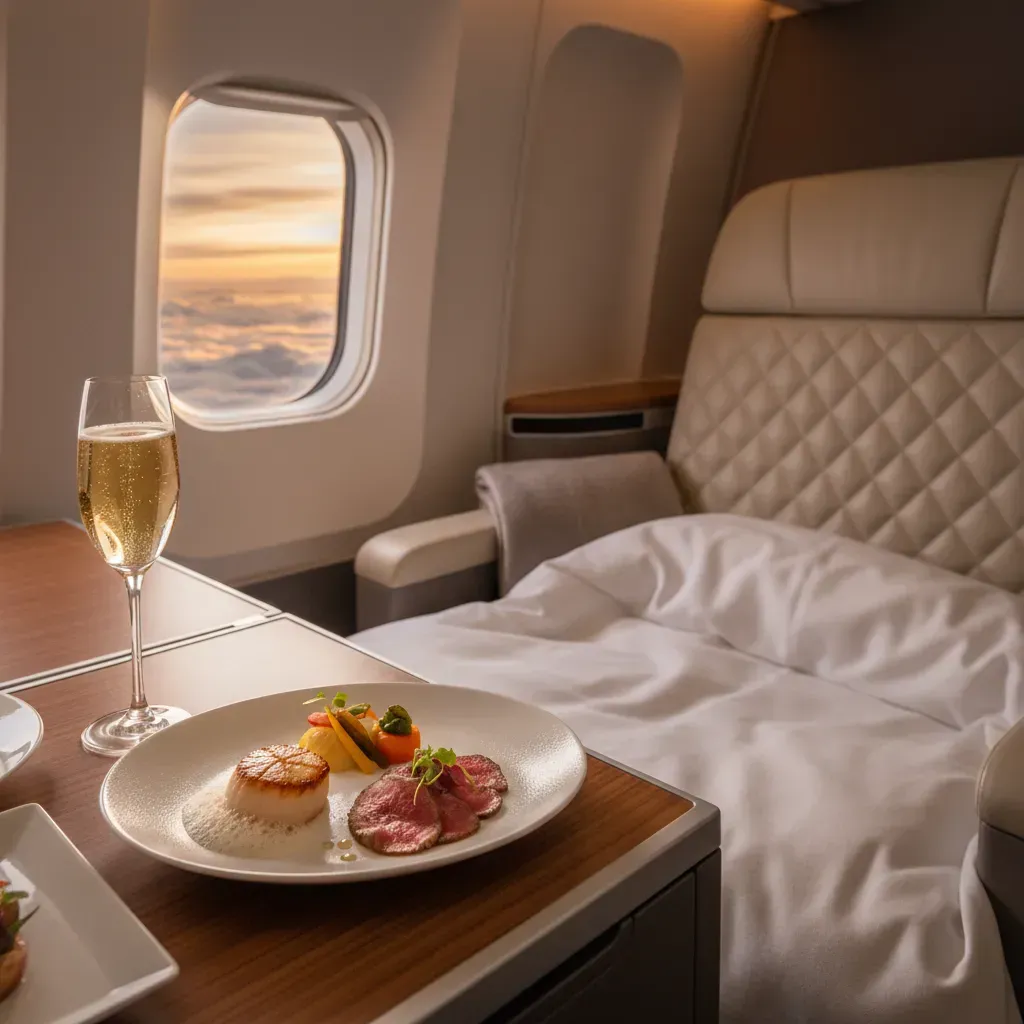
On Japan routes, First Class typically represents far more than a larger seat. It may include dedicated airport assistance, priority check-in, premium security handling where available, access to elite lounges, elevated dining, enhanced bedding, premium beverages, and a notably quieter, more private cabin. Depending on the airline, you may also receive chauffeur coordination or assistance planning the ground portion of the trip.
Flight Experts currently offers First Class Flight Booking for routes from the US to Asia, including Japan-focused itineraries, with pricing context ranging from $5,000 to $20,000+ depending on airline, routing, season, and availability. The service includes white-glove personal support, exclusive first class options, lounge access coordination, chauffeur service arrangements, and luxury amenity guidance. Options are typically presented after a request is submitted, and turnaround is usually within 30 minutes.
For Japan, the strongest contenders in most cases include ANA, Japan Airlines, and selected one-stop options on airlines such as Singapore Airlines, Emirates, or Etihad, depending on your departure city and whether you value nonstop convenience or the most elaborate premium ground experience. In practice, the best first class flight to Japan is often the one that matches your route, schedule, and personal service preferences rather than the one with the loudest reputation.
Airlines, Cabin Features, and Pricing Context
Japan-bound First Class tends to divide into two categories: nonstop Japanese carriers from major US gateways and one-stop global luxury carriers offering a more elaborate but less direct itinerary. Your ideal choice depends on whether you prioritize efficiency, privacy, culinary detail, or the full ceremonial nature of premium travel.
ANA First Class is frequently favored by travelers who value understated elegance, Japanese hospitality, and a calm, polished cabin atmosphere. On the right aircraft and route, ANA may deliver excellent suite privacy, thoughtful dining, and highly attentive but restrained service. This often suits clients who prefer refinement over theatrical presentation.
JAL First Class also appeals strongly on Japan routes, particularly for travelers who appreciate exceptional service cadence, high-quality Japanese cuisine, and a polished onboard environment that feels distinctly tailored to the destination. Many experienced premium travelers find JAL especially compelling for trips to Tokyo, where the onboard style aligns beautifully with the arrival experience.
Selected connecting itineraries can also be worth considering. Singapore Airlines, Emirates, Etihad, Air France La Première, Swiss, Lufthansa, and Qatar appear within Flight Experts’ First Class booking coverage, though these are generally more relevant where schedule flexibility, onward travel, or broader luxury trip design matters more than a nonstop crossing. For some clients, an indirect routing may still be worthwhile if the cabin hard product or ground service is materially stronger.
Pricing for first class to Japan may vary widely. Flight Experts lists First Class booking context at $5,000 to $20,000+, which is the appropriate framework for serious planning rather than assuming a single market average. Japan first class ticket cost can shift based on departure city, seasonality such as cherry blossom and autumn foliage demand, length of stay, aircraft type, and whether the itinerary includes open-jaw or multi-city segments. Travelers evaluating premium cabin offers should remember that lower published pricing, when available, may still involve trade-offs in routing, aircraft, or schedule quality.
For clients who want a broader view of premium route planning, Flight Experts also organizes content around First Class Flights to Asia and advisory guidance within Premium Flight Booking & Tips. These resources can help you frame Japan within a wider premium travel strategy, especially if your trip includes onward destinations in Asia.
Route and Airport Strategy for First Class to Japan
The airport and routing structure can influence the First Class experience almost as much as the cabin itself. A beautifully executed suite and dining service matters, but so does how quickly you can reach your hotel, how cleanly your arrival connects to a domestic sector, and whether the rhythm of the travel day supports rest rather than friction.
Tokyo Haneda versus Narita, and why it matters
Tokyo is served by two primary airports, and the choice is not purely geographic. In many cases, Haneda may feel more time-efficient for travelers staying in central Tokyo, particularly if you are arriving after a long overnight sector and want the simplest path to your hotel. Narita can be an excellent airport as well, but it typically involves a longer transfer into Tokyo, and that can change how restorative the overall experience feels, even if the flight itself is exceptional.
Premium ground services, lounge quality, arrival assistance, and terminal-specific processes can vary by airline and by terminal, and they may change over time. Some First Class products place meaningful emphasis on the ground experience, but these details are route-dependent, and the most reliable approach is to evaluate the specific flight number, operating aircraft, and airport handling in context.
Gateway selection and the pace of your travel day
Competent First Class planning often begins with gateway logic. If you are departing from a smaller US market, you may need a positioning flight to reach a major long-haul gateway. The most refined outcome is usually a schedule that protects the long-haul sector, rather than a tight connection that forces you into rushed transfers and compromises lounge time.
A one-stop itinerary can be superb when the connection point offers a truly strong premium lounge network and a realistic layover that supports dining, showering, and a calmer boarding process. Yet it can feel unnecessarily burdensome if the connection is operationally complex, requires a terminal change, or creates an arrival time in Japan that undermines the first day of your itinerary. For discerning travelers, the objective is not simply nonstop versus one-stop, but rather a travel day that stays coherent from check-in to hotel arrival.
Beyond Tokyo: Kyoto, Osaka, Hokkaido, and regional Asia
If your trip extends beyond Tokyo, routing strategy becomes even more important. Travelers continuing to Kyoto or Osaka may prefer to plan around the Shinkansen, a domestic flight, or a private transfer, depending on timing and personal preferences. In some cases, arriving into Tokyo and immediately transferring onward can feel too compressed after a long-haul flight, even in First Class. In other cases, it may be perfectly comfortable if the connection is well-timed and the airport transitions are straightforward.
For trips that include multiple regions, an open-jaw structure, for example, arriving into Tokyo and departing from Osaka, or the reverse, may be more coherent than a simple round-trip. The same is often true if Japan is paired with another Asian destination, where a multi-city structure can reduce backtracking and improve overall pacing. Flight Experts typically evaluates these decisions at the itinerary level, because the best First Class flight to Japan is not only about the cabin, it is also about how elegantly the long-haul sector integrates with what comes next.
Pros and Cons
Strengths
- First Class to Japan may provide a meaningfully more private and restorative long-haul experience than Business Class, especially on overnight departures.
- Japanese carriers often deliver service that feels precise, polished, and culturally consistent from boarding through arrival.
- Premium ground elements such as lounge access, priority handling, and dedicated support can reduce friction at busy international gateways.
- For milestone trips, First Class may transform the flight from transportation into a central part of the overall luxury experience.
- Flight Experts offers personalized First Class Flight Booking support, including lounge coordination, amenity guidance, and expert comparison across leading carriers.
- For complex journeys beyond Tokyo, specialist planning may help align long-haul First Class with domestic or regional premium segments more coherently.
Considerations
- Availability may be limited by route, aircraft, and season, particularly on the most sought-after nonstop services to Japan.
- Not every First Class product is equal, and the same airline may offer a different experience depending on aircraft configuration.
- The premium investment is substantial, so cabin selection should be based on actual product quality rather than label alone.
- Travelers departing from smaller US cities may need positioning flights or connecting itineraries before accessing the strongest First Class options.
What Makes First Class “Worth It” on Japan Routes
First Class is most compelling when it changes your arrival condition and the emotional tone of the trip, not simply when it adds another course to dinner. Many frequent premium travelers already fly Business Class comfortably. The question is when First Class becomes a materially different experience, and when it is a refined but incremental step up.
When First Class typically delivers a meaningful upgrade over Business Class
On long-haul Japan sectors, First Class may be most valuable when you prioritize sleep quality and privacy above all else. A true First Class suite, especially one with strong separation from the aisle and a well-executed bedding program, can meaningfully improve rest, particularly on overnight departures. In many cases, that translates into arriving more composed for meetings, a first day of sightseeing, or a milestone dinner reservation that you do not want to experience in a fog of fatigue.
Service cadence can also be a differentiator. First Class often allows for a more personalized rhythm, where dining and rest are paced around your preferences rather than the cabin’s momentum. For travelers who find that Business Class service can feel busy or performance-oriented on certain routes, First Class may feel quieter and more intuitive.
When the difference may be more incremental
The label alone does not determine the experience. Some Business Class products to Japan are genuinely excellent, with strong privacy, modern bedding, and a refined onboard environment. On certain aircraft or routes, the jump from Business to First may feel less dramatic, particularly if the First Class seat is from an older generation, or if the Business Class cabin is already suite-like in practice.
The right comparison is rarely “First Class versus Business Class” in the abstract. It is “this specific First Class seat on this aircraft, on this route, at this departure time, with this lounge and ground handling” versus the best available Business Class alternative. Offerings and configurations can change, and a specialist view helps ensure you are evaluating what you will actually experience.
How to evaluate the experience beyond the marketing name
For discerning travelers, it can be useful to assess First Class through a small set of outcome-focused questions. How private is the suite in real life, particularly when sleeping. How substantial is the bedding program, including mattress pad quality and temperature regulation. Is dining presented as a flexible, restaurant-style experience or as a fixed service sequence. Do ground services enhance the day with calm transitions, or are they largely a branding layer. These details vary by airline and route, and they are subject to operational changes, so the goal is to verify the specifics before committing.
Milestone travel: making the flight a centerpiece or simply the best arrival strategy
For milestone trips, First Class can be either a central part of the celebration or simply the most reliable way to arrive rested. If you want the flight to feel like an event, you may place more weight on dining theater, cabin atmosphere, and the overall sense of occasion. If the destination experience is the true focus, you may prioritize a schedule that optimizes sleep and reduces connection complexity. Either approach is valid. Choosing intentionally, rather than assuming First Class is always the right answer for every traveler and every Japan itinerary, is what sets a well-planned journey apart.
Who This Suits Best
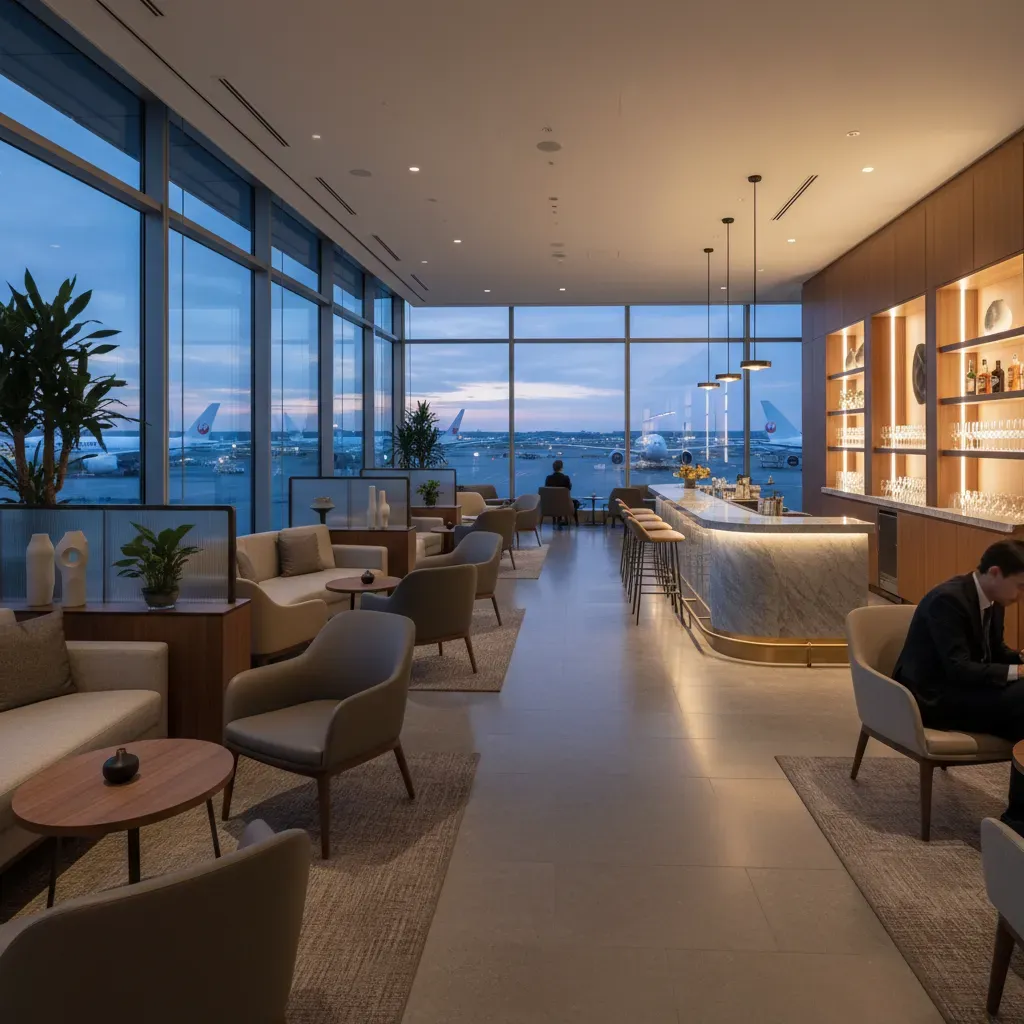
First class flight options to Japan are best suited to travelers who place a high value on privacy, rest, personalized service, and a carefully managed airport experience. That may include couples celebrating a honeymoon or anniversary in Tokyo or Kyoto, executives arriving for high-stakes meetings who need to land well-rested, or families planning a once-in-a-lifetime journey where the travel itself should feel exceptional.
This level of service also suits clients who do not want to sort through aircraft maps, fare rules, and lounge eligibility independently. If your time is valuable and your expectations are specific, working with a specialist can be just as important as selecting the airline itself.
Flight Experts Recommendation
For travelers seriously considering first class tickets to Japan, our view is that professional guidance is most valuable at the decision stage, before you commit to a fare that may not reflect the best aircraft, routing, or service fit for your trip. Flight Experts offers a dedicated First Class Flight Booking service covering US to Asia routes, with personal consultant support, exclusive first class options, lounge access coordination, and white-glove planning assistance.
If your itinerary includes Tokyo plus other destinations, the team can also support Complex Itinerary Planning for multi-city and open-jaw journeys in Business or First Class. Speak with a luxury travel specialist at Flight Experts or contact Mike to begin planning your trip. A tailored recommendation may help you compare ANA, JAL, and alternative premium carriers in a way that reflects your actual travel priorities rather than a generic booking engine.
How to Choose the Right First Class Flight to Japan
Selecting the right first class to Japan usually comes down to five practical criteria.
1. Nonstop efficiency versus one-stop luxury
If your priority is arriving in Japan with minimal fatigue and reduced connection risk, nonstop service is often the strongest choice. ANA and JAL may be especially compelling from major US gateways. If, however, you value lounge theater, onboard dining rituals, or a specific suite product more than travel time, a one-stop itinerary could still be worthwhile.
2. Aircraft type and cabin generation
This is one of the most important variables. A First Class ticket does not guarantee the airline’s newest or most private suite. Depending on the route, you may encounter a flagship product or an older seat with a less current design. This is where specialist review becomes essential, particularly for travelers booking far in advance for a milestone occasion.
3. Service style
Some travelers prefer discreet, highly polished hospitality with very little interruption. Others prefer a more expressive and visibly elaborate style. Japanese carriers often appeal to the first group. Middle Eastern or Southeast Asian carriers may suit the second, depending on the route. Neither is inherently better. The right answer depends on your personal definition of luxury.
4. Ground experience and onward logistics
For many travelers, the airport experience is part of the purchase decision. Consider lounge quality, transfer times, arrival support, and whether your Japan itinerary continues by rail, domestic air, or private transfer. If you are combining Tokyo with Kyoto, Niseko, or Southeast Asia, the long-haul flight should be chosen in the context of the entire journey, not in isolation.
5. Fare structure and professional support
Because First Class pricing may fluctuate sharply, published fare alone rarely tells the whole story. Flight Experts notes that its First Class booking service may present options with significant savings versus published fares, subject to route and availability. More importantly, the service helps you interpret what you are actually buying: schedule quality, seat type, airport privileges, and flexibility. That is often where true value is found in premium travel.
Timing Guidance: Seasonality and When to Book First Class to Japan
Japan demand is not uniform throughout the year, and premium cabins can tighten quickly when leisure seasonality aligns with limited First Class inventory on specific routes. For First Class travelers, timing is less about chasing a particular month and more about ensuring you have the widest possible choice of aircraft, departure times, and airport pairings for the experience you want.
High-demand periods that can constrain First Class availability
Cherry blossom season and autumn foliage are two of the most consistently popular windows for Japan, and premium cabins may see heavier demand across a wide range of US gateways. Holiday travel periods can create similar pressure, as can major event windows that draw international travelers into Tokyo. In most cases, the earlier you begin the planning process for these dates, the more control you retain over the most desirable nonstop flights and the most current aircraft products.
Subject to availability, early planning also allows a more thoughtful approach to travel pacing. That can include selecting an arrival time that protects the first day, building in a recovery night, or choosing a connection point that improves lounge quality rather than simply adding another transfer.
Calmer periods and what “best month” really means for premium travel
Some travelers ask for the “best month” to fly First Class to Japan. For premium planning, the better question is which periods may be calmer for availability and routing choice. Shoulder seasons can sometimes offer a more flexible planning environment than peak spring and peak autumn, but patterns vary by route, airline, and year. Weather considerations and destination mix matter as well. A Tokyo-only trip has different seasonality dynamics than a split itinerary that includes Hokkaido, Kyoto, or Okinawa.
For discerning travelers, the ideal time often reflects your preferred Japan experience, not a generalized calendar rule. If your goal is a quiet, museum-focused Tokyo stay with exceptional dining, your timing considerations may look different than a trip built around foliage viewing, skiing, or regional festivals.
How flexibility expands First Class options without compromising quality
When First Class inventory is constrained, flexibility can create opportunities without lowering the quality of the trip. Flexibility can take several forms: a different departure gateway, a different day of week, arriving into one Tokyo airport and departing from the other, or considering a one-stop routing with a genuinely strong premium ground experience and a well-paced connection. In many cases, these adjustments preserve the overall elegance of the journey while widening the set of viable First Class products.
Verifying that the revised routing still matches your objectives is essential. A connection that looks reasonable on paper may feel exhausting in practice if it compresses lounge time, requires long airport walks, or pushes arrival into Japan to an awkward hour. This is where specialist guidance tends to be most valuable: balancing availability and seasonality with an itinerary that still feels calm, private, and coherent end to end.
Frequently Asked Questions
What is the typical price range for first class tickets to Japan?
Flight Experts lists current First Class Flight Booking pricing context at $5,000 to $20,000+, depending on route, airline, season, and cabin availability. In most cases, first class Japan price varies substantially by departure city, travel period, and whether you choose a nonstop or connecting itinerary. Personalized quoting is usually the most reliable approach.
Which airline is usually best for a first class flight to Japan?
For many travelers, ANA and JAL are the most natural first choices because they combine strong Japan route relevance with highly polished service. The better fit depends on aircraft, departure city, dining preference, and how you value privacy versus atmosphere. In some cases, a connecting carrier may still be preferable for the overall itinerary.
Is ANA First Class to Japan better than JAL First Class?
ANA First Class often appeals to travelers seeking quiet sophistication and modern suite privacy, while JAL First Class may be especially attractive for its service rhythm and onboard hospitality. The better option depends on route and aircraft. Comparing the specific departure you are considering matters more than relying on broad brand reputation alone.
Are nonstop first class flights to Tokyo always the best option?
Not always. Nonstop service is usually best for convenience, time efficiency, and lower connection complexity. Yet some travelers may prefer a one-stop itinerary if it offers a stronger suite, superior lounge experience, or better alignment with a broader Asia itinerary. The right choice depends on your priorities and tolerance for added transit time.
Can Flight Experts help with more than just the flight itself?
Yes. Flight Experts’ First Class Flight Booking service includes personal consultant support, lounge access coordination, chauffeur service arrangements, and luxury amenity guidance. For travelers combining Japan with other destinations, the company also offers Complex Itinerary Planning for multi-city and open-jaw travel, subject to the specifics of your journey.
How quickly can First Class options to Japan be presented?
According to current service information, Flight Experts usually presents options within 30 minutes after a request is submitted, though timing may vary by itinerary complexity and travel date. That can be especially helpful when you are comparing multiple premium carriers and want an expert view without conducting separate searches yourself.
Is First Class worth it for Japan if I usually fly Business Class?
It may be, particularly for overnight long-haul travel, milestone occasions, or clients who place a very high value on privacy and airport service. The gap between Business Class and First Class varies by airline. On some routes the difference is substantial, while on others the improvement may feel more incremental than transformative.
How far in advance should I plan a first class trip to Japan?
For peak periods such as cherry blossom season, autumn foliage, holiday travel, and major event windows, early planning is advisable because premium cabin availability may tighten quickly. If your dates are flexible, expert support may help identify better routing or aircraft options. Travelers with fixed dates should generally begin earlier rather than later.
What if my trip includes Tokyo and another destination in Asia?
That is often where specialist planning becomes especially useful. An open-jaw or multi-city structure may be better than a simple round-trip, depending on your route and schedule. Flight Experts offers Complex Itinerary Planning for these scenarios, which may help coordinate First Class long-haul sectors with onward premium travel more effectively.
How much is 1st class to Japan?
First Class pricing to Japan varies substantially by departure city, airline, seasonality, aircraft type, and the overall routing structure. Flight Experts lists planning context at $5,000 to $20,000+ for First Class Flight Booking, with final figures subject to availability and the specific itinerary you choose. For most travelers, a tailored quote is the most reliable way to understand real-world options.
Is a first class flight to Japan worth it?
It may be worth it if First Class changes your outcomes in a way that matters to you, such as improved sleep, greater privacy, a calmer service cadence, or a more elevated ground experience. In other cases, the difference compared with a strong Business Class product may be more incremental, especially if aircraft and cabin generations vary on the route you are considering. Evaluating the specific flight, aircraft, and schedule usually provides a clearer answer than the label alone.
What is the cheapest month to fly to Japan?
Flight Experts does not recommend planning premium travel around a single “cheapest month,” because published pricing and cabin availability can shift quickly and may involve trade-offs in routing and schedule quality. Shoulder periods outside the most concentrated cherry blossom and autumn foliage windows can sometimes offer more flexibility, but patterns vary by year and by route. If you share your dates and preferences, a specialist can typically advise which periods and routings may provide the strongest combination of experience and availability.
Is $5,000 enough for a trip to Japan?
It depends on how you define the trip, what level of accommodation and dining you prefer, the cities included, and the length of stay. From a flight perspective, Flight Experts lists First Class pricing context beginning at $5,000, but that figure is not a planning guarantee and may not align with peak season or the most sought-after nonstop routes. A realistic assessment usually starts with clarifying whether the priority is First Class flights, luxury hotels, private touring, or a balanced combination, then building an itinerary accordingly.
Key Takeaways
- First class tickets to Japan typically require route-by-route evaluation because aircraft, service, and availability may vary considerably.
- ANA and JAL are often the strongest nonstop options, but connecting carriers may suit some travelers better depending on schedule and experience priorities.
- Flight Experts lists First Class pricing context at $5,000 to $20,000+, with final cost subject to route, season, and availability.
- Specialist support is especially valuable for milestone trips, multi-city Japan itineraries, and travelers who want a refined airport-to-arrival experience.
- The best first class flight to Japan is the one that matches your timing, aircraft preference, service style, and broader travel plans.
Conclusion
Japan is one of the world’s most rewarding destinations for premium travel, but choosing the right First Class ticket requires more nuance than a fare comparison alone can provide. Airline brand, route, aircraft, service style, and onward logistics all influence whether the experience feels merely expensive or genuinely exceptional. Flight Experts approaches that decision with the perspective of a luxury travel specialist, helping you compare First Class options with greater clarity and precision. If you are planning a first class trip to Tokyo or a broader Japan itinerary, contact Mike or speak with the Flight Experts team for a personalized consultation. Their First Class Flight Booking and Complex Itinerary Planning services may help you secure a more refined, better-matched journey from the very beginning.



