
First Class Flight to Japan (2026 Review)
Overview
For most travelers searching how much is a first class flight to Japan, the answer depends on far more than a city pair. Cabin product, fare class, seasonality, and whether nonstop or connecting service is preferred all shape the final outcome. Flight Experts offers a dedicated First Class Flight Booking service for routes including the U.S. to Asia, with access to major premium carriers such as ANA, JAL, Emirates, Singapore Airlines, Lufthansa, Etihad, Qatar, Swiss, and Air France La Première where relevant routing permits. The service is built around white-glove support rather than self-service search.
According to current product data, first class bookings through Flight Experts typically fall within a broad range of $5,000 to $20,000+, with final pricing varying by route and airline. Clients receive personal service, access to first class booking support, lounge access coordination, chauffeur service arrangements where applicable, and guidance on the finer details of the cabin experience. Options are usually presented after a request form is submitted and an expert is assigned, often within around 30 minutes.
This matters on Japan routes because first class availability is limited, product consistency is not universal, and the best journey may not simply be the most direct one. Travelers evaluating premium options may also find the broader First Class Flights to Asia category useful for comparing route patterns and cabin positioning.
The Experience
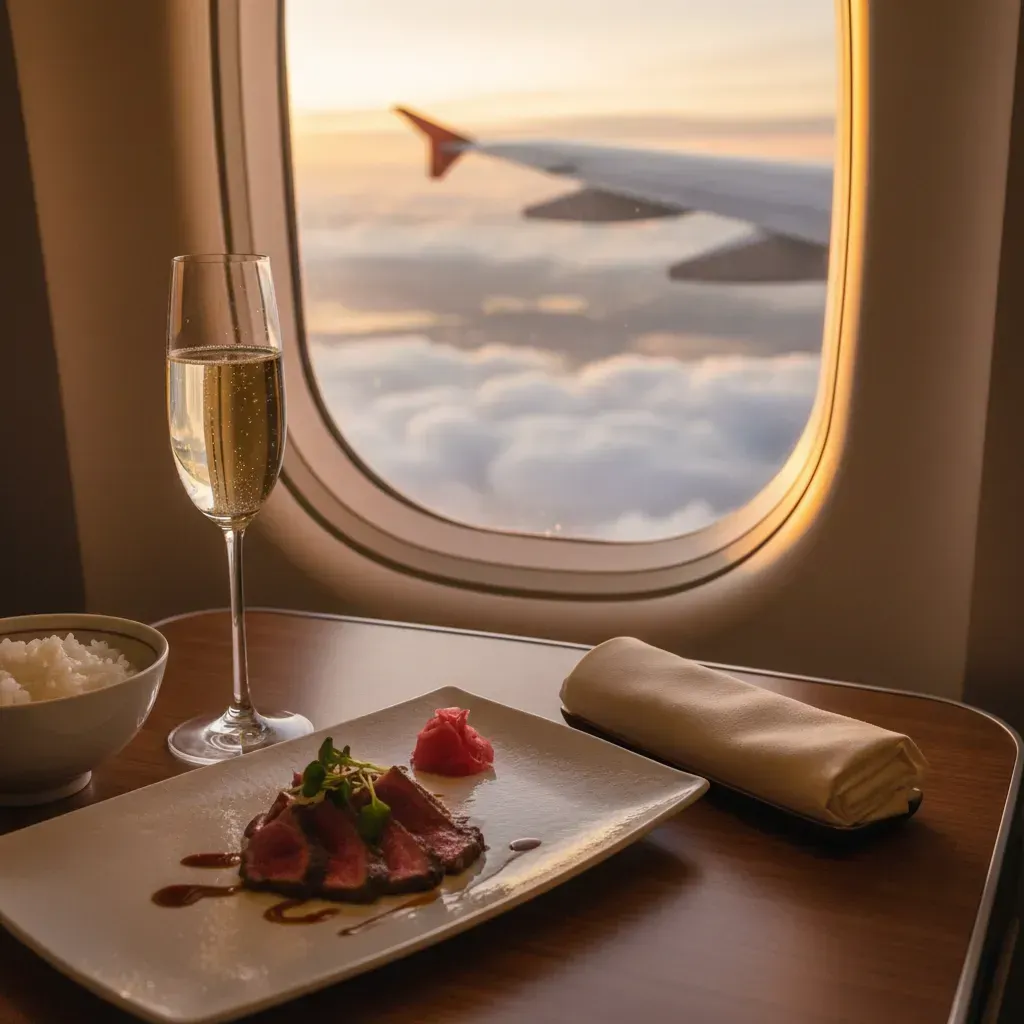
The strongest first class flights to Tokyo usually combine four elements: a genuinely spacious suite or open suite environment, polished inflight dining, calm and attentive service, and credible ground handling before departure. ANA first class is often favored by travelers who appreciate understated Japanese hospitality, restrained cabin design, and a quiet, highly competent service style. JAL first class appeals to travelers who want a similarly refined onboard atmosphere with excellent cuisine, thoughtful bedding, and a cabin rhythm that tends to feel elegant rather than theatrical.
On a first class Tokyo flight, the difference from business class becomes most apparent in privacy, service pacing, and ground treatment. A true first class product may include more generous personal space, premium champagne and sake programs, dine-on-demand flexibility or highly individualized meal service, superior amenity kits, premium pajamas, and a more attentive crew-to-passenger ratio. Airport lounge access may also be materially better than business class, particularly on flagship long-haul departures.
That said, not every route to Japan offers the same caliber of first class. Some travelers begin with the phrase first class flights to Tokyo, but the better question is which airline is operating which aircraft on which day. Aircraft swaps happen. Seasonal schedules shift. Certain carriers may offer stronger bedding and sleep quality, while others stand out for culinary execution or transfer support. Travelers interested in onboard comfort details can review the broader Premium Cabin Experience & Amenities category for context around suites, lounge standards, and premium ground services.
Flight Experts is well positioned here because the agency’s first class service is not limited to issuing a ticket. It includes lounge access coordination, chauffeur arrangements where available, and guidance that helps align the right carrier with the traveler’s priorities, whether that means privacy, Japanese service culture, prestigious flagship cabins, or smoother onward connections beyond Tokyo.
Aircraft and Route Reality Check for First Class to Japan
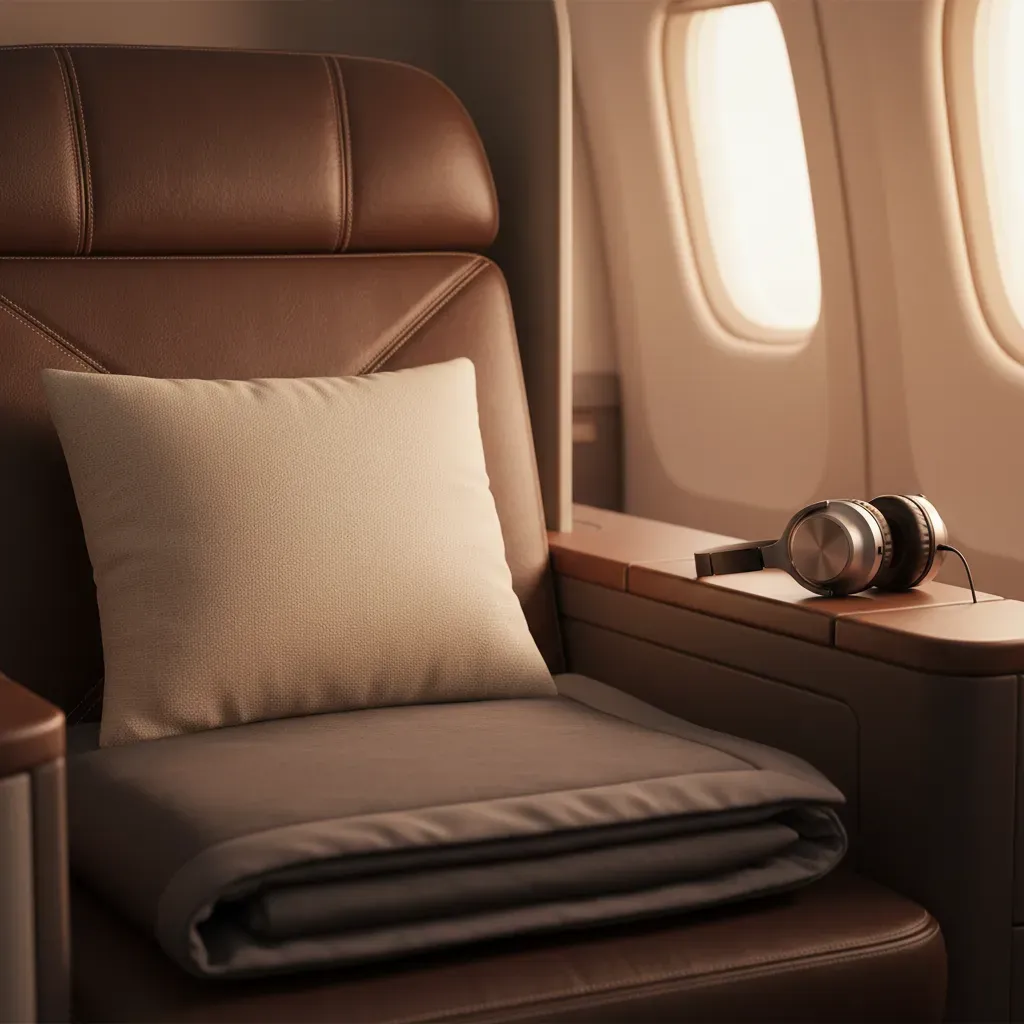
Here is the thing, first class to Japan is often aircraft-specific, not only airline-specific. Two flights marketed under the same airline brand may deliver a very different cabin depending on which aircraft is scheduled and which version of that aircraft is operating the route. Even within a single fleet type, there may be multiple configurations, and the seat or suite you saw in photos may not be the one assigned on the day of travel.
From a practical standpoint, schedule changes and equipment swaps are part of long-haul operations. They can occur for maintenance planning, network changes, or operational recovery, sometimes close to departure. In most cases the carrier still honors a first class cabin, but the layout, privacy, and overall feel may change meaningfully. For a traveler choosing first class specifically for a particular suite style, cabin density, or bed comfort, that difference can matter.
Consider this when evaluating a first class product before booking. Look beyond the cabin name and confirm the operating aircraft and configuration that is expected for the flight, understanding that it could change. The details that typically influence the experience most include the number of first class seats in the cabin, the suite layout and door privacy if applicable, storage and surface space for personal items, and realistic expectations for bed length and width. Some first class cabins feel like a private room with minimal foot traffic, while others are more open and social, even at the same fare level.
Now, when it comes to routing to Japan, nonstop is often the simplest answer for travelers who value continuity, minimal airport transitions, and fewer variables. A nonstop can also be particularly appealing when timing is tight, or when the objective is to step off the aircraft and go directly into Tokyo with as little friction as possible. A one-stop itinerary, however, can sometimes deliver a meaningfully stronger hard product or a more impressive ground experience on a particular segment, subject to route design and availability. The right choice depends on what you value more, simplicity or a specific cabin and ground sequence that may be best achieved with a connection.
What many travelers overlook is that a connection can also change the sleep plan. A well-timed overnight leg in the strongest first class cabin may protect rest better than a less favorable nonstop schedule, even if total travel time is longer. This is where specialist oversight is useful, because the optimal option is rarely visible from a quick route search. It is a judgment call based on aircraft assignment, connection quality, and the operational reliability of the specific itinerary being considered.
Investment and Value
If you are asking about first class flight to Japan cost or how much are first class tickets to Japan, a realistic answer is that pricing is highly variable and should be assessed as part of the full travel objective, not as an isolated number. Current Flight Experts product data places first class bookings broadly from $5,000 to $20,000+, though this may vary significantly based on departure city, season, advance purchase window, airline, and whether the itinerary is nonstop or includes premium connections.
Value in this segment is not defined only by the fare. It is also shaped by schedule quality, sleep protection on overnight sectors, airport handling, and the confidence that the cabin being booked is the cabin the traveler actually wants. Some travelers search for the cheapest first class flights to Japan or similar phrasing, but in premium travel that can be misleading. A lower published fare may correspond to less favorable routing, weaker ground service, an older seat, or limited flexibility.
Flight Experts states that its first class service may provide significant savings versus published fares, subject to route and inventory, but the more important benefit for many clients is the combination of expert screening and personal management. For travelers spending at this level, avoiding a poor aircraft assignment or ill-suited connection can be as valuable as the ticket itself.
What Is Typically Included in First Class Ground Service
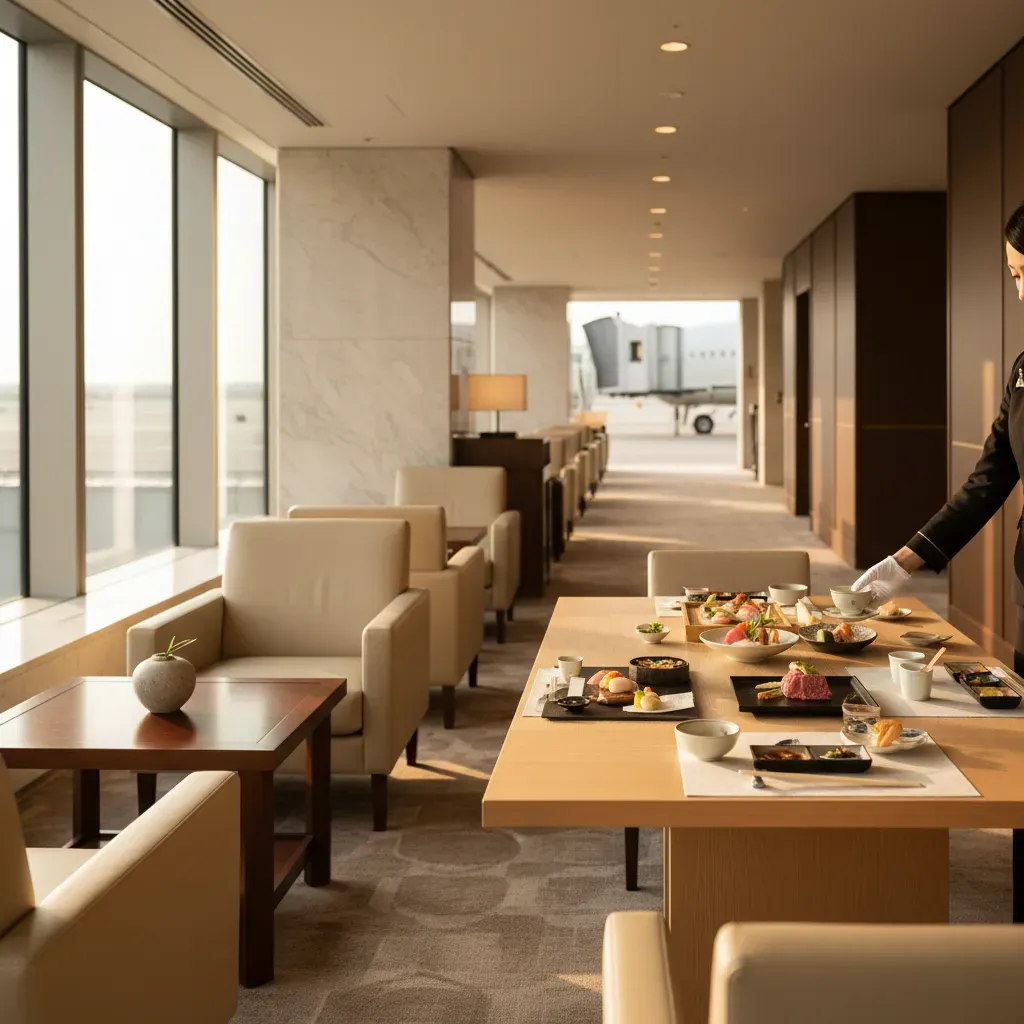
For discerning travelers, the ground experience often shapes the tone of the entire journey. In first class, the priorities are usually privacy at the airport, a controlled pace from curb to gate, and a lounge environment that feels genuinely restorative rather than simply comfortable. The reality is that ground service varies considerably by airline, airport, and fare conditions, so it should be evaluated with the same care as the inflight suite.
What sets this apart is the sequence, not just a single benefit. First class may include a more discreet check-in process, priority security pathways where available, and access to a flagship lounge or first class lounge that is materially better than the standard premium option. Boarding can also be more orderly, sometimes with separate boarding flows or early access that avoids crowding. In some airports, these elements are dramatic, while in others the difference may be modest, particularly where terminal infrastructure limits what any airline can offer.
Chauffeur and transfer service is a frequent expectation, but it is not universal and it is rarely identical across carriers. When it is offered, it may be limited by city eligibility, distance caps, operating carrier requirements, or specific fare types. In some cases it must be arranged in advance and confirmed within a defined window. Think of it this way, the correct assumption is that chauffeur service is possible, not promised, until the terms are confirmed for the specific itinerary and ticket conditions.
Departure geography can also change the ground equation. When departing the United States, lounge access and ground handling are often tied to the operating carrier’s own facilities or partner lounge arrangements, and the experience may differ meaningfully by airport. On an international connection en route to Japan, the carrier may have access to a flagship lounge or a higher-tier first class facility that can elevate the overall journey, especially if the connection is designed with adequate time and a comfortable terminal environment. This is a nuanced decision, and it is best made with current, route-specific information because lounge access rules and facilities can change.
Flight Experts supports clients with lounge access coordination and chauffeur service arrangements where applicable, with the aim of ensuring that the ground experience matches the expectations set by the first class cabin itself. For many travelers, this is where professional planning feels most valuable, because ground benefits can be complex and dependent on details that are easy to miss without expert review.
Strengths and Considerations
Strengths
- Strong access to major first class airlines relevant to Asia-bound travel, including several of the world’s most respected premium carriers.
- White-glove booking support that goes beyond fare search, including lounge access coordination and chauffeur arrangement guidance where applicable.
- Usually fast response times, with options often presented within around 30 minutes after inquiry submission.
- Personal consultant support is particularly valuable for aircraft-specific first class products, route comparisons, and nuanced traveler preferences.
- Trustpilot rating of 5.0 based on 79 reviews, which supports the agency’s reputation for attentive service.
Considerations
- Not every Japan route offers first class every day, and premium inventory may be limited or change without much notice.
- The highest-profile first class cabins often command substantial fares, especially during peak Japan travel periods and major holiday windows.
- Travelers focused only on nonstop convenience may bypass better overall experiences that require a connection, so flexibility can matter.
- Ground perks such as chauffeur service vary by carrier, airport, and ticket conditions, so they should be confirmed case by case.
A Practical Benchmark: First Class vs Business Class to Japan
Many experienced travelers already fly business class internationally and wonder whether first class to Japan will feel meaningfully different, or simply more expensive. The most useful way to think about it is not status or labels. It is the level of control you want over your personal space, your sleep, and the pace of service across a long-haul sector.
In most cases, the largest differences are privacy and cabin calm. First class typically has fewer seats, which reduces foot traffic and noise and allows the crew to deliver a more individualized rhythm. Dining in first class may feel less like a service cycle and more like a personal restaurant experience, with greater flexibility and a higher likelihood of uninterrupted rest when you prefer to sleep. Business class can be excellent, particularly on routes with modern suites and strong bedding, and for some travelers it is already enough to arrive comfortable and functional.
First class tends to justify itself most clearly on overnight sectors where sleep protection is the goal, for milestone travel where the journey is part of the celebration, and for travelers who are sensitive to noise, movement, or the feeling of a busier cabin. It can also matter for clients who value ground handling and lounge standards as much as the seat itself, since the premium on-the-ground sequence may be as important as what happens once the door closes.
What sets this apart is that the decision should be made around the specific aircraft being operated and the specific flight timing, not assumptions about the brand. A leading business class suite on the right aircraft at the right time can outperform an older first class seat on a less favorable schedule. Conversely, a truly top-tier first class cabin can deliver a level of privacy and composure that business class, even very good business class, may not replicate. A specialist can help you benchmark the options based on the hard product, the service pattern, and the operational details that influence how the trip actually feels.
Who This Experience Is For
This experience suits travelers who see premium air travel as part of the journey itself, not merely transportation. That includes couples planning a honeymoon or anniversary in Japan, executives who need to arrive rested for a demanding schedule, and seasoned luxury travelers who prefer tailored advice over sorting through incomplete online listings. It is especially appropriate for clients who value discretion, a single point of contact, and careful matching between airline product and personal preference. Travelers who already know they want first class, but want confidence that they are choosing the right Japan routing, are often the best fit.
How to Begin Planning With a Specialist
The process is straightforward and personal. A traveler begins by submitting a request through Flight Experts, after which an expert is assigned at no charge. For first class travel to Japan, it helps to share preferred departure city, destination in Japan, date flexibility, airline preferences if any, and whether priorities center on nonstop service, Japanese carriers, lounge quality, or the strongest sleep-focused cabin.
Flight Experts then presents tailored options, usually within around 30 minutes according to current product information. From there, the consultation becomes more selective. This is where a specialist can explain why one first class flight to Tokyo may be preferable to another, even if both appear similar at first glance. Mike Chirilenco leads the agency’s concierge-style approach, which is centered on professional guidance and long-term client relationships rather than automated booking flow. For travelers who want a single trusted advisor to manage a meaningful premium journey, this is the appropriate next step. Visit flight-experts.com to learn more, or contact Mike to begin planning your next luxury journey.
Frequently Asked Questions
How much is a first class flight to Japan typically?
Current Flight Experts product data shows a broad first class booking range of $5,000 to $20,000+, but actual pricing varies by airline, route, season, and booking window. Travelers should treat any broad estimate as directional only. The most accurate approach is to request tailored options based on specific dates, departure city, and cabin preferences.
Which is better for a first class flight to Tokyo, ANA or JAL?
Both are excellent, but they appeal to slightly different preferences. ANA is often praised for calm, polished service and a refined cabin atmosphere. JAL is equally respected for hospitality, dining, and overall elegance. The better choice depends on aircraft, schedule, fare conditions, and what matters most to the traveler, including sleep quality and airport experience.
Are first class tickets to Japan worth the investment?
For travelers who value privacy, superior sleep, individualized service, and premium ground handling, they often are. The difference becomes especially meaningful on long-haul overnight sectors. The value is strongest for milestone trips, business-critical arrivals, and travelers who regard the flight as an integral part of the overall journey rather than an inconvenience to endure.
Can Flight Experts help with lounge access and ground services?
Yes. Current product details for Flight Experts’ first class booking service include lounge access coordination and chauffeur service arrangements where applicable. These features vary by airline and ticket conditions, so they should be confirmed for the specific itinerary being considered. That advisory support is one of the practical advantages of working with a specialist.
How quickly does Flight Experts respond to first class inquiries?
According to current service data, options are usually presented within around 30 minutes after a request form is submitted and an expert is assigned. This timeframe may vary depending on itinerary complexity, but the agency’s process is designed to be responsive while still allowing for thoughtful review of premium airline options.
What if I want to visit more than one city in Japan or continue elsewhere in Asia?
That can usually be accommodated, and it often improves the overall trip design. Flight Experts also offers complex itinerary planning for multi-city, open-jaw, and alliance-based routing. For travelers combining Tokyo with Kyoto access, Osaka, Sapporo, or onward Asia travel, professional planning can be especially useful in preserving comfort and connection logic.
How much is a first class flight to Japan?
Flight Experts product data indicates that first class bookings are commonly within a broad range of $5,000 to $20,000+, but the final figure depends on the specific route, travel dates, airline, and fare conditions. Subject to availability, the same airline may price very differently depending on aircraft assignment, nonstop versus connecting service, and the advance purchase window. For an accurate quote, tailored routing and cabin options should be reviewed for your exact dates and departure city.
Is a first class flight to Japan worth it?
It can be, if your goal is maximum privacy, a quieter cabin with fewer passengers, and the strongest possible sleep and service pacing on a long-haul sector. In most cases, the most meaningful justification is experiential rather than numerical. The value tends to be highest on overnight flights, milestone travel, and itineraries where the ground experience and lounge environment are part of what you want from the journey. The best evaluation is to compare the specific first class cabin against the business class product on the exact aircraft expected to operate your route, recognizing that aircraft may change.
Is $5,000 enough for a week in Japan?
It may be, but it depends entirely on how you want the week to feel. Japan can support many styles of travel, and the range of hotel categories, dining choices, and private guiding options is wide. Travelers who prefer luxury hotels, private transfers, and highly curated experiences may find that $5,000 could be limiting, while others focusing on select splurges with an otherwise restrained pace may find it workable. A realistic answer requires an itinerary outline, preferred cities, and expectations for accommodations and experiences.
What drinks are free in first class?
In first class, beverages are typically included as part of the onboard service, often with a more premium selection than business class. This may include champagne, wine, spirits, Japanese sake on Japan routes, and nonalcoholic options, subject to the carrier’s catering and the specific flight. Selection can vary by airline, route, and even departure station, so travelers who care about a particular label or style should confirm expectations for the specific itinerary.
Key Takeaways
- A first class flight to Japan should be evaluated by airline, aircraft, route, and ground service, not by headline fare alone.
- ANA and JAL are leading choices, but the best option depends on the traveler’s specific priorities and schedule.
- Flight Experts provides first class booking support with personal consultation, lounge coordination, and guidance on premium travel details.
- Current first class pricing through Flight Experts typically ranges from $5,000 to $20,000+, subject to route, airline, and availability.
- Working with a specialist can reduce uncertainty and improve the likelihood of securing the right premium experience.
Conclusion
Japan is a destination where many travelers want the journey to feel as considered as the arrival, and first class can deliver that when the airline and routing are chosen well. ANA and JAL remain the natural benchmarks, but they should be assessed within the broader context of schedule, aircraft, ground service, and traveler priorities. That is where professional guidance becomes genuinely useful. Flight Experts approaches first class travel as a managed luxury service, not a simple ticket transaction, with personalized support designed for clients who value time, discretion, and precision. If you are considering first class flights to Tokyo or elsewhere in Japan, speak with a luxury travel specialist at Flight Experts to review the most suitable options and begin shaping a journey that reflects your standards from departure onward.



