
Premium Economy Flights: What You Get & How to Book
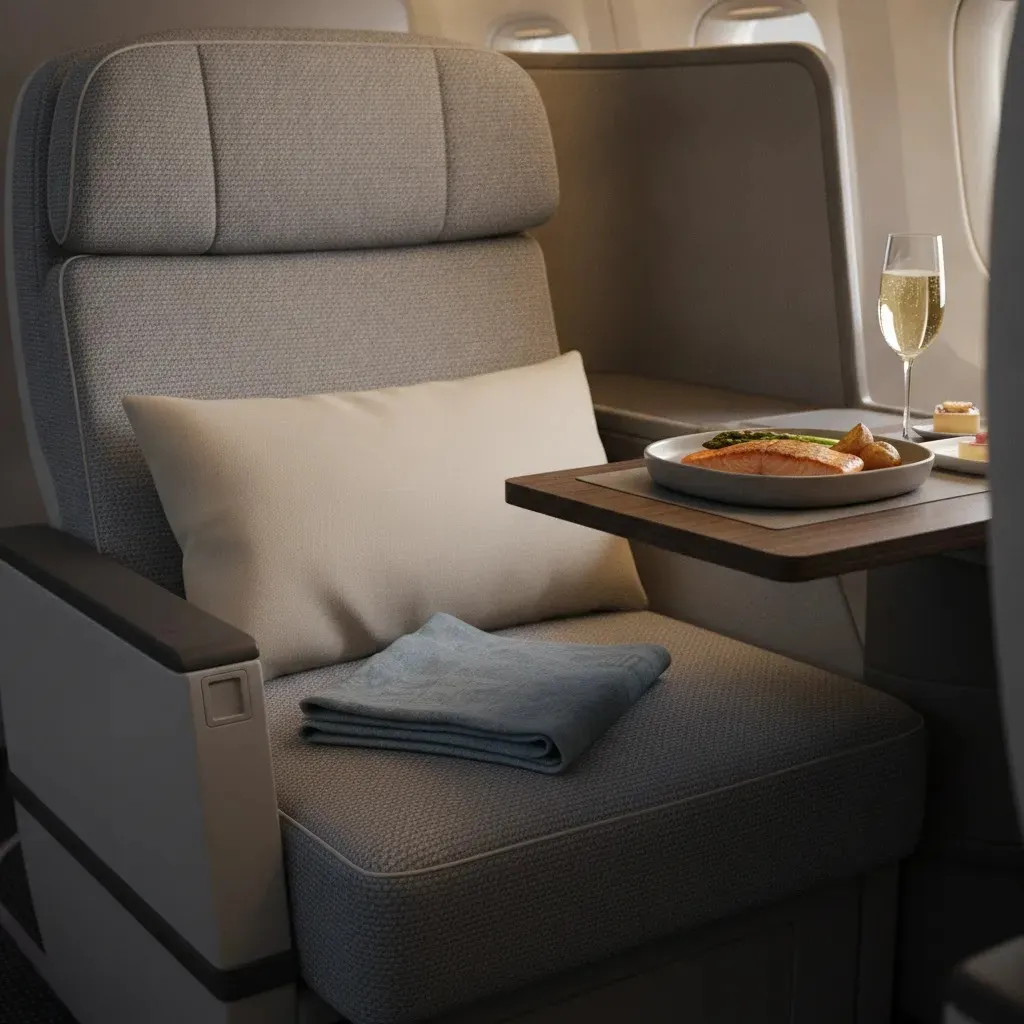
The truth sits in the middle. Airlines design premium economy flights for travelers who want more comfort, a quieter cabin, and a more considered onboard experience than the main cabin offers. However, they do not price it as a full premium-cabin fare. This article explains what premium economy is, which airlines offer it, what you usually receive, and when it is worth booking. For readers comparing cabins more broadly, best premium economy options across carriers provide useful context.
What Premium Economy Actually Is
Premium economy class gives travelers a distinct long-haul cabin between standard economy and business class. On well-configured widebody aircraft, it usually brings a wider seat, deeper recline, more generous pitch, upgraded meal presentation, and a smaller cabin with a calmer service rhythm. It is more than a preferred seat in the main cabin. However, it does not try to match lie-flat comfort.
The category has expanded because many long-haul travelers want a better in-flight environment without paying for a fully premium cabin. That matters on transatlantic and transpacific sectors. On those routes, seat width, personal space, and the ability to rest with fewer interruptions often shape how you feel on arrival.
Flight Experts treats premium economy as a product that requires careful matching, not a label to book blindly. The agency’s premium economy flight booking service covers major long-haul carriers on routes from the U.S. to Europe, the U.S. to Asia, and other international itineraries. Clients receive personal consultant support, guidance on what each fare actually includes, and help identifying whether a given premium economy product is genuinely worthwhile or whether another cabin would better suit the journey.
What You Usually Get on Premium Economy Flights
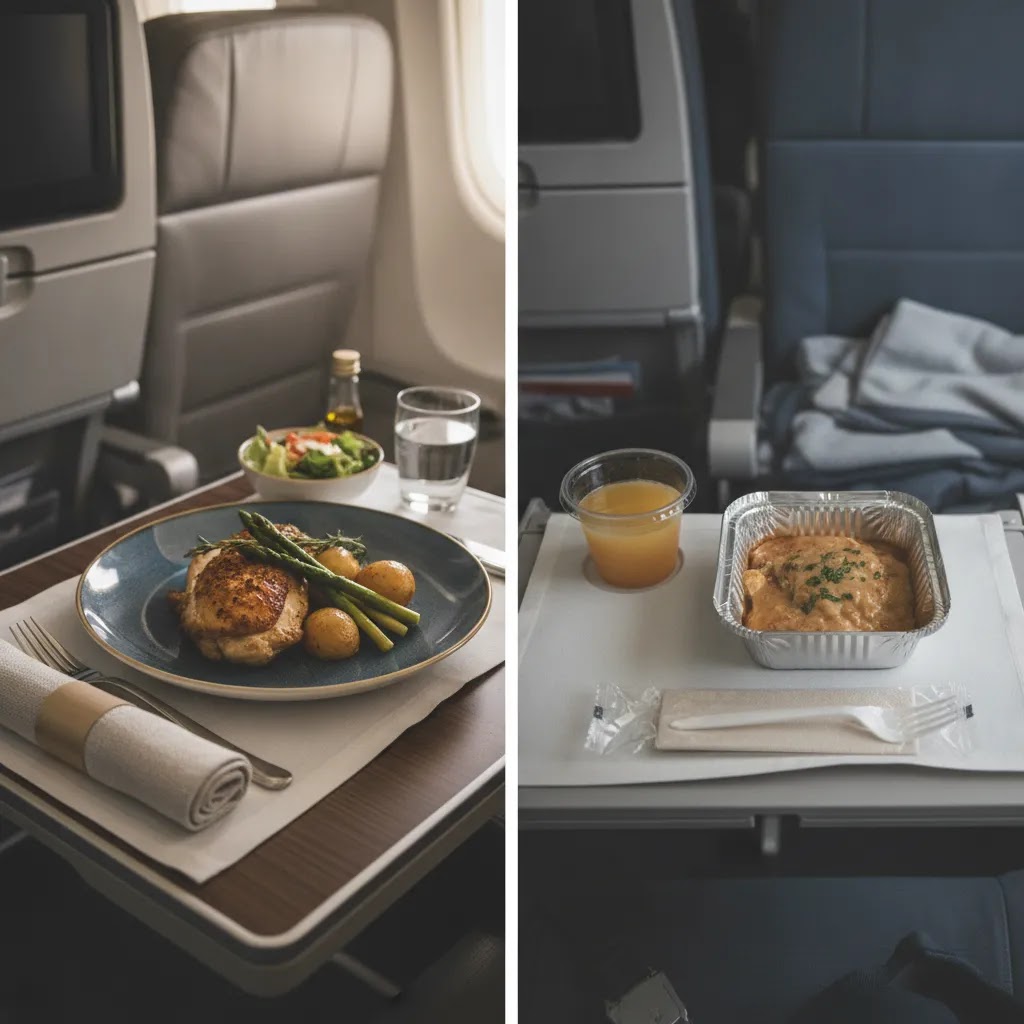
The most consistent advantage is physical comfort. A proper premium economy seat generally offers more width and pitch than economy, along with a sturdier recline and a leg rest or footrest on many long-haul aircraft. That extra personal space changes the flight more than many fare descriptions suggest, especially on overnight routes.
Cabin density is another major part of the experience. Premium economy cabins are typically smaller than economy sections, which often creates a quieter atmosphere, faster service flow, and less foot traffic. Travelers who value a more composed environment tend to notice this immediately.
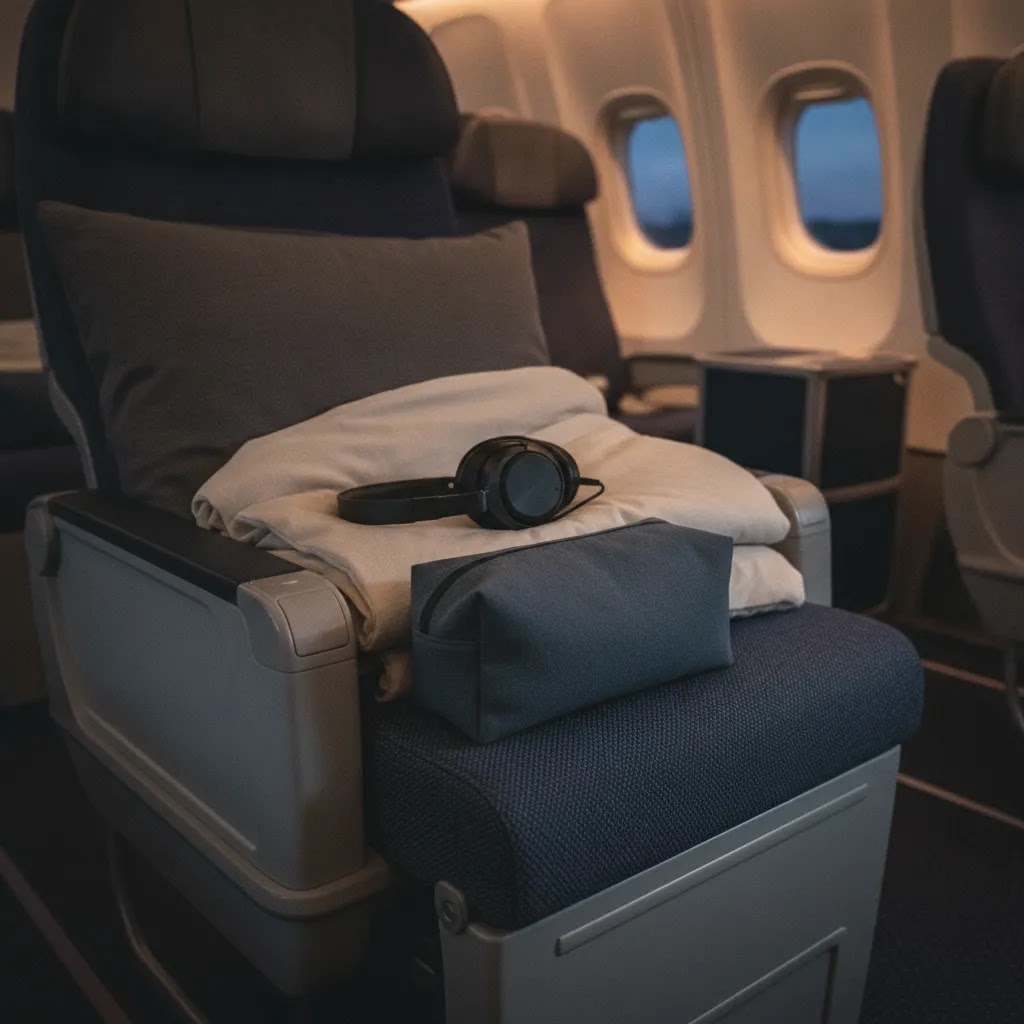
Soft product improvements vary by airline. Still, enhanced meals, welcome drinks on some carriers, upgraded amenity kits, better pillows and blankets, and priority boarding are common. Baggage allowances may also be more generous than economy. However, this is not universal and travelers should always verify it by fare family and route.
Airport treatment is where expectations need to remain measured. Some airlines include priority check-in, dedicated counters, or priority boarding. Lounge access is far less consistent and should never be assumed in premium economy class. Travelers deciding between cabins often benefit from reviewing broader comparisons such as premium economy vs business class, particularly on overnight flights where sleep quality becomes the central question.
Can You Sleep in Premium Economy?
Many travelers can sleep in premium economy. However, the quality of that sleep usually decides whether the upgrade feels worthwhile. Premium economy improves rest by giving you more space, deeper recline, and fewer disruptions than the main cabin. As a result, many travelers notice fewer wake-ups, less shoulder contact, and a calmer service flow.
The reality is simple. Premium economy does not solve the core limit of sleeping upright. You still use a recliner-style seat rather than a lie-flat surface, and privacy remains limited. If your goal is truly restorative overnight sleep, business class usually suits that outcome better.
Seat design and support in premium economy flights
Seat design makes a noticeable difference. Some premium economy seats use a fixed-shell structure, so the seat slides forward as it reclines. That can preserve personal space for the passenger behind you. Others use a more traditional recline, which may feel familiar but can change the sense of space in the row.
The presence of a leg rest or footrest can also matter. Still, it does not always feel as supportive as travelers expect. On some aircraft, the footrest gives a modest lift that reduces pressure on the legs. On others, it feels more like an accessory than a true rest aid.
Cabin location, bulkheads, and timing
Bulkhead seats are another variable. They may offer more open space in front, but the armrests are often fixed. The screen and tray may also sit in the armrest, which can slightly reduce usable seat width. Bulkhead rows also sit near bassinets on some routes, and that can affect noise and activity levels.
Cabin location matters as well. A seat near galleys and lavatories can bring light, conversation, and foot traffic that undermines sleep, even in a smaller cabin. Timing matters, too. On overnight flights, premium economy can feel like a meaningful improvement if you sleep reasonably well with extra space and fewer disruptions. On daytime flights, the cabin may matter less for sleep and more for comfort, posture, and arriving less fatigued.
Flight Experts typically evaluates these details by route and aircraft. Therefore, a premium economy seat that supports rest well on one configuration may feel far less compelling on another.
Which Airlines Offer Premium Economy
Many major long-haul carriers now offer premium economy, though product quality varies widely. In broad terms, the cabin is most established on international airlines operating widebody aircraft across the Atlantic, Pacific, and other intercontinental markets. The strongest products usually come from airlines that have invested in a dedicated seat shell, meaningful recline, and a service model that clearly separates the cabin from economy.
Flight Experts’ premium economy booking service covers most major long-haul airlines that offer this cabin. That matters because premium economy is not standardized across the industry. One carrier may provide a genuinely restful seat with strong catering and polished airport handling. Another may offer a respectable seat but only modest service differentiation.
Aircraft type also matters. A premium economy seat on one airline’s A350 may feel materially different from the same airline’s 787 or older 777 configuration. Cabin layout, lavatory proximity, bulkhead placement, and the presence or absence of leg rests can all shape the experience. That is one reason experienced guidance still matters, even for a cabin that appears straightforward on paper.
Which Airlines Have the Best Premium Economy, and Why It Varies
For discerning travelers, “best premium economy” is less a single winner and more a framework. Premium economy can be excellent on the right aircraft and route. On another flight sold under the same cabin name, it may feel only acceptable. Rather than relying on an airline’s reputation alone, it is usually smarter to assess four elements: seat architecture, cabin layout, soft product consistency, and the ground experience tied to the fare family.
How to judge the best premium economy flights
Seat architecture is the foundation. A strong premium economy seat is not only wider. It also supports longer periods of sitting and resting. Even a small difference in seat width, armrest design, and recline support can shape whether you can work, dine, and shift position comfortably.
Cabin layout is the next filter. A smaller cabin can be a real asset, but only when row spacing, lavatory placement, and galley proximity support a calmer environment. The same airline may place premium economy in a quiet mid-cabin area on one aircraft type and in a higher-traffic zone on another. That is why aircraft type and configuration checks matter before booking.
Service consistency and ground experience
Soft product consistency is where variation becomes obvious. Some airlines deliver premium economy with clearly differentiated meals, better bedding, and a more polished cadence. Others provide a decent seat but little enhancement beyond economy catering and service flow. Even within one carrier, these details can change by route, catering station, and aircraft.
Ground experience is the final piece, and travelers often misunderstand it. Premium economy may include priority check-in or boarding, but lounge access and broader premium handling are far from universal. They may also depend on the fare family selected. In practice, the best premium economy is the one that matches your route and timing, offers a strong seat, and includes the ground elements you value most. Flight Experts approaches this as a route-specific decision rather than a brand-name shortcut, because small operational details can decide whether the experience feels genuinely elevated.
When the Upgrade Is Worth the Investment
Flight Experts lists premium economy flight booking at a typical range of $800 to $3,000, depending on route, season, airline, and availability. That range is useful as orientation only. Final pricing may vary significantly, especially on peak international departures, school holiday periods, and routes with limited premium economy inventory.
The more useful question is not simply what premium economy costs, but what it changes. On a short daytime flight, the difference may feel pleasant rather than transformative. On a long overnight journey, the value becomes stronger if the seat offers enough width and recline to support better rest, if boarding is more orderly, and if the cabin environment is materially quieter.
Premium economy often makes sense for travelers who do not require lie-flat sleep but do care deeply about arriving less fatigued. It can also be a rational choice for couples, executives, and families who want a more refined long-haul experience without stepping into a higher fare category.
Flight Experts supports this process with a personal consultant, options usually presented within 30 minutes, and practical guidance on seat selection, fare inclusions, and whether a particular premium economy product is strong enough to justify the spend.
Strengths and Considerations
Strengths
- Premium economy usually delivers a meaningful comfort improvement over economy through wider seating, increased pitch, and better recline.
- The cabin is often smaller and calmer, which may improve rest and reduce the fatigue that comes with a dense main cabin environment.
- Many carriers include enhanced meals, better bedding, and more attentive service touches that make long-haul travel feel more deliberate.
- Priority boarding and, on some airlines, dedicated check-in can reduce friction at the airport.
- For travelers who do not need lie-flat seating, it can represent a balanced middle ground between basic transport and a fully premium cabin.
- Through Flight Experts, travelers receive personal consultant service rather than sorting through inconsistent airline descriptions on their own.
Considerations
- Premium economy is not standardized. The gap between a strong product and a mediocre one can be substantial.
- Lounge access is not a default inclusion, even when the fare is marketed as premium economy.
- On overnight flights, premium economy still does not solve the core limitation of sleeping in a reclining seat rather than a lie-flat bed.
- Aircraft swaps, fare-family restrictions, and route-specific service differences may affect what is actually delivered on the day of travel.
Who This Experience Is For
Premium economy flights tend to suit travelers who care about comfort, space, and a more polished long-haul journey, but who do not necessarily need a lie-flat business class seat. That includes couples traveling on milestone trips, professionals crossing the Atlantic or Pacific for important meetings, and families who want the flight to feel more manageable from the outset.
It is especially attractive for travelers who value personal space and reduced cabin stress, yet remain selective about where a fully premium cabin is justified. However, the cabin generally makes less sense for travelers whose primary goal is true overnight sleep, private space, or comprehensive ground privileges.
How to Begin Planning With a Specialist
Booking premium economy well begins with evaluating the route, aircraft, and traveler priorities rather than selecting the cabin name alone. Flight Experts handles premium economy bookings as a consultative service, not an automated transaction. A traveler begins by submitting a request through the website, after which an expert is assigned at no charge. Options are usually presented within 30 minutes, subject to itinerary complexity and operating hours.
That process is particularly useful for travelers trying to understand whether premium economy is the right fit or whether business class would be the more sensible choice for the route. Flight Experts can help clarify seat differences, airport inclusions, meal expectations, and practical trade-offs between carriers.
For travelers who prefer a single point of contact and a more considered booking process, this is where specialist guidance becomes genuinely valuable. To begin, contact Mike through Flight Experts and outline your preferred route, travel dates, and cabin expectations.
Frequently Asked Questions
What is premium economy on an airline?
Premium economy is a separate cabin class positioned between economy and business class. It typically includes a larger seat, more legroom, deeper recline, and some upgraded meal and service elements. The exact experience varies by airline and aircraft, which is why travelers should assess the actual seat and inclusions rather than relying on the label alone.
Is premium economy worth booking on long-haul flights?
It often is, especially on flights where extra personal space and a quieter cabin can materially improve comfort. The strongest value usually appears on medium-to-long overnight or daytime international routes. Its value is less compelling on short flights or when the fare gap approaches business class territory without delivering major airport or sleep benefits.
Do premium economy flights include lounge access?
No, not as a universal rule. Some travelers assume premium economy includes lounge access because the fare sits above economy, but that is not a reliable assumption. Access may depend on airline policy, elite status, route, airport arrangements, or a specific fare family. It should always be confirmed before booking.
How is premium economy different from business class?
Business class usually provides a far greater step up in privacy, dining, airport privileges, and, most importantly, sleep quality. Premium economy improves the seat and overall environment, but it generally remains a recliner-style experience. Business class on long-haul routes is often built around direct aisle access and lie-flat comfort, which premium economy does not typically offer.
Which travelers benefit most from premium economy class?
Travelers who want more comfort than economy without committing to a fully premium cabin tend to benefit most. This includes couples, executives, and families on long-haul routes who value space, more composed service, and reduced fatigue. Travelers whose priority is sleeping flat or enjoying extensive ground privileges may be better served by business class.
Can a travel specialist help with premium economy bookings?
Yes. A specialist can help identify which airlines offer a true premium economy product on the route, whether the aircraft matters, what the fare includes, and whether the cabin is worth selecting at all. Flight Experts offers premium economy booking support with a personal consultant and route-specific guidance for long-haul international travel.
Which airlines offer premium economy?
Many major long-haul airlines offer premium economy, particularly on intercontinental routes operated by widebody aircraft. The presence of the cabin can vary by route and aircraft type, even within the same carrier, so it is wise to confirm that the flight is scheduled with a dedicated premium economy cabin rather than an extra-legroom economy section marketed with similar language.
Is it worth taking premium economy?
In most cases it is worth considering when the flight is long enough for seat width, pitch, and cabin calm to make a real difference. The upgrade tends to be most compelling on long overnight sectors, or on daytime flights where you value personal space for work and comfort. It may be less compelling when the product is only lightly differentiated from economy, or when the overall fare difference narrows the practical gap to a cabin designed for lie-flat rest.
Can I sleep in premium economy?
Many travelers can, and premium economy may improve sleep by offering more space, deeper recline, and fewer cabin disruptions. Sleep remains upright and without true privacy, so expectations should remain realistic. Factors such as seat design, leg rest availability, cabin location, and whether the flight is overnight typically influence whether the improvement feels meaningful.
Which airlines have the best premium economy?
The strongest premium economy experience is often route-specific rather than tied to a single airline name. Aircraft type, seat architecture, cabin layout, and the consistency of soft product and airport handling can change the outcome substantially. Evaluating the scheduled aircraft and configuration for your specific flight is usually the most reliable way to identify a truly top-tier premium economy experience.
Key Takeaways
- Premium economy flights usually provide more space, better recline, and a calmer cabin than economy.
- The category is not standardized, so airline and aircraft differences matter.
- Lounge access and premium ground privileges should never be assumed.
- $800 to $3,000 is a typical reference range through Flight Experts, though pricing varies by route and availability.
- Specialist guidance is most valuable when the traveler is deciding whether premium economy is truly sufficient for the journey.
Conclusion
Premium economy earns its place when travelers judge it for what it is: a meaningful comfort upgrade over economy, not a substitute for business class. On the right route, with the right seat, it can make a long journey substantially more civilized. On the wrong aircraft or fare family, it may feel less compelling than the marketing suggests.
That is why careful evaluation matters. Flight Experts approaches premium economy with the same advisory discipline applied to higher cabins, helping travelers understand the practical difference between labels and lived experience. If you would like a more tailored view of which premium economy options suit your route and expectations, speak with Mike or a luxury travel specialist at Flight Experts for personalized guidance.



