
Condor Premium Economy Review: Europe Routes
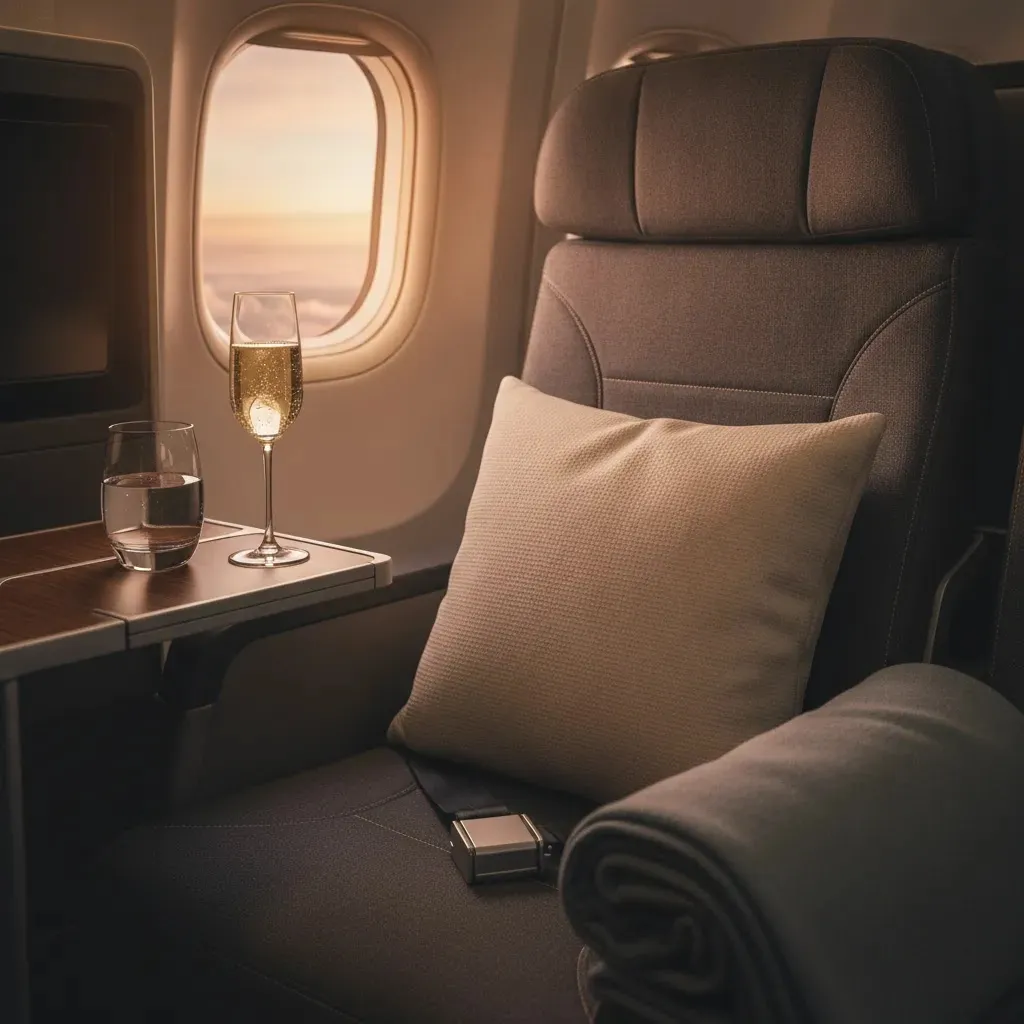
The cabin sits in an interesting middle ground. It feels more polished than many travelers expect from a vacation-oriented carrier. Yet it does not try to mimic Business Class.
For travelers weighing comfort on overnight Atlantic crossings, this condor premium economy review closely examines seat space, cabin freshness, and a calmer overall experience. If you are comparing it with the broader field of best premium economy options, the details matter. Aircraft type, route timing, and airport experience all shape whether this cabin feels like a smart upgrade or a compromise.
Condor Premium Economy at a Glance
This condor premium economy review focuses on Condor’s Airbus A330neo service to Europe. Here, the onboard product often matters more than brand assumptions. Condor is widely associated with leisure travel, but that alone does not define the cabin experience.
On long-haul Europe routes, Premium Economy often appeals to travelers who want more room, better boarding priority, and a more composed overnight journey. In short, this condor premium economy review is most useful when you judge the cabin against your trip needs, not just the airline name.
The strongest part of the proposition is the aircraft itself. A newer cabin environment can materially improve a long flight. That matters even more on routes where sleep, personal space, and cabin noise shape how you arrive.
On the A330neo, that may translate into a fresher atmosphere, more modern seat finishes, and a better sense of separation from the main Economy cabin. In most cases, that matters more on a leisure route than elaborate ground theatrics.
Still, this is not a luxury cabin. It is an elevated long-haul seat with selective privileges. Travelers expecting lounge access, deeply reclined seating, or highly personalized service may find the product limited. By contrast, travelers wanting a refined step up for a transatlantic vacation often view it more favorably.
What the A330neo Changes on Europe Leisure Routes
Aircraft type matters enormously in Premium Economy, and Condor’s A330neo is the central reason this product attracts attention. Many travelers would rather have a newer aircraft with a well-designed Premium Economy section than an older legacy aircraft with a more famous logo.
The A330neo typically offers a quieter ride. It also brings improved humidity and cabin pressure characteristics relative to older long-haul aircraft, plus a cleaner visual impression. These factors may look subtle on paper. On an overnight flight, however, they can be meaningful.
Seat comfort is where expectations should stay realistic. Condor premium economy generally means more width, more legroom, and a more supportive seat than Economy. It may also include amenities such as enhanced meal presentation and priority elements.
That is valuable, particularly for couples beginning a holiday or families who want a calmer start to the trip. However, it does not create the cocooned privacy or lie-flat rest that Business Class travelers expect.
The route context also matters. Leisure routes to Europe often carry a different onboard rhythm than heavily corporate transatlantic sectors. Cabins may feel less rushed, but service consistency can vary by crew, departure time, and seasonal demand.
If your trip includes onward rail, driver transfers, or a same-day event, that margin of comfort may be enough. If you are flying into Frankfurt and continuing immediately for meetings or a premium touring program, you may prefer to compare this experience with business class to Germany to assess whether the added rest and ground benefits justify moving up a cabin.
A330neo Premium Economy Seat Map and Best Seats to Choose
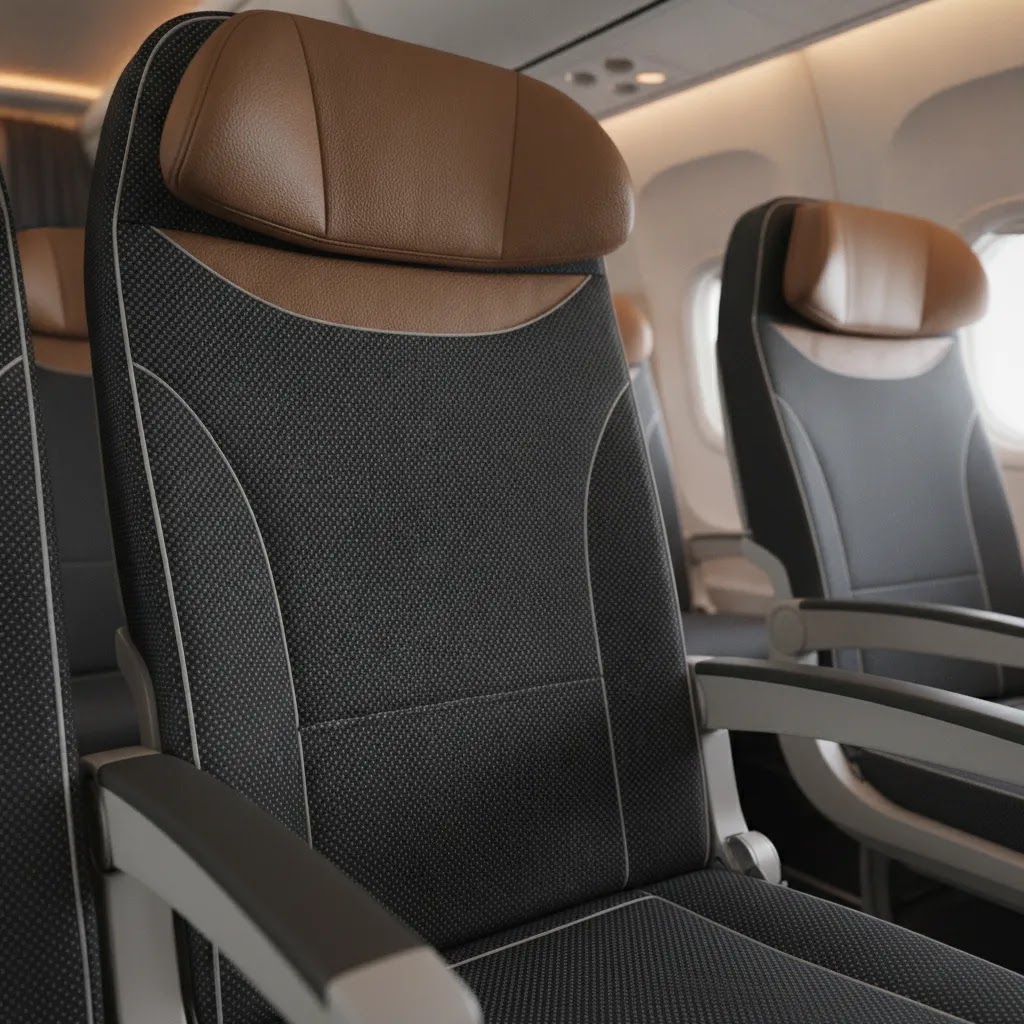
What many travelers overlook is that Premium Economy comfort is shaped as much by where you sit as by the cabin label itself. On the A330neo, Premium Economy is typically arranged in a smaller, more self-contained section than the main Economy cabin. As a result, that separation can feel meaningfully calmer on overnight leisure routes. Still, the details of the seat map influence noise, traffic flow, and the ability to rest.
Bulkhead rows vs standard rows in Condor Premium Economy
In most cases, the most discussed choice is the bulkhead row versus standard rows. Bulkhead seats may offer a more open feel in front, which some travelers appreciate for an overnight flight. The trade-off is important.
Bassinets are often positioned in bulkhead areas when they are available, and that can introduce intermittent noise. Armrests may also feel less forgiving because tray tables and screens are frequently integrated into the seat structure.
For travelers who value a steadier cabin rhythm, a non-bulkhead row slightly removed from galleys and lavatories may feel more refined. The legroom may look less dramatic on paper, but the quieter setting can matter more in practice.
How seat location affects sleep and cabin traffic
Proximity matters as well. Seats closest to lavatories and galleys can experience more light and movement during overnight sectors, particularly after the first service and again before arrival. Therefore, travelers who prioritize sleep may benefit from choosing a seat away from those areas.
For families, the calculation can be different. Being near a lavatory can be practical. On the other hand, it can place you in a higher-traffic pocket of the cabin. Convenience for a child can sometimes come at the cost of a quieter environment for the adults.
It also helps to select seats based on how you travel. Couples typically prefer pairs that keep them together without a stranger between them. That can make the flight feel more private.
Solo travelers often do best in seats that minimize exposure to aisle traffic, especially on eastbound overnight flights where every interruption is noticed. Families may want to balance access and ease of movement with the reality that the most convenient positions are often the most active areas of the cabin.
The reality is that Condor configurations and seat assignments may change, particularly if there is an aircraft swap, a schedule update, or a substitution within the fleet. Therefore, this condor premium economy review recommends checking the seat map again closer to departure and confirming that your chosen seats still match your priorities.
Pros and Cons
Strengths
- The A330neo platform is a genuine advantage. A newer aircraft often feels quieter, cleaner, and more contemporary than older long-haul cabins, which can improve the overall overnight experience.
- Premium Economy typically provides noticeably more personal space than Economy, which may make transatlantic sleep and meal service more comfortable.
- The cabin is well suited to leisure travel patterns, especially for couples and vacation travelers who value comfort but do not require a fully premium ground-to-air experience.
- Priority boarding and related airport touches can reduce friction at departure, particularly during busy summer Europe travel periods.
- Condor’s long-haul Premium Economy may represent a sensible middle tier for travelers who care about arriving in better condition without committing to Business Class.
Considerations
- This is still Premium Economy, not a premium luxury cabin. Travelers expecting lounge access, lie-flat sleep, or extensive personalization may find the experience restrained.
- Service style may feel simpler than what you would typically encounter on top-tier global premium carriers, depending on route and crew.
- Ground experience can vary by airport, and some leisure-oriented operations do not deliver the same polished premium flow as major hub-based network airlines.
- The product may be most compelling specifically on A330neo-operated routes. Aircraft swaps or configuration changes, where applicable, should always be checked before booking.
Sleeping Comfort in Condor Premium Economy: Recline, Leg Support, and Overnight Strategy
For discerning travelers, the most important question is often simple: can you sleep in Premium Economy? In most cases, yes. You can usually rest more effectively than in Economy because the seat offers greater pitch, a more supportive structure, and a cabin that feels less compressed.
Still, it is best to view the result as improved upright sleep rather than lie-flat rest. Premium Economy may help you arrive functional, but it usually does not deliver the same physical reset as Business Class on a true overnight crossing.
How the seat supports overnight rest
Recline and seat design tend to be the practical differences you feel first. A deeper recline and a firmer, more contoured seat can reduce the constant micro-adjustments many travelers make in Economy. The benefit is not only the angle itself. It is also the way you can settle without constantly negotiating space.
That said, sleep can still be fragmented on leisure-heavy flights where cabin movement continues throughout the night.
Leg support and realistic sleep expectations
Leg and foot support is where expectations should be precise. Some Premium Economy seats offer a footrest or a leg support feature, but availability and design vary by aircraft and configuration. They also may not suit every body type equally.
For shorter travelers, even modest leg support can make upright sleep feel more natural by reducing pressure behind the knees. Taller travelers may find that a limited footrest does not meaningfully change comfort if the seat base does not allow their legs to relax. On eastbound redeyes in particular, these ergonomics often matter more than the menu.
On an overnight flight, the cabin environment can be as decisive as the seat. A seat choice that reduces aisle traffic and light exposure may do more for sleep than a small difference in pitch. Timing expectations also matter.
Most transatlantic overnights provide only a narrow middle portion of the flight where uninterrupted rest is realistic, especially after service and before descent. As a result, travelers who plan for that window, rather than expecting a full night, often feel more satisfied with Premium Economy as a sleep solution.
Who This Cabin Suits Best
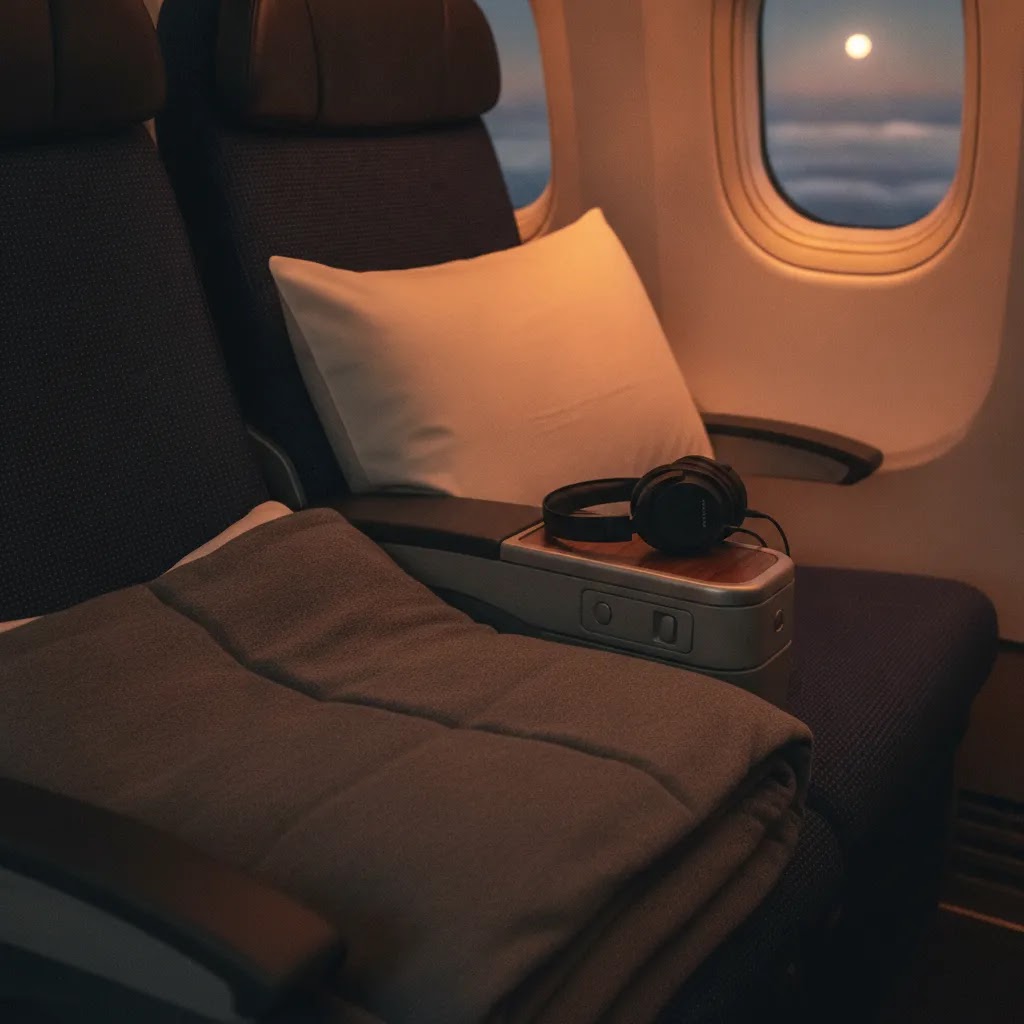
Condor airlines premium economy tends to suit travelers who want a measured upgrade rather than a dramatic one. It works well for couples heading to Europe for an anniversary trip, families seeking more breathing room on a long overnight sector, and leisure travelers who place value on arriving less fatigued. It may also suit travelers who reserve Business Class for the longest or most demanding itineraries but prefer something more refined than Economy for shorter transatlantic vacations.
It is less compelling for travelers who treat the airport and inflight environment as part of the luxury experience itself. If lounge access, alliance status benefits, chauffeur elements, or lie-flat sleep are central to your decision, Premium Economy may feel transitional rather than satisfying.
Flight Experts Perspective
For a traveler who values comfort, aircraft freshness, and a more composed overnight flight to Europe, Condor’s A330neo Premium Economy can be a credible option. The key is to evaluate it in context rather than by airline reputation alone. In some cases, a leisure carrier with a newer long-haul cabin may suit your trip better than a legacy airline operating an older aircraft on the same date.
Flight Experts approaches these decisions with the itinerary in mind first. The firm’s Premium Economy Flight Booking service covers long-haul international routes with personal consultant support, enhanced seat guidance, and a typical response time of about 30 minutes.
For travelers whose Europe plans involve more demanding onward connections or a need for deeper rest, Flight Experts also arranges Business Class Flight Booking across major carriers and Europe-bound routes. You may also explore the services available at Flight Experts or speak with Mike Chirilenco for personalized guidance.
How to Judge Condor Premium Economy for Your Trip
A useful condor premium economy review goes beyond seat pitch and meal descriptions. Four decision points usually matter more for discerning travelers. In practice, this condor premium economy review becomes most useful when it helps you match the cabin to the demands of the full journey.
1. Confirm the aircraft
The A330neo is central to this cabin’s appeal. If your flight is scheduled on that aircraft, the value proposition is usually clearer. If equipment changes are possible, verify the operating aircraft before ticketing and again closer to departure, since onboard experience may vary significantly by configuration.
2. Match the cabin to the purpose of the trip
Premium Economy is often well judged for vacations where you want to arrive comfortable enough to enjoy the first day without paying for a fully premium cabin. It may be less suitable for high-stakes arrivals, immediate boardroom commitments, or itineraries with tight onward connections where sleep quality is paramount.
3. Assess the ground experience, not just the seat
Some travelers focus on the seat alone and ignore airport realities. Check-in flow, baggage handling, boarding priority, terminal congestion, and connection logistics can shape the experience almost as much as the cabin. On some itineraries, a smoother overall premium path with another carrier may outweigh a decent seat on paper.
4. Compare against Business Class selectively
There is no need to compare Premium Economy with the most extravagant cabins in the market. Compare it with Business Class only on the dimensions that affect your trip: ability to sleep, schedule reliability, airport privileges, and arrival readiness.
5. Use expert booking support for nuanced itineraries
A premium cabin decision becomes more complex once you add open-jaw routing, multi-city travel, mixed cabin preferences, or milestone travel timing. Flight Experts also offers Complex Itinerary Planning for multi-destination journeys, which may be especially useful if Europe is only one segment of a larger trip.
Even where Premium Economy is the right answer, seat selection, connection windows, and aircraft verification still deserve close attention.
Condor Premium Economy vs Economy: The Real-World Differences That Matter
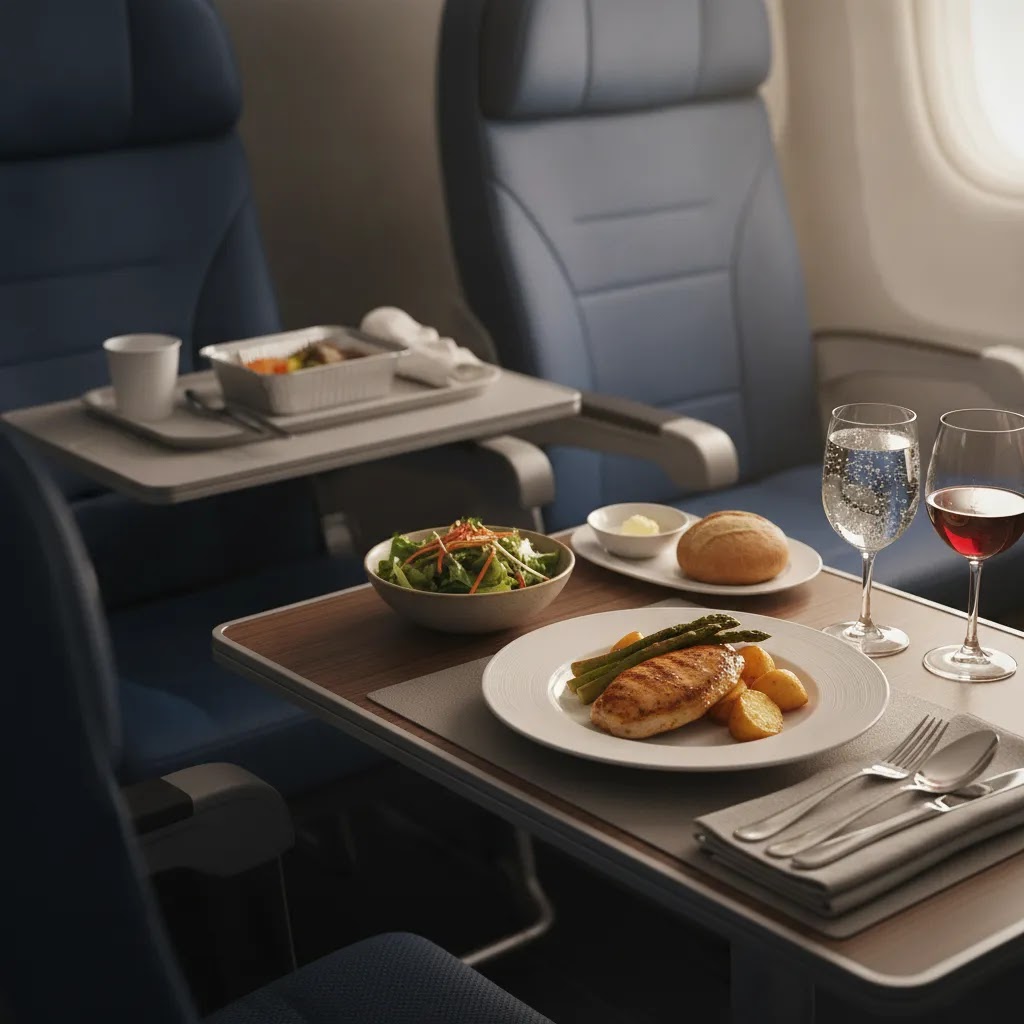
When travelers consider premium economy to Europe, many evaluate the upgrade purely as a measurement of extra inches. The reality is more practical. The difference is often about how the flight feels hour to hour.
Premium Economy typically changes your sense of personal space, the tone of the cabin, and the amount of friction you experience during boarding and service. Those factors can matter as much as the seat dimensions, particularly on overnight flights where you want a calmer, more predictable rhythm.
Where the comfort upgrade feels most noticeable
Personal space is the most direct upgrade. In Premium Economy, you are usually less exposed to constant seatback contact and the compressed feeling of a full Economy cabin. That can improve the experience for taller travelers, but it also benefits anyone who values a more composed meal service and fewer inadvertent disruptions.
Cabin separation plays a role here as well. A smaller section often feels more settled, which may support better rest even without a dramatic technical change in sleep position.
Why the difference matters most on arrival
What sets this apart is the effect on arrival. Economy may be perfectly workable for many leisure trips, especially westbound daytime flying where sleep is not the priority. Eastbound overnight sectors are where the differences become more apparent.
Premium Economy can make it more likely that you arrive ready for a pleasant first day rather than needing to recover immediately. It is not a guarantee, but it is a meaningful shift in how the flight supports the trip.
It is also important to clarify what Premium Economy is not. It is not typically a lounge-and-chauffeur tier, and the service upgrade can be modest depending on route and crew. Some travelers expect a dramatically elevated culinary experience or a deeply personalized approach. However, that is rarely what this cabin is designed to provide.
Think of Premium Economy as a comfort and space upgrade first, with selective priority touches that reduce airport friction, rather than a full premium journey. For discerning travelers, a useful decision lens is the purpose of the trip. Premium Economy is often justified for milestone vacations, short-notice departures where rest matters, or itineraries with immediate onward travel after arrival. It can also make sense for travelers who simply prefer to protect the first day in Europe, especially on tighter overnight schedules.
Economy can still be the right choice when the flight is not the centerpiece, when you plan a slower first day, or when you know you sleep poorly upright regardless of cabin. In those cases, it can be more rational to either stay in Economy or consider moving directly to Business Class, rather than expecting Premium Economy to solve a sleep problem it is not built to solve.
Frequently Asked Questions
Is Condor Premium Economy good for overnight flights to Europe?
It may be a strong choice on overnight Europe routes, particularly on the A330neo, where the newer cabin environment can improve comfort. You should still keep expectations aligned with the cabin class. It typically offers more room and a calmer experience than Economy, but it does not replace the sleep quality or privacy of Business Class.
What makes the A330neo important in this review?
The aircraft is a major part of the story because cabin freshness often shapes passenger comfort more than branding alone. The A330neo generally brings a quieter and more modern long-haul environment. On Condor, that may make Premium Economy feel more appealing than travelers expect from a leisure-oriented airline.
Does Condor Premium Economy include lounge access?
Premium Economy fares do not typically carry the broad lounge benefits associated with Business Class or elite status programs, though exact access policies may vary by airport, fare type, and partner arrangements. Travelers who view lounge time as essential should confirm the current rules before booking rather than assume premium cabin access is included.
Is Condor Premium Economy better for couples or solo travelers?
It often suits both, but couples on Europe leisure trips may appreciate it especially. The cabin can offer a more relaxed start to a vacation without moving into a higher fare tier. Solo travelers may also value the extra space and improved comfort, especially on eastbound overnight sectors where rest matters most.
How does Condor compare with the best premium economy airlines?
Condor may compare well on aircraft freshness and comfort if you are flying on the A330neo, but the overall ranking depends on what you value. Some airlines deliver a stronger ground product, richer service culture, or broader network reliability. This is why product-by-product comparison is usually more useful than relying on brand perception alone.
Should I choose Condor Premium Economy or Business Class to Germany?
That depends on your arrival needs. If you are heading straight into meetings, long onward transfers, or a premium touring schedule, Business Class may justify itself through sleep quality and airport benefits. If your priority is a more comfortable vacation flight rather than a fully premium journey, Condor Premium Economy may be entirely appropriate.
Is this cabin suitable for families?
In many cases, yes. Families traveling to Europe may appreciate the extra room, a less cramped meal service, and a more manageable boarding experience. The value of Premium Economy for families usually depends on children’s ages, flight duration, and whether the itinerary includes demanding connections or a same-day schedule after arrival.
Can Flight Experts help with Premium Economy bookings, not only Business Class?
Yes. Flight Experts offers Premium Economy Flight Booking for long-haul international routes, with consultant support, seat guidance, and booking assistance. That can be useful if you want help evaluating aircraft, schedule quality, or the right cabin for a Europe itinerary without relying only on automated booking displays.
What is premium economy on Condor like?
On A330neo-operated routes, Condor Premium Economy is typically experienced as a quieter, more composed section with noticeably more space than Economy. It is designed to improve comfort and reduce travel friction, not to replicate Business Class. The most satisfying outcomes usually come when you choose the seat deliberately and align expectations with upright sleep rather than lie-flat rest.
Can I sleep in premium economy?
In most cases, yes, but it is typically improved upright sleep rather than true bed-like rest. Premium Economy may offer better seat support, more room to settle, and a calmer environment than Economy, which can make rest more realistic on eastbound overnight flights. Sleep quality still depends on factors such as seat location, light and aisle traffic, and your sensitivity to cabin noise.
Does Condor premium economy have footrest?
Some Premium Economy seats may offer a footrest or leg support feature, but this can vary by aircraft and configuration and is subject to change. Even where it is present, it may benefit shorter travelers more than taller travelers, depending on how the seat base and leg support align. It is wise to review the current seat map and aircraft details close to departure.
What airline has the most comfortable premium economy seats?
There is no single answer because comfort depends on seat design, cabin layout, aircraft type, and the specific route. Some airlines excel in seat ergonomics and privacy, while others stand out for service consistency or ground experience. For travelers who care most about comfort, it is usually more reliable to compare the exact aircraft and Premium Economy seat product on your route rather than relying on an airline name alone.
Key Takeaways
- Condor Premium Economy is most persuasive on A330neo-operated Europe routes, where the newer aircraft strengthens the overall experience.
- The cabin typically offers a meaningful comfort upgrade over Economy, but it should not be mistaken for a luxury-tier premium product.
- This option may suit couples, families, and leisure travelers who want a more refined transatlantic journey without requiring lie-flat seating.
- Aircraft, airport flow, and onward itinerary demands matter as much as the seat itself when judging value.
- Expert guidance can help determine whether Premium Economy is the right fit or whether Business Class would better support your trip.
Conclusion
Condor’s Premium Economy on the A330neo occupies a useful niche for Europe leisure travel. It can feel more polished than many travelers anticipate, especially if your priorities are cabin freshness, additional space, and a smoother overnight crossing rather than full premium theatrics.
Its limitations are equally clear. This is not a substitute for Business Class, and the ground experience may not satisfy travelers who want every part of the journey elevated. Ultimately, the right verdict depends on the demands of your itinerary, your arrival expectations, and how much value you place on sleep and airport privileges. To discuss the best cabin strategy for your next Europe journey, contact Mike Chirilenco or speak with a Flight Experts travel specialist for a tailored recommendation.



