
Brussels Airlines Premium Economy Review
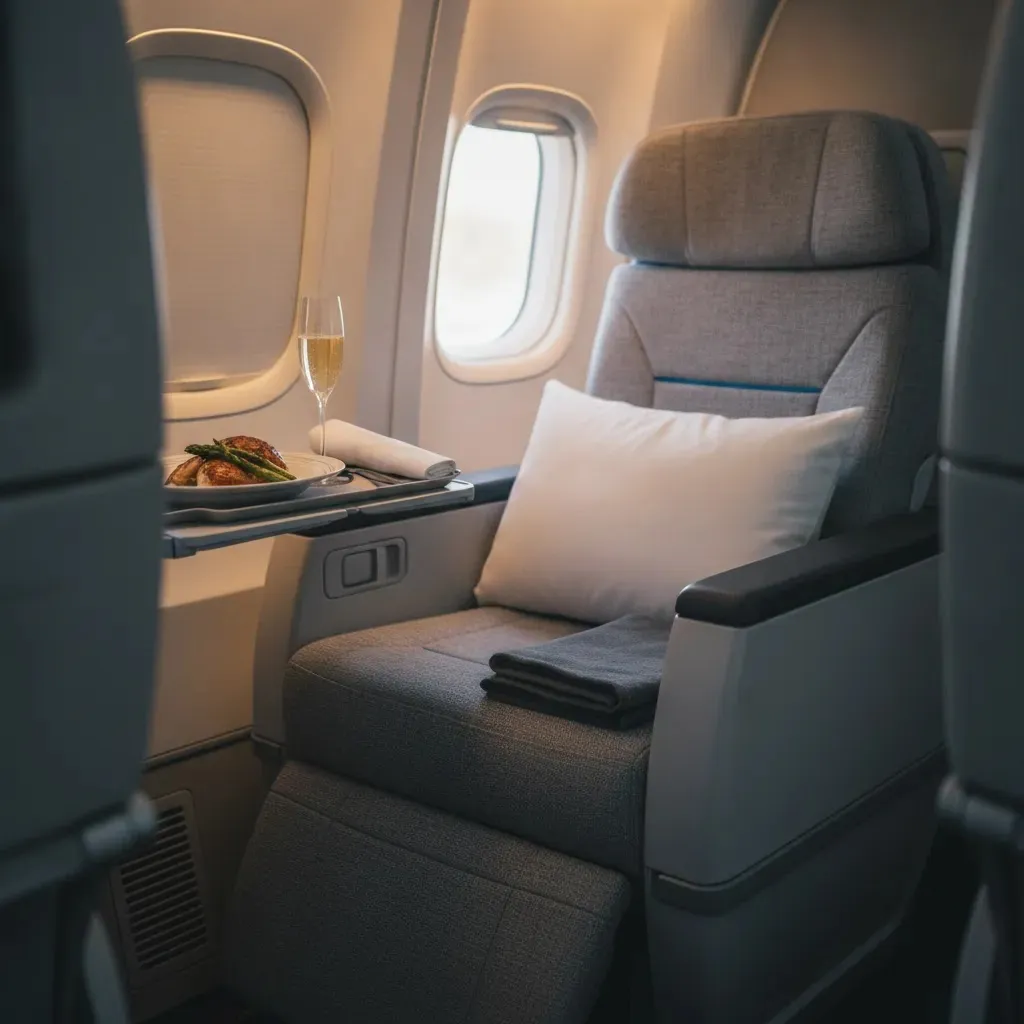
That makes Brussels Airlines Premium Economy especially worth examining on its Airbus A330 network. On these routes, flight length, sleep quality, baggage, and airport flow matter more than marketing language. This review focuses on Africa and U.S. routes, where travelers often balance comfort, practicality, and schedule. If you are still comparing the category broadly, our look at the best premium economy options offers useful context before you narrow your shortlist.
How Brussels Airlines Premium Economy Fits the Long-Haul Market
Brussels Airlines Premium Economy usually sits in the practical center of the premium cabin spectrum. The airline does not try to turn this cabin into a lie-flat product. Likewise, discerning travelers should not treat it like Business Class. Instead, its value comes from a roomier recliner-style seat, a smaller and quieter cabin, a more composed meal service, and a less fatiguing journey on long sectors.
That distinction matters on Brussels Airlines more than on some airlines. The carrier plays a clear role between Europe, Africa, and selected North American points. Many travelers on these routes are not flying only for leisure. They may combine business obligations, family visits, NGO work, diplomatic travel, or premium leisure itineraries that continue beyond Brussels. In those cases, a cabin that improves rest, personal space, and baggage handling can be a very rational choice.
On paper, the airline’s long-haul network and premium positioning within the Lufthansa Group create reasonable expectations. In practice, the experience usually depends on three things: your exact A330 configuration, whether your flight is daytime or overnight, and how much importance you place on pre-arrival sleep versus daytime comfort. If your trip continues elsewhere in Europe, some travelers may also compare routing options with other European gateways, including itineraries built around business class to Amsterdam or other hub cities.
Why Africa and U.S. Routes Are the Real Test
Not every Premium Economy product shows its strengths equally across a network. Brussels Airlines is one of those carriers where route context matters. The cabin often makes the most sense on medium-to-long overnight sectors to and from sub-Saharan Africa, as well as on transatlantic flights where travelers want a more measured experience without stepping into a higher cabin.
Africa routes matter most because many are long enough for seat pitch, recline, meal pacing, and cabin density to shape how you feel on arrival. On these flights, the difference between a standard main-cabin seat and Premium Economy is often practical, not abstract. For example, the extra space may help you preserve energy for a meeting, onward connection, or family event. By hour six, a wider seat and more personal space usually matter far more than they do at boarding.
U.S. routes create a slightly different calculation. Westbound daytime sectors may suit travelers who value workspace, easier dining, and a quieter atmosphere. By contrast, eastbound overnight sectors put more pressure on the seat itself because recliner comfort has limits. Brussels Airlines Premium Economy may still feel clearly better than Economy on these flights, but it will not erase the structural advantages of a lie-flat bed in Business Class.
Cabin, Seat, Dining, and Service Details
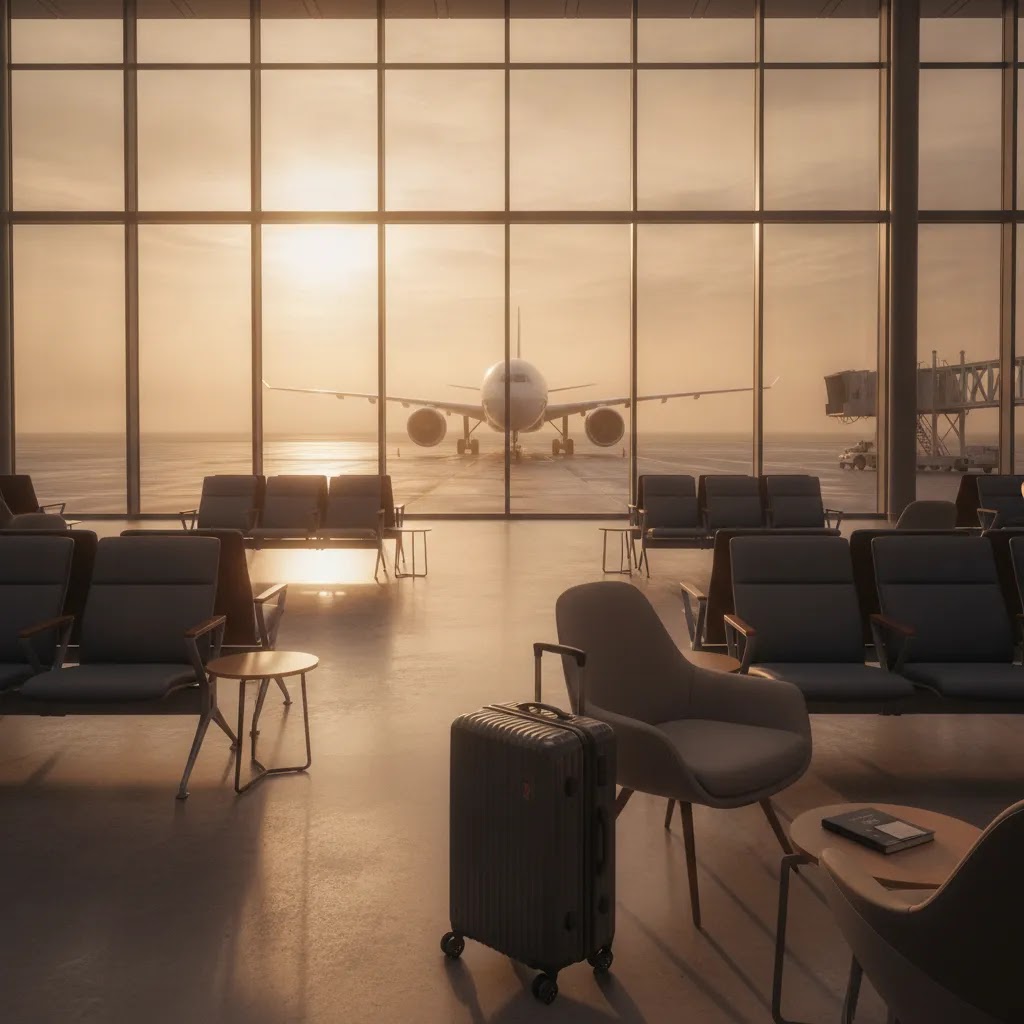
Brussels Airlines generally operates long-haul flights with Airbus A330 aircraft. That detail matters because aircraft type strongly shapes Premium Economy consistency. On these routes, travelers should expect a dedicated Premium Economy section rather than an extra-legroom version of Economy. As a result, the cabin usually feels more private, has fewer seats, and sees less traffic.
Seat comfort is the core selling point. You can typically expect more width, additional legroom, deeper recline, and a leg rest or foot support arrangement that improves lounging comfort. On daytime flights, that may be enough to transform the journey. On overnight flights, it may improve rest. Even so, most travelers will still sleep in intervals rather than in one fully restorative stretch.
Dining and soft product also separate the experience from the main cabin. Enhanced meal presentation, more attentive beverage service, and a quieter service rhythm usually create a more composed atmosphere. The difference is often cumulative rather than dramatic. Better spacing, fewer interruptions, and a smaller cabin can make a long flight feel noticeably more civilized.
Baggage and airport handling may matter as much as the seat itself. Premium Economy on many network carriers often includes priority elements such as check-in or boarding, though exact benefits may vary by route, airport, and fare rules. Lounge access is not a universal Premium Economy entitlement, so travelers should always verify it rather than assume it.
Brussels Airlines Premium Economy Seat Map, A330 Variations, and What to Check Before You Choose a Seat
On Airbus A330 fleets, Premium Economy can look consistent at first glance. In practice, though, it can feel different depending on the exact subfleet and the cabin position near galleys, lavatories, and dividers. Brussels Airlines usually presents a coherent Premium Economy product, but seat maps can change with aircraft swaps, seasonal planning, or operational substitutions. Therefore, discerning travelers should confirm the seat map again closer to departure, not only at booking.
Brussels Airlines Premium Economy seat selection basics
In a smaller Premium Economy cabin, smart seat selection often comes down to avoiding the few spots with the most disruption. Bulkhead rows may feel open and, in some cases, offer slightly more space in front. However, you may sit closer to a galley, lavatory, or crew jump seat. In addition, the fixed bulkhead means you cannot store personal items at your feet during taxi, takeoff, and landing.
If you want uninterrupted rest on an overnight sector, a quieter mid-cabin row can be the better choice, even if the bulkhead looks attractive on the seat map. Window alignment can also matter more than many travelers expect. If you plan to lean toward the window to rest, the exact placement affects comfort. On some A330 layouts, a window seat may not line up perfectly with the window itself. As a result, light, privacy, and head support can all feel less natural.
What to check before you choose a Brussels Airlines Premium Economy seat
Reviewing the map and, where possible, checking recent aircraft photos for your exact configuration can help you avoid an otherwise preventable annoyance. Many travelers also overlook what a “leg rest” and “foot support” mean in real terms. In Premium Economy, these features usually improve lounging posture and reduce pressure behind the knees. Still, they rarely create a truly flat or bed-like surface.
Your comfort often depends on recline geometry and on how naturally your feet can rest, especially if you are taller or prefer sleeping on your side. If your goal is meaningful overnight rest, think of the leg rest as a comfort enhancer, not a substitute for a lie-flat design.
For couples, two seats together can be ideal, but the best choice depends on the cabin layout and the specific rows available. In many Premium Economy cabins, the center pair is often the most companionable option, while window pairs can feel more private when they exist. For solo travelers, an aisle seat may be better on overnight flights if you expect to stand, stretch, or use the lavatory without disturbing a neighbor. In a smaller Premium Economy section, even one row can change the cabin tone. Therefore, traffic patterns may matter just as much as the seat itself.
Pros and Cons
Strengths
- A dedicated Premium Economy cabin usually creates a calmer environment than the main cabin, which is particularly valuable on overnight Africa sectors.
- The seat typically offers a meaningful step up in width, pitch, and recline, making long flights easier to manage physically.
- Brussels Airlines is especially relevant on Africa-bound itineraries where nonstop or efficient Brussels connections may simplify the overall journey.
- Meal service and cabin pacing generally feel more considered than Economy, which can improve the full long-haul experience rather than just the seating.
- For travelers who do not require a lie-flat bed, the cabin may represent a sensible balance between comfort and restraint.
Considerations
- This is still a recliner-style product, so overnight sleep quality may remain limited compared with Business Class.
- Benefits such as lounge access, priority services, and baggage treatment may vary by fare type, airport handling, and operational conditions.
- Aircraft changes are always possible on long-haul networks, so seat maps and product details should be checked close to departure.
- Travelers seeking a highly ceremonial or ultra-luxury soft product may find the experience competent rather than especially indulgent.
Premium Economy Inclusions That Matter Most: Baggage Allowance, Priority Services, and Airport Flow
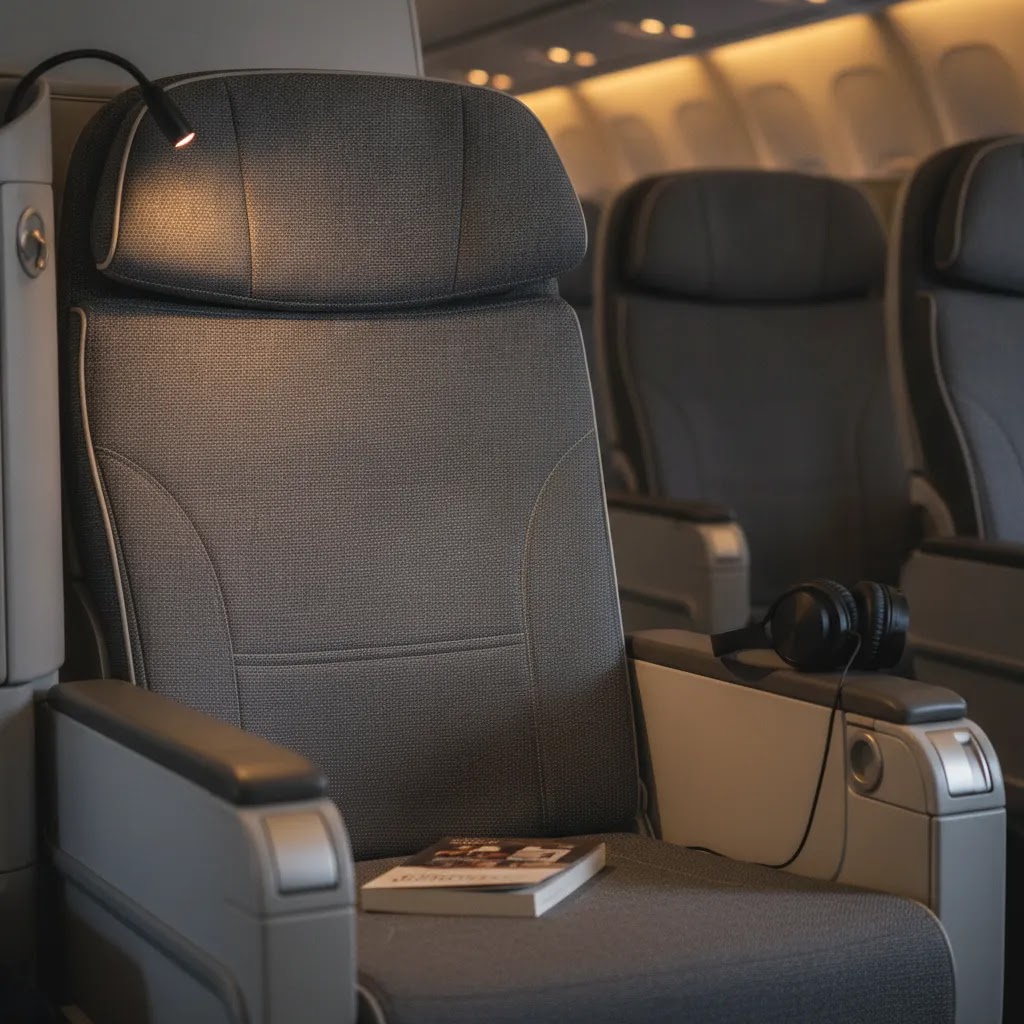
In Premium Economy, the seat is only part of the decision. The ground experience can shape your travel day just as much, especially on Europe-Africa itineraries where check-in lines, connection timing, and baggage delivery affect how you arrive. Premium Economy may include practical entitlements, but fare rules and airport handling usually define them more than the cabin name on the boarding pass.
Baggage and Brussels Airlines Premium Economy fare benefits
Baggage allowance is often one of the most important variables on long-haul travel. This is especially true on Africa routes, where travelers may carry more equipment, gifts, or extended-stay items. Premium Economy often offers more checked baggage than Economy. However, the exact number of pieces and weight limits can vary by fare family, origin, destination, and ticketing conditions.
The most reliable way to verify this is to review your specific fare conditions on the booking confirmation. Then confirm again if your itinerary changes or is reissued. If a partner airline operates any segment, baggage rules may follow the marketing carrier’s conditions or the operating carrier’s policies, depending on how the ticket is constructed.
Priority services and airport flow
Priority services tend to matter most when the airport is busy or when you have a shorter connection. Premium Economy may include access to a priority check-in desk, an earlier boarding group, or a dedicated lane in certain airports. Even when these benefits appear in the fare, the experience can vary by station. Some airports deliver a very clean Premium Economy flow. Others offer only limited separation at peak periods.
It is wise to treat priority boarding and priority baggage handling as likely benefits rather than guaranteed outcomes. Ground operations and staffing can influence how consistently teams deliver them. Priority baggage delivery is another benefit that sounds excellent in theory and proves variable in practice. Bags tagged as priority may arrive earlier in most cases, but irregular operations, handling constraints, or tight connection windows can reduce the advantage.
For travelers with onward transfers, the more important question is often how much time you have at the connection and whether your itinerary gives your bags a realistic operational margin. Lounge access is the most misunderstood Premium Economy topic, so approach it carefully. Premium Economy alone does not typically include lounge access as an automatic entitlement.
However, lounge access may still be part of your plan through frequent flyer status, eligible credit card programs, paid lounge entry where offered, or partner lounge arrangements on certain routes. Alliance status can change the ground experience more dramatically than the cabin label itself. Therefore, verify your exact eligibility based on your status and itinerary.
Premium Economy works best when the airport experience supports the onboard comfort. Confirming baggage rules, reading fare conditions carefully, and checking how partner-operated segments are treated can prevent last-minute surprises. As a result, you can assess the cabin as a full journey rather than as a single seat.
Who This Cabin Usually Suits Best
Brussels Airlines Premium Economy often suits travelers who place a premium on space, composure, and practicality, especially on Africa-bound itineraries where route convenience matters as much as cabin comfort. It can be a strong fit for frequent transatlantic travelers who want a more refined journey than Economy. It also suits couples who value a quieter cabin without fully committing to Business Class, and professionals who arrive straight into meetings or onward connections. However, it is less compelling for travelers whose top priority is deep overnight sleep. In that case, the gap between Premium Economy and Business Class usually matters more than the gap between Economy and Premium Economy.
Flight Experts Perspective
At Flight Experts, we usually assess Premium Economy in the context of the full itinerary rather than the seat alone. Brussels Airlines Premium Economy may be a very sensible choice if your route to Africa or the U.S. favors Brussels operationally and if your priorities are personal space, reduced cabin stress, and a more polished long-haul rhythm. However, it may be less compelling if you are booking an overnight journey where arrival-day performance depends on substantial sleep.
For travelers comparing premium cabins, Flight Experts offers Premium Economy Flight Booking for long-haul international routes, with personal consultant support and a typically fast response time. If your trip would benefit more from lie-flat comfort or a more ambitious multi-stop design, the team also arranges Business Class and complex itinerary planning. Mike Chirilenco and the Flight Experts team can help you weigh aircraft, schedule, connection quality, and cabin value in a way that fits your route rather than generic search results.
How to Evaluate This Cabin Before You Book
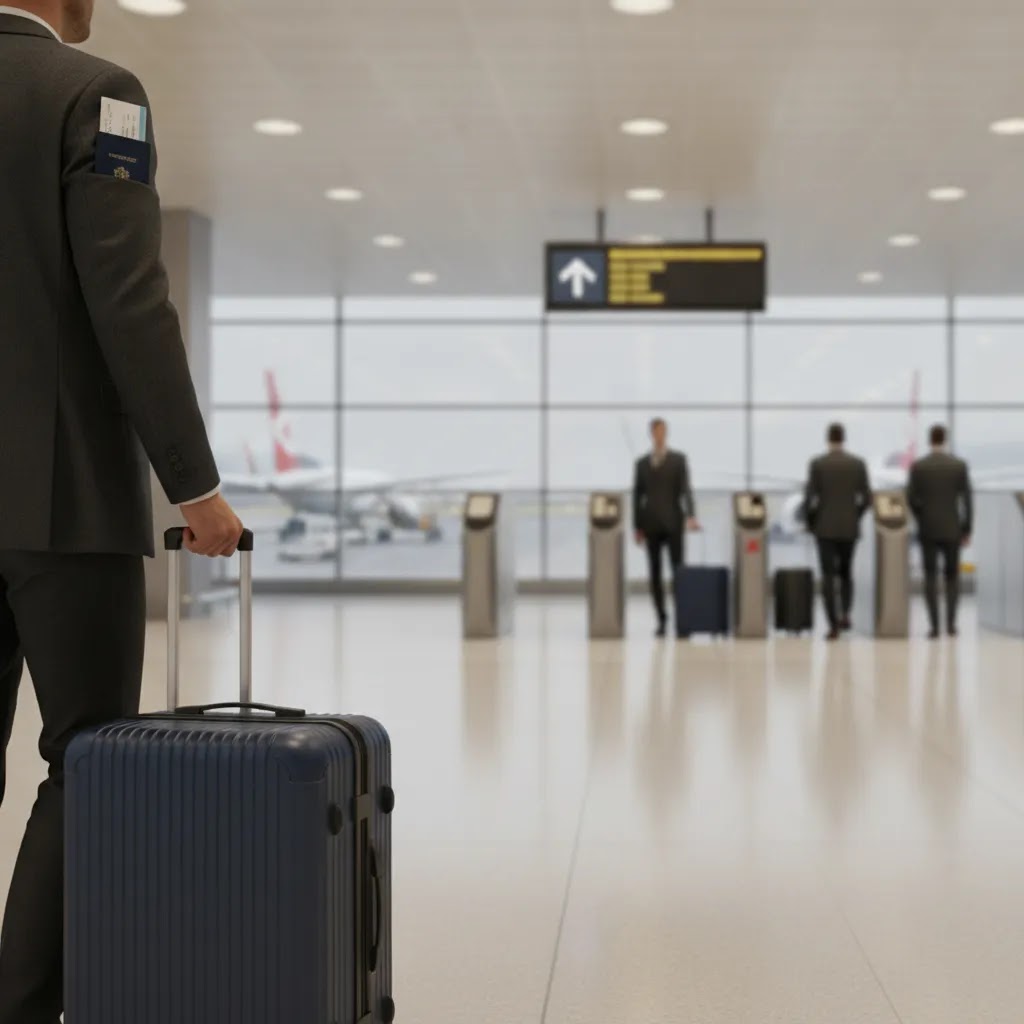
A thoughtful Brussels Airlines Premium Economy review should not stop at the cabin label. Four checks are especially worthwhile before you commit.
- Confirm the aircraft and seat map. On long-haul bookings, the aircraft type often tells you more than the fare family name. Premium Economy can vary subtly by configuration, and those details shape comfort.
- Separate daytime comfort from overnight sleep. If you are flying westbound in daylight, a wider recliner and improved service may be exactly what you need. If you are flying eastbound overnight, ask yourself how much true rest matters the next morning.
- Review ground benefits individually. Priority check-in, baggage allowance, and boarding flow may add real value, especially on complex itineraries. Lounge access, however, should always be verified directly.
- Look at the full route logic. A slightly better seat on another carrier may not outweigh a more efficient itinerary, shorter connection, or stronger arrival time on Brussels Airlines.
- Match cabin choice to trip purpose. For a family visit or a mixed business-leisure journey, Premium Economy may be the right degree of elevation. For a milestone trip or immediate boardroom arrival, Business Class could be the better fit.
This is where expert guidance is often most useful. A premium cabin should be evaluated as part of a door-to-door travel plan, not as an isolated seat purchase. That is particularly true on Europe-Africa and transatlantic journeys, where connections, airport quality, and timing can shape the travel day as much as onboard service.
What comfort really means in Brussels Airlines Premium Economy
The reality is that “Premium Economy” is a category more than a single standard. The most comfortable Premium Economy seats across the market tend to share a few traits. They offer more shoulder room, a more natural leg angle, and recline that shifts body weight without forcing an awkward posture. In addition, a leg rest or foot support can reduce fatigue over long hours.
Cabin density also matters. A smaller, quieter Premium Economy section often feels more restful than a larger cabin that looks similar on paper.
When Brussels Airlines Premium Economy works best for sleep
Sleep deserves its own framework because many travelers choose this cabin for overnight performance. In most cases, sleeping well in Premium Economy means planning for intermittent rest rather than expecting continuous sleep. A supportive neck pillow, a strategy for light control, and a seat choice that reduces traffic can all improve the result.
Recline limits can become a deciding factor if you are sensitive to upright sleep, particularly on eastbound transatlantic sectors. For those travelers, the correct conclusion may not be that Premium Economy is poor. Instead, the trip purpose may simply demand Business Class, especially if you must arrive fully functional.
How Brussels Airlines Premium Economy compares in practice
What sets Brussels Airlines apart within the category is positioning rather than theatrics. The airline’s long-haul relevance is tied closely to its Africa network utility and to a composed, functional onboard tone. For travelers who prioritize reliable route logic, a calmer cabin, and a practical soft product that supports long-haul endurance, that balance can be precisely the point.
For travelers seeking a more elaborate onboard presentation, other carriers in the category may feel more performative, even if the underlying seat geometry is comparable. Ultimately, the best comparison begins with your route, your sleep requirement, and the kind of travel day you want from departure to arrival.
Frequently Asked Questions
Is Brussels Airlines Premium Economy worth it on Africa routes?
For many travelers, yes, particularly on longer sectors where extra width, legroom, and a quieter cabin materially improve comfort. The value tends to be strongest when you are flying overnight or arriving with onward commitments. However, it may be less persuasive if your route is shorter or if your main priority is a fully flat sleeping surface.
Does Brussels Airlines Premium Economy include lounge access?
Not necessarily. Premium Economy benefits vary by fare conditions, airport arrangements, and alliance recognition. On many airlines, lounge access is not automatically included with Premium Economy alone. Therefore, travelers should verify the exact fare rules and airport-specific entitlements before departure rather than assume the cabin includes Business Class style lounge privileges.
What aircraft usually operate Brussels Airlines Premium Economy?
Brussels Airlines long-haul service is generally associated with Airbus A330 aircraft, which is the key platform for this cabin on Africa and transatlantic operations. Even so, operational changes may occur. It is wise to review the seat map and aircraft assignment again after booking and closer to departure.
How different is it from Economy in real travel terms?
The most noticeable differences are usually seat width, legroom, recline, cabin quiet, and service pace. Those may sound incremental on paper, but on a long flight they often compound into a significantly more comfortable experience. The improvement is usually most obvious after several hours in the air rather than during boarding.
Can you sleep well in Brussels Airlines Premium Economy?
Sleep quality may improve compared with Economy, but expectations should remain measured. A recliner seat can support rest better than a standard long-haul seat, especially with more pitch and leg support. Still, it typically does not offer the restorative sleep environment of a lie-flat Business Class bed on overnight sectors.
Is this a good option for U.S. routes?
It may be, especially for travelers who want a more refined transatlantic crossing without moving into a higher cabin. Daytime flights may highlight the product’s strengths most clearly. On overnight returns to Europe, the decision depends more heavily on how much you value sleep before arrival.
Who should skip Brussels Airlines Premium Economy?
Travelers who need substantial rest before an important arrival, or who place the highest value on lounge access and full premium ground treatment, may prefer Business Class instead. The same may apply to travelers celebrating a major occasion who want a more elevated soft product from airport to arrival.
How should you compare it with other European carriers?
Compare route logic first, then seat comfort, then ground inclusions. A polished cabin matters, but so do connection times, aircraft reliability, arrival hour, and whether the airline is especially strong on your destination region. Broad rankings are useful, though the best choice is often the one that fits your specific itinerary most intelligently.
What do you get with Premium Economy on Brussels Airlines?
You typically receive a wider, more spacious seat in a smaller cabin, plus a more composed meal and service rhythm than the main cabin. Depending on fare conditions and airport handling, Premium Economy may also include priority elements such as check-in or boarding, and a different baggage allowance than Economy. Because inclusions can vary by fare family, route, and operational factors, it is best to confirm entitlements on your ticket conditions rather than rely on general category expectations.
What is the Brussels Airlines Premium Economy baggage allowance?
It depends on the specific fare rules attached to your ticket, and it can vary by route and itinerary construction. Premium Economy often allows more checked baggage than Economy on long-haul travel, which can be particularly relevant on Africa itineraries. The most reliable method is to check the baggage allowance shown on your booking confirmation and fare conditions, then verify again if any segments are operated by partner airlines or if your ticket is changed or reissued.
What does the Brussels Airlines Premium Economy seat map look like on the A330?
Brussels Airlines Premium Economy is typically located as a dedicated section on the Airbus A330, but the exact row count, seat arrangement, and proximity to galleys and lavatories can vary by aircraft and may change with operational substitutions. Travelers should review the seat map at booking, then check again closer to departure, especially if the aircraft assignment changes. A small shift in cabin placement can affect noise, traffic, and overall comfort on long sectors.
What airline has the most comfortable Premium Economy seats?
There is no single answer that holds for every route and traveler. The most comfortable Premium Economy seats are usually defined by seat width, pitch, recline geometry, effective leg and foot support, and lower cabin density. Your sleep sensitivity and the timing of your flight can also matter more than brand reputation. For many discerning travelers, the correct comparison starts with route logic and aircraft configuration, then evaluates whether the seat design will meet your expectations for comfort and rest.
Key Takeaways
- Brussels Airlines Premium Economy is most relevant on Africa and U.S. routes where long flight times make extra space and cabin calm more valuable.
- The product usually performs best as a comfort upgrade over Economy, not as a substitute for lie-flat Business Class.
- Route timing matters: daytime sectors highlight comfort benefits, while overnight sectors expose the limits of a recliner seat.
- Ground benefits may vary, so lounge access and priority services should always be confirmed individually.
- For discerning travelers, the best assessment comes from reviewing the full itinerary, not just the cabin label.
Conclusion
Brussels Airlines Premium Economy is best understood as a thoughtful long-haul middle ground, particularly on Africa services and selected U.S. routes where schedule, space, and arrival condition matter. It may offer a clearly better experience than the main cabin through a quieter environment, more generous seating, and a more polished service flow. However, its limits are equally clear. This is not a substitute for a lie-flat cabin on nights when real sleep is essential. If you would like help assessing whether Brussels Airlines Premium Economy, Business Class, or a more complex routing is the better fit for your plans, speak with Mike Chirilenco or the Flight Experts team for a personalized recommendation shaped around your route, priorities, and travel style.



