
Best Premium Economy to Europe: Airlines Ranked
If you want a wider category view first, see our guide to best premium economy airlines. For readers who may ultimately decide that only a lie-flat seat will do, our analysis of best business class Europe options offers useful context.
Top Premium Economy Airlines for Europe Routes
The five airlines below are ranked for how well their premium economy products typically suit transatlantic travel to Europe. The emphasis is not on branding alone. Instead, it is on the details that shape an overnight crossing: seat comfort, recline, cabin calm, dining quality, airport flow, consistency across aircraft, and whether the experience feels intentionally premium.
On Europe routes, timing matters. A six-to-eight-hour eastbound overnight sector places a different burden on the body than a daytime return. Therefore, a strong premium economy product should be judged less by marketing language and more by whether you can rest, dine without feeling rushed, and arrive ready for a meeting, private transfer, or hotel check-in.
Quick Picks by Traveler Type
- Best for sleep comfort: Virgin Atlantic Premium
- Best for polished all-around balance: Air France Premium
- Best for refined cabin consistency: Lufthansa Premium Economy
- Best for route network convenience: British Airways World Traveller Plus
- Best for value within a premium travel plan: KLM Premium Comfort
Comparison Table
| Rank | Airline | Why It Stands Out | Best For | Watch For |
|---|---|---|---|---|
| 1 | Virgin Atlantic Premium | Often combines generous seat comfort with a distinctly considered cabin atmosphere | Couples and leisure travelers on overnight crossings | Benefit levels may vary by fare and airport |
| 2 | Air France Premium | Usually delivers a refined soft product and a more elevated sense of service | Travelers who value dining and style as much as seat space | Aircraft variation should always be checked |
| 3 | Lufthansa Premium Economy | Reliable long-haul proposition with a measured, businesslike feel | Frequent flyers and connection-heavy Europe itineraries | Some travelers may find the ambiance less indulgent than rivals |
| 4 | British Airways World Traveller Plus | Extensive transatlantic coverage and familiar airport infrastructure | Travelers prioritizing nonstop access to major European gateways | Cabin age and service consistency may differ by aircraft |
| 5 | KLM Premium Comfort | Well-judged middle ground with appealing cabin ergonomics on key routes | Travelers seeking balance rather than ceremony | Sub-fleet differences can shape the experience materially |
Premium Economy Seat Types That Matter Most on Transatlantic Flights
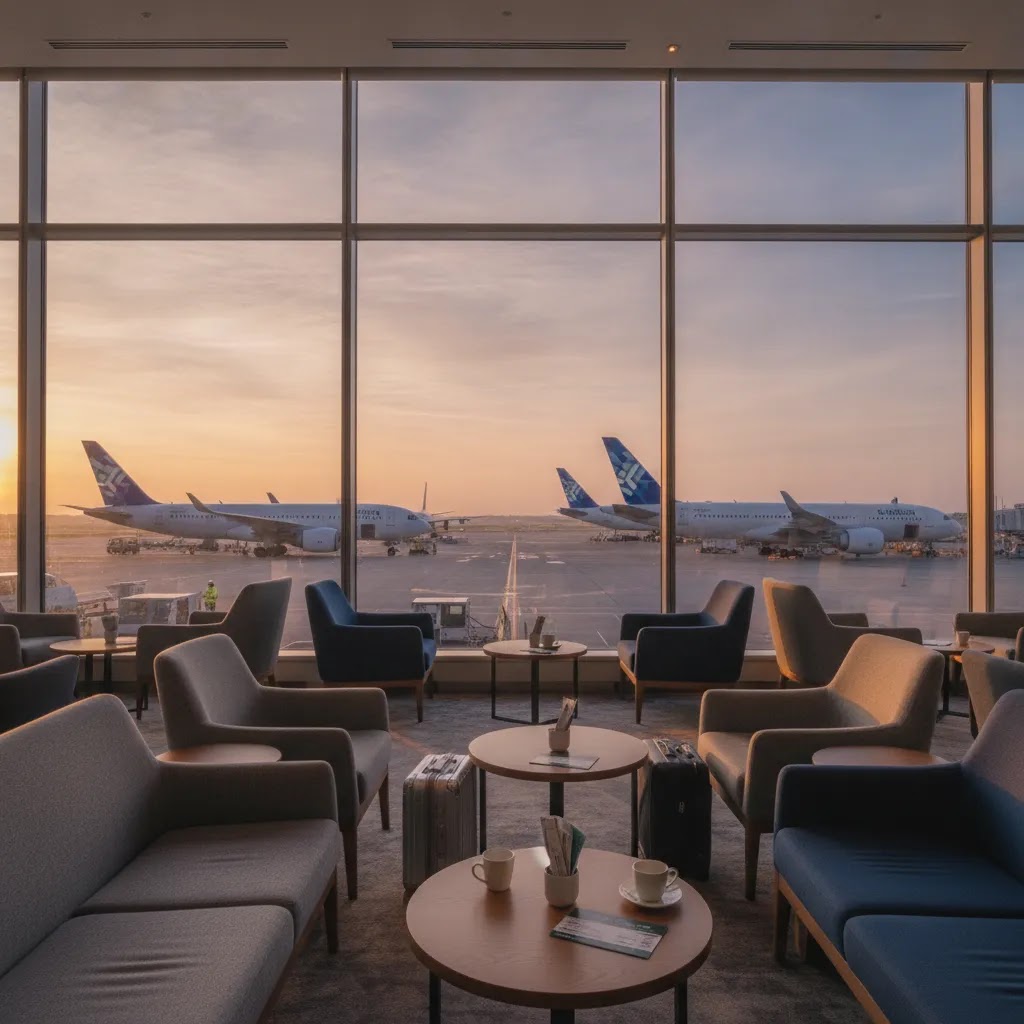
Premium economy to Europe is often sold as a simple step up in comfort. Yet the seat itself can vary enough to change the entire overnight experience. An eastbound sector of six to eight hours does not leave much time to dine, settle, and sleep. As a result, small ergonomic differences often decide whether you arrive reasonably rested or simply less uncomfortable than you would have been in the main cabin.
For discerning travelers, the most important variables usually come down to body support over time, recline design, and cabin density on the specific aircraft.
Seat width and pitch, and why “room” is not one number
Most premium economy seats offer a clear improvement in width and pitch over the main cabin. However, the practical feel depends on more than published measurements. A seat can advertise attractive pitch and still feel tight if the armrests are fixed and bulky or if the shell narrows at shoulder height. Width often matters more than an extra inch of pitch. In practice, it reduces shoulder compression and makes it easier to shift positions without disturbing a neighbor.
Recline mechanics: shell versus non-shell designs
Recline design is one of the most overlooked differentiators. Some premium economy products use a fixed-shell concept where the seat pan slides forward as you recline. In most cases, that protects the personal space of the passenger behind you and creates a more stable sense of room. Other seats recline traditionally into the space behind. That may feel more familiar. However, it can reduce the sense of calm in a small cabin if recline battles begin soon after meal service.
On an overnight flight, a well-executed recline system can matter as much as the number of degrees advertised.
Leg rest and footrest design, the feature that often decides sleep
A leg rest that properly supports the calves can reduce lower back fatigue and make it easier to rest, even if true sleep remains limited. Footrests also vary widely, from small flip-down bars to more substantial supports. The difference is not cosmetic. A weak footrest can leave the legs unsupported, while a better one helps maintain circulation and reduces the restless feeling that often appears in the second half of an overnight crossing.
Cabin density and the “feel” of premium economy
Premium economy works best when the cabin feels like a defined zone rather than an overflow section. Density influences everything: boarding calm, cabin noise, and the speed at which meal trays are cleared so the lights can dim. Two airlines may offer similar seats. By comparison, the lower-density cabin with better traffic flow often feels more premium in practice.
Practical watch points experienced travelers notice immediately
Bulkhead seats may look attractive because of the open space ahead, but they can bring trade-offs. Under-seat storage may be limited or unavailable for takeoff and landing, and bassinets are often positioned in those rows. On some aircraft, in-seat entertainment hardware or structural boxes can intrude into foot space, especially in window positions. These details are aircraft-specific and can shift with sub-fleet assignments, even under the same airline brand.
For sleep expectations, premium economy usually supports intermittent rest rather than continuous, fully restorative sleep. The seats that perform best on overnight Europe routes tend to share a few traits: supportive cushioning, a leg rest that carries weight, a stable recline system, and enough lateral space to reduce shoulder tension.
1. Virgin Atlantic Premium
Virgin Atlantic tends to perform especially well on transatlantic premium economy because the product often feels designed around the realities of crossing to Europe. The cabin usually presents a calmer mood than the main cabin, with seat proportions and service pacing that can make an overnight journey feel more composed. For travelers who want to arrive ready for a private driver, a first dinner in London, or a morning arrival into Heathrow, that matters.
Its strongest advantage is often the combined effect of seat comfort and atmosphere. Premium economy is never a substitute for Business Class. Still, on Virgin Atlantic it can feel like a clearly defined cabin rather than a mildly improved coach seat.
Strengths
- Seat design typically offers meaningful width and recline for overnight flights.
- Cabin styling often feels more deliberate and premium than many competitors.
- Meal presentation and beverage service are usually positioned above a purely functional standard.
- The product often suits leisure-oriented Europe travel particularly well, including anniversary and couple itineraries.
Considerations
- Lounge access is not a universal premium economy inclusion and should never be assumed.
- Airport experience may vary by departure station and fare rules.
- Travelers seeking the quietest possible sleep environment may still find overnight eastbound timing challenging.
Who it suits: Travelers who want premium economy to feel distinctively upgraded, especially on London-focused trips.
Expert verdict: One of the strongest choices for a premium leisure crossing to Europe, particularly if cabin mood and rest matter as much as route convenience.
2. Air France Premium
Air France often appeals to travelers who want premium economy with a stronger sense of occasion. On Europe routes, the carrier may deliver one of the more graceful balances between comfort and soft product. That is especially true for travelers who notice details such as meal sequence, presentation, cabin aesthetics, and crew polish. On an overnight crossing to Paris or beyond, that refinement can shape the journey in a meaningful way.
This is not simply about style. A premium economy seat still has to work physically, especially eastbound. Therefore, Air France remains competitive because the cabin experience tends to feel coherent rather than pieced together.
Strengths
- Soft product often feels more elevated than many transatlantic peers.
- Premium cabin ambiance may appeal to discerning leisure travelers and honeymooners.
- Paris serves as a strong gateway for onward European connections.
- The overall experience often feels intentionally premium rather than merely upsold.
Considerations
- Connection flows at a hub airport may not suit every traveler.
- Aircraft and seat generation should be verified before booking.
- Travelers focused purely on maximum personal space may prefer other options on certain routes.
Who it suits: Couples, style-conscious travelers, and anyone beginning a European itinerary in Paris or connecting onward with SkyTeam convenience.
Expert verdict: A particularly appealing choice for travelers who value refinement in the cabin experience, not only the seat itself.
3. Lufthansa Premium Economy
Lufthansa’s premium economy typically earns its place through reliability, network logic, and a cabin proposition that feels practical in the best sense. If your Europe trip includes onward travel to Germany, Austria, Switzerland, or Central Europe, Lufthansa may offer an efficient combination of nonstop reach and alliance connectivity. For many seasoned travelers, that logistical strength carries real value.
The product generally emphasizes order, function, and a measured premium feel. It may not always feel as styled as some competitors. Even so, it often succeeds where many travelers need it most: personal space, baggage, and a more composed long-haul rhythm than the main cabin usually provides.
Strengths
- Strong route network into major European hubs and onward destinations.
- Cabin proposition is usually dependable for business-oriented or connection-heavy travel.
- Seat comfort often represents a clear improvement over the main cabin on long overnight sectors.
- Well suited to travelers who prioritize operational structure and schedule breadth.
Considerations
- The experience may feel more functional than indulgent.
- Ground benefits can differ by airport and fare conditions.
- For travelers seeking a boutique feeling, the scale of the operation may feel less intimate.
Who it suits: Frequent travelers, professionals, and clients with multi-city Europe itineraries where dependable onward connectivity matters.
Expert verdict: A strong choice when route structure and consistency matter as much as inflight comfort.
4. British Airways World Traveller Plus
British Airways remains highly relevant in this category because of its extensive North America to Europe network. If your priority is nonstop access to London and smooth positioning beyond the UK, World Traveller Plus often deserves consideration. Its strength is not always that it leads every feature category. Instead, its strength is availability on many routes where schedule convenience drives the decision.
For a traveler attending a private event, beginning a Scotland itinerary, or connecting onward in Europe after an overnight flight, reducing routing complexity may outweigh marginal differences in soft product.
Strengths
- Broad transatlantic route coverage from major U.S. gateways.
- Often a practical option for travelers who want nonstop service to London.
- Cabin is clearly differentiated from Economy on long-haul services.
- Can fit well into UK-centered or Oneworld-aligned travel planning.
Considerations
- Experience consistency may vary by aircraft and cabin refresh cycle.
- Some travelers may find the soft product less distinctive than top-ranked rivals.
- Heathrow connections require attention to terminal flow and timing.
Who it suits: Travelers whose Europe plans are anchored around London, or who value route convenience and frequency above all else.
Expert verdict: Not always the most glamorous option, but often one of the most practical premium economy choices to Europe.
5. KLM Premium Comfort
KLM’s premium economy product, branded Premium Comfort, often appeals to travelers who want an intelligently balanced transatlantic experience. It does not rely on theatrical touches. Instead, it tends to work through strong fundamentals: a differentiated seat, a calmer cabin zone, and a product concept that sits comfortably between the main cabin and World Business.
For Europe travel via Amsterdam, that balance can be especially effective. Schiphol’s role as a connection point may suit travelers heading to secondary European cities, and the cabin itself often supports a more measured arrival than Economy would.
Strengths
- Often offers one of the more balanced premium economy propositions in the market.
- Amsterdam can be an efficient connecting gateway for wider Europe itineraries.
- Cabin design usually feels purpose-built rather than improvised.
- Good fit for travelers who want better rest and comfort without moving into Business Class.
Considerations
- Aircraft variation still matters and should be reviewed carefully.
- Some travelers may prefer a more elaborate soft product.
- As with most premium economy cabins, lounge access is not universally included.
Who it suits: Travelers who value proportion, comfort, and efficient European connections over brand theater.
Expert verdict: A well-judged option that often performs very well for balanced transatlantic travel.
How to Choose the Right Transatlantic Premium Economy Cabin
The best premium economy to Europe depends less on broad reputation and more on how well the product fits your itinerary. A flight to London for three nights requires a different assessment than a longer journey with onward connections in Paris, Amsterdam, or Frankfurt.
1. Judge the eastbound overnight, not only the daytime return
The overnight sector is usually the true test. Seat pitch matters, but so do recline angle, leg support, footrest design, cabin density, and whether meal service allows a reasonable sleep window. An airline that feels acceptable westbound may be much less appealing on the overnight crossing.
2. Check aircraft and sub-fleet differences
Premium economy is not uniform across every aircraft family. Even within one airline, a newer Airbus or Boeing configuration may differ materially from an older long-haul cabin. For discerning travelers, this is often where expert planning adds value. Seat maps, refresh cycles, and route assignments may alter your experience more than the airline name alone.
3. Separate airport privileges from cabin marketing
Premium economy may include priority boarding, additional baggage, or dedicated check-in, but those inclusions are not universal. Lounge access in particular should be verified directly. If your Europe trip begins with an early-evening departure and you value a calm preflight environment, the airport side may influence whether Premium Economy is sufficient or whether Business Class is the better fit.
4. Match the cabin to the purpose of the trip
A honeymoon, anniversary, or celebratory European itinerary often calls for a product with more atmosphere and softer service touches. By contrast, a business-focused trip may favor reliability, frequency, alliance alignment, and efficient onward connections. The best premium economy for transatlantic travel is often the one that supports your broader journey goals, not the one with the loudest branding.
5. Consider whether Premium Economy is the endpoint or the bridge
For many travelers, premium economy is the ideal answer. For others, it is the category that prompts a final comparison against lie-flat service. If overnight sleep, privacy, and immediate readiness on arrival are mission-critical, the right decision may be to step up a cabin rather than optimize within the middle ground.
The Flight Experts Perspective
At Flight Experts, premium cabin planning is approached as a service decision, not simply a seat assignment. The agency, led by Mike Chirilenco, specializes in personalized flight support for discerning travelers who value expert guidance over self-service booking friction. For travelers considering premium economy flights to Europe, that usually means looking beyond the airline label and reviewing the actual route, aircraft, fare conditions, airport handling, and whether the trip would be better served by Premium Economy or Business Class.
Flight Experts offers Premium Economy Flight Booking for long-haul international routes, including U.S. to Europe, with personal consultant support, enhanced booking guidance, and a stated price range of $800 to $3,000 depending on route. Clients who conclude they need a higher level of rest and privacy can also explore Business Class Flight Booking, with Europe routes typically ranging from $2,000 to $8,000+ depending on airline and itinerary. If you want a tailored recommendation rather than a generic ranking, get in touch with Flight Experts to discuss your route, timing, and travel priorities.
Pros and Cons
Strengths
- Premium Economy to Europe can offer a meaningfully calmer and more comfortable crossing than the main cabin.
- On the right airline, seat width, recline, and service pacing may support a far more composed arrival.
- The category often suits travelers who want elevated comfort without committing to a full Business Class fare.
- For leisure-focused transatlantic travel, premium economy may strike an appealing balance between comfort and overall itinerary investment.
- Many products include useful enhancements such as better baggage allowance and priority boarding, subject to fare rules.
Considerations
- Premium Economy does not provide a lie-flat bed, so overnight sleep remains limited compared with Business Class.
- Benefits such as lounge access, priority services, and seat features may vary considerably by airline and airport.
- Aircraft swaps or sub-fleet differences could materially change the onboard experience.
- The best-ranked airline overall may not be the best fit for your specific route, timing, or connection pattern.
Frequently Asked Questions
Which airline has the best premium economy to Europe overall?
For many travelers, Virgin Atlantic and Air France are especially compelling because they often combine strong seat comfort with a more refined cabin feel. That said, the best choice may vary depending on whether you prioritize sleep, nonstop access, hub convenience, or a more polished soft product. Route and aircraft type should always be checked before booking.
Is premium economy worth it for overnight flights to Europe?
In many cases, yes. Premium Economy may provide better seat dimensions, more recline, a quieter cabin section, and improved meal pacing. As a result, a short overnight crossing can feel more manageable. The limitation is that you still will not have a lie-flat bed, so it is worth weighing your sleep needs carefully before choosing the cabin.
What matters most in transatlantic premium economy?
Seat design usually matters more than marketing language. Width, recline, leg support, cabin density, and service timing often shape the journey most. Airport privileges can also matter, but they should be confirmed separately. A product that looks strong on paper may feel less impressive if the overnight service limits your rest window or if the aircraft is older.
Do premium economy tickets to Europe include lounge access?
Not always. Lounge access may depend on the airline, airport, fare family, alliance arrangements, or elite status. Some travelers assume Premium Economy automatically includes lounge entry because the fare is higher than Economy, but that is not usually a safe assumption. Confirm the benefit directly before booking, especially on international departures.
Is British Airways or Lufthansa better for premium economy to Europe?
That depends on your priorities. British Airways may be more attractive if you want broad nonstop access to London or strong schedule convenience. Lufthansa may suit travelers who value onward connectivity through Germany and Central Europe. Ultimately, aircraft, schedule, and final destination often determine which airline makes more sense.
Should I choose premium economy or business class for Europe?
If your priority is improved comfort and a more composed arrival, Premium Economy may be sufficient. If you need real sleep, greater privacy, lounge access, and a more controlled airport experience, Business Class could be the better fit. Travelers with early meetings, milestone trips, or immediate commitments on arrival often benefit from comparing both cabins side by side.
Are all premium economy seats to Europe similar?
No. The category varies considerably. Some airlines provide a genuinely differentiated long-haul seat with thoughtful ergonomics and notable service upgrades. Others deliver a more modest step up from the main cabin. Even within one airline, different aircraft or cabin generations may produce a noticeably different experience, so product consistency should never be assumed.
Which premium economy airline is best for couples going to Europe?
Couples often respond well to airlines with a more considered cabin ambiance and softer service, particularly on overnight crossings that begin a celebratory trip. Virgin Atlantic and Air France may be especially appealing in that context. Still, the best fit depends on your gateway, destination, and whether nonstop convenience or cabin atmosphere matters more to you.
Can a travel specialist help with premium economy booking?
Yes, especially if you are comparing multiple Europe routes, aircraft types, or fare conditions. A specialist may help you identify which premium economy products are genuinely differentiated, which airports offer smoother handling, and whether your itinerary would be better served by moving into another cabin. That guidance can be especially useful on higher-value or milestone travel.
Which airlines have the best premium economy?
The strongest premium economy products typically combine a truly differentiated seat, a calmer cabin, and service pacing that respects the overnight sleep window. Virgin Atlantic, Air France, Lufthansa, British Airways, and KLM are often strong contenders on Europe routes, but the best choice depends on the specific route, aircraft, and fare conditions on the day you travel.
Which flight premium economy is best?
The best premium economy flight is usually the one where the aircraft and schedule align with your priorities. On an eastbound overnight, a departure and meal timing that preserves rest can matter as much as the seat itself. It is also wise to verify the exact aircraft type and premium economy cabin generation, since that can materially change comfort even within the same airline.
Which airline has the most room in premium economy?
“Most room” can refer to pitch, width, or how the seat feels once reclined. Some airlines offer generous pitch while others feel wider at the shoulders, and those differences may shift by aircraft. For a true comparison, it is best to evaluate the specific aircraft operating your flight and to consider cabin density and footwell design, not only published seat dimensions.
Can you fly premium economy in Europe?
Yes, premium economy is commonly available on long-haul flights into Europe and on transatlantic routes. Within Europe itself, many short-haul flights do not offer a true premium economy cabin in the long-haul sense. The premium economy experience described in this article is primarily relevant to long-haul sectors such as U.S. to Europe, where the seat and service are structured as a distinct intermediate cabin.
How This Ranking Was Evaluated
This ranking prioritizes the elements that usually matter most on transatlantic Europe routes, rather than global brand reputation alone. The weighting centers on travel experience quality and exclusivity, personalization and service level, value for a premium investment, route suitability, operational trustworthiness, and practical logistics. That framework reflects how experienced luxury travel advisors typically assess cabin products for real client itineraries.
The article also reflects established premium travel considerations recognized across the industry, including cabin differentiation, alliance and hub utility, aircraft consistency, and the distinction between soft product and sleep capability. In evaluating Premium Economy, the central question is not whether it can imitate Business Class. It cannot. The more useful question is whether it materially improves the overnight crossing to Europe in a way that aligns with your reason for travel.
Key Takeaways
- For transatlantic Europe routes, the best premium economy products are defined by seat comfort, rest potential, and cabin calm more than branding alone.
- Virgin Atlantic, Air France, Lufthansa, British Airways, and KLM each stand out for different reasons, so route fit matters.
- Lounge access and ground privileges should always be verified separately because they are not universal Premium Economy inclusions.
- Aircraft type and sub-fleet variation may change the experience materially, even within the same airline.
- Flight Experts can help determine whether Premium Economy is the right cabin for your Europe itinerary or whether Business Class would be the wiser choice.
Conclusion
The best premium economy to Europe is rarely the one with the loudest branding. Instead, it is the cabin that fits your route, schedule, sleep expectations, and travel purpose with precision. A polished daytime return and a tolerable overnight crossing are not the same thing, and discerning travelers usually feel that difference on arrival. If you would like a tailored recommendation based on your departure city, European destination, and preferred style of travel, contact Mike Chirilenco and the Flight Experts team. Their personalized approach can help you compare premium economy flights to Europe with clarity and determine whether Premium Economy or Business Class is the more suitable choice for your next journey.



