
Business Class Flights to Switzerland: Best Routes
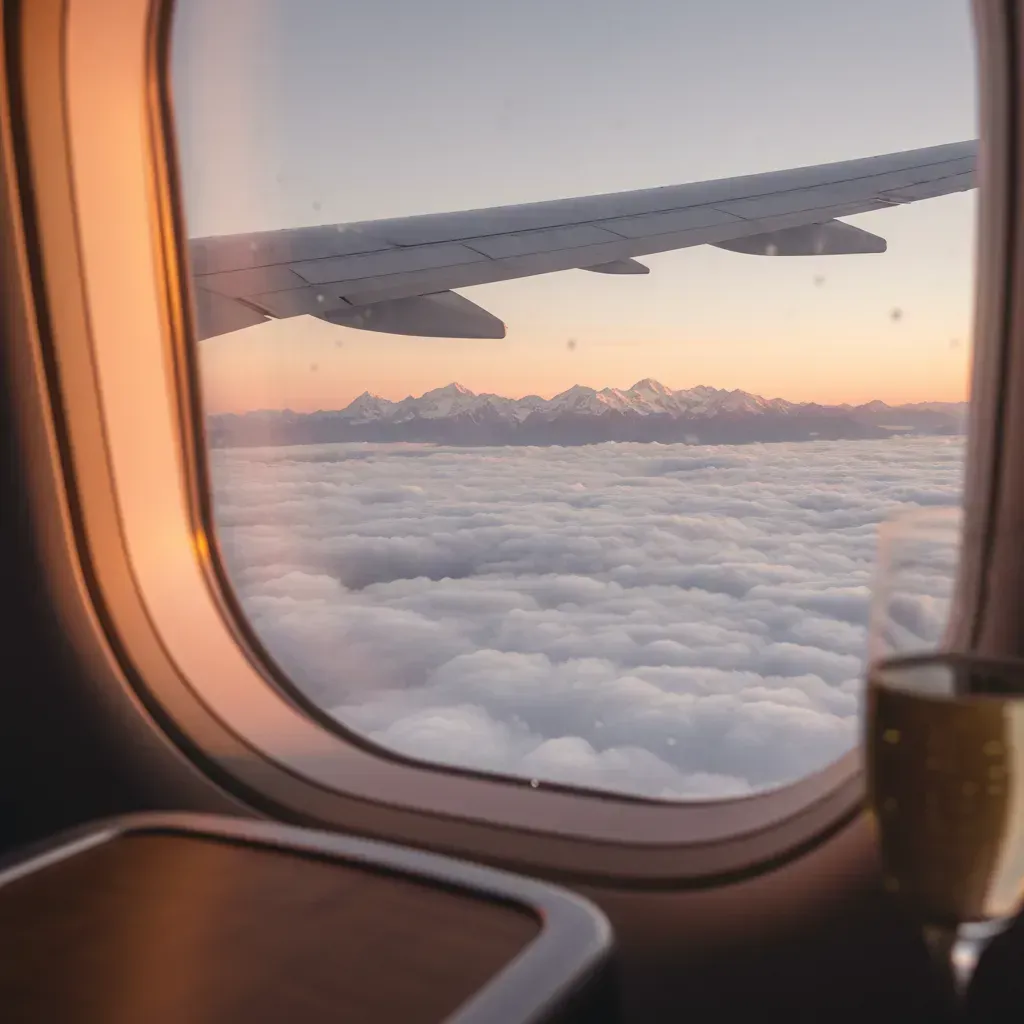
Why Switzerland Routes Require Careful Selection
A business class flight to Switzerland may look straightforward on paper, yet in practice there are meaningful differences between routing into Zurich and routing into Geneva. Zurich typically offers the broadest intercontinental connectivity and, in most cases, the strongest mix of premium airline options from North America. Geneva, by contrast, may suit travelers bound for international organizations, private banking appointments, ski transfers, or resort stays around Lake Geneva and the Alps.
The most suitable route often depends on what happens after landing. If your final stop is St. Moritz, Lucerne, or central Zurich, a nonstop or one-stop itinerary into Zurich could be the most efficient choice. If you are continuing to Lausanne, Montreux, Verbier, or Chamonix, Geneva may reduce ground transfer friction. The best business class flights to Zurich and Geneva are usually defined by schedule logic, aircraft consistency, and airport experience rather than by destination alone.
For premium travelers, another factor is service continuity. Not every business class product delivers the same standard across transatlantic routes. Some carriers offer direct aisle access throughout the cabin, elevated dining, and strong alliance lounge access. Others may present a respectable seat but a less polished ground experience. That distinction matters on overnight flights, where rest quality affects your first day in Switzerland.
Readers exploring broader premium planning considerations may also find value in Premium Flight Booking & Tips, particularly when evaluating connections, timing, and cabin selection.
Key Route Features for Zurich and Geneva
The strongest Switzerland itineraries generally share a few important characteristics. First is aircraft quality. On a long-haul overnight segment, direct aisle access, strong bedding, and cabin privacy tend to matter more than marketing language. Travelers booking a zurich business class flight from the United States often benefit most from aircraft with modern reverse herringbone or suite-style seating, especially on eastbound departures.
Second is airport and lounge consistency. Zurich is usually a polished arrival point, known for efficiency and rail integration. Geneva is compact and practical, which may be advantageous if you want a swift transfer onward. On departure from the United States, the quality of the originating premium lounge may vary significantly by airline, alliance, and terminal. For many travelers, that pre-flight environment shapes the trip as much as the onboard seat.
Third is connection design. A one-stop itinerary can be excellent if the hub is well managed and the connection is realistic. Depending on the carrier, hubs in London, Frankfurt, Munich, Paris, Amsterdam, or other major European gateways may offer smooth onward service into Switzerland. Still, a short connection after an overnight crossing may increase stress, while an overly long one can dilute the benefits of Business Class. The right balance is highly personal.
Fourth is destination fit. Business class flights to Geneva may be particularly well suited for travelers focused on western Switzerland, luxury ski access, or a shorter private transfer after landing. Business class flights to Zurich may suit travelers seeking wider airline choice, stronger onward rail access, or a cosmopolitan arrival point for finance, culture, and central Switzerland.
Flight Experts offers Business Class Flight Booking with a personal travel consultant, seat selection support, meal preference coordination, check-in assistance, price monitoring, and cabin upgrade alerts. According to current service information, typical Business Class bookings may range from $2,000 to $8,000+ depending on route and airline, with options usually presented within 30 minutes in many cases. That kind of guided comparison is especially valuable for Switzerland, where small routing decisions can materially affect comfort and timing.
SWISS Business Class: What to Expect on the Ground and In the Air
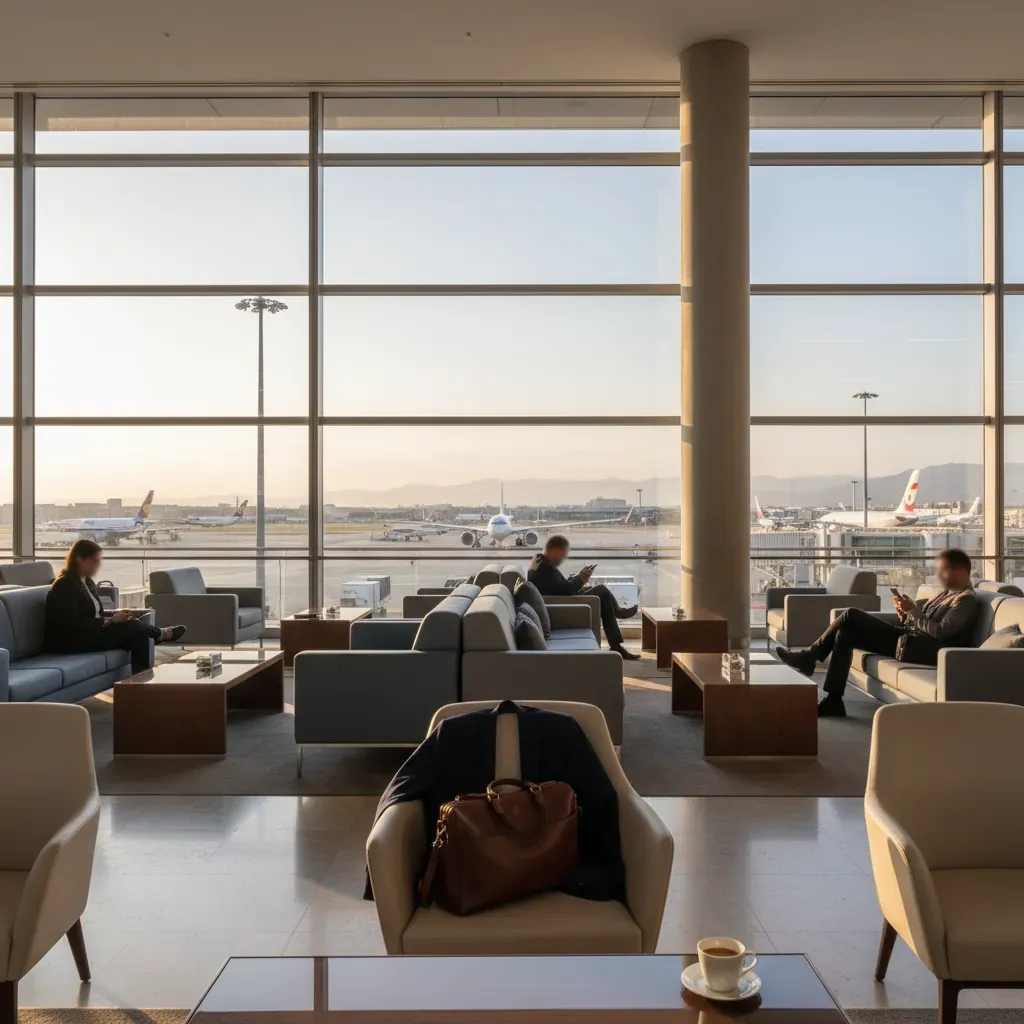
For travelers whose plans naturally center on Switzerland, SWISS frequently becomes part of the conversation, whether you are flying nonstop where available or connecting through a European gateway. “Business Class to Switzerland” can mean very different experiences depending on the operating carrier, the aircraft family, and the specific route. Even within one airline, the cabin you see in marketing images may not match the exact configuration assigned to your flight, and details are subject to change.
On board, SWISS Business Class is typically designed around a calm, understated premium feel, with a service style that tends to be measured rather than theatrical. On overnight eastbound sectors, what matters most is how quickly you can transition into rest. In practice, this comes down to sleep sequencing and pacing: how rapidly the cabin settles after departure, how service is structured around your preferred meal timing, and how much privacy the seat geometry provides when the lights go down. For many discerning travelers, the ability to protect a meaningful block of sleep outweighs any single menu highlight.
Seat consistency can vary by aircraft type and sub-fleet. Some long-haul configurations favor a mix of seat styles, which may include alternating solo-oriented positions and paired seats that are more natural for couples. This is where careful selection becomes important. A seat that feels ideal on a daytime westbound can be less satisfying on an overnight crossing if it exposes you to aisle traffic, galley activity, or a less private angle. On a business class flight to Zurich or Geneva that arrives in the morning, the most valuable “feature” is often the seat that protects sleep and reduces disruption.
In Zurich, the hub experience often appeals to premium travelers because connections can be efficient when planned with realistic timing. Premium check-in and priority processes commonly reduce friction, but the real benefit is structural: Zurich is built for connections, and the airport’s general logic tends to support a composed transfer experience. Lounge access for Business Class travelers is typically available through the operating airline or alliance rules, subject to fare conditions and eligibility. Facilities, hours, and access policies can change, so a current confirmation close to departure is always prudent.
When choosing SWISS versus a partner carrier for a one-stop itinerary into Zurich or Geneva, the decision is rarely about brand prestige alone. It is often about schedule reliability, connection ease, and the consistency of the premium experience across both long-haul and short-haul segments. A thoughtfully chosen partner flight may offer an excellent long-haul seat with a straightforward connection, while a hub-and-spoke plan that looks elegant on paper can become less appealing if the final segment feels like an afterthought. The most refined itineraries are the ones that maintain premium standards through the entire journey, including the final European segment into Switzerland.
Pros and Cons
Strengths
- Zurich and Geneva both offer strong premium entry points, allowing travelers to align arrival airport with their final destination rather than forcing a one-size-fits-all plan.
- Many Switzerland itineraries are served by major premium carriers, which may provide high-quality seats, refined dining, and alliance lounge access subject to airline and route.
- Zurich typically offers excellent onward train connectivity, which can make a business class flight to Zurich especially attractive for multi-stop Swiss itineraries.
- Geneva may be highly practical for travelers heading to western Switzerland, private banking centers, diplomatic appointments, or luxury Alpine resorts.
- For overnight eastbound travel, Business Class can materially improve rest, privacy, and arrival readiness compared with lower cabins.
- Working with a specialist may help identify the most suitable aircraft, schedule, and hub combination instead of relying on generalized search results.
Considerations
- Not every airline offers the same Business Class standard on every Switzerland route, so cabin quality may vary even within the same carrier.
- Geneva may have fewer long-haul nonstop options than Zurich, which could require a connection depending on your origin city.
- A one-stop itinerary can be elegant when well planned, but poorly timed connections may reduce the comfort advantages of premium travel.
- Seasonal demand for ski periods, summer lake travel, and major events may affect availability and schedule flexibility.
Baggage, Carry-On, and Arrival Logistics for Business Class in Switzerland
A premium cabin booking does not automatically mean identical baggage treatment across airlines, alliances, or even fare brands within Business Class. Allowances and policies can differ, and for Switzerland, the details matter because itineraries often involve specialized packing and tight onward timing. It is worth verifying the exact checked baggage and carry-on rules attached to your specific ticket, particularly when your trip includes ski equipment, formalwear for events, or a multi-stop itinerary that forces you to pack with more structure than usual.
For ski travel, the key is not only whether equipment is accepted, but how it is categorized and whether any advance steps are required. Some airlines may treat ski gear as a standard checked item within allowance, while others could apply separate rules, seasonal policies, or size and weight limits. If your itinerary includes a connection, it is also important to confirm whether the operating carrier on the short-haul segment applies different handling rules than the long-haul carrier. Subject to airline rules, coordinating this in advance can reduce the risk of a smooth long-haul flight being followed by an avoidable baggage complication.
Arrival logistics deserve the same level of precision. Baggage delivery times can vary by day, flight bank, and operational conditions, even for premium travelers. Customs and immigration flow is typically efficient in Switzerland, yet the cadence can shift during peak ski weekends, summer travel peaks, and major events. If you are aligning your arrival with a same-day meeting, a timed rail departure, or a long resort transfer, building a realistic buffer is often wiser than planning for a perfect-case scenario.
Zurich often pairs well with onward rail, and Geneva can be excellent for direct road transfers, but both gateways reward careful timing. In winter, weather and traffic patterns can influence transfer duration. If you are meeting a driver, arriving before a specific time window, or connecting to intercity rail, it is prudent to plan with enough margin to account for typical variability at baggage claim and curbside coordination. Precision planning at this level is not about pessimism, it is about protecting the first day of your Switzerland itinerary.
Who This Suits Best
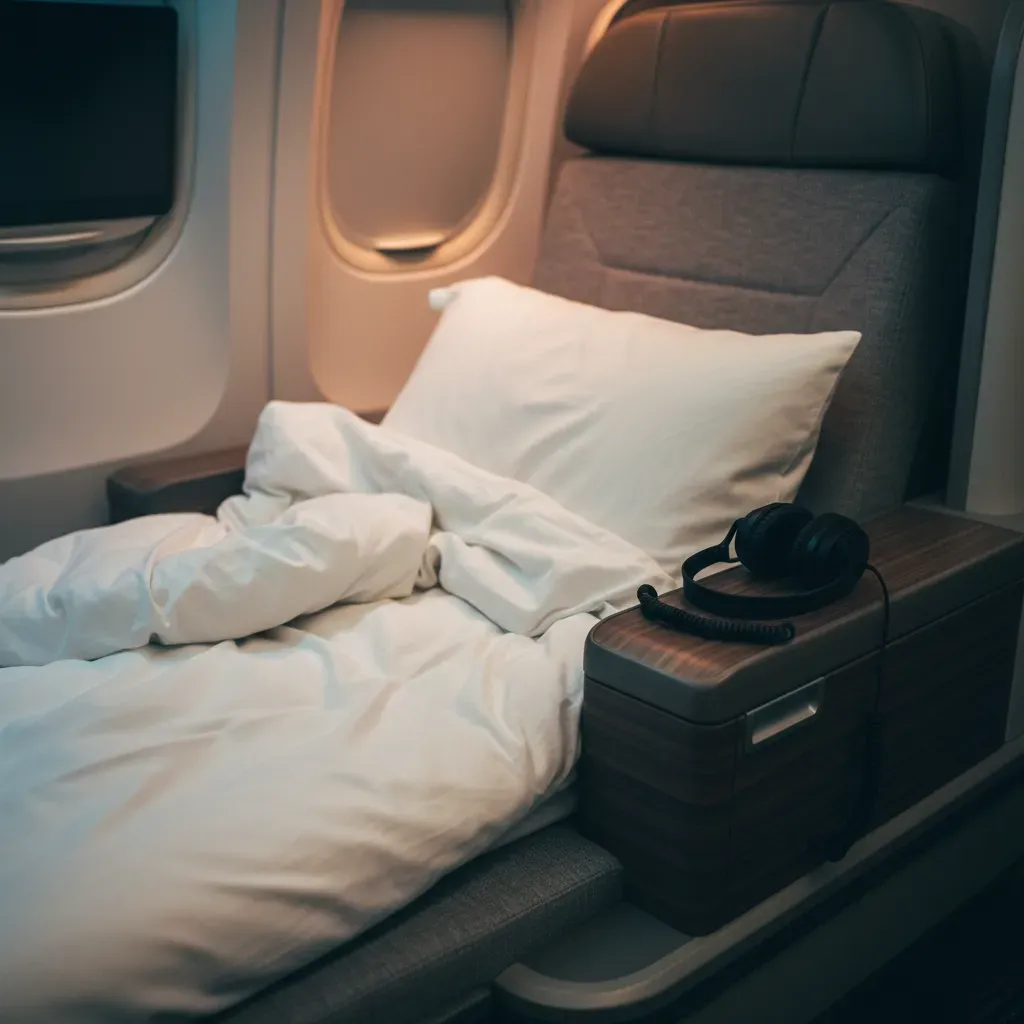
This type of route evaluation is most valuable for travelers who care about the full premium journey, not just the fare class shown on a booking screen. If you are traveling for a financial roadshow in Zurich, a diplomatic or corporate visit to Geneva, a honeymoon with alpine rail connections, or a family trip combining cities and mountain resorts, route design matters. The ideal reader is looking for a business class flight to Switzerland that reflects personal priorities such as rest, privacy, punctuality, and polished ground handling. It is particularly well suited to travelers who want expert help balancing aircraft type, connection strategy, and arrival airport without spending hours sorting through inconsistent booking results.
Flight Experts Recommendation
For Switzerland, our recommendation is to begin with the destination logic, then work backward to the flight. That may sound obvious, yet many travelers choose the first attractive premium fare they see and only later realize the arrival airport, aircraft, or connection timing does not truly fit the trip. A Zurich itinerary is often the strongest starting point for wider schedule choice, while Geneva may be the superior option for western Switzerland and many ski-focused itineraries.
Flight Experts is particularly well positioned to assist with this decision because the service is centered on personalized Business Class booking rather than generic self-service results. The current service includes a personal consultant, usually fast turnaround, and support with seat selection and travel preferences. If your trip includes multiple Swiss stops or onward European segments, you may also wish to explore Complex Itinerary Planning. To discuss the most suitable route for your travel style, visit Business Class Flights to Europe or contact Flight Experts for a personalized recommendation.
How to Choose the Right Business Class Route
1. Match the airport to your real final destination. This is the most important step. Zurich is often best for central and eastern Switzerland. Geneva may be better for Lake Geneva, western Switzerland, and many luxury ski transfers. If your itinerary includes a private driver, rail segment, or hotel transfer, total door-to-door time matters more than airborne time alone.
2. Evaluate the actual aircraft, not just the airline name. A business class flight to Zurich on one aircraft type may feel substantially more refined than the same airline on another. Look for direct aisle access, modern seat geometry, and a cabin layout that supports sleep on overnight sectors. In most cases, that matters more than an attractive marketing description.
3. Consider whether nonstop or one-stop better suits your travel style. Nonstop service may reduce complexity, especially before meetings or milestone events. A well-designed one-stop itinerary, however, can open access to stronger cabin products or more favorable departure times. The key is whether the connection is civilized and realistic, not merely possible.
4. Weigh ground experience as carefully as onboard comfort. Premium check-in, lounge quality, transfer times, and baggage handling all influence the journey. For some travelers, a calmer airport and shorter arrival process in Geneva will feel preferable. For others, Zurich’s broader infrastructure and onward transport links may be the decisive advantage.
5. Use a specialist when the trip has consequences. Switzerland often attracts travelers with meaningful reasons for travel, from board meetings to anniversaries to ski holidays with tightly timed transfers. Those are precisely the moments when curated flight selection becomes worthwhile. A specialist can usually identify which options are genuinely aligned with your needs and which only appear attractive at first glance.
If your broader planning includes Europe beyond Switzerland, the category page for Business Class Flights to Europe may help frame regional options before you finalize a route.
Aircraft and Seat Map Due Diligence for Switzerland Routes (A330 and Beyond)
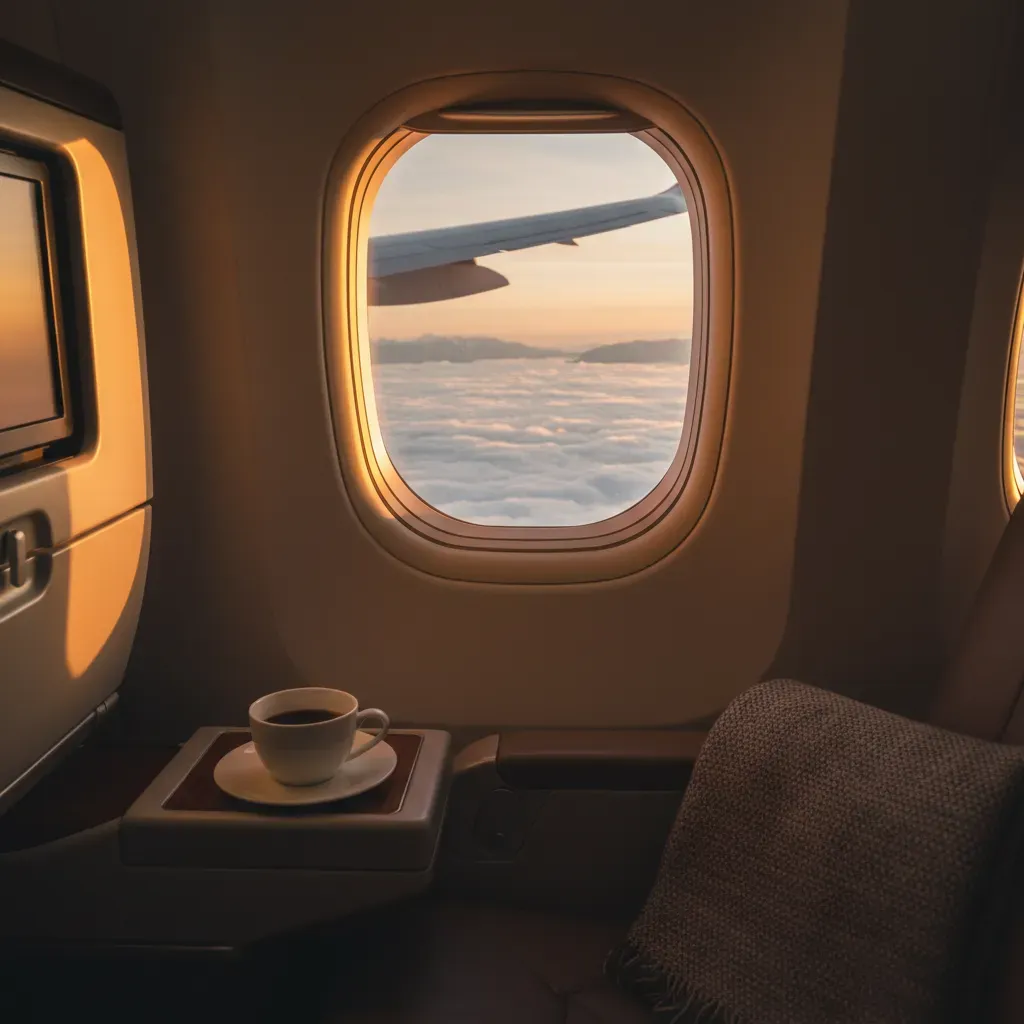
Switzerland routes can present a “same cabin, different experience” problem, even within a single airline brand. Aircraft type and seat map are not minor details. They are often the deciding factors in whether your overnight flight supports sleep, privacy, and a composed arrival. For long-haul flights into Zurich and, in some cases, Geneva, aircraft such as the A330 and other widebody families may operate depending on the route and season. The specific product assigned can change, and last-minute swaps are possible for operational reasons.
Seat map interpretation is the step that separates an informed premium choice from a hopeful one. A 1-2-1 layout typically suggests that every seat has direct aisle access, which most discerning travelers prefer on overnight flights. Other layouts may alternate between seats with direct aisle access and seats that require stepping over a neighbor, or may mix solo-oriented “throne” style seats with paired center seats that are more comfortable for couples. Neither approach is automatically superior, but each suits different priorities.
Solo travelers often value privacy, a sense of separation from the aisle, and a seat position that reduces shoulder and foot traffic during the sleep window. Couples may prefer true pairs in the center with a more natural conversational distance, provided the divider and console design supports it. What matters is matching the seat type to the way you actually travel: whether you prioritize uninterrupted sleep, working posture, dining comfort, or a quiet environment that feels insulated.
Due diligence also includes recognizing that “direct aisle access” is not always uniform in practice. Some cabins technically provide aisle access for each passenger, yet create meaningful differences in privacy based on where the seat faces, how close it sits to the aisle, and whether the footwell is constrained. On overnight eastbound sectors into Switzerland, selecting a seat that protects rest can be more valuable than choosing a seat simply because it is labeled as preferred. Galley-adjacent rows, bassinets, and high-traffic zones may affect sleep quality, even in a premium cabin.
An advisor-led verification approach close to departure tends to produce better outcomes than setting a seat once and forgetting it. Confirming the operating carrier, verifying the aircraft assignment, reviewing the current seat plan, and then aligning seat selection with your arrival timing and onward plans is especially worthwhile. If you have a rail departure, a driver meeting, or a same-day commitment after landing, small improvements in rest and disembarkation flow can influence the first day in Switzerland more than any single onboard amenity.
Frequently Asked Questions
Is Zurich or Geneva better for a business class arrival?
It depends on your final destination and schedule priorities. Zurich typically offers broader long-haul access and excellent rail connectivity, which may suit central and eastern Switzerland. Geneva may be more practical for western Switzerland, diplomatic travel, and many Alpine transfers. The best choice is usually the one that reduces total journey friction after landing.
Are nonstop business class flights to Switzerland always the best option?
Not always. Nonstop service can be ideal for simplicity and rest, especially before meetings or time-sensitive events. Still, a one-stop itinerary may offer a better onboard product, stronger departure timing, or a more suitable arrival airport. In most cases, the quality of the connection matters as much as the number of stops.
What should I prioritize on an overnight flight to Switzerland?
Sleep quality should usually come first. Look for direct aisle access, a seat that lies fully flat, thoughtful bedding, and a cabin environment conducive to rest. Lounge access, dining, and attentive service matter, but on an overnight crossing the ability to arrive reasonably refreshed is often the defining factor.
Is a business class flight to Zurich better for Swiss rail connections?
Typically, yes. Zurich is often the most convenient gateway for onward rail travel to several major Swiss destinations. If your itinerary includes cities such as Lucerne, Bern, or St. Moritz, Zurich may offer a more efficient starting point. Exact convenience may vary depending on arrival time and your connection preferences.
Do business class flights to Geneva work well for ski trips?
They often do, particularly for resorts and luxury chalet destinations in western Switzerland or nearby Alpine regions. Geneva can be a logical arrival point if you are meeting a private transfer or continuing directly by road. The best outcome usually depends on the precise resort, seasonal traffic, and your preferred arrival timing.
How far in advance should I plan Business Class travel to Switzerland?
For peak ski periods, summer travel, and major events, early planning is usually wise. Premium cabin availability may tighten well before departure, especially on preferred overnight services. If you want a specific aircraft, ideal seats, or a coordinated multi-stop itinerary, engaging a specialist earlier typically gives you stronger options.
Can Flight Experts help compare Zurich and Geneva options?
Yes. Flight Experts offers Business Class Flight Booking with a personal travel consultant who can compare routes, airlines, schedules, and cabin features based on your priorities. The service also includes support such as seat selection and check-in assistance, which may be especially valuable for complex or high-stakes itineraries.
Are all Business Class products to Switzerland comparable?
No. Business Class varies considerably by airline, route, and aircraft type. Some cabins emphasize privacy and sleep, while others focus more on respectable comfort than true premium refinement. That is why an airline name alone is not enough. The exact aircraft and itinerary design usually tell you far more about the likely experience.
Is Geneva or Zurich better for a honeymoon or anniversary trip?
Both can work beautifully, but the better choice depends on the style of trip. Geneva may suit lakefront stays and quick access to select alpine retreats. Zurich may be preferable for a broader Swiss circuit with rail connections and city pairing. For milestone travel, curated timing and arrival flow are often more important than airport prestige.
What is business class like on SWISS airlines?
SWISS Business Class typically emphasizes a calm, refined onboard environment with a service pace that often suits overnight rest, subject to route and crew. The specific seat style and cabin layout can vary by aircraft and may change due to operational updates, so it is wise to confirm the exact aircraft assignment and seat plan before selecting seats. For Switzerland-bound travelers, the most meaningful difference is often how well the seat and service rhythm protect sleep on eastbound overnight sectors.
What is the best airline to fly to Switzerland?
The best choice depends on your priorities and routing. Some travelers value a nonstop flight into Zurich, while others prefer a well-structured one-stop itinerary that offers a more consistent long-haul cabin product or a better arrival time. In most cases, the “best” airline is the one that combines a strong aircraft and seat, a realistic connection strategy, and a reliable ground experience for your specific itinerary into Zurich or Geneva.
What month is the cheapest to fly to Switzerland?
Pricing varies by origin market, events, and seasonal demand, and it can change quickly. In general, shoulder periods outside peak ski weeks and high-summer travel may present more flexibility, but there is no single month that is consistently lowest for every route. For Business Class travelers, the more useful approach is often to plan around your preferred arrival timing and product consistency, then use professional monitoring to identify favorable booking windows subject to availability.
What was the downfall of Swissair?
Swissair’s collapse is generally attributed to a combination of aggressive expansion investments, financial exposure during a challenging aviation cycle, and limited ability to sustain the strategy when market conditions tightened. While the history is significant, it is separate from what a modern Switzerland-bound Business Class journey looks like today. For current planning, the practical focus should be on the operating carrier, aircraft, schedule design, and the specific cabin product offered on your chosen route.
Key Takeaways
- Zurich usually offers the broadest long-haul premium access, while Geneva may be more practical for western Switzerland and many Alpine itineraries.
- The best business class flight to Switzerland depends on aircraft type, connection design, and post-arrival logistics, not only airline branding.
- Sleep quality and ground experience are often the two most important differentiators on overnight routes from North America.
- Flight Experts provides personalized Business Class booking support, including consultant guidance, seat selection, and itinerary assistance.
- For premium Switzerland travel, expert route selection may materially improve comfort, timing, and the overall quality of the journey.
Conclusion
Switzerland is one of the clearest examples of why premium air travel should be chosen with precision. The most suitable route is not always the most obvious one. Zurich may deliver broader connectivity and excellent rail access, while Geneva may offer a more elegant arrival for western Switzerland or ski-focused travel. For discerning travelers, the right decision usually comes down to cabin quality, airport flow, and how well the itinerary supports the purpose of the journey. Flight Experts can help you compare those variables with the care they deserve. To begin planning your itinerary, contact Mike and the Flight Experts team for a personalized consultation and a curated recommendation tailored to your route, timing, and travel preferences.



