
First Class International Flights: Where to Fly & Prices

What First Class International Flights Really Offer
International First Class sits at the very top of commercial aviation, but it is not uniform across airlines or routes. In most cases, the finest products combine a private or semi-private suite, highly attentive cabin service, premium dining on demand, elevated bedding, lounge access, and, on select carriers, chauffeur coordination or dedicated ground handling. The experience may begin well before boarding with priority check-in, escort services, or flagship lounges and may continue after arrival depending on the airline and destination.
Flight Experts currently offers First Class Flight Booking for major long-haul markets including the US to Europe, US to Asia, the US to Middle East, transatlantic, and transpacific journeys. According to current service data, these itineraries typically fall within a broad range of $5,000 to $20,000+, depending on airline, route, season, and availability. Carriers in this booking category include Emirates, Singapore Suites, Lufthansa, ANA, JAL, Etihad, Qatar, Swiss, and Air France La Première.
That range illustrates an important reality. First class flights international are highly variable products. A nonstop overnight flight to Europe may emphasize sleep quality and ground efficiency, while a longer transpacific service often places greater weight on suite privacy, dining flexibility, and aircraft-specific cabin design. If you are evaluating the underlying cabin standard itself, our guide to what is first class provides a useful foundation.
“First Class” can describe very different realities depending on the airline and aircraft. Some carriers operate a genuinely intimate international first class cabin with only a handful of suites, exceptionally high crew-to-guest attention, and a ground experience designed to feel private and unhurried. Others may use the first class label on routes where the cabin is larger, the seat is less private, or the overall service feels closer to an older generation of premium travel. Confirming what you are actually flying, not only what the ticket says, is often the most important step in setting expectations.
Discerning travelers often want clarity on specific inclusions. International first class frequently includes dine-on-demand or highly flexible service pacing, premium beverage programs that may feature vintage champagne and top-shelf spirits, and upgraded amenity kits that can include full skincare sets and elevated fragrance options, subject to airline and route. Pajamas are common on many long-haul first class services, as are mattress pads or enhanced bedding layers. Some airlines provide a distinct turndown ritual with separate bedding elements, while others focus on a single, very high-quality sleep setup. Lavatory amenities can also be noticeably different in first class, with additional products and more frequent refresh, but these details can vary by aircraft, by departure station, and even by time of day.
Catering and service quality can shift depending on where the flight departs. The same airline may load different menus and beverage selections in different cities based on local suppliers and operational constraints. Even with a consistent onboard product, that variability can materially affect the experience, especially for travelers who place high value on dining and beverage. A specialist review of your exact route and departure city can help you choose the version of first class that is most likely to align with your expectations.

Key Features That Define a True First Class Experience
The most respected first class international routes tend to distinguish themselves in five areas: seat design, service ratio, ground experience, route suitability, and consistency. Not every carrier excels equally in all five.
Seat and suite privacy remains central. On leading routes, travelers may find fully enclosed suites, generous sleeping surfaces, large entertainment screens, multiple seating positions, and thoughtful in-suite storage. This matters most on first class long haul sectors where uninterrupted rest and personal space shape the value of the ticket.
Service style is often what seasoned travelers remember. A refined cabin crew in international first class typically balances attentiveness with discretion. Dining may be paced around your preferences rather than a single cabin-wide schedule. Amenity quality, turndown preparation, and beverage curation also tend to be noticeably stronger than in Business Class, though this varies by airline.
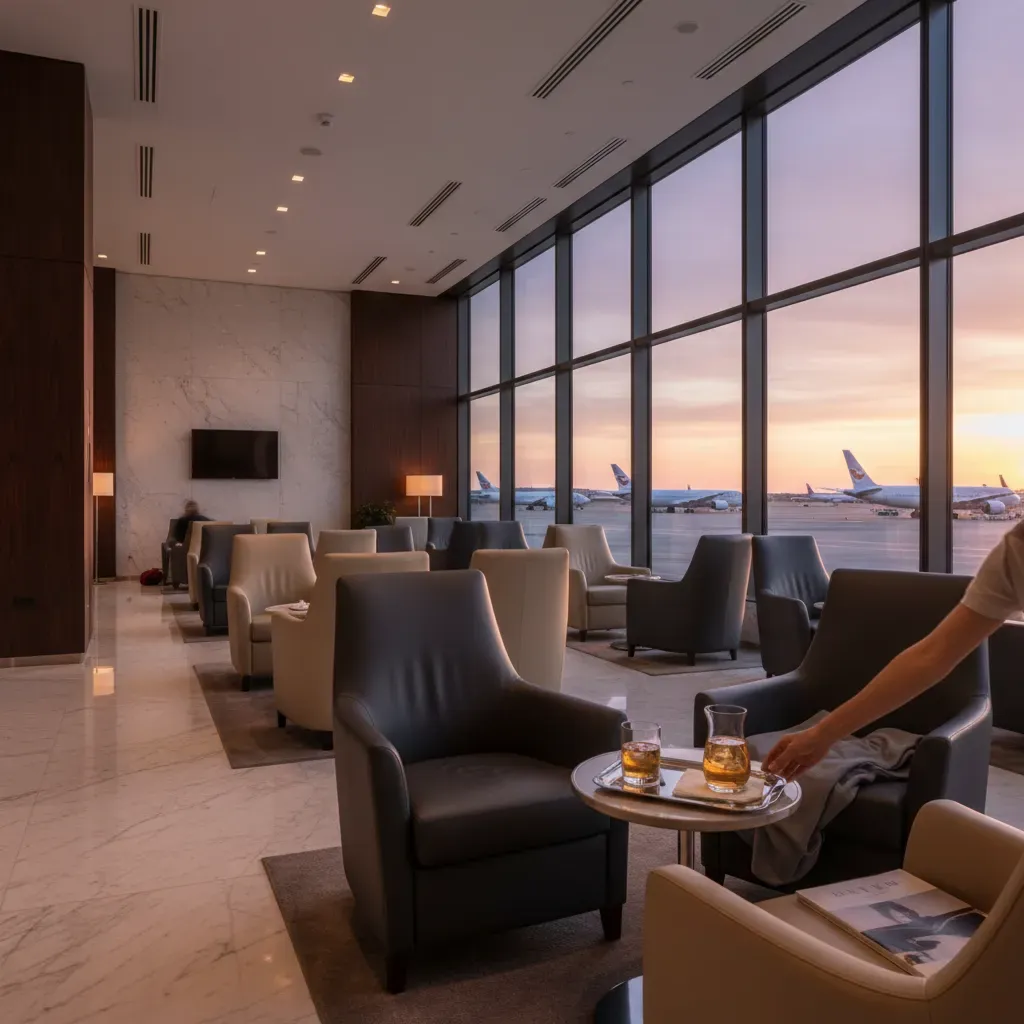
Ground privileges may include access to flagship first class lounges, expedited formalities, and assistance at key touchpoints. On certain airlines and airports, this can materially reduce the friction of international travel. For a traveler managing a tight connection or seeking a more composed start to a honeymoon or anniversary trip, this element can be as valuable as the seat itself.
Route selection matters just as much as carrier reputation. Some of the best first class international flights are found on flagship routes where airlines showcase their strongest hard and soft products. Others may be limited to only a few aircraft types or only one daily frequency, which makes schedule planning especially important.
Booking expertise is the final differentiator. Flight Experts’ First Class Flight Booking service includes white-glove personal service, exclusive first class deals, lounge access coordination, chauffeur service arrangements, and luxury amenity guidance, with options usually presented within 30 minutes after a request is submitted. For travelers comparing route value before booking, it can also be helpful to review broader first class cost considerations and category resources in Premium Flight Booking & Tips.
First Class Ground Experience: Check-in Timing, the “45-Minute Rule,” and Private Handling
The finest first class journeys are often won or lost on the ground, not in the air. Many travelers assume that a first class ticket overrides normal airport timing rules, but in most cases airlines still enforce minimum check-in and bag drop cutoffs. This is the practical context behind what some travelers refer to as the “45-minute rule.” Depending on the airline, airport, and whether you are traveling with checked luggage, there may be a firm cutoff such as 45 minutes before departure for accepting bags, or a separate deadline for completing check-in. Some locations enforce earlier cutoffs for international departures, and certain airports apply additional constraints during peak periods.
First class typically changes the way you move through the airport, but it does not always change the deadlines themselves. You may have a dedicated first class check-in area, priority lanes, or a more private setting for document verification. You may also receive escort assistance to security or to a lounge, subject to airline policy and local operating conditions. What it may not change is the reality of airport infrastructure and government-controlled processes. Immigration and security capacity can still affect timing, even when fast-track services are available. The most reliable approach is to plan with the assumption that published cutoffs still apply, then let premium handling make the experience calmer, not rushed.
For international first class, arrival time should be planned around your personal risk tolerance, checked baggage needs, and the operational profile of the departure airport. If you are using chauffeur transfers, it is wise to build in buffer time for traffic, terminal access, and any curbside constraints. If you are connecting from another flight, a tight connection may look acceptable on paper but still feel pressured if the onward flight requires a terminal change, an additional document check, or a longer walk to a flagship lounge. Some of the most refined ground experiences are also the most structured, with specific entry points and procedures that can vary by station.
Private terminal access and private handling, where offered, can be exceptional, but they are highly airline and airport specific and subject to change. Even within the same carrier, private check-in locations, escorts, and arrival services may be available only for certain routes, certain ticket types, or certain partner airlines. This is where advisor-led planning becomes materially valuable. A luxury travel specialist can confirm the current cutoffs, recommend realistic arrival timing for your departure airport, and coordinate the ground sequence so that first class feels composed from the first interaction to boarding.
Pros and Cons
Strengths
- Exceptional privacy and personal space on leading international first class routes, especially on flagship aircraft and long-haul sectors.
- Highly personalized onboard service that may include dine-on-demand, premium beverage programs, and attentive bedding preparation.
- Superior ground experience with lounge access, priority handling, and, depending on the airline, dedicated check-in or transfer arrangements.
- Particularly well suited to milestone journeys, overnight flights, and travelers who place a premium on rest, calm, and discretion.
- Access to a small group of globally respected carriers such as Emirates, Singapore Suites, Lufthansa, ANA, JAL, Etihad, Qatar, Swiss, and Air France La Première through Flight Experts’ booking service.
Considerations
- Availability may be limited because many airlines offer first class only on select aircraft, select routes, or select departure dates.
- Pricing can vary substantially by route and season, and the highest fare does not always correspond to the best experience for your needs.
- Some Business Class products now narrow the gap considerably, especially on shorter overnight routes where you may not fully use every first class benefit.
- Ground perks such as chauffeur transfers or dedicated lounge access may depend on departure airport, ticket type, and airline policy at the time of booking.
On long-haul travel, cabin cleanliness and how the suite is refreshed between flights is also a consideration. Airlines typically perform a turn cleaning between sectors, which may include visible tidying, trash removal, basic surface wipe-down, and resetting of items. A deeper cleaning schedule is usually separate and may depend on aircraft routing, time on the ground, and local station resources. Even within premium cabins, the time available between arrival and departure can vary dramatically, and that can influence how extensive the reset feels.
In first class, high-touch areas can include seat controls, privacy doors and handles where fitted, tray tables, seatbelt hardware, headphones, and storage compartments. Bedding is generally refreshed, but the exact configuration can vary, particularly if the airline uses a combination of linens, mattress pads, and duvet layers that are assembled in-flight. The crew may perform additional attention to detail where time allows, but many aspects of cleaning and restocking are handled by ground teams and vendor partners, subject to local operating standards.
For discerning travelers with specific hygiene preferences, the most effective approach is discreet and practical. Bringing a small, elegant personal kit for quick touchups, and allowing time to settle into the suite before meal service begins, can help you feel comfortable without turning the experience into a project. Advisor guidance can also help in selecting routes and carriers where premium cabin standards are typically strong, and in choosing flight times that may offer more predictable ground servicing. No airline can eliminate operational variability entirely, but thoughtful planning often reduces the likelihood of avoidable friction.
Who First Class International Flights Suit Best
First class international flights are usually best suited to travelers who see the journey itself as part of the occasion. This includes couples planning a honeymoon or anniversary, executives who need to arrive rested for high-stakes meetings, and families arranging a once-in-a-lifetime overseas itinerary where comfort and logistics matter as much as the destination.
They may also suit travelers who value privacy above all else. If you prefer a quieter cabin, more individualized attention, and ground handling that removes friction from the airport process, first class could be the right fit. By contrast, on some shorter routes, a top-tier Business Class product may offer a more practical balance of comfort and investment. That is where advisor guidance becomes particularly valuable.
Flight Experts Recommendation
For travelers actively considering first class overseas flights, Flight Experts is best used not as a simple ticketing source but as a strategic advisor. The team can help you compare airlines that appear similar on paper yet differ meaningfully in suite design, lounge quality, transfer experience, and route consistency. That distinction is especially important on premium itineraries where a misjudged aircraft swap, awkward connection, or weaker lounge environment can diminish the overall experience.
Flight Experts’ current First Class Flight Booking service covers major intercontinental markets and includes white-glove support, lounge coordination, chauffeur service arrangements, and expert guidance around premium amenities. The booking process is straightforward: submit a request, receive expert assistance at no charge, review curated options, and confirm the itinerary that best matches your preferences. If you are also researching broad market patterns, our article on cheap first class explains why published pricing rarely tells the full story.
To begin planning, speak with a luxury travel specialist at Flight Experts or contact Mike Chirilenco directly to discuss your route, priorities, and preferred style of service. For high-value trips, that personalized review may be the difference between merely flying first class and choosing the right first class experience.
How to Choose the Right First Class International Route
Selecting among first class flights international is rarely a matter of choosing the most famous airline name. A more reliable approach is to evaluate the route through four practical criteria.
1. Match the cabin to the flight length. On a shorter transatlantic overnight, your top priority may be bed comfort, an efficient lounge, and minimal disruption. On a longer transpacific route, enclosed privacy, dining flexibility, and a well-designed suite become more important. The same first class brand may perform differently depending on the mission of the flight.
2. Confirm the aircraft and product version. Not every airline installs the same first class product across its fleet. In many cases, a route may rotate between aircraft types seasonally or even day to day. A luxury travel specialist can help verify whether you are booking a flagship suite product or an older cabin that carries the same label with a different experience.
3. Consider the full airport journey. International First Class is often as much about ground handling as the seat. Ask whether the departure airport offers a true first class lounge, private check-in, escort assistance, or quality transfer support. These details may be decisive for milestone trips, older travelers, or anyone connecting through a large hub.
4. Evaluate whether First Class is the right premium tier. Some routes simply do not justify the leap from Business Class, particularly where modern Business Class suites offer excellent privacy and sleep quality. A trusted advisor should be candid about this. The strongest recommendation is not always the most elaborate one. It is the one that aligns with your purpose, timing, and personal expectations.
5. Book with route-specific expertise. First class inventory can be limited, and premium cabins may involve more nuance than public booking engines reveal. Flight Experts also offers Business Class Flight Booking, Complex Itinerary Planning, and other premium services that can be useful if your trip includes mixed cabins, multi-city routing, or a need to compare First Class against top Business Class alternatives. Travelers exploring cabin distinctions in more detail may also find the Premium Cabin Experience & Amenities category helpful.
Frequently Asked Questions
What qualifies as true international First Class?
In most cases, true international First Class includes a substantially more private seat or suite than Business Class, a very small cabin, elevated dining, premium bedding, and stronger ground services. The exact features may vary by airline and route, so it is important to confirm the aircraft and service level before booking.
How much do first class international flights usually cost?
Based on current Flight Experts service data, first class international itineraries typically range from $5,000 to $20,000+, depending on route, airline, season, and availability. That figure should be treated as broad context rather than a guaranteed fare. A personalized quote is the best way to assess current options.
Are the best first class international flights always the most expensive?
No. In practice, the best option for you depends on route length, aircraft type, departure airport, and what you value most, whether that is privacy, sleep quality, dining, or lounge access. A higher fare may reflect timing or limited inventory rather than a meaningfully superior experience.
Which routes are usually strongest for international First Class?
Flagship routes between the US and Europe, Asia, and the Middle East often feature the most competitive first class products. These markets are where airlines are most likely to showcase premium suites and elevated service, though exact quality may still depend on the aircraft assigned to your specific departure.
Is First Class worth it over Business Class on long-haul flights?
It may be, especially for milestone travel, overnight sectors where rest is critical, or travelers who value privacy and premium ground handling. On some routes, however, modern Business Class can narrow the gap considerably. The decision is usually most effective when made route by route rather than in general terms.
Can Flight Experts help with lounge access and airport arrangements?
Yes. Current service details for Flight Experts’ First Class Flight Booking include lounge access coordination, chauffeur service arrangements, and guidance on luxury amenities. Availability and scope may vary by airline, airport, and itinerary, so these details should be confirmed during the planning process.
How quickly can Flight Experts present first class options?
According to current product information, options are usually presented within 30 minutes after you submit a request, though timing may vary if your itinerary is especially complex. This can be particularly helpful when you are comparing several airlines, connection patterns, or travel dates.
Should I book directly with an airline or use a luxury travel specialist?
For straightforward travel, direct booking may suit some travelers. For first class international routes, a specialist may add meaningful value by comparing aircraft-specific products, schedule quality, airport experience, and service nuances that are not always obvious in a self-service booking flow. This is especially useful for complex or high-value trips.
Are first class services consistent across all airports?
No. Lounge quality, check-in experience, transfer support, and even catering can vary by departure city and airport infrastructure. One reason discerning travelers work with an advisor is to understand where an airline’s first class experience is strongest and where it may be more limited.
What do you get in first class international flights?
In most cases, you can expect a substantially more private seat or suite, elevated dining and beverage service, upgraded bedding and a more attentive turndown process, and premium amenity elements such as pajamas and a higher-end amenity kit on many long-haul routes. Ground services may include dedicated check-in, priority handling, flagship lounge access, and in select markets escort support, subject to the airline, airport, and itinerary. Since inclusions can vary by route, aircraft, and departure city, confirming the exact product before booking is the most reliable way to align expectations.
What is the 45 minute rule?
The term is commonly used to describe an airline check-in or bag drop cutoff that may be around 45 minutes before departure on some routes. The exact timing can vary significantly by airline, airport, and whether you are checking bags, and first class does not always override these deadlines. For international travel, cutoffs are often earlier, so it is advisable to confirm requirements for your specific airport and carrier.
Why do flight attendants sit on their hands when flying?
On takeoff and landing, cabin crew are typically required to assume a braced posture in their jumpseats as part of safety procedures. Some crew members place their hands on their thighs or near their seatbelt and harness to maintain a stable, consistent position and to reduce the risk of injury during a sudden deceleration. The exact posture can vary by airline training and aircraft.
Do airlines clean seats between flights?
In most cases, airlines perform a turn cleaning between flights that may include tidying the cabin, removing trash, and basic wipe-down of visible surfaces, but the depth and consistency of cleaning can vary by station, time on the ground, and operational conditions. Deeper cleaning is typically handled on a different schedule. In premium cabins, suites are usually reset carefully, but travelers with specific preferences may still choose to do a discreet personal touchup upon boarding.
Key Takeaways
- First class international flights vary considerably by airline, aircraft, route, and airport experience.
- Current Flight Experts first class booking service covers major intercontinental markets with pricing context of $5,000 to $20,000+.
- The most suitable first class option is not always the most expensive one. Route fit and product consistency matter more.
- Ground handling, lounge access, and aircraft-specific suite design often shape the real value of international First Class.
- Advisor-led planning may be especially valuable for milestone trips, multi-city itineraries, and travelers seeking a highly personalized journey.
Conclusion
Choosing among first class international flights requires more than comparing fare displays or relying on an airline’s marketing language. The best experience for you will usually depend on the route, aircraft, departure airport, and how you want the journey to feel from check-in through arrival. For some travelers, that means a highly private suite on a flagship transpacific route. For others, it means a well-timed overnight flight to Europe with a refined lounge and smooth ground handling. Flight Experts helps you assess those distinctions with the care they deserve. To begin planning your trip, contact Mike Chirilenco or speak with a Flight Experts luxury travel specialist for a personalized consultation and curated first class recommendation tailored to your itinerary.



