
United First Class Seats: What to Expect

For travelers who value a calm, productive, and comfortable journey, hardware variation matters before tickets are issued. United does not operate an international First Class cabin. Its domestic First Class product generally offers a reclining seat rather than a fully flat bed. The quality of that reclining seat, however, can range from a well-designed narrow-body chair with helpful storage to an older configuration with fewer personal conveniences. This article explains how to read the aircraft, configuration, and seat map behind United First Class seats.
United First Class Seats at a Glance
United places First Class seats on domestic and short-haul international flights that use narrow-body aircraft and regional jets. The cabin gives you more room, a larger seat, enhanced service, and priority handling than the main cabin. It does not provide a sleeping suite.
The most useful question is not simply, “Does this flight have First Class?” It is, “Which aircraft is operating this flight, and what is the exact seat arrangement?” That distinction can affect your shoulder room, access to power, tray-table design, storage, window alignment, and how much movement you will notice from other passengers.
- Boeing 737-family aircraft typically feature a 2-2 First Class layout.
- Boeing 757 aircraft, where scheduled domestically, also commonly use a 2-2 arrangement with a larger-feeling cabin than many regional alternatives.
- Embraer E175 regional jets typically offer a 1-2 layout, an appealing arrangement for solo travelers seeking a true single seat.
- Bombardier CRJ aircraft often feature a 1-2 layout in First Class, though the cabin and overhead-bin dimensions are more constrained.
- Some long domestic routes may offer a premium cabin with a different product entirely, including lie-flat United Polaris seating on selected wide-body aircraft.
| Aircraft type | Typical First Class layout | Key consideration |
|---|---|---|
| Boeing 737-family aircraft | 2-2 | Full-size narrow-body cabin |
| Boeing 757 aircraft | 2-2 | Larger-feeling cabin than many regional alternatives |
| Embraer E175 regional jets | 1-2 | True single seat for solo travelers |
| Bombardier CRJ aircraft | 1-2 | More constrained cabin and overhead-bin dimensions |
For broader perspective on how premium cabins differ across airlines, Flight Experts maintains Airline Business & First Class Reviews that examine the practical details behind a cabin label.
What United First Class Typically Includes Beyond the Seat
The First Class experience begins before boarding. Eligible travelers typically receive access to priority check-in areas where available, priority boarding, and priority baggage handling. These details can be particularly valuable on a work-focused itinerary or a short connection. A composed airport process and earlier boarding allow time to settle in before the cabin becomes active.
Onboard inclusions vary more than the cabin label may suggest. Depending on route length, departure time, aircraft, and current operating policies, First Class may include an enhanced meal service, beverages, entertainment options, Wi-Fi availability, and pre-departure service. A shorter domestic sector may provide a more limited refreshment offering than a longer flight departing during a meal period. The assigned aircraft also influences whether entertainment is available through a seatback screen, a personal device, or both.
For many experienced travelers, the practical value lies in the combination of space, priority handling, and a quieter environment rather than in any single amenity. Service details can change, so travelers with particular dining, connectivity, or timing requirements should confirm the current provisions for the exact flight before departure.
Why the Aircraft Matters More Than the Cabin Name
Two flights can carry the United First Class label and still deliver noticeably different physical experiences. United’s network relies on a mix of aircraft generations, cabin interiors, and regional operating partners. The seat assigned on a Denver to Los Angeles flight may bear little resemblance to one on a Chicago to Asheville route, even though the booking confirmation uses the same cabin name.
On mainline aircraft, the First Class cabin tends to have wider aisles, larger overhead bins, and more substantial seat shells. On regional aircraft, the 1-2 seating pattern may feel private, especially for a solo passenger, but the cabin is physically narrower. A window traveler may appreciate the single side of the configuration. A taller traveler may favor the additional shoulder room often found on a larger Boeing aircraft.
Aircraft substitutions remain possible for operational reasons. If seating is central to the quality of your trip, check the aircraft type at booking, again before online check-in, and once more close to departure. A change does not always reduce the experience, but it can materially alter the seat you selected.
Cabin count changes the feel of boarding
A smaller First Class cabin can create a quieter arrival and departure experience, particularly on an E175. A larger narrow-body cabin may have more First Class rows and a more active boarding environment, especially at a major hub. Neither is inherently preferable. The right choice depends on whether you prioritize a single-seat layout, a larger aircraft cabin, or a specific departure time.
Mainline Narrow-Body United First Class Seats
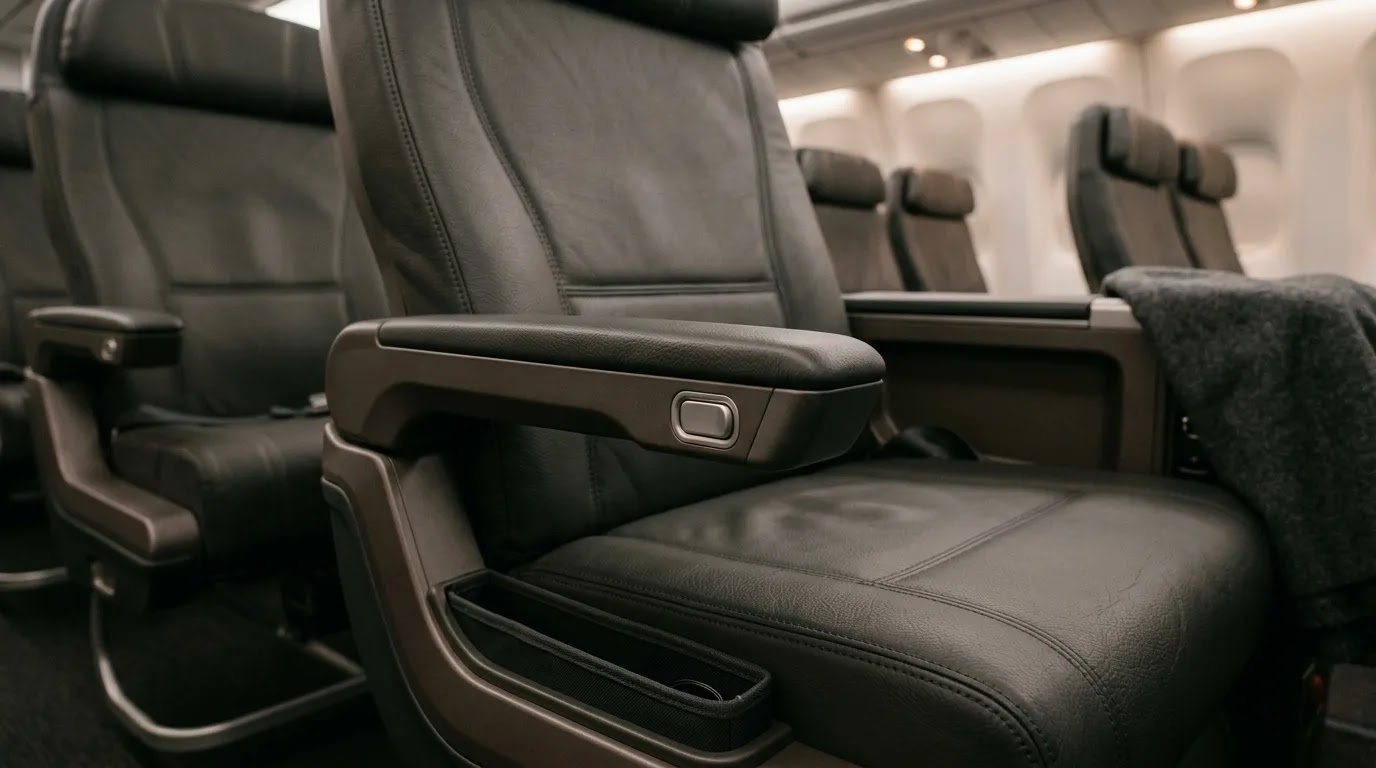
United’s Boeing narrow-body aircraft form the core of its domestic First Class offering. Most use a 2-2 layout. Every passenger has either a window or aisle position, and no one sits in a middle seat. For couples, this is often the most natural arrangement because two travelers can share a pair without crossing an aisle.
The physical seat is generally a reclining domestic First Class chair with a wider cushion and more personal space than the main cabin. The exact finish, screen arrangement, power availability, and storage layout can vary by aircraft and refurbishment status. Some aircraft use seatback entertainment screens, while others rely more heavily on personal-device entertainment options. Travelers who prefer a built-in screen should confirm the assigned aircraft rather than assuming one will be available.
Boeing 737 seating
On a Boeing 737, the First Class section usually sits directly behind the cockpit in a 2-2 layout. These United First Class seats are often the most familiar domestic version. They work particularly well for travelers taking a two- to four-hour flight, couples traveling together, and those who want the greater sense of space provided by a full-size narrow-body cabin.
Rows near the front reduce deplaning time, which can be useful during a short connection. The first row may have fixed armrests because the tray table is often stored within the armrest. That can slightly reduce usable hip room compared with a conventional movable armrest. Bulkhead seats can also have different personal-item storage rules for takeoff and landing.
Boeing 757 seating
Where United schedules a Boeing 757 domestically, its First Class cabin may feel more substantial than that on smaller aircraft. The fuselage is wider than a regional jet, and the cabin has a more generous scale. Yet the experience still depends on the particular airframe and its interior. Some travelers seek the 757 because of its larger cabin feel, while others prefer a newer 737 interior with more current charging and entertainment provisions.
A 757 assignment should not be treated as a promise of a lie-flat seat. For that, you need to verify that the itinerary is specifically marketed and operated with a United Polaris business class cabin.
Regional Jet First Class Seats
Regional aircraft are where United First Class can become surprisingly nuanced. The E175 and CRJ family typically use a 1-2 First Class layout. The single-seat side is highly attractive for a traveler who wants to work, read, or rest without sitting directly beside another passenger. It is one of the few domestic premium configurations where a solo flyer can select a window seat with no adjacent seatmate.
That privacy comes with tradeoffs. Regional jet cabins are narrower, overhead storage is smaller, and many cabin bags must be valet-checked at the aircraft door. These bags normally return planeside after arrival, but the process can add a few minutes to your exit. Travelers carrying medication, documents, jewelry, electronics, or other essentials should keep those items in a smaller personal bag that remains with them.
The Embraer E175 experience
The E175 is often regarded as one of the more comfortable regional aircraft because its First Class configuration provides an appealing blend of privacy and usable space. The single seats on the left side are particularly desirable for solo travelers. The aircraft may be a thoughtful choice for a short business journey or a regional connection that would otherwise require a tightly packed seating arrangement.
Seat assignments can matter greatly. A window seat on the single side offers privacy, while the two-seat side works better for companions. The first row can provide an early exit, but its tray-table arrangement and under-seat storage rules may differ from other rows.
The CRJ experience
CRJ aircraft offer a similar 1-2 concept in First Class but have a more compact physical environment. The cabin may be perfectly appropriate for a shorter sector, especially if the schedule is convenient and the single-seat side is available. For a longer regional flight, a traveler who is sensitive to cabin width or overhead-bin limitations may prefer a mainline aircraft where timing allows.
Do not judge a regional First Class seat only by the seat map. Look at the aircraft type, flight duration, connection timing, and the role that sector plays in your larger itinerary. A 55-minute regional flight requires a different level of seat scrutiny than a three-hour segment preceding an important meeting.
Recline, Space, and Personal Privacy
The principal limitation of most United First Class seats is simple: they recline, but they do not become beds. On an early morning domestic departure or a late-evening return, that distinction shapes expectations. You can settle into a larger chair, recline, and enjoy a more composed cabin experience. However, you should not expect the full sleeping environment offered by a lie-flat business class product.
Recline can also affect the passenger behind you, particularly during meal service or while working on a laptop. A considerate approach is to return the seat upright for meal trays and during periods when the cabin is active, unless you need to recline for comfort. The seat hardware supports a more relaxed posture, not an enclosed private space.
Where privacy comes from
On United domestic First Class, privacy comes primarily from cabin size, seat selection, and the absence of a middle seat. It does not usually come from doors, dividers, or suite walls. A window seat in a 2-2 Boeing configuration offers the greatest separation from aisle traffic, while an aisle seat makes it easier to stand and retrieve belongings.
For solo travelers, the 1-2 layout on an E175 can feel more private than a 2-2 mainline configuration. For two people traveling together, a paired window-and-aisle set on a Boeing aircraft generally creates the more natural shared experience.
Dining, Refreshments, and Onboard Productivity

Domestic First Class dining is generally determined by the length and timing of the flight rather than by the seat itself. Longer services departing during breakfast, lunch, or dinner periods may offer a more substantial meal, while shorter flights may provide lighter refreshments. Menus, catering, and service procedures can vary by route and may change. Do not assume a particular meal simply because the flight is booked in First Class.
Travelers planning to work should also assess the aircraft with care. Power outlets, Wi-Fi performance, and personal-device entertainment can differ by fleet type and maintenance condition. A full-size tray table on a mainline aircraft may be suitable for a laptop and documents, but it remains a compact workspace. Reclining space can be comfortable for reading or reviewing material. Yet it does not offer the room or privacy of a lie-flat business class suite.
A light meal before boarding and a few preferred refreshments in a personal bag can support a more comfortable journey, particularly if the timing of onboard service does not align with your schedule. For an important arrival or a connection to a long-haul flight, Flight Experts would typically consider the service pattern alongside aircraft type, departure time, and the demands of the day ahead.
How to Select the Right United First Class Seat
Seat selection should reflect the purpose of the flight, not just a desire to sit as far forward as possible. A traveler heading directly to a presentation may value a quiet window seat and room to organize materials. A family member meeting a car service after landing may prefer an aisle seat in the first few rows. A couple on a celebratory trip may value sitting together over a marginal difference in deplaning time.
Use this selection sequence before confirming your preferred seat:
- Confirm the operating carrier and aircraft type, especially on itineraries involving regional partners.
- Review the First Class layout, including whether it is 2-2 or 1-2.
- Decide whether you value a window, aisle access, a paired seat, or a single-seat arrangement.
- Check whether the bulkhead row has fixed armrests or different personal-item restrictions.
- Revisit the seat map if the aircraft changes before departure.
Flight Experts often evaluates those details in the context of the full journey. The most favorable seat may not be the same for a traveler connecting to an international lie-flat flight, a family traveling with carry-on luggage, or an executive arriving for a same-day engagement. A seat map becomes more useful when it is read alongside the entire itinerary.
Rows to approach thoughtfully
Bulkhead seats can be excellent for quick exits and unobstructed foot space, but they may offer less immediate access to personal belongings during taxi, takeoff, and landing. The final row of First Class can experience more foot traffic from the cabin behind and may recline differently on certain aircraft. These are not automatic reasons to avoid either row. They are details worth matching to your preferences.
Baggage Allowance and Airport Experience in United First Class
Checked-baggage allowances and priority bag delivery may form a useful part of the United First Class experience, particularly on an itinerary with a car service, a meeting, or a limited connection window after arrival. The applicable allowance can depend on the fare, route, MileagePlus status, and current airline policy. Confirm the current United baggage terms attached to the specific ticket rather than relying on a general assumption about the cabin.
On mainline aircraft, First Class passengers generally have access to the larger overhead bins found on Boeing narrow-body cabins, although space can still fill during a busy boarding process. Regional aircraft require more planning. Larger carry-on bags may be valet-checked at the aircraft door because of bin dimensions, then returned planeside after landing. Keep medication, travel documents, jewelry, electronics, and any materials needed immediately after arrival in a smaller personal item that remains with you.
Priority services do not remove the need for sensible airport timing. Travelers checking luggage should account for baggage acceptance cutoffs, security conditions, and the distance between check-in, lounge, and gate. On a short connection, especially one involving a regional jet, the practical question is not only whether the First Class seat is comfortable, but whether the entire transfer allows enough time for baggage, boarding, and a calm departure.
United Polaris and Domestic First Are Different Products
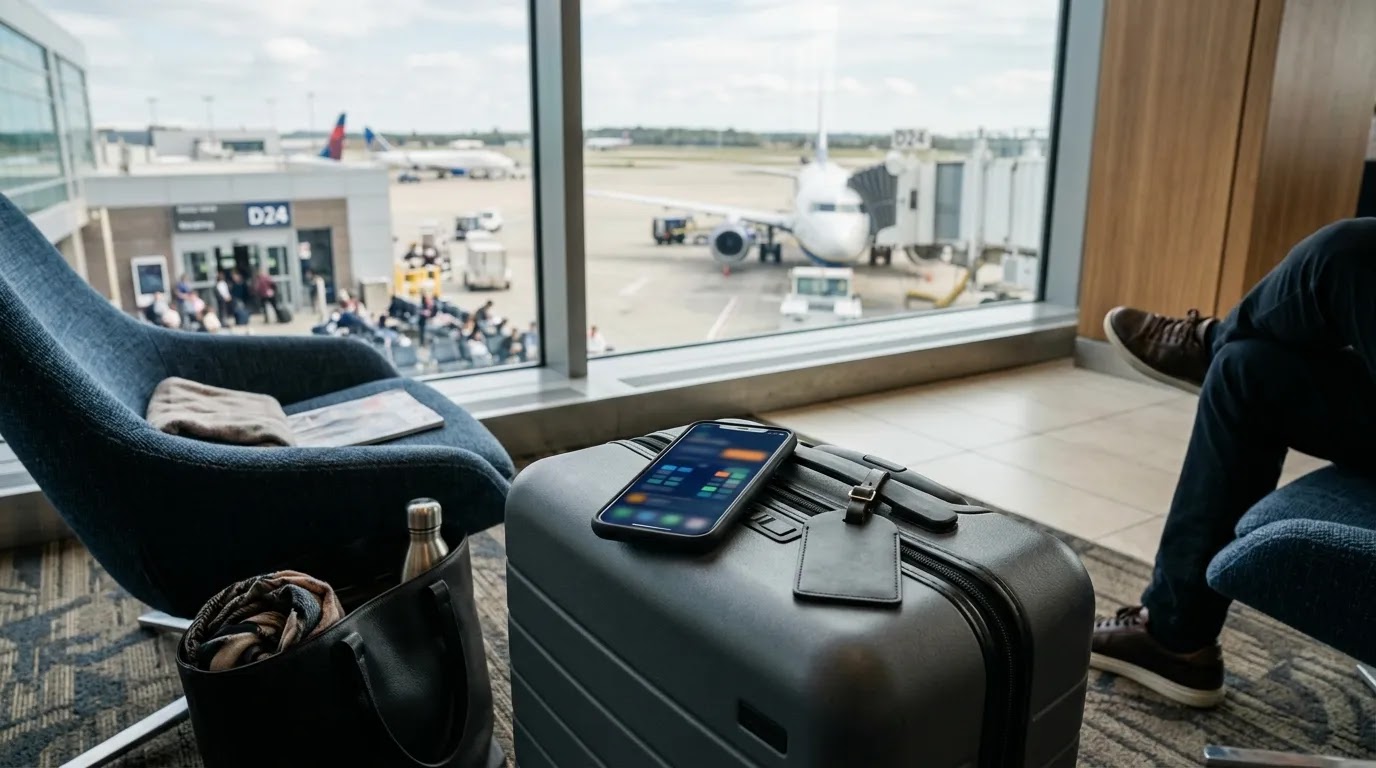
The word “First” can create confusion because United’s most elevated long-haul seat is sold as United Polaris business class, not First Class. Polaris is a separate product with lie-flat seating on applicable aircraft, enhanced bedding, a more sleep-oriented design, and a long-haul service structure. It should not be compared directly with a reclining domestic First Class chair.
Consider a passenger whose itinerary begins with a select domestic segment, one that, on occasion, is operated with wide-body equipment and fully reclining seats, and may carry the United Polaris label or be positioned as an elevated transcontinental business class offering. Whether this includes lounge privileges or matches the full long-haul service standard depends on the specific route and the conditions attached to the fare purchased. Those wishing to explore the flagship long-haul experience in greater depth are encouraged to consult our dedicated United Polaris review and United Polaris lounge access guide.
Comparing airline products also requires careful attention to route and cabin designation. A Qatar Airways business class review, for example, assesses a long-haul lie-flat business class product rather than a domestic reclining First Class seat. The service labels may sound comparable, but the intended use of the seat hardware is fundamentally different.
For travelers planning a journey with both domestic and international segments, the domestic First Class flight should be viewed as a comfortable positioning or connecting sector. Your long-haul cabin selection will usually have the greater influence on sleep, recovery, and arrival readiness.
Frequently Asked Questions
Are United First Class seats lie-flat?
Most United First Class seats on domestic flights are reclining seats, not lie-flat beds. They offer a wider chair, more personal room, and a more relaxed position than the main cabin, but they are designed for daytime domestic travel rather than overnight sleep. A few long domestic services may use wide-body aircraft with lie-flat business class seating, though that product is generally marketed as United Polaris business class or premium transcontinental business class. Confirm the aircraft and cabin name on your specific itinerary before assuming a lie-flat seat will be provided.
What is the typical United First Class seating layout?
Mainline Boeing aircraft commonly use a 2-2 First Class arrangement, with two seats on each side of the aisle. This gives every traveler either a window or aisle position and eliminates middle seats. Regional aircraft often use a 1-2 arrangement, which creates a single-seat side that can be especially attractive for solo travelers. The configuration is more meaningful than it may initially appear. A 1-2 E175 seat can offer more individual separation, while a 2-2 Boeing seat may provide a larger overall cabin environment.
What does a United First Class ticket typically include?
A United First Class ticket typically includes a larger reclining seat, priority boarding, and priority baggage handling, along with enhanced onboard service compared with the main cabin. Meal service, beverages, Wi-Fi, entertainment, and other amenities depend on the route, departure time, aircraft, and current operating policy. Domestic First Class lounge access is not automatically included in every case. Review the provisions attached to your specific itinerary before travel.
Does United First Class include free checked bags?
United First Class may include checked-baggage allowances and priority bag delivery, but eligibility can depend on the fare, route, MileagePlus status, and current airline policy. The cabin alone should not be treated as confirmation of a particular baggage allowance. Check the baggage terms shown with your ticket before packing, especially if your itinerary includes international segments or flights operated by a regional partner.
Is food included in United First Class on domestic flights?
Food may be included in United First Class on domestic flights, but the level of service is usually tied to flight length and departure timing. Longer flights during meal periods may offer a more substantial meal, while shorter services may provide lighter refreshments. Catering and menus can change, so travelers with a particular dining requirement should verify current flight details before departure.
How early should I arrive for a United First Class flight if I am checking luggage?
Arrive with enough time to meet the airline’s applicable baggage acceptance cutoff, clear security, and reach the gate without rushing. The appropriate arrival time depends on the airport, day of travel, security conditions, and whether you are beginning your journey or making a connection. First Class priority services may make the process more efficient, but they do not override baggage cutoffs. A traveler with a work-critical arrival or a tight onward connection should allow a more comfortable margin.
Which United First Class seat is best for a solo traveler?
For a solo traveler, a single window seat on the 1-2 side of an Embraer E175 or applicable CRJ aircraft is often the most private option. You have no adjacent passenger, limited aisle disturbance, and a direct view from the window. On a Boeing aircraft with a 2-2 configuration, a window seat offers greater separation from aisle activity, while an aisle seat provides easier movement. The best choice depends on whether you prefer solitude, freedom to stand, or a faster exit after landing.
Is United First Class on a regional jet worth considering?
Regional First Class can be a very pleasant choice, particularly on an E175 with its 1-2 seating layout. It offers more room and a more personal experience than the main cabin, and the single-seat side is a meaningful benefit for independent travelers. The limitations are physical rather than service-related: the cabin is narrower, overhead storage is restricted, and larger carry-on bags may need to be checked at the aircraft door. For a short flight, that tradeoff may be entirely reasonable. On a longer sector, some travelers may prefer a mainline aircraft.
Do all United First Class seats have power outlets?
Power availability can vary by aircraft, interior version, and maintenance condition. Many mainline United aircraft offer in-seat power or charging options in First Class, but it is unwise to treat any single amenity as guaranteed without checking the current aircraft details. Regional aircraft can differ more widely in their power and entertainment provisions. If you need to work throughout the flight, charge devices fully before departure and bring a compact backup power source for use before boarding or after arrival. A qualified travel specialist can also help assess aircraft suitability for a work-critical itinerary.
Are bulkhead seats in United First Class better?
For those eager to disembark quickly, bulkhead seating offers a distinct advantage, placing you among the very first to step off the aircraft upon arrival. This positioning also tends to open up the space directly ahead, creating an airier feel. However, this convenience comes with certain compromises: tray tables are frequently embedded within the armrests themselves, which means the armrests cannot be raised and may slightly narrow the seat’s usable width. Additionally, personal belongings typically must be placed in the overhead bin during taxi, takeoff, and landing rather than kept within arm’s reach. Our recommendation: opt for the bulkhead row when a swift exit is your priority, but consider alternative seating if having your belongings readily accessible beneath the seat in front of you matters more to your journey.
How can I tell whether my United flight uses a Boeing or regional aircraft?
Your booking confirmation and the airline’s flight details generally identify the aircraft type, although operational changes can occur. Look for references such as Boeing 737, Boeing 757, Embraer E175, or CRJ. The seat map gives a helpful second signal. A 2-2 First Class map usually indicates a mainline narrow-body aircraft, while a 1-2 cabin often points to a regional jet. Check again closer to travel because an aircraft swap can change both the configuration and your seat assignment.
Does United First Class include airport lounge access?
Domestic United First Class tickets do not automatically provide United Club access in every case. Lounge eligibility depends on the route, cabin, membership status, qualifying international itinerary, and the applicable access policy at the time of travel. Premium transcontinental and international itineraries may have different rules from an ordinary domestic First Class segment. If pre-flight lounge access is important to your day, verify it before arrival at the airport. This avoids building a schedule around access that may not apply to your exact ticket.
Can couples sit together in United First Class?
Yes. Couples will usually find the 2-2 layout on United’s Boeing aircraft particularly convenient because a window and aisle seat form a natural pair. On regional jets with a 1-2 arrangement, the two-seat side allows companions to sit together, while the single side is better suited to an individual traveler. Seat availability can narrow as departure approaches, particularly on high-demand business routes. Selecting seats early is wise, then reviewing the seat map again if the airline changes the aircraft assignment.
What should I prioritize for a premium domestic connection?
For a connection, prioritize timing and aircraft reliability before focusing on a specific row. A comfortable First Class seat is valuable, but a sensible connection window and a route that supports your overall journey matter more. Once the itinerary is sound, choose a forward aisle seat if you need to deplane quickly, or a window seat if you have a longer connection and want a quieter flight. Travelers connecting to an overnight long-haul journey may also prefer a seat that supports a more relaxed pre-departure experience rather than rushing through the airport.
Key Takeaways
- United First Class seats vary substantially by aircraft, so the operating equipment matters as much as the cabin label.
- Mainline Boeing aircraft generally provide a 2-2 layout, while many regional jets use a 1-2 configuration with valuable single-seat options.
- Most domestic First Class seats recline but do not convert into beds.
- Bulkhead and final-row seats each involve tradeoffs involving storage, armrests, foot traffic, and deplaning.
- United Polaris is a separate lie-flat business class product and should not be confused with domestic First Class.
Conclusion
United First Class can be an excellent domestic premium experience, provided you evaluate the seat as a piece of aircraft hardware rather than relying on the cabin name alone. A single seat on an E175, a paired seat on a Boeing 737, and a lie-flat Polaris seat on a qualifying wide-body route serve very different travel needs. The thoughtful choice begins with the aircraft, then moves to the seat map, flight duration, connection plan, and purpose of your trip.
That level of detail is especially useful on journeys where comfort affects the quality of the day ahead, whether you are traveling for a board meeting, connecting to an international departure, or beginning an important family occasion. Flight Experts can help place individual flight segments in the context of the entire itinerary, so your cabin choice supports how you want to arrive. Reach out to discuss your travel preferences with a luxury travel specialist before finalizing a premium itinerary.



