
United First Class Review: Domestic Experience (2026)
Overview
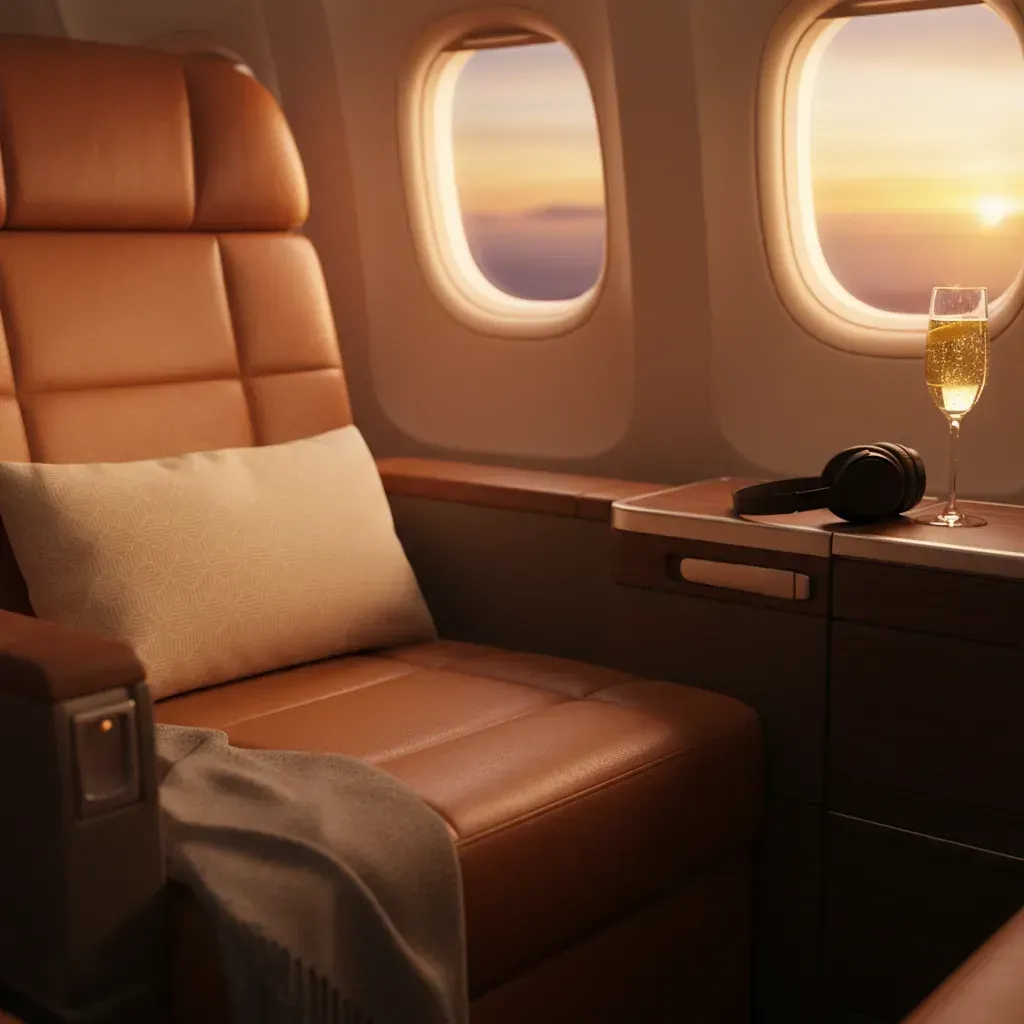
United First Class is United Airlines’ domestic premium cabin, generally offered on flights within the U.S., including Alaska and Hawaii on select routes, as well as some short-haul international services where the product naming may vary. It is best understood as a practical premium upgrade rather than a true international First Class experience. You are typically paying for more personal space, earlier boarding, improved baggage handling, a quieter cabin environment, and an elevated level of onboard attention.
For discerning travelers, the cabin can be worthwhile on medium and longer domestic sectors, especially when schedule efficiency matters as much as onboard comfort. The strongest versions of the product are usually found on routes with larger narrow-body aircraft or premium-configured transcontinental operations. On shorter flights, the value proposition may narrow because meal service, seat comfort, and pre-departure amenities can be limited by flight time.
If you regularly book premium air travel and want more context on cabin distinctions across carriers and route types, the broader Airline Business & First Class Reviews section offers useful perspective for comparing domestic and long-haul premium products.
United First Class vs Business Class: What “United First” Really Means
One of the most common points of confusion around united first class is terminology. On United, “United First” typically refers to the domestic premium cabin on flights within the United States, and on select short-haul international routes. “Business class,” in contrast, is generally the label you will see on qualifying long-haul routes where United markets its premium product as Polaris, and on certain premium transcontinental services where the onboard experience may be positioned differently. The reality is that these names are not interchangeable, and the label on your booking does not automatically tell you everything about the seat or the ground experience.
From a practical standpoint, the biggest difference is usually the seat and the intent of the product. United First on most domestic routes is designed for comfort and efficiency: a larger recliner seat, a calmer cabin, and priority services that reduce friction at the airport. Polaris is designed for long-haul sleep and privacy: a lie-flat seat, more complete dining pacing, bedding, and a more international-style premium standard overall. In other words, “First” in a domestic context does not signal a flagship international First Class suite experience. United does not broadly sell an international First Class cabin in the way some other global carriers historically have, and travelers should calibrate expectations accordingly.
What many travelers overlook is how this affects the end-to-end experience. With United First, lounge expectations are typically limited, meal service can be modest on shorter sectors, and seat privacy is not usually the defining feature. With Polaris, the product is meant to carry you through a longer timeline on board, often overnight, where sleep quality becomes the central value driver. If you are selecting a premium cabin primarily to arrive rested, or you require a more enclosed personal space for sensitive work, Polaris or another lie-flat long-haul product is typically the more appropriate match, subject to route and aircraft.
Think of it this way: United First is often the right tool when you want a controlled domestic day of travel, especially for medium-haul flights, tight schedules, or multi-segment itineraries where priority handling can protect the overall journey. If your expectation is true sleep, a more private suite-like layout, and a stronger long-haul ground-to-air premium cadence, you will usually want to plan for Polaris on qualifying services rather than assuming “First” indicates the highest international tier.
Cabin and Onboard Experience
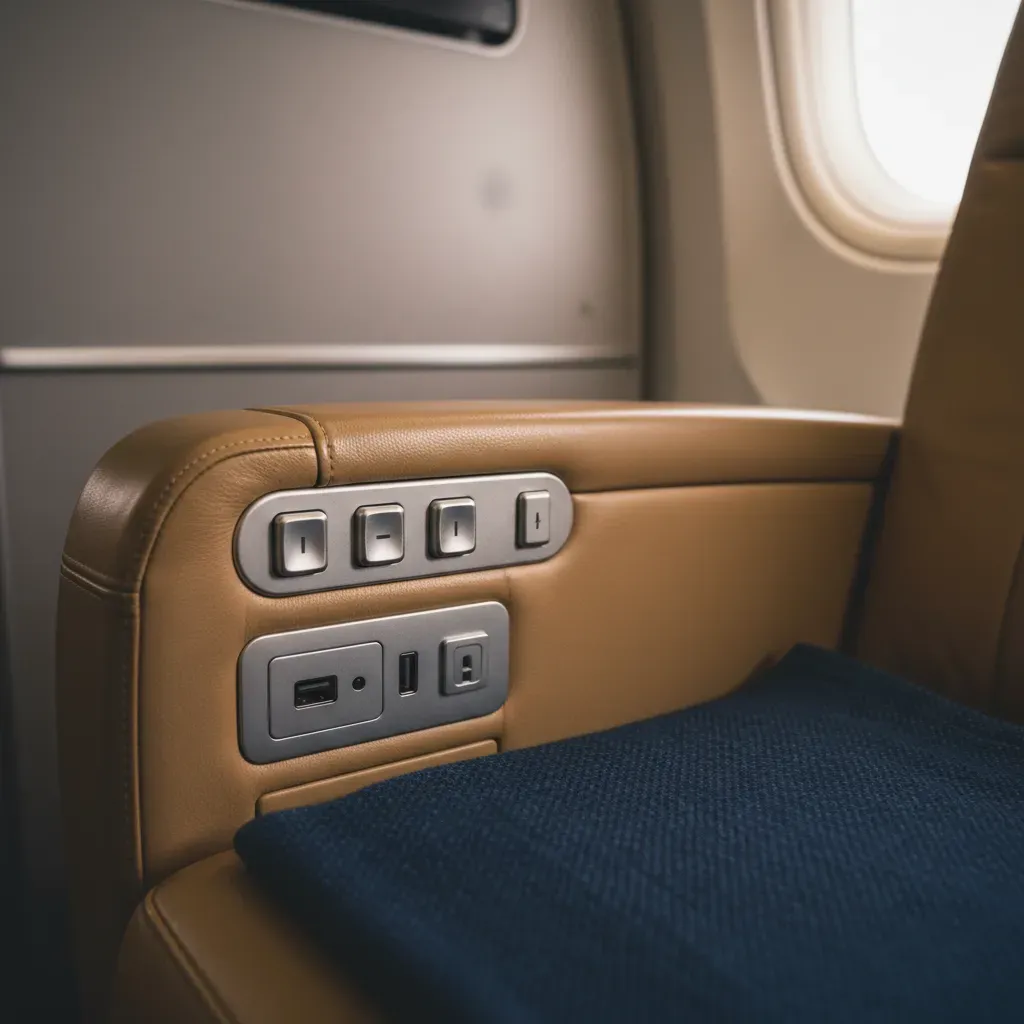
The most important point in any united first class review is that the experience is not uniform. Seat design may vary considerably depending on aircraft type. On many domestic narrow-body aircraft, you can expect a reclining seat in a 2-2 layout with greater width and pitch than the main cabin. This generally provides a more composed working or resting environment, though it will not resemble the suite-style privacy found in long-haul First Class or leading Business Class cabins.
Boarding is typically more efficient, and that matters more than many travelers assume. Priority check-in, accelerated security access where available, and earlier boarding reduce friction at the airport and help protect overhead bin space. For clients who value a controlled airport experience, these details may be as important as the seat itself.
Inflight dining ranges from modest to respectable, depending on route length, departure time, and operational factors. On longer flights, United often provides plated meal service with beverage offerings that are notably better than what is available in the main cabin. On shorter sectors, expectations should remain measured. You may receive beverages and a light snack rather than a full meal. Service quality also tends to depend on crew style and load factor.
Entertainment and connectivity are typically functional rather than indulgent. Wi-Fi availability may support productive work, though performance can vary. Power access is commonly available, which is important for business travelers moving between meetings or connecting onward. Cabin atmosphere is usually calmer than economy seating, but not always deeply private.
In practical terms, United First Class is strongest for travelers who prioritize convenience, personal space, and a smoother day of travel rather than exceptional culinary or design-led luxury. If your expectations are calibrated accordingly, the product can be a very sensible premium choice.
Aircraft Types and Seat Map Details: Why “United First Class 777” Can Feel Different
Aircraft type is one of the most consequential variables in domestic premium travel, and it is also one of the most misunderstood. United First can appear across a wide range of aircraft, from narrow-body jets used on high-frequency business routes to wide-body aircraft that may operate select domestic flights. The label on the ticket may be the same, but the lived experience can feel materially different.
Consider this: when travelers search for “united first class 777,” they are often trying to answer a very practical question, whether a wide-body domestic flight means a better seat. In some cases, a wide-body deployment can improve the sense of space and cabin quiet, and it may offer a different seat style than a typical narrow-body recliner. That said, wide-body domestic flights can also reflect operational needs, and the premium cabin experience may not mirror what you would expect on the same aircraft flying an international route. The correct approach is to evaluate the specific seat type shown for that flight, not the aircraft family name alone.
What many travelers overlook is how to read the seat map for comfort rather than for aesthetics. Bulkhead seats may offer a different sense of legroom, but they can also come with tradeoffs, such as fixed armrests, limited under-seat storage during taxi and takeoff, or proximity to galleys and lavatories. Seats near the galley may experience more light and movement, and seats near lavatories may have more foot traffic. Power outlet placement and storage design also matter more than most people expect, particularly if you work onboard and prefer a clean, contained area for devices and personal items.
From a practical standpoint, travelers should also keep one operational reality in mind: aircraft swaps can occur, sometimes on short notice. A seat map is useful for setting expectations and selecting an optimal position in the cabin, but it is not a guarantee of a specific hardware experience. If a particular feature is essential to you, such as a specific seat style or a quieter zone of the aircraft, it may be worth planning with flexibility and verifying the operating aircraft closer to departure.
Finally, this is where “lie-flat” expectations require care. United First on most domestic routes is still a recliner product. Certain premium transcontinental routes or specific aircraft configurations may present a different seat type, but travelers should not assume a lie-flat experience based on the aircraft being wide-body or on the “First” label itself. Verification, rather than assumption, is what protects the quality of the experience.
United First Class Lounge Access
One of the most common questions in any discussion of united first class lounge access is whether a domestic First Class ticket includes entry to a United Club. In most cases, it does not. This is a critical distinction, particularly for travelers who associate premium tickets with lounge privileges across all markets.
United generally reserves routine lounge access for specific international premium itineraries, qualifying memberships, club passes, or elite-status-linked circumstances. Domestic First Class alone usually does not provide the same lounge entitlement that travelers may receive with long-haul Business Class or First Class on certain international routes. There can be exceptions on premium transcontinental services or with separate access credentials, but these should always be verified before departure.
For discerning travelers, this limitation matters because the premium journey begins on the ground. A wider seat and better boarding process improve the flight itself, but the absence of automatic lounge access can reduce the overall sense of occasion. This is one reason many premium travelers consult expert advisors before booking. Ground experience, not only cabin designation, often determines whether a journey feels genuinely elevated.
For more perspective on planning premium air travel with attention to airport experience, routing, and cabin fit, the resources in Premium Flight Booking & Tips may help clarify what to prioritize.
Baggage Allowance and Priority Handling: What to Expect and What to Verify
Improved baggage handling is one of the most tangible benefits of united first class on domestic routes, yet it is also an area where travelers benefit from verifying the details before departure. In many cases, a United First ticket typically includes a more generous checked baggage allowance than the main cabin, along with priority check-in access and priority baggage tagging. Policies can vary, however, based on fare rules, route type, and elite status. Short-haul international segments marketed similarly to domestic First can also carry different rules depending on the specific itinerary.
Here is the thing: “included baggage” and “priority handling” are not always the same promise. An included checked bag allowance addresses entitlement, what you are permitted to check under the fare. Priority handling is operational, and it reflects how the bag is tagged, transferred, and delivered. In most cases, priority tags do help, particularly at larger airports with consistent premium workflows. Still, delivery order can be affected by day-of-travel variables such as tight connection windows, staffing levels, weather disruption, and the realities of how baggage is loaded and unloaded at a particular station.
For discerning travelers, the most practical approach is to confirm three things in advance: your checked bag allowance for that ticket, the priority services associated with your boarding group and fare brand, and the connection and transfer complexity of your itinerary. If you are connecting, baggage priority may matter as much for protecting the bag in the transfer process as it does for shaving minutes off delivery time at the final airport. If you are traveling with high-value items, formalwear for an event, or time-sensitive needs, you may also want to plan with extra margin, even in a premium cabin, because irregular operations can affect the best-run processes.
What sets this apart for many travelers is control and consistency. Priority check-in reduces time spent in queues, priority boarding tends to protect carry-on space, and a more predictable baggage policy can remove an entire category of uncertainty from the travel day. United First often improves those variables, but as with any airline operation, outcomes remain subject to the realities of the day. Verification is what keeps expectations aligned with the experience you are seeking.
Pricing Context
United does not publish a single fixed pricing structure for domestic First Class, and fares may vary substantially by route, season, booking window, and aircraft configuration. For that reason, this article does not assign a universal fare expectation to United First Class itself. Travelers should evaluate value based on the difference between premium and main-cabin pricing for a specific itinerary, not on broad assumptions.
From the Flight Experts service perspective, premium cabin booking support is available for Business Class, First Class, Premium Economy, and more complex itineraries. Flight Experts lists First Class Flight Booking with a current pricing context of $5,000 – $20,000+ for long-haul premium itineraries, depending on airline and route, while Business Class Flight Booking is shown at $2,000 – $8,000+. Those figures apply to Flight Experts premium booking services broadly rather than to a domestic United First Class fare, but they provide useful context about the agency’s premium specialization.
For domestic travel, the decision is usually less about headline fare and more about whether the added comfort, flexibility, baggage handling, and airport efficiency justify the premium for your specific day of travel. That calculation may look very different for a one-hour flight than for a coast-to-coast itinerary before an important meeting or event.
Pros and Cons
Strengths
- Seats are typically wider and more comfortable than economy seating, with more personal space for working, dining, or resting.
- Priority check-in, boarding, and baggage handling may create a meaningfully smoother airport experience.
- On longer domestic routes, meal and beverage service can feel appreciably more polished than in the main cabin.
- The cabin is generally quieter and less crowded, which may be especially valuable for business travelers or those beginning a longer itinerary.
- Carry-on storage is often easier to secure because of earlier boarding priority.
- For certain travelers, the time savings and reduced stress may justify the premium even more than the seat itself.
Considerations
- Product consistency varies by aircraft, so not every United First Class seat feels equally premium.
- Domestic United First Class usually does not include standard United Club access, which may disappoint travelers expecting a fuller ground experience.
- On shorter routes, meal service and onboard differentiation may be limited, reducing the sense of value.
- The cabin is premium by domestic standards, but it does not compete with international First Class or lie-flat Business Class products.

Who United First Class Suits Best
United First Class is best suited to travelers who want a more controlled and comfortable domestic journey without requiring the full theater of international luxury aviation. It may appeal to executives flying on tight schedules, couples who value a calmer start to a special trip, and frequent travelers who prefer predictability in boarding, baggage, and cabin space.
It is usually a stronger fit on medium-haul and transcontinental itineraries than on short sectors. Travelers whose priority is lounge time, private suite design, or a highly aspirational culinary experience may find the product more functional than memorable. Those looking for a refined domestic premium experience, however, may still consider it a worthwhile step up.
Flight Experts Recommendation
From a luxury travel advisor’s perspective, United First Class can be a sensible domestic premium choice if your priorities are realistic and your routing is selected carefully. Aircraft type, departure time, and airport experience all influence whether the cabin will feel merely better than economy or genuinely worthwhile for the day you have planned.
Flight Experts specializes in premium cabin planning, including First Class Flight Booking, Business Class Flight Booking, and Complex Itinerary Planning for travelers who want expert assistance rather than impersonal self-service booking. The agency is led by Mike Chirilenco and built around a concierge-style model that emphasizes personalized guidance, premium routing strategy, and attentive support. If you are weighing domestic premium options, planning a longer trip with mixed cabins, or deciding whether a domestic First Class segment fits into a broader itinerary, it is worth speaking with Flight Experts directly through flight-experts.com for tailored advice.
How to Evaluate Domestic First Class
A thoughtful domestic First Class decision should begin with the route itself. On a short hop, the benefits may be modest. On a longer route, especially one crossing multiple time zones, additional seat width, priority services, and a better dining sequence may materially improve the day. The longer and more consequential the journey, the more likely the premium cabin is to earn its place.
Aircraft type is the next major factor. Not all domestic premium cabins are created equally, even within one airline. Some seats provide noticeably better ergonomics, storage, and privacy than others. Before booking, travelers should confirm the operating aircraft and recognize that substitutions can happen. A premium seat on one narrow-body jet may feel significantly different from another.
Ground experience deserves equal attention. Many travelers focus on seat photos and overlook check-in, security flow, lounge access rules, and baggage delivery. If a calm pre-flight experience is important to you, verify lounge eligibility carefully. As noted above, united first class lounge access is often more limited than travelers expect on domestic itineraries.
You should also consider the purpose of the trip. If you are traveling for a major business meeting, an anniversary weekend, or an onward international connection, the comfort premium may have real practical value. If the flight is brief and the airport process is uncomplicated, the same cabin may feel less compelling.
Finally, consider whether your itinerary would benefit from professional booking support. A dedicated specialist may help you compare cabins across airlines, identify superior schedules, and align domestic segments with broader premium travel plans. For high-value or multi-part journeys, expert guidance often produces a better overall experience than choosing a fare based on cabin name alone.
Frequently Asked Questions
Is United First Class worth it for domestic flights?
It may be worth it if you value extra space, earlier boarding, faster baggage handling, and a more composed cabin environment. On longer domestic flights, the difference is usually more noticeable. On shorter routes, the benefits can feel narrower, so the value often depends on your schedule, the aircraft, and how important comfort is for that specific trip.
Does United First Class include lounge access?
In most cases, a domestic United First Class ticket does not include standard United Club access. Access policies may vary by itinerary, membership status, or separate lounge credentials, so travelers should confirm eligibility before travel. This is one of the most important details to verify if your airport experience matters as much as the flight itself.
What is the difference between United First Class and United Polaris?
United First Class is generally the domestic premium cabin, while Polaris is United’s long-haul Business Class product on qualifying international routes. Polaris usually includes a more elevated seat, stronger bedding and dining standards, and better lounge expectations. For most travelers, Polaris is the more complete premium experience, especially on overnight or intercontinental services.
Are seats lie-flat in United First Class?
Typically, no. On most domestic routes, United First Class seats are recliners rather than lie-flat beds. There are some route-specific exceptions in premium transcontinental or wide-body situations, but travelers should not assume lie-flat seating based on the First Class label alone. Always verify the aircraft and seat map before committing to a premium itinerary.
What food is served in United First Class?
Meal service depends on route length, time of day, and operational conditions. On longer flights, travelers may receive plated meals and a fuller beverage service. On shorter flights, the offering could be limited to drinks and lighter snacks. Quality is usually better than in the main cabin, though it may not meet the expectations of international premium travelers.
Is United First Class good for business travelers?
Yes, it often suits business travelers well because the value is not limited to the seat. Priority check-in, earlier boarding, more reliable overhead space, and a quieter cabin can all support productivity and reduce travel friction. The product is particularly practical on longer domestic sectors or same-day return trips where schedule reliability and comfort matter.
How consistent is the United First Class experience?
It is reasonably consistent in core benefits such as priority handling and extra space, but the onboard experience may vary by aircraft, route, crew, and catering schedule. Travelers seeking a very specific premium standard should check seat type and service expectations in advance. Domestic premium products are often less uniform than long-haul flagship cabins.
Should I book United First Class or choose another premium cabin?
That depends on your route, priorities, and whether the flight is part of a larger journey. If convenience and a better domestic experience are your goals, United First Class may be entirely suitable. If you want lie-flat comfort, stronger ground services, or a more aspirational cabin, another airline or a long-haul premium product could be the better choice.
Can Flight Experts help with domestic premium flights?
Yes. Flight Experts provides expert-led premium booking support across Business Class, First Class, Premium Economy, group travel, and complex multi-city itineraries. If your domestic premium segment connects to a longer trip or you want a more tailored recommendation, the agency may help you assess the right cabin strategy for your preferences and travel goals.
What does first class on United get you?
United First typically gets you a larger seat with more personal space than the main cabin, earlier boarding, priority check-in, and improved baggage handling. Onboard, you may receive enhanced service and, on longer routes, a more complete dining sequence than economy. The experience is designed to make domestic travel more controlled and comfortable, rather than to replicate international First Class standards.
Is United First the same as business class?
In most cases, no. United First is typically the domestic premium cabin, while “business class” terminology is more commonly associated with long-haul premium services, including Polaris on qualifying routes. Some routes and aircraft configurations can create exceptions in how the product is marketed, so travelers should confirm the seat type and service expectations for their specific flight rather than relying on the label alone.
What is the 45 minute rule?
In airline and airport contexts, the “45 minute rule” typically refers to recommended or required timing, such as arriving at the gate before departure, completing check-in before a published cutoff, or allowing sufficient time for baggage acceptance. The exact meaning can vary by airport, itinerary type, and operating procedures, so the most reliable approach is to confirm the specific cutoff times and guidance shown on your itinerary and the carrier’s current day-of-travel instructions.
What are some snacks to avoid on a plane?
Many travelers prefer to avoid snacks with strong odors, messy packaging, or ingredients that can exacerbate dehydration or digestive discomfort in a pressurized cabin. In practice, heavily salted items, very sugary snacks, and foods that are likely to crumble or spill may be less pleasant onboard, particularly if you plan to work or rest. If you have dietary sensitivities, it is also wise to bring options you know you tolerate well, as onboard offerings can vary by route and catering.
Key Takeaways
- United First Class is a practical domestic premium product focused on comfort, convenience, and airport efficiency rather than international-style luxury.
- Seat quality and service may vary significantly by aircraft and route, so itinerary details matter.
- United first class lounge access is usually not included on domestic tickets, which is an important limitation to verify in advance.
- The cabin tends to offer the most value on longer domestic or transcontinental flights.
- For tailored premium routing and cabin guidance, working with a specialist such as Flight Experts may help align the product with your broader travel goals.
Conclusion
United First Class can be a worthwhile domestic premium option for travelers who value a smoother airport process, more personal space, and a calmer onboard experience. Its strengths are practical and tangible, though they are not always accompanied by the lounge access or elevated onboard polish some travelers expect from the First Class label. The right decision depends on route length, aircraft, and the role that flight plays in your larger itinerary. If you would like expert guidance on whether United First Class is the right fit, or whether another premium cabin may better suit your plans, contact Mike Chirilenco and the Flight Experts team through flight-experts.com to begin a personalized conversation.



