
United Airlines First Class Complete Guide
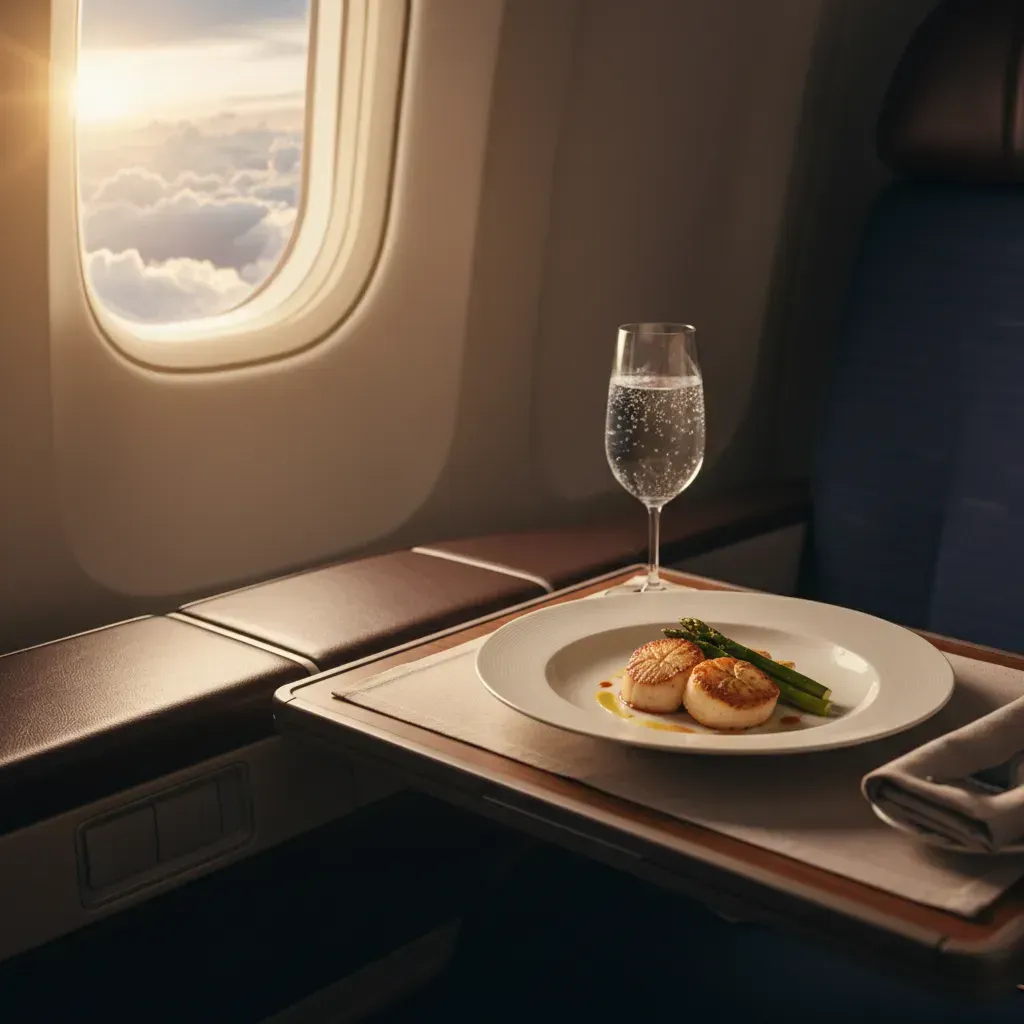
Those details matter more than many travelers expect. A premium ticket can feel excellent on the right route and merely acceptable on the wrong one. The reality is that United first class is not one single experience. It changes by market, aircraft, flight length, and whether you are flying domestically, regionally, or on select international services. That nuance is exactly what discerning travelers should understand before booking.
This guide explains what United first class includes, where it shines, where expectations should be calibrated, and how to think about it within a broader premium travel strategy. If you are also considering United Polaris, or comparing domestic first to a long-haul premium cabin, knowing these distinctions may help you make a far more satisfying choice.
What United First Class Actually Means
If you have flown premium cabins across multiple airlines, the phrase united airlines first class can be slightly misleading at first glance. On United, “United First” typically refers to the premium cabin on domestic routes and certain short-haul services, not the airline’s most exclusive long-haul international experience.
Think of it this way. United First is generally a domestic first class product with wider reclining seats, more attentive onboard service, priority airport handling, and elevated dining compared with the main cabin. It is not the same as an international first class suite offered by carriers known for enclosed doors, private chauffeur transfers, or highly individualized onboard dining.
For long-haul international premium travel, United’s flagship product is Polaris business class, not international first class. That distinction is important, especially if you are comparing products across carriers or assuming that “first class” automatically means the highest level of luxury in the market. If that comparison is part of your decision, this overview of United first vs Polaris is the more useful next step.
Where You Will Find It
Now, when it comes to route design, United first class appears most often on domestic flights within the United States. You may also see it on select routes to nearby international destinations, depending on aircraft and market.
Typical places you may encounter United First
- Domestic U.S. flights
- Transcontinental routes that are not sold as Polaris
- Some flights to Canada, Mexico, the Caribbean, and parts of Central America
- Certain hub-to-hub business routes on narrow-body aircraft
What many travelers overlook is that aircraft type can matter almost as much as route length. A newer narrow-body with updated interiors may feel polished and modern, while an older cabin can feel more functional than luxurious. United A321neo first class, for example, tends to attract attention because travelers expect a fresher seat, cleaner design language, and better in-seat technology than older fleet types may offer.
On Boeing 737 MAX 9 United first class routes, you may also find a more contemporary cabin than on some legacy interiors. By contrast, United 757-200 first class and United 757-300 first class experiences can vary more noticeably based on refurbishment status and configuration.
For broader context on premium cabin planning and route strategy, the Airline Business & First Class Reviews section is a useful reference point.
Seats, Cabin, and Comfort
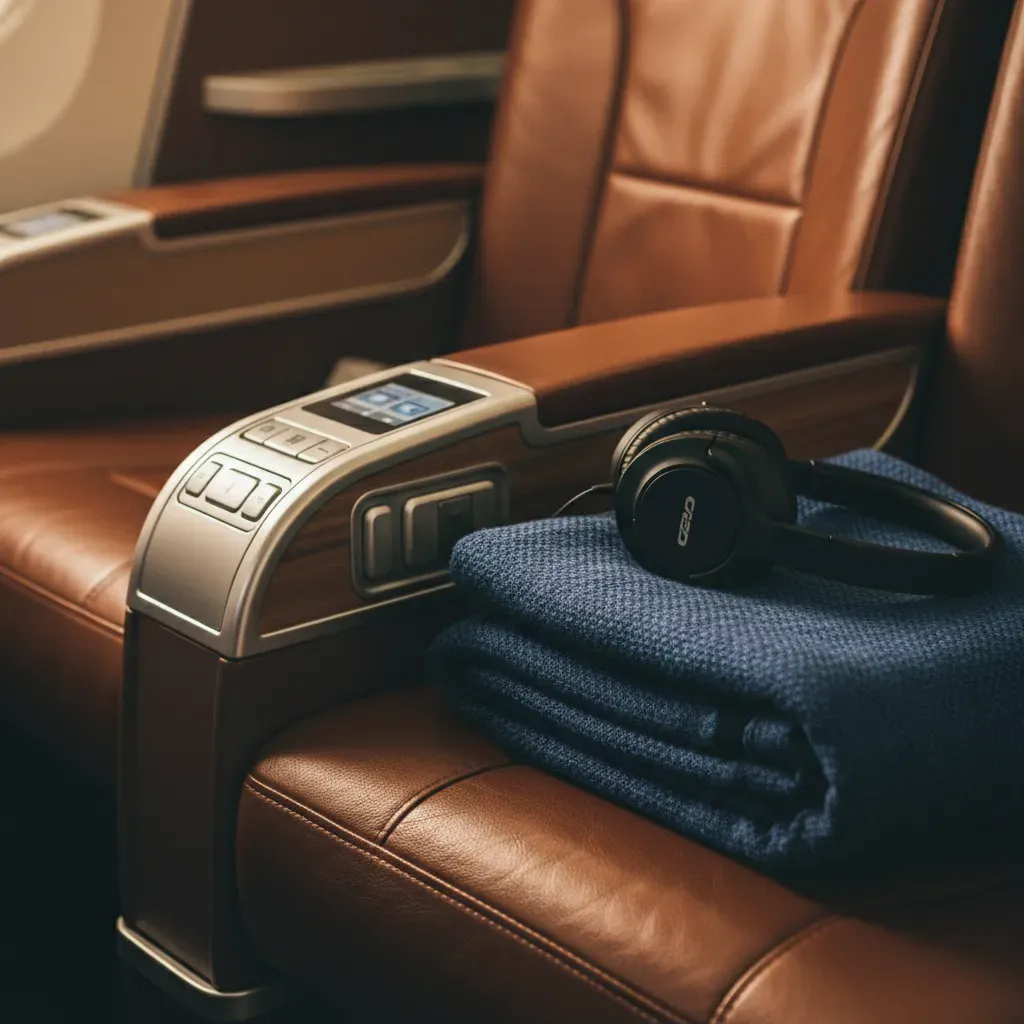
The most immediate difference in united first class domestic service is the seat itself. You are usually getting a larger reclining seat with more width, more personal space, and a calmer cabin environment than the main cabin offers.
What the seat experience usually includes
- Wider seats than economy seating
- Greater recline and improved legroom
- Dedicated overhead bin space in many cases
- Power outlets and, on many aircraft, in-seat entertainment or streaming options
- A smaller cabin with fewer passengers and more personal attention
From a practical standpoint, this means your travel day often feels more controlled from the moment you settle in. You are less likely to feel crowded, rushed, or interrupted. That matters on short business sectors, but it matters even more on longer domestic flights where posture, workspace, and privacy start to shape the quality of the journey.
Seat design does vary. Some United airlines first class seats feel well suited to working in flight, while others are more about comfort than productivity. Storage may be limited on certain aircraft. Recline may be generous for a domestic seat, but it will not resemble a lie-flat experience. If your expectation is a true sleep-friendly premium cabin, United First may not be the right fit for the route in question.
Here’s the thing, many travelers book the words “first class united airlines” expecting the highest possible seat in the network. In reality, you should think of United First as a strong domestic front-cabin option, not as a universal marker of the airline’s most elevated hard product.
Understanding United First Seats by Aircraft (Including 777 First Class, Seat Maps, and What to Look For)
If seat quality is central to your decision, it is worth taking a more precise approach than simply reading “United First” on the booking screen. United operates multiple configurations across narrow-body and widebody aircraft, and the difference between them can shape how refined or merely functional the experience feels.
From a practical standpoint, the most reliable first step is verifying the aircraft type and then checking the seat map for cues about the specific seat product. The overall row count in the first class cabin, the presence of bulkhead rows, and the way the seating is arranged can help you anticipate the amount of privacy, the proximity to high-traffic areas, and how exposed you may feel to aisle activity.
Consider this: aircraft swaps do happen. Even when you select your seat well in advance, a last-minute equipment change can alter the cabin layout, the location of galleys, and the practical comfort of your chosen seat. In most cases, United will still deliver a front-cabin seat consistent with the United First product on that route, but the small details that sophisticated travelers care about can change.
Travelers also frequently search for terms such as united airlines first class 777 because widebody aircraft may operate select domestic or near-international routes. When that happens, the cabin can feel more spacious, and the aircraft itself can be quieter and more stable than some narrow-body options. That said, it is important to calibrate expectations. A widebody operating a domestic route is still typically sold as United First, and the seat is often a recliner-style first class seat rather than a long-haul suite product. If you are expecting a lie-flat or Polaris-style experience simply because the aircraft is a 777, you will want to confirm the cabin branding and seat type for your specific flight.
What sets this apart for discerning travelers is that the best seat choice is not always about recline or pitch alone. Evaluating the experience often comes down to practical factors that become very noticeable once the cabin is full:
- Privacy from aisle traffic, especially if you plan to work or rest
- Storage space for smaller items so your area stays organized
- Distance from galleys and lavatories, which can affect noise and foot traffic
- Bulkhead considerations, including fixed armrests or reduced under-seat storage in some configurations
In other words, the aircraft type matters, but so does the specific seat position within the cabin. If your travel plans depend on arriving genuinely rested or being able to work comfortably in flight, confirming the exact seat environment can be as important as confirming that the ticket says first class.
Service, Meals, and Included Perks
For many travelers, the question is not only where they will sit, but what does United first class include beyond the seat. The answer is meaningful, though it remains closer to premium efficiency than theatrical luxury.
United first class benefits you can generally expect
- Priority check-in in most airports
- Priority security access where available
- Earlier boarding
- Premier baggage handling and checked bag allowances that may be higher than main cabin entitlements
- Enhanced onboard food and beverages on qualifying routes
- More attentive cabin service due to the smaller front cabin
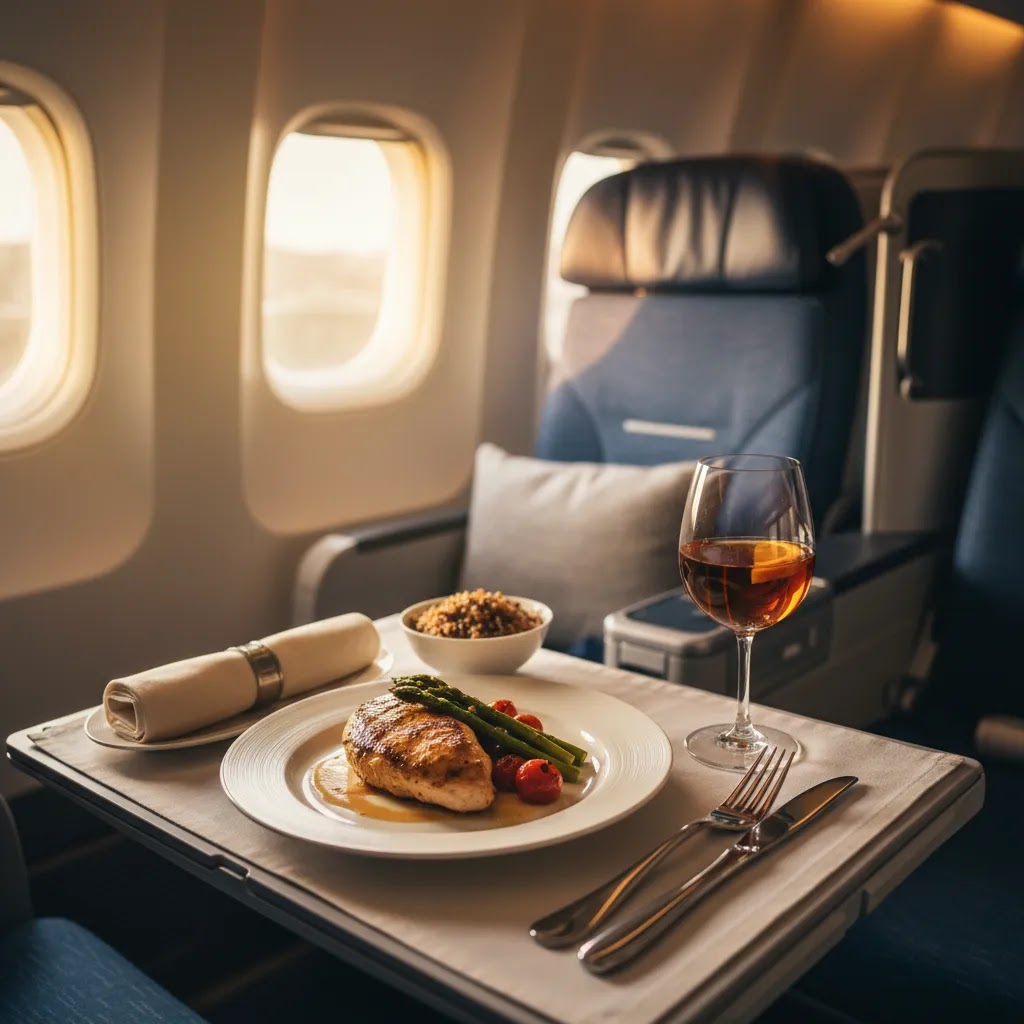
United first class meals depend heavily on route length and time of day. On longer flights, you may receive a plated meal, snack basket access, warmed items, dessert, and a stronger beverage program than what is offered in the main cabin. On shorter sectors, expectations should be more modest. You may see a lighter refreshment service rather than a full meal.
United airlines first class food has improved on many routes in presentation and consistency, but it should still be judged in context. This is not the type of onboard dining designed to rival the best long-haul international cabins. It is better understood as a practical premium meal service that can make a domestic journey more pleasant and less transactional.
Lounge access is where expectations often need the most adjustment. A United first class ticket does not automatically include United Club access on most domestic itineraries. That surprises travelers who assume every first class fare brings a lounge invitation. In practice, lounge eligibility depends on route, cabin branding, membership status, or separate access credentials.
United First Class Baggage Allowance and Priority Handling (What You Can Expect)
The phrase “checked bag allowances may be higher” sounds straightforward, but in real trip planning it can be more variable than many travelers expect. Your baggage entitlements can depend on your fare rules, the route you are flying, and whether your itinerary includes multiple segments with different cabin classes. Elite status and certain co-branded card benefits may also affect what you are entitled to bring and check, sometimes in ways that overlap with first class allowances.
Think of it this way: the ticket is one input, and the itinerary is the full equation. If you have a mixed-cabin itinerary, for example, benefits may not always apply in the same way across every segment. Partner-operated flights can add another layer. Depending on how the ticket is issued and which carrier is marketing or operating each segment, baggage rules and handling priorities can follow different logic. In complex itineraries, details can come down to which airline is considered the most significant carrier for the trip, or which carrier’s fare rules govern the portion you are flying. These are the types of situations where it is wise to confirm the rule set in advance rather than assuming your first class segment governs the entire journey.
Priority handling has its own set of distinctions that are easy to blur together. Priority check-in, priority security where offered, priority boarding, and priority baggage delivery are not interchangeable services, and they do not always behave the same way at every airport.
- Priority check-in usually means access to a dedicated counter or lane, which can be valuable at peak times even if you travel with carry-on only.
- Priority security may be available at some airports, but it can depend on the facility, the day’s staffing, and which access lanes are open.
- Earlier boarding typically reduces the stress of overhead bin competition and allows you to settle in without being rushed.
- Priority baggage handling is intended to place checked bags earlier in the delivery sequence, but actual delivery timing can vary operationally based on aircraft parking position, ramp conditions, and how bags are loaded.
The reality is that priority services can be excellent when operations are running smoothly, and less visible when an airport is managing weather disruptions, tight turn times, or irregular operations. For experienced travelers, the best approach is to treat priority handling as a meaningful advantage that improves the odds of a smoother day, rather than a guaranteed outcome on every arrival.
Domestic vs International Expectations
One of the most searched questions is whether United has first class internationally. The answer requires a careful distinction. United does not generally operate a true long-haul international first class product in the way some global carriers do. For long-haul international premium travel, United positions Polaris business class as its flagship experience.
So when travelers search for united first class international, they are often really asking one of two things. First, does United sell a front-cabin product on shorter international routes? Second, is that product comparable to global international first class? The first answer may be yes on certain near-international routes. The second answer is usually no.
Consider this comparison:
- United domestic first class is built around comfort, efficiency, and a smoother airport-to-aircraft experience
- United Polaris is built for long-haul rest, privacy, and a much more substantial premium travel proposition
- Global international first class on select carriers may include suites, highly personalized dining, premium ground transfers, and more exclusive lounge experiences
This is why product naming matters so much. If your trip involves an overnight journey to Europe, Asia, or the Middle East, a domestic-style recliner seat sold as first class would not deliver the same outcome as a lie-flat long-haul cabin. Affluent travelers planning complex or milestone travel usually benefit from looking at the full journey, not just the cabin label.
An agency like Flight Experts, which offers both First Class Flight Booking and Business Class Flight Booking support, can be helpful in these situations because the better choice often depends on the route itself, not on the prestige of a name alone.
United First Class Dining: What “Meals” Can Mean (Menus, Timing, and Expectations)
United first class meals depend heavily on route length and time of day, but that phrasing can still leave travelers guessing. A more useful way to think about it is in terms of service pattern and timing. On morning departures, a first class meal may follow a breakfast format and feel lighter, while midday and evening flights are more likely to lean toward a lunch or dinner service when the route qualifies. On shorter sectors, the experience can shift toward a streamlined service cadence where beverages and a lighter refreshment offering are more typical than a full plated course.
What many travelers overlook is that “snack basket” language can create an expectation of abundance that does not always match reality. When offered, it may be presented as a shared selection rather than an individualized service, and availability can vary based on how the flight is catered that day. Even in first class, the pace of service can be affected by turbulence, a delayed departure, or operational constraints that compress the inflight timeline.
Travelers who search for united airlines first class food menu are often trying to confirm what will actually be served before they fly. In some cases, you may be able to view meal details closer to departure through United’s digital channels, or you may see menu information once onboard. Still, catering is an operational variable. Substitutions can occur, specific items may load differently by airport catering station, and the final outcome can change if an aircraft swap disrupts planned provisioning.
Consider this: tight connections and irregular operations can influence dining more than you would expect. If an inbound aircraft arrives late, catering may be accelerated, modified, or in some cases limited by turnaround timing. Certain stations also have more consistent premium catering infrastructure than others. None of this means you should avoid United First for the dining component, but it is wise to view the meal as a valuable enhancement rather than the single reason to book the cabin.
Who Should Book United First Class
United first class makes the most sense for travelers who value a smoother domestic experience and want a front-cabin product that reduces friction throughout the day.
It may be a good fit if you are:
- Taking a longer domestic flight and want more personal space
- Traveling for business and need to work comfortably en route
- Flying with a tight schedule and value priority handling
- Planning a premium domestic connection before a larger international itinerary
- Seeking a calmer, more predictable airport and inflight experience
It may be less compelling if your priority is true privacy, sleeping flat, or a highly exclusive lounge and ground experience. In those cases, the route may call for Polaris or another carrier’s long-haul first class product instead.
The reality is that many premium travel disappointments begin with mismatched expectations. Travelers assume the word “first” means the same thing everywhere, then arrive onboard to find a perfectly respectable domestic recliner seat rather than a suite-level experience. That is not a failure of the cabin so much as a failure of positioning.
For readers who want broader guidance on evaluating premium flight options, the Premium Flight Booking & Tips page offers useful context around route and cabin selection.
How to Evaluate Your Specific Flight
Before booking united airline first class, it helps to assess the actual flight rather than the headline. Think of the cabin label as the beginning of the evaluation, not the conclusion.
Review these details before you commit
- Aircraft type: An A321neo may feel very different from an older 757 or narrow-body configuration
- Flight length: The longer the sector, the more valuable the added space and service may become
- Departure time: Meal service often changes by time of day
- Connection strategy: A strong domestic first segment may pair well with an international premium itinerary, but it is not a substitute for a lie-flat overnight cabin
- Lounge expectations: Do not assume lounge access is included just because the fare says first class
In practice, this means that a morning flight from a major hub on a newer aircraft may feel polished and worthwhile, while a shorter segment on an older plane may deliver only a modest step up from economy. Both can still serve a purpose. The key is booking with clear expectations.
Flight Experts approaches premium flight selection through exactly that lens. Rather than treating every front-cabin fare as interchangeable, the agency’s concierge-style process and Complex Itinerary Planning perspective focus on how each segment contributes to the quality of the full trip. That is especially valuable when your domestic premium flight is only one part of a larger international journey.
Frequently Asked Questions
Does United have first class on international flights?
United may sell a first class cabin on certain shorter international routes, such as some flights to nearby countries, but it does not generally offer a long-haul international first class product comparable to the flagship first class suites found on some global airlines. For true long-haul premium travel, United’s primary international product is Polaris business class. If you are planning an overnight or intercontinental journey, that distinction matters far more than the label alone.
What is United First?
United First is United’s premium front-cabin product typically found on domestic routes and some shorter international services. It usually includes a larger reclining seat, priority airport services, early boarding, dedicated cabin service, and upgraded food and beverages on qualifying flights. It is designed to offer a more comfortable and efficient travel day, especially on longer domestic sectors, but it should not be confused with a long-haul international first class suite experience.
What does United first class include?
United first class benefits often include priority check-in, expedited handling at the airport where available, earlier boarding, more spacious seating, enhanced inflight dining on select routes, complimentary alcoholic beverages for eligible travelers, and improved baggage privileges. Exact inclusions may vary by itinerary and aircraft. Lounge access is not universally included, which is one of the most common misunderstandings travelers have when booking United first class for domestic travel.
What does first class in United get you?
In most cases, United first class gets you a larger reclining seat, a quieter front cabin, priority handling at several points in the airport journey, and upgraded onboard service compared with the main cabin. The practical value is typically felt in reduced friction, earlier boarding, more space to work or relax, and a more attentive service cadence. The exact experience can vary by aircraft, route length, and operational conditions.
What are the perks of flying first class with United?
United first class perks typically include priority check-in, priority security where offered, earlier boarding, and enhanced inflight food and beverages on qualifying routes, along with a more spacious seat and a smaller cabin environment. Some trips may also benefit from improved baggage handling, but delivery timing can vary. Lounge access is not a universal first class inclusion on domestic itineraries, so it is wise to confirm your access credentials if that is part of your ideal airport experience.
Are United airlines first class seats lie-flat?
Most United first class domestic seats are not lie-flat. They are usually wider reclining seats designed to improve comfort, workspace, and personal space compared with the main cabin. On long-haul international routes, United’s lie-flat premium experience is generally sold as Polaris business class rather than United First. If sleeping well is central to your itinerary, especially on an overnight flight, you will want to verify the aircraft and cabin product before confirming the reservation.
Does United first class include lounge access?
Not in most domestic cases. A United first class ticket alone does not usually guarantee lounge access for domestic itineraries. Access may depend on route type, separate lounge membership, eligible status, or another qualifying premium itinerary. This is an important detail for travelers who associate first class with a complete airport lounge experience. If lounge time matters to you, it is wise to confirm access rules before travel rather than assuming the fare includes it.
How good are United first class meals?
United first class meals can be a pleasant upgrade over the main cabin, particularly on longer routes where plated service is offered. You may receive a more substantial entrée, better presentation, a broader beverage selection, and service that feels less rushed. That said, quality varies by route length, departure time, and operational conditions. It is best viewed as solid premium domestic dining rather than a defining luxury feature on the level of a top-tier international first class carrier.
What is the 45 minute rule?
The “45 minute rule” is a traveler shorthand often used to describe how timing can affect onboard service, including whether a full meal service is practical on shorter flights. On some routes, if the flight time is short or operational factors compress the inflight window, the service may be simplified. The most reliable approach is to confirm what your specific flight is scheduled to offer, then treat the onboard meal as a benefit that can vary with timing, turbulence, and day-of-operation decisions.
What are some snacks to avoid on a plane?
If you are trying to arrive feeling well, it can be wise to avoid snacks that are very salty, heavily processed, or likely to cause digestive discomfort in a low-humidity cabin. Carbonated drinks and very sugary items can also leave some travelers feeling less comfortable in flight. Needs vary by traveler, but in most cases, lighter, lower-sodium options and steady hydration tend to support a calmer travel day.
Is United first class worth it for domestic travel?
For many travelers, yes, especially on longer domestic flights or busy business routes where comfort, personal space, and smoother airport handling noticeably improve the day. The value comes less from spectacle and more from reduced stress, a quieter cabin, and more room to work or relax. It may be less compelling on very short sectors or older aircraft where the difference in experience is narrower. Aircraft type and route length should shape the decision.
What is the difference between United first class and Polaris?
United first class is usually a domestic or short-haul premium cabin with reclining seats and enhanced service. Polaris is United’s long-haul premium business class product, built around lie-flat seating, more robust bedding, elevated dining, and a more substantial premium ground experience. If you are flying overnight or internationally over a long distance, Polaris is typically the more relevant product. The distinction is important because the onboard comfort level is materially different.
Is United A321neo first class better than older aircraft?
In many cases, yes. Newer aircraft such as the A321neo often feel more refined because of fresher interiors, updated finishes, modern power and entertainment options, and a more current cabin design. That does not mean every older aircraft is poor, but newer cabins tend to align more closely with what premium travelers expect from a polished domestic first class experience. If cabin quality is a priority, aircraft type is one of the smartest filters to apply before booking.
Should you book United first class for a connection before an international trip?
It may make excellent sense if you want a more comfortable domestic segment before a long-haul departure. A front-cabin domestic connection can make the day feel more organized and far less tiring, especially if you are transferring through a major hub. Still, it should be considered one part of the broader itinerary. If the long-haul segment is overnight, the quality of that international cabin will usually matter more than the domestic first class connection that gets you there.
Key Takeaways
- United Airlines first class is usually a domestic or short-haul premium product, not a long-haul international first class suite experience.
- Aircraft type, route length, and departure time can significantly affect the quality of the experience.
- United first class perks typically include priority handling, a larger seat, and enhanced dining, but not automatic lounge access on most domestic itineraries.
- For overnight international travel, Polaris is generally the more relevant United premium product to evaluate.
- Clear expectations and expert itinerary planning often make the difference between a merely upgraded flight and a genuinely satisfying premium journey.
Conclusion
United first class can be an excellent choice if you understand what it is designed to do. It offers a more spacious seat, a quieter cabin, and a smoother airport experience that may materially improve domestic and short-haul premium travel. What it does not offer, in most cases, is the suite-style exclusivity many travelers associate with long-haul international first class.
That distinction is not academic. It shapes how well your ticket aligns with the trip you are planning. For a business day across the country, United First may be exactly right. For a major international journey, a different product could serve you far better. The smartest premium travel decisions usually come from evaluating the aircraft, route, and full itinerary together.
If you would like a more tailored view of which premium cabin best suits your route, schedule, and travel style, you may wish to speak with a luxury travel specialist at Flight Experts. A personalized review can help you choose the right cabin with confidence, especially when a domestic premium segment is part of a larger, more complex journey.



