
United Airlines Business Class (2026 Guide)
What United business class actually means
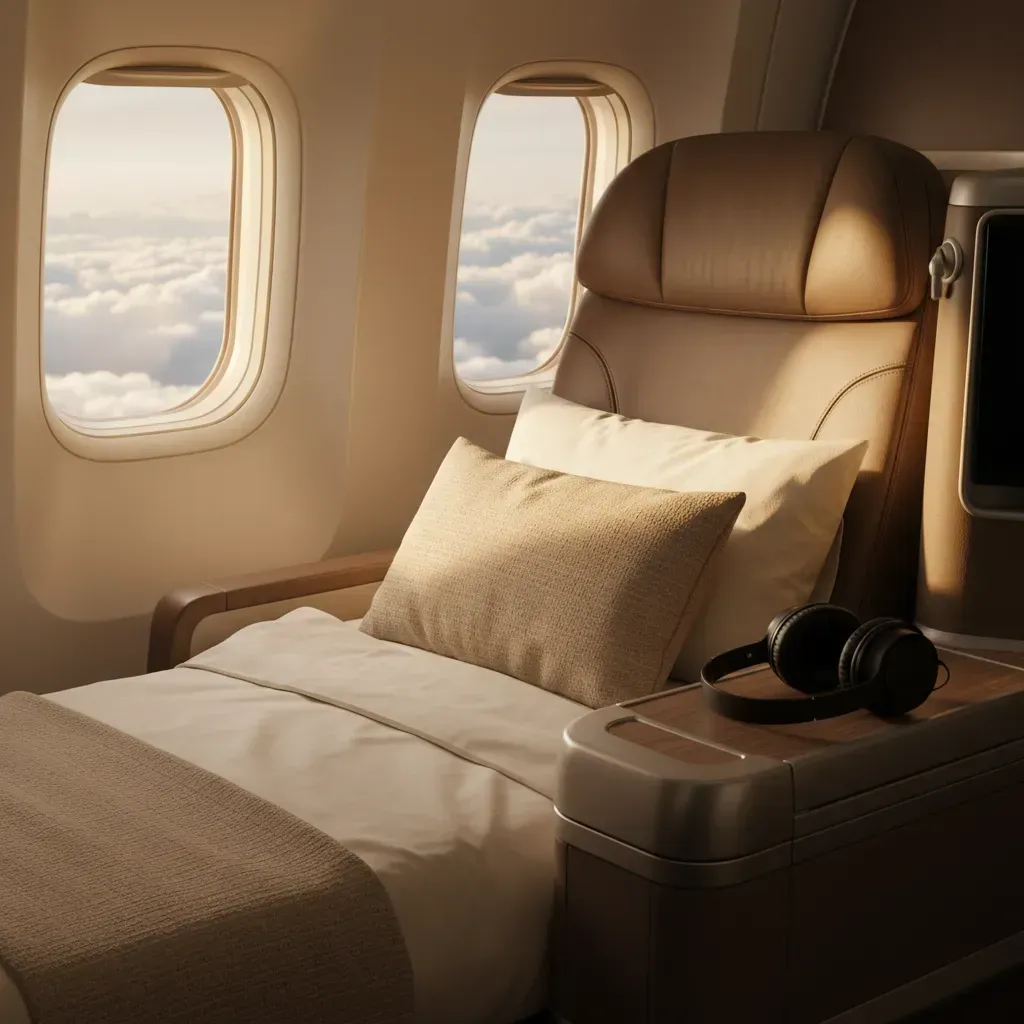
Here is the thing, United uses the term business class in more than one way. On long-haul international routes and certain premium transcontinental services, the flagship product is typically marketed as United Polaris. That is the version most premium travelers are looking for, because it generally includes lie-flat seating, elevated dining, upgraded bedding, and access to Polaris lounges where available.
On shorter domestic and regional routes, business class may refer to a very different experience. You could see a recliner-style seat rather than a bed, a simplified meal service, and lounge access rules that differ from long-haul international itineraries. In practice, this means you should never evaluate united airlines business class by the cabin name alone. The route, aircraft, and fare conditions all shape the outcome.
What many travelers overlook is that United Polaris is not simply a seat. It is the airline’s attempt to deliver a more cohesive premium journey, from check-in through arrival. That matters if you value consistency and want your airport and onboard experience to feel intentional rather than pieced together.
United Polaris vs United First Class: understanding the labels
The terminology is one of the most common sources of confusion, especially when an itinerary combines domestic segments, premium transcontinental flights, and long-haul international service. United uses “First” and “Business” in ways that reflect route type and product design, not a universal hierarchy.
On most domestic routes within the United States, the forward cabin is marketed as United First. That is typically a larger recliner seat with priority services and a service flow that may vary by flight length and time of day. On long-haul international routes, the forward premium cabin is generally marketed as business class, and when the aircraft and route qualify, it carries the United Polaris branding.
Premium transcontinental routes can sit in the middle. Depending on the specific route and current United branding, you may see business class labeling on certain coast-to-coast services, while other domestic flights retain the United First name. The reality is that a single trip may show different cabin names across each segment, even when you booked a “premium” itinerary from start to finish.
Consider this, “business class” is not inherently better or worse than “first class” on United. The meaningful differentiator is typically the seat type and the service concept designed for that route. A lie-flat seat on a long-haul or premium transcontinental flight can be a stronger rest proposition than domestic first class, yet a short daytime segment in domestic first can still be an excellent experience for comfort and convenience.
From a practical standpoint, it is wise to confirm what you are actually buying before you ticket. In most cases, you can do that by checking the route category, confirming the aircraft family, reviewing the seat map for lie-flat versus recliner geometry, and looking for Polaris to be explicitly listed where applicable. Aircraft swaps can occur, sometimes close to departure, so re-checking the operating aircraft as travel approaches is a sensible habit for premium travelers who care about the exact seat and cabin environment.
Routes and where you will find it
United business class international is most compelling on long-haul flights from the United States to Europe, Asia, the Middle East, and selected destinations in Oceania and Latin America, depending on schedule and aircraft deployment. United typically offers Polaris on major intercontinental routes departing from hubs such as Newark, Washington Dulles, Chicago O’Hare, San Francisco, Los Angeles, and Houston.
Now, when it comes to route planning, hub choice can influence the quality of your experience almost as much as the seat itself. Departing from an airport with a Polaris Lounge may materially improve the trip, particularly before an overnight flight. Travelers who prioritize a smooth premium ground experience often pay close attention to whether their departure city supports that full long-haul proposition.
Common route categories where Polaris is most relevant
- Transatlantic flights from major United hubs to cities such as London, Paris, Frankfurt, Rome, and Zurich
- Transpacific services to destinations such as Tokyo, Seoul, Singapore, and Sydney, subject to aircraft scheduling
- Select long-haul services to South America and other international markets where lie-flat business class is offered
- Premium transcontinental flights on specific domestic routes, though the ground experience may differ from international Polaris itineraries
If you are comparing route opportunities beyond one airline, Flight Experts also maintains broader resources on Airline Business & First Class Reviews and practical guidance in Premium Flight Booking & Tips. For travelers weighing United against other premium carriers, that wider context can be useful.
Seat types and aircraft differences
This is where expectations should become more precise. Not all united polaris seats are identical in feel, even if they share the same broad design language. Aircraft type, cabin density, and configuration details influence privacy, storage, aisle access, and the sense of personal space.
In most cases, Polaris is designed around direct aisle access and a lie-flat bed, which is now the baseline expectation for serious long-haul business class. Seats generally offer substantial privacy, fixed shell construction, storage compartments, power access, and a larger entertainment screen than United’s domestic premium cabins.
What to look for in United business class seats
- Direct aisle access for every passenger on true Polaris-configured aircraft
- Fully flat sleeping surface for overnight sectors
- Seat orientation that may create more or less privacy depending on whether you are traveling solo or with a companion
- Storage placement, which can affect convenience during dining and sleeping periods
- Cabin size and galley proximity, both of which may affect noise levels
Consider this, two seats in the same cabin can feel quite different depending on their exact placement. A window seat angled away from the aisle may feel notably more private for a solo traveler. A pair of center seats may be better for couples who want easier conversation. From a practical standpoint, thoughtful seat assignment remains one of the most important parts of booking ua business class well.
Travelers who work with an advisor often appreciate help identifying aircraft-specific nuances, especially on complicated itineraries with mixed fleets. An agency like Flight Experts, which offers Business Class Flight Booking and Complex Itinerary Planning through its concierge-style model, may help review routing, aircraft type, and seat strategy before ticketing, rather than leaving those details to chance.
Lie-flat availability and aircraft realities
Many premium travelers ask a direct operational question before they do anything else: will this United business class seat convert into a true flat bed. In most cases, lie-flat seating is typical on long-haul international United flights that are marketed as Polaris, particularly on widebody aircraft operating intercontinental routes. That said, United sells premium cabins across a wide range of route lengths, and a similar “business class” label does not always guarantee the same sleep setup on every flight.
On shorter domestic routes, you should typically expect a premium recliner-style seat rather than a flat bed, even when the cabin is sold in the forward section with priority services. On certain premium transcontinental flights, lie-flat seating may be offered, but the exact aircraft and configuration still matters. The most reliable approach is to confirm the operating aircraft and examine the seat map for the specific flight number and date, rather than relying on general assumptions.
What sets this apart from casual planning is the reality of aircraft assignment volatility. United, like other major carriers, may swap aircraft for operational reasons, and that can change the exact seat you receive even if the cabin name remains the same. If lie-flat rest is central to your trip, it is sensible to re-check aircraft type and seat map as departure approaches, especially after schedule changes or irregular operations.
Think of it this way, a flat bed is necessary, but it is not always sufficient for arriving genuinely rested. If sleep is the goal, evaluate the departure time relative to your natural sleep window, the cabin density and potential for foot traffic, and seat placement near galleys or lavatories. In many cases, a quieter location can matter as much as the seat itself. For travelers with a meeting on arrival or a tightly structured first day, those details often determine whether business class delivers the outcome you are paying for.

Airport and onboard experience
The reality is that premium travel begins long before takeoff. United has made meaningful progress with the Polaris brand because it addresses both the seat and the surrounding service elements. For the right route, that can create a much more polished journey than travelers might expect from older assumptions about the airline.
The ground experience
Polaris Lounge access is one of the strongest aspects of the long-haul product, where available. These lounges typically offer a calmer environment, better dining, more privacy, and a more refined atmosphere than a conventional airline club. For overnight departures, that difference can change the tone of the entire trip.
Of course, access rules may depend on your specific itinerary and whether you are traveling on a qualifying same-day international segment. Not every airport has a Polaris Lounge, and connecting passengers may experience a different ground product depending on their airport sequence.
Dining, bedding, and rest
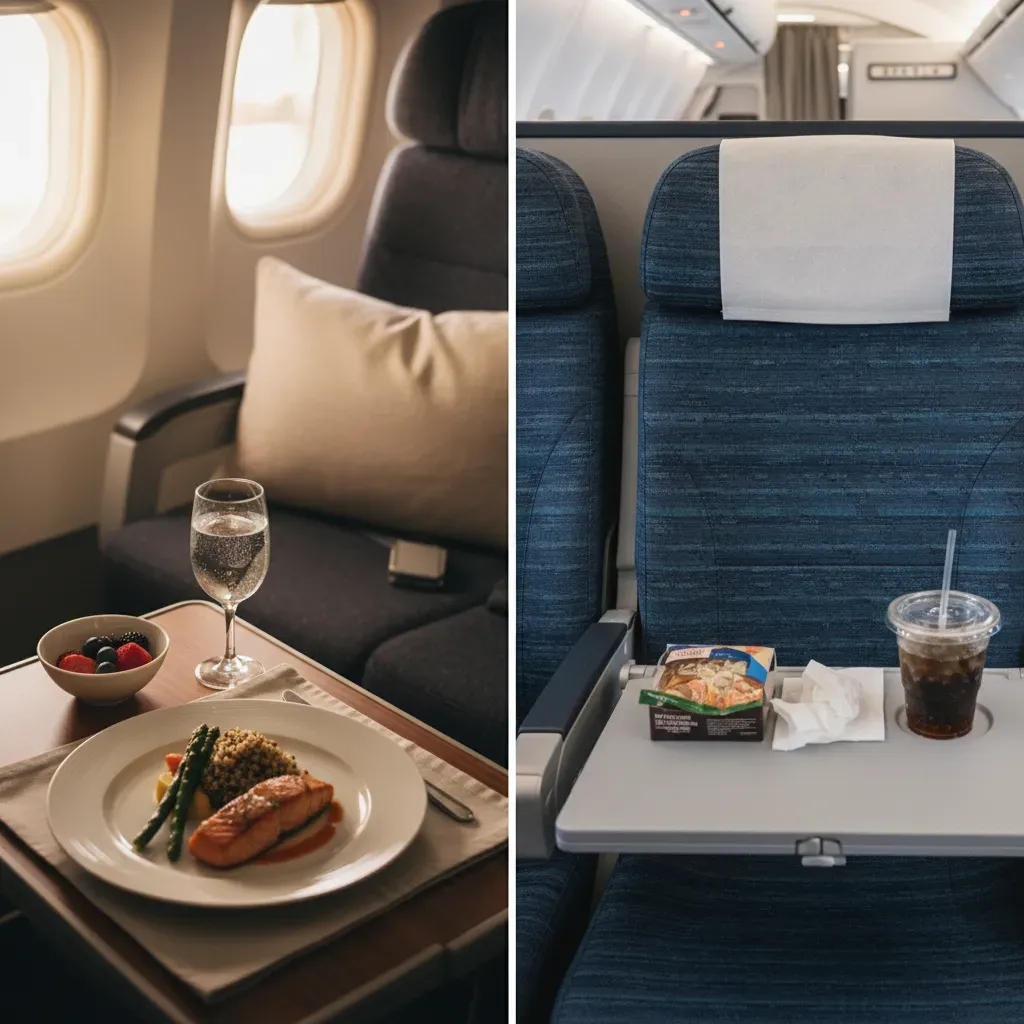
Onboard, United Polaris usually aims for a more sleep-friendly experience than the carrier’s shorter-haul premium cabins. You can generally expect upgraded bedding, an amenity kit, larger pillows, and meal service designed around long-haul timing. Service consistency may still vary by route and crew, as it does across the industry, but the intent is clearly more premium than domestic first class.
Think of it this way, if your priority is arriving rested, the quality of bedding, seat ergonomics, and pre-sleep service pacing matter as much as the menu. Many affluent travelers evaluate business class primarily on whether it protects the next day, whether that means stepping into a boardroom in London or beginning a celebratory trip in Tokyo without fatigue dominating the first 24 hours.
United business class check-in timing and the 45-minute rule
Premium cabins can make the airport feel calmer, but they do not remove operational cutoffs. One policy that frequently surprises travelers is the general “45-minute rule,” a shorthand reference to common check-in and bag acceptance cutoff timing that may apply for many United departures, particularly on domestic itineraries. The exact cutoff can vary by airport, route type, and whether you are checking bags, so it should be treated as a planning baseline rather than a universal guarantee.
What many travelers overlook is that check-in timing matters more, not less, when a trip is complex. If you are checking bags, dealing with a tight connection, traveling during peak periods, or departing during a time of day when airport congestion is more likely, arriving too close to cutoff can create avoidable risk. In irregular operations, even a small delay entering the terminal or reaching a staffed counter may affect whether bags can be accepted or whether you are able to be processed for travel in time.
From a practical standpoint, conservative buffers tend to protect premium travel goals. Many travelers plan to be at the airport meaningfully earlier for international departures than for domestic, and the presence of checked luggage, special services, or multiple segments can justify additional time. It is also wise to confirm the check-in cutoff and bag acceptance timing for your specific departure airport and itinerary, since local constraints and airline procedures can differ. The objective is simple: ensure the premium elements you selected, including lounge time, boarding calm, and a settled start, are not undermined by arriving too close to operational deadlines.
Who this product suits best
United Airlines business class tends to suit travelers who value network breadth, practical scheduling, and a credible long-haul premium seat without requiring every journey to be ultra-boutique in feel. If you live near a United hub or need access to a broad set of nonstop international options, that convenience can be meaningful.
It can work particularly well for:
- Frequent business travelers who prioritize schedule efficiency and alliance connectivity
- Couples seeking a comfortable overnight crossing to Europe or Asia
- Families mixing long-haul premium cabins with connecting domestic segments
- Travelers who place real value on lounge access, lie-flat rest, and predictable hub operations
What many travelers overlook is that the best airline for you is not always the one with the flashiest reputation. It is the one that aligns with your departure city, trip purpose, timing, and tolerance for connections. United may be the most sensible premium choice in many real-world itineraries, especially when nonstop access and alliance coordination matter more than novelty.
Booking considerations for premium travelers
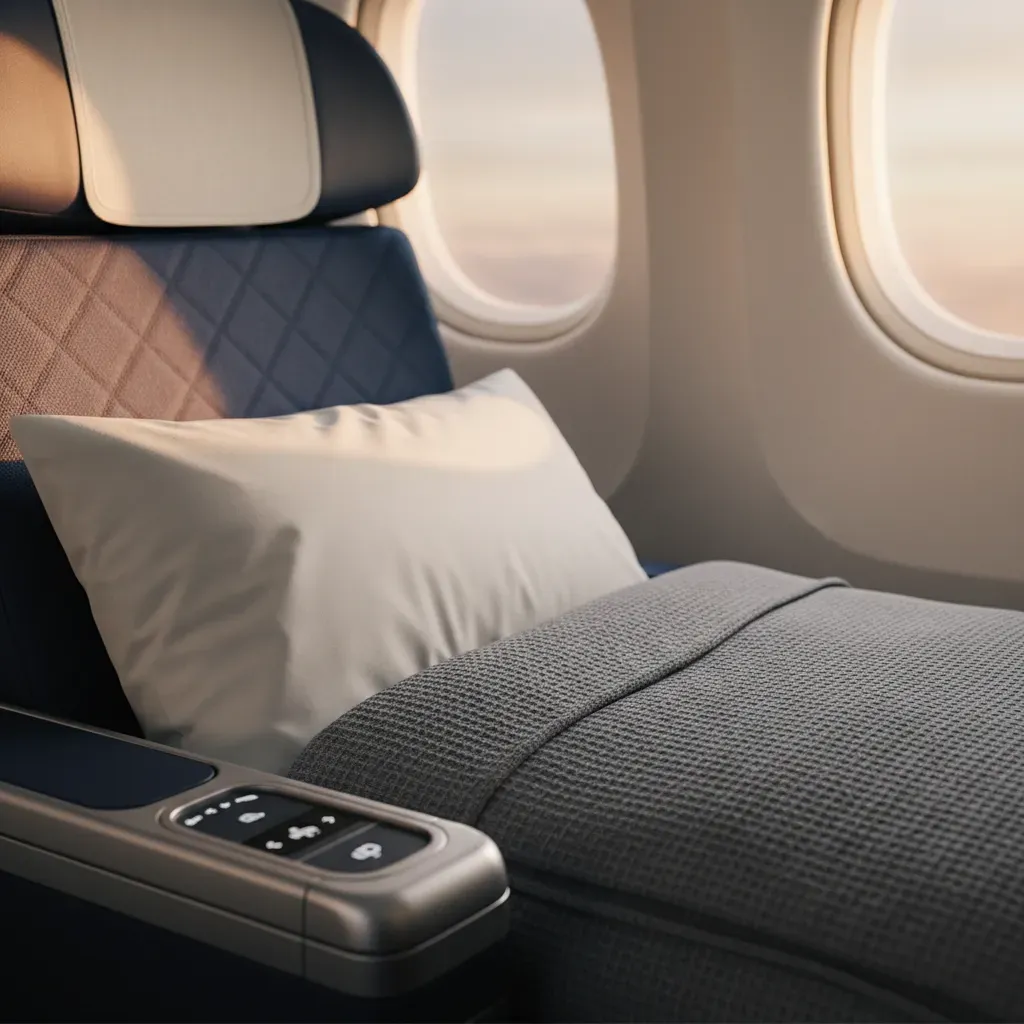
If you are evaluating united airlines business class international, do not stop at fare class and travel date. Review the aircraft, the exact seat map, your lounge access, the length and quality of any connection, and the timing of meal and sleep periods. These details often matter more than travelers expect.
Questions worth asking before you book
- Is this flight operated with a true Polaris cabin or a different business class setup?
- Does the departure airport offer a Polaris Lounge?
- Is the schedule optimized for sleep, meetings, or smooth onward connections?
- Will seat selection give you the privacy or companion setup you prefer?
- Are there mixed-cabin segments that could reduce the overall premium feel of the itinerary?
For complex international journeys, this is often where professional planning becomes useful. Flight Experts offers Complex Itinerary Planning for multi-city and open-jaw travel, as well as Business Class Flight Booking with consultant support, seat selection guidance, and itinerary review. That kind of service can be particularly valuable if your trip includes a long-haul United segment combined with alliance partners or time-sensitive connections.
How experts evaluate United in context
A balanced assessment of United should separate brand reputation from current product reality. Years ago, some travelers would not have instinctively associated United with a polished premium long-haul experience. Today, Polaris has changed that conversation. It may not be the most theatrical business class in the market, but on the right aircraft and route, it is often a credible, comfortable, and strategically sensible option.
From a practical standpoint, experts usually assess United across five areas: seat quality, sleep potential, lounge experience, route utility, and consistency. United performs best when its network strength and Polaris infrastructure work together. It is less compelling when a trip relies on older domestic-style premium segments or when travelers expect a highly personalized boutique feel from every touchpoint.
That is why premium booking is rarely just about choosing an airline name. It is about choosing the right version of that airline for your specific itinerary. A luxury travel specialist may help you distinguish between a merely acceptable business class booking and one that genuinely supports the purpose of your trip.
Frequently Asked Questions
Is United Airlines business class the same as United Polaris?
Not always. United Polaris generally refers to the airline’s long-haul international business class experience and certain premium transcontinental services. That usually means lie-flat seating, upgraded bedding, elevated dining, and access to Polaris Lounges where available. On shorter domestic or regional flights, business class may describe a different product entirely, often with recliner seats and a more limited service flow. If you care about sleep, privacy, or lounge quality, it is important to verify the exact aircraft and route rather than relying on the cabin name alone.
Are United Polaris seats fully flat on international routes?
In most long-haul Polaris configurations, yes, the seats are designed to convert into fully flat beds. That is one of the main reasons travelers choose United’s international premium product for overnight flights. Still, aircraft assignments may change, and not every premium cabin marketed as business class offers the same experience. It is wise to confirm the aircraft and seat map before ticketing, especially if rest quality is central to your trip. For overnight travel to Europe or Asia, that distinction can materially affect how you feel on arrival.
Does United offer lounge access with business class tickets?
Eligible long-haul international business class passengers may receive lounge access, including Polaris Lounge access on qualifying itineraries where such lounges exist. The exact lounge experience depends on the airport, route, and same-day travel conditions. A Polaris Lounge is typically more refined than a conventional airline club, with better dining and a quieter atmosphere. That said, access rules can vary, especially on connecting itineraries or non-qualifying domestic segments. Travelers should review the current policy at the time of booking, since airline access terms may change.
What is the difference between United business class and domestic first class?
United’s long-haul business class, especially Polaris, is usually designed for true international premium travel. It often includes lie-flat seating, enhanced bedding, more substantial dining, and a stronger airport experience. Domestic first class, by contrast, may offer a wider recliner seat and priority services but not a bed or the same level of privacy. For a short daytime flight, domestic first class may be perfectly suitable. For overnight or intercontinental travel, the difference becomes much more significant in terms of comfort, rest, and productivity.
Is United business class a good choice for travel to Europe?
It can be a very sensible option, particularly from a United hub or when nonstop service matters. On transatlantic flights with true Polaris seating, the product is often well suited to overnight travel because it prioritizes a flat bed, aisle access, and a more complete premium service flow. For many travelers, the ability to leave from a convenient gateway and arrive rested is more important than selecting the most glamorous airline brand. The best choice depends on your departure city, flight timing, aircraft type, and connection preferences.
How should couples choose seats in United Polaris?
Couples should start by deciding whether they value conversation or privacy more highly. Some center seats make it easier to interact, while certain window seats provide a more secluded feel that solo travelers often prefer. On an overnight flight, one partner may prioritize quiet and sleeping position, while the other may want easier access and visibility. Looking at the exact seat map is essential, because the best option can vary by aircraft. If the trip marks a honeymoon, anniversary, or milestone journey, thoughtful seat selection is especially worthwhile.
Is United business class suitable for premium family travel?
Yes, in many cases, especially when a family needs practical routing through major United hubs. The product can work well for long-haul journeys where parents want lie-flat comfort and children need a more manageable overnight experience. The key consideration is aircraft layout and how easily family members can sit in useful proximity. Ground logistics also matter, particularly during connections. Families planning premium international travel often benefit from professional guidance so the itinerary feels coordinated rather than simply ticketed in a higher cabin.
How far in advance should you book United business class international?
There is no single answer, because availability, aircraft deployment, and route demand can shift throughout the year. For high-demand periods, major holidays, and milestone travel dates, booking earlier may provide better access to preferred schedules and seat assignments. For flexible travelers, there may also be worthwhile opportunities at other points in the booking window. What matters most is not just securing a seat, but securing the right flight, aircraft, and connection structure. Premium travel decisions are usually strongest when timing and itinerary quality are considered together.
Can a travel advisor help with United business class bookings?
Yes, particularly when the itinerary is more involved than a simple nonstop roundtrip. A knowledgeable advisor may help evaluate aircraft types, routing quality, seat selection, mixed-cabin risks, and the overall suitability of United versus another carrier. For travelers booking important business trips or celebratory journeys, that guidance often improves the experience because the focus stays on outcomes rather than just ticket issuance. Flight Experts, for example, approaches premium air travel through consultant-led planning rather than a self-service model, which may appeal to travelers who value precision and personal support.
What does business class on United get you?
It depends on the route and the exact product being operated. On long-haul international itineraries marketed as Polaris, business class typically includes a lie-flat seat, an elevated dining and beverage program, upgraded bedding, and premium check-in and boarding services. Where a Polaris Lounge is available and your itinerary qualifies, the ground experience may feel meaningfully more refined than a conventional lounge. On shorter domestic routes, the forward cabin experience is often closer to domestic first class, usually a wider recliner seat with priority services and a more limited onboard service flow. The most reliable approach is to confirm the aircraft and seat map for your specific flight, since the cabin name alone does not tell the full story.
Does United Airlines have flatbeds in business class?
Yes, in many cases, particularly on long-haul international flights that are operated with a Polaris-configured aircraft. Those seats are designed to convert into a fully flat bed, which is one of the primary reasons frequent international travelers choose the product for overnight sectors. Still, United operates a wide variety of aircraft and route types, and not every premium cabin sold as business class will provide the same sleep setup. Aircraft swaps can also occur, so it is wise to verify the operating aircraft and seat map close to departure if a flat bed is central to your trip.
Is business class the same as First Class on United Airlines?
Not in a simple, universal sense. United typically uses “First” for its domestic forward cabin, and “Business” for long-haul international premium cabins, with Polaris branding on qualifying flights. The practical difference is usually the seat and service concept designed for the route. Long-haul business class is often built around lie-flat rest and a more structured premium service flow, while domestic first class is commonly a premium recliner experience suited to shorter flight lengths. Because labels can vary across an itinerary, verifying the aircraft, seat type, and whether Polaris is explicitly listed is more informative than comparing the words “First” and “Business” alone.
What is the United 45 minute rule?
It is a common reference to United’s check-in and bag acceptance cutoff timing that may apply on many departures, often discussed as 45 minutes before scheduled departure time in some contexts. The exact cutoff can vary by airport and itinerary, and it may differ for domestic versus international travel or for travelers with checked bags. Premium travelers should still plan conservatively, especially on trips with bags, multiple segments, or time-sensitive onward plans. Confirming the current check-in cutoff for your departure airport and flight is the most dependable approach, since airport procedures and airline policies can change.
Key Takeaways
- United Airlines business class can mean different products, so route and aircraft matter as much as the cabin label.
- United Polaris is the version most premium travelers seek for long-haul international flights because it typically offers lie-flat seats and a more complete ground experience.
- Seat assignment, lounge access, connection quality, and aircraft type should all be reviewed before booking.
- United is often strongest for travelers who value hub access, nonstop options, and alliance connectivity alongside premium comfort.
- Professional itinerary review may help you choose the right United flight rather than simply choosing United in general.
Conclusion
United has built a business class product that deserves serious consideration, especially on long-haul routes where Polaris is available and the broader journey supports the premium promise. The airline’s value often lies in the combination of network reach, practical scheduling, and a business class seat that can make overnight international travel far more comfortable and productive.
Still, the quality of the experience depends on the details. Aircraft type, seat location, lounge access, and connection design all shape whether a booking feels merely adequate or genuinely well chosen. That is why discerning travelers often prefer a more tailored review before committing to a premium itinerary. If you would like a more personalized recommendation, you may wish to speak with the Flight Experts team about your route, travel preferences, and overall trip goals. A thoughtful conversation can help ensure your next premium journey is selected with care, not guesswork.



