
Turkish Airlines Business Class Review (2026)
Overview
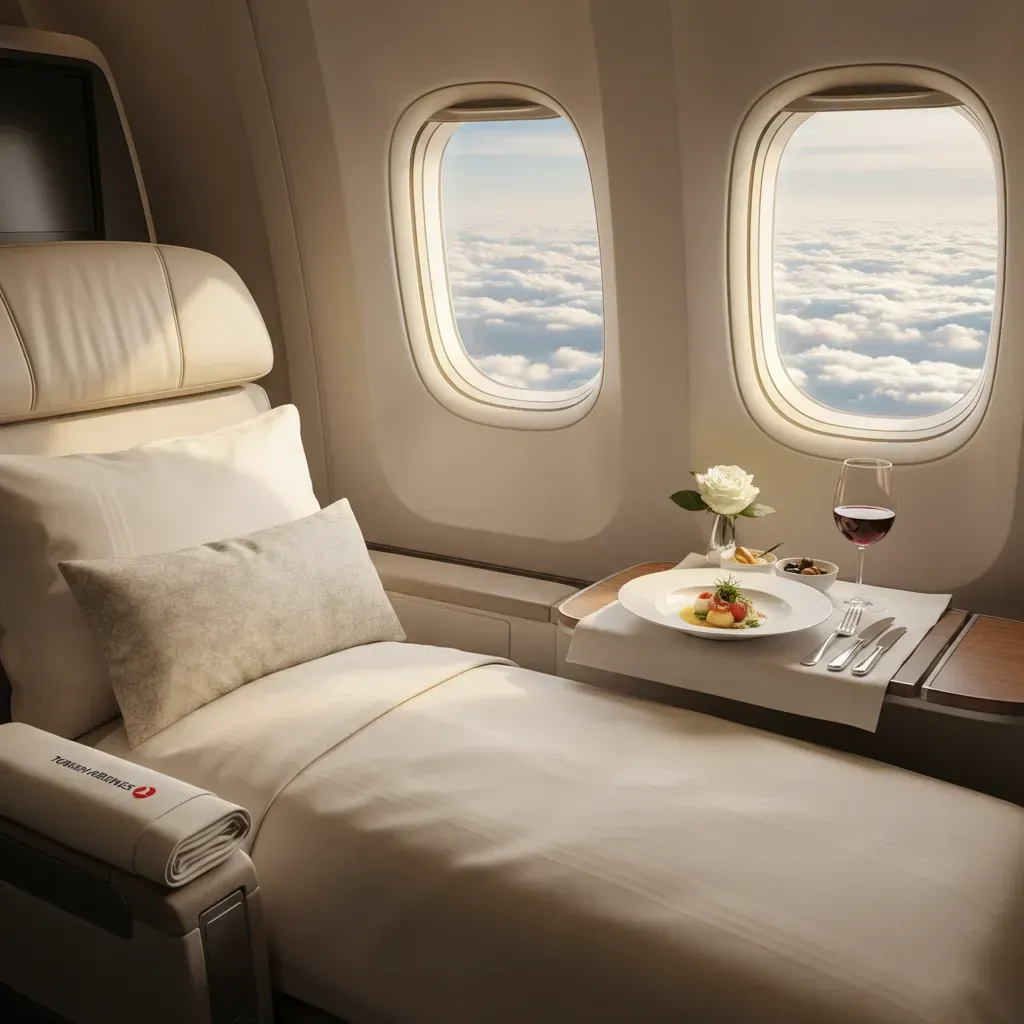
Turkish Airlines Business Class is typically positioned as a premium long-haul product with broad global reach, especially for travelers connecting through Istanbul. From a luxury travel perspective, its strongest appeal often lies in the overall journey rather than one single headline feature. The airline has built a reputation for generous catering, polished hospitality, and a route network that can be especially practical for Europe, Central Asia, the Middle East, Africa, and certain parts of Asia.
That said, the phrase turkish airlines business class covers several different onboard experiences. The newer Boeing 787 and Airbus A350 cabins usually offer a more contemporary layout with stronger privacy and direct aisle access for every passenger. The older Turkish 777 Business Class cabin, by contrast, remains spacious but may feel less private and less current by present premium standards.
For travelers who care about the full premium journey, including lounge access, connection handling, and aircraft-specific seat quality, Turkish Airlines can be an appealing choice in many cases. Those looking for a broader view of premium cabin standards may also wish to browse Airline Business & First Class Reviews before making a final decision.
Lounge and Ground Experience in Istanbul (IST): What Business Class Travelers Should Expect
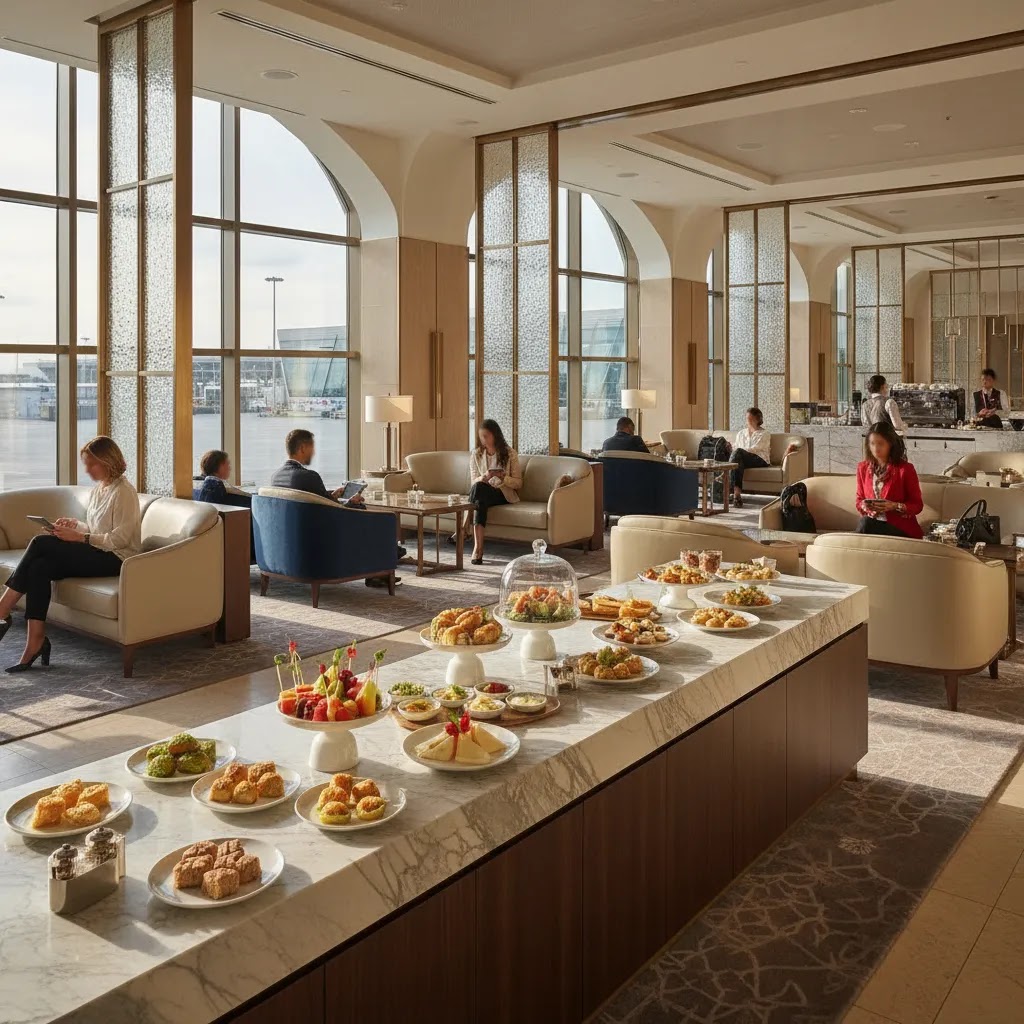
Turkish Airlines relies heavily on Istanbul (IST) as a connecting hub, and for many premium travelers, the ground portion of the journey can shape the overall impression as much as the seat onboard. Lounge access is typically part of the Business Class value proposition, but the day-to-day reality of how Istanbul flows matters just as much as the lounge itself.
From a practical standpoint, IST is a large, modern terminal where gate distances can be significant. A connection that looks comfortable on paper may still feel brisk if you arrive at one end of the terminal and depart from the other, or if you are moving during peak departure and arrival banks. Security and document checks for international connections can also influence pacing, particularly during busy periods, so a premium itinerary benefits from being built with realistic transfer time rather than theoretical minimums.
Short layovers tend to be about efficiency, and a premium cabin does not eliminate the need to move with intent. Longer layovers, by contrast, can be a genuine advantage if you plan to use the lounge as part of the journey rather than as an afterthought. Think of it this way: a well-timed connection can allow you to dine, reset, and board the next sector unhurried, while an awkwardly timed transfer can feel like time spent waiting rather than traveling well.
What many travelers overlook is that the lounge experience, connection handling, and even the feel of the terminal can be route-dependent and subject to change. Gate assignments, crowding patterns, and operational adjustments may vary by season and schedule. For discerning travelers, verifying current lounge access conditions tied to your specific ticket and confirming connection logistics shortly before departure is typically the most reliable approach, especially when the Istanbul transit is central to the decision to fly Turkish Airlines.
Cabin and Service Features
The strongest Turkish Airlines Business Class experiences are usually found on the Boeing 787 and Airbus A350 fleets. These aircraft generally provide a modern 1-2-1 configuration, which means each passenger has direct aisle access. For most premium travelers, that alone is a meaningful advantage on overnight sectors, particularly if privacy and uninterrupted rest matter more than cabin sociability.
The turkish 787 business class product tends to feel more contemporary than the 777. Seats typically convert into fully flat beds, storage is more thoughtfully integrated, and the overall cabin design feels calmer and more aligned with what frequent premium travelers now expect on intercontinental flights. The A350 product is often comparable in comfort and layout.
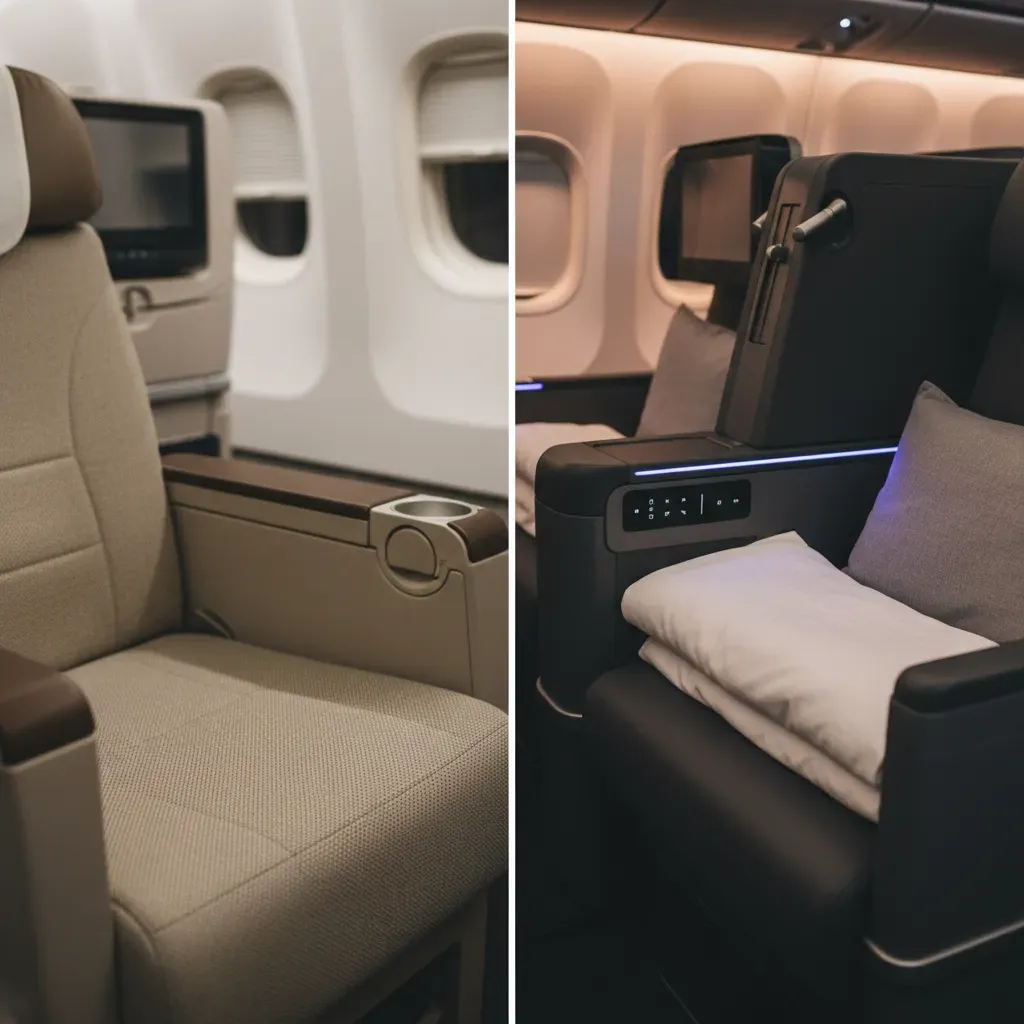
The turkish 777 business class cabin still offers lie-flat seating and a spacious footprint, but it usually shows its age more clearly. On some routes, couples traveling together may appreciate the width and openness of the cabin. Solo travelers, however, may find the privacy level less compelling than newer competing products.
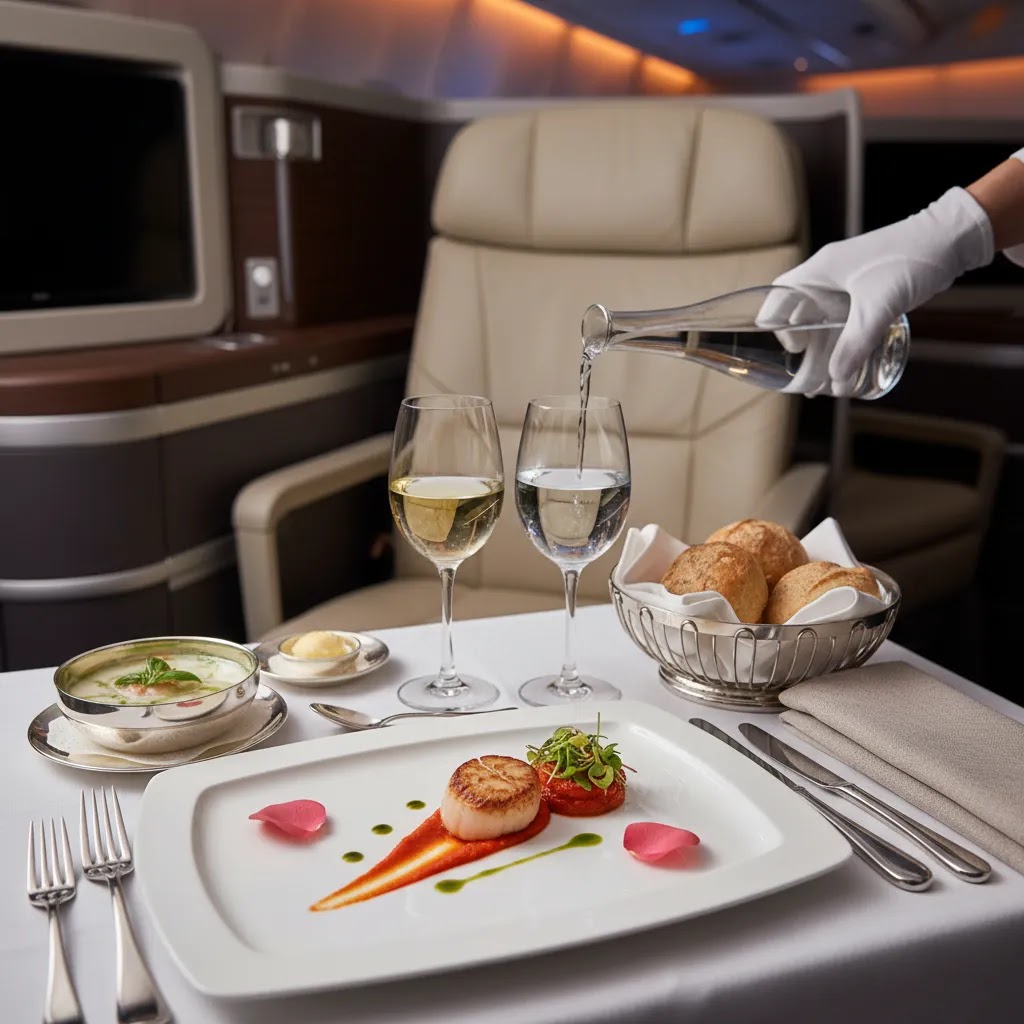
One area where Turkish Airlines often earns strong marks is catering. The airline has long emphasized onboard dining as a premium differentiator, and in many cases the meal service is more generous and more thoughtfully presented than what travelers encounter on similarly priced long-haul Business Class itineraries. Service style may vary by route and crew, but hospitality is often warm, attentive, and polished.
Ground experience is also important here. Istanbul can be a highly strategic connecting hub, and Turkish Airlines has historically placed real emphasis on lounge quality for premium passengers. For travelers building a multi-sector itinerary, those details matter. Access, connection times, aircraft swaps, and lounge logistics can all affect whether a business class flight turkish airlines feels smooth or merely acceptable. Travelers considering how booking strategy affects that experience may find the guidance within Premium Flight Booking & Tips useful when comparing routing, aircraft, and connection quality.
Turkish Airlines Business Class by Aircraft: What Changes Between the 787-9, A350, 777, and A330/A321
Here is the thing: Turkish Airlines Business Class is not one single hard product, and for premium travelers, the aircraft is often the difference between a cabin that feels current and private and one that feels spacious but less tailored to modern expectations. While the airline’s service and dining may provide continuity, seat architecture, privacy, and storage can vary meaningfully across the fleet.
On the Boeing 787-9 and Airbus A350, the experience typically centers on a modern 1-2-1 layout with direct aisle access throughout the cabin. In most cases, that translates into stronger privacy at the seat, a clearer sense of personal space, and a more intuitive flow for overnight travel. These aircraft tend to align well with travelers who prioritize sleeping comfortably, minimizing aisle exposure, and maintaining a quieter, more self-contained experience.
The Boeing 777, by comparison, often delivers a more open, less private cabin environment. While lie-flat seating is generally expected on long-haul Business Class aircraft, the 777 configuration may feel more social and less protected from aisle traffic. For couples, the layout can still be appealing, particularly on daytime flights where conversation and ease of sharing the experience may matter more than cocoon-like privacy. For solo travelers, the same openness can be the drawback, especially on longer overnight segments.
On other aircraft types you may encounter, such as A330 or certain A321-operated routes, the Business Class experience can be more variable. These flights may be scheduled on thinner long-haul routes, regional missions, or specific markets where aircraft assignment is driven by operational needs. In those cases, the cabin may not mirror the 787 or A350 experience in layout, storage, or overall refinement, even if the service standards remain recognizably Turkish Airlines. Seat comfort can still be very good, but the details premium travelers care about most, including privacy, direct aisle access, and the feel of personal space, may not match the newest widebody cabins.
The reality is that aircraft swaps can occur, sometimes close to departure. If you are booking with a specific cabin in mind, reducing mismatch risk usually involves monitoring your reservation as travel approaches and checking the seat map for changes that signal a different aircraft or configuration. Selecting routings where the intended aircraft is more common on that city pair may also help, though nothing is fully guaranteed.
Consider this best-for lens when you are deciding how to prioritize aircraft selection. The 787 and A350 typically suit solo travelers who want privacy, travelers planning to sleep, and clients who value a more contemporary, calm cabin environment. The 777 can be a reasonable fit for couples, particularly on daytime flights, or for travelers who care more about overall spaciousness and onboard dining than seat enclosure. For A330 or A321-operated Business Class, the most prudent approach is to evaluate the specific seat map and routing details rather than assuming it will mirror the newest long-haul product.
Pros and Cons
Strengths
- Strong global network through Istanbul, which may create efficient one-stop premium itineraries to destinations that are otherwise awkward to reach.
- Newer 787 and A350 cabins typically offer direct aisle access and a more refined long-haul Business Class experience.
- Onboard dining is often a standout, with meal presentation and variety that may exceed expectations in this cabin category.
- Hospitality tends to feel warm and service-oriented, which many travelers value as much as the hard product.
- The overall premium journey can be especially appealing for travelers who place real value on lounge access and connection infrastructure in Istanbul.
- Turkish Airlines serves a wide range of leisure and business destinations, making it relevant for both milestone trips and practical global travel.
Considerations
- The product is not fully consistent across the fleet, so your experience may depend heavily on aircraft type.
- The older 777 cabin can feel less private than many newer Business Class products on competing airlines.
- Connection quality in Istanbul may vary depending on schedule, gate assignment, and layover length.
- Seat selection matters greatly, especially for solo travelers who prefer privacy and direct aisle access.
Who Turkish Airlines Business Class Suits Best
Turkish Airlines Business Class is often best suited to travelers who want a well-rounded premium journey rather than a single showpiece feature. It can be particularly attractive for couples traveling to Europe, the Middle East, or Asia, as well as for executives who need long-haul rest and efficient onward connections. It may also suit travelers planning multi-city itineraries where Istanbul functions as a practical gateway.
If you are highly sensitive to privacy, however, aircraft type should be a decisive factor. A newer 787 or A350 may align well with your expectations, while a 777 could feel less tailored to solo premium travel. The best fit usually depends on your route, schedule priorities, and whether sleep quality or dining experience ranks highest for you.
Flight Experts Recommendation
From the Flight Experts perspective, Turkish Airlines Business Class is often worth serious consideration, especially on routes operated by the Boeing 787 or Airbus A350. The airline can offer an appealing balance of comfort, hospitality, and network reach, but it is rarely a product you should book on airline name alone. Aircraft assignment, seat map, transit time in Istanbul, and onward routing all deserve close review before ticketing.
Flight Experts offers Business Class Flight Booking with a personal travel consultant, seat selection support, meal preference coordination, check-in assistance, and cabin upgrade alerts. For travelers planning more complex journeys, Flight Experts also provides Complex Itinerary Planning for multi-city and open-jaw premium travel. If you are considering Turkish Airlines for a long-haul journey, speak with Mike Chirilenco or the Flight Experts team for a personalized recommendation based on aircraft, route logic, and your preferred style of travel.
How to Evaluate This Cabin Before You Book
A polished airline brand does not always guarantee a uniform premium experience. With Turkish Airlines, there are four factors that typically matter most.
1. Aircraft type
This is the first question to ask. The difference between a Turkish 777 Business Class seat and a Turkish 787 Business Class seat can be substantial. If privacy, modern design, and direct aisle access are priorities, verify aircraft carefully before you commit.
2. Connection strategy through Istanbul
Turkish Airlines may be especially compelling because of its hub structure, but not every connection is equally comfortable. A well-timed transfer can make the trip feel elegant and efficient. A rushed or poorly timed one may diminish the value of the premium cabin.
3. Day flight versus overnight flight
Some travelers prioritize dining and service, while others care most about deep rest. On a daytime route, a less private seat may be more tolerable. On an overnight sector, bedding, aisle access, and sleep ergonomics become much more important.
4. Solo traveler versus couple travel
Couples may be comfortable with older layouts that feel open and social. Solo travelers usually benefit more from newer Business Class configurations with stronger privacy. Your seat preference should shape the booking decision, not merely the airline brand.
5. Booking support and after-booking service
Premium travel is not only about the ticketed cabin. It also includes seat assignment, schedule monitoring, lounge planning, and response if an aircraft change occurs. Flight Experts provides support across those details through its premium booking services, including Business Class Flight Booking and, where relevant, First Class Flight Booking and Premium Economy Flight Booking through the same expert-led process at flight-experts.com.
Practical Booking Considerations: Seats, Baggage, and Onboard Comfort Details Travelers Ask About
For discerning travelers, evaluating Turkish Airlines Business Class often comes down to the specifics that shape comfort hour by hour. Airline marketing tends to focus on broad promises, but in Business Class, small details can materially influence how restful, private, and effortless your trip feels.
Seat selection is one of the clearest examples. On 1-2-1 layouts, window seats typically offer the best balance of privacy and uninterrupted rest, particularly if the seat is positioned so that the console creates a buffer from the aisle. Aisle seats can be very practical for travelers who want easy movement, but they may involve more exposure to foot traffic and service flow. From a practical standpoint, seats near galleys or lavatories may be less desirable for travelers who are sensitive to noise and light, especially on overnight sectors. Bulkhead positions can also be a tradeoff. They may feel spacious, but they can be closer to high-traffic zones, and on some flights they may be near bassinet locations, which could affect sleep if the cabin includes families traveling with infants.
Baggage and lounge access are also frequent points of confusion because they can be tied to fare conditions rather than the cabin name alone. Turkish Airlines Business Class typically includes an elevated baggage allowance and lounge eligibility, but the precise entitlement can vary by route, fare type, and ticket rules. Some fares may also influence flexibility, change conditions, and what is included for pre-selection of seats. This is one reason premium travelers often benefit from verifying the fare details before purchase rather than assuming all Business Class tickets are identical.
Onboard comfort details are another area where expectations should be set with nuance. Bedding quality, pillow and duvet feel, and cabin temperature management can vary by aircraft and route. Amenity kits are commonly offered on long-haul Business Class, but contents and availability may differ depending on flight length and operational updates. Wi-Fi is often available across much of the long-haul fleet, yet performance can be inconsistent due to coverage, aircraft systems, and the number of passengers connected at once. For travelers with a specific priority, such as uninterrupted sleep, reliable connectivity, or a particular service cadence, it is wise to view Turkish Airlines Business Class as a strong option that still benefits from aircraft-specific and route-specific verification before departure.
Frequently Asked Questions
Is Turkish Airlines Business Class considered a strong premium product?
In many cases, yes. Turkish Airlines Business Class is often regarded as a strong all-around premium option, particularly on newer aircraft. The airline typically performs well in dining, route coverage, and hospitality. The most important caveat is fleet inconsistency, since older aircraft may not deliver the same privacy or seat design as the 787 or A350.
Is the Turkish 787 Business Class better than the Turkish 777 Business Class?
For most discerning travelers, the 787 is usually the more desirable option. It typically offers a newer seat, direct aisle access, and a more private layout. The 777 may still be comfortable, especially for couples, but solo travelers and those prioritizing rest often prefer the more current 787 cabin.
Does Turkish Airlines Business Class have fully flat beds?
On long-haul aircraft, Turkish Airlines Business Class generally offers lie-flat seating. Even so, seat dimensions, privacy, and sleeping comfort may vary by aircraft. A lie-flat bed on paper does not always translate into the same overnight experience, which is why aircraft-specific review matters before booking.
Is Turkish Airlines Business Class good for overnight flights?
It can be, especially on the airline’s newer long-haul fleet. Overnight comfort will usually depend on seat privacy, bedding, cabin temperature, and how smoothly service is timed. On newer aircraft, it may be very suitable for overnight travel. On older layouts, sleep quality could be less compelling for some passengers.
What is the onboard dining like in Turkish Airlines Business Class?
Dining is often one of the airline’s strongest attributes. Turkish Airlines has a long-standing reputation for generous meal service and attractive presentation in Business Class. Menus and service style may vary by route and time of day, but many travelers find the catering to be a meaningful differentiator within the premium cabin segment.
Is Istanbul a convenient hub for Business Class travelers?
Istanbul may be very convenient, particularly for travelers heading between North America, Europe, the Middle East, Africa, and parts of Asia. The quality of the experience usually depends on connection time and terminal flow. Premium lounge access can improve the journey significantly, though very short or very long transfers may feel less ideal.
Should I choose Turkish Airlines Business Class for a milestone trip?
It could be a good choice if the route, aircraft, and schedule align well with your priorities. For anniversaries, honeymoons, or other significant journeys, the newer Turkish Airlines long-haul cabins are usually the better fit. For a trip of that importance, tailored booking advice can help avoid a mismatch between expectation and aircraft.
How important is seat selection on Turkish Airlines Business Class?
Seat selection is very important. On some aircraft, the right seat can materially improve privacy, ease of movement, and overall rest. This is especially true for solo travelers. Couples may have different preferences, so selecting the most suitable seats in advance is often a valuable part of the premium booking process.
Can Flight Experts help with Turkish Airlines Business Class bookings?
Yes. Flight Experts provides Business Class Flight Booking support with a personal travel consultant, seat selection assistance, meal preference coordination, and check-in support. For more complex travel plans, the team also handles multi-city premium itineraries. That level of oversight may be particularly useful when aircraft type and connection quality are central to the decision.
Is business class on Turkish Airlines any good?
In most cases, it can be a very satisfying premium experience, particularly on the Boeing 787 and Airbus A350 where the seat layout typically supports privacy and rest. Many travelers also value the airline’s dining and the practicality of Istanbul connections. The main consideration is that quality is not identical across the fleet, so confirming aircraft type and seat configuration remains an important part of assessing whether it is the right fit for your trip.
What do you get in business class with Turkish Airlines?
You can typically expect priority-oriented airport handling, premium cabin seating that converts to a lie-flat bed on long-haul aircraft, a more elaborate meal service than in other cabins, and lounge access where eligible. Amenity kits, bedding, and onboard connectivity are commonly part of the long-haul experience, but inclusions may vary by route, aircraft, and fare conditions. Verifying what is included for your specific ticket is wise, particularly if lounge access, baggage entitlement, or Wi-Fi is central to your expectations.
Is it worth upgrading to business class on Turkish Airlines?
It can be worth it if the upgrade delivers what matters most to you, which is typically a lie-flat bed on overnight sectors, stronger privacy on newer aircraft, and a more controlled travel day through Istanbul with lounge access where eligible. The value proposition depends on route length, aircraft type, and the fare and upgrade conditions attached to your ticket. For many travelers, the decision becomes clearer once the seat map, flight timing, and connection plan are evaluated together.
Key Takeaways
- Turkish Airlines Business Class is often strongest as a full journey proposition, combining onboard comfort, dining, and a useful Istanbul hub.
- The newer 787 and A350 cabins are typically more compelling than the older 777 for privacy and direct aisle access.
- Dining and hospitality are usually among the airline’s most appealing premium strengths.
- Aircraft type, seat selection, and connection timing may influence your experience as much as the airline brand itself.
- Flight Experts can help you evaluate route, cabin, and itinerary details before you commit to a premium booking.
Conclusion
Turkish Airlines Business Class can be an excellent choice for discerning travelers, but it is at its best when selected carefully. The airline’s newer cabins, generous onboard dining, and strong network breadth make it a serious contender for long-haul premium travel. At the same time, the variation between aircraft means that thoughtful planning remains essential. If you would like help comparing cabin versions, refining your route through Istanbul, or arranging a premium itinerary with personalized support, contact Mike Chirilenco and the Flight Experts team. Their concierge-style approach to Business Class Flight Booking and Complex Itinerary Planning can help you book with greater confidence and a clearer understanding of what your journey is likely to deliver.



