
Delta First Class Price: How Much Does It Cost?

Delta First is a domestic premium cabin, not an international first class suite. Its value is strongest when a more spacious seat, priority airport services, and a smoother travel day matter more than an enclosed long-haul suite. For wider context on the cabin itself, consult this Delta first class guide.
Delta First Class Price Snapshot
Route demand, rather than a fixed schedule, drives Delta First pricing. A short flight between nearby business centers may show a relatively modest premium. A Friday departure from a major hub or a nonstop to Hawaii can command a materially higher fare. The table below offers realistic planning ranges for one-way travel, not fixed quotes.
| Route type | Typical Delta First price | What the fare generally includes |
|---|---|---|
| Short domestic flight, roughly 1 to 2 hours | $250 to $700 | Larger front-cabin seat, priority boarding, checked baggage allowance, food and beverages where offered |
| Medium domestic flight, roughly 2 to 4 hours | $400 to $1,100 | Priority services, a more spacious seat, enhanced catering on many departures, checked baggage allowance |
| Transcontinental domestic flight | $700 to $1,800 | Front-cabin seating, priority handling, meal service on qualifying flights, cabin service suited to a longer travel day |
| Hawaii itinerary | $1,000 to $2,500+ | Priority services, larger seat, meal service on qualifying segments, checked baggage allowance |
| Post-purchase upgrade offer | $100 to $1,200+ | Move from the purchased cabin to Delta First, usually without changing other ticket conditions |
These ranges reflect common domestic pricing behavior and may vary sharply by date, market, fare availability, and operating aircraft. Travelers considering premium cabins across several carriers may also find perspective in this route-based guide to first class cost.
What Delta First Class Costs by Route Type
Short domestic sectors: $250 to $700
On short routes, travelers often buy Delta First for the ground experience as much as the time in the air. Priority check-in, earlier boarding, a larger seat, and a more relaxed exit can matter on a same-day business trip. The cabin premium may feel less compelling if the flight itself is under 90 minutes and the airport experience is uncomplicated.
Medium-haul domestic flights: $400 to $1,100
Flights of two to four hours usually provide a clearer case for Delta First. The additional space becomes more noticeable, and qualifying flights may include a more substantial meal service. This range is common on routes connecting major Delta hubs with large business and leisure markets. Day and departure time matter: early Monday flights and late-week departures often price more firmly than less convenient midweek options.
Transcontinental routes: $700 to $1,800
Travelers frequently compare a Delta First fare on a coast-to-coast itinerary with Delta Comfort+ and Main Cabin, rather than a lie-flat business class product. Delta First provides a larger domestic recliner, not a private suite or flat bed. For travelers who need space to work, wish to avoid a tight middle seat, or arrive directly at an important meeting, that distinction can still justify the premium.
Hawaii flights: $1,000 to $2,500 or more
Long Hawaii flights often carry the highest domestic Delta First prices. Leisure demand can be strong, and front-cabin inventory is limited. A nonstop itinerary may command a notable premium over a connection. On these flights, the cabin is most attractive to travelers who place substantial value on personal space and a more composed start to a vacation, while accepting that the seat does not convert to a bed.
Delta First Versus Delta One: Choosing the Right Premium Cabin
It’s worth distinguishing between Delta First and Delta One, as travelers often conflate the two. The domestic front cabin discussed throughout this piece refers to Delta First, which typically features a spacious recliner-style seat alongside expedited boarding and other priority touches. Delta One occupies a different tier altogether. On qualifying international routes and select transcontinental itineraries, guests may enjoy lie-flat seating, refined onboard dining, and enhanced privileges at the airport. Delta also outlines its onboard experience by cabin.
Do not expect a flight marketed as Delta First to offer a flat bed, even on a lengthy domestic itinerary. For overnight travel, a coast-to-coast journey, or an itinerary where rest before arrival is particularly important, Delta One may be the more suitable cabin where available. Review the marketed cabin, operating aircraft, and seat map before ticketing. Aircraft assignments and service provisions may change, and a specialist can confirm the current product for the exact departure under consideration.
How Delta First Class Price Strategy Changes the Fare
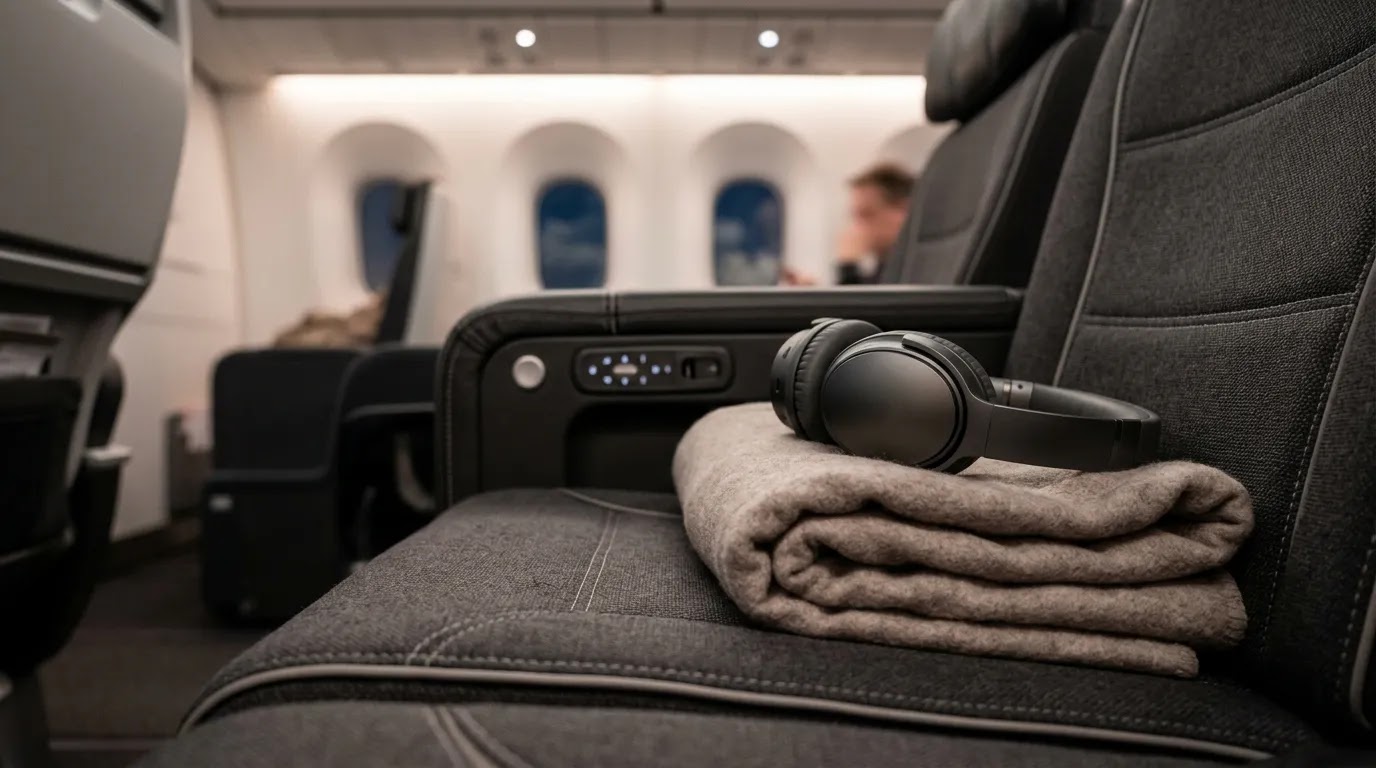
The published Delta first class price is only one way to access the cabin. The best approach depends on whether certainty, flexibility, or a lower initial commitment matters most. A traveler buying Delta First at the outset holds confirmed front-cabin space immediately. A traveler purchasing a lower cabin and waiting for an offer accepts uncertainty in exchange for the possibility of a lower total outlay.
Buying Delta First at the time of ticketing
This is generally the clearest route for important travel. It allows the traveler to select from available first-class seats and establish the full itinerary from the beginning. It can be particularly sensible for tight connections, milestone travel, or schedules where arriving rested and organized matters. Fare rules, changes, and cancellation terms still require review before ticketing.
Booking a lower cabin, then reviewing upgrade offers
Delta may present paid upgrade offers in the Fly Delta app, through reservation management, or during check-in. These offers are dynamic. A $150 offer on one short domestic flight does not establish a benchmark for another departure, even on the same route. Delta can change or withdraw the offer, or it may never appear. This approach suits travelers who would be comfortable remaining in their originally booked cabin.
Choosing a flexible itinerary rather than a preferred departure
Departure time can materially affect Delta First pricing. A midweek afternoon flight may price differently from the first nonstop flight of the morning, even if both use the same aircraft and serve the same city pair. Travelers with flexibility should compare nearby dates, alternative airports, and connecting options. They should also ensure that the journey still meets their comfort and schedule requirements.
For a closer look at what the cabin privileges actually involve, see the overview of Delta first class benefits. A broader Delta first class guide is useful before deciding whether a confirmed fare or an upgrade offer better fits the trip.
Delta First Class Upgrade Cost: What to Expect
Delta First upgrade cost is often around $100 to $300 on shorter routes, $250 to $700 on medium domestic flights, and $500 to $1,200 or more on long transcontinental or Hawaii itineraries. These are planning ranges, not published upgrade rates. Delta prices offers according to demand, remaining seats, the ticket purchased, and the commercial value of the specific flight.
Assess a paid upgrade as a total travel decision. A $350 offer on a five-hour flight can be reasonable for a traveler who will work before landing or move directly into a meeting. The same offer may be less persuasive on a lightly scheduled two-hour flight where the principal benefit is early boarding and additional seat width.
Do not assume that an upgrade offer provides every privilege associated with a separately purchased Delta First fare. The original ticket may determine baggage policies, mileage earning, change conditions, and other fare attributes. Review the precise offer terms before accepting.
Factors That Affect Delta First Class Price
Flight duration and cabin demand
Longer flights tend to support higher Delta First fares because the physical advantages of the cabin become more meaningful over time. Demand also rises around holidays, school breaks, major conventions, and high-volume business travel periods.
Nonstop service versus connections
Nonstop flights frequently carry stronger premium-cabin pricing, especially in time-sensitive markets. A connecting itinerary may have a more favorable total, but it also introduces transfer time and the possibility that only one segment offers Delta First availability.
Aircraft type and seat layout
Delta First hardware varies by aircraft. Some mainline aircraft have a familiar two-by-two layout, while regional aircraft may have different proportions and storage. The cabin label remains the same, but the practical experience can differ. Verify the aircraft before selecting a seat rather than relying on route assumptions alone.
Purchase timing and remaining inventory
Delta’s fare system responds to remaining seats and anticipated demand. Booking earlier can offer more seat choice, while a later purchase may reveal an attractive upgrade offer if the cabin remains unsold. Neither outcome is assured, so travelers with nonnegotiable preferences should prioritize confirmation over speculation.
One-way construction and itinerary complexity
Pricing two one-way flights separately may sometimes provide better scheduling control than a conventional round trip, particularly where outbound and return demand differ. Complex itineraries require care, since separate tickets can affect through-checking, protection during disruptions, and baggage handling.
What a Delta First Fare Usually Includes

Consider a traveler moving through a domestic airport with a Delta First ticket in hand. At many stations, priority check-in smooths the arrival, boarding comes ahead of the main cabin, checked luggage is included, and the seat offers noticeably more room up front. Dining and drink options depend on the flight. What’s actually delivered shifts with the route length, departure time, airport, and assigned aircraft. Unlike international premium cabins, a domestic Delta First fare does not come with automatic lounge entry. That distinction is worth knowing before you plan your pre-flight routine.
Space usually delivers the most tangible benefit. Delta First seats provide more room than Main Cabin seating and typically offer a more comfortable setting for reading, dining, or working. It is a domestic premium product designed to improve the travel day, rather than replicate the private suites offered in international first class. Delta publishes its current Sky Club access requirements separately from cabin ticketing.
Readers comparing domestic cabins across carriers can explore more airline analysis in Airline Business & First Class Reviews.
Costs Travelers May Overlook
- Seat selection on other segments: An itinerary may include connecting flights without Delta First availability, which can affect the overall experience.
- Airport lounge access: Domestic Delta First does not generally include Delta Sky Club access, so lounge entry may require an eligible membership, credit card, or separate access method.
- Airport transfers: A premium cabin ticket improves the flight but does not arrange private transfers, meet-and-greet services, or parking.
- Changes after ticketing: Fare differences can apply if a traveler changes dates, flights, or routing after purchase.
- International connections: A Delta First segment to an international gateway may connect to a different premium cabin product, with distinct service and seat standards.
When Delta First Class Price Is Worth Paying More
Delta First is usually most compelling on flights above two hours, heavily scheduled business days, milestone travel, and itineraries where the traveler values a reliable front-of-cabin experience from curb to arrival. It can also be a considered choice for travelers managing mobility needs, carrying cabin work, or traveling with a companion who values sitting together in a more spacious configuration.
The fare may be harder to justify on a very short route, particularly if the premium represents a substantial share of the total journey cost and the traveler is indifferent to priority services. The right comparison is not simply Delta First versus the lowest available fare. It is the value of comfort, time, predictability, and the specific itinerary being purchased.
For premium domestic and international routing guidance from major U.S. departure points, review the Business & First Class from US Cities category.
How to Evaluate the Delta First Class Price Difference

Travelers should assess the additional fare over Main Cabin or Comfort+ against the full purpose of the journey. Flight duration, departure time, work requirements, the importance of arriving composed, and the value of priority handling can all influence the decision. A confirmed Delta First fare may be particularly appropriate for a longer flight before a meeting, a carefully planned celebration, or a demanding same-day schedule.
On a short and lightly scheduled journey, the original cabin may already meet the traveler’s needs. The comparison should also extend beyond one flight segment. A premium cabin on the longest flight may be valuable, yet a connection with limited time, a regional aircraft, or an unconfirmed seat arrangement can materially affect the overall experience. Review the operating aircraft, connection quality, and cabin on every segment for a more useful basis for judging the fare difference.
Planning a Premium Delta Itinerary With a Specialist
Under the direction of luxury travel specialist Mike Chirilenco, Flight Experts treats premium flight planning as a hands-on advisory craft rather than something left to an automated booking engine. When Delta First is on the table, the real value lies in weighing the finer details: the routing, the aircraft flying the segment, connection quality, seat availability, fare fine print, and whether an upgrade makes sense for the occasion.
A consultation can begin with the dates, preferred airports, travel priorities, and the purpose of the trip. From there, a specialist can help assess whether Delta First delivers the right experience or whether another cabin, routing, or carrier better serves the journey. Reach out to Flight Experts to discuss your preferences and begin planning with a dedicated travel professional.
Frequently Asked Questions
How much is Delta First Class on a domestic flight?
Delta First often costs about $250 to $700 one way on short domestic routes, $400 to $1,100 on medium-length flights, and $700 to $1,800 on many transcontinental journeys. Hawaii routes may begin around $1,000 and rise considerably higher. Fares depend on travel dates, route demand, nonstop availability, remaining seats, and the timing of purchase.
How much extra does Delta First usually cost compared with Main Cabin?
The difference may range from a few hundred dollars on a short domestic route to well over $1,000 on longer transcontinental or Hawaii itineraries. The amount depends on demand, travel date, remaining inventory, nonstop service, and the fare selected in Main Cabin. Comparing the complete itinerary, rather than a single segment, gives the clearest view of whether the added cabin comfort suits the trip.
Is Delta First worth it on a transcontinental flight?
Delta First can be worthwhile on a transcontinental flight for travelers who value a larger seat, priority airport services, and greater comfort during a long travel day. It does not provide lie-flat seating. Travelers who require a flat bed, particularly for an overnight departure, should determine whether Delta One is offered on the exact route and aircraft.
Is Delta First available on international flights?
For journeys within the United States, along with Hawaii-bound routes and select international connections close to home, Delta First is the cabin travelers are most likely to encounter. When the itinerary shifts to true long-haul, intercontinental travel, Delta One takes its place as the airline’s premier offering. Because branding, aircraft configurations, and onboard service can differ from route to route, our Flight Experts always recommend confirming the specific details of your itinerary before finalizing your booking.
What food and beverage service is included in Delta First?
Delta First typically includes complimentary beverages and enhanced food service on qualifying flights. The meal format and availability depend on flight length, departure time, route, and current Delta service procedures. Travelers with particular dining preferences or dietary requirements should confirm the offerings for their exact flight before departure.
Is Delta First the same as international first class?
No. Delta First is primarily a domestic front-cabin product. It typically offers a larger recliner seat, priority services, checked baggage allowance, and food or beverage service on qualifying flights. It does not generally provide the enclosed suites, lie-flat beds, private terminal services, or extensive ground privileges associated with international first class on certain global carriers.
How much does a Delta First upgrade cost?
Paid upgrade offers may range from about $100 on a short route to $1,200 or more on a high-demand transcontinental or Hawaii flight. Delta determines these offers dynamically, so there is no reliable fixed upgrade price. Travelers should accept an offer only if they would be satisfied with the value at that moment, since later availability is uncertain.
Does Delta First include lounge access?
Purchasing a domestic Delta First ticket does not, in itself, guarantee entry to the Delta Sky Club. Lounge privileges depend separately on factors such as an active membership, an eligible credit card, participation in certain international routings, or another qualifying arrangement. For those who place a premium on pre-flight lounge time, Flight Experts recommends verifying the applicable access requirements for your specific journey well ahead of travel.
Does buying Delta First guarantee a particular seat type?
No. The ticket confirms Delta First, but aircraft assignments can change. Seat dimensions, layout, storage, and in-seat amenities vary across Delta’s fleet. Reviewing the operating aircraft and seat map before ticketing is advisable, especially for travelers who have a strong preference for a window, aisle, bulkhead, or paired seating arrangement.
Is it better to buy Delta First or wait for an upgrade offer?
Buying Delta First at ticketing is preferable when the cabin is important to the trip and the traveler wants confirmed seating immediately. Waiting for an upgrade can be suitable when the original cabin is acceptable and flexibility matters more than certainty. Upgrade offers are not guaranteed and may be priced above or below the difference available at the time of booking.
Key Takeaways
- Delta First commonly ranges from $250 to $700 on short domestic routes and can exceed $2,500 on Hawaii itineraries.
- Route length, nonstop service, departure timing, aircraft, and remaining cabin inventory all influence the fare.
- Delta First is a domestic premium cabin, not an international first class suite with lie-flat seating.
- Paid upgrades can be worthwhile, but they are dynamic and should not be treated as a guaranteed strategy.
- A specialist can assess the complete itinerary, not merely the fare displayed for one flight.
Conclusion
Delta First can be a well-judged purchase for travelers who value a more spacious seat, priority handling, and a calmer domestic journey. Its price is most accurately understood by route type and fare strategy, not by a single headline figure. A short flight may call for a restrained premium, while a Hawaii or transcontinental itinerary can make the cabin’s practical advantages more meaningful. The best decision depends on the importance of the trip, the aircraft, the schedule, and the value placed on arriving more composed. Contact Mike at Flight Experts to discuss a premium itinerary shaped around your preferred travel experience.



