
American Airlines First Class Review (2026 Guide)
Overview
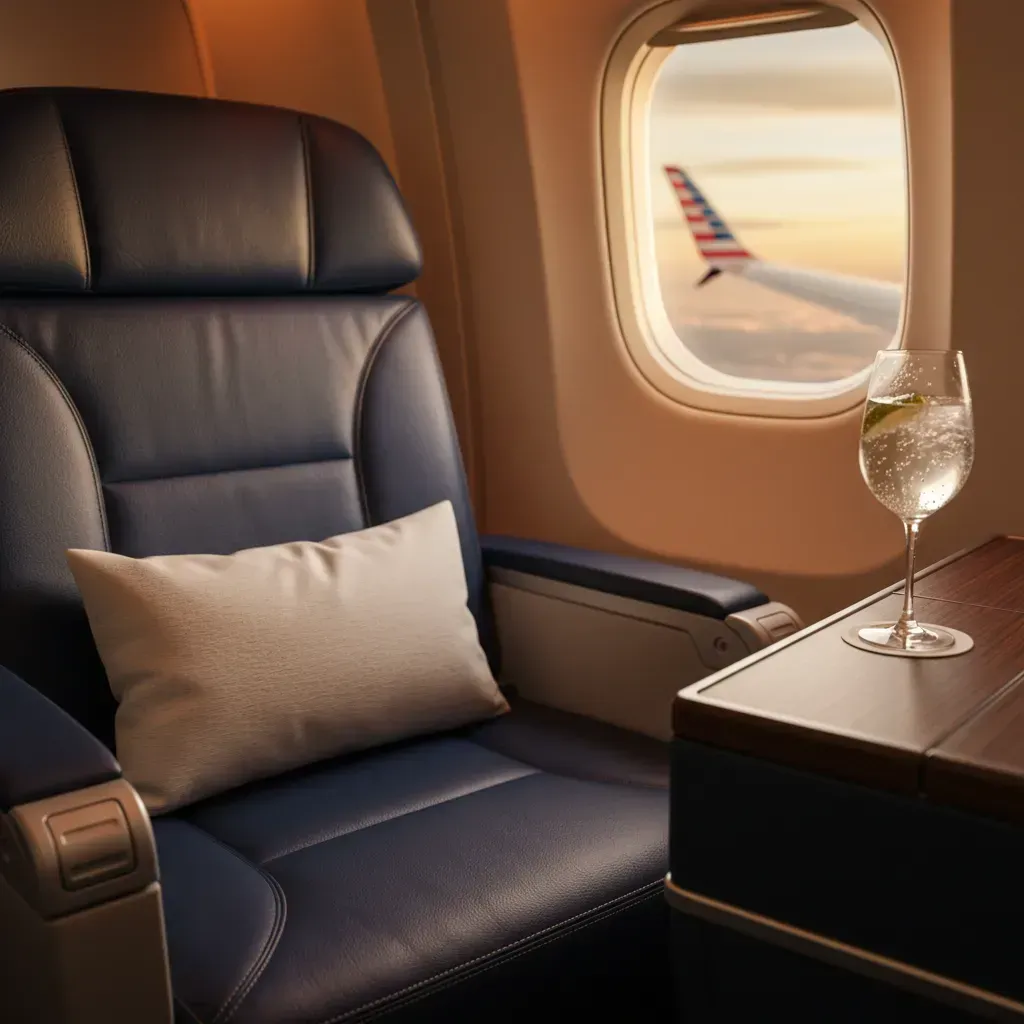
American Airlines First Class typically refers to the carrier’s premium cabin on domestic routes and certain short-haul international flights. In most cases, this is not the same as a long-haul international First Class suite of the sort associated with a small number of global flag carriers. Instead, it is best understood as a front-cabin domestic premium product focused on comfort, priority handling, and a more polished airport-to-arrival experience.
For many discerning travelers, the value lies in the cumulative benefits. You may receive priority check-in, earlier boarding, additional personal space, complimentary drinks, and meal service on eligible flights. Depending on the aircraft, the experience can feel notably more comfortable than the main cabin, especially on longer domestic sectors where seat width and personal space matter.
The most important caveat is consistency. American Airlines operates a wide range of aircraft, including narrow-body jets such as the Airbus A321 and Boeing 737-800, as well as regional aircraft like the Embraer 175. First Class seats, storage, tray design, privacy, and soft product details may vary meaningfully by aircraft type and route length. That makes route-specific planning essential. Readers exploring broader premium cabin context may also find value in the site’s Airline Business & First Class Reviews category, where cabin differences are assessed with a luxury travel lens.
Key Features
American Airlines First Class is strongest when viewed as a practical premium cabin rather than a highly exclusive one. On the ground, priority check-in and priority boarding typically reduce friction, which matters most at busy hubs or during tightly timed business itineraries. The boarding advantage also gives you a better chance to settle in without rushing and secure overhead space near your seat.
In the air, the core benefit is the seat itself. Domestic First Class seats on American generally provide more width, more recline, and substantially more personal space than the main cabin. On aircraft such as the Airbus A321 or Boeing 737-800, this usually creates a more composed environment for working, resting, or simply arriving less fatigued. On regional aircraft like the Embraer 175, the cabin may feel quieter and more intimate, although storage and seat design can differ.
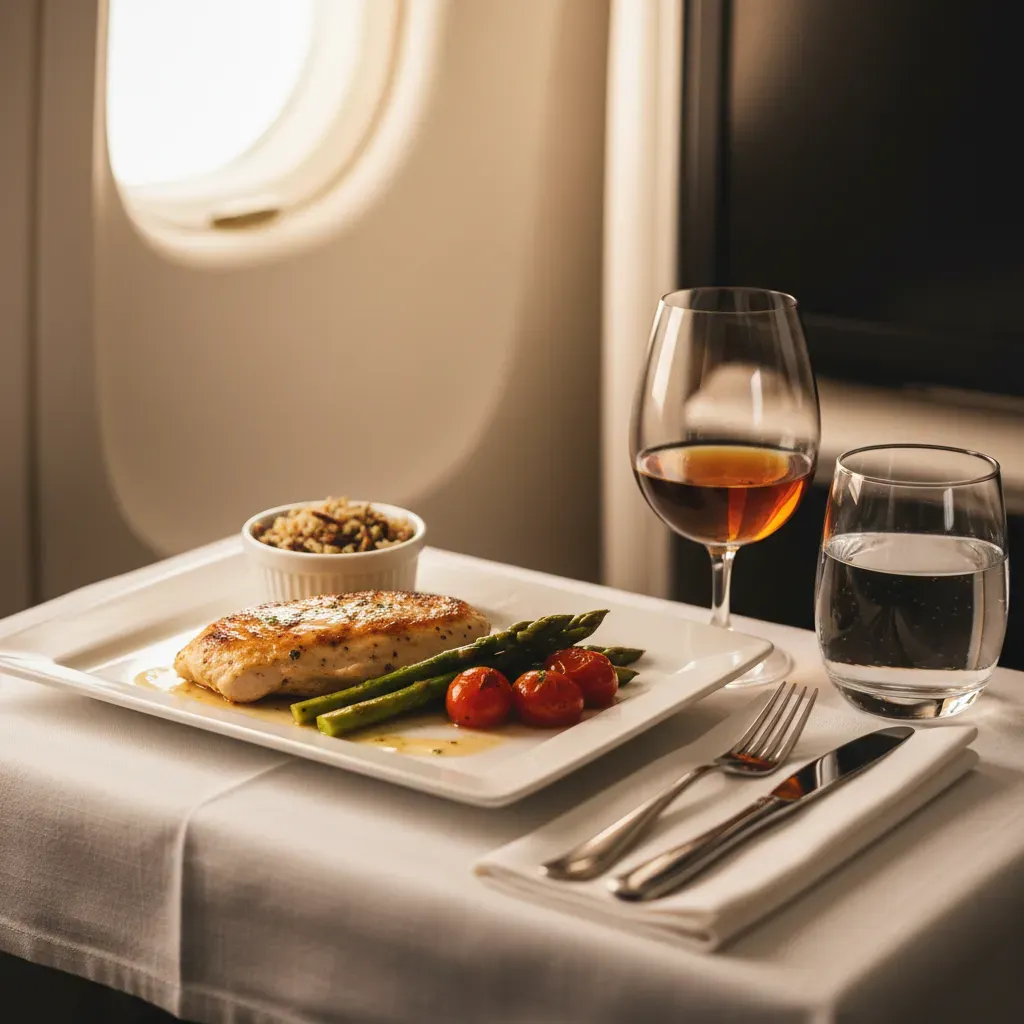
Meal and beverage service is another factor many travelers consider. American Airlines First Class meals and drinks may be offered depending on route length, departure time, and operational conditions. In most cases, you can expect a complimentary beverage selection, and on qualifying flights, plated meals or lighter premium snacks. The exact quality can vary, so travelers booking primarily for culinary appeal should keep expectations measured.
What often matters just as much is convenience. First Class on American Airlines may include faster deplaning, checked baggage priority, and a generally calmer onboard atmosphere. These are not glamorous benefits, but they are often the features that frequent premium travelers value most because they shape the entire day, not only the time spent in the seat. For readers considering how to book premium cabins thoughtfully, the guidance available in Premium Flight Booking & Tips is a useful next step.
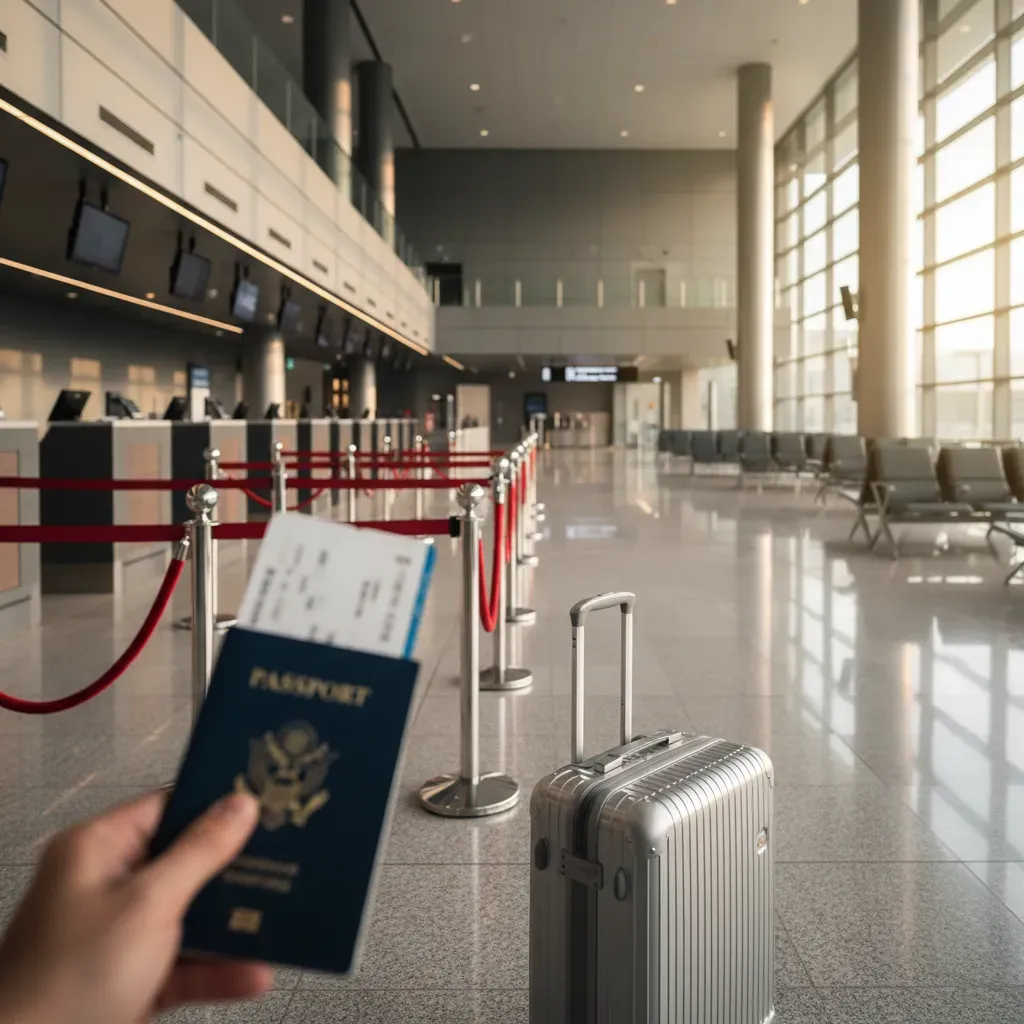
American Airlines First Class Perks: Baggage Allowance, Priority Services, and Boarding Windows
What many travelers overlook is that the true value of American Airlines First Class is often felt from curb to gate, not only once you sit down. The seat matters, but the time and friction saved through priority services can be the difference between a composed departure and an unnecessarily rushed one.
From a practical standpoint, First Class usually comes with an enhanced checked baggage allowance compared with many standard main cabin fares. The exact number of checked bags, size limits, and whether overweight fees apply can vary by route, fare type, and your existing status with the airline. Priority tags are also common in First Class, which may improve the likelihood of earlier delivery at baggage claim, although this can never be treated as guaranteed. Airport staffing, local handling procedures, and irregular operations can all affect outcomes.
Priority services typically extend to several points in the airport experience. You may have access to a dedicated check-in area, and at some airports there may be an expedited security lane available for eligible passengers. These advantages can be meaningful, but they differ by airport layout and staffing. Even within the same city, the experience can feel quite different depending on terminal, time of day, and whether your itinerary begins at a hub, connects through one, or departs from a smaller station.
Boarding is another area where clarity helps. American Airlines commonly uses boarding groups, and First Class travelers are typically called early in the process. This is helpful for overhead bin proximity, settling in calmly, and avoiding congestion in the aisle. Now, when it comes to timing, many travelers reference a “45-minute rule” concept for domestic departures, meaning check-in, baggage acceptance, and boarding cutoffs may occur well before scheduled departure time, and doors may close earlier than many travelers expect. Cutoff times can vary by airport, itinerary type, and whether you are checking bags, so it is wise to verify the specific requirements tied to your exact flight. For a premium traveler, arriving with comfortable margin remains one of the simplest ways to protect the value of the cabin you selected.
Pros and Cons
Strengths
- American Airlines First Class typically offers meaningfully more personal space than the main cabin, which can improve comfort on medium and longer domestic routes.
- Priority services, including check-in and boarding, may make the airport experience more efficient and less stressful.
- Complimentary drinks and meal service on eligible flights add a premium touch and may make daytime travel feel more polished.
- The product is widely available across the domestic network, making it accessible for travelers who value consistency of booking options.
- Aircraft such as the Airbus A321 and certain Boeing 737-800 configurations can provide a solid, dependable front-cabin experience for business and leisure travelers alike.
- For short but important trips, the faster exit and calmer cabin environment may be as valuable as the seat itself.
Considerations
- Domestic First Class on American Airlines is not equivalent to the highly exclusive international First Class products offered by a limited number of global carriers.
- Seat design, cabin finish, and service standards may vary considerably by aircraft type, route, and crew.
- Lounge access is not universally included with domestic First Class, so travelers should verify eligibility before booking.
- Meal quality and presentation may be uneven depending on route length and catering station.
Cleanliness and Cabin Turnarounds: What to Expect Between Flights
The reality is that even in a premium cabin, cleanliness standards are influenced by operational timing. Many travelers ask whether airlines clean seats between flights. In most cases, the turnaround between arriving and departing flights involves a focused reset rather than a deep clean. Crews may remove visible trash, tidy seat areas, and address obvious issues, but the depth and consistency of cleaning can vary by airport, schedule constraints, and the servicing team assigned to that aircraft.
On overnight stays, or when an aircraft is taken out of service for longer maintenance windows, cleaning may be more thorough. That can include more comprehensive attention to surfaces and cabin materials. During short turns, particularly at busy hubs, the goal is often to prepare the aircraft safely and quickly for departure. This can mean that high-touch areas such as tray tables, armrests, seatbelt buckles, and seat controls may not receive the type of detailed wipe-down a discerning traveler might assume is routine on every segment.
Consider this: short connections, delays, and aircraft swaps can all change how much time a cabin has for preparation. During disruptions, crews are typically prioritizing safety, boarding flow, and on-time recovery, and the cabin reset may be more utilitarian. Many premium travelers choose to carry discreet personal wipes and quickly address their immediate area without drawing attention to it. That is a practical step, not a statement about overall safety, and it helps keep expectations measured while preserving personal comfort.
Who It Suits
This cabin tends to suit travelers who want a more refined domestic journey without requiring the ultra-exclusive elements associated with long-haul international First Class. It is often a sensible choice for executives flying between major U.S. cities, couples beginning a milestone trip with a smoother first leg, and travelers who place a premium on time, space, and reduced airport friction.
It may also work well for clients who value predictability. If your goal is a wider seat, a quieter cabin, earlier boarding, and more attentive service, American First Class can be a practical premium option. If your expectations center on enclosed suites, extensive lounge privileges, or highly personalized culinary service, this product may feel more limited than the name suggests.
Flight Experts Recommendation
From the Flight Experts perspective, American Airlines First Class can be a strong fit when selected carefully by route, aircraft, and traveler priority. The cabin is usually at its best for domestic sectors where schedule, convenience, and personal space matter more than theatrical luxury. For a traveler heading to an important meeting, starting an anniversary journey, or connecting to a more substantial long-haul premium itinerary, that added comfort may be entirely worthwhile.
Flight Experts offers First Class Flight Booking for travelers seeking a more personalized planning process, and the team also supports Complex Itinerary Planning when a domestic premium segment forms part of a larger multi-city journey. If your plans involve comparing carriers, reviewing aircraft-specific options, or aligning cabin choice with your broader travel goals, speaking with Mike Chirilenco or a Flight Experts specialist may help you arrive at a more tailored recommendation than an automated booking path typically provides.
How to Evaluate American Airlines First Class
1. Start with the aircraft, not the cabin name. American first class perks can differ quite a bit depending on whether you are flying an Airbus A321, a Boeing 737-800, or an Embraer 175. Seat width, storage, tray layout, power access, and overall cabin finish may all vary. A premium traveler should always assess the hardware first.
2. Match the product to the route length. The longer the flight, the more meaningful the additional space becomes. On a shorter sector, the benefits may center more on speed and convenience. On a transcontinental or multi-hour domestic flight, seat comfort and meal quality usually carry greater weight.
3. Verify what is actually included. Travelers frequently assume first class on American Airlines automatically includes lounge access or a highly elevated meal service. In reality, these details may depend on the route and fare conditions. Confirming inclusions in advance is especially important if the trip marks a special occasion.
4. Consider the full itinerary. A domestic First Class segment can be an excellent addition to a broader premium trip, especially if it protects a valuable long-haul connection or reduces fatigue before arrival. For clients traveling on more intricate journeys, coordinated air planning often creates more value than evaluating one segment in isolation.
5. Be realistic about service consistency. American Airlines domestic First Class generally offers a better experience than the main cabin, but it may not deliver the same level of polish on every departure. Crew style, catering, and aircraft age can all affect the final impression. For that reason, discerning travelers often benefit from advisor guidance, particularly when deciding between carriers or selecting the most suitable flights for comfort and schedule integrity.
Cabin Variations That Matter: Seats, Power, Wi-Fi, and Storage by Aircraft Type
Think of it this way: “First Class” is the label, but the aircraft is the product. On American, the same cabin name can translate to noticeably different comfort depending on the specific jet assigned to your route. Even within a single aircraft family, seat dimensions, padding, and layout may differ by subfleet, refurbishment cycle, and configuration changes over time.
Seat comfort is not only about recline. For a premium traveler, the most meaningful differences often include seat width and elbow room, the stability and size of the tray table for working, and the practicality of personal storage for items you want accessible during the flight. Power availability can also be inconsistent. Some First Class seats have readily accessible outlets, while others may have limited power options, or outlets positioned inconveniently. Wi-Fi availability is similarly route and aircraft dependent, and service quality can vary based on equipment and network conditions. It is best viewed as a helpful tool rather than a certainty for time-sensitive work.
What sets this apart between aircraft types is often most obvious when comparing mainline narrow-bodies with regional jets. On mainline aircraft such as the Airbus A321 and Boeing 737-800, First Class usually provides more overhead bin capacity, a more substantial galley setup, and a boarding flow that feels less compressed. On regional aircraft such as the Embraer 175, the cabin can feel quieter and more personal, but bin space and aisle width can be more limiting, and boarding and deplaning may feel more constrained depending on the jet bridge and gate setup. These details shape the experience, especially if you are traveling with a carry-on you prefer to keep near you.
From a practical standpoint, it is wise to look beyond the cabin label at booking time. Seat maps can provide signals about layout, spacing, and whether the First Class cabin is small and potentially more intimate, or larger and potentially more exposed to foot traffic. Equipment swaps also matter. Aircraft assignments can change, sometimes at short notice, due to maintenance and operational requirements. If you selected a flight specifically for a favored aircraft, it is prudent to remain flexible and consider which aspects of the experience are non-negotiable for you. This is also where advisor support can be valuable, particularly when coordinating connections, comparing multiple departure options, or selecting flights where the onboard environment is likely to align with your priorities.
Frequently Asked Questions
Does American Airlines have First Class on all flights?
No. American Airlines typically offers First Class on many domestic and select short-haul international routes, but availability depends on aircraft type and route. Some flights may instead feature Business Class branding or no premium cabin at all. It is wise to confirm the aircraft and cabin configuration before booking if the premium experience is a priority.
What does First Class look like on American Airlines?
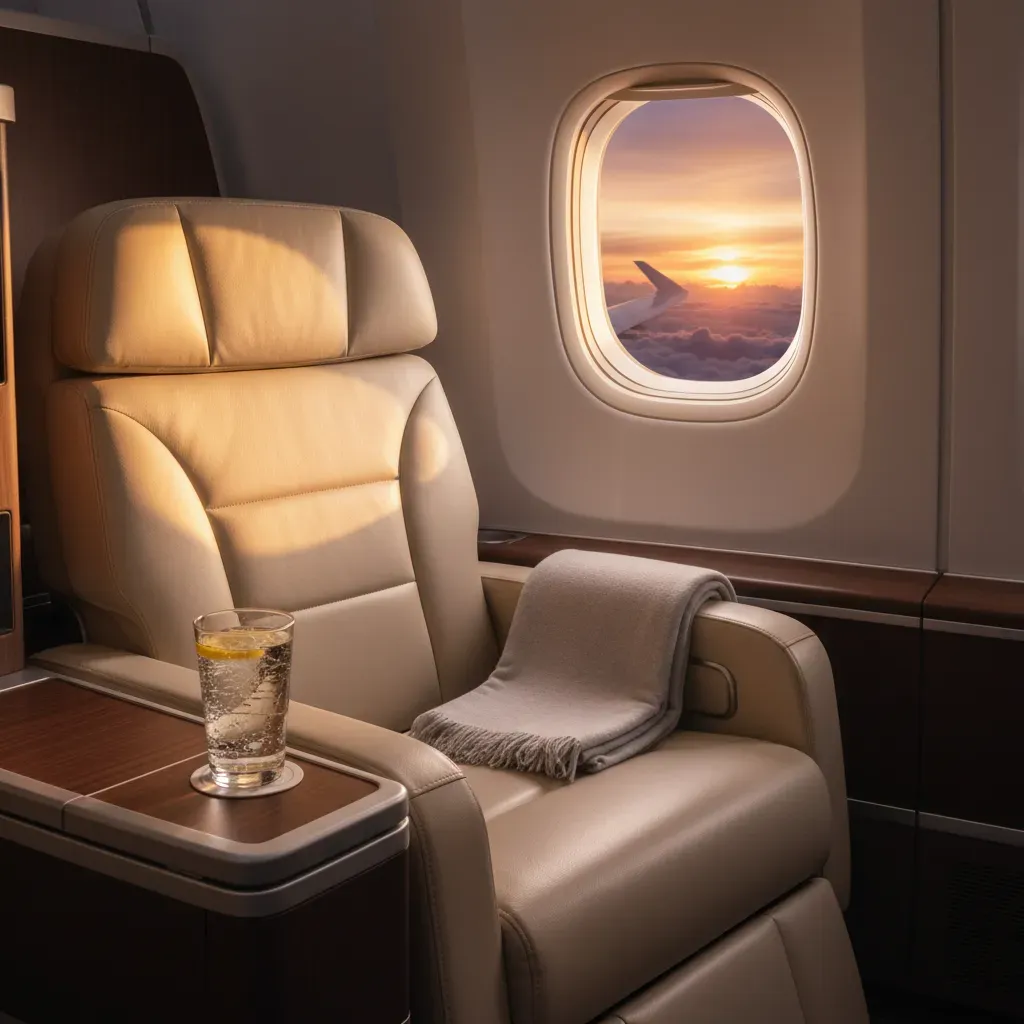
In most cases, American Airlines First Class features a larger recliner-style seat in a 2-2 configuration on narrow-body aircraft, or a 1-2 layout on some regional jets. The design is generally practical rather than highly private. Finishes, seat padding, and storage may vary, so the visual and comfort standard is not identical across the fleet.
What does 1st class get you on American Airlines?
In most cases, American Airlines First Class gets you a larger front-cabin seat, priority handling at several points in the airport journey, and enhanced onboard service compared with the main cabin. You typically receive earlier boarding, and on many itineraries you may also receive an improved checked baggage allowance and priority handling for checked bags, subject to route and fare rules. Onboard, complimentary beverages are typical, and meals may be provided on eligible flights depending on route length, departure time, and operational conditions. Because inclusions can vary, verifying what applies to your specific flight remains the most reliable approach.
Is American Airlines domestic First Class worth it?
It may be worth it if you value personal space, priority airport handling, and a calmer cabin environment. For shorter flights, the main benefits are often convenience and comfort rather than a dramatic luxury leap. For longer domestic sectors, especially transcontinental travel, the wider seat and added service may feel far more meaningful.
Are American Airlines First Class meals included?
Meal service may be included on eligible flights, usually depending on route length, timing, and current onboard service standards. Some departures offer plated meals, while others may provide lighter fare or premium snacks. Travelers booking for a special occasion should avoid assumptions and confirm the expected service profile in advance.
What drinks are available in American Airlines First Class?
American Airlines First Class drinks typically include complimentary alcoholic and nonalcoholic beverages, subject to route, timing, and onboard availability. The exact selection may differ by flight. If beverage service is important to your onboard experience, it is best to treat the offering as variable rather than fixed across the network.
Does American Airlines domestic First Class include lounge access?
Not always. Domestic First Class does not universally come with lounge access, and eligibility may depend on route type, status, membership, or ticket conditions. This is one of the most common areas of confusion for premium travelers. If lounge access matters to your itinerary, verify it before you finalize the booking.
What is the difference between American Airlines First Class and Business Class?
The distinction usually depends on route and aircraft. Domestic flights often use the First Class label for the front cabin, while long-haul and some premium transcontinental services may use Business Class branding with a different seat and service standard. That is why a route-specific comparison is often more useful than relying on the cabin name alone.
Is there international First Class on American Airlines?
American Airlines has historically offered international First Class on a very limited basis, but travelers should not assume broad availability across its long-haul network. On many international routes, Business Class is the principal premium product. If you specifically want international First Class, careful review of current aircraft and routes is essential.
Which American Airlines aircraft offer the best First Class experience?
Preferences vary, but many travelers find that newer or refreshed Airbus A321 and certain Boeing 737-800 cabins provide a stronger domestic First Class experience than older configurations. Embraer 175 service can also be appealing for its smaller cabin feel. The most suitable choice depends on whether you prioritize seat comfort, cabin quiet, or route convenience.
What is the 45 minute rule?
Many travelers use the phrase “45-minute rule” to describe the idea that key cutoffs for domestic flights may occur well before the scheduled departure time. Depending on the airport and itinerary, baggage acceptance and check-in may close, boarding may end, and aircraft doors may close earlier than you expect. Because cutoff times can vary by airport, route type, and operational conditions, you should confirm the specific check-in and boarding requirements for your exact flight, especially if you are checking bags or connecting from another itinerary.
Do airlines clean seats between flights?
Typically, airlines perform a cabin reset between flights rather than a deep clean. This often includes removing trash and tidying visible areas, but the level of detail can vary by station, schedule, and how tight the turnaround is. More thorough cleaning may be more common during overnight stops or longer maintenance windows. If cleanliness is a priority for you, it is reasonable to keep expectations measured and take discreet, practical steps to prepare your immediate seating area.
Key Takeaways
- American Airlines First Class is best viewed as a domestic premium cabin focused on comfort, convenience, and time-saving benefits.
- The experience may vary notably by aircraft, with the Airbus A321, Boeing 737-800, and Embraer 175 offering different strengths.
- Meal service, drinks, and lounge access should be verified in advance because inclusions are not always uniform.
- This cabin often suits travelers who value a smoother airport experience and more personal space rather than ultra-exclusive luxury.
- Advisor guidance may be especially useful when selecting flights by route, aircraft, and connection strategy.
Conclusion
American Airlines First Class can be a worthwhile choice if your expectations are aligned with what it usually delivers: a more spacious seat, priority handling, and a smoother domestic travel experience overall. It is less compelling if you are expecting the rarified atmosphere of top-tier international First Class. The key is not the label alone, but how well the specific aircraft, route, and service pattern fit your travel goals. If you would like help comparing American’s premium cabin with other options or building a more refined air itinerary, contact Mike Chirilenco or the Flight Experts team. Their personalized service, including First Class Flight Booking and more complex premium routing support, may help you secure an itinerary better matched to your preferences.



